
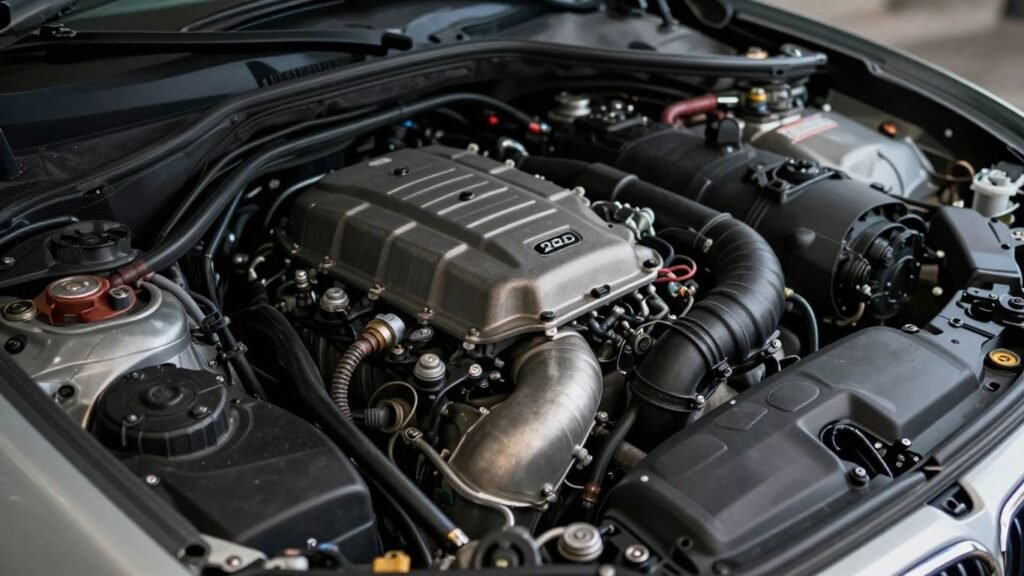
So, you’ve got a 2016 BMW X3 20d and you’re hearing some concerning noises or seeing warning lights? It happens. Like any car, this model can have its quirks, especially when it comes to the engine. If you’re in Parramatta and wondering what might be going on with your BMW X3 20d engine, you’ve come to the right place. We’re going to break down some of the common issues people run into.
Key Takeaways
- The 2016 BMW X3 20d can experience issues like timing chain wear, turbo problems, and swirl flap failures. These are often linked to the diesel engines.
- Fuel system problems, such as failing fuel pumps and injectors, along with low oil pressure, are also reported concerns for this model.
- Electrical glitches like battery drain, ABS/DSC warning lights, and faulty clock springs can pop up, sometimes without an obvious reason.
- If you’re dealing with these BMW X3 20d engine Parramatta 2016 issues, finding a BMW specialist in the area is a good idea to get it fixed right.
- Keeping up with regular maintenance, like checking oil levels and getting services done on time, can help prevent some of these problems.
Common Engine Concerns for the 2016 BMW X3 20d
When you’re looking at a 2016 BMW X3 20d, especially if you’re considering buying one used, it’s smart to know about some of the engine issues that have popped up. While BMWs are generally well-built, no car is perfect, and these particular diesel engines can have a few specific quirks.
Timing Chain Wear and Failure
One of the more serious concerns is the timing chain. On some BMW diesel engines, including those found in the X3 20d, the timing chain can wear out sooner than expected. This isn’t a cheap fix because the chain is located at the back of the engine, making it hard to get to. A common sign that something’s up is a rattling noise coming from the back of the engine, especially when you first start it up. If you’re buying a used one, it’s a good idea to ask if the timing chain has been inspected or replaced. It’s a big job, and getting it done proactively can save you a lot of headaches down the road.
Turbocharger Malfunctions
Turbochargers are great for giving your engine a boost, but they can also be a source of trouble. In the 2.0 and 3.0-litre diesel models, turbo failure can happen, often due to blocked oil feed pipes. This can lead to reduced engine performance and, if left unaddressed, more significant damage. Replacing a turbo isn’t cheap, so if you notice a loss of power or unusual noises from the turbo area, it’s worth getting it checked out by a professional.
Swirl Flap Issues
Swirl flaps are part of the intake manifold system, designed to help control airflow into the engine. However, they can sometimes break or get stuck. This is more commonly reported on earlier diesel models, but it’s something to be aware of. If the swirl flaps fail, it can lead to a range of problems, including rough idling, reduced power, and even engine damage if pieces break off and enter the combustion chamber. It’s a good idea to look for evidence that this has been addressed if you’re considering an older diesel X3.
It’s always a good idea to get a pre-purchase inspection from a mechanic you trust, especially for used vehicles. They can often spot potential issues that aren’t obvious during a casual test drive.
Here’s a quick rundown of what to look out for:
- Rattling noise on startup: Could indicate timing chain wear.
- Loss of power or whistling sounds: Might point to turbocharger problems.
- Rough idling or engine hesitation: Could be related to swirl flap issues.
If you’re in Parramatta and need to get these kinds of issues looked at, finding a BMW specialist who knows these engines well is your best bet.
Fuel System and Oil Pressure Problems
Fuel Pump and Injector Failures
When your 2016 BMW X3 20d starts acting up with things like a noticeable drop in fuel economy, less pep when you accelerate, or the check engine light flashing on, it’s often pointing to an issue with the fuel system. Specifically, problems with the fuel pump or injectors can cause these symptoms. The fuel pump is responsible for sending gas from the tank to the engine, and if it’s not working right, the engine won’t get the fuel it needs. Likewise, faulty injectors can mess with how fuel is sprayed into the engine, leading to a rough run. Sometimes, you might even have trouble starting the car if these parts aren’t doing their job.
- Poor fuel economy: You’ll notice you’re stopping at the gas station more often.
- Reduced engine performance: The car feels sluggish and doesn’t accelerate as it should.
- Rough idling: The engine might shake or sputter when you’re stopped.
- Starting issues: The engine might crank but not start, or take a long time to fire up.
Low Oil Pressure Diagnosis
Low oil pressure is a serious red flag for any engine, and the 2016 BMW X3 20d is no exception. Oil is the lifeblood of your engine, lubricating all the moving parts and keeping things cool. If the oil pressure drops too low, these parts can grind against each other, leading to major damage, and potentially, complete engine failure. This can happen for a few reasons, like a leaking oil pump seal or even a failing fuel pump that’s somehow affecting oil circulation. It’s really important to keep an eye on your oil level. If you’re constantly topping it up and the level still drops, it’s a sign something’s not right and needs a closer look.
Regularly checking your oil level is a simple habit that can save you a lot of headaches and money down the road. Don’t wait until a warning light comes on; make it part of your routine.
Here’s what you might notice if your oil pressure is low:
- Oil warning light: This is the most obvious sign, a red or amber light on your dashboard.
- Engine noise: You might hear knocking or ticking sounds from the engine, especially when it’s under load.
- Overheating: Without proper lubrication, the engine can run hotter than usual.
If you suspect low oil pressure, it’s best to get it checked out by a professional right away. They can run diagnostics to pinpoint the exact cause, whether it’s a simple fix or something more involved.
Electrical System Glitches
Battery Drain and Parasitic Draw
It’s a real headache when your car just won’t start because the battery’s dead, right? Some 2016 BMW X3 20d owners have run into this exact problem. The battery keeps draining, and even replacing it doesn’t always fix the issue. This usually points to something called a parasitic draw, which means power is still being used even when the car is off. This could be a faulty electrical part staying on, some wiring problems, or even a bad alternator diode. It’s a tricky one to pin down.
ABS and DSC Warning Lights
Seeing the ABS (Anti-lock Braking System) warning light pop up on your dashboard can be unsettling. If it’s accompanied by the DSC (Dynamic Stability Control) and tire pressure warning lights, it might not just be a simple sensor issue. Sometimes, the system gets confused if there’s a difference in the rolling size of the front and rear tires. This makes the car think a wheel is slipping when it’s not, triggering those lights. It’s a known quirk that can affect the X3.
Faulty Clock Spring
Ever had your steering wheel controls suddenly stop working, or maybe the horn just won’t honk? A small but important part called the clock spring could be the culprit. This little electrical component acts as a connector for things like your airbag, horn, and other steering wheel buttons to the car’s main electrical system. When it wears out or breaks, those controls can go dead. It’s a common enough electrical gremlin that pops up in various vehicles.
Diagnosing electrical issues can be a real puzzle. It often requires specialized tools and a good deal of patience to trace the problem back to its source. Don’t hesitate to seek professional help if you’re not comfortable poking around your car’s wiring.
Here’s a quick look at what you might expect for diagnosis costs:
| Issue Type | Average Cost (GBP) |
|---|---|
| Electrical Fault Diagnosis | £59.74 |
Keep in mind that this is just an average for diagnosis, and the actual repair cost will vary a lot depending on what’s found.
Addressing Engine Issues in Parramatta
Finding a BMW Specialist in Parramatta
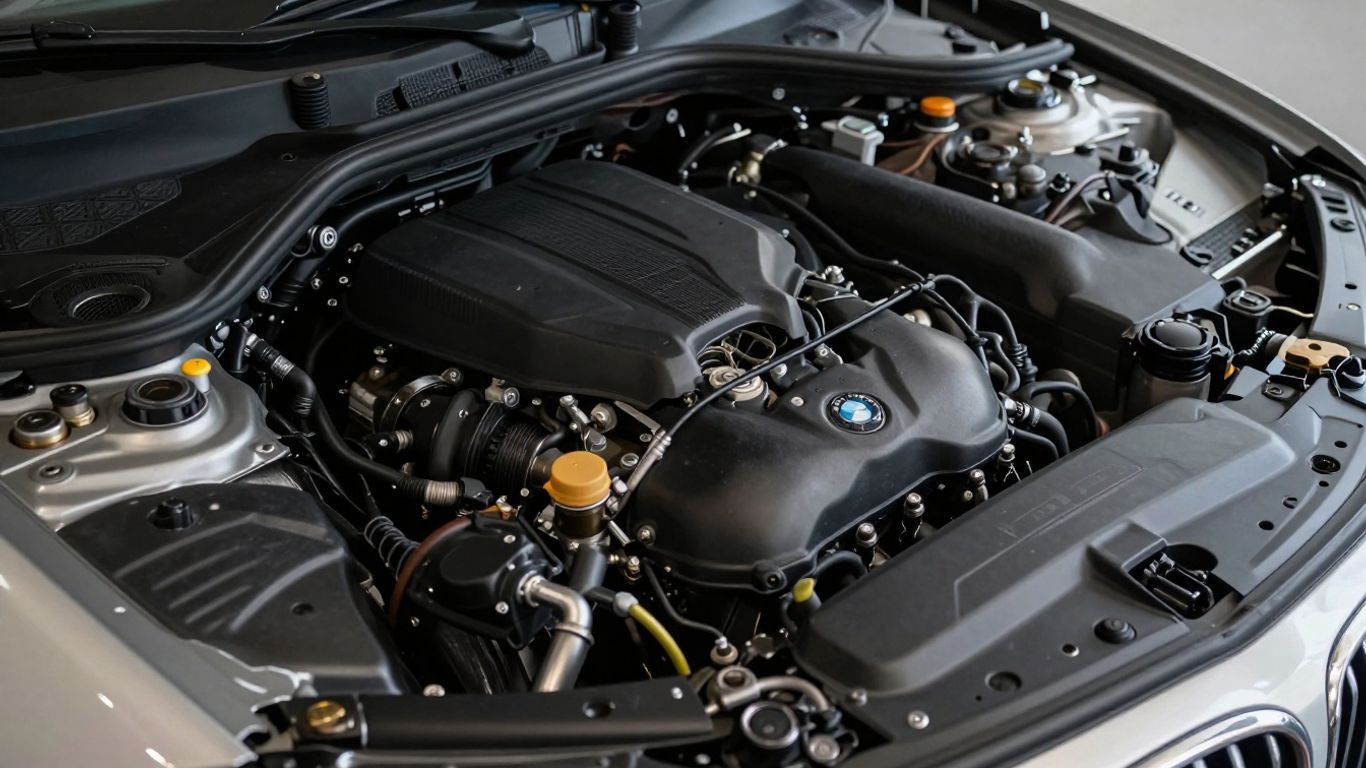
When your 2016 BMW X3 20d starts acting up, especially with engine troubles, you don’t want just anyone looking at it. Parramatta has a good number of mechanics, but finding one who really knows their way around a BMW, particularly the diesel engines, is key. You’re looking for someone who understands the specific quirks of these cars, not just general auto repair. A good BMW specialist will have the right diagnostic tools and genuine parts, or at least high-quality equivalents. They’ll also be up-to-date on common issues like the timing chain wear or swirl flap problems we’ve talked about.
Here’s what to look for in a specialist:
- Experience with BMW Diesels: Make sure they’ve worked on X3 models and diesel engines before.
- Proper Diagnostic Equipment: Modern cars need modern tools to figure out what’s wrong.
- Good Reviews and Reputation: Check online reviews or ask other BMW owners in the area for recommendations.
- Transparency: They should be willing to explain the problem, the proposed fix, and the costs upfront.
Understanding Repair Costs
Repair costs can really add up, and it’s good to have an idea of what to expect. For a 2016 BMW X3 20d, the price tag for fixing engine issues can vary a lot depending on what’s actually wrong. Simple things like a faulty sensor might be a few hundred dollars, while a major repair like a turbocharger replacement could easily run into the thousands. It’s always a good idea to get a detailed quote before agreeing to any work. Some common repairs and their estimated costs in the Parramatta area might look something like this:
| Repair Item | Estimated Cost Range (AUD) |
|---|---|
| Timing Chain Replacement | $1,500 – $3,500 |
| Turbocharger Repair/Replace | $2,000 – $4,500 |
| Swirl Flap Deactivation/Fix | $500 – $1,200 |
| Fuel Injector Replacement | $400 – $800 per injector |
| NOx Sensor Replacement | $300 – $600 |
Remember, these are just estimates. The actual cost will depend on the specific parts needed, the labor rates at the shop, and whether any unforeseen issues pop up during the repair. Getting a second opinion or quote from another reputable mechanic can sometimes save you money.
When you’re dealing with car repairs, especially on a premium vehicle like a BMW, it’s easy to feel overwhelmed. The best approach is to stay calm, do your research on potential problems and reputable repair shops, and always ask questions. Don’t be afraid to ask for clarification if something doesn’t make sense. A good mechanic will be happy to explain things in plain language.
Preventative Maintenance for Your BMW X3
Keeping your 2016 BMW X3 20d running smoothly really comes down to staying on top of its maintenance. It’s not just about fixing things when they break; it’s about stopping them from breaking in the first place. Think of it like going to the doctor for regular check-ups instead of waiting until you’re really sick. A little attention now can save you a lot of headaches and money down the road.
Regular Oil Level Checks
This is probably the simplest, yet most important, thing you can do. Your engine needs oil to keep all those moving parts lubricated and cool. If the oil level drops too low, you risk serious damage, and that’s not something you want to deal with. Make it a habit to check your oil level at least once a month, or before any long trips. It only takes a few minutes. You can usually find instructions in your owner’s manual on how to do this properly. If you notice the oil level dropping consistently, even after topping it up, it might signal a leak or a problem with the fuel pump, which definitely needs a mechanic’s attention.
Importance of Service History
Keeping a detailed record of all the maintenance and repairs your X3 has had is super important. This isn’t just for your own records; it tells a story about how well the car has been looked after. A complete service history, especially one from a BMW specialist, can show that potential buyers that the car has been maintained properly. It can also help mechanics diagnose issues faster if something does go wrong. For older models, look for evidence that common problems, like timing chain checks or swirl flap replacements, have been addressed. This kind of documentation is a big plus when you’re looking at a used car, or when you eventually decide to sell yours. It’s a good idea to keep track of things like filter changes and fluid flushes; for example, the cabin and engine air filters are often recommended for replacement every 30,000 miles [4c7b].
Addressing Recalls Promptly
Sometimes, BMW issues recalls for specific models if they discover a potential safety issue or a manufacturing defect. These recalls are usually free to fix, and it’s really in your best interest to get them done as soon as possible. Ignoring a recall notice could mean missing out on a free repair that could prevent a more serious problem later on. You can usually check if your X3 has any open recalls by contacting a BMW dealer or checking BMW’s official website with your vehicle’s VIN. It’s a simple step that can make a big difference in keeping your car safe and reliable.
Taking proactive steps with your vehicle’s upkeep is the smartest way to go. It’s about being aware of what your car needs and acting on it before it becomes a major issue. This approach not only keeps your BMW X3 in top shape but also helps avoid unexpected and costly repairs down the line. Think of it as an investment in your car’s longevity and your peace of mind.
Understanding NOx Sensor Faults
Symptoms of NOx Sensor Problems
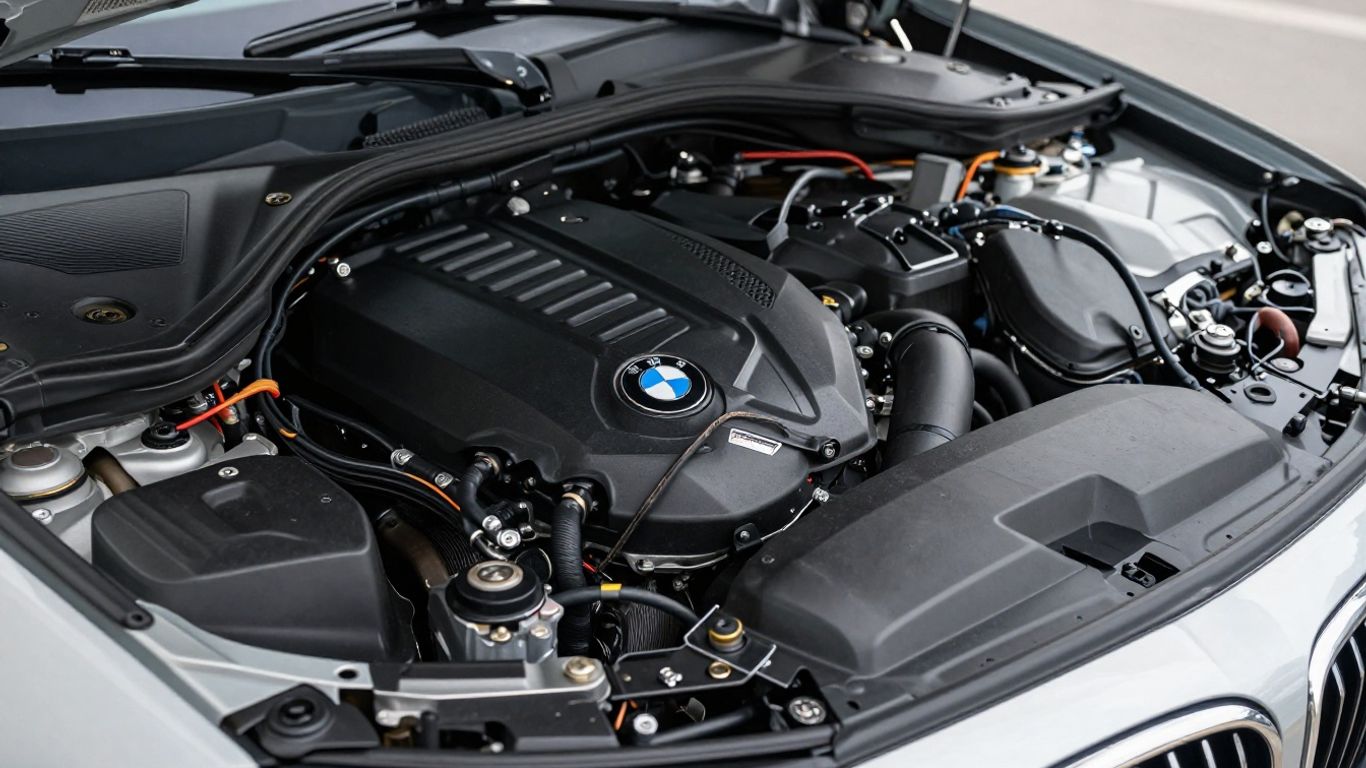
So, your 2016 BMW X3 20d might be acting a bit funny, and you’re wondering what’s up. One thing to keep an eye on is the NOx sensor. These sensors are pretty important for keeping your car’s emissions in check, basically making sure it’s not spewing out too much of that nasty nitrogen oxide stuff. When they start acting up, you might notice a few things. The engine could start running rough, maybe a bit unevenly at idle, or you might see a dip in your fuel economy. Sometimes, the check engine light will pop on, and it could be related to this sensor. It’s not always a dramatic failure, but these subtle changes can be your car’s way of telling you something’s not quite right.
Potential Impact on Emissions
When a NOx sensor isn’t doing its job properly, it can have a pretty direct effect on your car’s emissions. The sensor’s main role is to measure the amount of nitrogen oxides being produced by the engine. If it’s faulty, it can’t give the engine’s computer accurate readings. This means the computer might not be able to adjust the engine’s performance correctly to minimize those harmful NOx gases. This can lead to your vehicle emitting more pollutants than it should, potentially failing emissions tests and contributing more to air pollution. It’s a bit like trying to cook without a thermometer; you might end up with something that’s not quite right, and in this case, the ‘something’ is excess pollution.
The NOx sensor works in conjunction with other emission control systems, like the Diesel Particulate Filter (DPF) and the Selective Catalytic Reduction (SCR) system, which uses AdBlue fluid. A malfunctioning NOx sensor can throw off the balance of these systems, leading to further complications and potentially more expensive repairs down the line if left unaddressed.
Wrapping It Up
So, if you’re looking at a 2016 BMW X3 20d around Parramatta, or already own one, it’s good to be aware of these potential engine hiccups. Things like swirl flaps, timing chains, and turbo issues have popped up for some owners. While the X3 is generally a solid SUV, these specific diesel engines can be a bit finicky. Keeping up with maintenance is key, and if you hear any strange noises or notice performance changes, it’s probably best to get it checked out by a mechanic sooner rather than later. Being informed can save you a lot of headaches and money down the road.
Frequently Asked Questions
What are the most common engine problems with the 2016 BMW X3 20d?
Owners have reported issues with the timing chain, which can wear out and even break. Turbochargers can also malfunction, and problems with swirl flaps, which help control airflow into the engine, are another concern. These issues can sometimes lead to more serious engine damage if not addressed.
Are there any known fuel system or oil pressure issues?
Yes, some 2016 X3 20d models have experienced problems with the fuel pump and injectors, which can cause rough running and starting difficulties. Low oil pressure is also a concern; this can be caused by leaks or a failing fuel pump and is critical to fix quickly to prevent engine damage.
What kind of electrical problems might I encounter?
Electrical glitches are not uncommon. Some owners have dealt with the battery draining unexpectedly, often due to something called a parasitic draw, where a component stays powered even when the car is off. You might also see warning lights for the ABS and DSC systems, and sometimes the clock spring in the steering wheel can fail, affecting controls and the airbag.
Where can I get my BMW X3 fixed in Parramatta?
For specialized care, it’s best to find a BMW specialist in Parramatta. They have the specific knowledge and tools to diagnose and repair these complex German vehicles accurately. While dealerships are an option, independent specialists can sometimes offer more competitive pricing.
How can I prevent these engine issues from happening to my BMW X3?
Regular maintenance is key! Make sure to check your oil level frequently and get your car serviced according to the manufacturer’s schedule. Keeping up with your service history and addressing any recalls promptly can help catch potential problems early and keep your X3 running smoothly.
What are NOx sensors and why do they matter?
NOx sensors are part of your car’s emission control system, measuring nitrogen oxide levels. If a NOx sensor fails, it can affect your car’s performance and, more importantly, its emissions. This can lead to your car not passing an emissions test and potentially causing damage to other parts of the exhaust system if left unfixed.