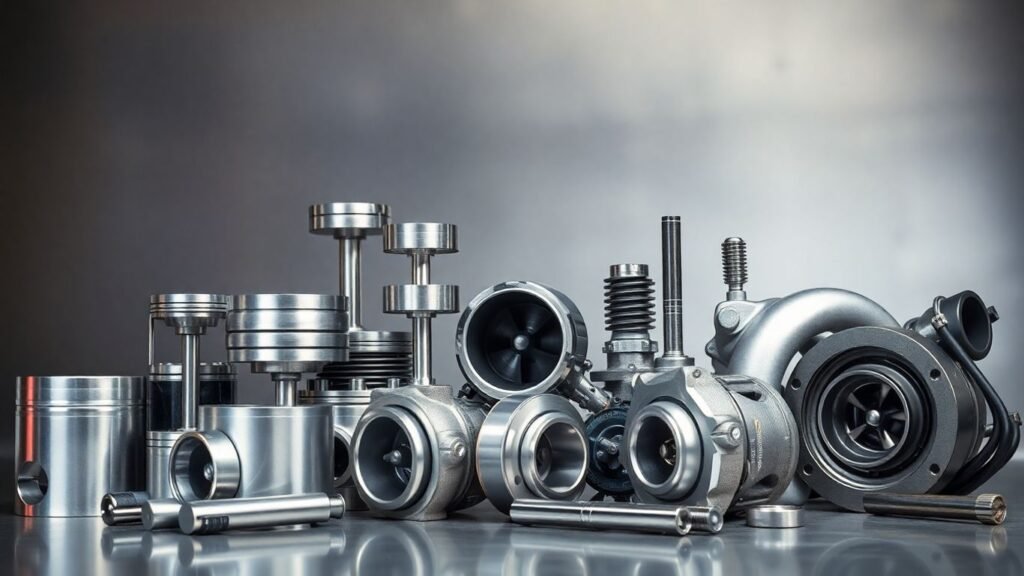
So, you’re looking to get a new engine or maybe just some parts for your ride here in Australia? It can feel like a maze trying to figure out who’s who and who’s actually good. We’ve put together a guide to help you sort through the noise and find the best engine suppliers Australia has to offer. Whether you’re after a tough diesel for work or something special for a project, knowing where to look makes all the difference.
Key Takeaways
- Diesel engines are still a big deal in Australia, making up a large chunk of new vehicle sales, especially in popular segments like utes and SUVs.
- When picking an engine supplier in Australia, check their history and how reliable they are. It’s not just about the price.
- Always make sure the parts and materials you get meet Australian standards. This is super important for safety and making sure things work right.
- If you need something a bit different, like custom parts or performance boosts, look for suppliers who can handle specialised jobs like metal fabrication or ECU tuning.
- Keeping your engine running well involves regular checks and fixes. Good maintenance is key to making your engine last longer and perform better.
Understanding Australia’s Engine Market Landscape
The Growing Popularity of Diesel Powertrains
It might surprise some folks, but diesel engines are actually doing pretty well in Australia right now. Despite all the talk about electric cars and hybrids, diesel sales have been climbing. This is a big deal, especially if you’re thinking about buying or selling a vehicle down the line. Knowing where the market is headed helps you make smarter choices. It’s not like the old days where diesel was just for big trucks or farm equipment; modern diesels are smooth, powerful, and efficient for everyday driving too.
Key Vehicle Segments Driving Diesel Demand
So, what’s making diesels so popular? A lot of it comes down to a few key types of vehicles that Aussies love. Think dual-cab utes – they’re everywhere, and most of them run on diesel. Then you’ve got the big 4×4 wagons and SUVs that people use for towing or heading off-road. Even some family-sized vans are still opting for diesel power because of the extra grunt and fuel savings on long trips. It seems like when people need a vehicle that can really work hard or go the distance, diesel is often the go-to choice.
Here’s a quick look at what’s selling:
- Dual-cab utes: These are the kings of diesel sales, making up a huge chunk of the market.
- 4×4 Wagons & SUVs: Popular for families and adventurers needing capability.
- Commercial Vans: Businesses rely on diesel for their workhorse vehicles.
Market Trends and Future Outlook for Engine Sales
Looking ahead, the diesel market seems pretty solid, especially in those popular segments. While some car manufacturers are shifting away from diesel, others are sticking with it, recognising its benefits. We’re seeing steady growth, particularly in the ute and large SUV categories. It’s not a market that’s going away anytime soon, though it’s always good to keep an eye on new technologies and regulations. For now, if you’re looking for power, efficiency, and towing ability, diesel remains a strong contender in Australia.
The automotive landscape is always changing, but the practical advantages of diesel engines for certain applications continue to drive demand in Australia. It’s a powertrain that offers a blend of strength and economy that many consumers still find hard to beat for their specific needs.
Identifying Reputable Engine Suppliers in Australia
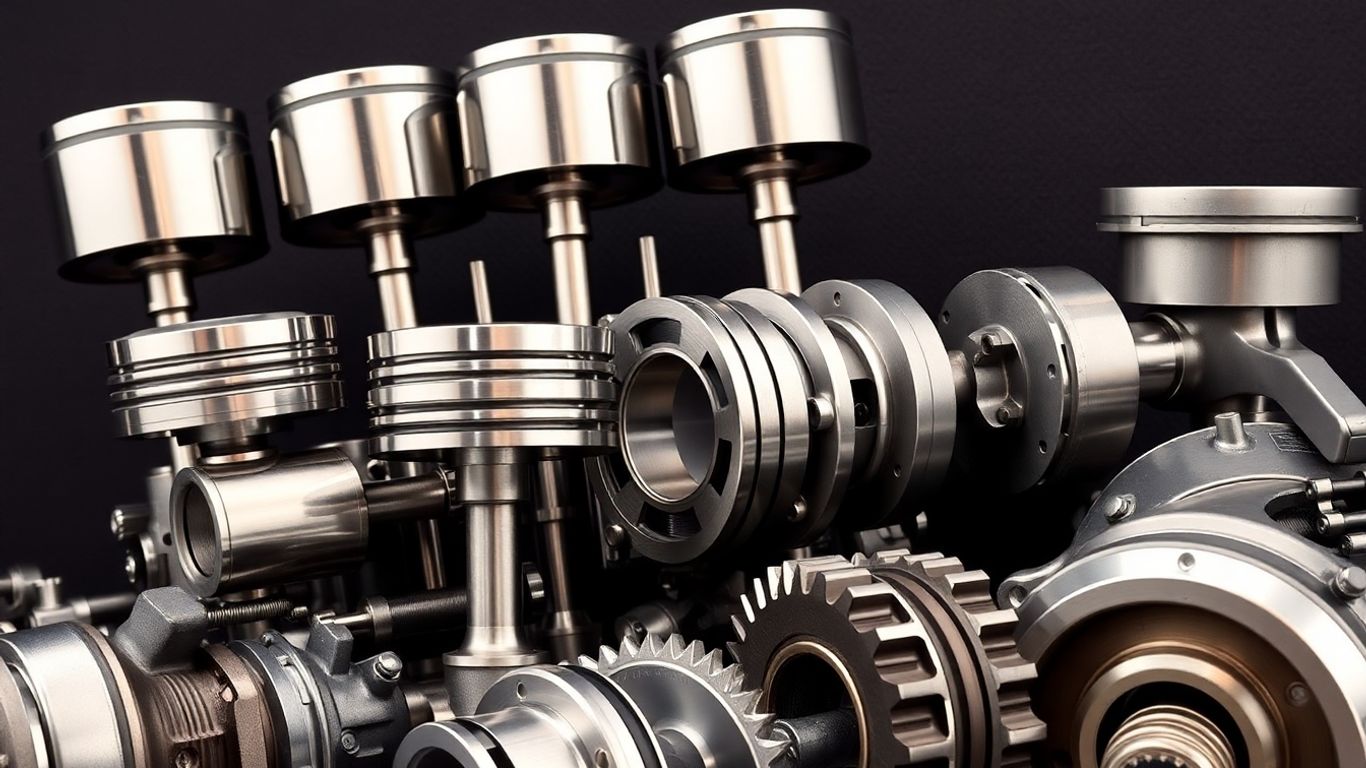
Finding the right engine supplier is a big deal for any automotive project, whether you’re building a custom rig or just need a reliable replacement. It’s not just about getting an engine; it’s about getting one that’s going to last and perform the way you need it to. The quality of your engine supplier directly impacts the success and longevity of your vehicle. In Australia, there are plenty of options, but not all suppliers are created equal. You want someone who knows their stuff and stands behind their products.
Criteria for Selecting High-Quality Engine Providers
When you’re looking for a supplier, think about what really matters. It’s easy to get caught up in price, but that’s often not the whole story. You need to look at a few key things to make sure you’re not setting yourself up for a headache down the road.
Here’s a checklist to consider:
- Experience and Specialisation: Does the supplier focus on the type of engines you need? For instance, if you’re after a high-performance V8 or a robust diesel for a work ute, find a supplier with a history in that area. Some places might just be general parts dealers, while others are specialists.
- Product Range and Availability: Can they supply the specific engine model or type you’re after? It’s also good if they have a decent stock or can source parts quickly. Waiting months for an engine isn’t ideal for most projects.
- Customer Reviews and Reputation: What are other people saying? Look for online reviews, ask around in car clubs, or check forums. A supplier with consistently good feedback is usually a safe bet.
- Warranty and Support: What kind of warranty do they offer on their engines? Good suppliers will back their products with a solid warranty and offer support if something goes wrong.
The Importance of Supplier Reliability and Track Record
Reliability is more than just a buzzword; it’s about trust. You need a supplier you can count on, especially when you’re deep into a project. A supplier with a solid track record means they’ve been around, they know how to handle business, and they’ve likely got a good handle on the Australian market. Think about companies that have been operating for a while, like Kre Race Engines, which has been in the game for over 30 years. That kind of history suggests they know what they’re doing and have satisfied customers.
A supplier’s history often tells you more than their sales pitch. Look for consistency in quality, service, and customer satisfaction over the years. This builds confidence that they can meet your needs reliably.
Navigating Supplier Networks for Automotive Projects
Sometimes, you might need more than just an engine. You might need related parts, custom work, or advice. This is where understanding a supplier’s network comes in handy. A good supplier might have connections to machine shops for custom modifications, or they might be able to source hard-to-find components. It’s about finding partners who can help your project move forward smoothly.
When you’re looking at suppliers, consider:
- Access to Parts: Can they get you all the associated parts you might need, like transmissions, cooling systems, or exhaust components?
- Technical Support: Do they have knowledgeable staff who can answer your questions or offer guidance on engine selection and installation?
- Customisation Services: If your project requires specific modifications, does the supplier offer or have connections for services like custom machining or performance tuning?
- Logistics and Delivery: How do they handle shipping? Are they reliable in getting the engine to you on time and in good condition? This is especially important if you’re not located near a major city.
Key Considerations When Choosing Engine Suppliers
Picking the right engine supplier is a big deal for any automotive project, whether you’re building something from scratch or just fixing up an old favourite. It’s not just about getting an engine that fits; it’s about getting one that’s built well and will last. You don’t want to end up with a lemon that causes more headaches than it’s worth.
Material Quality and Compliance with Australian Standards
When you’re looking at engines or parts, the quality of the materials used is super important. Think about it: if the metal isn’t up to par, or the bolts aren’t strong enough, things can go wrong pretty fast. You need to make sure whatever you’re getting meets Australian Standards. This isn’t just some bureaucratic hoop to jump through; it’s about safety and making sure the engine can handle what you throw at it. Suppliers should be able to show you proof that their stuff is certified. It’s like building a house – you wouldn’t use dodgy bricks, right?
Supplier Services: Custom Machining and Cutting
Sometimes, a standard engine just won’t cut it. You might need specific modifications to make it fit your project perfectly. That’s where a supplier’s custom machining and cutting services come in. Can they bore out cylinders to your exact specs? Can they fabricate custom mounts or modify existing components? It’s worth asking about their capabilities here. A good supplier can save you a lot of hassle by handling these custom jobs in-house. It means less time spent trying to find another specialist and more time getting your project moving.
Balancing Cost and Long-Term Performance
Okay, let’s talk money. Everyone wants a good deal, but the cheapest option isn’t always the best. You’ve got to look at the whole picture. A slightly more expensive engine from a reputable supplier might end up costing you less in the long run because it’s built better and lasts longer. Think about potential repair costs down the line. A poorly made engine, even if it was cheap upfront, could lead to major breakdowns and expensive fixes. It’s a trade-off between your initial budget and the engine’s lifespan and reliability. You want an engine that performs well not just today, but for years to come.
Here’s a quick way to think about it:
- Initial Cost: What’s the sticker price?
- Expected Lifespan: How long should this engine realistically last under normal use?
- Maintenance Needs: Will it require frequent, costly upkeep?
- Performance: Does it meet your needs without being pushed to its absolute limit?
When you’re comparing suppliers, don’t just look at the price tag. Consider the warranty offered, the supplier’s reputation for quality, and what kind of support they provide after the sale. A supplier who stands behind their product is worth their weight in gold.
Specialised Engine Needs and Customisation
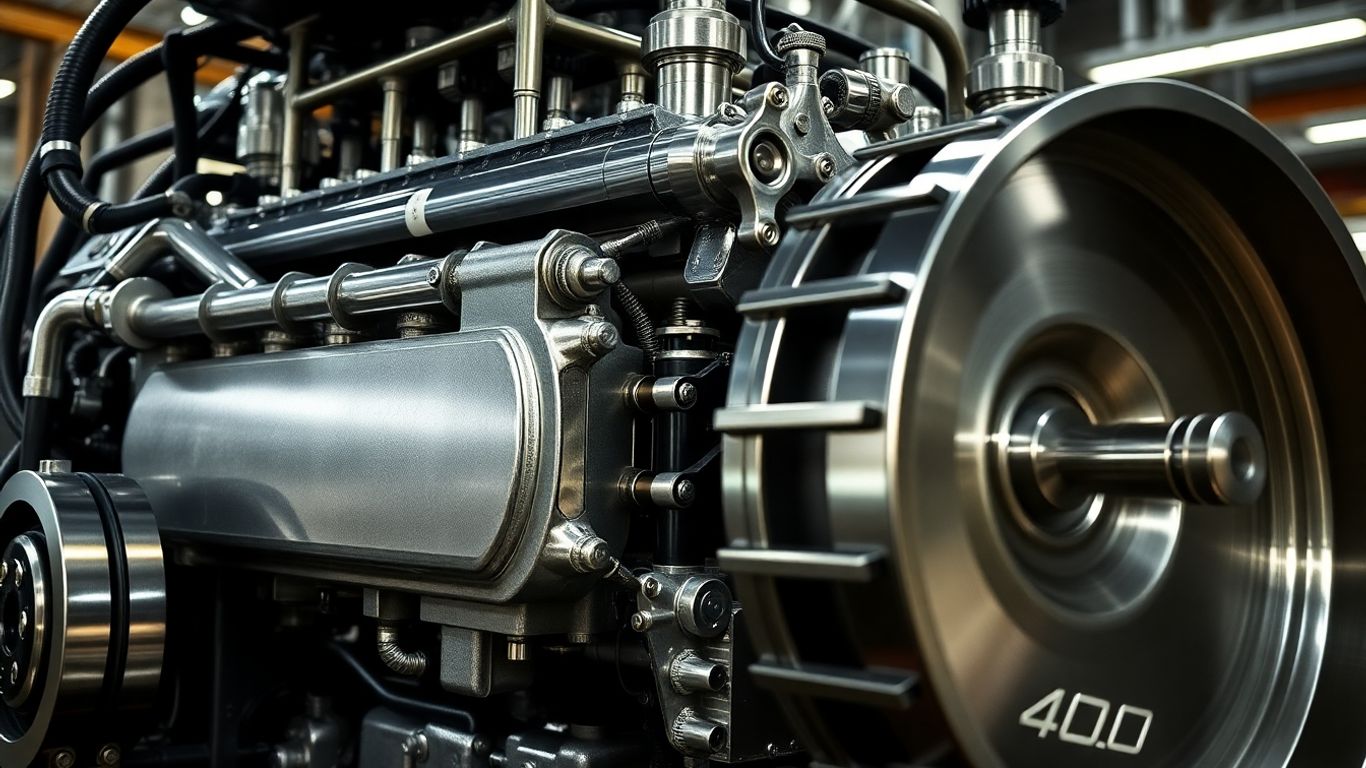
Sometimes, a standard engine just won’t cut it. Whether you’re building a unique show car, a serious off-road beast, or restoring a classic, you’ll likely run into situations where you need something a bit more specific. This is where specialised engine needs and customisation come into play.
Metal Fabrication for Automotive Builds
When you’re creating something truly one-of-a-kind, off-the-shelf parts might not fit or function as you need them to. That’s where metal fabrication becomes super important. Think custom intake manifolds, bespoke exhaust systems that snake around unique chassis layouts, or even custom engine mounts to get that V8 sitting just right in a smaller frame. It’s all about shaping metal to meet your exact design. Good fabrication work means your custom parts will be strong, fit perfectly, and look the part too.
Performance Upgrades and ECU Remapping
Lots of folks want more out of their engines. This could mean better fuel economy for long trips, more power for towing, or just a bit more zip for everyday driving. Common upgrades include:
- ECU Remapping (or ‘Chipping’): This involves tweaking the engine’s computer to change how it runs. It can boost power and torque, but it’s a tricky area. Mess it up, and you could void your warranty or even damage the engine. It’s best left to pros who know what they’re doing.
- Exhaust Systems: A less restrictive exhaust can help the engine breathe better, potentially adding a bit of power and changing the sound.
- Intake Systems: Similar to exhausts, improving airflow into the engine can make a difference.
- Turbochargers/Superchargers: For a significant power boost, adding forced induction is a popular route.
When considering ECU remapping, it’s vital to understand the risks. While the promise of more power is tempting, improper tuning can lead to increased wear, higher emissions, and potentially catastrophic engine failure. Always weigh the potential gains against the long-term reliability and legality of such modifications.
Sourcing Components for Restoration and Customisation
Finding the right parts for older vehicles or unique custom builds can be a real treasure hunt. You might be looking for:
- Original Equipment Manufacturer (OEM) parts: These are the exact parts the car came with from the factory. Great for authenticity in restorations.
- Aftermarket parts: These are made by companies other than the original manufacturer. They can be upgrades or replacements that are no longer available as OEM.
- Used or salvaged parts: Sometimes, the only way to find a rare component is to source it from another vehicle. This requires careful inspection to ensure it’s still in good condition.
It often takes a lot of digging, checking specialist forums, and connecting with other enthusiasts or dedicated suppliers to track down these often-elusive components. It’s a labour of love, but getting that perfect part can make all the difference to a project.
Maintenance and Longevity of Engine Systems
Keeping your engine running smoothly for years to come isn’t just about picking a good supplier; it’s also about how you treat the engine once it’s in your vehicle. Think of it like looking after a pet – regular care makes a big difference. Consistent, scheduled maintenance is the absolute bedrock of a long-lasting engine.
Best Practices for Automotive Maintenance Schedules
Sticking to a maintenance plan is super important, especially for diesel engines which often work harder. Manufacturers put these schedules in place for a reason, usually based on time or kilometres driven, whichever comes first. Don’t skip them just because you haven’t hit the mileage yet. Sitting around can be just as bad for engine oil as driving it hard, leading to water buildup and contamination.
Here’s a basic rundown of what you should be looking at:
- Fluid and Filter Changes: Regular oil and filter swaps are non-negotiable. This keeps the engine clean and properly lubricated.
- System Checks: Keep an eye on your brakes, cooling system, and battery. These all play a part in the overall health of your vehicle.
- Record Keeping: Jot down everything you do. It helps you track what’s been done and can even boost your car’s resale value.
Using parts and fluids recommended by the manufacturer is usually the safest bet. It means they’re designed to work together and keeps your warranty intact.
Troubleshooting Common Engine Issues
Sometimes, things just don’t sound right. If your diesel engine is being a pain to start, it could be a few things. Maybe the fuel isn’t getting where it needs to go, or there’s a loss of compression. The trick is to have a systematic way of figuring out what’s wrong. Just swapping out parts randomly is a waste of time and money. A good mechanic will work through a process to pinpoint the actual problem.
A common mistake people make is thinking that because an engine isn’t making weird noises, it’s fine. But a lot of engine wear happens silently, especially when oil breaks down or gets contaminated. Ignoring service intervals, even by a small margin, can lead to accelerated wear that you won’t see until it’s too late.
The Role of Preventive Maintenance in Extending Lifespan
Preventive maintenance is really the most sensible approach. It’s about catching small issues before they turn into big, expensive ones. For example, a worn belt that’s caught early can prevent a breakdown that could damage other engine parts. It’s not just about cars, either; this applies to trucks, utes, and caravans too. Thinking ahead saves you headaches and keeps your engine performing well for longer. It’s a simple concept, but sticking to it makes a world of difference in the long run.
Regulatory and Environmental Factors for Suppliers
When you’re looking for engine suppliers in Australia, it’s not just about getting the best price or the quickest delivery. You’ve got to think about all the rules and how things affect the environment. It’s a big part of making sure your project is done right and doesn’t cause headaches down the road.
Navigating Australian Automotive Regulations
Australia has a bunch of rules for vehicles, and these definitely apply to engine suppliers too. They cover things like how much pollution an engine can put out, and what makes a vehicle safe to drive on our roads. Suppliers need to know these inside and out.
- Emissions Standards: Engines need to meet specific limits for things like nitrogen oxides and particulate matter. Suppliers should be able to show you that their engines comply.
- Roadworthiness: This covers everything from how the engine is fitted to the vehicle to its overall mechanical condition. It’s all about making sure the vehicle is safe for everyone.
- Import Regulations: If an engine is coming from overseas, there are specific rules about what needs to be checked and approved before it can be used here.
Suppliers who are on top of these regulations can save you a lot of trouble. They know what paperwork is needed and what specifications the engine must meet. It means you’re less likely to have issues when it comes time to register your vehicle or have it inspected.
Prioritising Sustainability in Automotive Work
More and more, people are thinking about the planet. This means engine suppliers are also being looked at for their environmental practices. It’s not just about the engine itself, but how it’s made and what happens to it.
- Recycling and Waste Management: Good suppliers will have plans for recycling old parts and managing workshop waste responsibly. This could include things like oil recycling or proper disposal of old engine components.
- Energy Efficiency: Some suppliers might be looking at ways to reduce their energy use in their manufacturing or remanufacturing processes.
- Material Sourcing: Where do the materials for the engines come from? Are they sourced ethically and with environmental impact in mind?
Compliance with ADR Standards for Modifications
Australian Design Rules (ADRs) are the national standards for vehicle safety, emissions, and security. If you’re modifying an engine or a vehicle, it’s super important that the engine supplier understands and can help you meet these standards. This is especially true for performance upgrades or custom builds.
- Exhaust Emissions: ADR 79/04 and ADR 79/05 set limits for exhaust emissions. Any engine or modification needs to be checked against these.
- Noise Levels: ADR 83/00 deals with how loud a vehicle can be. This is a big one for performance engines or custom exhaust systems.
- Engine Modifications: If you’re changing an engine, there are specific ADRs that cover things like engine transplants and modifications to ensure they remain safe and compliant.
Wrapping It Up
So, we’ve looked at a bunch of engine suppliers here in Australia. It’s clear there’s a lot to think about when you’re picking the right one for your needs, whether it’s for work or just getting around. We’ve seen how important things like reliability, support, and even where they’re based can be. Don’t just jump at the first name you see; do a bit of homework. Checking out reviews, asking around, and understanding what makes a good engine supplier will save you headaches down the road. Hopefully, this guide has made that process a little bit easier for you.
Frequently Asked Questions
What makes a good engine supplier in Australia?
A good engine supplier is someone you can trust. They should offer quality parts that meet Australian safety rules. It’s also important that they deliver on time and have a good history of helping customers. Think of them like a reliable friend for your car projects.
Why are diesel engines still popular in Australia?
Diesel engines are like workhorses for vehicles. They’re strong and good at using less fuel, especially when you’re pulling heavy loads or going on long trips. Even though electric cars are becoming popular, many Aussies still choose diesel for their trucks and SUVs because they’re powerful and dependable.
What should I think about when buying an engine?
When you’re looking for an engine, check if the materials are good quality and follow Australian standards. Also, think about what extra services the supplier offers, like custom cutting or fitting. It’s a balance between the price now and how well the engine will work for a long time.
Can I get special engines made for my car?
Yes, you can! If you have a unique car project or want to make your engine faster, there are suppliers who can help. They can do things like build custom metal parts or tune your engine’s computer (ECU remapping) to make it perform better.
How do I keep my engine running well?
Taking care of your engine is key! Follow a regular maintenance schedule, like changing the oil and filters. If you notice strange noises or problems, it’s best to fix them early. Simple checks and fixing small issues can stop bigger, more expensive problems later.
Are there rules for engine parts and modifications in Australia?
Absolutely. Australia has rules, like ADR standards, that all car parts and changes must follow. Suppliers need to know these rules to make sure their products are safe and legal. This is important for everything from new engines to custom upgrades.