
So, you’ve got a project car or maybe a race car that needs a new heart. Finding the right motor and engine can be a big deal, and honestly, waiting around for parts is the worst. You want to get started, right? This article is all about getting you the power you need, fast. We’ll talk about picking out the right crate engine, what to look for in performance parts, and how to get your hands on everything quickly so you can stop waiting and start building.
Key Takeaways
- When picking a crate engine, know what you’re getting: short block, long block, or fully dressed. They all come with different parts, so check the specs.
- Popular engine choices for swaps include LS designs, Chevy 350, Ford 302, and Hemi. Many brands offer these.
- Look for options like next-day delivery or free shipping to get your motors and engines faster.
- High-performance engines are built for racing with features like fast burn heads for higher RPMs and strong power/torque numbers.
- Turn-key engine solutions come ready to install, saving you time and effort with all the necessary components included.
Choosing Your Next Crate Engine
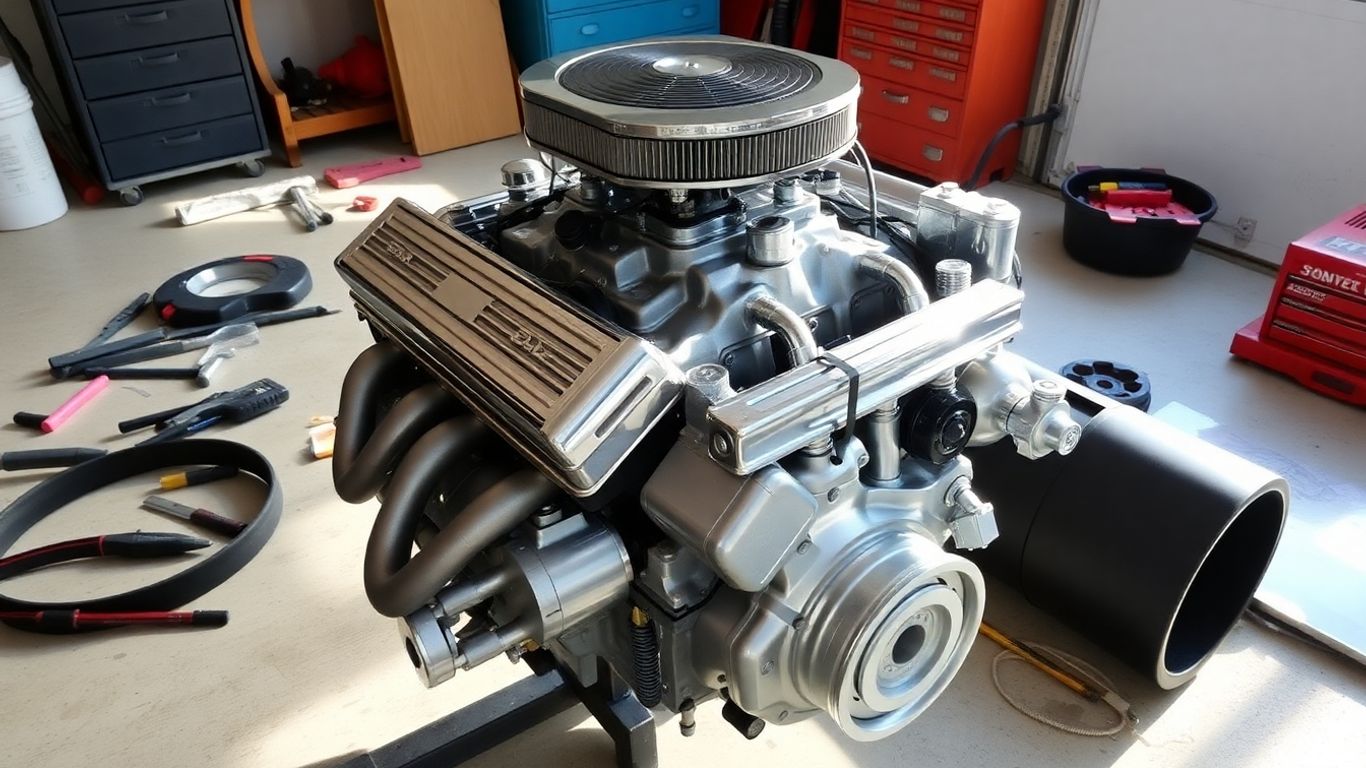
Picking out a crate engine can feel like a big decision, but it doesn’t have to be complicated. Think of it as getting a pre-built engine, ready to go, saving you tons of time and hassle compared to building one from scratch. It’s a smart move if you want a reliable powerplant without the headache of sourcing every single part and worrying about compatibility. Plus, many come with horsepower and torque ratings so you know exactly what you’re getting.
Understanding Crate Engine Configurations
Crate engines aren’t all the same. They come in different stages of completion, and knowing these will help you pick the right one for your project. It’s important to check what’s included because the terms can sometimes be a bit fuzzy between brands.
- Short Block: This is the basic package. It usually includes the engine block, crankshaft, connecting rods, and pistons. It’s a good starting point if you plan to add your own heads, camshaft, and other components.
- Long Block: A step up from the short block, a long block typically adds cylinder heads, a camshaft, and valve covers. It’s a more complete assembly, often coming with power ratings.
- Fully Dressed Engine: This is the most complete option. It includes everything from a long block, plus things like the intake manifold, oil pan, and sometimes even the water pump and ignition system. It’s pretty much ready to install, minus external accessories like the alternator or power steering pump. Some even come with a warranty.
Always double-check the exact specifications for any crate engine you’re considering. What one company calls a ‘long block’ might have slightly different components than another’s.
Popular Engine Designs for Swaps
When it comes to engine swaps, certain designs have become really popular because they’re versatile and well-supported. If you’re looking to put a new heart into an older car or truck, these are worth considering:
- LS Series: These GM engines are incredibly popular for swaps. They’re relatively compact, powerful, and there’s a huge aftermarket for parts and support. You see them in everything from classic muscle cars to modern hot rods.
- Chevy Small Block 350: A classic for a reason. This engine is a workhorse, widely available, and has been a go-to for decades. It fits in a lot of different vehicles.
- Ford Coyote: Ford’s modern V8 is a powerhouse and a popular choice for Ford enthusiasts looking for a significant performance upgrade.
- Hemi: For Mopar fans, the Hemi is iconic. These engines offer serious power and that unmistakable Hemi rumble.
Top Brands for Reliable Performance
Investing in a crate engine is a significant purchase, so going with a reputable brand is key. You want an engine that’s built right and will last. Some of the names you’ll see consistently recommended include:
- Chevrolet Performance
- Ford Performance
- Mopar Performance
- BluePrint Engines
- ATK Engines
These manufacturers have a track record of producing quality engines that perform well. For example, Nelson Racing Engines has some impressive turnkey engine packages that are known for their serious power output, making them a great choice for custom builds.
Expedited Shipping for Motors and Engines
Next-Day Delivery Options
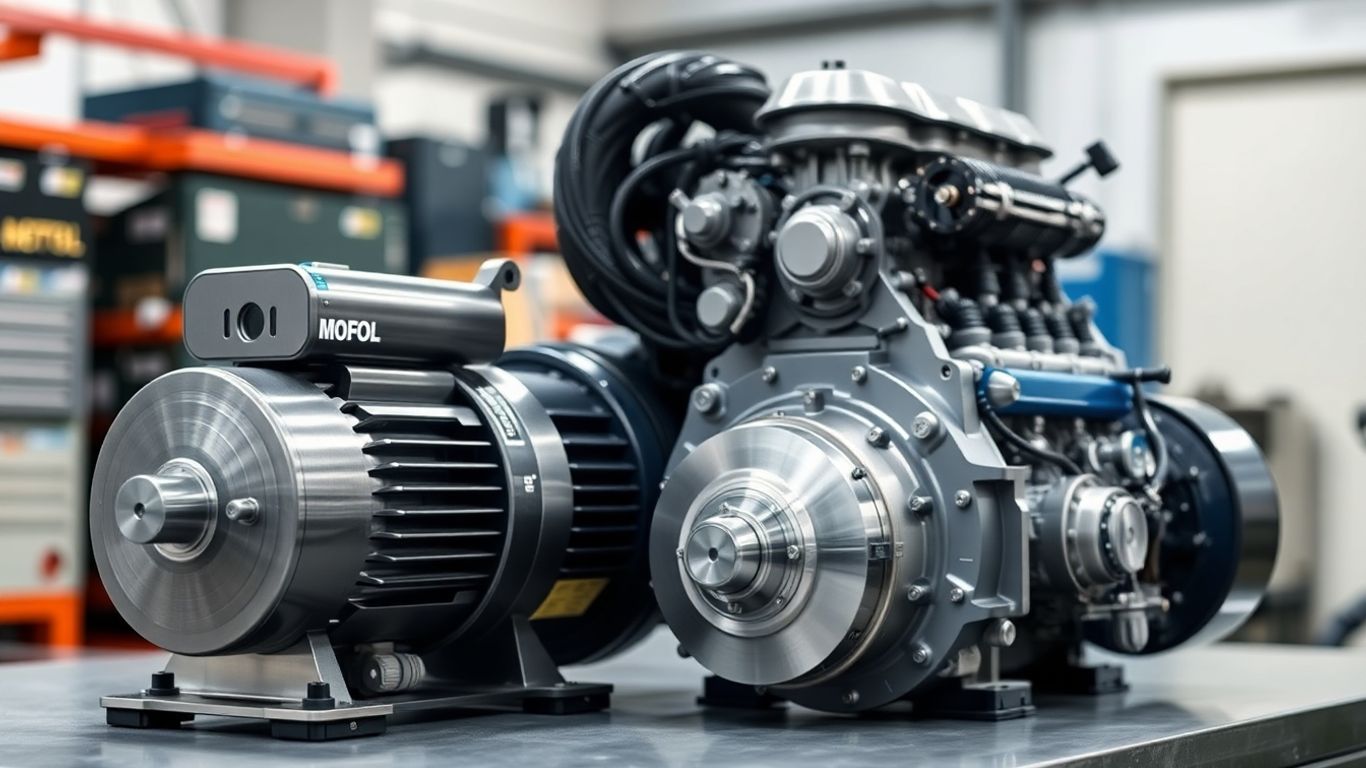
Getting your project rolling often depends on getting the parts you need quickly. When you’re looking for that perfect crate engine or a specific motor, waiting around isn’t ideal. Many suppliers understand this and offer next-day delivery options. This means you could have that engine on your doorstep as soon as the very next business day after you order, which is a huge time saver. It’s especially helpful if you’ve hit a snag in your build or if you’re on a tight deadline. This rapid turnaround can significantly shorten your project timeline.
Free Shipping Availability
While speed is important, so is keeping costs down. A lot of places offer free shipping on engines and motors, which can be a big deal considering how heavy these items are. It’s always worth checking if this is an option. Sometimes, free shipping might take a little longer than expedited services, but it’s a great way to save money if you’re not in a super rush. Look for deals that bundle free shipping with certain engine models or order values. It’s a common perk that can make a big difference to your budget.
Fast Delivery Motors and Engines
When you need an engine fast, you have a few choices. Many companies specialize in getting these heavy items to you quickly. You’ll often see options like:
- Next-Day Air Freight: This is usually the fastest but also the most expensive. It’s for when time is absolutely critical.
- Expedited LTL Freight: Less-than-truckload (LTL) shipping is common for engines. Expedited LTL means it moves faster through the freight network than standard LTL. Quotes for this method can start as low as $100 shipping an engine.
- Same-Day Local Pickup: If you’re lucky and there’s a warehouse or distributor near you, picking it up yourself might be the quickest way to get it.
Planning your project around shipping times is smart. Knowing what options are available and how much they cost upfront can prevent delays and unexpected expenses down the line. Always confirm the estimated delivery date before placing your order, especially if your project has a hard deadline.
Here’s a quick look at what you might find:
| Service Type | Typical Speed | Cost Consideration |
|---|---|---|
| Next-Day Air | 1 Business Day | Highest |
| Expedited LTL | 2-4 Business Days | Moderate |
| Standard LTL | 5-10 Business Days | Lowest |
| Local Pickup | Same Day | Varies (Fuel) |
High-Performance Engine Options
When you’re looking to push the limits of your project, a high-performance engine is the way to go. These aren’t your average mill; they’re built for speed, power, and the kind of thrill that comes from serious acceleration. Whether you’re building a track car, a serious street machine, or just want that extra kick, there’s an engine out there for you.
Engines for Racing Applications
For those who live for the checkered flag, racing engines are designed with one thing in mind: winning. They often feature robust construction, like four-bolt main blocks, to handle the extreme stress of competition. Components are selected for durability and maximum output under demanding conditions. Think forged steel cranks, high-performance pistons, and specialized oil pans for those high-G cornering situations. These engines are often sealed for specific racing classes, meaning they meet strict regulations for fair competition.
- CT400 Racing Engine: This option boasts new Fast Burn heads with beehive valve springs, allowing for higher RPMs and better durability. It comes with a racing-specific 8-quart oil pan and a tough bottom end featuring a forged steel crankshaft and four-bolt mains. It’s rated at 404 horsepower and 406 lb-ft of torque.
- CT350: A solid choice for budget-conscious racers, this engine is based on the 350 HO but includes a 4-bolt main block and Vortec-style iron heads. It delivers 350 horsepower and 396 lb-ft of torque, with strong low-end grunt perfect for holding gears longer on the track.
Performance Enhancements for High-RPM
Getting an engine to perform well at high RPMs involves a few key upgrades. It’s all about letting the engine breathe and handle the increased forces. Lightweight components are a big help here. For instance, beehive valve springs are lighter than traditional springs, allowing the valvetrain to keep up at higher engine speeds without floating. Better cylinder heads with larger ports and valves also help the engine take in more air and fuel, and expel exhaust gases more efficiently. The right camshaft profile is also critical for optimizing power delivery across the RPM range.
Power and Torque Specifications
When comparing high-performance engines, power (horsepower) and torque are the numbers that matter most. Horsepower tells you how quickly the engine can do work, while torque is the twisting force it produces. Different engines offer different balances. Some focus on massive torque for quick launches, while others are tuned for high-end horsepower for top speed.
Here’s a look at some common specs:
| Engine Model | Horsepower | Torque (lb-ft) | Notes |
|---|---|---|---|
| 350 HO Base | 333 | 381 | All-new parts, high-flow heads |
| CT350 | 350 | 396 | Vortec heads, dual-pattern camshaft |
| Panther Crate | 300+ | Varies | Aggressive cam, performance heads |
| CT400 Racing | 404 | 406 | Fast Burn heads, forged crank, 4-bolt mains |
Choosing the right engine means looking beyond just the peak numbers. Consider where you need the power most – for street driving, drag racing, or road course action. The engine’s power curve and how it delivers that power are just as important as the maximum figures.
Engine Block and Component Selection
Choosing the Right Engine Block Material
The engine block is the heart of your motor, and picking the right material is a big deal. You’ve got a couple of main choices: cast iron and aluminum. Cast iron blocks are tough and have been around forever. They’re heavy, sure, but they can take a beating and are usually cheaper. Aluminum blocks, on the other hand, are way lighter. This can make a difference if you’re trying to shave weight off a performance build or a project car. They also don’t rust like iron can. But, aluminum can be a bit trickier to work with and might cost more upfront.
Here’s a quick look at the common materials:
- Cast Iron: Strong, durable, cost-effective, but heavy.
- Aluminum: Lightweight, corrosion-resistant, but can be more expensive and harder to repair.
- Cast Iron Alloy: Offers a balance of strength and weight compared to standard cast iron.
- Steel: Often used in high-performance or racing applications for maximum strength.
The material you choose for your engine block will impact its weight, durability, heat dissipation, and even how easy it is to modify later on. Think about your project’s goals and your budget when making this decision.
Essential Engine Parts and Accessories
Once you’ve got your block sorted, you’ll need to think about all the other bits and pieces that make an engine run. This includes things like pistons, crankshafts, camshafts, connecting rods, and bearings. Don’t forget the smaller stuff too, like freeze plugs, oil pumps, and gaskets. Getting parts that are designed to work together is key. For example, if you’re building a high-performance engine, you’ll want stronger internals that can handle more power than stock parts. Brands like Dart, Clevite/MAHLE, and Chevrolet Performance offer a wide range of components to fit different needs.
Building for OEM or All-Out Performance
So, what’s the plan? Are you trying to rebuild an engine to factory specs, or are you aiming for maximum horsepower? If you’re going for OEM, you’ll likely stick with stock-style parts and maybe a cast-iron block. It’s all about reliability and keeping things original. But if you’re building for performance, you might look at lighter aluminum blocks, forged internals, and custom camshafts. You’ll also want to pay attention to things like cylinder head flow and intake manifold design. Whatever you choose, make sure the parts you select are compatible with each other and suited for the kind of power you want to make.
Turn-Key Engine Solutions
Ready-to-Install Crate Engines
So, you’ve got a project car or truck that needs some serious power, but the thought of building an engine from scratch makes your head spin? That’s where turn-key crate engines come in. These are basically pre-assembled powerhouses, ready to drop into your ride with minimal fuss. Think of it like buying a fully furnished apartment versus building a house from the ground up. You get a complete, tested unit that’s designed to work right out of the box. This saves you a ton of time, effort, and potential headaches, especially if you’re not a seasoned engine builder.
Benefits of Turn-Key Packages
Why go turn-key? Well, for starters, convenience is king. You’re getting a professionally assembled engine, often with a warranty, which is a big deal. It means someone else has already done the hard part – sourcing quality components, balancing rotating assemblies, setting clearances, and making sure everything is timed correctly. This drastically reduces the risk of costly mistakes that can happen during a custom build. Plus, many turn-key options are dyno-tested before they ship, so you know exactly what kind of performance you’re getting.
Here are some key advantages:
- Time Savings: Skip the lengthy build process and get your project on the road faster.
- Reduced Risk: Professional assembly and testing minimize the chance of errors.
- Predictable Performance: Dyno sheets often come with turn-key engines, so you know the horsepower and torque figures.
- Warranty: Most reputable manufacturers back their turn-key engines with a solid warranty.
- Component Compatibility: All parts are chosen to work together harmoniously.
Included Components for Easy Installation
What exactly comes in a turn-key package? It really depends on the manufacturer and the specific engine, but generally, you’re looking at a fully dressed unit. This means it’s not just the bare block and heads. You’ll typically find:
- Engine Block and Rotating Assembly: The core of the engine, balanced and ready to go.
- Cylinder Heads: Often performance-oriented, complete with valves, springs, and retainers.
- Camshaft and Valvetrain: Properly installed and timed for optimal performance.
- Intake Manifold and Carburetor/Fuel Injection: Ready to bolt on and connect fuel lines.
- Ignition System: Distributor, spark plugs, and wires are usually included.
- Oil Pan and Oil Pump: Essential for lubrication.
- Water Pump: To keep things cool.
- Front-End Accessory Drive: Sometimes includes brackets for alternators, power steering pumps, and A/C compressors (though the accessories themselves might be separate).
It’s always a good idea to check the detailed spec sheet for any turn-key engine you’re considering. Some might include a complete front-drive system, while others might leave you to source those specific accessories. But the main goal is to get you as close to a ‘plug-and-play’ experience as possible, making your engine swap much more straightforward.
Wrap Up Your Project
So, getting the right motor or engine for your project doesn’t have to be a huge headache. Whether you’re going for a full rebuild or just need a solid crate engine to get you going, there are tons of options out there. Checking out places that have a good selection and know their stuff can save you a lot of time and hassle. Think about what you need, do a little looking around, and you’ll be well on your way to getting that project finished up and running strong. Happy building!
Frequently Asked Questions
What exactly is a crate engine?
A crate engine, also known as a crate motor, is a pre-assembled engine that comes ready to be installed in your vehicle. Think of it like a ready-made meal for your car’s heart – it saves you a lot of time and effort compared to building an engine from scratch.
What’s the difference between a short block, long block, and a fully dressed engine?
A short block is the basic engine with the core parts like the crankshaft and pistons. A long block adds cylinder heads and a camshaft. A fully dressed engine is pretty much complete, needing only a few external parts like the alternator to be ready to go. It’s important to check what each manufacturer includes, as these terms can sometimes be used differently.
Are there specific engine types that are popular for project cars?
Yes, absolutely! Engines like the Chevy LS series are super popular for swaps because they’re versatile. Other favorites include the classic Chevy small block 350, Ford’s 302 and Coyote engines, and the powerful Hemi. These are well-known and have lots of support for upgrades.
Can I get an engine delivered very quickly?
Many places offer fast shipping for engines, with some even providing next-day delivery options. It’s always a good idea to check the estimated shipping dates when you’re looking at engines to make sure it fits your project timeline. Free shipping is also often available, which can be a nice bonus!
What kind of performance can I expect from a high-performance engine?
High-performance engines are built for speed and power! They can offer impressive horsepower and torque numbers, making them great for racing or if you just want a really powerful ride. Some are designed to handle very high engine speeds (RPMs) safely, which is crucial for racing applications.
What are the benefits of buying a ‘turn-key’ engine package?
A turn-key engine package is the ultimate in convenience. It means the engine comes fully assembled with most, if not all, the necessary components already installed. This makes the installation process much simpler and faster, so you can get your project back on the road or track sooner.