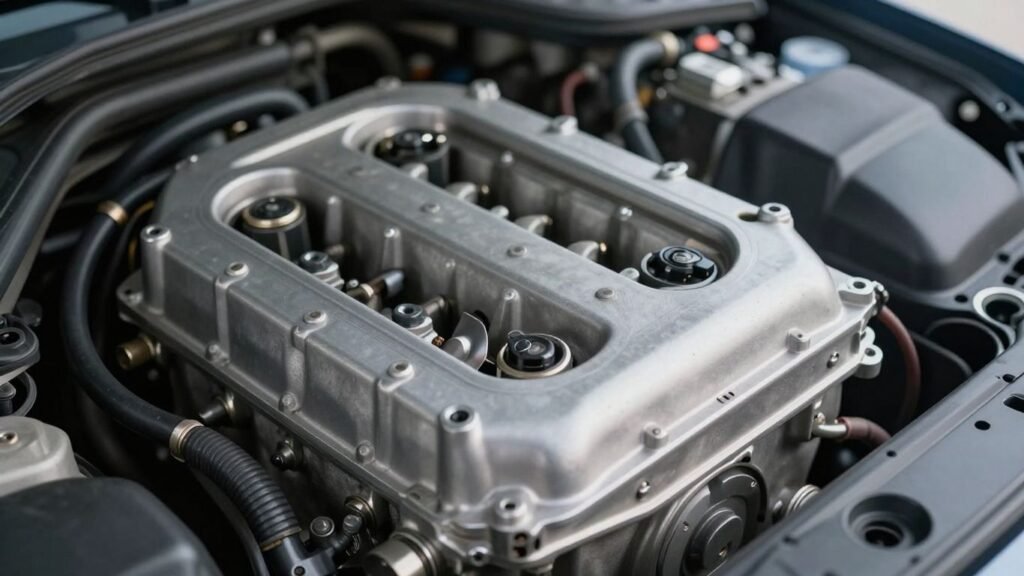
So, your BMW 320d 2015 needs a new engine and you’re in Sydney—what now? Finding a used engine for your car can feel a bit overwhelming at first. There are plenty of places to look, but figuring out which ones are trustworthy and which engines will actually fit your car takes some digging. Don’t worry, though. With a bit of patience and the right questions, you can track down a solid used engine for BMW 320d 2015 Sydney without too much hassle.
Key Takeaways
- Always match the engine with your BMW’s VIN to avoid compatibility issues.
- Ask for the engine’s mileage and any available service records before buying.
- Compare prices from different wreckers and online sellers in Sydney.
- Check warranty and return policies so you’re not stuck with a bad engine.
- Get a trusted mechanic to inspect and install your replacement engine.
How to Source a Used Engine for BMW 320d 2015 in Sydney
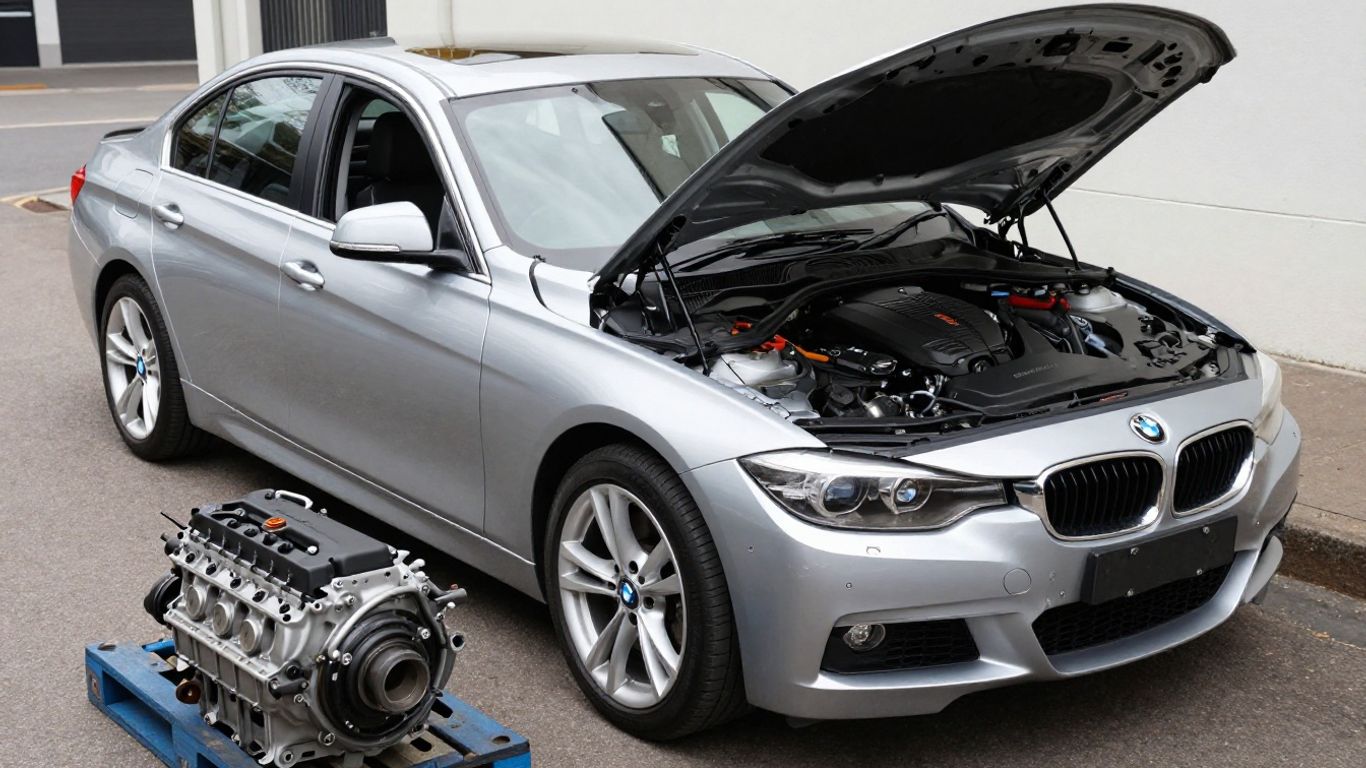
Looking for a used engine for your BMW 320d 2015 in Sydney isn’t exactly a walk in the park, but once you break it down, it’s not impossible either. There are a few smart steps that can make the process much smoother and help you avoid major mistakes down the track. Let’s walk through the basics so you don’t waste your time or money.
Researching Local Auto Wreckers and Dismantlers
The first place most people start is with local wreckers, and for good reason:
- Wreckers and dismantlers often have engines from crashed or written-off vehicles, which can mean lower mileage or better condition than you’d expect.
- Many have searchable online inventories, so you can check stock before making calls.
- Some will even let you inspect the engine in person or send detailed photos, giving you peace of mind about its condition.
| Wrecker Name | Location | Typical Services |
|---|---|---|
| Fairfield Auto Parts | Fairfield, NSW | Diesel, Petrol Engines |
| Landmark Auto All Spares | Smithfield, NSW | Full BMW Dismantling |
| BM Spares | Sydney, NSW | BMW Specialty Parts |
Verifying Engine Compatibility with VIN Checks
You can’t just grab any old 320d engine and expect it to work. BMW engines—even from the same year—can have different codes or specs. Here’s what to do:
- Find your car’s VIN (vehicle identification number)—usually on the driver’s side dash or on your rego papers.
- Ask the wrecker or seller for the engine’s code and match it with your VIN or have them run a compatibility check.
- Double-check that all necessary components (like the ECU or wiring harness) will work with your existing setup.
It’s easy to assume all 320d engines are the same, but BMW loves changing small things between model years and trims. Skipping the VIN check can lead to expensive hassles later.
Reaching Out to Specialized BMW Parts Suppliers
Sometimes, the regular wreckers just don’t have what you need, or the options don’t look right. This is when it’s worth:
- Contacting shops that only stock BMW parts—they’re likely to understand what works for your model.
- Checking online places like dedicated BMW forums, classified sites, or specialty dealers. Some even offer installation packages or delivery.
- Calling around and asking if they stand by their engines with a warranty, or at least offer returns if something doesn’t work as promised.
Many of these suppliers know all the quirks of BMW engines, so don’t be afraid to bug them with questions about mileage, prior damage, or service history. You want to be sure you’re not buying someone else’s headache.
If there’s one thing to remember: sourcing a used engine takes some patience, but asking the right questions upfront can save you from headaches and big bills later on.
Key Factors to Consider Before Purchasing a Used Engine
When you’re looking at used engines for your BMW 320d 2015 in Sydney, there’s a lot to keep in mind. A good deal isn’t just about price, it’s about picking an engine that will last, fit your car, and won’t turn into a headache down the line. Let’s go through the main points you need to check before you spend a single dollar.
Checking Engine Mileage and Service History
Engine mileage can tell you what kind of life the engine has lived. Here are several things to look over:
- Ask for documented proof of the engine’s total kilometers.
- Try to get a service history — regular oil changes and maintenance is a huge plus.
- Look for any major repairs, like timing chain replacements or overhauls, especially for BMW diesels.
- Engines scraped from cars after accidents may have lower mileage but check for internal damage, just to be safe.
Example Engine History Table
| Engine Serial | Kilometers Run | Last Service Date | Major Repairs |
|---|---|---|---|
| XYZ1234 | 85,000 | 12/09/2025 | Timing chain (2024) |
| ABC5678 | 101,000 | 01/03/2026 | None |
| LMN7890 | 62,500 | 23/12/2025 | Turbo replaced |
Always dig for maintenance records — an engine with regular care usually outlasts a neglected one.
Understanding Warranty Options and Return Policies
Warranty can give you some peace of mind when spending big on a used engine. Here’s what you need to check:
- What exactly is covered by the warranty (labor, internal parts, or just the block)?
- The length of warranty – some places offer 30 days, some go up to 6-12 months for used engines.
- Conditions needed to keep warranty valid (like having a professional mechanic install it).
- Return policy details — restocking fees or shipping at your expense?
A short summary table may help:
| Supplier | Warranty Length | Coverage | Return Policy |
|---|---|---|---|
| Sydney BMW Wreckers | 3 months | Parts only | 14 days, 20% restock |
| BM Spares | 6 months | Parts & labor* | 30 days, full refund* |
| Online Seller A | 30 days | Block only | Buyer pays return ship |
*Conditions apply on labor and returns.
Ensuring Proper Documentation and Part Numbers
Matching the correct engine is trickier than you’d think. BMW engines can be nearly identical on the outside, but different on the inside. Protect yourself by:
- Confirming part numbers match your original engine.
- Using your BMW’s VIN to cross-check compatibility.
- Making sure any numbers on the engine block are legible, in case of future paperwork or insurance.
- Asking the seller to provide official paperwork (receipts, transfer of ownership forms, etc).
A VIN and part number mismatch is one of the fastest ways to waste time and money.
- If a seller won’t send engine photos or documentation, walk away—no exceptions.
- Keep every receipt and piece of paperwork for your records. It’ll help you if there’s ever a dispute or you want to resell your car.
Take your time on these checks. The right paperwork and clear service history can make all the difference between a smooth engine swap or months of regret.
Where to Buy a Reliable Used Engine for BMW 320d 2015 Sydney
Trusted BMW Wreckers in Sydney
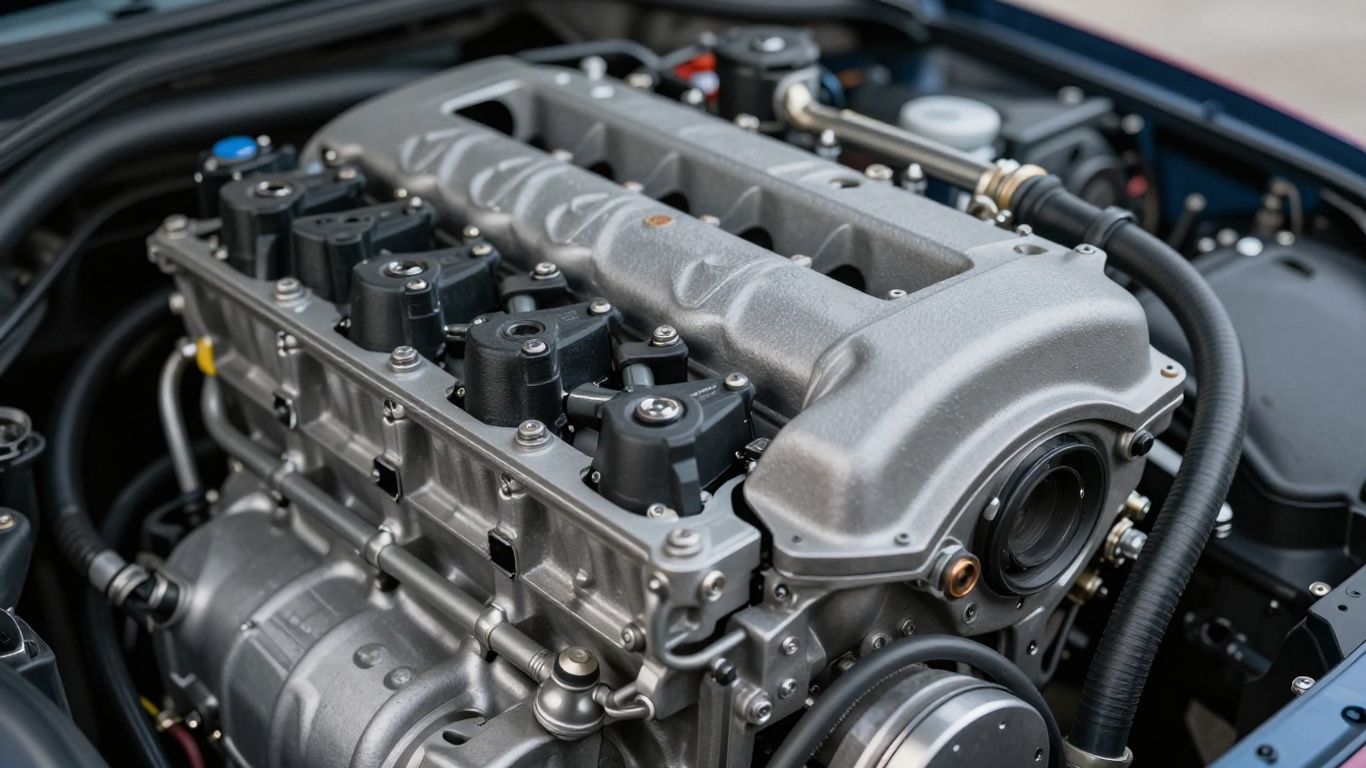
One of the best starting points for a used BMW engine is local auto wreckers who specialize in European cars. These wreckers often dismantle low-mileage vehicles and offer engines that have already been checked for major faults. You’ll typically find options like:
- Q1 Auto Parts, which has a reputation for checking engines thoroughly before selling
- Fairfield Auto Parts, known for their frequent BMW inventory
- Landmark Auto All Spares, which sometimes has 320d units listed
| Wrecker Name | Location | Contact Option |
|---|---|---|
| Q1 Auto Parts | Multiple Sydney | Phone/Online |
| Fairfield Auto Parts | Fairfield East NSW | Online/Enquire |
| Landmark Auto All Spares | Smithfield NSW | Online/Enquire |
Double-check the part compatibility with your VIN when dealing with any wrecker—BMW engines sometimes look alike but aren’t always interchangeable.
Popular Online Marketplaces for Used BMW Parts
If you prefer searching online, there are several sites tailored for secondhand car parts across Australia:
- eBay Australia: Plenty of used BMW engines with varying mileages and seller ratings
- Gumtree: Good for local deals—set your region to Sydney and filter for 320d engines
- Parts Request Networks: Sites where you post exactly what you need and sellers reach out
These online platforms often include listing details like engine mileage, year, and price, making comparisons simpler.
Recommendations from BMW Repair Shops
Local BMW-specialist repair shops or independent European workshops are often in-the-know about quality used engines. Here’s how they can help:
- They might have engines from recent swaps sitting in their inventory
- Some maintain a list of trusted wreckers and suppliers they use for customer repairs
- They can sometimes negotiate prices on your behalf
When you speak to these shops, tell them your car’s VIN and all details up front—this helps them recommend the correct engine and avoid time-wasting mismatches.
Don’t hesitate to ask BMW workshops if they’d let you inspect or test an engine before purchase. Good shops won’t mind and may even assist with the sourcing process.
Ensuring Engine Quality and Performance
Before you hand over your money for a used engine, you’ll want to be sure it’s not a lemon. Here’s what to do so your replacement engine for that 2015 BMW 320d keeps your car running smoothly.
Assessing the Condition of Used Diesel Engines
A diesel engine’s past life matters just as much as its price tag. Here’s how you can get a sense of its real health:
- Ask for proof of regular oil changes—BMWs, especially diesels, need more frequent oil service than you’d think.
- Check if the timing chain has ever been replaced. The chain in BMW’s 320d (N47 engine) is known to stretch or even break, so if there’s any rattling noise history, steer clear.
- Look for evidence of overheating like discolored cylinder heads or residue in the coolant passages.
- Request a cold start video—the way it starts can expose underlying issues.
| Inspection Point | Good Sign | Bad Sign/Red Flag |
|---|---|---|
| Oil change record | Recent, regular intervals | Missing, irregular |
| Timing chain history | Replaced or checked | No history, noisy on idle |
| Overheating signs | No sludge/discoloring | Coolant stains, leaks |
| Start-up behavior | Smooth, no smoke | Excess smoke, rough idle |
Don’t get fooled by a shiny engine cover or fresh paint—what matters is how the engine runs, not how it looks.
Requesting Engine Test Reports or Diagnostics
Never rely on a seller’s word alone. These are the must-haves:
- Compression test results for all cylinders.
- Diagnostic scan printouts showing no stored codes.
- If possible, video of the engine running while still in the donor car—sound and smoke reveal a lot.
If a wrecker or supplier won’t provide this info, it’s a good idea to look elsewhere.
Understanding Common Issues with BMW 320d Powertrains
While the 320d is known for its balance of efficiency and power, there are several issues you should be aware of:
- Stretching or snapping of the timing chain, especially if not replaced around 80,000 km.
- Injector problems that might show as rough idling or poor acceleration.
- Oil leaks—common at the rocker cover and oil filter housing gasket.
- EGR (Exhaust Gas Recirculation) faults, leading to poor emissions and performance.
Common Issues Table:
| Issue | Symptoms | Typical Mileage (km) |
|---|---|---|
| Timing chain wear | Slapping noise, no-start | 80,000+ |
| Injector faults | Rough idle, hard starting | 90,000+ |
| Rocker cover oil leaks | Oil on engine/exhaust smell | 70,000+ |
| EGR valve/clogging | Power loss, black smoke | 100,000+ |
Spending a few extra minutes checking these details can save you a huge headache down the line. The smoother an engine’s previous life, the more likely it will keep your BMW cruising for years.
Installation and After-Sales Support for Your Replacement Engine
Choosing Qualified Mechanics for BMW Engine Swaps
Getting your replacement engine installed is not something you want to leave to chance. Look for workshops or mechanics that routinely work on BMWs, especially diesel models like the 320d. Ask them if they have experience with full engine swaps and check for customer reviews. Here’s what to consider:
- BMW-focused repair shops or European specialists usually have the right tools.
- Ask about recent engine replacements they’ve handled, ideally on the F30 series.
- Get a rough timeline and written quote for the work upfront.
Swapping a modern BMW engine isn’t a basic job—having someone who understands all the wiring, coding, and emissions requirements will save you headaches down the road.
Balancing Cost and Labor for Engine Installation
Engine swaps can get expensive, so it’s good to break down the costs before you start. Don’t just focus on the engine’s price—installation labor can quickly add up. Here’s a simple table outlining ballpark figures for Sydney:
| Item | Estimated Cost (AUD) |
|---|---|
| Used Engine (320d 2015) | $3,500 – $6,000 |
| Labor for Swap | $2,000 – $4,000 |
| Fluids & Gaskets | $200 – $400 |
| Misc Coding/Programming | $150 – $350 |
It pays to shop around and get quotes from at least three shops before you commit. Sometimes an included basic warranty on labor is available—ask for this.
Post-Installation Maintenance Tips for BMW 320d
Once your car is back on the road, give your new-to-you engine a smooth start:
- Book an oil change after the first 1,000 km, just in case any residue or debris is left.
- Keep a close eye on temperature levels and oil pressure for a few weeks.
- Regularly check for leaks or unusual noises, especially after longer drives.
- Stick to the recommended service intervals for your specific engine code, not just the car’s general guideline.
If you notice anything odd—like excessive smoke, strange smells, or warning lights—get it checked promptly. Most mechanics will answer a few questions post-install if you’ve paid for the swap. Your warranty or return period for the engine usually requires that you don’t ignore issues.
Swapping in a used BMW engine can breathe new life into your 320d, but using the right shop and sticking to good maintenance makes all the difference.
Saving Money and Avoiding Pitfalls in the Sydney Market
Comparing Prices Across Multiple Sellers
Don’t just settle for the first quote—shop around. Compare offers from different local wreckers, specialized BMW parts suppliers, and online platforms. Here’s a basic comparison table you might use for reference before making a decision:
| Seller | Quoted Price (AUD) | Warranty Offered | Mileage (km) |
|---|---|---|---|
| Local Wrecker | $2,500 | 3 Months | 85,000 |
| Online Marketplace | $2,250 | None | 95,000 |
| BMW Specialist Supplier | $2,950 | 6 Months | 78,000 |
This table gives you a quick view of the range of options. Always confirm the details and request supporting documents.
Negotiating Deals and Asking the Right Questions
There’s often room to move when it comes to pricing, especially on used parts. Don’t hesitate to negotiate, and be direct with your questions. Consider focusing on:
- Service history and test reports for the engine
- Inclusions like sensors, turbo, or wiring (sometimes they charge extra)
- Delivery options and fees
And if a seller seems defensive or avoids clear answers, it’s probably wise to be cautious.
Spotting Red Flags in Used Engine Offers
Go beyond the price before handing over your cash. Keep your eyes peeled for certain signals:
- No proof of mileage or prior vehicle history.
- The engine can’t be inspected before purchase.
- The marketplace or seller doesn’t offer any warranty, even short-term.
- Vague or missing communication around compatibility (the VIN always matters for BMWs).
- The offer promises a price that feels way too good compared to the average, which almost never works out well.
Sometimes the cheapest deals end up costing more in the long run—either in repair costs, wasted time, or nonstop headaches trying to sort out paperwork or compatibility issues. It’s worth putting in a bit more research up front to save yourself from these hassles. You can get inspiration from owner stories who scored reliable used BMWs with some clever hunting, like the low-mileage BMW G20 320d mentioned in this BMW project thread.
Conclusion
Finding a used engine for your BMW 320d 2015 in Sydney can feel like a big job, but it’s definitely doable. There are plenty of wreckers and auto parts suppliers around, and most of them are pretty helpful if you give them a call or send a message. Just make sure you double-check the engine codes and match things up with your VIN so you don’t end up with the wrong part. Sometimes it takes a bit of patience, but there are good engines out there if you look around. And if you’re not sure, don’t be afraid to ask questions—most places are used to it. With a bit of effort, you’ll have your BMW back on the road before you know it.
Frequently Asked Questions
What’s the best way to find a used engine for my 2015 BMW 320d in Sydney?
You can look for used engines at local car wreckers, specialized BMW parts sellers, or online marketplaces. It’s a good idea to check a few places to compare options and prices.
How can I be sure a used engine will fit my BMW 320d?
Always check the engine’s part number and compare it to your car’s original engine. Using your car’s VIN (Vehicle Identification Number) to check compatibility with the seller is also a smart move.
What should I look out for when buying a used diesel engine?
Ask about the engine’s mileage and if there’s any record of its past maintenance. Also, find out about any warranty the seller offers and their return policy, just in case.
Are there specific places in Sydney known for good used BMW engines?
Yes, there are many reputable BMW wreckers in Sydney, as well as online shops that specialize in BMW parts. Asking a trusted BMW mechanic for recommendations is also a great way to find reliable sources.
What if the used engine has problems after I install it?
Make sure you understand the warranty and return policy before you buy. A good seller will offer some protection if the engine doesn’t work right. Also, keep all the paperwork, like receipts and part numbers.
How much does it usually cost to install a used engine in Sydney?
The cost can vary depending on the mechanic and how long the job takes. It’s best to get quotes from a few qualified mechanics who have experience with BMWs. Remember to factor in the cost of the engine itself and any extra parts or fluids needed.