
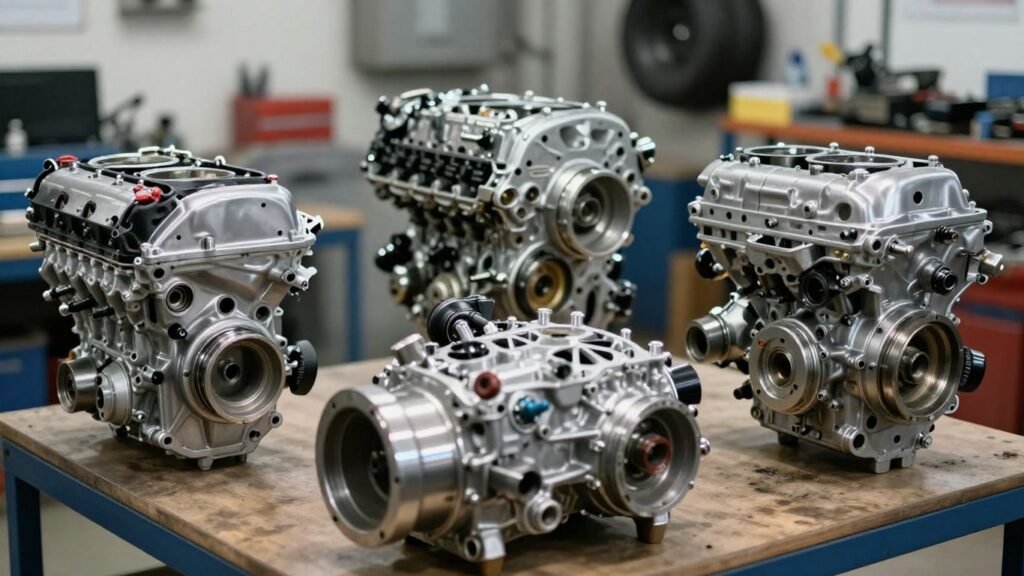
So, you’re looking for a new engine for your 2016 Mitsubishi Lancer in Darwin? It can be a bit of a hunt, right? You want something reliable that won’t break the bank. This guide is here to help you figure out what’s what, from understanding the engine options to actually finding and buying one. We’ll cover what to look for, how to check it out, and what to do once you’ve got it. Let’s get your Lancer running smoothly again.
Key Takeaways
- When searching for Mitsubishi Lancer engines Darwin 2016 models, consider the specific engine variants available for your Lancer model (ES, LS, or Evolution).
- Check key engine specs like power, torque, and fuel efficiency to match your driving needs.
- Look for local dealers or specialists in Darwin who stock Lancer parts for easier sourcing and potential support.
- Before buying, always verify engine compatibility, check its mileage and maintenance history, and ensure you have all the necessary paperwork.
- Regular maintenance, including fluid changes and following service schedules, is important for keeping your Lancer engine running well.
Finding Your 2016 Mitsubishi Lancer Engine in Darwin
So, you’re on the hunt for a new engine for your 2016 Mitsubishi Lancer, and Darwin is your stomping ground. It can feel like a bit of a quest, right? But don’t sweat it, we’ll break down what you need to know to find the right fit for your ride.
Understanding Engine Options for Your Lancer
For the 2016 model year, Mitsubishi offered a few different engine choices for the Lancer, depending on the trim level. Most commonly, you’ll find the 2.0-litre four-cylinder engine in the ES and LS models. This is a pretty solid, dependable unit that gets the job done for everyday driving. If you’re looking at the sportier end of the spectrum, like the Evolution models (though less common as a standard 2016 model in Australia), you’d be looking at a more powerful, turbocharged 2.0-litre engine. Knowing which engine your Lancer originally came with is the first step to finding a compatible replacement.
Key Engine Specifications to Consider
When you’re looking at potential engines, a few specs really matter. You’ll want to check:
- Engine Code: This is like the engine’s fingerprint. It’s usually found on a sticker or plate on the engine itself. Matching this code is the best way to guarantee compatibility.
- Mileage: How many kilometres has the engine run? Lower mileage generally means less wear and tear, but also potentially a higher price.
- Condition: Is it a used engine, a reconditioned one, or a brand-new crate engine? Each has its pros and cons regarding cost and expected lifespan.
- Emissions Standards: While less of a concern for direct replacements, it’s good to be aware if you’re importing or dealing with very specific regulations.
Where to Source Lancer Engines Locally
Darwin might not have the sheer volume of options you’d find in a major capital city, but there are still places to look. Your best bets are:
- Specialist Mitsubishi Wreckers/Parts Suppliers: These guys often have a good stock of used and sometimes reconditioned engines for popular models like the Lancer. A quick search for "Mitsubishi parts Darwin" or "car wreckers Darwin" should point you in the right direction.
- General Automotive Recyclers: Broader scrapyards might have Lancers come through. It’s worth giving them a call to see if they have anything suitable.
- Online Marketplaces with Local Pick-up: Websites like Gumtree or Facebook Marketplace can be goldmines, but you need to be extra careful. Look for sellers who are local to Darwin so you can inspect the engine in person. You might even find a good deal on a Subaru Legacy engine if you’re open to other makes, though for a Lancer, sticking to Mitsubishi parts is usually best.
Finding a replacement engine requires a bit of detective work. Don’t be afraid to ask questions, get details, and if possible, see the engine before you commit to buying. It’s better to spend a little extra time upfront than to end up with a dud.
Remember, getting the right engine is key to getting your Lancer back on the road reliably. Take your time, do your homework, and you’ll find what you need.
Evaluating 2016 Mitsubishi Lancer Engine Performance
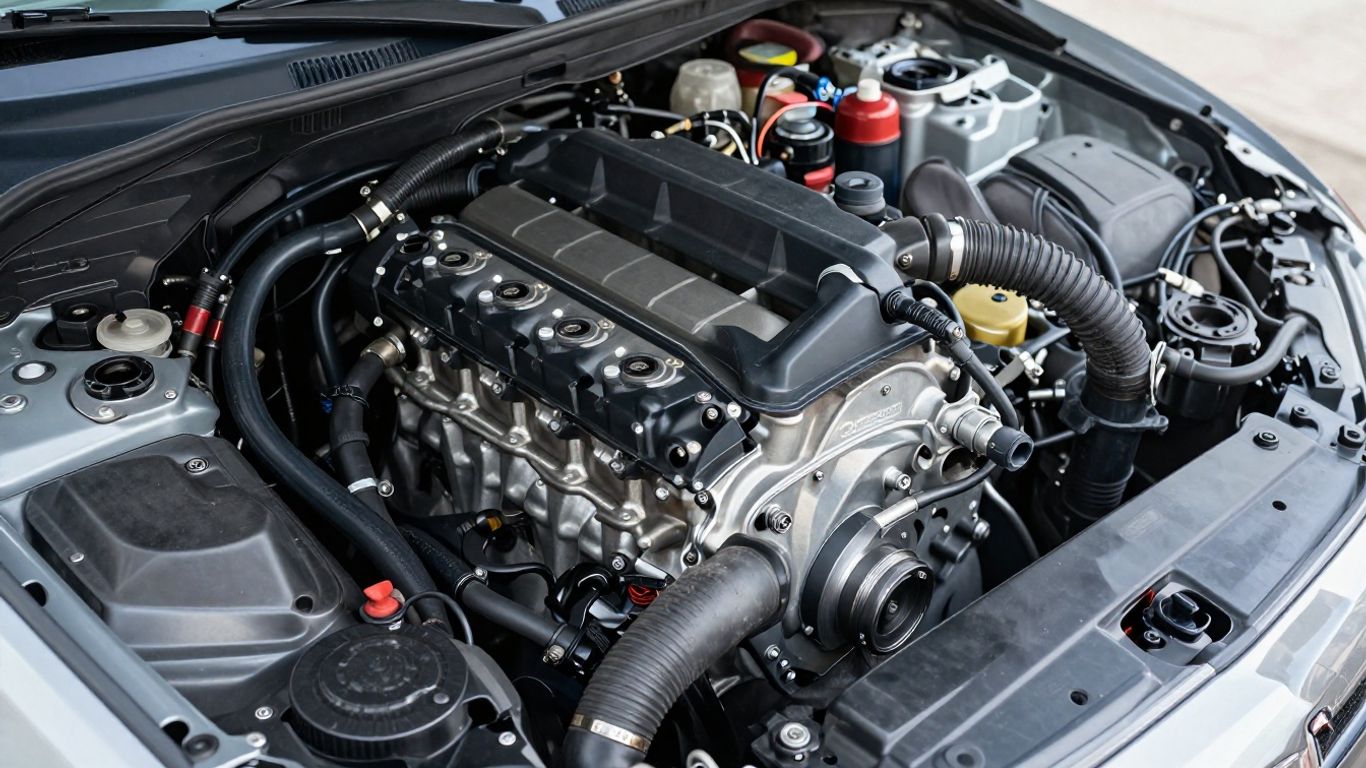
When you’re looking at a 2016 Mitsubishi Lancer engine, it’s not just about what’s under the hood; it’s about how it feels when you’re actually driving it around Darwin. We need to talk about what makes these engines tick and how they perform in real-world situations.
Engine Power and Torque for Daily Driving
The Lancer for 2016 came with a few different engine options, and they each offer a slightly different experience. For everyday driving, you’re likely looking at the 2.0-litre engine found in models like the ES and LS variants. This engine is generally pretty good for getting around town and handling highway speeds without feeling strained. It’s not going to win any drag races, but it gets the job done reliably. The goal here is a balance between having enough pep for merging onto the Stuart Highway and not guzzling fuel. For those who want a bit more excitement, the performance variants (like the Evolution models, though less common) pack a much bigger punch with turbocharged power, but that’s a different ballgame altogether.
Fuel Efficiency of Lancer Engines
Fuel economy is a big deal, especially with rising prices. The standard 2.0-litre engines in the 2016 Lancer are reasonably efficient. You can expect something around 7.5 litres per 100 kilometres for combined driving, which is pretty decent for its class. This means fewer stops at the petrol station on your way to work or on a weekend trip out to Litchfield National Park. The more powerful, turbocharged engines will naturally use more fuel, so keep that in mind if you’re eyeing a performance model.
Reliability and Longevity of Lancer Powerplants
Mitsubishi Lancers, in general, have a reputation for being tough and dependable, and the 2016 models are no exception. These engines are built to last if they’re looked after properly. Owners often report that these cars hold up well over time, which is great news if you’re buying a used engine. Of course, maintenance history is key. A well-maintained engine will always outperform one that’s been neglected. It’s worth checking service records or getting a mechanic to give it a once-over before you commit.
When considering a used engine, think about its past life. Was it driven hard? Was it regularly serviced? These questions can tell you a lot about its future performance and how long it’s likely to keep running smoothly.
Here’s a quick look at what you might find:
- 2.0L MIVEC Engine: Standard in most ES and LS models. Good for daily driving, balanced power and economy.
- 2.4L MIVEC Engine (less common in 2016): Might offer a bit more torque, but still focused on practicality.
- 2.0L Turbocharged Engine (Evolution models): Significantly more power and performance, but with higher fuel consumption and maintenance needs.
If you’re looking for a solid, dependable engine for your Lancer, focusing on the standard 2.0-litre options is usually a safe bet. For those in Darwin needing mechanical work, checking out local options like AutoGuru mechanics can help you find someone to assess or fit your new engine.
Identifying the Right Engine for Your Lancer Model
So, you’ve got a 2016 Mitsubishi Lancer and you’re looking for a new engine, or maybe just trying to figure out what’s under the hood. It’s not always a one-size-fits-all situation, especially with the Lancer. Mitsubishi offered a few different setups for this model year, and knowing which one you have, or which one you need, is pretty important. Let’s break down the common engines you’ll find in the 2016 Lancer lineup.
ES Variant Engine Details
The ES was typically the entry-level model, and for the 2016 Lancer, it usually came equipped with a reliable 2.0-litre, four-cylinder engine. This powerplant is known for being a solid workhorse, balancing decent performance for daily driving with good fuel economy. It’s not going to win any drag races, but it gets the job done without fuss. If you’re looking for a straightforward, dependable engine for your ES, this is likely what you’re after. It’s a pretty common setup, so finding parts or replacements shouldn’t be too much of a headache.
LS Variant Engine Specifications
Stepping up to the LS variant often meant a slight upgrade in features and sometimes, depending on the specific market or options, a slightly different engine configuration. While many LS models also featured the 2.0-litre engine, some might have had access to other options or packages that could influence the engine. The LS generally aimed for a bit more comfort and refinement over the ES. If you have an LS, double-check the specifics, but generally, it’s still in the same reliable family of engines as the ES, just perhaps with a few more creature comforts around it.
Performance Engine Options (Evolution Models)
Now, if you’re talking about the performance-oriented models, like the Evolution (or Evo), you’re in a completely different ballgame. These Lancers were built for speed and handling. They typically featured a much more potent, turbocharged 2.0-litre engine. This engine is a beast, designed with performance in mind, often paired with an all-wheel-drive system. These engines are significantly different from the standard ES and LS variants and require specialized knowledge and parts. If you’re looking for an Evo engine, you’re probably already aware of the performance difference, and you’ll need to be extra careful about sourcing a genuine, well-maintained unit. Finding a specific engine for a 2016 Mitsubishi Lancer JA32U8FW5GU012833, for example, would require careful identification of its exact specifications.
When you’re trying to pinpoint the right engine, knowing your Lancer’s specific trim level is the first step. The ES and LS models generally share similar, more economy-focused engines, while the performance variants have a distinct, high-output powerplant. Always verify the engine code or specifications against your vehicle’s VIN to avoid costly mistakes.
Here’s a quick look at what you might find:
| Variant | Typical Engine Size | Engine Type | Notes |
|---|---|---|---|
| ES | 2.0L | 4-Cylinder | Standard, reliable, good for daily use. |
| LS | 2.0L | 4-Cylinder | Similar to ES, may have slight variations. |
| Evolution (if applicable) | 2.0L Turbo | 4-Cylinder | High-performance, turbocharged, AWD often standard. |
Purchasing a Mitsubishi Lancer Engine in Darwin
So, you’ve decided to get a new engine for your 2016 Mitsubishi Lancer right here in Darwin. That’s a smart move, especially if you want to keep your car running smoothly without a huge hassle. Finding the right place to buy is half the battle, and Darwin has a few options if you know where to look.
Dealers Specializing in Lancer Parts
Your first stop should probably be official Mitsubishi dealerships or reputable independent mechanics who often have access to genuine Lancer parts, including engines. They might not always have a 2016 engine sitting on the shelf, but they can usually order one in. Plus, buying from a dealer often means you’re getting a part that’s guaranteed to fit and meet factory specs. It’s a bit more expensive, sure, but peace of mind is worth something, right?
Checking Engine Availability and Condition
When you’re looking for an engine, especially if you’re considering a used one, you’ve got to be thorough. Don’t just take someone’s word for it. Ask to see the engine, check for any obvious damage, leaks, or signs of wear. If possible, ask about its history – how many kilometers did it have? Was it well-maintained? Sometimes, you can find great deals on engines that were pulled from cars that were written off for other reasons, meaning the engine itself might still be in good shape. It’s always a good idea to get a mechanic to give it a once-over before you hand over any cash. You can also look at places that sell used car parts; they often have a decent selection of engines for various models. If you’re looking for a whole car, there are plenty of new and used Mitsubishi Lancers available.
Understanding Pricing and Warranty Options
Pricing can really vary. A brand-new engine from a dealer will cost more than a used one from a private seller or a wrecking yard. You’ll want to shop around a bit to get a feel for the market price for a 2016 Lancer engine in Darwin. Don’t forget to ask about warranties. Even on a used engine, some sellers might offer a short warranty period, which can be a lifesaver if something goes wrong shortly after installation. It’s also worth checking out services like 1800 Car Buyers if you’re considering selling your current vehicle to fund the engine purchase.
When buying a used engine, always try to get as much information as possible about its past. This includes mileage, maintenance records, and the reason it was removed from the original vehicle. This due diligence can save you a lot of headaches down the road.
Here’s a quick checklist to keep in mind:
- Ask for the engine’s VIN: This can help you trace its history.
- Inspect for leaks or damage: Look for oil, coolant, or any physical damage.
- Inquire about warranty: Even a limited warranty is better than none.
- Get a mechanic’s opinion: If you’re not sure, bring someone who is.
Essential Checks Before Buying a Lancer Engine
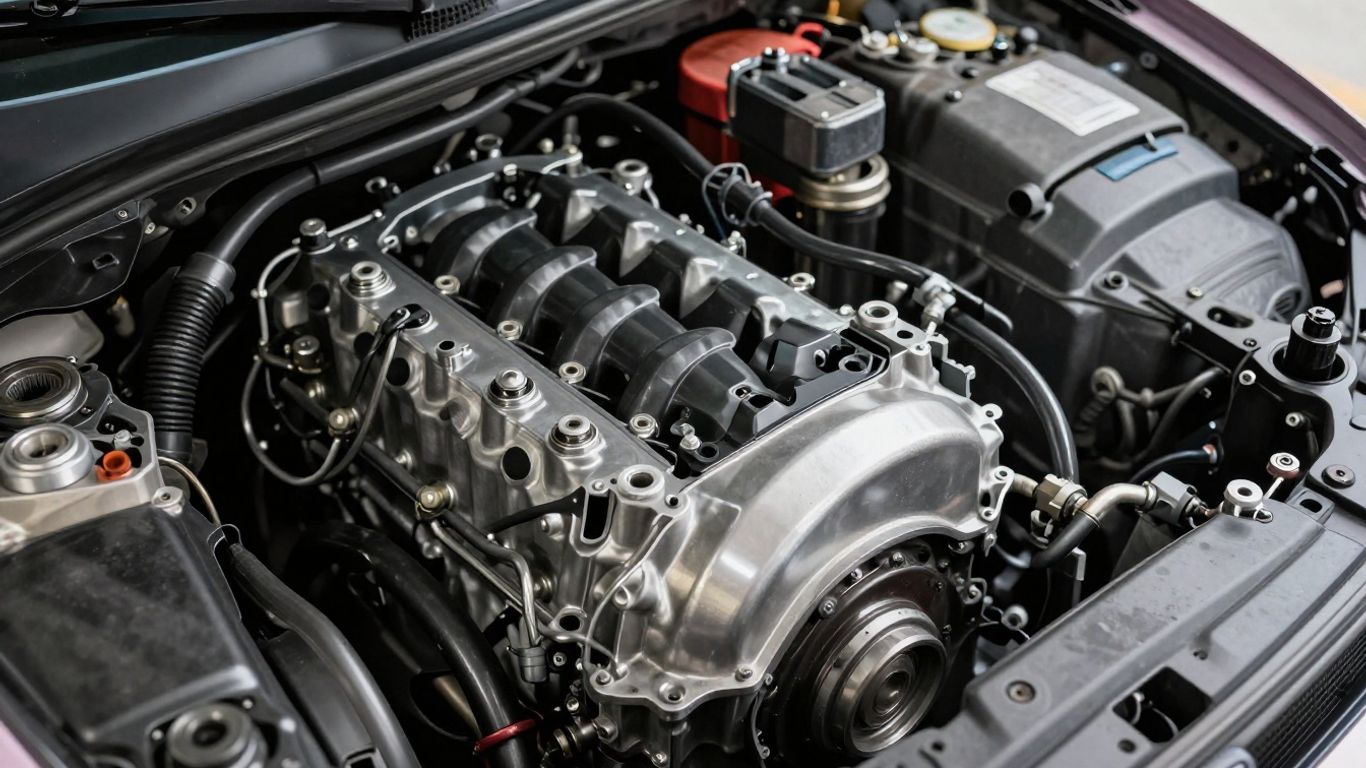
So, you’ve found a potential engine for your 2016 Mitsubishi Lancer here in Darwin. That’s great! But before you hand over your hard-earned cash, there are a few things you really need to check. It’s not just about getting it running; it’s about getting a good, reliable unit that won’t cause you more headaches down the line. Think of it like buying a used phone – you wouldn’t just grab it without checking the battery life or looking for cracks, right? Same idea here, but with way more important parts.
Verifying Engine Compatibility
This is probably the most important step. You need to be absolutely sure the engine you’re looking at is the right fit for your specific 2016 Lancer model. Mitsubishi had a few different engine options even within the same model year, depending on the trim level (like the ES or LS). Getting this wrong means it won’t fit, or worse, it might fit but not run correctly, potentially damaging other parts of your car. Always double-check the engine code and compare it with what your Lancer originally came with. If you’re unsure, ask the seller for the VIN of the car the engine came from, or consult a mechanic.
Assessing Mileage and Maintenance History
Just like checking a car’s odometer, you need to know how many kilometres the engine has clocked up. A lower mileage engine is generally better, but it’s not the whole story. Ask about the maintenance history. Was it serviced regularly? Were the oil changes done on time? A well-maintained engine with higher mileage can sometimes be a better bet than a lower mileage one that’s been neglected. Look for service records if possible. A seller who can provide proof of regular maintenance is usually a good sign.
Ensuring Proper Documentation
This is where things can get a bit tricky, but it’s super important. You need to make sure the engine you’re buying isn’t stolen property. Ask for paperwork that proves the seller has the right to sell it. This might include a receipt from a previous purchase, or documentation showing it was removed from a legitimately scrapped vehicle. It’s also a good idea to get a written receipt from the seller detailing the engine’s specifics (like the engine code), the price, and the date of sale. This protects you if any issues pop up later. You might also need this documentation if you plan on registering the engine or if you need to get a roadworthy inspection down the track.
Buying a used engine can save you a lot of money compared to a brand-new one, but it comes with risks. Taking the time to do these checks thoroughly can save you a massive headache and a lot of extra expense in the long run. Don’t rush the process; it’s worth the effort to get it right.
Maintaining Your Lancer Engine for Optimal Performance
So, you’ve got your 2016 Mitsubishi Lancer engine sorted out, and it’s running like a dream. That’s awesome! But keeping it that way means a little bit of regular attention. It’s not rocket science, honestly. Just a few key things to keep an eye on.
Regular Servicing Schedules
Sticking to a service schedule is probably the most important thing you can do. It’s like taking your car to the doctor for check-ups. For a 2016 Lancer, most mechanics will recommend an oil change and general inspection every 10,000 to 15,000 kilometers, or about once a year, whichever comes first. This includes checking fluids, filters, and looking for any early signs of trouble. Don’t skip these; they can save you a lot of headaches down the road. If you’re unsure about the exact intervals for your specific model, your owner’s manual is the best place to look. It’s a good idea to keep a logbook of all your services, too.
Common Maintenance Tips for Lancer Engines
Beyond the scheduled services, there are a few other things to keep in mind. First off, listen to your engine. Any weird noises, like knocking or whining, are usually a sign something needs looking at. Also, keep an eye on your dashboard warning lights – they’re there for a reason! Checking your tire pressure regularly is also good for overall vehicle health, even if it’s not directly engine-related. And if you ever notice your car running rough or losing power, don’t just ignore it. Getting it checked out promptly can prevent minor issues from becoming major repairs. For example, if you’re experiencing engine trouble in Canberra, a reconditioned engine is a viable solution. This option addresses engine issues that can arise over time.
Choosing the Right Fluids and Parts
Using the correct fluids and parts makes a big difference. For your Lancer, you’ll want to use the type of engine oil recommended in your manual. Using the wrong oil can cause premature wear. Same goes for coolant and other fluids. When it comes to replacement parts, whether it’s spark plugs, filters, or something bigger, try to stick to reputable brands or genuine Mitsubishi parts if possible. Sometimes, aftermarket parts can be just as good, but it’s worth doing a bit of research. You don’t want to skimp here, especially if you’re looking for parts that fit well, like these visor clips.
Keeping your engine in good shape isn’t just about avoiding costly repairs. A well-maintained engine runs more efficiently, which means better fuel economy and a smoother ride. It also helps your car last longer overall, making it a more reliable companion for all your trips around Darwin and beyond.
Wrapping It Up
So, finding the right engine for your 2016 Mitsubishi Lancer in Darwin doesn’t have to be a huge headache. We’ve looked at what makes these Lancers tick and where you might find the parts you need. Remember, these cars are known for being pretty reliable, so getting a good replacement engine can keep yours running strong for a long time. Whether you’re looking for a standard replacement or something a bit sportier, a little searching around Darwin’s dealerships and mechanics should get you sorted. Happy driving!
Frequently Asked Questions
What kind of engines can I find for a 2016 Mitsubishi Lancer in Darwin?
For the 2016 Mitsubishi Lancer, you’ll typically find a couple of main engine choices. Most models come with a reliable 2.0-liter engine, which is great for everyday driving. If you’re looking for a bit more zip, some sportier versions, like the Evolution models, might have a more powerful turbocharged 2.0-liter engine. When looking in Darwin, you’ll want to check with local dealers or auto parts shops that specialize in Mitsubishi.
What should I look for when buying a used Lancer engine?
When you’re checking out a used engine, it’s super important to ask about its history. Find out how many miles it has on it – lower is usually better. Also, ask if it has been well-maintained and if there are any service records. It’s a good idea to see if you can get a mechanic to look it over before you buy it, and make sure all the paperwork is in order.
Are 2016 Mitsubishi Lancers known for being reliable?
Yes, the 2016 Mitsubishi Lancer is generally considered a dependable car. They’re built to last and tend to have fewer problems than some other cars in their class. Many owners find them to be a solid choice for a long time, which is great news if you’re looking for a replacement engine.
How much fuel does a 2016 Lancer usually use?
The 2016 Mitsubishi Lancer is pretty good on gas. On average, it uses about 7.5 liters of fuel for every 100 kilometers driven, mixing city and highway driving. This means it won’t break the bank at the fuel pump, making it a practical choice for commuting or longer trips.
Where in Darwin can I find parts for my Lancer?
To find a new or used engine for your 2016 Lancer in Darwin, your best bet is to check with official Mitsubishi dealerships or independent auto repair shops that focus on Japanese cars. Sometimes, specialized used parts yards also carry engines. It’s always worth calling ahead to see what they have in stock for your specific model year.
What’s the difference between the ES and LS Lancer models for 2016?
The 2016 Lancer ES is usually the base model, offering essential features like a 2.0-liter engine, air conditioning, and Bluetooth. The LS model typically adds a few more comforts, such as a bigger touchscreen display, alloy wheels, and maybe a reverse camera. Both are reliable, but the LS offers a bit more in terms of convenience and appearance.