
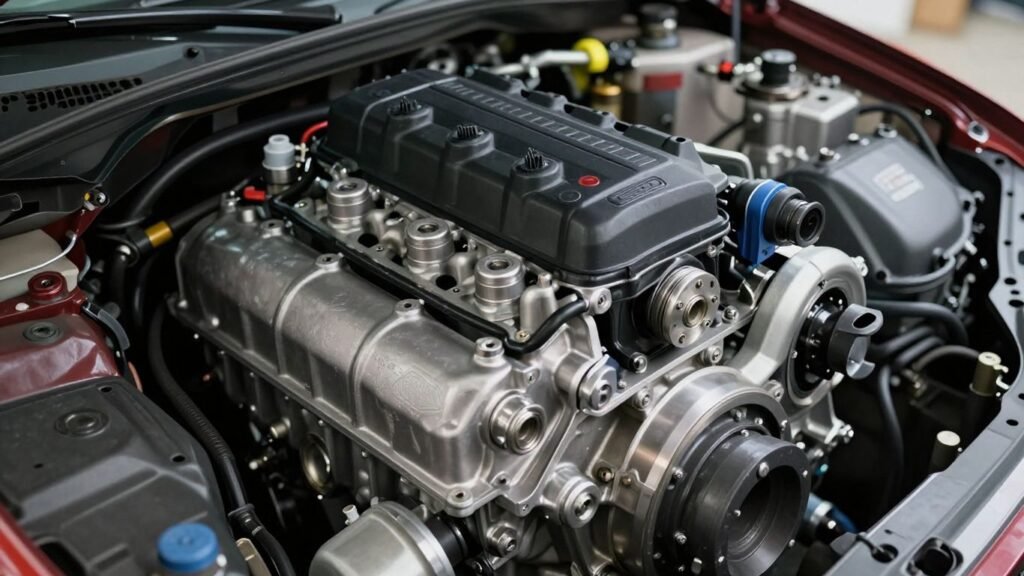
So, you’re looking for a 2014 Mitsubishi Lancer 2.0 engine, maybe for a repair or a project? It can feel like a big task, right? Finding the right engine, especially if you’re not a mechanic yourself, can be a bit of a puzzle. This guide is here to help make that process simpler. We’ll walk through what to look for, where to find one, and what to watch out for, all while keeping that 2014 Mitsubishi Lancer 2.0 engine Darwin in mind.
Key Takeaways
- Know your engine options for the 2014 Lancer 2.0. There might be slight differences.
- Always check the engine’s identification numbers to be sure it’s the right one.
- Give the engine a good look over. Check for leaks, rust, and listen if you can.
- Shop around at dealerships, online stores, and even salvage yards for the best price and option.
- Make sure the engine you buy will actually fit your car and is compatible with your transmission.
Locating Your 2014 Mitsubishi Lancer 2.0 Engine
So, you need a new engine for your 2014 Mitsubishi Lancer 2.0? That can feel like a big task, but breaking it down makes it much more manageable. First things first, let’s figure out exactly what you’re looking for.
Understanding Engine Variants
Not all 2.0L engines are created equal, even within the same model year. For the 2014 Lancer, Mitsubishi offered a couple of variations of the 2.0-liter engine. The most common one is the 4J10, which is a naturally aspirated engine. It’s pretty reliable and was standard on many trims. However, if you have a sportier model, you might have had a different setup, though the 2.0L was generally the base engine. It’s super important to know which specific engine code your Lancer originally came with. This avoids a lot of headaches down the road.
Key Identification Numbers
To make sure you get the right part, you’ll need to find a few numbers on your current engine or vehicle. The most obvious place to start is the Vehicle Identification Number (VIN). You can usually find this on the driver’s side dashboard, visible through the windshield, or on the driver’s side doorjamb. The VIN tells you a lot about the original configuration of your car. Another number to look for is the engine serial number, which is often stamped directly onto the engine block itself. Sometimes, you’ll find a sticker with engine information on the underside of the hood or on the valve cover. Having these numbers handy will help you or the parts supplier confirm you’re getting the correct replacement. If you’re looking at a used engine, the seller should be able to provide its serial number too. For more detailed information on specific engine repairs, a Mitsubishi Lancer repair manual can be a lifesaver.
Getting the right engine code and serial numbers upfront saves you time, money, and a whole lot of frustration. Double-checking is always better than regretting a mistake later.
Assessing Engine Condition
So, you’ve found a potential 2014 Mitsubishi Lancer 2.0 engine. That’s great! But before you hand over any cash, you really need to check it out. Buying a used engine is kind of like adopting a pet from a shelter – you want to make sure it’s healthy and ready for a new home, not just a money pit.
Visual Inspection Checklist
First things first, give it a good once-over. Look for anything that seems off. Here’s a quick rundown of what to check:
- Fluid Leaks: Are there any obvious signs of oil, coolant, or other fluid leaks? Check around seals, gaskets, and hoses. A little bit of grime is normal, but puddles or heavy staining are red flags.
- Corrosion: Look for rust or corrosion, especially on electrical connectors, the engine block, and around the exhaust manifold. Heavy corrosion can mean it’s been sitting in a damp environment.
- Physical Damage: Check for cracks in the engine block, oil pan, or cylinder head. Also, inspect the intake and exhaust manifolds for any damage.
- Belts and Hoses: Are the belts cracked or frayed? Are the hoses brittle or swollen? These are wear items, but their condition can tell you about the engine’s overall maintenance history.
- Wiring Harness: Make sure the wiring harness is intact, with no frayed wires or damaged connectors. This is super important for the engine’s electronics.
Signs of Wear and Tear
Beyond the basic visual check, you’re looking for clues that the engine has been worked hard or neglected. A clean engine doesn’t always mean a good engine, but a filthy one often means trouble.
- Oil Sludge: If you can see inside the oil fill cap, look for thick, black sludge. This indicates poor oil changes and can clog up oil passages, leading to serious problems.
- Exhaust Smoke: If you have the chance to briefly start the engine (more on that later), pay attention to the exhaust. Blue smoke usually means burning oil, white smoke can be coolant, and black smoke often points to fuel issues.
- Unusual Noises: Listen for knocking, ticking, or grinding sounds. These can signal internal damage or worn parts. A healthy engine should run relatively smoothly.
Performance Indicators
Ideally, you’ll get a chance to hear the engine run. If not, you’ll have to rely on the seller’s word and your visual inspection. If you can start it up, even for a minute:
- Start-up: Does it start easily, or does it crank for a long time?
- Idle: Does it idle smoothly, or is it rough and shaky?
- Check Engine Light: Is the check engine light on? While this can be for many reasons, it’s definitely something to note. You can find out more about common check engine light causes for Mitsubishi vehicles.
Remember, buying a used engine is a gamble. You’re trying to minimize the risk by doing your homework. If something feels off, it probably is. Don’t be afraid to walk away if the engine doesn’t check out.
If you’re buying from a salvage yard, you might not get to hear it run. In that case, focus heavily on the visual inspection and the seller’s reputation. Sometimes, you can find engines that have been tested and come with a short warranty, which is always a plus. You can often find good deals on used auto parts online, but always do your due diligence.
Sourcing a 2014 Mitsubishi Lancer 2.0 Engine
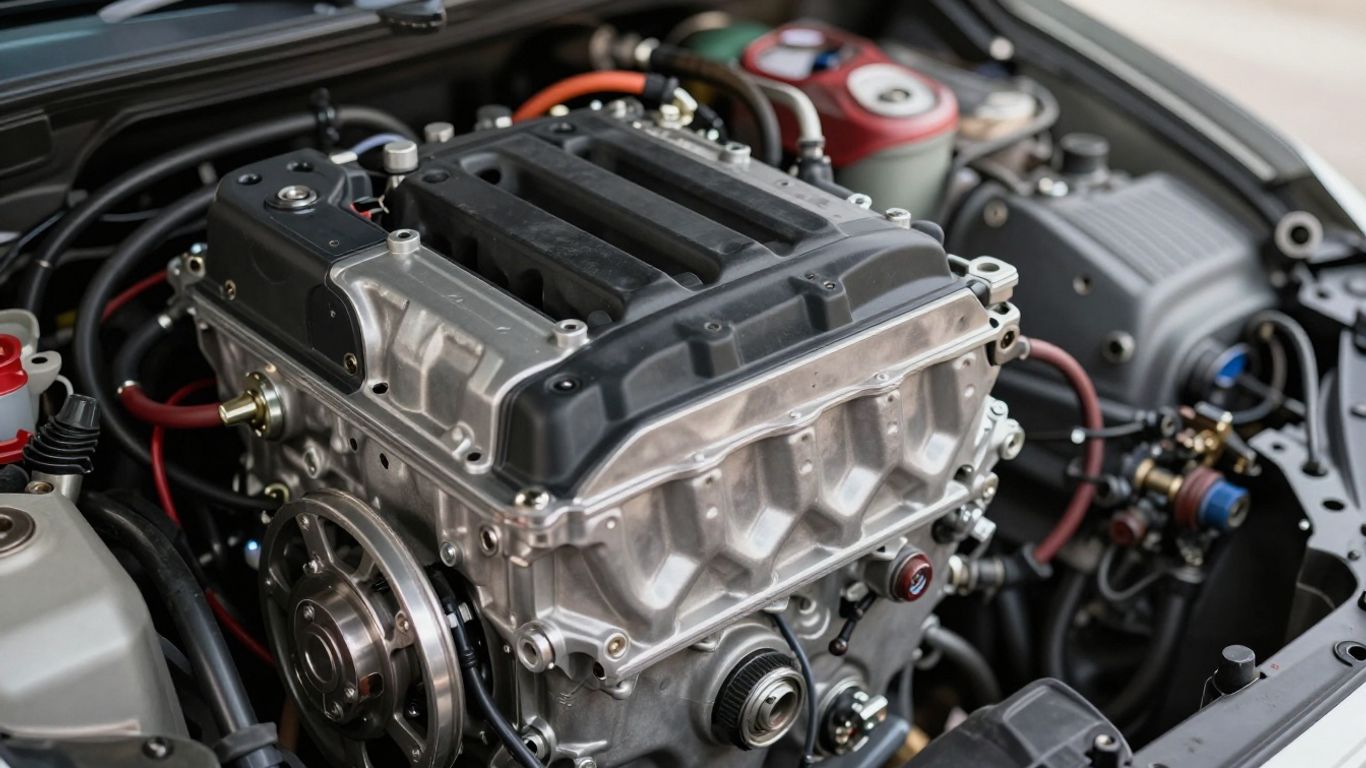
Reputable Dealerships and Mechanics
Your local Mitsubishi dealership is often the first place people think of, and for good reason. They’ll typically have access to new or remanufactured engines directly from the manufacturer or their approved suppliers. While this is usually the most expensive option, it often comes with the best peace of mind. You’re getting a part specifically designed for your car, and the installation is handled by certified technicians. If you have a trusted mechanic who specializes in Japanese imports, they might also have good sources for engines, sometimes even better pricing than the dealership.
Specialty Online Retailers
The internet has opened up a huge marketplace for car parts, and engines are no exception. There are many online stores that focus specifically on engines, often selling rebuilt or low-mileage used units. These sites can be a goldmine for finding exactly what you need at a competitive price. When looking online, always check reviews and the seller’s return policy. Some places offer remanufactured engines with warranties, which is a big plus. For example, you can find remanufactured and rebuilt Mitsubishi Lancer engines for sale that come with a warranty of up to 5 years, unlimited mileage. This can be a really solid choice if you want a reliable engine without the brand-new price tag.
Salvage Yards and Used Parts
If your budget is really tight, salvage yards, also known as junkyards, are worth a look. You can often find a complete 4B11 2.0 non-turbo engine from a wrecked Lancer. The key here is inspection. You’ll want to see the engine in person if possible, check for obvious damage, and ask about its history. Some yards offer a short warranty, maybe 30 to 90 days, which gives you a little protection. It’s a bit of a gamble, but the savings can be substantial if you find a good unit. Just be prepared to do some digging and potentially some cleaning or minor repairs yourself.
When you’re looking at used engines, especially from a salvage yard, don’t be afraid to ask questions. Find out why the car was scrapped, how many miles were on the donor vehicle, and if the engine was tested before removal. A little bit of upfront effort can save you a lot of headaches down the road.
Cost Considerations for Your Engine
Alright, let’s talk about the money part. Buying a replacement engine for your 2014 Mitsubishi Lancer 2.0 isn’t like picking up a new phone; prices can really jump around. You’ve got a few main things that will push the cost up or down.
Factors Influencing Price
So, what makes one engine cost more than another? It’s a mix of things.
- Condition: A brand-new engine will obviously cost a lot more than a used one. Even among used engines, mileage and how well it was maintained make a big difference. A low-mileage engine that was regularly serviced will fetch a higher price.
- Source: Where you get the engine from matters. A dealership might charge more because they often offer better warranties and guarantees. Specialty online retailers can sometimes have competitive pricing, especially if they focus on specific makes like Mitsubishi.
- Type: Are you looking for a bare engine block, or a complete engine with all the accessories attached (like the alternator, power steering pump, etc.)? A complete engine, often called a "long block" or "complete assembly," will cost more.
- Warranty: Engines that come with a decent warranty, like a two-year warranty, usually cost a bit more upfront. But honestly, that peace of mind can be worth the extra cash.
Here’s a rough idea of what you might see, though remember these are just estimates:
| Engine Type | Estimated Price Range (USD) |
|---|---|
| Used Engine | $800 – $2,500 |
| Remanufactured Engine | $1,500 – $3,500 |
| New Crate Engine | $3,000 – $6,000+ |
Budgeting for Installation
Don’t forget that the price of the engine itself is only part of the story. You’ve also got to factor in the cost of getting it installed. This can be a significant chunk of the total expense.
- Labor Costs: Mechanics charge by the hour, and swapping an engine is a big job. Depending on your location and the shop’s rates, this could add anywhere from $500 to $1,500 or even more.
- Additional Parts: While the engine is out, it’s a good time to replace other parts that are hard to access later. Think about the clutch (if you have a manual), engine mounts, seals, hoses, and fluids. These small costs add up.
- Diagnostic Fees: Sometimes, you might pay a shop to confirm that the engine is indeed the problem before you buy a replacement.
When you’re budgeting, it’s always smart to add a little extra for unexpected issues. Things pop up during engine swaps, and having a small buffer can save you a lot of stress if a surprise repair is needed.
So, before you hand over any cash, make sure you’ve got a clear picture of the total cost, including installation and any other bits and pieces you might need. Getting a tested used engine can sometimes be a good balance between cost and reliability, but always check what’s included.
Ensuring Compatibility and Fitment
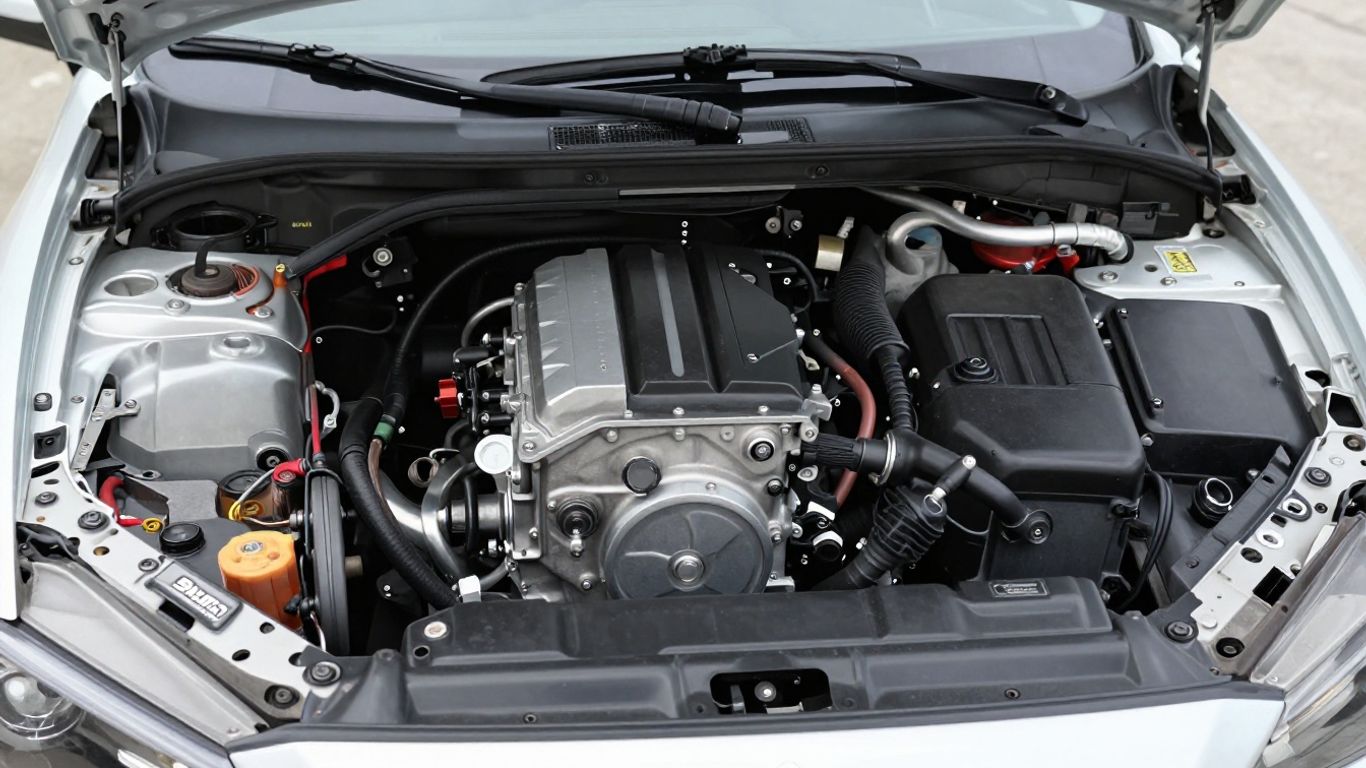
So, you’ve found a potential engine, but before you hand over any cash, we need to talk about making sure it’s actually going to fit in your 2014 Mitsubishi Lancer 2.0. This isn’t like buying a t-shirt; you can’t just return it because it’s a bit snug. Getting this wrong can lead to a whole lot of headaches and extra costs.
VIN Verification
This is your first line of defense. Your car’s Vehicle Identification Number (VIN) is like its fingerprint. It tells you exactly what came from the factory. You need to compare this to the VIN of the engine you’re looking at. Sometimes, the engine itself will have a VIN stamped on it, or at least a serial number that can be cross-referenced. If you’re buying from a reputable place, they should be able to provide you with this information. Don’t be shy about asking for it. Always get the VIN of the donor vehicle if possible. It’s the best way to confirm you’re looking at the right part.
Transmission Match Considerations
This is a big one. Your engine needs to play nice with your transmission. A 2014 Lancer 2.0 could have come with a few different transmission options, most commonly a Continuously Variable Transmission (CVT) or a manual gearbox. Trying to bolt up an engine designed for a manual to a CVT, or vice-versa, is usually a recipe for disaster. You’ll need to know what transmission you have and what transmission the replacement engine was originally paired with. Sometimes, adapters can be used, but that adds complexity and cost. It’s generally best to find an engine that was originally matched to your transmission type. If you’re thinking about a transmission swap down the line, that’s a whole other ballgame, but for a direct replacement, stick to what your car already has. You can find resources online that help with diagnosing your car’s health, which might include transmission details.
- Manual Transmission: Look for engines that were originally paired with a manual gearbox. These often have different mounting points or sensor setups compared to CVTs.
- CVT Transmission: These require engines that are specifically designed to work with the CVT’s unique operation.
- All-Wheel Drive (AWD) vs. Front-Wheel Drive (FWD): While less common for the 2.0L in 2014, double-check if your Lancer is AWD. Some engine components or mounts might differ.
Getting the transmission compatibility wrong can mean more than just a failed engine swap. It can affect how your car drives, its fuel economy, and even the reliability of the entire drivetrain. It’s worth spending a bit of extra time to get this right upfront.
Warranty and Returns for Engine Purchases
Buying a used engine can feel like a gamble, right? You want to make sure you’re not just throwing money away on something that’s going to die on you a few weeks after you get it installed. That’s where warranties and return policies come into play. They’re your safety net, and understanding them before you hand over your cash is super important.
Understanding Seller Policies
Different places will have different rules. A big dealership might have a more formal process, while a small salvage yard might be more flexible, or maybe not. It’s always a good idea to ask upfront about their specific policies. Don’t be shy about it!
- Ask about the return window: How long do you have to bring it back if something’s wrong?
- Check for restocking fees: Some places charge you a percentage just to return an item, even if it’s not your fault.
- Understand the "as-is" clause: Many used parts are sold "as-is," meaning you’re taking on more risk. Try to find sellers who offer some kind of guarantee.
When you’re looking at engines, especially from online retailers, pay close attention to the fine print. Sometimes the warranty details are buried, and you might miss something important if you’re not careful. It’s better to be over-prepared than to be stuck with a bad engine.
What to Look For in a Warranty
Not all warranties are created equal. Some are pretty basic, while others offer more peace of mind. For a 2014 Mitsubishi Lancer 2.0 engine, you’ll want to see what kind of coverage is offered. Some places, like Gearhead Engines, might offer warranties that last a few years, which is pretty good for a used part. Others might only cover it for 30 or 90 days. You’ll also want to know what exactly the warranty covers. Does it just cover the engine block, or does it include things like the head, pistons, and other internal parts? A good warranty will clearly state what is covered and for how long.
Here’s a quick rundown of what to consider:
- Duration: How many months or years does it last?
- Mileage Limit: Is there a cap on how many miles you can put on it?
- Coverage Details: What specific parts are protected?
- Transferability: Can you transfer it if you sell the car later?
- Claim Process: How easy is it to file a claim if you need to?
Wrapping It Up
So, finding a 2014 Mitsubishi Lancer 2.0 engine might take a little digging, but it’s definitely doable. We’ve gone over where to look, what to check, and some things to watch out for. Remember to take your time, don’t rush into the first deal you see, and always ask questions. Getting the right engine means your Lancer will be back on the road, running strong. Good luck with your search!
Frequently Asked Questions
What’s the difference between the 2.0L engine and other Lancer engines from 2014?
The 2.0-liter engine is a common choice for the 2014 Mitsubishi Lancer. It’s generally a good balance of power and fuel efficiency for everyday driving. Other Lancers might have different engine sizes, like a 2.4-liter, which usually offers more horsepower but might use a bit more gas.
How can I be sure the engine I’m buying is the right one for my car?
The best way is to check your car’s Vehicle Identification Number (VIN). This unique code tells you exactly what came with your car. You can also look for specific engine codes or part numbers on the old engine and match them to the new one. Double-checking with the seller using your VIN is always a smart move.
What are the biggest red flags to watch out for when buying a used engine?
Look for any signs of leaks, like oil or coolant stains, around the engine. Listen for strange noises if you can. Check the exhaust for excessive smoke, which can mean internal problems. Also, ask about the engine’s history – how many miles did it have, and why was it replaced?
Where’s the best place to find a 2014 Mitsubishi Lancer 2.0 engine?
You have a few options! Reputable car shops or dealerships might have new or rebuilt engines. Online stores specializing in car parts are also a good bet, offering lots of choices. Don’t forget about junkyards or salvage yards; they often have used engines at lower prices, but you’ll need to inspect them carefully.
How much should I expect to pay for a 2014 Lancer 2.0 engine?
The price can change a lot depending on where you buy it and its condition. A brand-new engine will cost the most, while a used one from a salvage yard will be cheaper. Rebuilt engines are somewhere in the middle. Also, remember to factor in the cost of getting it installed by a mechanic.
What should I do if the engine I bought doesn’t work correctly?
This is where a warranty or return policy is super important. Always ask about it before you buy! Good sellers will offer some kind of guarantee, usually for a specific period, allowing you to return or exchange the engine if it has problems. Keep all your paperwork, like receipts and the warranty details.