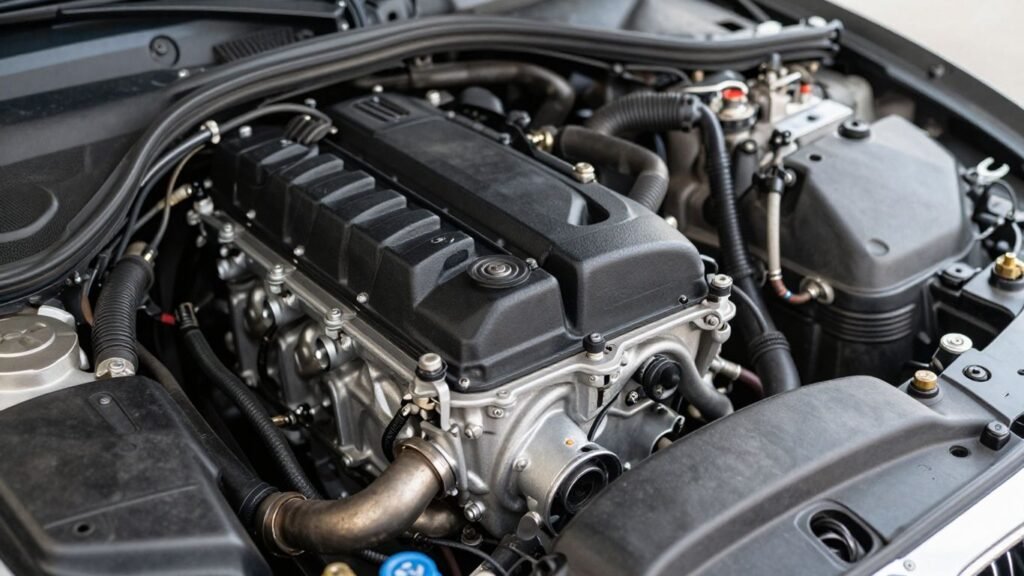
So, you’re looking for a 2017 BMW 118i engine for sale in Wollongong? It can be a bit of a hunt, right? Whether your current engine has given up the ghost or you’re planning a swap, finding the right replacement part is key. This guide should help you sort through the options and hopefully find what you need without too much hassle.
Key Takeaways
- When looking for a 2017 BMW 118i engine for sale in Wollongong, check different sources like wreckers and online marketplaces.
- Make sure the engine you buy is compatible with your specific 2017 BMW 118i model to avoid fitment issues.
- Inspect the engine’s condition carefully, ask about its history, and get any available documentation before buying.
- Compare prices from various sellers to get a good deal on your BMW 118i engine.
- Consider professional installation and check for any warranties or guarantees offered with the engine purchase.
Locating Your 2017 BMW 118i Engine in Wollongong
So, you’re on the hunt for a 2017 BMW 118i engine in the Wollongong area? It can feel like a bit of a treasure hunt, but with a bit of know-how, you’ll be back on the road before you know it. Let’s break down how to find what you need.
Understanding Engine Availability
Finding a specific engine model like the one for a 2017 118i isn’t always straightforward. These engines aren’t exactly rolling off the production line anymore, so you’re likely looking at the used market. This means checking with wreckers, specialized BMW parts suppliers, and even online marketplaces. Availability can fluctuate, so persistence is key. Sometimes, you might find a complete car being dismantled that has the engine you need, which can be a good source.
Key Considerations for Purchase
Before you hand over any cash, there are a few things to think about. First off, what’s the mileage on the engine you’re looking at? Lower mileage generally means less wear and tear. Also, was the engine removed from a running vehicle? Getting some sort of confirmation about its history is a big plus. You’ll want to know if it was a planned replacement or if it failed. Asking about any known issues or if it comes with any accessories like the turbocharger or alternator can save you headaches later.
- Mileage: Aim for lower kilometers if possible.
- History: Try to find out why it was removed.
- Included Parts: See what comes with the engine.
- Warranty: Does the seller offer any guarantee?
When buying a used engine, it’s always a good idea to have a mechanic you trust take a look, or at least advise you on what to check for. They can spot things you might miss.
Finding Reputable Sellers
This is where you want to be careful. You don’t want to end up with a dud engine. Look for established auto wreckers in the Wollongong region or those who specialize in European cars. Online platforms can be useful, but do your homework on the seller. Check reviews if they have them, or ask around in local car forums. Sometimes, a good recommendation from another mechanic or car enthusiast can point you in the right direction. If you’re looking for parts, checking out places that focus on specific brands can be helpful, like those that might list used BMW engines.
Here’s a quick checklist for vetting sellers:
- Check Reviews: Look for feedback from previous customers.
- Ask Questions: A good seller will be happy to answer your queries about the engine.
- Visit in Person: If possible, see the engine before buying.
- Payment Security: Use secure payment methods.
Remember, buying a used engine is a big step, so taking your time and doing your due diligence will pay off in the long run.
BMW 118i Engine Specifications and Compatibility
Engine Variants for the 2017 Model Year
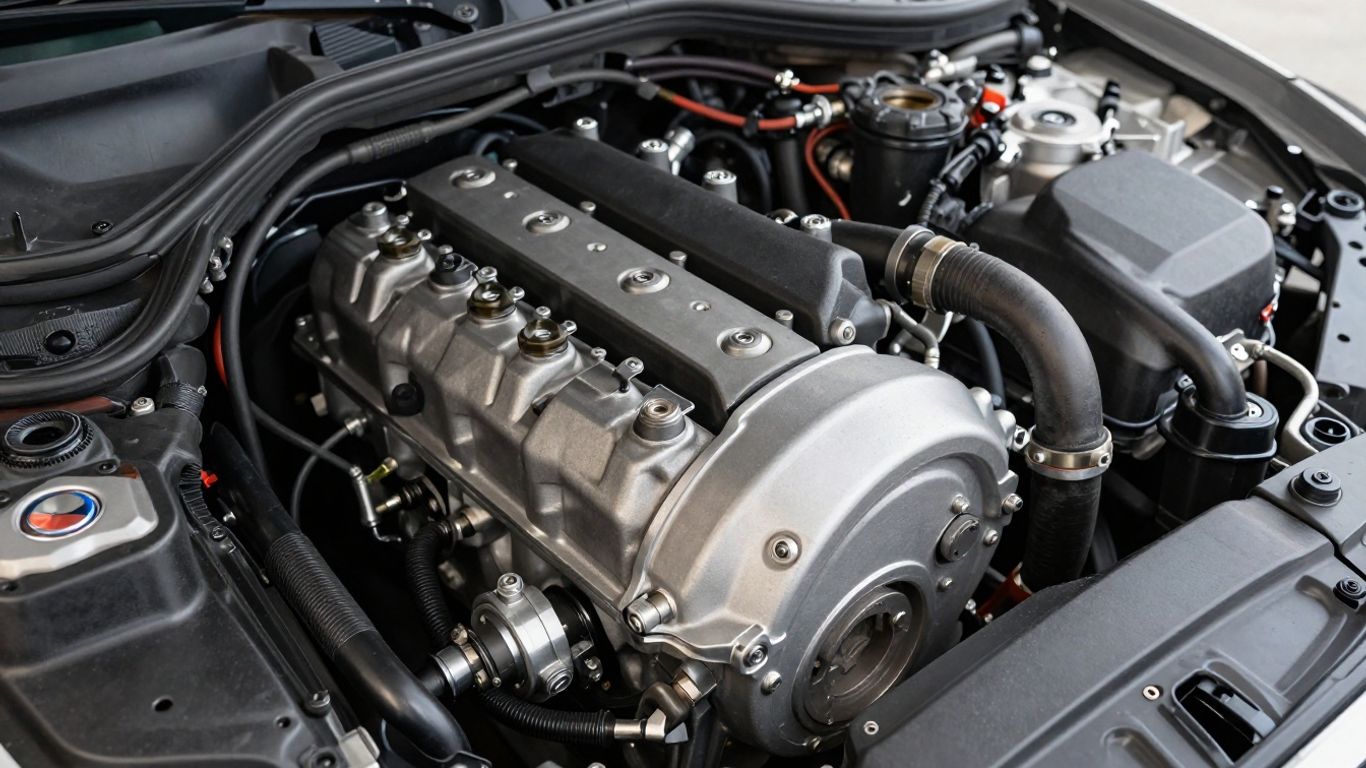
When you’re hunting for a 2017 BMW 118i engine, it’s good to know what you’re actually looking for. For the 2017 model year, the 118i typically came with the B38 engine. This is a 1.5-liter, three-cylinder turbocharged petrol engine. It’s known for being pretty compact and fuel-efficient, which is a big plus for a smaller car like the 1 Series. It’s important to confirm the exact engine code when you’re looking, as BMW sometimes makes minor tweaks between production runs.
Ensuring Proper Fitment for Your Vehicle
Getting the right engine is more than just matching the year. You need to make sure it’s going to bolt right into your car without a whole lot of custom work. The 2017 118i is part of the F20 generation. While the B38 engine was used across various BMW models, there can be differences in mounts, wiring harnesses, and even the engine control unit (ECU) software. Always double-check that the engine you’re considering is specifically listed as compatible with the F20 118i. Sometimes, parts from a slightly different model might work, but it’s best to stick to what’s known to fit. For example, specific intake systems are engineered for certain BMW models, like the EDDY Intake System for the BMW 118i F20 equipped with the B38 1.5L turbocharged engine.
Technical Details of the 118i Engine
Here’s a quick rundown of what you might find in a 2017 118i engine:
- Engine Code: Typically B38A15M0 or similar variants.
- Configuration: 1.5-liter (1499 cc) inline 3-cylinder.
- Induction: Turbocharged.
- Power Output: Around 134 horsepower (100 kW) and 162 lb-ft (220 Nm) of torque, though this can vary slightly.
- Transmission Compatibility: Usually paired with an 8-speed automatic transmission (Steptronic) or a 6-speed manual.
Remember that engines, especially used ones, can have variations based on their service history and how they’ve been driven. A well-maintained engine will perform much better than one that’s been neglected. It’s always a good idea to ask for service records if possible.
When looking at engines, you might see different model codes. For instance, the BMW 118i F40 uses the B38 engine, which is known for its efficiency when maintained correctly. Understanding these details helps you ask the right questions when you’re talking to sellers.
Purchasing a Used BMW 118i Engine
So, you’ve decided to go the used engine route for your 2017 BMW 118i. Smart move, it can save you a good chunk of change compared to a brand-new one. But buying a used engine isn’t like picking up groceries; you’ve got to be a bit more careful. Doing your homework upfront can prevent a lot of headaches down the road.
Assessing Engine Condition
When you’re looking at a used engine, you want to get a feel for its history and current state. Ask for service records if they’re available. A well-maintained engine is always a better bet. Look for any obvious signs of damage, like cracks in the block or casing. Check the oil and coolant for any signs of contamination – milky oil or rusty coolant are big red flags.
Here’s a quick checklist:
- Visual Inspection: Look for leaks, corrosion, or physical damage.
- Fluid Check: Examine oil and coolant for cleanliness.
- Mileage: Lower mileage generally means less wear and tear.
- History: Ask about the vehicle it came from and why it was replaced.
Understanding Pricing Factors
Prices for a used 2017 BMW 118i engine can really vary. You’ll see different numbers depending on the seller, the engine’s condition, and how many kilometers it’s done. A low-mileage engine from a reputable dealer will cost more than one from a private seller with unknown history. Sometimes, you might find a complete engine package, which could include things like the turbocharger or other accessories, and that will naturally bump up the price.
| Engine Feature | Typical Price Range (AUD) |
|---|---|
| Used Engine | $1,500 – $4,000 |
| With Turbo | $2,000 – $5,000 |
| Complete Swap | $3,000 – $6,000 |
Keep in mind these are just estimates, and actual prices can differ. It’s always good to shop around and compare. You might find a good deal on used cars in NSW that could have a compatible engine.
Negotiating the Best Deal
Don’t be afraid to negotiate, especially if you’re buying from a private seller or a smaller yard. If you’ve done your research and know the going rate, you’ll be in a stronger position. Point out any minor flaws you find during your inspection – maybe a bit of surface rust or a missing bracket – as reasons for a slightly lower price. If the seller is motivated, you might be able to get a better deal. Remember, it’s a buyer’s market for many used parts, so a little friendly haggling can go a long way.
Buying a used engine requires a balance. You want to get a good price, but not at the expense of quality. A slightly higher price for an engine with a solid history and a clear inspection report is often a wiser investment than a cheap engine that might fail prematurely. Always trust your gut feeling about the seller and the engine itself.
When you’re ready to look for options, checking out the BMW Australia website can give you an idea of what’s available in the market, even if it’s for whole vehicles.
Installation and Post-Purchase Support
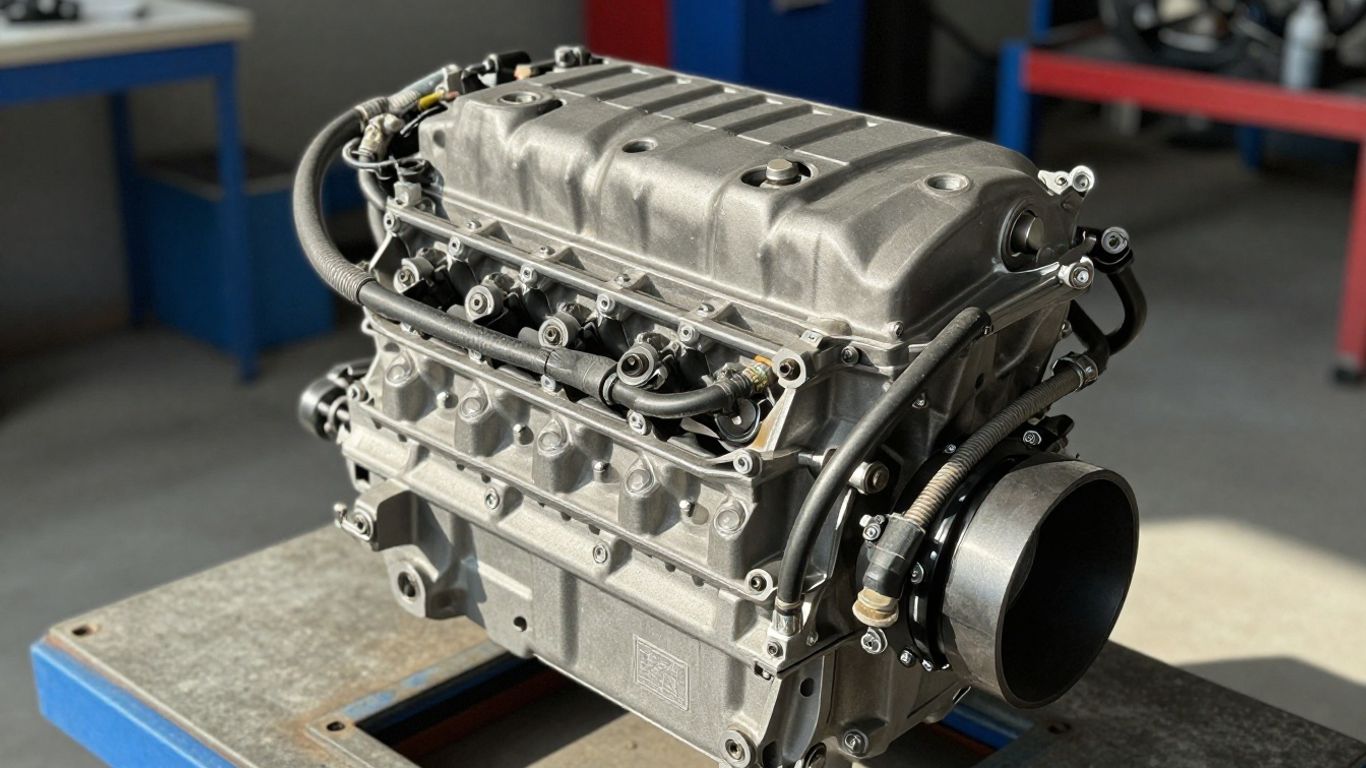
So, you’ve found that perfect 2017 BMW 118i engine and it’s sitting in your garage, ready to go. That’s a big step, but the job isn’t quite done yet. Getting it installed correctly and making sure everything works smoothly afterward is super important. You don’t want to go through all the trouble of finding the engine only to have installation issues, right?
Finding Qualified Mechanics in Wollongong
This is where you really want to find someone who knows their way around a BMW. A general mechanic might be able to do it, but a specialist will have the specific tools and knowledge for German cars. It’s worth asking around for recommendations from other BMW owners in the Wollongong area. Check online reviews, but also see if any local BMW clubs have suggestions. Sometimes, a good independent European car specialist is your best bet. You might even find a mechanic who specializes in BMWs, which would be ideal. Don’t be afraid to ask potential mechanics about their experience with engine swaps, especially on BMWs. It’s also a good idea to get a few quotes before you commit to anyone. You want someone reliable and fair with their pricing.
Warranty and Guarantees
When you buy a used engine, it often comes with some kind of warranty, but you need to know the details. What exactly does it cover? How long does it last? Is it a "parts only" warranty, or does it include labor if something goes wrong soon after installation? Always get the warranty terms in writing before you hand over any cash. Some sellers might offer a short-term guarantee, like 30 or 90 days, which can give you some peace of mind. If the engine fails within that period, they might cover the cost of a replacement or repair. It’s a good idea to understand what happens if the engine has a problem right after it’s installed. You don’t want to be stuck with the bill for a faulty part.
Essential Checks After Installation
Once the new engine is in and running, there are a few things you should keep an eye on. The mechanic should do a thorough check, of course, but it’s good to be aware yourself. Listen for any strange noises – ticking, knocking, or whining sounds are usually bad signs. Check all fluid levels (oil, coolant, etc.) regularly for the first few weeks. Keep an eye on the temperature gauge to make sure the engine isn’t overheating. Also, monitor the exhaust for any unusual smoke colors. A quick check of the dashboard warning lights is always a good idea too. If you notice anything off, get it checked out by your mechanic right away. It’s better to catch a small issue early before it becomes a big, expensive problem.
Getting a used engine installed is a significant job. It requires careful planning, the right professional help, and a bit of follow-up to make sure everything is running as it should. Don’t rush the process, and always prioritize quality work and clear communication with your mechanic.
Alternative Options for BMW 118i Engine Replacement
So, you’re looking for a new engine for your 2017 BMW 118i, and maybe a direct replacement isn’t cutting it, or you’re just curious about what else is out there. That’s totally understandable. Sometimes, you want something a bit different, or maybe the exact part is proving tricky to find. Let’s look at some other ways you can get your BMW back on the road.
Considering Remanufactured Engines
A remanufactured engine is a used engine that’s been taken apart, cleaned, inspected, and rebuilt with new or reconditioned parts. It’s not just a quick fix; it’s a thorough overhaul. Think of it like getting a brand-new engine, but with a history. These engines often come with a warranty, which is a big plus.
- Quality Control: They undergo rigorous testing to meet factory specs.
- Cost-Effective: Generally cheaper than a brand-new engine.
- Environmentally Friendly: Reusing parts reduces waste.
Exploring Engine Rebuild Services
If your current engine isn’t completely shot, you might consider having it rebuilt. This means taking your existing engine and repairing or replacing the worn-out components. It’s a good option if the core of your engine is still solid. You’d work with a specialist mechanic who can assess the damage and give you a quote for the rebuild. This can be a really good way to get your original engine back to its best, potentially even better than before if they use upgraded parts.
Evaluating Other BMW Engine Models
Sometimes, a different engine model from BMW might fit your 118i, or perhaps an engine from a closely related model. This is where you really need to do your homework. You’ll want to check compatibility charts and talk to BMW specialists. For instance, while not identical, looking at engines from similar 1 Series generations or even some 2 Series models might present possibilities, though you’d need to be sure about the fitment and any necessary modifications. It’s a bit like comparing the BMW 330i and the BMW M235i; they share some DNA but have distinct characteristics. Always confirm compatibility before purchasing any engine that isn’t a direct match for your 2017 118i.
When exploring engine alternatives, remember that while cost savings are appealing, the long-term reliability and performance are paramount. A cheap fix now could lead to bigger headaches later. Always prioritize quality and professional advice to keep your BMW running smoothly for years to come.
It’s also worth noting that sometimes, specific engine components might be the issue. For example, a faulty BMW Vanos Solenoid Valve could be causing problems that might seem like a full engine failure, but a targeted repair could save you a lot of hassle and money.
Wrapping Up Your Search
So, finding a 2017 BMW 118i in Wollongong might take a little looking around, but it’s definitely doable. Keep checking those online listings and local dealerships. You might find a great deal on a car that fits what you’re after. Happy hunting for your next BMW!
Frequently Asked Questions
Where can I find a 2017 BMW 118i engine in Wollongong?
You can look for a 2017 BMW 118i engine at local car wreckers, specialized BMW parts suppliers, or online marketplaces that list car parts. It’s a good idea to check with mechanics in Wollongong too, as they often know where to source parts.
What should I check before buying a used engine?
Before buying, always ask about the engine’s history, how many miles it has on it, and if it comes with any kind of warranty. It’s also wise to see if you can get a mechanic to inspect it or at least ask for detailed photos and videos of it running.
Are there different types of engines for the 2017 BMW 118i?
For the 2017 model year, the BMW 118i typically uses a 1.5-liter turbocharged 3-cylinder petrol engine. However, it’s always best to confirm the exact engine code with the seller to make sure it matches your car’s needs.
How much does a used 2017 BMW 118i engine usually cost?
The price can vary a lot depending on the engine’s condition, mileage, and where you buy it from. You might find them anywhere from a few thousand dollars to over five thousand, so shopping around is key.
What if the engine I find doesn’t fit my car?
This is why checking compatibility is super important! Always double-check the engine’s part number and compare it to your car’s original engine specifications. If you’re unsure, ask a mechanic or the seller to confirm it will fit.
Besides buying a used engine, what other options do I have?
If you can’t find a suitable used engine, you could consider getting a rebuilt engine, where your old one is fixed up, or a remanufactured engine, which is basically like new. Sometimes, looking at engines from similar BMW models might also be an option, but this needs careful checking.