So, you’re on the hunt for a 2013 Mini Cooper R56 1.6 turbo engine, and you’ve set your sights on Geelong. That’s a good starting point. Finding the right engine can feel like a puzzle, but with a little know-how, you can track down exactly what you need. This guide will walk you through the process, from knowing what to look for to where to find it, and how to make sure it’s the right fit for your Mini.
Key Takeaways
- Focus your search for a 2013 Mini Cooper R56 1.6 turbo engine in Geelong by checking specialist parts dealers, used car lots, and online listings.
- When inspecting an R56 engine, pay close attention to its overall condition, listen for unusual noises, and check for any signs of leaks or wear.
- Always ask for the engine’s service history; a well-maintained engine is less likely to cause future problems.
- Before buying, confirm the engine’s compatibility with your specific 2013 R56 model and discuss installation with a qualified mechanic.
- Negotiate the price clearly and understand any warranty or return policies offered by the seller.
Locating Your 2013 Mini Cooper R56 1.6 Turbo Engine in Geelong
So, you’re on the hunt for a 2013 Mini Cooper R56 1.6 Turbo engine, and Geelong is your target area. That’s a solid plan. Geelong and its surrounding areas often have a good supply of parts for popular European cars like the Mini, thanks to a mix of local mechanics, specialized wreckers, and a general car enthusiast population. Finding the right engine means knowing a bit about the R56 model and what makes that 1.6 turbo tick.
Understanding the R56 Model
The R56 generation of the Mini Cooper, which ran from roughly 2006 to 2013, is a pretty distinct car. It’s known for its go-kart-like handling and that classic Mini charm, but with modern tech. The 2013 model year falls at the tail end of this generation, meaning you’re likely looking at some of the more refined versions. These cars are popular, so parts, including engines, do pop up, but you’ve got to be quick.
Key Features of the 1.6 Turbo Engine
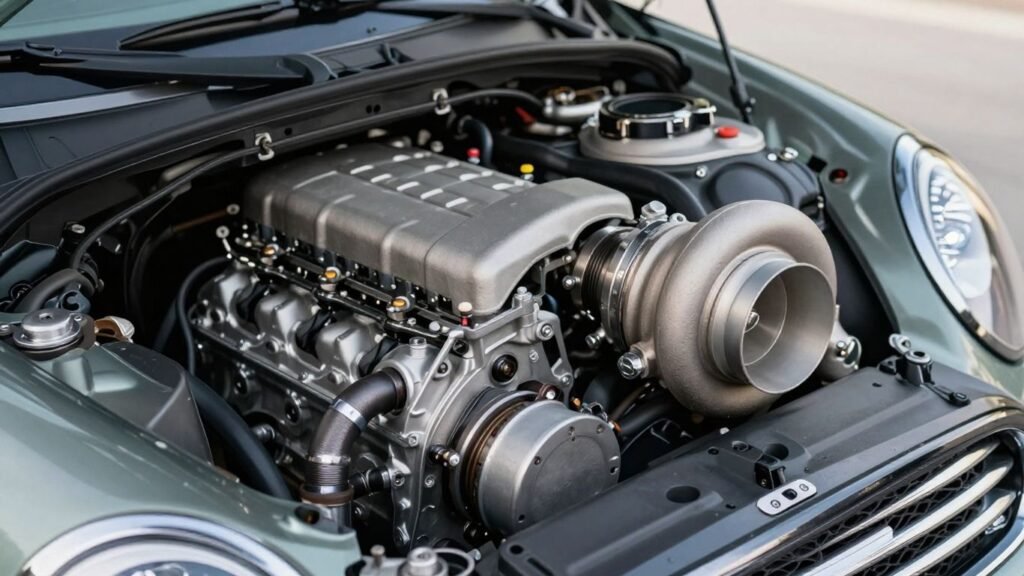
That 1.6-liter turbocharged engine in the R56 Cooper S is the heart of the car’s performance. It’s a Prince engine, co-developed with BMW and Peugeot, and it’s known for being peppy and responsive. When you’re looking for a replacement, you’ll want to make sure it’s the turbo version, as there were naturally aspirated options too. These engines can be quite reliable if they’ve been looked after, but they do have their quirks.
- Engine Code: Look for engines with codes like N14 or N18, depending on the exact build date and spec. The N18 is generally considered a bit more robust.
- Turbocharger: The turbo itself is a key component. Listen for any whining noises or check for oil leaks around the turbo housing.
- Direct Injection: These engines use direct fuel injection, which is great for efficiency but can sometimes lead to carbon buildup on the intake valves.
Why Geelong is a Prime Location
Geelong’s automotive scene is pretty active. Being a major regional city, it attracts a variety of businesses that deal with car parts, both new and used. You’ve got independent mechanics who might be parting out cars, dedicated Mini specialists, and general auto recyclers. Plus, the proximity to Melbourne means you can often find parts sourced from the larger city market but potentially at better prices or with more personal service in Geelong. It’s worth checking out places like used Mini vehicles in Australia to get an idea of what’s generally available in the region, even if it’s not a direct engine listing.
Finding a specific engine like the 2013 R56 1.6 Turbo requires patience and a bit of legwork. Don’t be afraid to call around and ask questions. Sometimes, the best deals aren’t advertised online.
Here’s a quick look at what you might expect in terms of engine variants:
| Engine Type | Displacement | Turbocharged | Common in Model Year | Notes |
|---|---|---|---|---|
| Prince (N14/N18) | 1.6L | Yes | 2007-2013 (Cooper S) | Known for performance, requires good maintenance. |
| Prince (N12/N16) | 1.6L | No | 2006-2013 (Cooper) | Naturally aspirated, less power. |
Inspecting Potential Engines
So, you’ve found a potential 2013 Mini Cooper R56 1.6 Turbo engine, maybe online or at a local yard. That’s great! But before you hand over any cash, a good once-over is absolutely necessary. Think of it like checking out a used phone – you wouldn’t buy it without seeing if the screen works, right? Same deal here, but with way more important bits.
What to Look for in an R56 Engine
When you’re looking at an R56 engine, there are a few things that really stand out. First off, check the general cleanliness. Is it caked in oil and grime, or does it look like someone actually cared for it? Look for signs of rust, especially around the mounting points and exhaust manifold. Also, give the wiring harness a good look-over. You don’t want any frayed wires or dodgy connections.
- Engine Block: Check for cracks or obvious damage. A clean block is usually a good sign.
- Oil Pan: Look for dents or signs of impact. A bent oil pan can lead to leaks.
- Coolant Reservoir: Make sure it’s not stained or full of gunk. Brownish or oily coolant is a bad sign.
- Turbocharger: Inspect the turbo housing for cracks and check the wastegate actuator. Spin the turbine wheel by hand (if possible) – it should spin freely without grinding.
Signs of Wear and Tear
Engines, especially turbos, work hard. So, you’ll want to spot the tell-tale signs that this particular engine has been pushed a bit too far. Look for excessive carbon buildup around the exhaust ports. If you can see it, it means the engine might have been running rich or burning oil. Also, check the spark plug holes; if they look really worn or damaged, that’s not ideal.
A well-maintained engine often has a cleaner appearance, even with some mileage. Pay attention to the small details – like the condition of hoses and belts. If they look brittle or cracked, it suggests a lack of regular upkeep.
Importance of Service History
This is a big one. A complete service history is like a report card for the engine. It tells you if it’s been looked after. Look for regular oil changes, timing belt replacements (if applicable to the specific R56 variant you’re looking at), and any major repairs. If the seller can’t provide any service records, that’s a bit of a red flag. You might want to consider getting a professional pre-purchase inspection, like those offered by Carinspect, especially if you’re not super mechanically inclined. It’s way cheaper than buying a lemon.
Where to Find 2013 Mini Cooper Engines
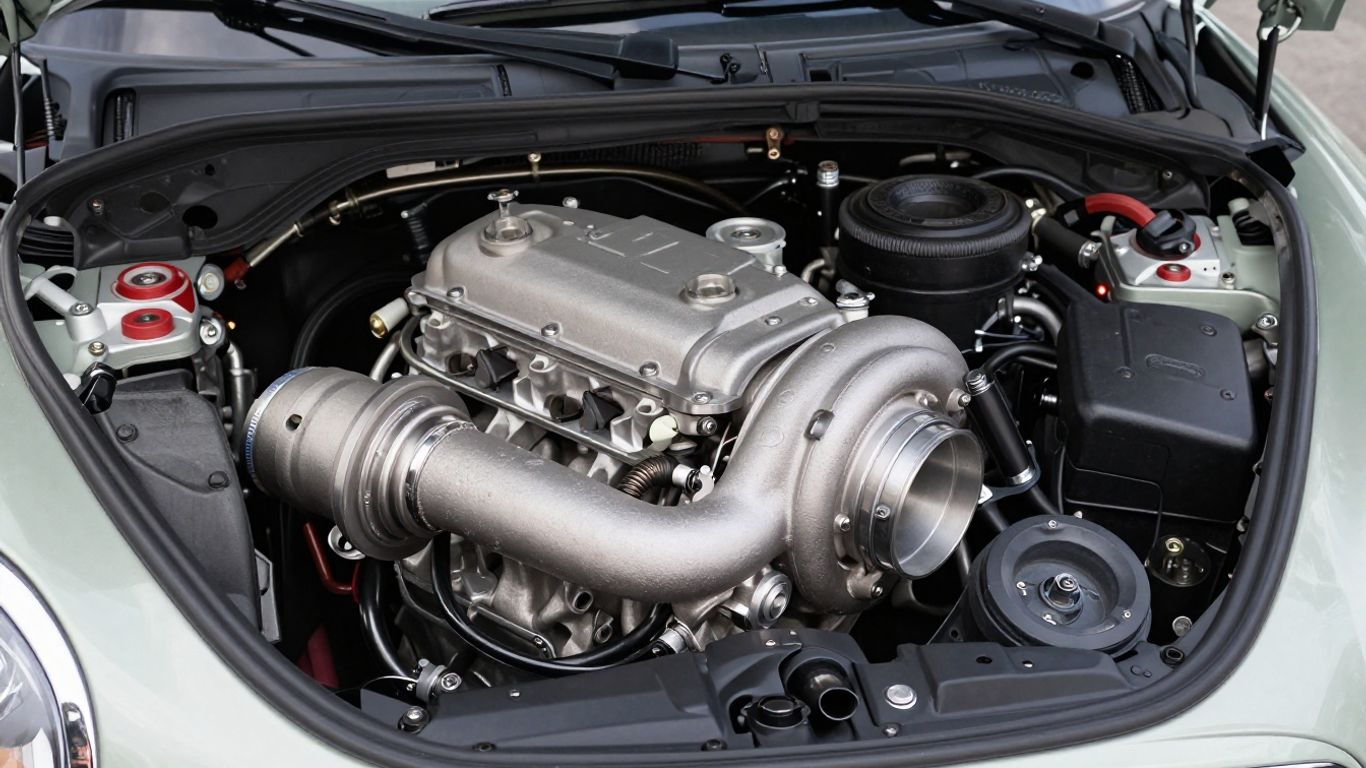
Alright, so you’re on the hunt for a 2013 Mini Cooper R56 1.6 Turbo engine, and you’re in the Geelong area. Finding the right engine can feel like a treasure hunt, but there are definitely some solid places to start looking. It’s not just about stumbling upon one; it’s about knowing where to direct your search.
Specialist Mini Parts Dealers
These guys are your go-to for anything Mini. They usually have a good stock of engines, both new and used, specifically for different Mini models. Because they focus just on Minis, they often know the ins and outs of what fits what, and they can be a great resource for advice. Plus, they might have engines that have already been checked over or even rebuilt.
Reputable Used Car Yards
Some used car dealerships, especially those that specialize in European cars or performance vehicles, might have Mini Coopers on their lot that have been written off or are being dismantled for parts. It’s worth giving the local yards in and around Geelong a call. You might find a complete car with a good engine, or they might be willing to pull the engine for you. Always ask if they have any R56 models specifically.
Online Marketplaces and Forums
This is where things get interesting. Websites like Gumtree, Facebook Marketplace, and even dedicated Mini forums can be goldmines. You’ll find private sellers, small wreckers, and enthusiasts listing parts. It requires a bit more digging and due diligence on your part, but you can often find good deals. Just be prepared to ask a lot of questions and maybe arrange to see the engine in person before you commit. You can often find great deals on used luxury hatchbacks for sale in Western Australia, for example, if you’re willing to look online. Check out listings.
When you’re looking online, keep an eye out for:
- Listings that clearly state the year, model (R56), and engine type (1.6 Turbo).
- Sellers who provide detailed descriptions and photos.
- Any mention of the engine’s mileage or service history.
Finding a used engine means you’re taking on some risk. It’s always a good idea to have a mechanic you trust look it over, or at least ask for as much information as possible about its past life. Don’t be afraid to walk away if something feels off.
Evaluating Engine Condition and Mileage
Understanding Engine Mileage Impact
When you’re looking at a used engine, the mileage is a big deal. It’s like looking at a person’s age – it gives you a general idea of how much life it’s lived. A lower mileage engine generally means less wear and tear, which is usually a good thing. Think of it this way: an engine with 50,000 kilometers has seen a lot less action than one with 200,000 kilometers. This doesn’t mean a higher mileage engine is automatically bad, but you’ll want to be extra careful and check everything else thoroughly. Sometimes, a well-maintained higher mileage engine can still be a solid choice.
Assessing Engine Performance
How does the engine actually run? That’s the million-dollar question. You want to listen for any weird sounds – knocking, ticking, or grinding noises are definitely red flags. Does it start up easily? Does it idle smoothly, or does it sound rough and shaky? When you give it a little gas (if possible), does it respond well, or does it hesitate? A healthy engine should feel responsive and sound consistent. If you can, try to see if it’s been recently run so you can get a true sense of its sound and performance. A quick test drive, if the engine is in a vehicle, is the best way to gauge this, but even just listening to it run can tell you a lot.
Checking for Leaks and Noises
Leaks are a big no-no. Look underneath the engine for any drips or wet spots. Common culprits are oil, coolant, or power steering fluid. You’ll want to see a clean, dry engine block as much as possible. Also, pay attention to any unusual smells. A burning smell could indicate oil leaks hitting hot parts, while a sweet smell might mean a coolant leak. Beyond just leaks, listen carefully for any persistent noises. A faint whine could be a bearing issue, while a rhythmic tapping might point to valve train problems. The goal is to find an engine that sounds and looks as clean as possible, minimizing the risk of hidden problems.
When inspecting an engine, don’t just rely on what you see. Your ears are just as important. Listen for the subtle sounds that can indicate underlying issues. A quiet, smooth-running engine is usually a sign of good health, but any unexpected noises warrant further investigation. It’s better to be overly cautious than to buy an engine that will need immediate repairs.
Here’s a quick checklist for your inspection:
- Visual Check: Look for obvious leaks, corrosion, or damaged parts.
- Auditory Check: Listen for strange noises during startup and idle.
- Fluid Check: Examine the condition of oil and coolant if possible.
- Smell Test: Be aware of any unusual or burning odors.
If you’re buying from a dealer, they might have service records available. For a 2013 Mini Cooper R56, a good service history is a strong indicator that the engine has been looked after. You can sometimes find details about past maintenance on Queensland’s heritage register if the car has a long history in the state, though this is more for historical context than direct engine checks. Understanding the impact of seminars on knowledge can be a metaphor for how regular maintenance impacts engine health – consistent attention leads to better outcomes.
The Purchase Process for Your Engine
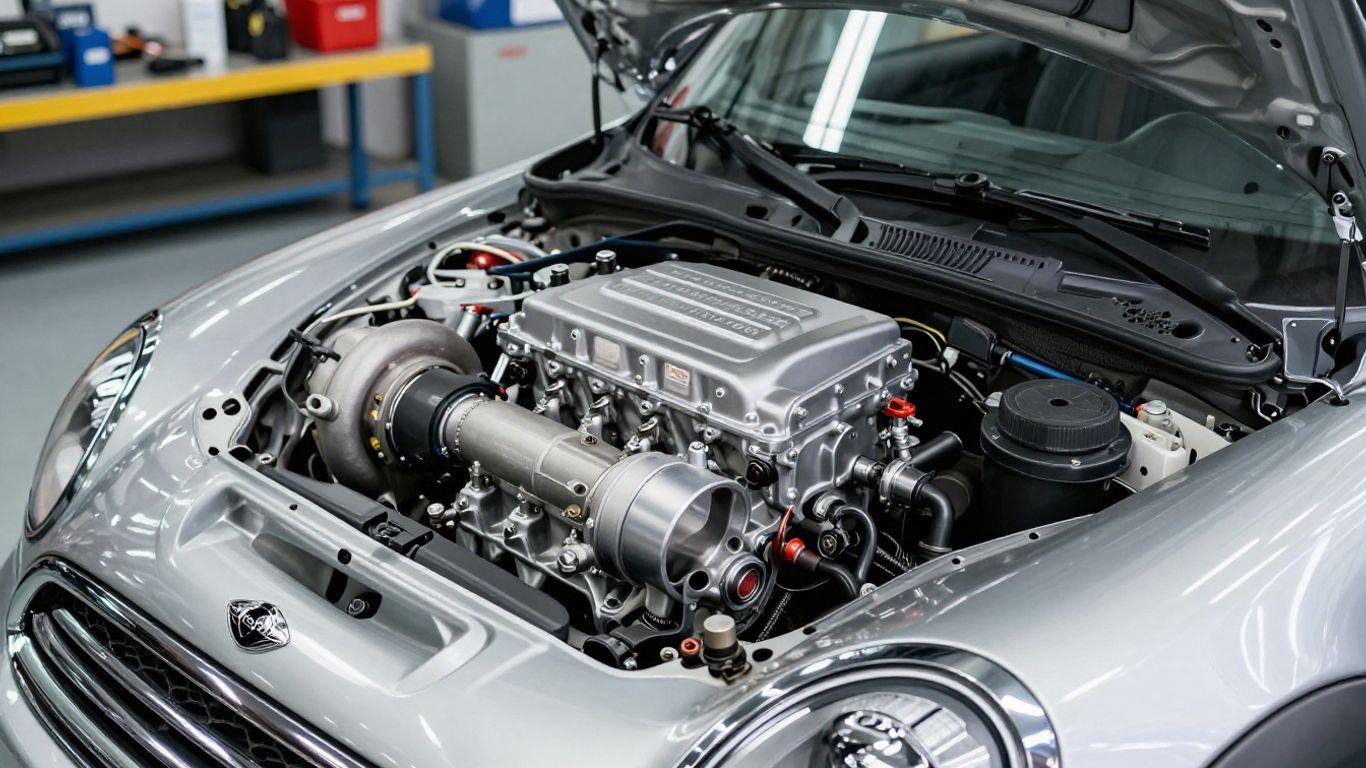
So, you’ve found a potential 2013 Mini Cooper R56 1.6 Turbo engine that looks promising. Now comes the part where you actually make it yours. It’s not just about handing over cash; there’s a bit of a dance to it, really. You want to make sure you’re getting a fair deal and that the engine you’re buying is going to work out for you.
Negotiating the Price
This is where you get to put on your bargaining hat. Don’t be afraid to talk numbers. If the engine has a bit of mileage or maybe a minor cosmetic issue, that’s leverage. Look at similar engines online to get a feel for the market value. Sometimes sellers are willing to come down, especially if they’ve had the engine listed for a while. Remember, it’s a negotiation, not a demand. Be polite but firm. You’re looking for a price that feels right for both you and the seller.
Warranty and Return Policies
This is super important, especially when buying a used engine. Always ask about any warranty or return policy before you hand over any money. Some dealers might offer a short warranty, maybe 30 or 90 days, which can give you some peace of mind. Others might sell engines strictly ‘as is’. If it’s ‘as is’, you’re taking on all the risk. Try to find a seller who offers at least a basic return policy in case the engine is DOA (dead on arrival) or has a hidden major issue that wasn’t disclosed. It’s a bit of a gamble, but a policy can reduce that gamble.
Arranging Transportation
Once the deal is done, you’ve got to get that engine home. Engines are heavy, and they’re not exactly easy to just toss in the back of your hatchback. You’ll likely need a trailer or a truck. Some sellers might offer delivery services, especially if they’re a larger dealership, but this often comes with an extra fee. If you’re picking it up yourself, make sure you have the right equipment – a sturdy engine hoist or a good engine stand is a must. Don’t try to wing it; safety first when moving heavy parts. If you’re looking for parts in the area, you might find some options listed for sale, like this 2007 Mini Cooper R56 in Wangara, WA, though it’s an older model.
Buying a used engine is always a bit of a risk. You’re trusting that the seller has been honest about its condition and that it hasn’t been abused. Doing your homework on the seller and the engine itself is the best way to minimize that risk. Don’t rush the process; take your time to ask questions and get all the details ironed out.
Ensuring Compatibility and Fitment
So, you’ve found a promising 2013 Mini Cooper R56 1.6 Turbo engine. That’s great! But before you hand over any cash, we need to talk about making sure it’s actually going to work in your car. It sounds simple, but there are a few things to check.
Confirming 2013 R56 Specifics
Mini made some tweaks over the years, even within the R56 generation. For a 2013 model, you’re generally looking at the N18 engine. This is a bit different from the earlier N14. It’s super important to verify the exact engine code. Sometimes, a seller might list an engine as fitting a 2013 R56 when it’s actually from a slightly different year or even a different Mini model. Double-checking the engine’s VIN or any identifying marks against your car’s original specifications is a smart move. You don’t want to get halfway through an engine swap only to find out a key sensor or mounting point is different.
Interchangeability with Other Models
While you’re hunting for a 2013 R56 engine, you might see engines listed for other Mini models. Some parts can be swapped between different R56 variants, and occasionally even between R56 and later models (like the F56, though this is less common for the core engine block). However, this often requires modifications or swapping other components. For instance, an engine from a Cooper S might be physically similar to one from a standard Cooper, but the turbo setup and ECU mapping will be different. If you’re not planning on doing custom work, stick to engines explicitly listed as compatible with the 2013 R56 Cooper S. If you’re looking at a different model, it’s worth checking out guides on Mini Cooper engine years to buy to see what common issues or compatibility quirks exist.
Professional Installation Advice
Even if you’re a seasoned DIYer, getting a professional opinion on fitment can save you headaches. A good mechanic specializing in Minis can confirm if the engine you’re looking at is a direct match or if any modifications would be needed. They can also spot potential issues you might miss during an inspection. If you’re buying a used engine, especially one with higher mileage, having a mechanic give it a once-over before you buy can be a lifesaver. They can also advise on what other parts might need replacing while the engine is out, like the clutch or engine mounts. Remember, a 2013 Mini Cooper S 1.6L N18 Turbo R56 Coupe Engine Motor Assembly might look the same, but small differences can cause big problems.
Getting the right engine is only half the battle. Making sure it fits and works correctly is where the real challenge can be. Don’t rush this part; take your time, ask questions, and if possible, get a mechanic involved early on. It’s better to spend a little extra time and money upfront than to deal with a costly mistake later.
Wrapping It Up
So, if you’re in Geelong and on the hunt for a 2013 Mini Cooper R56 with that 1.6 turbo engine, you’ve got options. We’ve seen a few pop up around Victoria, and while none are exactly in Geelong itself right now, they aren’t too far off. Keep an eye on the listings, check out dealerships in nearby areas, and be ready to make a move when the right one appears. These cars are a blast to drive, and finding one with a solid service history is key. Happy hunting!
Frequently Asked Questions
What makes the 2013 Mini Cooper R56 1.6 Turbo engine special?
The 2013 Mini Cooper R56 1.6 Turbo engine is known for its zippy performance and fun driving experience. It’s a compact powerhouse that gives the Mini its sporty feel, making it a popular choice for drivers who enjoy a lively ride.
Why is Geelong a good place to look for this engine?
Geelong has a good number of car enthusiasts and mechanics who often work on European cars like Minis. This means there’s a better chance of finding specialized parts dealers or used car lots that might have the specific engine you’re looking for. Plus, it’s a decent-sized city with a strong automotive community.
What should I check when looking at a used R56 engine?
When you’re checking out an engine, look for any signs of leaks, like oil or coolant spots. Listen for strange noises when it’s running, if possible. Also, ask about its service history – regular maintenance is key to a healthy engine. Make sure it hasn’t been overheated, which can cause serious problems.
Where are the best places to find a 2013 Mini Cooper R56 engine?
You’ve got a few good options. Try specialist Mini parts shops, as they know these cars inside out. Reputable used car dealerships that focus on European models are also a good bet. Don’t forget online marketplaces and forums where people often sell parts from cars they’re dismantling.
How important is the engine’s mileage?
Mileage is pretty important because it tells you how much the engine has been used. Lower mileage generally means less wear and tear, and potentially a longer life for the engine. However, a well-maintained engine with higher mileage can sometimes be better than a neglected one with lower miles.
Can I use an engine from a different Mini model or year?
Sometimes, engines can be swapped between different models or years, but you need to be very careful. The 2013 R56 1.6 Turbo has specific parts and computer systems. It’s best to confirm compatibility with a mechanic or a Mini parts specialist before buying to make sure it will fit and work correctly in your car.