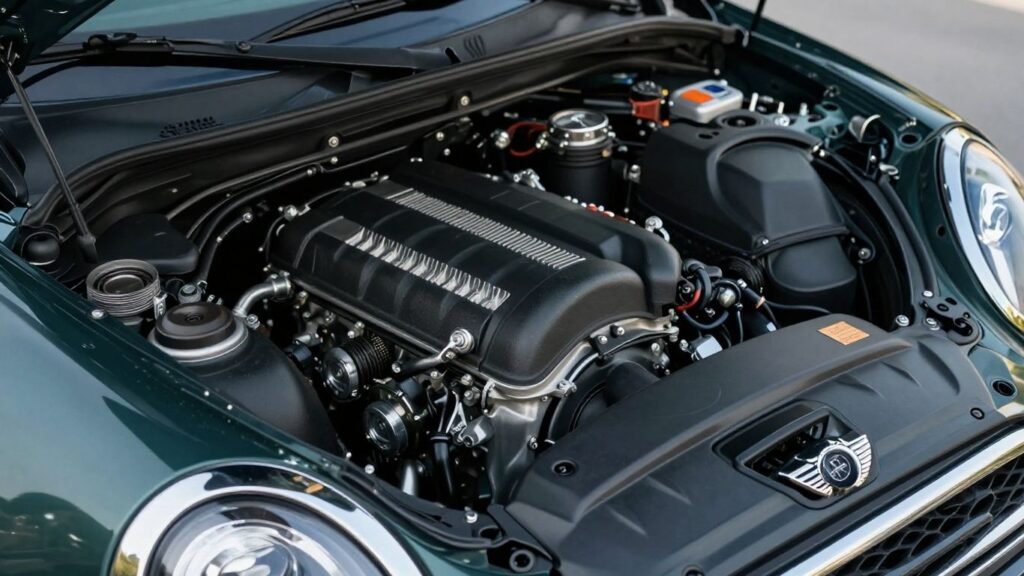
Looking to buy a Mini Cooper S engine in Brisbane for models from 2014 to 2017? It can be a bit of a hunt, but knowing where to look and what to watch out for can make the process way easier. We’ve put together some tips to help you find cheap Mini Cooper S engines, specifically for those 2014-2017 models, right here in Brisbane. Let’s get your Mini back on the road without breaking the bank.
Key Takeaways
- The 2.0-litre turbo petrol engine was the go-to for performance in the Cooper S models from 2014-2017.
- Both six-speed manual and automatic transmissions were available; the manual offered a sportier feel, while the automatic suited the engine’s power delivery well.
- Watch out for potential clutch slip issues in manual Cooper S models, especially those with the more powerful 2.0-litre engine. Test drives involving acceleration are recommended.
- Regular oil changes are super important. Skipped services can cause problems with the variable valve timing system, leading to costly repairs.
- When looking at used engines, check the service handbook for missed services and ensure the oil on the dipstick is clean to avoid issues with oilways and filters.
1. Mini Cooper S 2.0-Litre Turbo Petrol Engine
When you’re hunting for a Mini Cooper S from the 2014-2017 model years, the heart of the matter is that 2.0-litre turbo petrol engine. This is the powerplant that really gives the Cooper S its ‘S’ cred, offering a significant step up in performance from the standard Cooper models. Unlike some other manufacturers who were shrinking engines left and right, Mini stuck with a more robust 2.0-litre for the S, and they turbocharged it to really make it sing.
This engine is what gives the Cooper S its signature punchy acceleration and sporty feel. It’s a four-cylinder, all-alloy unit that, when paired with the right transmission, makes for a genuinely fun driving experience. You’ll find power figures typically ranging from around 141kW for the standard Cooper S, and if you’re looking at the John Cooper Works (JCW) versions, that number can jump up to a stout 170kW thanks to extra turbo boost. That’s serious hot-hatch territory.
Here’s a quick look at what you might find:
- Cooper S (Standard): Around 141kW of power. Great balance of performance and everyday usability.
- John Cooper Works (JCW): Around 170kW of power. For those who want maximum thrill.
When you’re checking out potential engines, pay attention to the service history. Skipped oil changes can really mess with the variable valve timing system these engines use. Dirty oil can clog up the small oil passages and filters pretty quickly, leading to some expensive repairs down the line. It’s always a good idea to look for evidence of regular maintenance.
Finding a well-maintained 2.0-litre turbo engine is key to enjoying the Mini Cooper S. Regular oil changes and proper servicing are not just recommendations; they’re pretty much requirements for keeping this engine happy and healthy over the long haul. Don’t overlook the service book when you’re inspecting a car.
2. Mini Cooper S Manual Transmission
If you’re looking for that connected-to-the-road feel, the manual transmission in the Mini Cooper S is definitely the way to go. It really lets you get the most out of the 2.0-litre turbo petrol engine, making for a more engaging drive. For many enthusiasts, this is what the Mini Cooper S is all about.
When you’re checking out a used Mini Cooper S with a manual gearbox, there are a few things to keep an eye on. The torque from the engine can sometimes put a strain on the clutch, and some owners have reported issues with it slipping earlier than expected. It’s not always a sign of a worn-out clutch, though; sometimes the car’s warning sensor can be a bit too sensitive and throw up a false alarm. To check for this, take the car for a good test drive, including some full-throttle acceleration in second and fourth gears. If you feel any slip, it might mean a new clutch is needed, but if there’s no slip, the car’s computer might just need a software recalibration. It’s a good idea to be aware of this potential quirk when you’re looking at manual transmission models.
Here are some points to consider when inspecting a manual transmission:
- Listen for any unusual noises when engaging or disengaging the clutch.
- Feel for a smooth pedal action – it shouldn’t be too stiff or too loose.
- Check for any grinding when shifting gears, especially between first and second.
- During your test drive, pay attention to how the clutch engages. It should feel firm and predictable.
Remember that regular maintenance is key for any transmission, but especially for a manual. Skipping oil changes can cause problems down the line, particularly with the variable valve timing system, which relies on clean oil to function properly. Make sure the service history is up-to-date.
Finding a Mini Cooper S with a manual transmission that’s in good shape can be a rewarding experience. It offers a more direct connection to the driving experience that these cars are known for.
3. Mini Cooper S Automatic Transmission
When you’re looking for a Mini Cooper S from the 2014-2017 model years, you’ll find that the automatic transmission option is a pretty common find. Most of these models came equipped with a six-speed automatic gearbox. It’s a conventional torque converter type, which Mini stuck with for this generation, steering clear of the dual-clutch or CVT setups you might see elsewhere. This choice means a generally smooth driving experience, especially in city traffic.
The automatic transmission in the Cooper S is generally well-regarded for its smooth shifts and decent performance. It pairs up nicely with the engine’s power delivery, making for a responsive feel when you need it. While the manual might offer a bit more engagement for some drivers, the automatic provides a more relaxed drive, which can be a big plus for daily commuting or longer trips. It also came with a stop-start function, which the manual versions didn’t have.
When checking out a used Mini Cooper S with an automatic transmission, here are a few things to keep in mind:
- Fluid Condition: Check the transmission fluid. It should be a reddish-pink color and not smell burnt. If it’s dark or smells off, it could indicate internal wear or that it hasn’t been changed on schedule.
- Shifting Smoothness: Pay attention to how the transmission shifts gears. It should be smooth and without hesitation or harsh jolts, both when accelerating and decelerating. Listen for any unusual noises during shifts.
- Service History: Always look for evidence of regular maintenance. A well-maintained automatic transmission is much less likely to give you trouble down the road. Check the service book for any records of transmission fluid changes.
While the six-speed automatic is a solid unit, it’s always wise to be thorough. If you’re considering a car that might have seen some harder driving, or if you’re just being extra cautious, getting a pre-purchase inspection from a mechanic familiar with Minis is a smart move. They can often spot potential issues that aren’t obvious during a test drive. Finding a good used car often comes down to careful inspection and a bit of luck, much like finding a good deal on a Hyundai I30.
While the automatic transmission offers convenience, remember that it’s a complex piece of machinery. Regular fluid changes and avoiding aggressive driving habits can significantly extend its lifespan and keep your Mini running smoothly.
4. Mini Cooper S Clutch Assembly
When you’re looking at a used Mini Cooper S from the 2014-2017 model years, the clutch assembly is definitely something to pay attention to, especially if it’s a manual. These cars pack a good amount of power from that 2.0-litre turbo engine, and sometimes, the torque can put a strain on the clutch.
A common issue reported by some owners is clutch slip, which can happen earlier than you might expect. It’s not always a sign of a completely worn-out clutch, though. Sometimes, the car’s onboard computer system, which is supposed to warn you about clutch problems, can be a bit too sensitive. This means you might get a dashboard warning light even when the clutch is actually fine. It’s a bit of a head-scratcher, honestly.
Here’s what to look out for when checking a manual Cooper S:
- Test Drive Performance: During your test drive, try accelerating hard in second and fourth gears. If you feel the engine revs climb without a corresponding increase in speed, that’s clutch slip.
- Listen for Noises: Pay attention to any unusual grinding or shuddering sounds when engaging or disengaging the clutch.
- Feel the Pedal: The clutch pedal should feel firm and consistent. If it feels spongy, too light, or sticks in any position, it could indicate a problem.
If you do notice issues, it’s worth investigating further. Sometimes, a recalibration of the car’s software can fix false alarms. Other times, it might mean a replacement clutch is needed. Given the performance nature of the Cooper S, a healthy clutch is pretty important for the driving experience. If you’re buying from a dealer, they might even perform a full-throttle acceleration test to check for slip. It’s a good idea to ask about their inspection process. Finding a reliable mechanic who knows these cars can be a big help, especially if you’re not mechanically inclined yourself. Remember, a well-maintained clutch is key to enjoying that Mini go-kart feel. You can find more information on general Mini maintenance and parts by looking at Mini Cooper S parts online.
5. Mini Cooper S Rocker Cover Gasket
The rocker cover gasket, also known as the valve cover gasket, is a pretty important seal on your Mini Cooper S engine. Its main job is to keep the oil contained within the valve cover and prevent it from leaking out. When this gasket starts to go bad, you’ll often notice oil seeping around the top of the engine. This is a common issue, especially on the 1.5-litre three-cylinder engines, but it can affect the 2.0-litre Cooper S models too.
If you’re looking at a used Mini Cooper S, checking for oil leaks around the rocker cover is a smart move. A bulging or cracked gasket can lead to oil getting all over the engine, which isn’t good for anything. Beyond just the mess, a significant leak can sometimes cause rough running or a poor idle because of how it affects the engine’s internal workings. Thankfully, replacing this gasket is usually a straightforward fix for a mechanic.
Here’s what to look out for:
- Visible oil leaks: Check the area where the valve cover meets the cylinder head. Any wetness or fresh oil is a red flag.
- Engine smell: Sometimes, oil leaking onto hot engine parts can create a burning smell.
- Performance issues: While less common, a bad gasket can contribute to rough idling or uneven engine performance.
- Service history: Look for records of gasket replacements or any mention of oil leaks.
A failing rocker cover gasket might seem like a minor problem, but it’s one that shouldn’t be ignored. Left unchecked, it can lead to more significant issues and costly repairs down the line. Getting it sorted promptly is always the best approach for keeping your Mini running smoothly.
6. Mini Cooper S Oil Filter
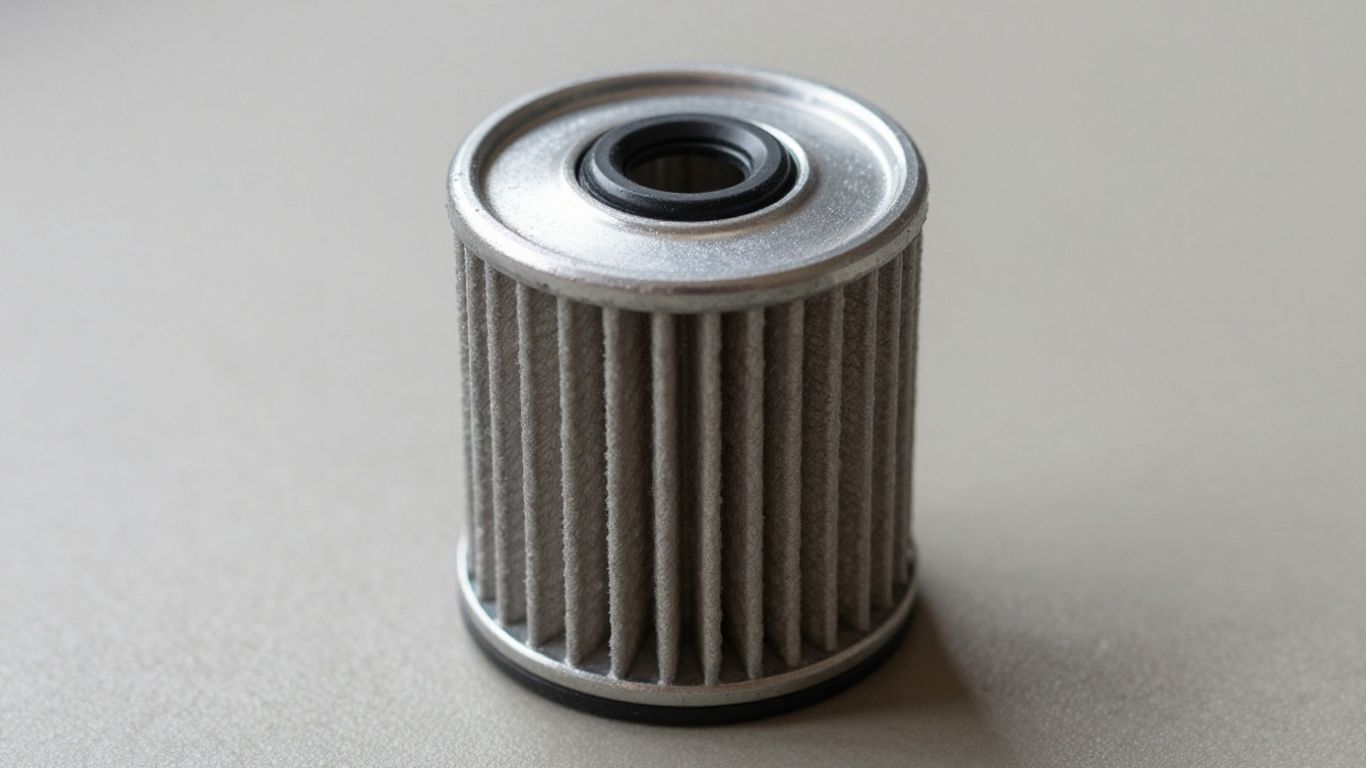
Keeping your Mini Cooper S engine happy means paying attention to the little things, and the oil filter is definitely one of them. It’s a pretty straightforward part, but it does a big job, trapping all the gunk and metal bits that circulate in your engine oil. Replacing it regularly is one of the easiest ways to prevent major engine problems down the road.
When you’re looking for a replacement, you’ll find a bunch of options out there. For the 2014-2017 Mini Cooper S models, you’re generally looking for filters designed for the 2.0-litre turbo petrol engine. Some popular brands offer filters that fit these cars, and you can often find them at auto parts stores or online. If you’re buying online, make sure the part number matches your specific model year. You can find a good selection of oil filter brands to choose from.
Here’s a quick rundown of why it matters and what to look for:
- Filtration Quality: Not all filters are created equal. Higher-quality filters have more surface area and better media to catch finer particles.
- Fitment: It needs to seal properly. A filter that doesn’t fit right can lead to leaks or bypass unfiltered oil.
- Replacement Interval: Check your owner’s manual, but generally, you’ll want to change the oil filter every time you change your engine oil. For many, this is around every 5,000 to 10,000 miles, depending on driving conditions.
Skipping oil changes, and by extension, oil filter changes, can really mess with the engine’s variable valve-timing system. Dirty oil can clog up the small oil passages and filters within that system, leading to a costly repair. It’s just not worth the risk.
The oil filter works hand-in-hand with the engine oil to keep things clean. Over time, the filter gets clogged with debris. If it’s not replaced, the oil can’t flow properly, and the engine can start to suffer from a lack of lubrication, leading to increased wear and tear on internal components.
7. Mini Cooper S Variable Valve Timing System
The variable valve timing (VVT) system in a 2014-2017 Mini Cooper S is pretty clever. It helps the engine balance power and efficiency by tweaking when the engine’s valves open and close. But here’s the catch: this high-tech system is sensitive to maintenance, especially when it comes to routine oil changes. If oil is old or dirty, tiny passages in the VVT system can clog up fast, leading to expensive repairs and a drop in engine performance.
Here’s what you need to keep in mind when shopping for a used Mini Cooper S with this VVT system:
- Scrutinize the service record for consistent oil changes—skipping even one can cause major issues.
- Pop the dipstick and check if the oil looks fairly clean, not thick or dark.
- If possible, listen for odd engine noises or rough idling, which could signal valve timing problems.
| Maintenance Task | Recommended Frequency | Common Issues if Skipped |
|---|---|---|
| Engine oil change | Every 10,000 km | VVT clogging, rough running |
| Oil filter replacement | Every oil change | Debris in VVT system |
Keeping up with oil changes is probably the cheapest way to avoid headaches with the VVT system. A small amount of neglect can end up causing a massive repair bill, so don’t overlook this detail when buying or owning a Mini Cooper S.
If you run into a car with skipped oil changes, there’s a real risk the variable valve-timing system is already compromised—dirty oil is bad news for these Cooper S engines. Take your time with inspections, and don’t let a shiny exterior distract from what’s going on under the hood.
8. Mini Cooper S Adaptive Damping Suspension
When you’re looking at a Mini Cooper S from the 2014-2017 model years, especially if you’re hunting for one on the used market, you might come across the term ‘adaptive damping’ or ‘dynamic chassis control’. This was an optional feature, not standard on all models, but it made a pretty big difference to how the car felt. If you can find a Cooper S with this system, it’s definitely worth considering.
Basically, adaptive damping lets you switch between different suspension settings. Most commonly, you’d have a ‘Sport’ mode and a ‘Comfort’ mode. The Sport mode stiffens things up, giving you that sharp, direct, ‘go-kart’ feel that Minis are famous for. It’s great for spirited driving on smooth roads. But, let’s be honest, that firm ride can get a bit much on rougher surfaces or during longer journeys. That’s where the Comfort mode comes in. It softens the suspension, soaking up bumps and making the ride much more pleasant. Without it, the Cooper S could feel pretty harsh, which was fine for some, but not everyone’s cup of tea.
Here’s a quick look at what you might expect:
- Sport Mode: Firmer suspension, sharper steering response, more direct feel. Ideal for twisty roads and enthusiastic driving.
- Comfort Mode: Softer suspension, improved ride quality, better for daily driving and uneven surfaces.
- System Operation: Electronically controlled dampers adjust stiffness based on selected mode and driving conditions.
When you’re checking out a used Mini Cooper S, take it for a good test drive. Try it out on different types of roads if you can. See how it feels in both the sportiest setting and the most comfortable one. You’ll quickly notice the difference. It’s a feature that really can change the car’s character, making it more versatile. Some reviews of similar sporty cars, like the Volkswagen Scirocco, also highlighted the benefits of such adjustable suspension systems.
The adaptive damping system is a key differentiator for the Cooper S. It allows the driver to tailor the car’s ride characteristics to their preference or the driving situation, significantly impacting both comfort and handling dynamics. It’s a sophisticated piece of kit that adds a layer of refinement to the Mini’s otherwise sporty persona.
9. Mini Cooper S Service Handbook
When you’re looking at Mini Cooper S engines from 2014–2017, one thing you don’t want to skip is the service handbook. The service handbook can make or break a used engine purchase—seriously. It tells you a car’s maintenance history, flags skipped services, and can help you spot potential problems before you hand over your cash.
Here’s what you should check in the service handbook before making any decisions:
- Has the engine had regular oil changes? Without them, you could run into trouble with things like variable valve timing or expensive repairs you didn’t budget for.
- Are all scheduled services stamped and logged? Missing entries might mean maintenance has been overlooked.
- Are there notes about major repairs or warranty work, like clutch or rocker cover gasket issues?
- Look for workshop stamps from reputable garages or dealerships.
If the service book isn’t present or looks patchy, be cautious. Sellers might shrug it off as no big deal, but the truth is, that book is proof the car’s been looked after. Some people think buying a used engine without it is okay, but it really isn’t—especially with a Mini, where missing even a few oil changes can lead to nasty (and expensive) surprises.
Don’t rely just on a handshake and a quick inspection. That little booklet is your best friend when shopping second-hand—no matter how clean the engine bay looks.
For older models, you can check examples of what the official handbook looks like in resources for different Mini Cooper generations, like this service repair manual for R53 and R55 models. While the 2014-2017 edition will differ, the general format and importance remain the same.
Quick checklist for reviewing a Mini Cooper S Service Handbook:
- Confirm regular oil change intervals—especially important for turbocharged engines.
- Check for clutch or gasket repairs.
- Make sure dealer or licensed mechanic stamps are there.
- Look for any warning signs, like missed intervals or non-specialist workshops.
Take your time with the handbook—trust me, finding a Mini with a solid service record is worth the effort.
10. Mini Cooper S Dipstick
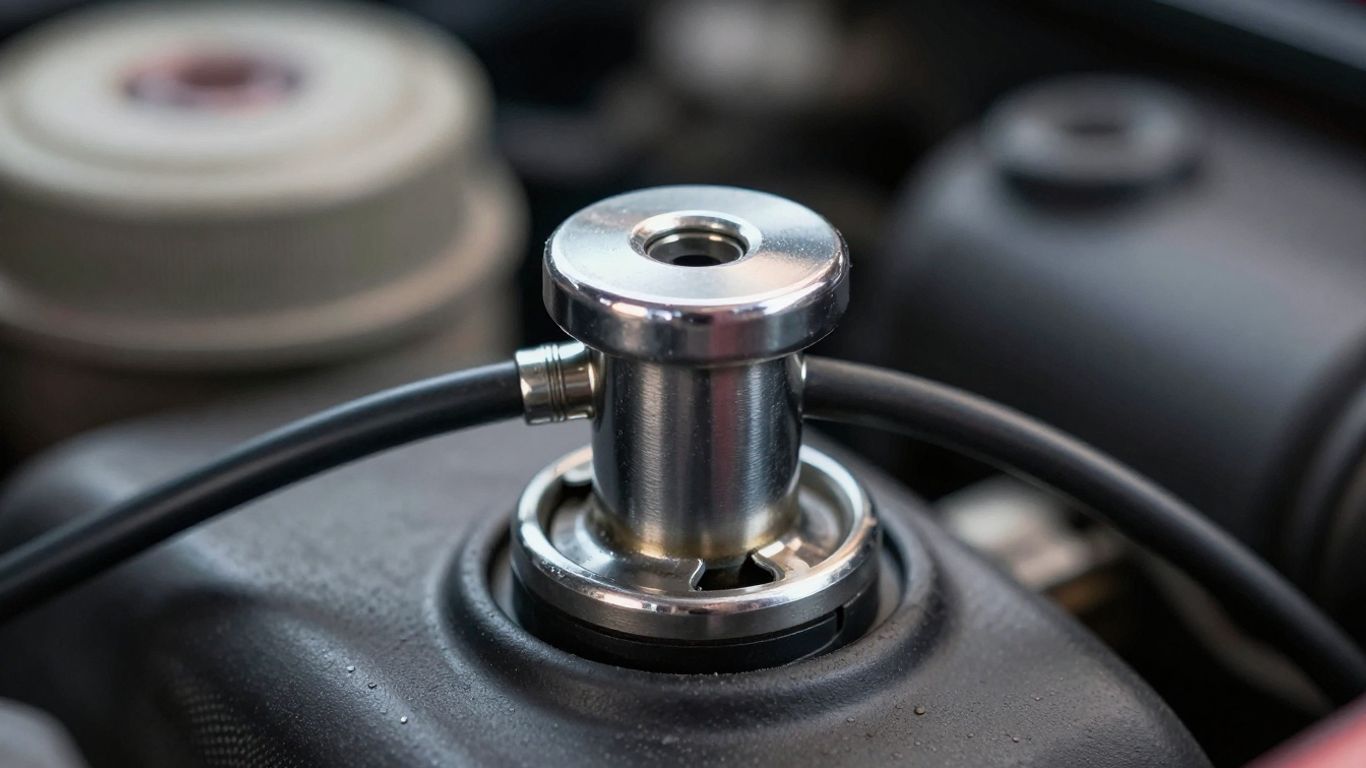
When you’re looking at a used Mini Cooper S, especially from the 2014-2017 range, checking the dipstick is a quick but important step. It gives you a snapshot of the engine’s oil level and condition. Don’t just glance at it; pull it out, wipe it clean, reinsert it, and pull it out again to get an accurate reading. The oil should be somewhere between the ‘min’ and ‘max’ marks. If it’s low, that’s a red flag. Also, pay attention to the oil’s color and texture. It should be amber or light brown. If it looks dark, sludgy, or has tiny metal particles in it, that could mean the engine hasn’t been well-maintained, and oil changes might have been skipped. This is particularly relevant for the 2.0-litre turbo petrol engines used in the Cooper S models.
Here’s what to look for:
- Oil Level: Should be between the minimum and maximum markers on the dipstick.
- Oil Color: Ideally amber or light brown. Dark or black oil suggests it’s old or dirty.
- Oil Texture: Smooth is good. Gritty or sludgy texture can indicate internal engine wear or contamination.
- Presence of Metal Shavings: Tiny metallic flecks are a serious warning sign of internal engine damage.
Skipped oil changes can really mess with the variable valve timing system in these engines. Dirty oil can clog up the small oilways and filters pretty fast, leading to some big, costly repairs down the line. So, if the dipstick shows dirty oil, it’s worth digging deeper into the car’s service history. You can often find general information about vehicle maintenance in resources like journal articles.
Checking the dipstick is a simple habit that can save you a lot of headaches later on. It’s one of those basic checks that tells a story about how the car has been treated.
Wrapping It Up: Your Mini Cooper S Engine Hunt
So, you’re on the hunt for a 2014-2017 Mini Cooper S engine in Brisbane. We’ve gone over some solid places to check out, from dedicated parts yards to online marketplaces. Remember to do your homework – ask for service history, check for any oil leaks, and definitely take any car you’re considering for a spin, especially if it’s a manual. A little bit of caution now can save you a lot of headaches and cash down the road. Happy hunting for that perfect engine!
Frequently Asked Questions
What kind of engines were available in the 2014-2017 Mini Cooper S?
The 2014-2017 Mini Cooper S models mainly came with a 2.0-liter turbocharged petrol engine. This engine was designed to give you a real punch of power, unlike some smaller engines that were focused on saving fuel by being smaller.
Are there any common issues with the 2.0-liter Mini Cooper S engine?
One thing to look out for is oil leaks, especially from the rocker cover gasket on some engines. If not fixed, this can cause the engine to run rough. Also, keeping up with oil changes is super important because dirty oil can mess up the engine’s variable valve timing system, which is a costly fix.
What should I check when buying a Mini Cooper S with a manual transmission?
When test-driving a manual Cooper S, pay close attention to the clutch. Some owners have reported clutch slip happening earlier than expected. A way to check this is by doing full-throttle acceleration tests in second and fourth gears. If the clutch slips, it might need replacing.
How can I tell if a used Mini Cooper S has been well-maintained?
Always check the car’s service handbook to make sure all scheduled maintenance has been done. Also, look at the oil on the dipstick; it should be relatively clean. Skipping oil changes can lead to problems, especially with the engine’s timing system.
What are some potential problems with the Mini Cooper S body or paint?
Mini Coopers have a distinctive look, but make sure the body panels line up nicely and the paint is consistent. Because they have cool metallic paints and a big hood, repairs can be tricky, so look for straight lines and no mismatched colors in good light.
Is the adaptive damping suspension a good option to look for?
Yes, the adaptive damping suspension was an extra option that could make a big difference. Without it, the Cooper S can have a pretty firm ride, which is great for sporty driving but can be a bit rough on bumpy roads. With adaptive damping, you can switch to a comfort setting to smooth things out.