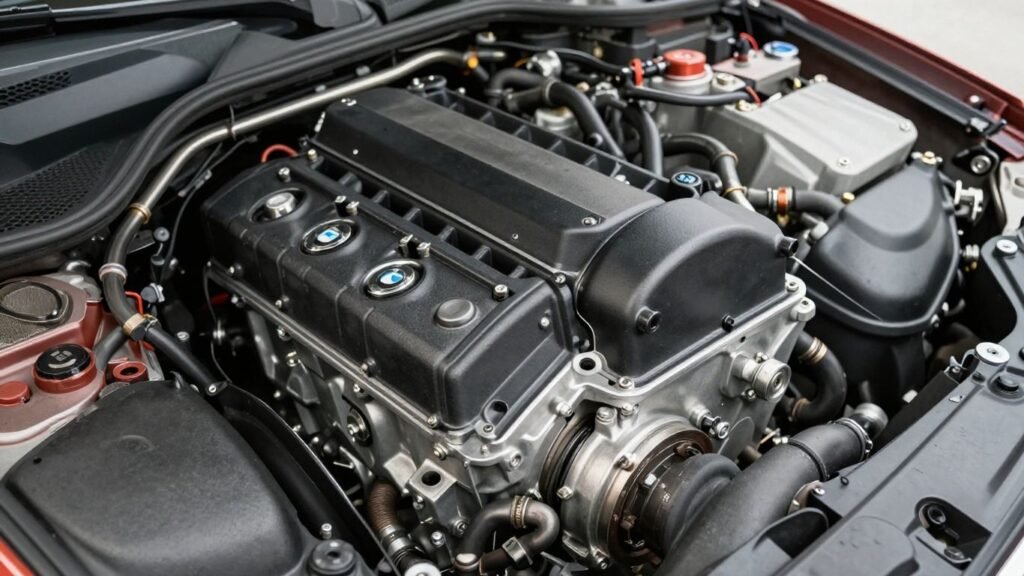
Looking to give your BMW 5 Series from the 2016-2019 model years a new heart? Finding a quality used engine can be a smart move, especially if you’re in the Gold Coast area. This guide is all about helping you track down the right second-hand BMW 5 Series engines 2016-2019, making sure you get a reliable replacement without breaking the bank. We’ll cover where to look, what to check, and why it’s often a good idea.
Key Takeaways
- When looking for a second-hand BMW 5 Series engine from 2016-2019 in the Gold Coast, consider both local specialists and online options.
- Always check the engine’s service history and consider a pre-purchase inspection to confirm its condition.
- Understand the different engine variants available for the 2016-2019 5 Series, including their horsepower and fuel efficiency.
- Buying a used engine can offer significant cost savings compared to purchasing a new one.
- Look into warranty options for used engines to protect your investment and ensure peace of mind.
Finding Your Ideal Second Hand BMW 5 Series Engine
So, you’re looking for a used BMW 5 Series engine, specifically from the 2016-2019 model years, and you’re in the Gold Coast. That’s a smart move. These cars are known for their blend of performance and luxury, and getting a good engine is key to keeping that experience alive. Let’s break down how to find the right one.
Understanding 5 Series Engine Options
BMW’s 5 Series has always offered a variety of engines, and the 2016-2019 models are no different. You’ll typically find a range of gasoline engines, from efficient four-cylinders to more powerful six-cylinders. Some models might even have V8s, especially if you’re looking at higher-performance variants or specific trims. It’s important to know what kind of power and efficiency you’re after before you start looking. The sixth generation (F10/F11) ran until 2016, and the seventh generation (G30/G31) started in 2017, so the 2016-2019 window covers the transition and early models of the G30. This means you might encounter engines from both generations, depending on the exact build date.
Key Features of 2016-2019 Models
The engines from this era are generally quite advanced. Many feature turbocharging for better power delivery and fuel economy. BMW’s EfficientDynamics technologies were also becoming more common, aiming to reduce fuel consumption without sacrificing performance. For the 2016-2019 period, you’re looking at engines that were built with a focus on balancing driving dynamics with everyday usability. These engines often incorporate sophisticated engine management systems and robust construction, typical of German engineering.
Assessing Engine Condition and History
This is where things get a bit more hands-on. When you’re looking at a used engine, you need to know its past. Asking for detailed service records is your first step. This can tell you if the engine has been regularly maintained, if any major issues were addressed, and how many kilometers it has covered. A well-documented history is a good sign. You’ll also want to look for any signs of leaks, corrosion, or damage. If possible, seeing the engine run before it’s removed from the donor vehicle is ideal, but often that’s not feasible. In those cases, relying on the seller’s reputation and any available diagnostic reports becomes more important. It’s a bit like buying a used car; you want to know its story.
When buying a used engine, think about the donor vehicle. Was it a daily driver, a weekend car, or something else? The type of use can impact wear and tear. Also, consider the mileage – lower is generally better, but a well-maintained higher-mileage engine can sometimes be a better bet than a low-mileage one that was neglected.
Here’s a quick checklist for assessing an engine:
- Visual Inspection: Look for oil leaks, coolant leaks, rust, or any obvious physical damage.
- Service History: Request all available maintenance records.
- Mileage: Check the odometer reading of the donor vehicle if possible.
- Seller Reputation: Buy from reputable sources whenever you can. If you’re looking for other used BMW parts, you might find things like a used 2016-2019 BMW X1 F48 Integrated Power Supply Module [eb2a] from sellers who also deal in engines.
- Compression Test: If you can arrange it, a compression test can give a good indication of the engine’s internal health.
Navigating the Gold Coast Market for Used BMW Engines
Alright, so you’re on the hunt for a used BMW 5 Series engine, specifically for those 2016-2019 models, and you’re doing it on the Gold Coast. It can feel like a bit of a treasure hunt, but there are definitely some solid places to look. Finding the right engine means doing a little homework, but it’s totally doable.
Local Dealerships and Specialists
Your first stop might be BMW dealerships on the Gold Coast. They often have certified pre-owned parts or can point you in the right direction for a quality used engine. It’s usually a bit pricier, but you get that peace of mind knowing it’s coming from a trusted source. Then there are independent European car specialists. These guys live and breathe German cars, so they’ll know their BMW engines inside and out. They might have engines in stock or know someone who does. It’s worth giving them a call and explaining exactly what you need.
Online Marketplaces and Forums
Don’t forget the internet! Websites like Gumtree or Facebook Marketplace can be goldmines, but you’ve got to be careful. You’ll find private sellers and smaller wreckers listing engines there. It’s a good idea to check out BE FORWARD too, they’re known for offering a wide selection of affordable used BMW 5 Series vehicles and parts globally. BMW enthusiast forums are also a great resource. People often sell parts there, and you can get advice from other owners who’ve been in your shoes. Just be sure to vet sellers carefully and ask for proof of the engine’s condition.
Tips for Secure Transactions
When you’re ready to buy, always try to see the engine in person if possible. Ask for its service history – any records are a good sign. If you can’t inspect it yourself, see if the seller can provide detailed photos and videos of it running. Never hand over cash without getting a proper receipt. If you’re buying online from a business, check their return policy and warranty information. For larger purchases, consider using a payment method that offers some buyer protection. It’s also smart to get a mechanic you trust to look over the engine before you finalize the deal, if that’s an option.
Buying a used engine is a big decision. It’s not just about the price tag; it’s about getting something reliable that won’t cause you more headaches down the line. Take your time, ask questions, and trust your gut. A little extra effort upfront can save you a lot of trouble later.
Evaluating Engine Performance and Specifications
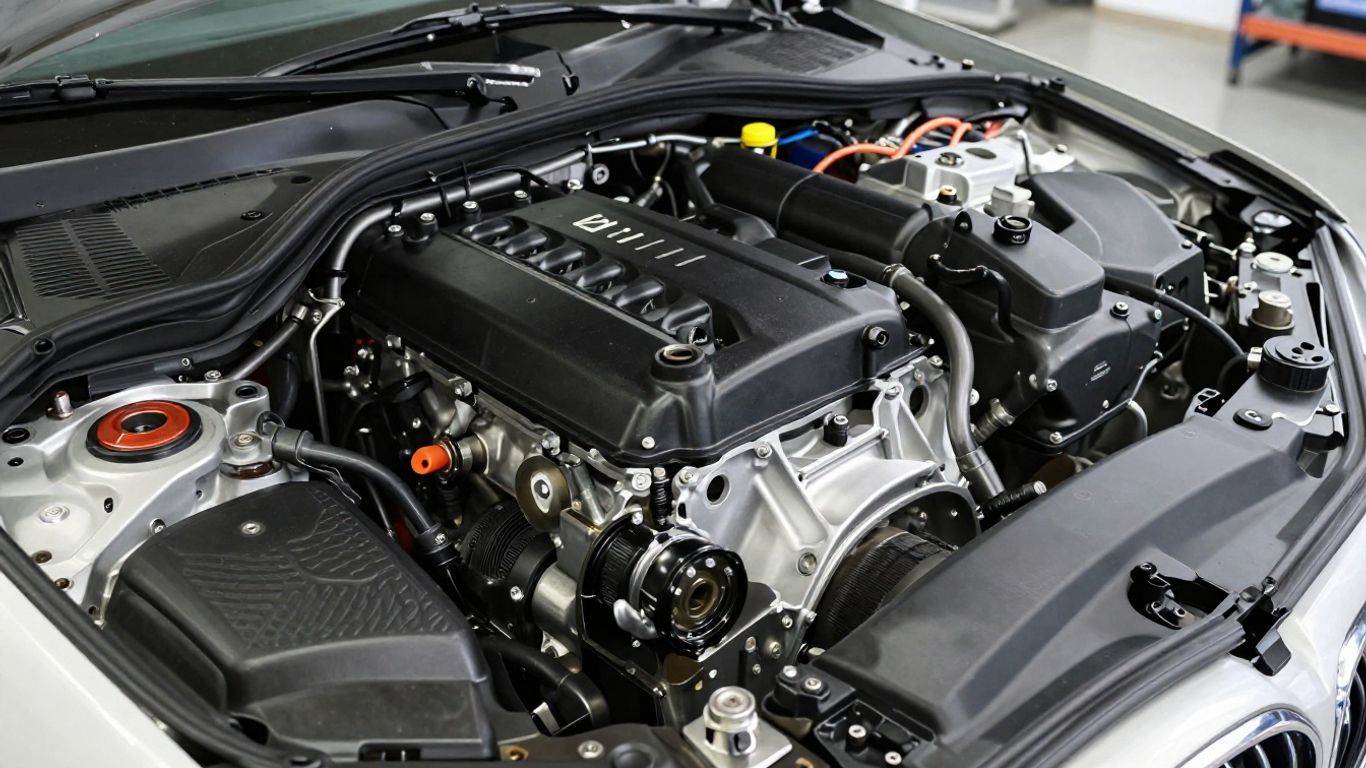
When you’re looking at a used BMW 5 Series engine from the 2016-2019 model years, it’s not just about finding one that fits. You’ve got to think about what kind of power and efficiency you’re actually getting. BMW has always been big on offering choices, and this generation is no different. Understanding the engine’s specs is key to making sure it’s the right fit for your needs and your driving style.
Engine Variants Available
For the 2016-2019 5 Series, BMW offered a pretty diverse range of engines. You’ll typically find inline-four, inline-six, and even some V8 options depending on the specific model and trim. The F10 generation (ending in 2016) and the G30 generation (starting in 2017) had different engine lineups, so pay attention to which generation the engine came from.
- 4-Cylinder: Often found in the 520i or 530i models, these are generally good on gas and still offer decent pep for daily driving.
- 6-Cylinder: The 535i or 540i models usually sport these. They provide a nice balance of power and smoothness, a hallmark of BMW inline-sixes.
- 8-Cylinder: If you’re looking at the higher-end models like the 550i, you’ll find a V8. These are for when you want serious grunt and a more aggressive sound.
- Hybrid: Some models, like the 530e, combined a gasoline engine with an electric motor for improved fuel economy and lower emissions.
Horsepower and Torque Considerations
Horsepower tells you how much power an engine can produce, while torque is about the engine’s pulling power, especially at lower speeds. For a 5 Series, you’re usually looking for a good mix of both.
| Engine Type | Typical Horsepower Range | Typical Torque Range (lb-ft) |
|---|---|---|
| 4-Cylinder | 180 – 250 hp | 200 – 300 lb-ft |
| 6-Cylinder | 300 – 355 hp | 300 – 350 lb-ft |
| 8-Cylinder | 440 – 520 hp | 480 – 550 lb-ft |
| Hybrid (Combined) | ~250 hp | ~310 lb-ft |
Remember, these are general figures. The exact numbers can vary based on the specific engine code and model year. A higher torque figure often means quicker acceleration from a standstill, which is nice for city driving. You can find more details on specific engine performance on automotive sites that track BMW model specifications.
Fuel Efficiency and Emissions
Fuel economy is a big deal, especially with gas prices these days. The 2016-2019 5 Series models generally got better mileage than older cars, thanks to things like turbocharging and BMW’s EfficientDynamics tech. Hybrid models, like the 530e, offer the best of both worlds if you’re really trying to cut down on fuel stops and emissions.
When you’re checking out an engine, don’t just look at the sticker price. Think about how much it’s going to cost to run. A thirstier engine might be cheaper upfront, but it could cost you more in the long run at the pump. Also, consider the emissions ratings if that’s something important to you or required in your area.
When you’re looking at a used engine, it’s always a good idea to see if you can find any information about its original fuel economy ratings. This gives you a baseline for what to expect. Keeping up with automotive news can also give you insights into how different engine technologies have evolved over the years.
Ensuring Quality and Reliability in Your Purchase
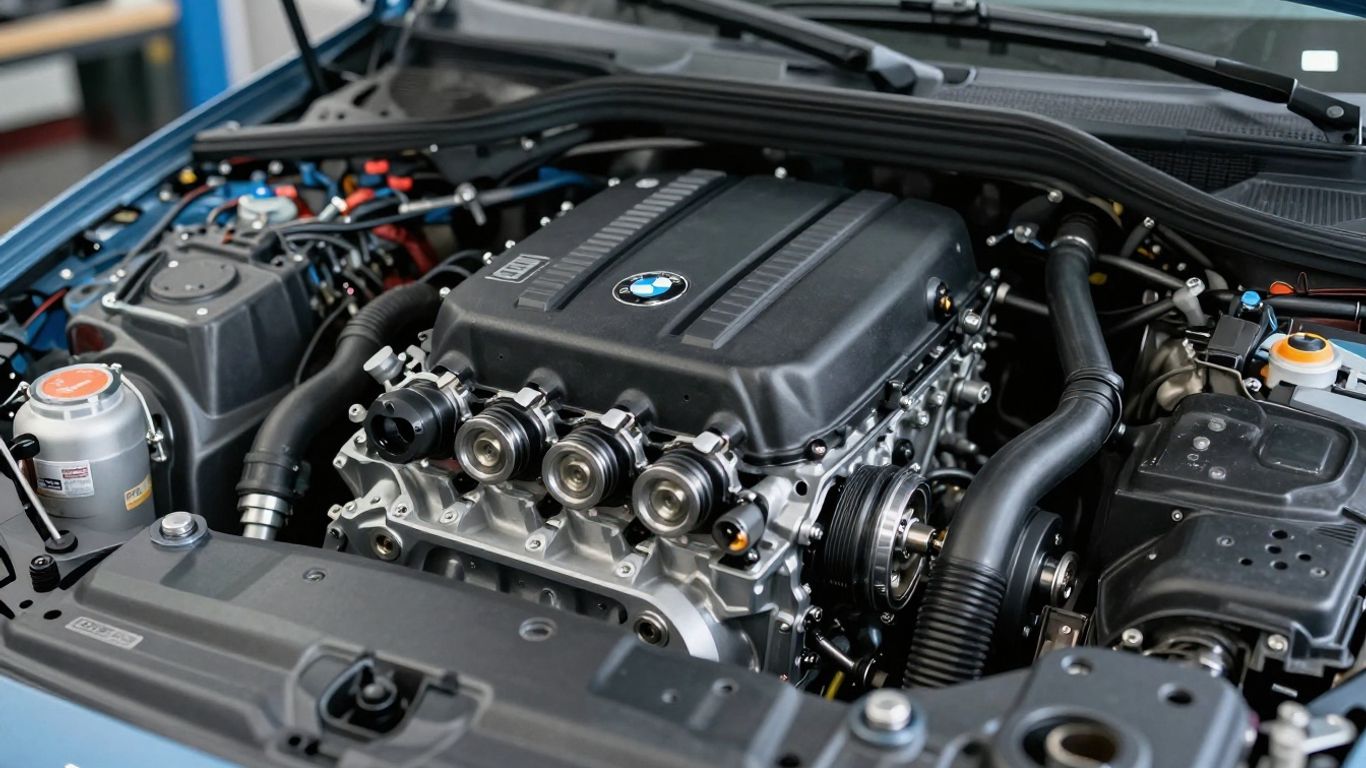
Buying a used engine, especially for a premium car like a BMW 5 Series, means you want to be sure you’re getting something solid. It’s not just about the price; it’s about avoiding future headaches and getting a reliable replacement that will keep your car running smoothly. So, how do you actually check if that engine you’re looking at is a good bet?
Importance of Service Records
When you’re checking out a used BMW 5 Series engine, the first thing you should ask for is its service history. This isn’t just a formality; it tells a story about how the engine was treated. A car that had regular oil changes and maintenance is generally going to be in better shape than one that was neglected. Look for records that show:
- Regular oil and filter changes: This is the most basic but important maintenance.
- Scheduled servicing: Check if major service intervals were met, especially those involving fluid flushes or component checks.
- Repairs and replacements: See if any significant work was done, and if so, what parts were used and by whom.
Good records are a strong indicator of a well-maintained engine. If the seller can’t provide any service history, that’s a pretty big red flag.
Pre-Purchase Inspections
Even with good service records, it’s always a smart move to get a professional opinion before you hand over your cash. Think of it like getting a home inspection before buying a house. You wouldn’t skip that, right? For an engine, this means having a qualified mechanic take a look. They can spot things that the average person, or even the seller, might miss. This could involve:
- Checking for oil leaks or coolant residue.
- Listening to the engine run (if possible) for any unusual noises.
- Assessing the condition of belts, hoses, and other visible components.
- Potentially performing a compression test to check the cylinders’ health.
Many workshops offer a pre-purchase inspection service. For example, you can get a complimentary car inspection at a local workshop to get a detailed report on your vehicle’s condition. It’s a small investment that can save you a lot of money and stress down the line.
Warranty Options for Used Engines
Sometimes, even with the best checks, things can go wrong. That’s where a warranty comes in. While not all used engines come with one, it’s definitely something to look for. A warranty provides a safety net, giving you some recourse if the engine develops a problem shortly after you’ve bought it. The terms can vary a lot, so pay attention to:
- Duration: How long does the warranty last (e.g., 30 days, 90 days, 6 months)?
- Coverage: What exactly is covered? Is it just the engine block, or does it include components like the turbocharger or injectors?
- Transferability: Can the warranty be transferred if you sell the car later?
Getting a warranty, even a limited one, can give you much-needed peace of mind when making a significant purchase like a replacement engine. It shows the seller has some confidence in the product they’re offering.
When buying a used engine, remember that transparency is key. A seller who is open about the engine’s history and allows for thorough inspection is usually a trustworthy one. Don’t be afraid to ask questions and take your time to make an informed decision. Your future self will thank you for it.
The Value Proposition of a Pre-Owned 5 Series Engine
So, you’re eyeing a used BMW 5 Series engine from the 2016-2019 range for your Gold Coast adventures. That’s a smart move, honestly. Buying a pre-owned engine isn’t just about saving a few bucks; it’s about getting a piece of German engineering without the brand-new sticker shock. These engines, especially from that sweet spot of the sixth and seventh generations, were built with a lot of thought put into performance and longevity.
Cost Savings Compared to New
Let’s get straight to it: the biggest draw is the price. A new engine can set you back a pretty penny, often more than you’d want to spend on a vehicle that’s not brand new. A quality used engine, however, can offer significant savings. We’re talking potentially thousands of dollars saved, which you can then put towards other upgrades or just keep in your pocket. It makes owning a premium car like a BMW 5 Series much more accessible.
Benefits of German Engineering
BMW engines are known for a reason. They’re designed to perform. Even a used engine from this era likely boasts advanced technologies that were cutting-edge when they were released. Think about the smooth power delivery and the responsive feel you get from a well-maintained BMW powerplant. These aren’t just basic motors; they’re engineered for a superior driving experience. It’s about getting that ‘Ultimate Driving Machine’ feel without the premium price tag of a new one. Plus, German engineering often means robust construction, built to last when cared for properly.
Extending the Lifespan of Your Vehicle
Swapping in a good used engine can breathe new life into your car. If your current engine is on its last legs, a replacement from a reputable source can give you many more years of reliable service. It’s a more sustainable option than scrapping the whole car and a much more economical choice than a brand-new engine. You get to keep a car you’re familiar with, one that fits your needs, but with a renewed heart. It’s a win-win for your wallet and the environment.
Here’s a quick look at what you might find in these model years:
- Engine Options: Typically, you’ll see inline-four and inline-six turbocharged petrol engines. The specific variants depend on the exact model year and trim.
- Performance Focus: BMW doesn’t skimp on performance. Even their standard engines offer a good balance of power and efficiency.
- Technological Integration: These engines are integrated with sophisticated engine management systems for optimal operation.
When considering a used engine, the key is to find one with a documented history. This helps confirm it’s been looked after and hasn’t been pushed too hard or neglected. It’s the difference between a good deal and a potential headache.
It’s worth noting that while BMWs are fantastic, some components can be pricier to fix than, say, a Lexus or Acura. Accessing certain parts might require more labor, so understanding the potential maintenance landscape is wise. Maintenance costs can vary significantly based on the specific model and engine type.
Wrapping It Up
So, if you’re looking for a solid used BMW 5 Series from the 2016-2019 model years on the Gold Coast, you’ve got options. It’s definitely worth the effort to find a good one. These cars really do offer that blend of luxury and a good driving feel that BMW is known for, and getting one used means you can enjoy that premium experience without the brand-new price tag. Just take your time, do your homework, and you’ll likely find a great car that fits what you’re looking for.
Frequently Asked Questions
What types of BMW 5 Series engines can I find from 2016 to 2019?
You can find a variety of engines in the 2016-2019 BMW 5 Series, including four-cylinder, six-cylinder, and V8 options. There are also hybrid models available. Each engine offers a different balance of power and fuel efficiency.
How do I know if a second hand engine is in good condition?
Check the engine’s service records and ask for a pre-purchase inspection by a trusted mechanic. Look for signs of leaks, strange noises, or smoke when the engine runs. A good engine should start easily and run smoothly.
Where can I buy a used BMW 5 Series engine in the Gold Coast?
You can find used BMW engines at local dealerships, auto parts specialists, and online marketplaces. Some forums and car groups might also have listings from private sellers in the Gold Coast area.
Is it safe to buy a used engine online?
Buying online can be safe if you use trusted websites and check the seller’s reviews. Make sure to ask for detailed photos, engine history, and any warranty information. Always use secure payment methods.
Do used engines come with a warranty?
Some sellers offer warranties on used engines, but not all. Ask about warranty options before buying. A warranty can give you peace of mind if there are problems after installation.
Why choose a used BMW 5 Series engine instead of a new one?
Buying a used engine can save you a lot of money and still give your car many more years of life. BMW engines are known for their strong build and performance, so a good used one can be a smart choice if you want quality without the high price of a new engine.