
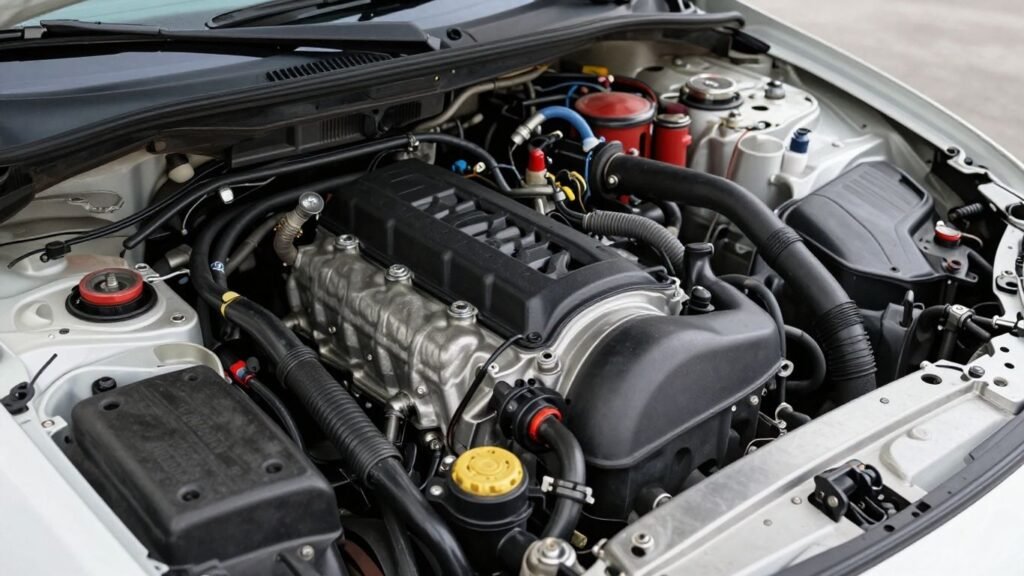
So, you’ve got a Mitsubishi Lancer from the 2014-2017 years and you’re looking for a new engine, or maybe just trying to figure out what’s under the hood. It can feel like a bit of a puzzle, right? Especially when you’re in Canberra and need specific Canberra – Mitsubishi Lancer engines 2014-2017. This guide is here to help break it down, making sure you know what you’re looking for and where to find it without too much fuss.
Key Takeaways
- Know your Lancer’s engine specs for 2014-2017 models to understand your options.
- Use your VIN and engine codes to pinpoint the exact Canberra – Mitsubishi Lancer engines 2014-2017 you need.
- Decide between new, remanufactured, or used engines based on your budget and needs.
- Regular maintenance and good driving habits help your engine last longer.
- Always use a qualified mechanic for installation and servicing of your engine.
Understanding Your Mitsubishi Lancer Engine Options
When you’re looking for a replacement engine for your 2014-2017 Mitsubishi Lancer, especially if you’re in Canberra, it’s good to know what you’re getting into. These Lancers came with a few different engine choices, and understanding them is the first step to finding the right fit.
Engine Specifications for 2014-2017 Lancers
Mitsubishi offered a couple of main engine types for the Lancer during these years. The most common ones you’ll find are the 2.0-liter and the 2.4-liter four-cylinder engines. The exact specs can vary a bit depending on the trim level and specific model year, but here’s a general idea:
| Engine Size | Horsepower (Approx.) | Torque (Approx.) | Fuel Type |
|---|---|---|---|
| 2.0L | 148 hp | 146 lb-ft | Gasoline |
| 2.4L | 168 hp | 167 lb-ft | Gasoline |
These engines are known for being pretty reliable, but like any car part, they can eventually need attention. Knowing these basic specs helps you narrow down your search right away.
Common Engine Issues and Solutions
While generally solid, some Lancer engines from this period might show a few common quirks. You might hear about issues like:
- Oil leaks: Often from the valve cover gasket or oil pan. A replacement gasket usually does the trick.
- Cooling system problems: Overheating can sometimes be an issue, possibly due to a faulty thermostat or radiator. Flushing the system and replacing worn parts can fix this.
- Engine misfires: These can be caused by spark plugs, ignition coils, or even fuel injectors. A mechanic can diagnose and replace the faulty component.
Most of these problems are fixable with standard repairs. It’s not usually a sign that the whole engine is about to give up.
Performance vs. Fuel Efficiency Considerations
When you’re choosing an engine, you’ll naturally think about how you use your car. The 2.0-liter engine is generally more fuel-efficient, which is great for daily commuting around Canberra. If you’re looking for a bit more pep, especially for highway driving or if you tend to load up your car, the 2.4-liter engine offers more power. It’s a trade-off, really. You gain a bit of performance with the larger engine, but you’ll likely see a slight dip in your miles per gallon. For many drivers, the 2.0L is perfectly adequate, but if you often find yourself needing to overtake or merge quickly, the extra grunt of the 2.4L might be worth considering. It’s all about what you prioritize for your driving needs.
It’s easy to get caught up in the technical details, but remember that your driving style and how you maintain the car play a huge role in how long any engine lasts. Regular check-ups are key, no matter which engine you have.
Identifying the Correct Canberra Lancer Engine
Finding the right engine for your 2014-2017 Mitsubishi Lancer in Canberra can feel like a puzzle, but it’s totally doable if you know what to look for. You don’t want to end up with a motor that doesn’t quite fit, right? That’s why getting the identification spot-on is super important before you even start thinking about buying.
VIN Decoding for Engine Identification
The Vehicle Identification Number, or VIN, is like your Lancer’s fingerprint. It’s a unique 17-character code that tells a lot about the car, including details about the original engine. While you can’t get the exact engine code from the VIN alone, it can help narrow down the possibilities. For instance, certain VIN ranges might correspond to specific trim levels that came with particular engine types. You can usually find the VIN on your dashboard near the windshield or on the driver’s side doorjamb. There are plenty of online VIN decoders that can give you a general overview of your car’s specs.
Engine Codes and Their Meanings
Every engine has a specific code, and this is your golden ticket to finding an exact match. These codes are usually found on a sticker under the hood, on the engine block itself, or sometimes in your car’s manual. For Lancers from 2014-2017, you might encounter codes like ‘4A92’ for the 1.6L or ‘4B11’ for the 2.0L and 2.4L engines, depending on the model and market. It’s worth doing a quick search for common Mitsubishi engine codes for your specific Lancer year and model to get familiar. Knowing this code is the most reliable way to ensure compatibility.
Consulting Your Lancer’s Service Manual
Your Lancer’s service manual is a treasure trove of information. It details all the specifications for your vehicle, including the engine type, displacement, and any associated codes. If you don’t have a physical copy, you might be able to find a digital version online by searching for your specific Lancer model year. It’s the definitive guide to your car’s mechanical makeup and will leave no room for guesswork when it comes to engine identification.
Getting the engine code right from the start saves a lot of headaches down the road. It means fewer returns, less hassle with mechanics, and ultimately, a Lancer that runs as it should.
Sourcing Quality Replacement Engines
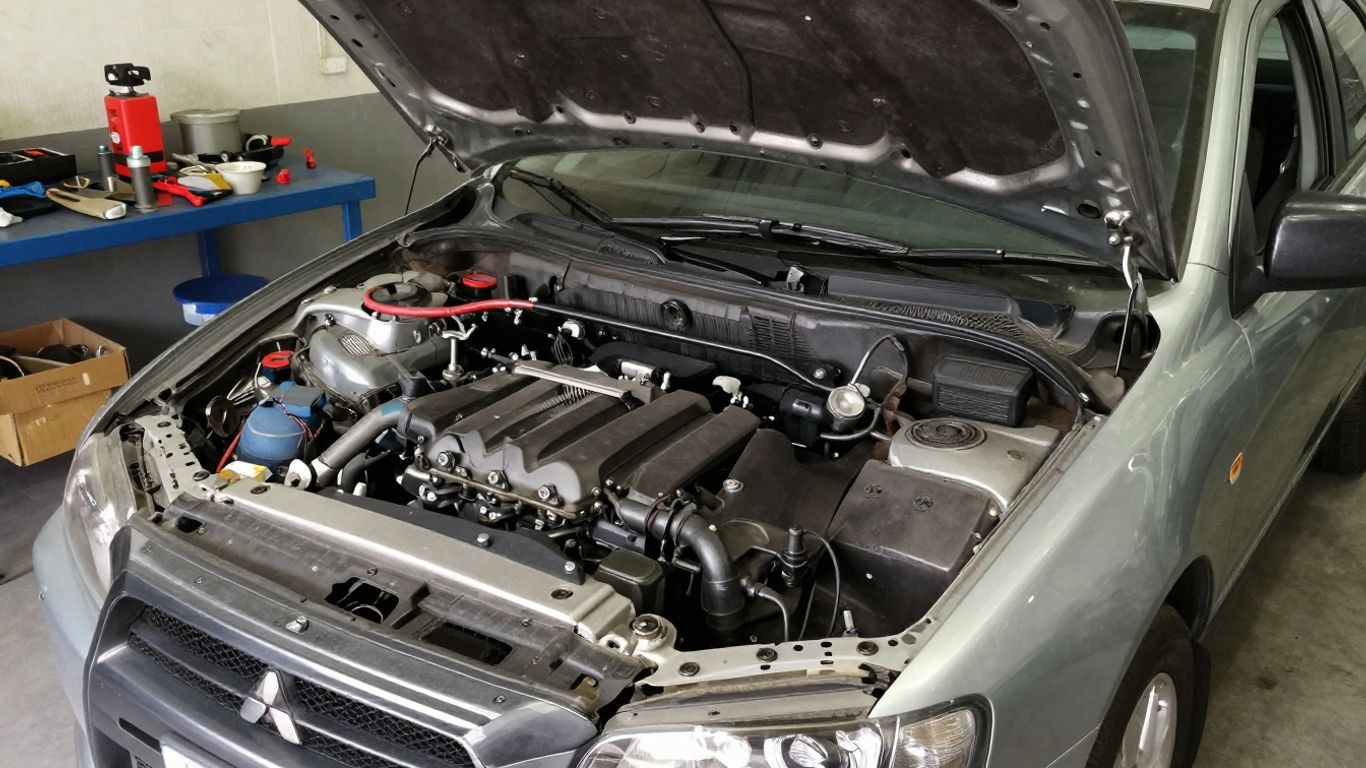
So, you’ve figured out you need a new engine for your 2014-2017 Mitsubishi Lancer. That’s a big step, and now comes the part where you need to find a good replacement. It’s not just about grabbing the first thing you see; you want something reliable that won’t give you more headaches down the road. The goal is to get your Lancer back on the road safely and without breaking the bank.
New vs. Remanufactured vs. Used Engines
When you’re looking for a replacement engine, you’ll mostly run into three types: new, remanufactured, and used. Each has its own pros and cons, and what’s right for you depends on your budget and how long you plan to keep the car.
- New Engines: These are, of course, brand new. They come with the longest warranties and are built to factory specs. The downside? They’re usually the most expensive option. If you plan on keeping your Lancer for many more years, this might be worth the investment.
- Remanufactured Engines: These engines have been taken apart, cleaned, inspected, and rebuilt with new or reconditioned parts. They’re often a good middle ground, offering a solid warranty and a high level of reliability without the brand-new price tag. Think of them as having a second life, but with a lot of fresh parts.
- Used Engines: This is typically the cheapest option. You’re buying an engine that’s already been in another car. The biggest gamble here is the engine’s history and remaining lifespan. You’ll want to find a reputable seller who can provide some sort of history or guarantee, even if it’s short. It’s important to check if the engine is compatible, for example, a radiator for a 2014-2017 Mitsubishi Lancer might be a good indicator of available parts.
Reputable Suppliers in Canberra
Finding a trustworthy place to buy your engine is key. In Canberra, you’ve got a few avenues:
- Specialist Mitsubishi Wreckers: These yards often have a good selection of used and sometimes remanufactured engines specifically for Mitsubishi models. They know their stuff and can often help you identify the right engine code.
- Engine Rebuilders: Look for businesses that specialize in rebuilding engines. They might offer both remanufactured options and sometimes source good quality used engines. They’ll usually stand behind their work with a warranty.
- Online Marketplaces: While convenient, be extra cautious here. Stick to sellers with high ratings and detailed descriptions. Always try to get as much information as possible about the engine’s origin and condition.
Warranty and Return Policies
This is super important. Don’t even consider buying an engine without a warranty. What exactly does the warranty cover? How long does it last? What’s the process if something goes wrong?
- Warranty Coverage: Does it cover parts and labor? Is it a limited warranty, or does it cover everything?
- Duration: Most used engines might come with a short, 30-90 day warranty, while remanufactured ones could have a year or more. New engines will have the longest manufacturer warranties.
- Return Policy: What happens if the engine doesn’t fit, or if it has a problem right out of the box? Understand the return process before you hand over any cash. A good supplier will have a clear and fair policy.
When you’re buying a replacement engine, it’s like adopting a used pet. You hope for the best, but you need to be prepared for potential issues. Doing your homework on the seller and the engine’s history can save you a lot of trouble later on. Don’t rush the decision; take your time to find the right fit for your Lancer and your wallet.
Remember to also consider other related parts that might need replacing, like air filters, for instance, a PG Engine Air Filter could be a good choice for your Lancer.
Factors Affecting Engine Lifespan
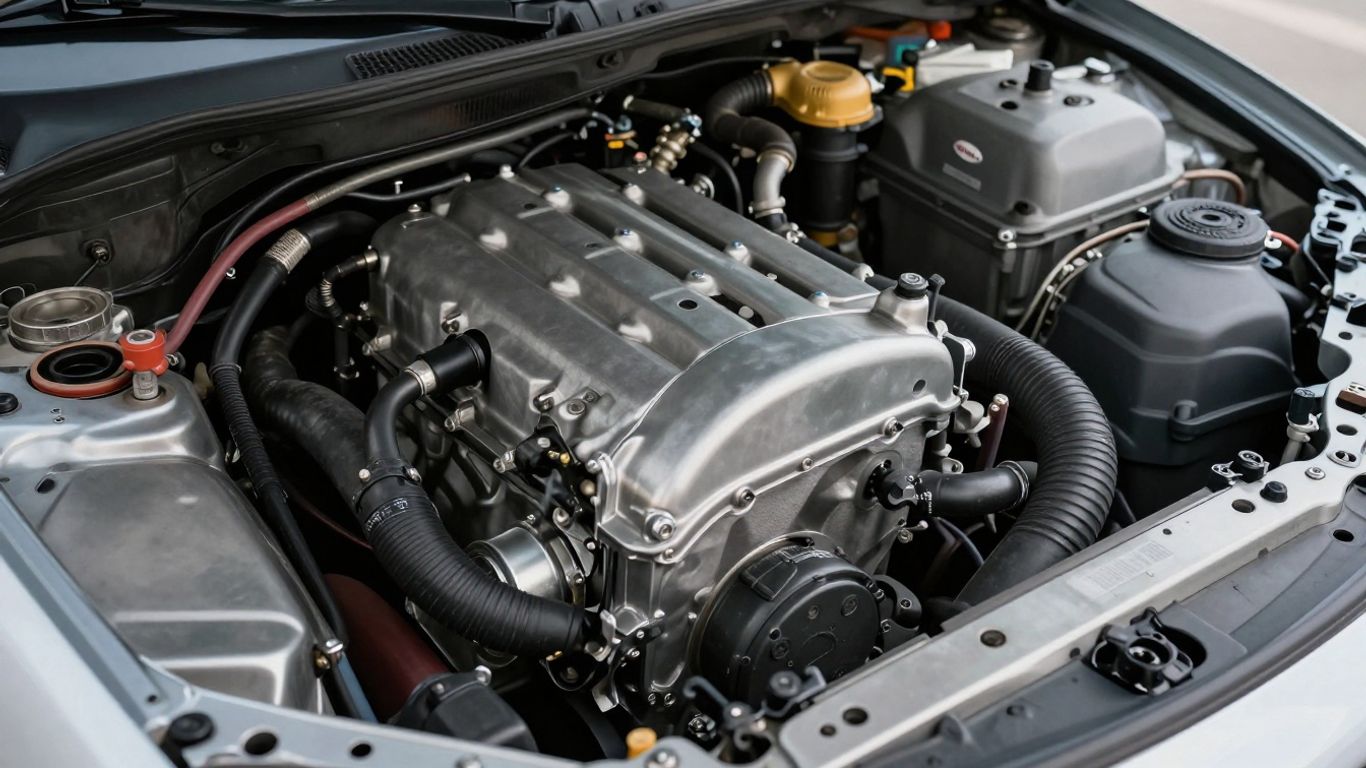
So, you’ve got a 2014-2017 Mitsubishi Lancer and you’re thinking about its engine. How long will it actually last? Well, it’s not just about the miles on the odometer. A bunch of things play a role in how long your Lancer’s heart keeps beating strong. Paying attention to these factors can save you a lot of headaches and money down the road.
Importance of Regular Maintenance
This is probably the biggest one. Skipping oil changes or ignoring weird noises is like telling your engine it’s on its own. Regular check-ups are key. Think of it like going to the doctor for a check-up; you catch small problems before they become big, expensive ones. This proactive approach helps extend the overall lifespan of your vehicle and avoids costly repairs down the line. For example, keeping up with fluid changes prevents parts from grinding against each other and wearing out too fast.
Here’s a quick rundown of what’s important:
- Oil Changes: Don’t skimp here. Fresh oil lubricates and cleans. Stick to the recommended intervals in your owner’s manual.
- Filter Replacements: Air filters, oil filters, fuel filters – they all do important jobs. A clogged air filter makes your engine work harder, for instance.
- Coolant System: Overheating is an engine killer. Make sure your coolant is topped up and the system is working right.
- Belts and Hoses: These can crack and fail. A broken belt can stop your engine dead.
Impact of Driving Habits on Engine Health
How you drive matters. If you’re constantly flooring it from a dead stop or slamming on the brakes, your engine and other parts are taking a beating. Smooth driving is much kinder to your Lancer.
Consider these points:
- Acceleration: Gentle acceleration puts less stress on the engine and transmission.
- Braking: Anticipate stops to avoid hard braking. This also saves your brake pads.
- Idling: Excessive idling, especially in cold weather, isn’t great for the engine. It doesn’t get up to optimal operating temperature.
- Towing/Heavy Loads: If your Lancer isn’t designed for heavy towing, avoid it. Pushing it too hard can cause serious damage.
Driving aggressively, like rapid acceleration and hard braking, puts unnecessary strain on engine components and the entire drivetrain. A smoother driving style not only conserves fuel but also significantly reduces wear and tear, contributing to a longer engine life.
Environmental Factors in Canberra
Canberra has its own climate, and that can affect your car. The hot summers can put extra strain on the cooling system, while the occasional cold snaps can affect battery performance and fluid viscosity. Dust and road conditions also play a part. If you frequently drive on unpaved roads, more grit can get into various systems.
- Heat: Extreme heat makes the engine work harder to stay cool. Keep an eye on your temperature gauge.
- Cold: Cold starts are tougher on an engine. Using the correct grade of oil for your climate helps.
- Dust/Dirt: Driving in dusty conditions means more frequent air filter checks and cleaning.
- Road Conditions: Potholes and rough roads can cause vibrations and stress components over time.
Professional Installation and Servicing
Choosing a Qualified Mechanic
So, you’ve found the perfect engine for your 2014-2017 Mitsubishi Lancer right here in Canberra. That’s a big step! But before you get too excited, remember that the installation is just as important as the engine itself. Getting it done by someone who knows their stuff is key to a long, happy life for your Lancer. Don’t just pick the first name you see in the phone book or the cheapest quote. Look for a mechanic who has experience with Lancers, or at least with Mitsubishi vehicles. Ask around, check online reviews, and see if they specialize in engine work. A good mechanic will be happy to talk you through the process, explain what they’re doing, and answer any questions you have. They should also be able to provide a clear quote upfront, so there are no nasty surprises later.
Signs Your Lancer Needs Engine Service
Sometimes, it’s not about a full engine replacement, but just needing some TLC. Keeping an eye out for warning signs can save you a lot of hassle down the road. Here are a few things to watch for:
- Strange Noises: Any new clunking, grinding, or knocking sounds coming from under the hood are worth investigating.
- Warning Lights: That check engine light isn’t just for decoration. If it comes on, get it checked out.
- Performance Issues: Is your Lancer suddenly sluggish? Is it using more fuel than usual? These could be signs something’s not right.
- Fluid Leaks: Puddles under your car are never a good sign. Different colored fluids can indicate different problems.
- Smoke from the Exhaust: Blue, white, or black smoke can point to various internal engine issues.
Post-Installation Checks and Break-in Procedures
Once your new (or rebuilt) engine is in, the job isn’t quite done. There are a few important steps to take to make sure everything settles in nicely. Your mechanic should guide you through this, but it’s good to know what to expect.
- Initial Checks: After installation, the mechanic will run the engine, check for leaks (oil, coolant, etc.), and ensure all systems are functioning correctly.
- Break-in Period: Most new or rebuilt engines need a short break-in period. This usually involves varying your speed and avoiding hard acceleration or heavy loads for the first few hundred kilometers. It allows the new parts to properly seat themselves.
- First Service: Often, there’s a specific, early oil change recommended after the break-in period. This helps remove any tiny metal particles that might have been generated as the engine settled.
Taking the time to properly install and then break in your new engine is an investment. It helps prevent premature wear and ensures you get the most out of your replacement unit for years to come. Don’t skip these steps just to get back on the road faster.
Here’s a general idea of what a break-in might look like, though always follow the specific advice given for your engine:
| Period | Driving Recommendation |
|---|---|
| First 500 km | Vary speeds, avoid constant RPM, no hard acceleration. |
| 500-1000 km | Gradually increase load, still avoid heavy towing. |
| After 1000 km | Normal driving, but monitor performance closely. |
Wrapping It Up
So, finding the right engine for your 2014-2017 Mitsubishi Lancer doesn’t have to be a huge headache. We’ve looked at what makes a good replacement, and it really comes down to matching your needs with what’s available. Whether you’re going for a direct swap or something a bit different, doing your homework on compatibility and condition is key. Don’t forget to check out reputable sellers and ask plenty of questions. Getting the right engine means getting your Lancer back on the road reliably, and that’s always a win.
Frequently Asked Questions
What’s the difference between a new, rebuilt, and used engine for my Lancer?
A new engine is straight from the factory, untouched. A rebuilt (or remanufactured) engine has been taken apart, cleaned, and had worn-out parts replaced, making it almost like new. A used engine is just that – taken from another car, and its history might be a bit unclear.
How can I be sure I’m getting the right engine for my 2014-2017 Lancer in Canberra?
The best way is to use your car’s Vehicle Identification Number (VIN). This unique code tells you exactly what came with your car. Also, check the engine code on the engine itself or in your car’s manual. If you’re unsure, a mechanic can help confirm.
Are there common problems with Lancer engines from these years?
Some Lancer models can have issues like oil leaks or cooling system problems. Regular check-ups and fixing small issues quickly can prevent bigger, more expensive repairs down the road. It’s always good to keep an eye on your engine’s health.
What’s more important: engine power or saving gas?
That really depends on what you need! If you want your Lancer to feel zippy and quick, you’ll look for engines with more horsepower. If you drive a lot and want to save money on fuel, an engine that’s better on gas will be your priority. Some engines offer a good balance of both.
How long should a Mitsubishi Lancer engine last?
With good care, a Lancer engine can last a very long time, often over 200,000 kilometers. Key things are sticking to the recommended maintenance schedule, like oil changes, and driving smoothly. Avoiding hard acceleration and braking helps too.
Do I need a special mechanic to install a replacement Lancer engine?
It’s best to find a mechanic who knows Mitsubishi cars well, especially Lancers. They’ll have the right tools and experience to install the engine correctly and make sure everything is hooked up properly. This ensures your car runs smoothly and safely after the replacement.