
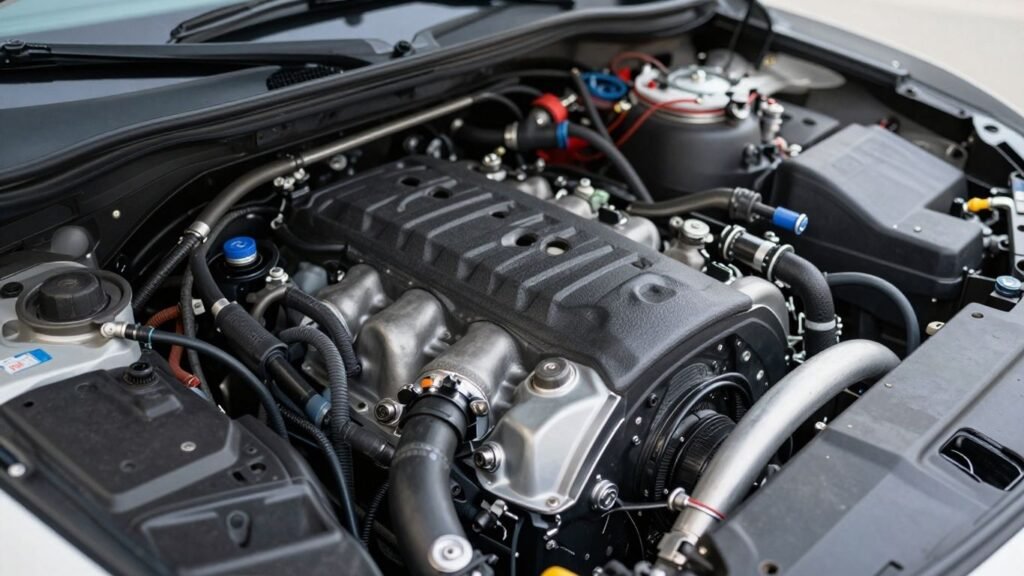
Hey Central Coast Mitsubishi owners! If you’ve got a 2018-2020 Eclipse Cross, you might be wondering about what’s under the hood. This article is for you. We’re going to break down the engine stuff in a way that makes sense, covering what you need to know about your specific Central Coast – Mitsubishi Eclipse Cross engines 2018-2020. No need to be a car expert, we’ll keep it simple.
Key Takeaways
- Your 2018-2020 Mitsubishi Eclipse Cross has a 1.5L turbocharged engine designed for a good mix of power and fuel saving.
- Keeping up with oil changes and checking your coolant are simple but really important for engine life.
- Pay attention to any strange sounds or dashboard lights; they’re your engine’s way of telling you something’s up.
- The turbocharger helps give you that extra boost, but it needs clean oil and proper care to work right.
- Using good quality gas and driving smoothly can help your engine last longer, especially here on the Central Coast.
Understanding Your Central Coast Mitsubishi Eclipse Cross Engine
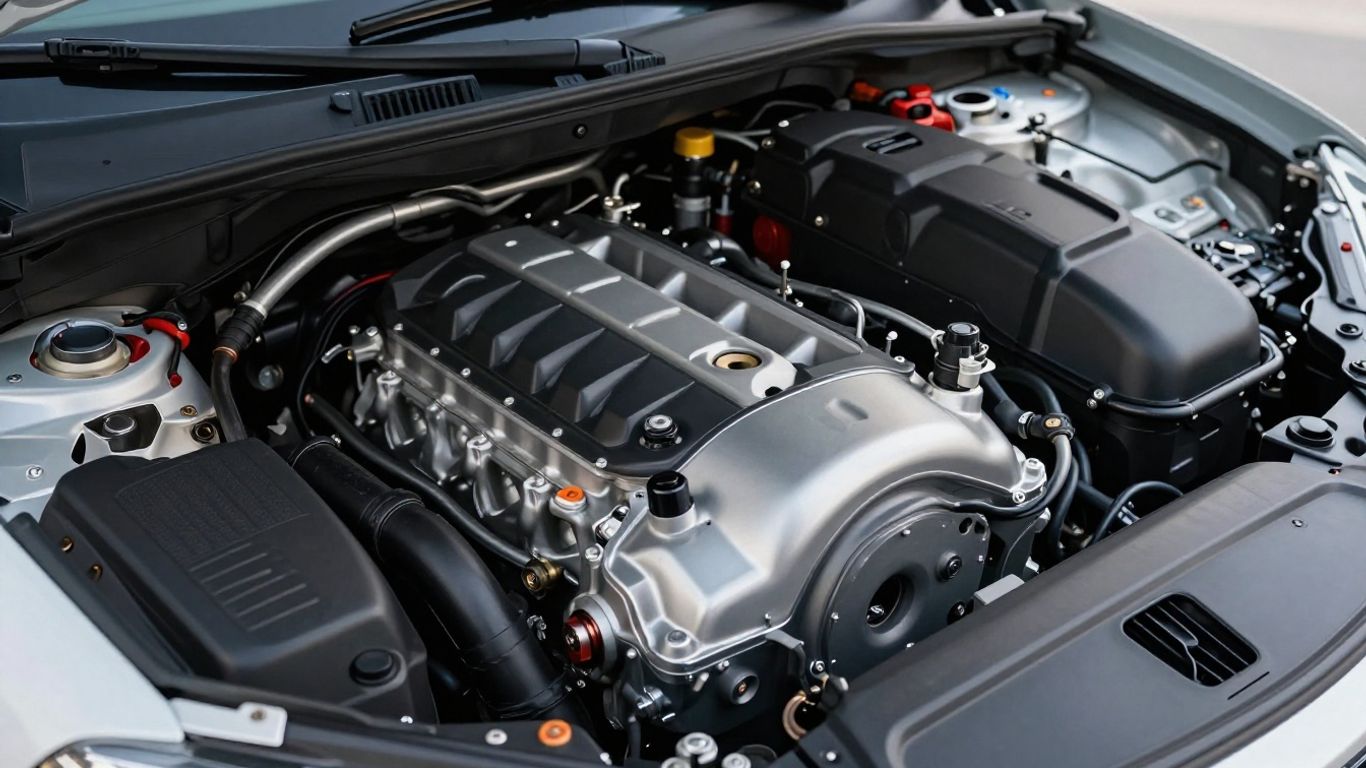
So, you’ve got a Mitsubishi Eclipse Cross from the 2018 to 2020 model years, and you’re probably wondering what’s actually going on under the hood. It’s not just a bunch of metal and wires; it’s the heart of your ride, and knowing a bit about it can save you headaches down the road. Keeping this engine happy means a smoother drive and fewer surprise visits to the mechanic.
Key Engine Specifications for 2018-2020 Models
Let’s get down to the nitty-gritty. The Eclipse Cross from these years typically rocks a 1.5-liter turbocharged four-cylinder engine. It’s designed to give you a good balance of pep and decent gas mileage. Here’s a quick look at what you’re working with:
- Engine Type: 1.5L Turbocharged Inline-4
- Displacement: 1499 cc
- Valvetrain: DOHC (Double Overhead Camshaft)
- Fuel System: Direct Injection
This setup is pretty common these days, aiming for efficiency without sacrificing too much power. It’s a compact powerhouse, really.
Common Engine Components to Inspect
When you’re thinking about your engine, a few parts pop up more often than others. Keeping an eye on these can help you catch problems early.
- Spark Plugs: These little guys ignite the fuel-air mix. If they’re worn out, your engine might run rough. Replacing them is crucial for optimal engine performance and to prevent further damage [27db].
- Air Filter: This keeps dirt and debris out of your engine. A clogged filter means your engine can’t breathe properly, hurting performance.
- Belts and Hoses: These carry fluids and power different parts. Cracks or leaks here can lead to overheating or other serious issues.
- Oil Filter: Works with your engine oil to keep things clean. A dirty filter means dirty oil circulating.
Why Engine Health Matters for Your Eclipse Cross
Honestly, a healthy engine is everything for your car. It’s not just about getting from point A to point B; it’s about doing it reliably and without costing you a fortune in repairs. A well-maintained engine means better fuel economy, a quieter ride, and it helps your car hold its value longer. Plus, nobody likes being stranded on the side of the road, right?
Neglecting basic engine upkeep is like ignoring a small leak in your roof. It might seem minor at first, but over time, it can lead to much bigger, more expensive problems that affect the entire structure.
Performance and Efficiency of Your Eclipse Cross Engine
Let’s talk about what makes your Mitsubishi Eclipse Cross tick, specifically how it performs and how much gas it sips. It’s not just about getting from point A to point B; it’s about how smoothly and economically you do it. The engine in your 2018-2020 Eclipse Cross is designed to balance spirited driving with sensible fuel use, which is pretty neat when you think about it.
Horsepower and Torque Output
Your Eclipse Cross is powered by a 1.5-liter turbocharged four-cylinder engine. This little powerhouse puts out a respectable 152 horsepower and 184 lb-ft of torque. That’s enough grunt to get you moving from a stop and to make passing on the highway feel pretty easy. It’s a good setup for everyday driving, whether you’re commuting or heading out for a weekend adventure. You can check out real-time data on your vehicle’s performance, including engine output, using tools that access PIDs [3a19].
Fuel Economy Considerations
When it comes to fuel economy, the Eclipse Cross generally does a decent job. Mitsubishi estimates an EPA-rated 26 MPG combined for models with the continuously variable transmission (CVT). Of course, your actual mileage will vary based on how you drive, the conditions, and where you’re driving. City driving usually uses more fuel than highway cruising. Keeping up with regular maintenance, like proper tire inflation and clean air filters, can also help you get the most miles per gallon.
Turbocharger Functionality Explained
The turbocharger is a key player in your Eclipse Cross’s performance. Basically, it’s a small turbine that uses exhaust gases to spin and force more air into the engine’s cylinders. More air means the engine can burn more fuel, which translates to more power. This is how a smaller engine, like the 1.5-liter in your car, can produce the kind of power you might expect from a larger, naturally aspirated engine. It helps with both acceleration and overall responsiveness.
The turbocharger works best when the engine is under load, like when you’re accelerating or going uphill. You might notice a slight delay, sometimes called ‘turbo lag,’ before the turbo fully kicks in, but modern systems are pretty good at minimizing this. It’s a clever piece of engineering that helps your car feel zippy.
Here are a few things that affect your fuel economy:
- Driving Style: Aggressive acceleration and hard braking use more fuel than smooth, steady driving.
- Vehicle Load: Carrying heavy passengers or cargo increases the engine’s workload and fuel consumption.
- Tire Pressure: Underinflated tires create more rolling resistance, making the engine work harder.
- Accessory Use: Running the air conditioning or using other power-hungry accessories can slightly decrease MPG.
Maintenance Essentials for Central Coast Mitsubishi Eclipse Cross Engines
Keeping your 2018-2020 Mitsubishi Eclipse Cross engine running smoothly is pretty straightforward if you stick to a few key maintenance tasks. It’s not rocket science, but it does require a bit of attention. Think of it like taking care of a pet – regular feeding and check-ups keep them happy and healthy, right? Your engine is no different.
Regular Oil Change Schedules
Oil is the lifeblood of your engine. It lubricates moving parts, keeps things cool, and cleans out gunk. Skipping oil changes is like asking your engine to run a marathon without water. For most Central Coast drivers, changing the oil and filter every 5,000 to 7,500 miles is a good rule of thumb. However, check your owner’s manual for the exact recommendation for your specific model. Using the correct type of oil is just as important as the schedule.
Coolant System Maintenance
Your engine generates a lot of heat, and the coolant system is what keeps it from overheating. This involves checking the coolant level regularly and making sure there are no leaks. Flushing and replacing the coolant every few years, or as recommended, prevents corrosion and keeps the system working efficiently. It’s a good idea to inspect hoses and connections for any signs of wear or damage during these checks.
Spark Plug Replacement Intervals
Spark plugs ignite the fuel-air mixture in your engine. Worn-out spark plugs can lead to rough idling, poor acceleration, and decreased fuel economy. For the Eclipse Cross, these are typically replaced somewhere between 60,000 and 100,000 miles, depending on the type of plug. It’s a job that can make a noticeable difference in how your car performs. If you’re noticing any hesitation or misfires, it might be time to look into replacing your spark plugs.
Don’t wait for a problem to pop up before you think about maintenance. A little bit of regular upkeep goes a long way in preventing bigger, more expensive repairs down the road. It’s about being proactive rather than reactive with your vehicle’s care.
Troubleshooting Common Engine Issues
Even the most reliable engines can throw a curveball now and then. If your Mitsubishi Eclipse Cross starts acting up, don’t panic. Most issues are fixable with a bit of know-how. Paying attention to the early signs can save you a lot of headaches and money down the road.
Recognizing Warning Lights
That little light on your dashboard isn’t just for decoration. When the check engine light comes on, it’s your car’s way of telling you something needs attention. It could be something minor, like a loose gas cap, or something more serious. For a P0300 diagnostic trouble code, which often indicates a misfire, worn spark plugs or a vacuum leak are common culprits on the 1.5L 4B40 engine [fc0a]. Don’t ignore it; get it checked out.
- Solid Light: Usually means a less urgent problem. You can likely continue driving but should get it checked soon.
- Flashing Light: This signals a more serious issue, often a misfire that could damage your catalytic converter. Pull over safely and get it towed if possible.
- Other Lights: Don’t forget about oil pressure or temperature warning lights. These require immediate attention.
Addressing Unusual Noises
Your Eclipse Cross engine makes a certain sound when it’s running right. If you start hearing new noises, it’s worth investigating. A persistent knocking or pinging sound, especially under acceleration, could indicate an issue with fuel quality or ignition timing. A hissing sound might point to a vacuum leak. Grinding or squealing noises often relate to accessory belts or pulleys.
Diagnosing Performance Dips
Is your car feeling sluggish? Not accelerating like it used to? A drop in performance can be frustrating. It might be related to clogged air filters, fuel system problems, or even issues with the turbocharger. Sometimes, a simple tune-up can sort it out, but other times it might require a deeper look. If you’re experiencing rough idling or stalling, it could be a sign of problems with the fuel injectors or ignition system [cc83].
When your car’s engine isn’t performing as expected, it’s easy to feel overwhelmed. However, breaking down the symptoms and considering the most common causes can help you and your mechanic pinpoint the problem more efficiently. Think of it like detective work for your vehicle.
Here’s a quick look at potential causes for performance issues:
- Fuel System: Clogged fuel injectors or a weak fuel pump can starve the engine.
- Air Intake: A dirty air filter or a leak in the intake system restricts airflow.
- Ignition System: Worn spark plugs or faulty ignition coils lead to incomplete combustion.
- Turbocharger: Issues with the turbo can significantly impact power delivery.
Advanced Engine Features on Your Eclipse Cross
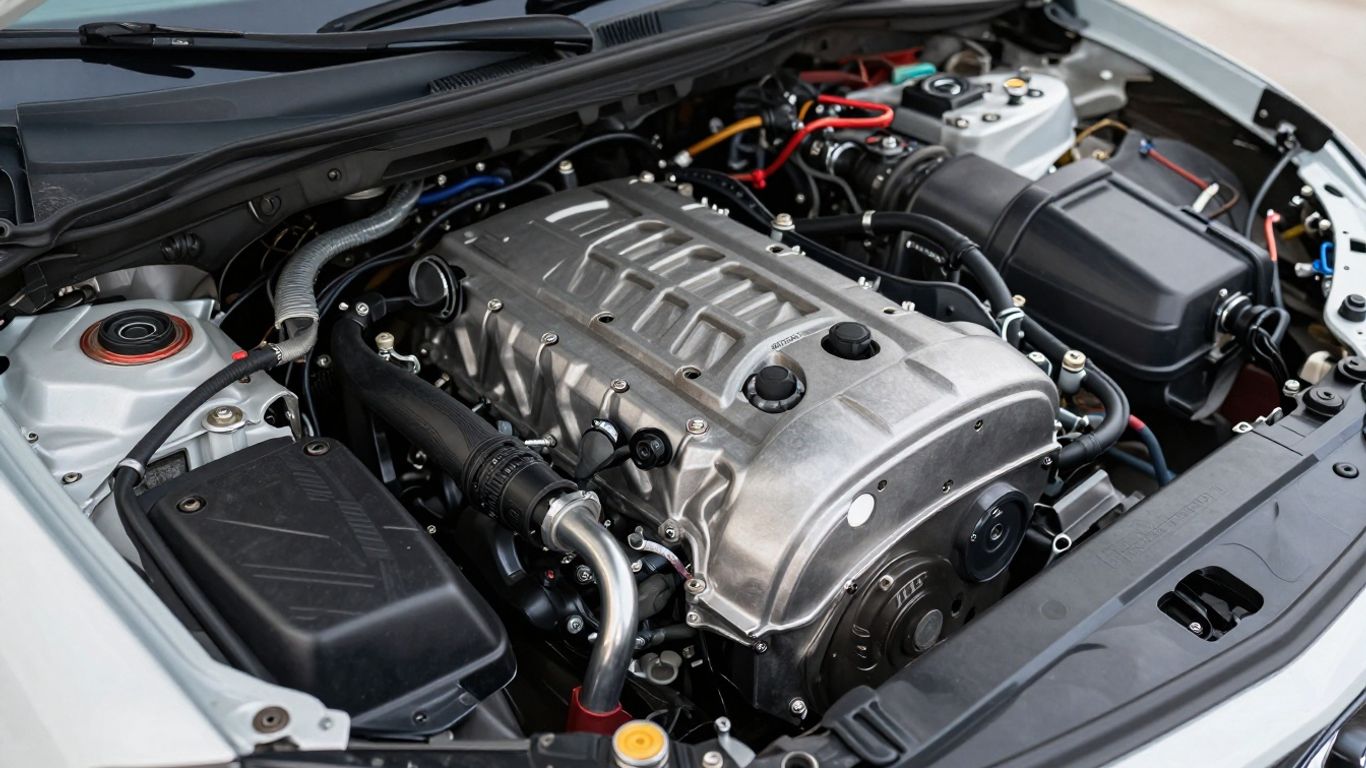
Your 2018-2020 Mitsubishi Eclipse Cross isn’t just about getting from point A to point B; it’s packed with some smart tech under the hood that helps it run smoothly and efficiently. Let’s break down a couple of these advanced systems.
Understanding Direct Injection Technology
This is a big one for modern engines. Direct injection means the fuel is sprayed right into the combustion chamber, not into the intake manifold like older systems. This precise fuel delivery helps burn fuel more completely, leading to better power and fewer emissions. It’s like giving your engine exactly what it needs, right when it needs it. This system works hand-in-hand with the turbocharger to give you a good punch when you accelerate.
Variable Valve Timing System
Think of this as the engine’s way of adjusting its breathing. Variable Valve Timing (VVT) changes when the intake and exhaust valves open and close. This means the engine can perform better at different speeds. At low speeds, it helps with smoother idling and better fuel economy. When you need more power, like when merging onto the highway, VVT adjusts to help the engine breathe more freely and produce more output. It’s a clever way to get the best of both worlds from a single engine setup.
Emissions Control Systems
Keeping the air clean is important, and your Eclipse Cross has systems in place to do just that. These systems work to reduce the harmful stuff that comes out of the exhaust. This includes things like the catalytic converter, which changes harmful gases into less harmful ones, and the oxygen sensors that help the engine management system keep the air-fuel mixture just right for clean burning. The engine control unit (ECU) is constantly monitoring and adjusting these systems to meet emission standards. It’s a complex network that keeps your car running cleaner.
Modern engines are quite sophisticated. The technology packed into your Eclipse Cross’s engine is designed to balance performance with efficiency and environmental responsibility. Paying attention to how these systems work can help you appreciate the engineering involved and understand why regular maintenance is so important for keeping them in top shape.
Ensuring Longevity of Your 2018-2020 Mitsubishi Engine
So, you want your Mitsubishi Eclipse Cross engine to keep running smoothly for years to come, right? It’s not rocket science, but it does take a little attention. Think of it like taking care of a pet; regular care makes a big difference.
The Importance of Quality Fuel
Using the right kind of gas is a simple step that pays off. Your Eclipse Cross is designed to run best on unleaded gasoline with an octane rating of 87 or higher. Sticking to this helps prevent knocking or pinging sounds, which are signs the fuel isn’t burning quite right. Over time, using lower-quality fuel can lead to deposits building up in the engine, affecting its performance and potentially causing damage. It’s a small thing, but choosing good fuel is a foundational habit for engine health.
Driving Habits Affecting Engine Wear
How you drive really does impact your engine. Slamming on the brakes or accelerating hard all the time puts extra stress on components. Think about it: constantly revving the engine high or lugging it at very low RPMs isn’t ideal. Smooth acceleration and braking are much kinder to the engine and the rest of your drivetrain. Also, letting your engine warm up a bit before hitting the highway, especially in cooler weather, can help.
Here are a few driving habits to consider:
- Avoid rapid acceleration from a standstill.
- Allow the engine to reach operating temperature before sustained high speeds.
- Don’t push the engine too hard when it’s cold.
- Minimize prolonged idling, especially in traffic.
Preventative Care for Central Coast Conditions
Living on the Central Coast means your car deals with a mix of conditions. The salty air near the coast can be tough on metal parts, and the summer heat can put extra strain on your cooling system. Regular checks for rust or corrosion, especially around the engine bay, are a good idea. Making sure your coolant is at the right level and in good condition helps keep the engine from overheating during those warmer months. If you notice any issues with your braking system, checking out brake parts on eBay might be a good idea to keep everything working together safely.
Taking proactive steps, like sticking to maintenance schedules and being mindful of how you drive, goes a long way. It’s about preventing small problems from becoming big, expensive ones down the road. Your Eclipse Cross is a great car, and a little consistent care will help it stay that way.
Wrapping It Up
So, that’s the lowdown on the engines in your 2018-2020 Mitsubishi Eclipse Cross. We’ve gone over what makes them tick, some common things to watch out for, and how to keep them running smoothly. It’s not rocket science, but paying attention to the basics really does make a difference. Regular checks and addressing any weird noises or lights early on can save you a lot of headaches down the road. Think of it like taking care of any important tool – a little effort now means it’ll work better for longer. Happy driving out there on the Central Coast!
Frequently Asked Questions
What kind of engine does my 2018-2020 Mitsubishi Eclipse Cross have?
Your Eclipse Cross from these years likely has a 1.5-liter turbocharged engine. This means it uses a turbocharger to help it make more power while still being good on gas. It’s designed to give you a nice balance of pep and fuel savings for your daily drives around the Central Coast.
How often should I change the oil in my Eclipse Cross engine?
It’s a good idea to check your owner’s manual for the exact schedule, but generally, changing the oil every 5,000 to 7,500 miles is a solid plan. Regular oil changes are super important because they keep the engine clean and well-lubricated, preventing parts from wearing out too quickly.
What does the turbocharger do for my car’s engine?
Think of the turbocharger like a little fan that forces more air into the engine. More air means the engine can burn more fuel, which creates more power! This is why your Eclipse Cross feels zippy, especially when you need to accelerate.
What are some signs that my engine might need attention?
Keep an ear out for strange noises like knocking or hissing. Also, pay attention to your dashboard warning lights – if a light comes on, don’t ignore it! If you notice a drop in power or your car isn’t running as smoothly as usual, it’s time to get it checked out.
Why is using good quality fuel important for my Eclipse Cross engine?
Using the right kind of gasoline, as recommended in your owner’s manual, helps your engine run its best. Higher quality fuel burns cleaner, which means less gunk builds up inside your engine. This helps keep the turbocharger and other parts working properly for longer.
How can my driving style affect my engine’s lifespan?
Aggressive driving, like rapid acceleration and hard braking all the time, puts more stress on your engine. Driving more smoothly, avoiding excessive idling, and letting your engine warm up a bit before really pushing it can help it last much longer and stay in great shape.