
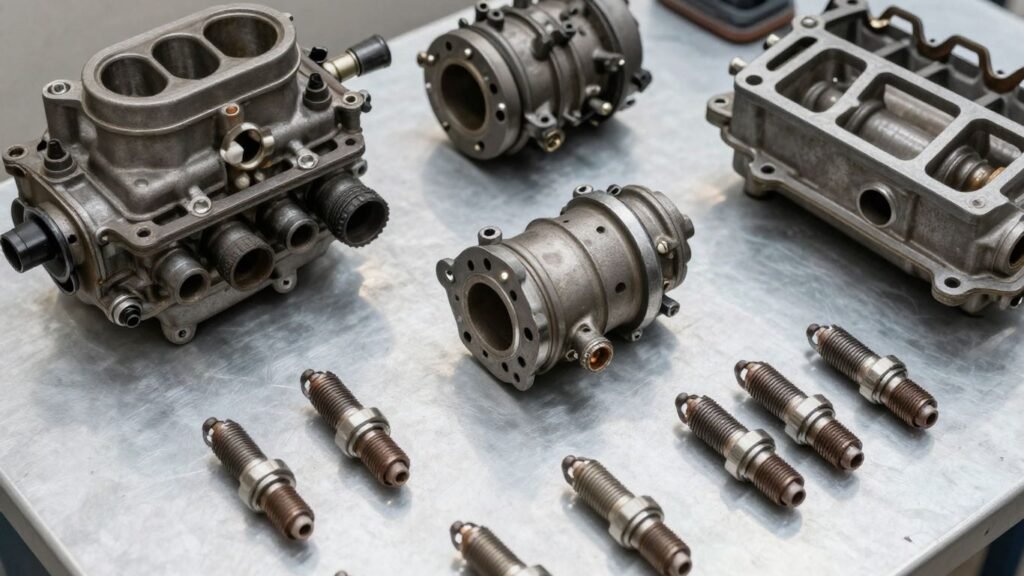
Buying used motor parts can be a smart way to save money, but it requires knowing what to look for. Here are the most important things to keep in mind to make sure you get good quality parts and a fair price.
Key Takeaways
- Always check the history of the vehicle the part came from, if possible.
- Inspect the part thoroughly for wear, damage, or signs of poor maintenance.
- Understand the part’s condition and how it might affect your vehicle’s performance.
- Research the fair market value of the used part before you buy.
- Don’t be afraid to negotiate the price, especially if you find any issues with the part.
Understanding Vehicle History and Title Status
When you’re looking at a used car, knowing its past is just as important as checking its current condition. Think of it like getting to know a person – you want to know their background before you commit, right? This section is all about digging into that background.
Reviewing Vehicle History Reports
First things first, you absolutely need to get a vehicle history report. These reports are like a car’s resume, pulling information from all sorts of places. They can tell you if the car has been in accidents, how many owners it’s had, and if there are any issues with the title. It’s your first line of defense against buying a car with hidden problems. You’ll want to check that the Vehicle Identification Number (VIN) on the report matches the VIN on the car itself – usually found on the dashboard or the driver’s side doorjamb. A clean report is a good sign, but don’t stop there.
- Accident History: Look for any mention of frame damage or airbag deployment. These are big red flags. Minor fender benders might be okay, but serious accidents can cause long-term issues.
- Ownership: A car with one owner who kept it for a long time might be a better bet than one that bounced between owners quickly.
- Usage: Was it a personal car, a rental, or part of a fleet? Rental cars often see harder use.
These reports are compiled from data like state motor vehicle departments and insurance companies, making them a pretty reliable resource. You can get these reports from services that specialize in vehicle history.
Identifying Title Red Flags
The title is the legal document proving ownership. A ‘clean’ title means the car hasn’t been declared a total loss by an insurance company. But you might see other types of titles that are serious warnings:
- Salvage Title: This means the car was wrecked, stolen, or damaged beyond repair, and an insurance company paid out a claim. Even if it’s fixed, it will always have this branded title, affecting its value and insurability.
- Rebuilt Title: Similar to salvage, but it means a salvage vehicle has been repaired and inspected. Still, it carries a stigma and potential for underlying issues.
- Flood Title: Cars that have been submerged in water can have major electrical and mechanical problems that might not show up right away.
Always avoid cars with these titles unless you’re a mechanic yourself and know exactly what you’re getting into, and even then, the price should reflect the risk. A branded title is a huge reason to walk away.
Verifying Ownership and Usage Patterns
Beyond the official title, think about the car’s life. How many people owned it? If a car had five owners in three years, that’s a bit strange. It could mean each owner found problems and got rid of it. Also, consider where the car spent its life. Cars from areas with harsh winters or coastal salt spray might have more rust issues than cars from drier climates. You can often find this info on the history report, but it’s good to keep in mind when you’re looking at the car itself. For example, if the report shows consistent mileage updates over the years, that’s a good sign. Big gaps or mileage that seems too low for the car’s age could point to odometer tampering, which is a serious issue. Always compare the odometer reading with the car’s overall condition and any service records you can get your hands on.
Assessing Mechanical Condition and Maintenance Records
Inspecting Engine and Fluid Levels
When you pop the hood, the engine compartment can tell you a lot about how a car’s been treated. Look for any obvious leaks or spills around the engine block and underneath it. It’s best to check this when the engine is cool, ideally after the car has been sitting for a while. You’ll want to pull out the dipstick and check the engine oil. If it’s dark black and thick, it probably hasn’t been changed in a long time. Milky or foamy oil is a really bad sign, suggesting coolant might be getting into the engine. Also, check the coolant reservoir; it should be at the right level and not look rusty or sludgy. Don’t forget brake fluid, power steering fluid, and transmission fluid if you can access it. Low levels or dirty fluids are red flags.
Checking Battery and Belt Condition
Take a look at the battery. Are the terminals covered in white or greenish fuzzy stuff? That’s corrosion, and it means the battery might not be making good contact or could be failing. Give the belts a good once-over. You’re looking for cracks, fraying, or if they look shiny and glazed. Belts don’t last forever, and a broken belt can stop your car dead in its tracks. Most belts are good for around 50,000 to 100,000 miles, but it varies.
Evaluating Tire Wear and Alignment
Tires are a big expense, so check them carefully. Do they all match? Same brand, same model, same size? If not, that could mean previous owners didn’t bother with proper replacements. Look at the tread depth. You can use the old penny trick – stick a penny head-first into the tread. If you can see the top of Lincoln’s head, the tread is getting low. Also, check for uneven wear. Are the edges worn down more than the middle, or vice-versa? That often points to alignment issues, which can wear out tires fast and affect how the car drives. You can often get a vehicle history report that might mention alignment work.
The Importance of a Pre-Purchase Mechanic Check
Even if you feel pretty confident after looking everything over, there’s no substitute for a professional opinion. A mechanic has the tools and the know-how to spot problems you’d likely miss. They can get the car up on a lift and check things like the exhaust system, suspension components, and look for frame damage. It might cost you a hundred bucks or so, but it could save you thousands in unexpected repairs down the road. It’s a small price to pay for peace of mind.
Sometimes, a car might look great on the outside and even drive okay for a short spin, but hidden issues can lurk beneath the surface. Regular maintenance is key to a car’s longevity, and a lack of it can lead to expensive problems later on. Always ask for service records if they’re available.
Conducting a Thorough Exterior and Interior Inspection
Alright, so you’ve looked into the car’s past and maybe even taken it for a spin. Now, it’s time to get up close and personal with the vehicle itself. This is where you really get a feel for how it’s been treated. Don’t just glance; really inspect. The exterior and interior can tell you a lot about the car’s life story.
Examining Paint, Body Panels, and Rust
Start by walking around the car. Seriously, do a full circle, maybe even two. Look at the paint. Does it all match? If one panel looks a different shade, it might have been repainted after a fender bender. Keep an eye out for rust, especially around the wheel wells, the bottom edges of doors, and anywhere water might sit. Also, check that the gaps between body panels are pretty even. Big, uneven gaps can be a sign of shoddy repair work.
Checking Glass, Lights, and Exterior Features
Next up, all the glass. Look for any chips, cracks, or those star-shaped marks on the windshield and windows. Even a small chip can spread. Then, test every single light: headlights, taillights, turn signals, brake lights, even the reverse lights. Cloudy headlights aren’t just ugly; they make it harder to see at night. Make sure all the little exterior bits and pieces are there and look okay.
Assessing Interior Wear and Upholstery
Now, hop inside. The inside often shows how the car was really used. Check the seats for rips, burns, or weird wear patterns. If it’s got power seats, test all the adjustments. Look at the carpets and floor mats, too. Are they stained or worn through? A clean interior usually means the owner cared about the car, but don’t let a messy interior automatically scare you off if the price is right and the mechanicals check out. You can often clean up a lot of interior mess. For a more detailed look at what to check inside, this used car inspection checklist is pretty handy.
Testing Electronics and Infotainment Systems
Modern cars are basically computers on wheels, and those electronics can be pricey to fix. So, you’ve got to test everything. Turn on the radio, check the air conditioning and heater, play with the power windows and locks. If it has a fancy infotainment system, a backup camera, or navigation, make sure it all works. Sometimes, these systems can be a real headache if they’re glitchy. It’s worth spending a few minutes to make sure the basics are functioning.
A car’s condition is more than just its mechanical parts. The way it looks and feels, both inside and out, tells a story about its past. Paying attention to these details can help you spot potential problems before they become your problems.
Mastering the Test Drive for Optimal Assessment
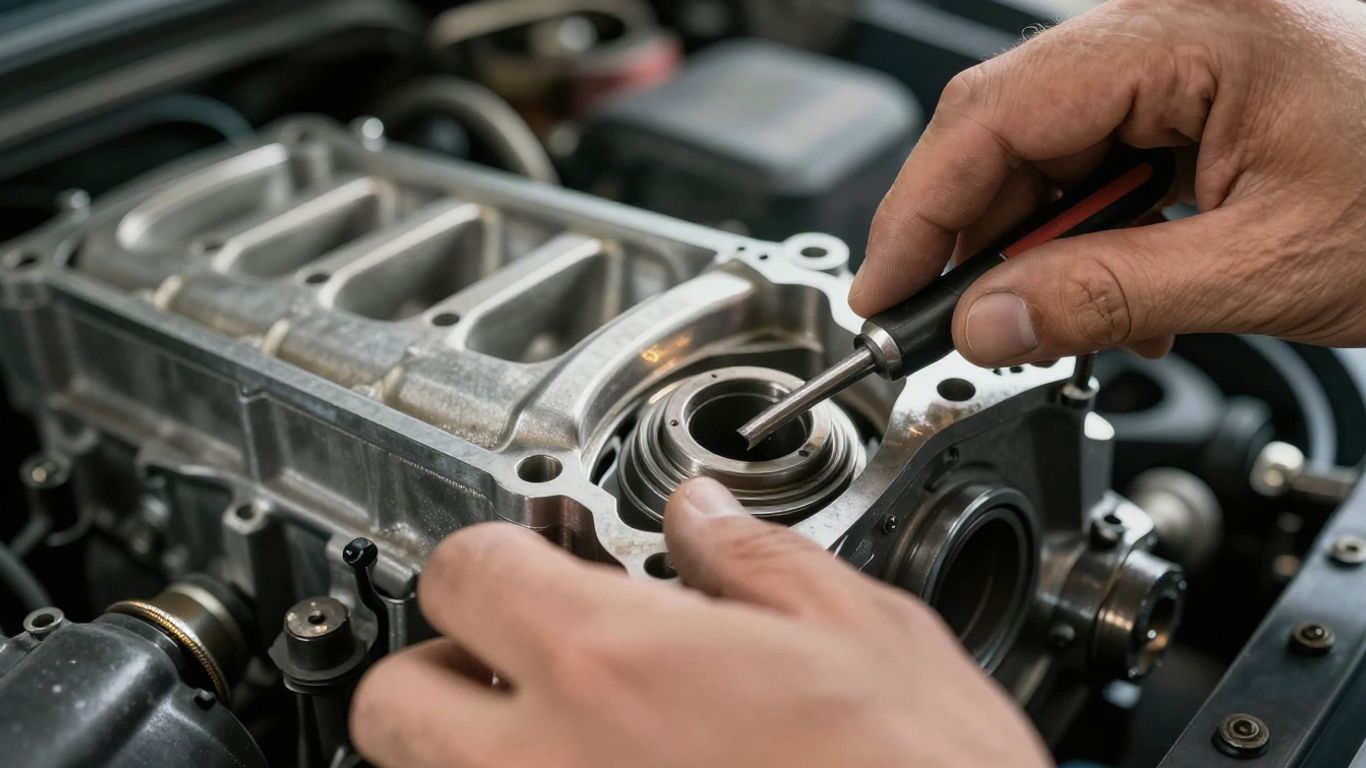
So, you’ve looked the car over, kicked the tires, and maybe even peeked under the hood. Now comes the moment of truth: the test drive. This isn’t just a quick spin around the block to see if the radio works. A proper test drive is your best chance to uncover hidden issues before you hand over your cash. Think of it as the car’s final exam, and you’re the one grading it.
Strategies for Revealing Vehicle Condition
Don’t rush this part. Aim for at least 20 to 30 minutes behind the wheel. The longer you drive, the more likely you are to encounter different driving conditions and potentially reveal problems. It’s also a good idea to have a plan. Before you even turn the key, remember to check out the vehicle history reports to get a general idea of the car’s past.
Here’s a quick checklist to keep in mind:
- Windows Down: Start with the windows down for the first few minutes. This lets you hear everything the car is doing without the cabin muffling the sounds.
- Vary Your Speed: Don’t just cruise. Accelerate, brake, and try to hit different speeds, including highway speeds if possible.
- Test Everything: Make sure to test all the car’s features, from the air conditioning to the power windows and the infotainment system.
A used car might look great on the outside, but how it performs when you’re actually driving it tells a much more honest story. Pay attention to how it feels, sounds, and reacts.
What to Listen and Feel For During the Drive
Your senses are your most important tools here. As you drive, focus on the feedback you’re getting.
- Steering: Does the steering wheel feel tight and responsive, or is there a lot of play? Does the car pull to one side when you’re driving straight?
- Brakes: The brake pedal should feel firm, not spongy. When you brake, does the car stop smoothly and in a straight line?
- Engine and Transmission: Listen for any unusual noises like grinding, clunking, or whining. Does the transmission shift smoothly, or does it hesitate or lurch?
- Suspension: Drive over some bumps or uneven surfaces. You shouldn’t hear loud clunks or feel excessive jarring.
Driving in Various Conditions and Scenarios
Just driving on a smooth, empty road won’t tell you the whole story. You need to see how the car handles different situations.
- Highway Driving: Check for stability, wind noise, and how the car performs at higher speeds. Does it feel confident or shaky?
- Bumpy Roads: This is where suspension issues often show up. Listen for rattles and clunks.
- Stop-and-Go Traffic: Pay attention to how the transmission behaves and if the brakes feel smooth in slow-moving traffic.
- Parking: Try parallel parking or backing into a spot. This tests the steering radius and visibility, and you can also check the backup camera if it has one. If you’re considering a specific model, looking up common issues for that make and model can give you an idea of what to watch out for.
Navigating the Financial Aspects of Buying Used
Buying a used car can be a smart financial move, but it’s not just about the sticker price. You’ve got to think about the whole picture to really save money and avoid future headaches. Understanding your budget and financing options before you even start looking is the first big step. It stops you from falling in love with a car you can’t afford or getting stuck with a loan that’s going to drain your bank account.
Calculating Your True Car-Buying Budget
So, how do you figure out what you can really afford? It’s more than just looking at your checking account balance. You need to consider all the costs involved. Think about:
- Down Payment: How much cash can you put down upfront? A bigger down payment means a smaller loan and less interest paid over time.
- Monthly Payments: What can you comfortably pay each month for the loan? Don’t forget to factor in insurance and gas.
- Ongoing Costs: This includes insurance premiums, registration fees, routine maintenance (like oil changes), and potential repairs. It’s easy to forget these, but they add up fast.
- Emergency Fund: It’s always wise to have some money set aside for unexpected car trouble. You don’t want a breakdown to turn into a financial crisis.
Understanding Total Cost of Ownership
When you buy a used car, the price you pay today is just the beginning. The total cost of ownership looks at how much that car will cost you over the years you plan to own it. New cars take a big hit in value right away, losing maybe 20-30% in the first year alone. A used car has already gone through that big depreciation, so you’re not losing as much money as the car ages. This means your money goes further when you buy used. Plus, insurance and registration fees are usually lower for used vehicles because their value is less. It’s a good idea to compare costs. For example, a three-year-old car might be significantly cheaper to own than a brand-new model, even if the initial price difference isn’t huge.
| Cost Category | New Vehicle | 3-Year-Old Used | Annual Savings |
|---|---|---|---|
| First-Year Depreciation | $7,500 | $2,000 | $5,500 |
| Annual Insurance | $1,800 | $1,200 | $600 |
| Registration Fees | $450 | $275 | $175 |
| Total First-Year Advantage | — | — | $6,275 |
Exploring Financing Options and Rules
Most people finance a used car, and there are a few ways to go about it. You can get a loan from a bank, a credit union, or the dealership itself. Dealerships often have special financing deals, but it’s always smart to shop around and compare interest rates. Getting pre-approved for a loan before you visit the dealership gives you a strong position. You’ll know exactly how much you can borrow and at what rate, making it harder for them to push you into a less favorable deal. Be sure to understand all the terms of the loan, like the interest rate (APR), the loan term (how long you have to pay it back), and any fees involved. Sometimes, aftermarket parts might be offered as part of the financing, but make sure you understand if these are genuine Hyundai parts or more affordable aftermarket car parts and if they are truly needed.
When you’re looking at financing, don’t just focus on the monthly payment. Always ask about the total amount you’ll pay back over the life of the loan. A lower monthly payment might mean a longer loan term, which can end up costing you more in interest.
Negotiating for the Best Deal on Used Motor Parts
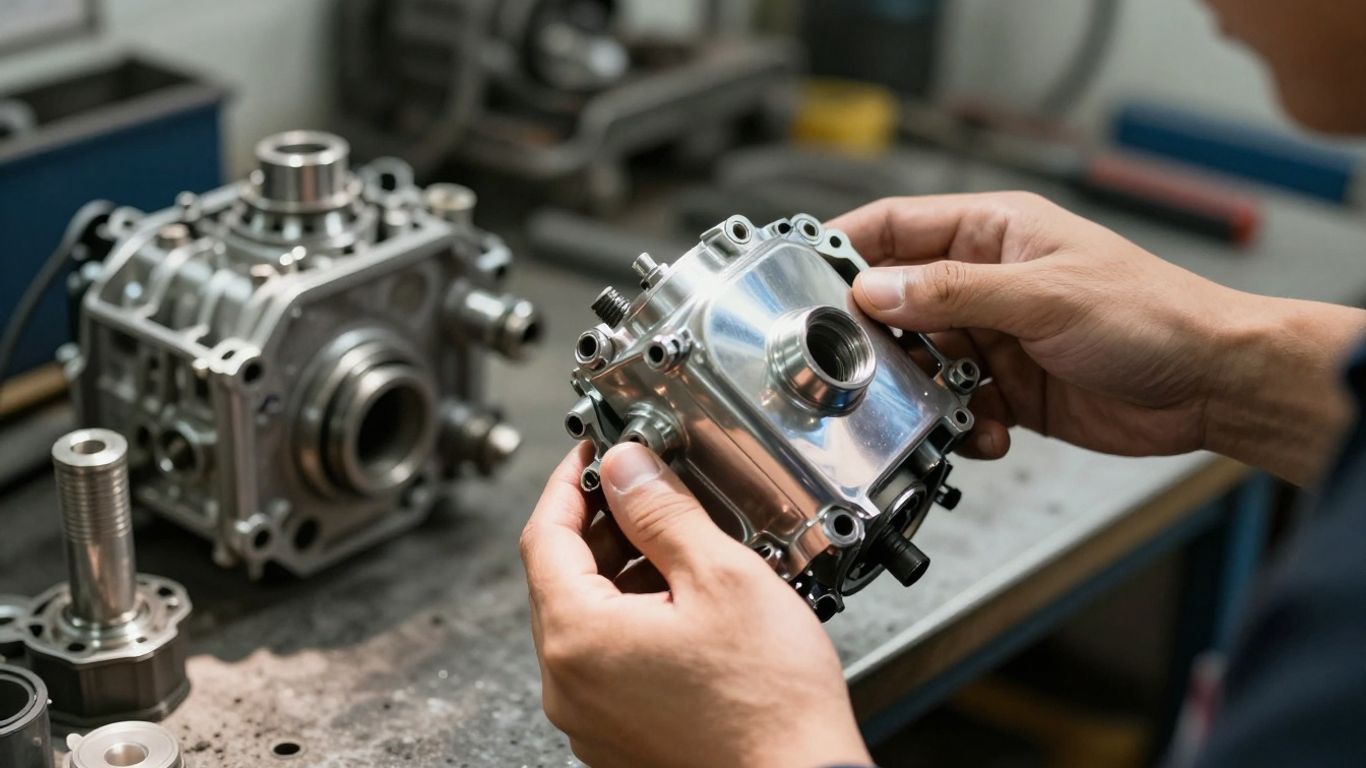
So, you’ve done your homework, inspected the car with a fine-tooth comb, and maybe even taken it for a spin. Now comes the part where you try to get the best price possible. It can feel a little intimidating, but honestly, it’s just a conversation. Being prepared is your biggest asset here.
Researching Fair Market Value
Before you even talk to the seller, you need to know what the car is actually worth. This isn’t just a gut feeling; it’s about data. Use online tools like Kelley Blue Book or Edmunds to get a general idea. But don’t stop there. Look at local listings for similar cars – year, make, model, mileage, and condition. This local data is gold. You can even make a quick spreadsheet to compare prices. This research helps you understand the car’s true worth.
Using Inspection Findings as Leverage
Remember all those little (or not-so-little) issues your mechanic found? They’re not just problems to fix; they’re bargaining chips. If the inspection revealed that the brakes need replacing soon, or the tires are shot, you can use that information. Calmly present the findings and, if possible, have repair estimates ready. You can then ask for a price reduction to cover those costs, or perhaps ask the seller to make the repairs before you buy. It’s about showing the seller what it will cost you to get the car into good shape.
Knowing When to Walk Away from a Deal
This is probably the hardest part for most people, but it’s super important. You need to decide, before you start negotiating, what your absolute maximum price is. Stick to it. If the seller won’t come down to a price you’re comfortable with, even after you’ve presented your findings, it’s okay to walk away. There are always other cars out there. Don’t get so attached to one vehicle that you end up overpaying. It’s a big purchase, and you don’t want to start off with buyer’s remorse.
Here’s a quick look at how different research methods stack up:
| Research Method | Best Use | Time Required | Reliability Level |
|---|---|---|---|
| Online Pricing Tools | Establishing baseline value ranges | 10-15 minutes | High for national averages |
| Local Online Listings | Understanding actual market pricing | 30-45 minutes | Very high for local conditions |
| Dealership Comparisons | Gauging competitive pricing | 20-30 minutes | High for retail market |
| Private Seller Research | Finding negotiation opportunities | 45-60 minutes | Variable based on seller |
Sometimes, the best deal isn’t about getting the lowest price, but about finding a car that’s priced fairly for its condition and history. Don’t be afraid to be firm but polite. Remember, the seller wants to sell the car, and you want to buy it. It’s a negotiation, not a battle.
Timing Your Purchase for Maximum Savings
Buying a used car isn’t just about finding the right vehicle; it’s also about finding the right time to buy. Believe it or not, when you shop can make a significant difference in how much you save. Think of it like catching a sale – you wouldn’t buy a winter coat in July, right? The same logic applies to car buying.
Seasonal Buying Advantages
Different times of the year bring different opportunities. For instance, winter months, particularly December through February, often see fewer shoppers. This lull means dealerships might be more eager to make deals to meet sales targets. It’s also a great time to look for vehicles that aren’t in high demand during warmer months. Think about it: who’s really looking for a convertible when there’s snow on the ground? This can translate to lower prices on those types of cars. Fall can also be a good time, as dealerships might be looking to clear out older inventory before new models arrive.
| Season | Buying Advantages | Best Vehicle Types | Pricing Trend |
|---|---|---|---|
| Winter (Dec-Feb) | Low traffic, motivated sellers, year-end clearance | Convertibles, sports cars | Lower prices |
| Spring (Mar-May) | Fresh inventory, tax refund season | Family sedans, minivans | Moderate prices |
| Summer (Jun-Aug) | Peak selection, model year transitions | SUVs, trucks | Higher prices |
| Fall (Sep-Nov) | Off-lease influx, pre-winter deals | All categories | Competitive prices |
End-of-Month and End-of-Year Opportunities
Dealerships operate on sales quotas, and these often reset monthly and annually. This means the last few days of any given month can be a prime time to negotiate. Salespeople and managers might be more willing to accept a lower offer to hit their targets. December is often cited as the absolute best month to buy a used car. Dealers are keen to clear out inventory before the year ends, making them more flexible on pricing. This is a fantastic chance to snag a good deal, especially if you’re looking at year-end clearance events.
Shopping Midweek for Better Attention
Weekends are typically the busiest times at dealerships. Everyone and their cousin seems to be out looking for a car. If you shop from Tuesday through Thursday, you’ll likely find fewer customers around. This means the sales staff can dedicate more time and attention to you. You’re not just another face in the crowd, which can lead to a more relaxed and productive negotiation process. Plus, you might get a more focused look at the inventory without feeling rushed.
Timing your purchase is a smart strategy that complements your research. While you should always be prepared to negotiate, knowing when the market is in your favor can give you an extra edge. Don’t just wait around for the ‘perfect’ moment, but be aware of these windows of opportunity.
By being strategic about when you shop, you can significantly improve your chances of finding a great deal on a used car. It’s about combining smart research with opportune timing to get the most bang for your buck. Remember, Consumer Reports also suggests looking into specific vehicle types during different seasons for potential savings. Happy hunting!
Conclusion
Buying used motor parts doesn’t have to be a gamble. By following these steps, you can feel more confident about your purchase. Always do your homework, inspect carefully, and don’t be afraid to ask questions. A little bit of effort upfront can save you a lot of trouble and money down the road. Remember, smart shopping means being informed and prepared. Happy hunting for those perfect parts!
Frequently Asked Questions
How do I know if a used motor part is good?
You should look closely at the part. Check for cracks, rust, or signs that it’s worn out. If you can, ask for the vehicle’s history report to see how the part was used. Also, ask the seller if they can tell you anything about its condition.
Can I return a used motor part if it doesn’t work?
It really depends on where you buy it from. Some places have return policies, while others sell parts ‘as is.’ Always ask about returns before you pay. It’s better to know upfront if you can bring it back if there’s a problem.
What’s the difference between buying from a junkyard and online?
Junkyards let you see and touch the part before you buy it, which is great for checking condition. Online sellers might have more selection and better prices sometimes, but you have to trust their description and hope it arrives okay. Both have pros and cons.
How much should I expect to pay for a used part?
Prices can change a lot based on what the part is, how rare it is, and its condition. It’s a good idea to look up prices for similar new and used parts online. This helps you know if the price you’re being offered is fair.
What if the part I need is for a car that’s no longer made?
Finding parts for older or less common cars can be tricky. You might need to look at specialty salvage yards or online forums where owners of those cars share information. Sometimes, parts might be harder to find and cost more.
Is it worth buying a used part instead of a new one?
Often, yes! Used parts can save you a lot of money, especially for older cars. If the part is in good shape and you get it for a good price, it’s a great way to keep your car running without spending too much. Just be sure to check it well.