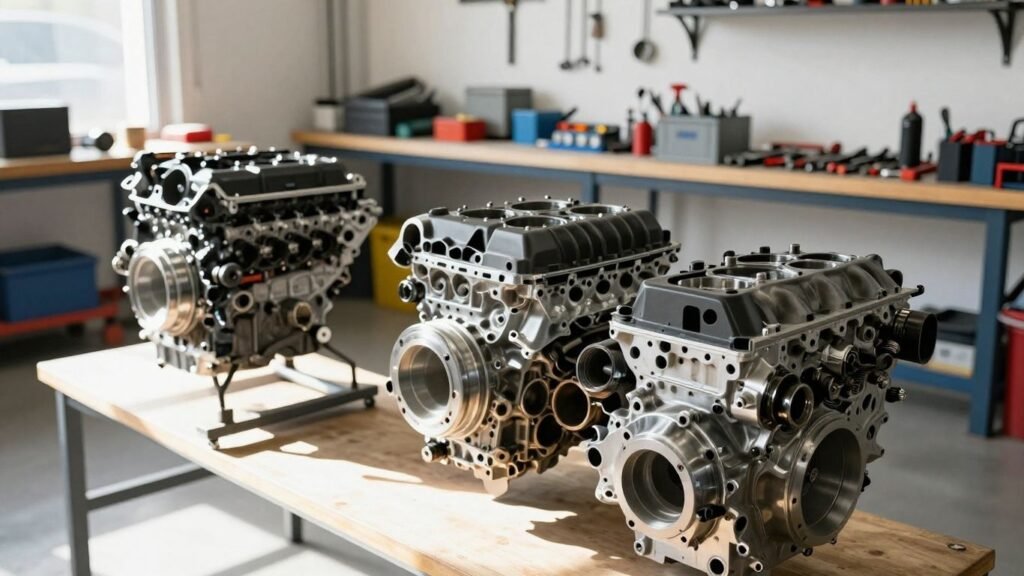
Here are the main things to remember when you’re on the hunt for a used engine in Brisbane. Keep these points in mind to help you make a smart choice.
Key Takeaways
- Look for sellers with good reputations and clear contact info.
- Always ask about the engine’s history and any included warranty.
- Inspect the engine closely for any signs of damage or leaks.
- Compare prices from different places before you buy.
- Consider reconditioned engines for extra peace of mind.
Where to Find Quality Used Engines in Brisbane
So, you’re in the market for a used engine in Brisbane and wondering where to even start looking. It can feel a bit overwhelming, right? You want something reliable without breaking the bank. Luckily, there are several good avenues to explore.
Reputable Engine Suppliers in Brisbane
When you’re hunting for a used engine, sticking with established suppliers is usually a smart move. These businesses often have a good reputation to uphold, meaning they’re more likely to sell you something decent. They typically have a decent stock of engines for various makes and models. Some places even offer a basic warranty, which is always a plus.
- Check for businesses that specialize in used engines. They often have more knowledge and a better selection.
- Look for suppliers with physical locations. This makes it easier to inspect the engine before you buy.
- Ask about their return policy and any guarantees. This is super important.
Online Marketplaces for Used Engines
The internet has made finding parts a lot easier, and engines are no exception. You can find a lot of options on various online platforms. Some sites are dedicated specifically to car parts, while others are more general marketplaces. It’s important to do your homework on sellers here. Look for reviews and ratings to get a sense of their reliability. You might find a great deal, but you also need to be a bit more cautious.
Buying online means you often have a wider selection than you might find locally. However, it also means you can’t physically see the engine before it arrives at your door. This is where detailed descriptions, photos, and seller reviews become your best friends.
Local Brisbane Wreckers and Recyclers
Brisbane has a good number of auto wreckers and recycling yards. These places are goldmines for used parts, including engines. They dismantle vehicles and sell the usable components. It’s a great way to find an engine for an older or less common car. You can often visit these yards in person, which lets you see the engine yourself. Some wreckers might even be able to tell you a bit about the vehicle the engine came from. If you’re looking for specific parts, local Brisbane wreckers can be a fantastic resource.
Here’s what to keep in mind when visiting wreckers:
- Be prepared to search. Sometimes engines are still in the car, and sometimes they’re already pulled.
- Bring your vehicle’s details. Knowing the exact make, model, and year will help you find a match.
- Don’t be afraid to ask questions. The staff might have insights into the condition of the engine.
Key Considerations When Buying Used Engines Brisbane
So, you’re in the market for a used engine in Brisbane. It’s a smart move to save some cash, but there are definitely a few things you need to think about before handing over your money. It’s not just about finding the cheapest option; it’s about getting one that’s going to last and not cause you more headaches down the road.
Engine Condition and History
This is probably the most important part. You don’t want to buy a lemon, right? Always ask for the engine’s service history if possible. Knowing how it’s been maintained can tell you a lot. Was it regularly serviced? What kind of oil was used? Were there any major repairs done? A well-documented history is a good sign. If the seller can’t provide much info, be extra cautious. You might want to look into getting a vehicle history report if it’s still in a car, or ask for details about the vehicle it came from.
Don’t be afraid to ask questions. A seller who is upfront and honest about the engine’s past is usually a good sign. If they seem cagey or unwilling to share details, it might be a red flag.
Warranty and Guarantees
What happens if you get the engine home and it’s got a hidden problem? This is where warranties come in. Some suppliers offer a short warranty, maybe 30 to 90 days, on their used engines. This can give you some peace of mind. It’s not a guarantee that nothing will go wrong, but it means if something major fails soon after purchase, you might be able to get a replacement or a refund. Always read the fine print on any warranty offered. Understand what it covers and for how long. For example, a Subaru Forester owner might look for a warranty on their FB25 engine.
Compatibility and Fitment
This sounds obvious, but you’d be surprised how many people get this wrong. You need to make sure the engine you’re buying is actually the right one for your car. Check the engine code, the year range it fits, and any specific requirements for your vehicle model. Sometimes, even within the same make and model, there can be different engine options. Double-checking the specifications against your car’s manual or a trusted mechanic is a smart move. Getting this wrong means you’ve bought an expensive paperweight.
Here’s a quick checklist:
- Engine Code: Does it match your car’s original code?
- Vehicle Year/Model: Is it designed for your specific car?
- Transmission Type: Is it compatible with your gearbox (automatic/manual)?
- Fuel Type: Petrol, diesel, or other?
- Emissions Standards: Does it meet local requirements?
Taking the time to confirm these details can save you a lot of hassle and money. It’s always better to be safe than sorry when it comes to engine fitment. You can often find detailed specs online or ask a professional mechanic to help you inspect a used car’s potential issues if it’s still installed.
Inspecting Your Potential Used Engine Purchase
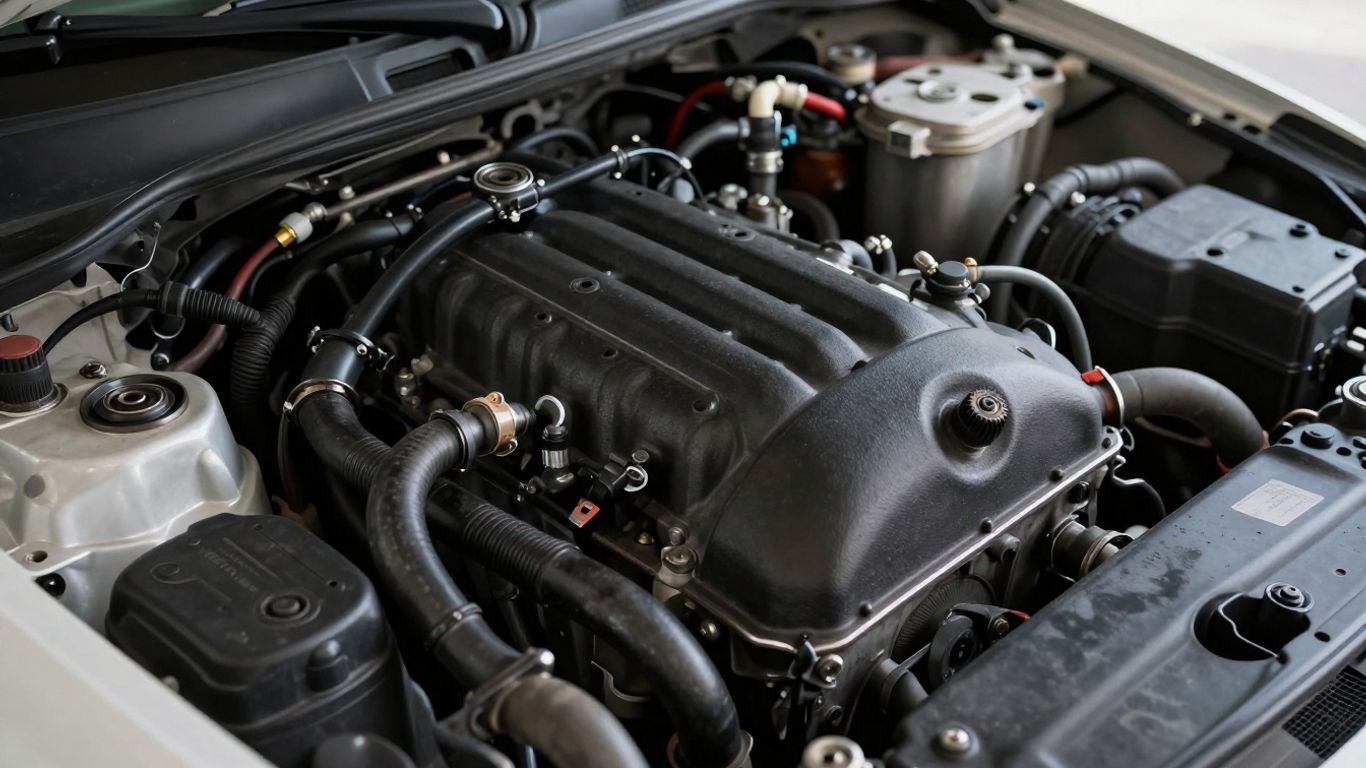
So, you’ve found a used engine that looks promising. That’s great! But before you hand over your cash, a thorough inspection is super important. It’s like checking out a house before you buy it – you want to know what you’re getting into. Don’t skip this step, no matter how good the deal seems. A quick look can save you a massive headache down the road.
Visual Inspection Checklist
When you’re looking at the engine, have a checklist ready. It helps you stay focused and not miss anything. Here’s what you should be looking for:
- Exterior Condition: Check for any obvious signs of damage like cracks, dents, or rust. Pay attention to the oil pan and valve covers – are they clean or caked with gunk?
- Fluid Levels and Condition: If possible, check the oil dipstick. Is the oil black and sludgy, or does it look relatively clean? Same goes for coolant – is it rusty or murky?
- Belts and Hoses: Look at the condition of the belts. Are they cracked or frayed? Squeeze the hoses – do they feel brittle or mushy?
- Wiring Harness: Inspect the wiring. Are there any frayed wires, loose connections, or signs of rodent damage? This stuff can be a pain to fix.
- Mounts: Check the engine mounts. Are they cracked or worn out? This can lead to vibrations when the engine is running.
Understanding Performance Tests
Sometimes, a seller might let you see or hear the engine run. This is your chance to catch potential problems. If you can’t see it run, ask if it was recently removed from a running vehicle and if there’s any documentation about its performance. A pre-purchase car inspection can give you a good idea of the vehicle’s overall health before you commit.
- Startup: Does it start easily, or does it struggle?
- Idle: Listen to the idle. Is it smooth and consistent, or is it rough and uneven? Any strange noises like knocking or ticking?
- Exhaust Smoke: What color is the exhaust smoke? Blue smoke usually means it’s burning oil, white smoke can indicate a head gasket issue, and black smoke often points to fuel problems.
- Revving: Does the engine respond smoothly when you rev it, or is there hesitation?
Checking for Leaks and Damage
Leaks are a big red flag. Look carefully around the engine block, cylinder head, oil pan, and any other seals. You’re looking for fresh oil, coolant, or other fluid stains. Even if the engine looks clean, check the ground underneath it if it’s been sitting for a while.
Sometimes, an engine might look okay on the outside, but internal issues can be hidden. Asking about the engine’s history and any known problems is always a good idea. Don’t be afraid to ask questions; a seller who’s upfront is usually a good sign.
If you’re looking for specific parts, like for a Mazda 3, sometimes wreckers are your best bet. You can often find quality second hand Mazda engines this way.
Making the Best Deal on Used Engines in Brisbane
Alright, so you’ve found a few potential engines and you’re ready to talk turkey. Getting the best price isn’t just about the sticker number; it’s about the whole package. Don’t be afraid to haggle, but do it respectfully.
Comparing Prices Across Suppliers
Before you even think about making an offer, do your homework. Prices can swing quite a bit between different suppliers, even for what seems like the same engine. You’ll want to jot down the details of the engines you’re looking at – make, model, year, mileage, and any warranty information – and then compare them side-by-side.
Here’s a quick way to organize your findings:
| Supplier Name | Engine Details (Make/Model/Year) | Mileage | Price | Warranty | Notes |
|---|---|---|---|---|---|
| [Supplier A] | [e.g., Toyota 3S-FE] | [e.g., 120,000 km] | [$1500] | [e.g., 3 months] | [Good condition] |
| [Supplier B] | [e.g., Toyota 3S-FE] | [e.g., 135,000 km] | [$1300] | [None] | [Needs inspection] |
| [Supplier C] | [e.g., Toyota 3S-FE] | [e.g., 110,000 km] | [$1650] | [6 months] | [Reconditioned] |
This kind of comparison helps you see where the real value is. Sometimes a slightly higher price comes with a much better warranty, which can save you a lot down the road.
Negotiating the Best Price
Once you know what the going rate is, you can start negotiating. If you’ve found a cheaper option elsewhere for a similar engine, mention it politely. "I saw a similar engine with X mileage for $Y at [Competitor Name]," can be a good starting point. Also, if the engine needs a bit of work or the warranty is short, that’s a solid reason to ask for a discount. Remember, most wreckers and suppliers expect some back-and-forth. It’s part of the process, like getting bioidentical hormone replacement therapy – you want to make sure it’s the right fit and price for you.
Understanding Additional Costs
Don’t forget to factor in costs beyond the engine itself. You’ll likely need to pay for:
- Shipping or Delivery: How much will it cost to get the engine to your mechanic or your place?
- Installation: Unless you’re doing it yourself, this can be a significant expense.
- Fluids and Filters: You’ll need new oil, coolant, and filters for the engine once it’s installed.
- Potential Unexpected Repairs: Even with a warranty, there’s always a small chance something might pop up.
Always ask for a written quote that clearly outlines the engine price, any included services, and the warranty terms. This helps avoid misunderstandings later on. It’s better to be clear upfront than to deal with surprises after the money has changed hands.
Ensuring Reliability of Used Engines
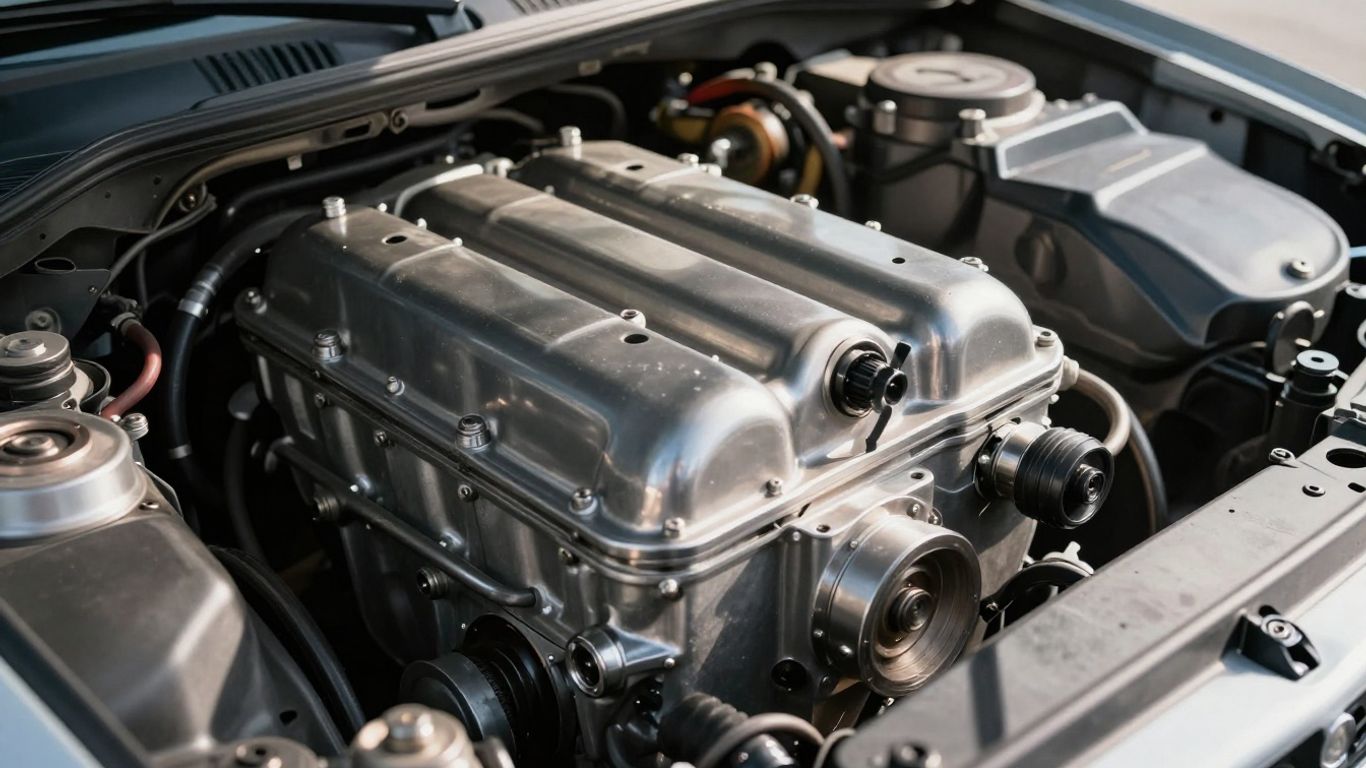
So, you’ve found a used engine that looks good on paper and fits your budget. That’s great! But how do you make sure it’s going to keep running smoothly for a good long while? It’s not just about the price; it’s about getting something that won’t leave you stranded on the side of the road. The real value is in an engine that performs reliably.
The Importance of Reconditioned Engines
When you’re looking for that extra peace of mind, a reconditioned engine often hits the sweet spot. These aren’t just engines that have had a quick once-over. They’ve typically been taken apart, cleaned, inspected for wear, and had any faulty parts replaced. Think of it like a thorough service, but for the whole engine. It’s a solid step up from a standard used engine, offering a better balance between cost and dependability.
Trustworthy Brands for Used Engines
Some engine manufacturers just have a reputation for building tough, long-lasting powerplants. While you’re looking at used options, keeping an eye out for engines from brands known for their durability can be a smart move. It doesn’t guarantee a perfect engine, but it does stack the odds in your favor. For example, many people trust engines from brands like Toyota, Honda, and Ford for their general robustness. If you’re looking for specific makes, like a used Mazda engine, research which models within that brand tend to be the most reliable.
Customer Reviews and Testimonials
Don’t underestimate the power of what other people are saying. Before you commit to buying an engine, especially from a less familiar supplier, take a few minutes to look for reviews. Search online for the company or the specific engine you’re considering. See what past customers have experienced. Did they have issues? Was the seller helpful? Positive feedback and a history of satisfied customers are good signs. It’s like asking your mates for advice before a big purchase – you want to hear about their real-world experiences.
Buying a used engine is a bit of a gamble, but you can reduce the risk. Doing your homework, asking the right questions, and looking for signs of quality can make a big difference in the long run. It’s better to spend a little extra time upfront than to deal with headaches later.
Here’s a quick rundown of what to look for:
- Seller Reputation: Check reviews and ask for references.
- Warranty: A decent warranty period is a strong indicator of the seller’s confidence in their product.
- Documentation: Ask for service history or any records available for the engine.
- Testing: Inquire if the engine has been performance tested. Reputable places often have data from auto diagnostic tests.
Remember, a little bit of caution goes a long way when you’re trying to get the most bang for your buck on a used engine.
Conclusion
Getting a used engine for your car in Brisbane doesn’t have to be a headache. By knowing where to look, what to check, and how to get a good price, you can find a reliable engine that won’t cost you an arm and a leg. Remember to do your homework, ask questions, and trust your gut. Happy motoring!
Frequently Asked Questions
Where can I find used engines in Brisbane?
You can find used engines in Brisbane from a few places. There are specialized engine suppliers, online marketplaces where people sell parts, and local car wreckers or recycling yards. Each has its own pros and cons, so it’s good to check them all out.
What should I look for when buying a used engine?
When you’re looking at a used engine, check its condition really well. Ask about its history – how many miles has it run? Does it have any known problems? Also, see if there’s a warranty or guarantee. This can save you a lot of trouble later on.
How do I know if the engine will fit my car?
You need to make sure the engine is compatible with your car’s make and model. Check the engine code or serial number and compare it to what your car needs. If you’re not sure, ask the seller or a mechanic to help you figure it out.
Is it worth buying a reconditioned engine?
Often, yes! A reconditioned engine has been taken apart, cleaned, and fixed up with new parts where needed. They usually come with a better warranty than a standard used engine and can be a safer bet for reliability.
How can I check if a used engine is good before buying?
You can do a visual check for any obvious damage, like cracks or rust. If possible, ask if the engine can be started to hear how it sounds. Look for any oil or coolant leaks. Some sellers might even offer a short test run.
What if the engine I buy breaks down soon after?
That’s why checking for a warranty is super important. A good seller will offer some kind of guarantee, maybe 30 days or more, covering the engine against major problems. Always get the warranty details in writing before you pay.