When looking for tested second hand engines, remember these important points to help you make a good choice and avoid problems down the road.
Key Takeaways
- Know your options: Decide between private sellers, online shops, or salvage yards.
- Ask the right questions: Always inquire about mileage, service history, and if the engine was tested.
- Inspect carefully: Check for damage, leaks, rust, and the condition of the oil.
- Understand tests: Know what compression and leak-down tests mean for engine health.
- Watch for red flags: Be wary of prices that seem too good to be true or sellers who are unclear.
Understanding Your Options For Tested Second Hand Engines
When you start looking for a tested second hand engine, you’re hit with a bunch of choices. Each source for used engines has different risks, perks, and pitfalls. It’s worth your time to weigh them out before diving in—especially with such a big, expensive purchase.
Private Sellers Versus Certified Engine Suppliers
Private sellers (like those on Facebook Marketplace or Craigslist) may have lower prices, but the risks are higher. You really have to trust their word or your own ability to check the engine’s condition. They may not have records or even know the engine’s true history.
A certified engine supplier typically tests engines before selling them, often supplying a basic warranty and some written history. Certified suppliers are more likely to offer documentation, some degree of guarantee, and may even let you see test results or compression readings. This adds a layer of security for your wallet.
Here’s a simple breakdown:
| Source Type | Typical Price | Warranty | Testing/Docs | Risk Level |
|---|---|---|---|---|
| Private Seller | Low | Rare | Poor | High |
| Certified Supplier | Moderate | Yes | Good | Low |
If you’re okay with a gamble, a private seller could net you a deal—but you’re on your own if things go south.
Specialist Suppliers and Online Marketplaces
Specialist engine suppliers focus solely on engines—used, rebuilt, or reconditioned. You’ll tend to see:
- Engines listed with VIN compatibility checks.
- Transparent service or mileage history.
- Options for delivery or even installation help.
- Warranties that go beyond a handshake and a promise.
Online marketplaces (like eBay Motors) are in the middle—they can have reputable businesses or total unknowns. Always check seller reviews and ratings, and use secure payment methods. Watch out for deals that seem way too good to be true. Sometimes, websites like 603 Auto Salvage can give you a point of comparison for market prices.
Salvage Yards and Certified Recyclers
Salvage yards are sometimes goldmines for hard-to-find, older engines—but you’re often lucky just to get a day-or-two warranty, if that. Motors are pulled as-is from wrecks, so you need to check them out yourself or with a trusted mechanic.
On the other hand, certified recyclers break down cars in a controlled way, log engine numbers, and sometimes test major parts. They’re a safer bet but might cost a bit more.
Key things to ask and check when using salvage yards or recyclers:
- Do they do any testing before selling?
- Is there a return or exchange option if the engine is bad?
- Can you see or hear the engine run before it comes out?
There’s no single best place to buy—just the one that matches your comfort with risk, your budget, and how handy you are in spotting problems yourself.
Key Questions To Ask Before Buying Tested Second Hand Engines
So, you’ve decided to go the used engine route. Smart move, it can save you a good chunk of change. But before you hand over any cash, you absolutely need to ask some questions. Think of it like interviewing a potential employee – you wouldn’t hire someone without knowing their background, right? Same goes for an engine. Getting the right info upfront can save you a massive headache down the road.
Inquire About Mileage and Service History
First things first, you gotta know how many miles are on the clock. A low-mileage engine is generally a good sign, but it’s not the whole story. You also need to ask about its past. Was it regularly maintained? Did the previous owner keep up with oil changes and tune-ups? Sometimes, a higher-mileage engine that was meticulously cared for can be a better bet than a lower-mileage one that was neglected. Ask for any service records if they have them. It’s a bit of a long shot sometimes, but worth asking.
Verify If The Engine Has Been Tested
This is a big one. You’re looking for a tested second-hand engine, so you need to confirm that. Ask the seller specifically what tests were performed. Did they just fire it up for a minute, or did they do a proper compression test and check for leaks? A reputable seller will have documentation or at least a clear explanation of the tests they conducted. Don’t just take their word for it; ask for details. This is where you can really start to understand the engine’s condition.
Understand The Donor Vehicle’s History
Why was the engine taken out of its original vehicle in the first place? Was it a simple upgrade, or did the car get wrecked? Knowing the donor vehicle’s story can give you clues about the engine’s life. For example, if the car was in a major accident, there might be hidden damage you can’t see. If the engine was removed because of a known issue, you definitely want to know that. It’s all about piecing together the puzzle.
Clarify Warranty and Return Policies
This is non-negotiable. What kind of warranty, if any, comes with the engine? Is it a 30-day warranty, or something longer? Does it cover just the engine itself, or does it include labor costs if something goes wrong? And what about returns? If you get the engine home and find a problem, can you return it? Make sure you get all the details about the warranty and return policy in writing. Don’t rely on a verbal agreement; it’s just not worth the risk. A good warranty is your safety net when buying a used engine.
Always get everything in writing. Verbal promises about warranties or return policies are practically worthless when it comes to expensive parts like engines. If it’s not on paper, assume it doesn’t exist.
Essential Inspection Steps For Tested Second Hand Engines
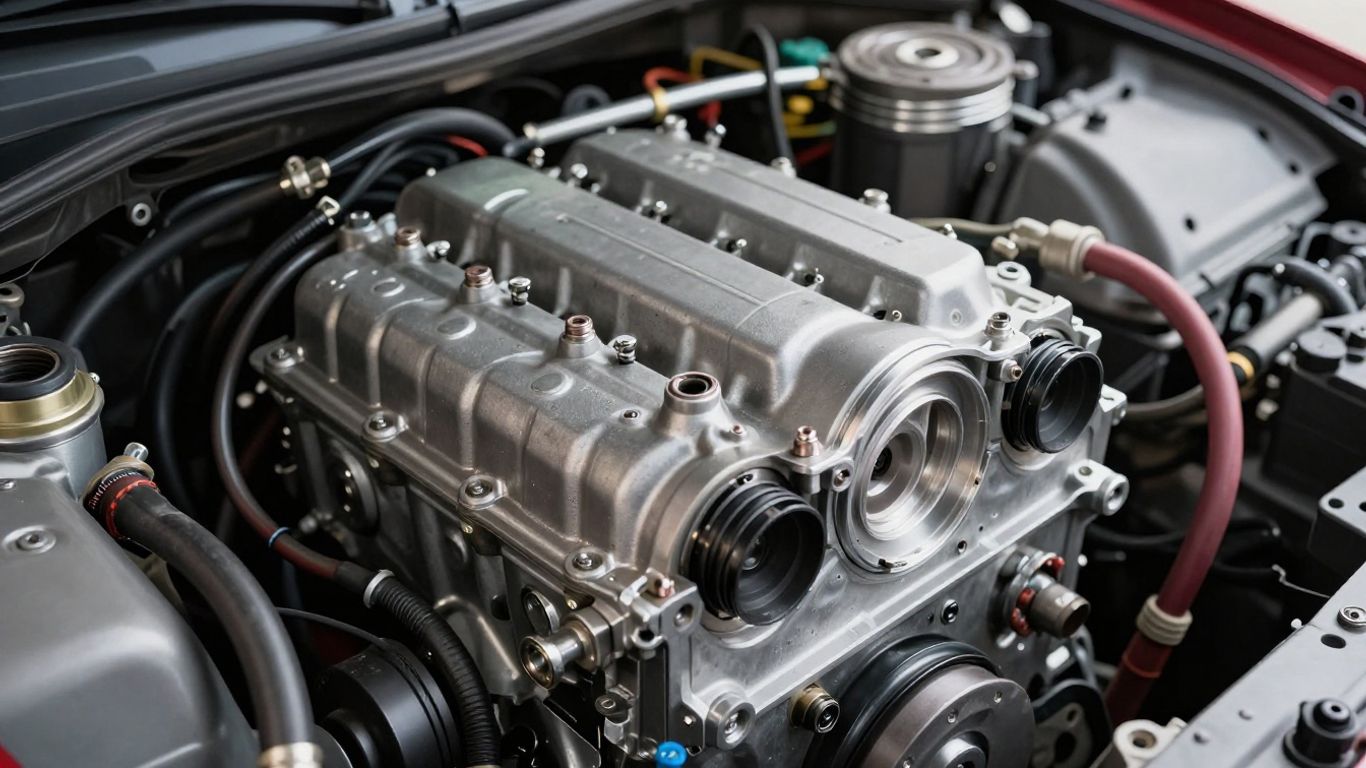
When I’m looking at a used engine, I always start with a game plan. It’s easy to get caught up in the excitement of maybe scoring a deal, but skipping the basics can leave you stuck with someone else’s headache. There are a few inspection steps I always follow before letting my wallet anywhere near the seller.
External Inspection For Damage And Leaks
A quick external check can tell you a lot about the engine’s real condition. Here’s what to look for:
- Walk around the engine and scan for cracked blocks or dented parts—this could mean the engine was in a collision or dropped.
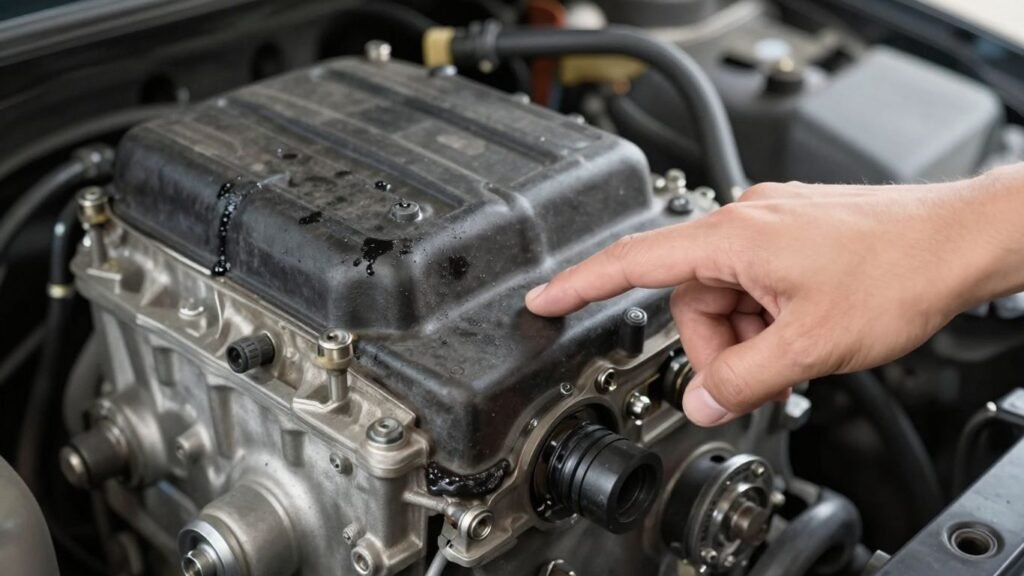
- Look for wet spots, especially around gaskets and seals. Fresh or old oil leaks may hint at bigger problems.
- Check the overall cleanliness: greasy buildup isn’t always a deal-breaker but could mean ongoing leaks.
For a more step-by-step approach, I’ve found that examining the engine after it’s cooled helps spot leaks that only show up once things settle, as explained in tips for used car engine inspection.
Checking For Rust and Corrosion
Rust is pretty common, but there are clear lines between surface rust and real trouble:
- Inspect the engine block, mounting points, and brackets for flaking rust or corrosion.
- Pay close attention to spots where metal meets gaskets or hoses—deep rust here could lead to leaks or weakening parts.
- A little rust on bolts is normal, but heavily corroded areas suggest the engine sat unused or was poorly stored.
Remember, heavy corrosion usually means neglect or exposure to water, which can turn a bargain engine into a money pit down the road.
Assessing Oil Condition and Engine Numbers
You don’t need to be a mechanic to check oil and verify the engine’s identity:
- Pull the dipstick: Healthy oil is clear-brown. Sludgy, metallic, or frothy oil points to internal problems.
- Open the oil cap: Look for milky gunk (coolant leaks) or heavy buildup (missed oil changes).
- Find and record the engine number. Make sure it matches the paperwork for that engine and the donor car. Sellers should always let you check these details.
Here’s a simple table of what oil color might mean:
| Oil Color | Possible Issue |
|---|---|
| Clear-brown | Normal/healthy |
| Black/sludgy | Old oil, poor maintenance |
| Milky/gray | Coolant in oil (head gasket?) |
| Metallic flecks | Worn bearings or internals |
Don’t skip these checks—they can save you from making a costly mistake. The more you know, the better your odds of picking an engine that actually lasts.
Performing Critical Engine Tests
So, you’ve found a promising tested second-hand engine. That’s great! But before you hand over your cash, you need to do a little more digging. Just because an engine is advertised as ‘tested’ doesn’t mean it’s perfect. We’re talking about doing some actual tests here, not just looking at it. It’s like checking the ingredients before you bake a cake – you want to know what you’re really getting.
Understanding Compression Test Results
A compression test is a pretty standard way to get a feel for an engine’s internal health. Basically, it measures how well each cylinder can hold air pressure. Most used engine places will do this and give you the numbers. But, and this is a big but, these tests aren’t always straightforward. Things like a weak battery, a dirty starter cable, or even how fast the engine is cranking can mess with the results. Also, remember that a cold engine will naturally show less compression than a warm one. When you get the readings, you want them to be pretty close to each other. A difference of more than 10% between cylinders is usually a sign that something’s up. For example, if one cylinder is at 155 psi and the next is at 170 psi, that’s a red flag. Ideally, you’re looking for numbers within a 5-10% range.
Don’t be fooled by engines that seem to have great compression numbers right away; sometimes, this can be due to carbon buildup on the piston tops, which gives a false reading.
The Importance of Leak-Down Testing
While compression tests give you a general idea, a leak-down test gives you a much clearer picture. This test actually measures how much air is leaking out of each cylinder and where it’s going. It’s way more detailed than a compression test. It can tell you if you’ve got issues with piston rings, cylinder walls, valves, or even a blown head gasket, all without taking the engine apart. You hook up compressed air to the cylinder, and then you listen and look for where that air is escaping. If you hear it hissing out of the exhaust, you might have a valve problem. If it’s coming out of the oil fill cap, it could be the rings. Hearing it from the radiator cap? That often points to a head gasket issue. It’s a bit more involved, but it’s worth it for peace of mind.
Avoiding Deceptive Testing Practices
Sadly, some folks will try to pull a fast one. One common trick is pouring thick oil or automatic transmission fluid into the cylinders before a compression test. This can temporarily seal up worn rings and make the compression numbers look much better than they really are. Always ask if the engine was tested dry. Another thing to watch out for is an engine that looks suspiciously clean, especially around the head bolts or head gasket seams. This could mean someone has recently pulled the heads off and maybe didn’t put them back together quite right. A quick look at the spark plugs can also tell you a story. If they look oily, burnt, or damaged, that’s a bad sign. You want to see plugs that look a nice tan or brown color. Anything else might mean trouble, like a blown head gasket or worn-out rings.
Always remember that a seller’s word is just that – their word. The tests don’t lie, but people sometimes do. It’s better to be a little skeptical and do your own checks or have a trusted mechanic do them for you. You’re spending good money, and you want to make sure you’re getting a solid engine, not someone else’s problem.
Here’s a quick rundown of what to look for:
- Compression Test: Aim for cylinder readings within 5-10% of each other.
- Leak-Down Test: Listen for air escaping from the exhaust, intake, or radiator.
- Spark Plug Inspection: Look for a tan/brown color; avoid oily or damaged plugs.
- Visual Check: Look for signs of recent disassembly or suspicious cleaning around the head.
Recognizing Red Flags When Purchasing Tested Second Hand Engines
So, you’re looking at a "tested" used engine. Sounds good, right? But hold on a sec. Not all "tested" engines are created equal, and some sellers might be trying to pull a fast one. It’s like buying a used car; you gotta be sharp. If something feels off, it probably is.
Unrealistic Pricing and Sales Tactics
First off, let’s talk price. If an engine is listed way, way below what you’re seeing everywhere else, that’s a big flashing light. It could mean the seller is desperate to offload a bad unit, or they’re just not being straight with you. Sometimes sellers use high-pressure tactics, pushing you to buy now before you can really think it through or compare. A good deal is one thing, but a suspiciously cheap deal? That’s a whole different story. Always get quotes from a few places, like Engine Finders, before you commit.
Seller Evasiveness and Lack of Documentation
When you ask questions, pay attention to how the seller answers. Are they direct and honest, or do they get cagey and vague? If you ask about the engine’s mileage, its service history, or why the donor vehicle was scrapped, and you get a shrug or a mumbled "I don’t know," that’s not a good sign. Documentation is your friend here. A reputable seller will have records, or at least be able to provide details about the engine’s past. If they can’t or won’t, it’s a major red flag. You want to know the engine’s story, not just a made-up tale.
Identifying Patched-Up Engines
Sometimes, an engine might look okay on the outside, but it’s hiding problems. Look for signs of quick fixes or shoddy repairs. Are there fresh paint jobs covering up cracks or leaks? Is the engine unusually clean, like someone just sprayed it down to hide oil residue? Check around seals and gaskets for any signs of recent, messy sealant application. Also, be wary of engines that are missing components or have obviously mismatched parts. It’s like looking at a car that’s been in a fender bender and poorly repaired – you can often spot the tells if you look closely.
Buying a used engine is always a bit of a gamble, but you can significantly reduce the risk by being observant. Don’t let a seller rush you or talk you into something you’re not comfortable with. Your gut feeling is often right, especially when it comes to big purchases like an engine. Remember, a little caution now can save you a lot of headaches and money later.
Here are some things to watch out for:
- Suspiciously low prices: Significantly cheaper than market value.
- Vague answers: Seller avoids direct questions about history or testing.
- Missing paperwork: No service records, VIN, or mileage verification.
- Refusal to allow inspection: Seller won’t let you or a mechanic look it over.
- Signs of poor repair: Fresh paint over leaks, excessive sealant, mismatched parts.
If you’re buying from a salvage yard, it’s even more important to be cautious, as these engines are often sold "as-is" unless specifically tested. Understanding the risks involved with wrecking yard engines is key to avoiding a bad purchase.
Securing Your Investment In Tested Second Hand Engines
So, you’ve done your homework, asked all the right questions, and inspected that used engine like a hawk. Now comes the part where you actually make the purchase and make sure your money is well-spent. It’s not just about handing over cash; it’s about protecting yourself and making sure you get a reliable piece of machinery.
Understanding Warranty Coverage Details
This is a big one. A warranty is your safety net. Don’t just take a seller’s word for it; get everything in writing. What exactly does the warranty cover? Is it just the engine block, or does it include parts like the turbocharger or fuel injectors? And critically, does it cover labor costs if something goes wrong after installation? Some warranties are super short, like 30 days, while others might stretch to 90 days or even longer, especially if you’re looking at a reconditioned engine. Always check the fine print to know what you’re getting into.
Ensuring Safe Payment and Transaction Methods
Paying for a used engine is a significant financial step. You want to make sure the transaction is secure. Avoid sellers who insist on cash-only deals. It’s much safer to use payment methods that offer some kind of protection or traceability. Think credit cards, PayPal, or even a bank transfer. Whatever method you choose, always ask for a detailed receipt. This receipt should list the engine’s details, the price you paid, and any warranty terms agreed upon. This documentation is super important if any issues pop up later.
The Importance of Professional Installation
Even the best-tested used engine can fail if it’s installed incorrectly. Many warranties actually require proof of professional installation to be valid. Hiring a qualified mechanic is usually a smart move. They know what they’re doing and can spot potential problems during the installation process. Plus, they’ll make sure to replace all the necessary supporting parts like belts, gaskets, and sensors, and fill everything up with fresh fluids and filters. It’s an extra cost, sure, but it can save you a massive headache and potential future repair bills. It’s a key step in making sure your used engine performs reliably for years to come.
Conclusion
Buying a used engine can be a smart way to save money and keep your car running. But, it’s not something to jump into without doing your homework. By following a checklist, asking the right questions, and working with sellers you trust, you can avoid common mistakes and find a good engine. Whether you go for a standard used engine or a rebuilt one, always compare your choices and get quotes before you buy. This way, you’ll make a smart purchase that helps your car last longer.
Frequently Asked Questions
What’s the difference between buying from a private seller and a company?
Private sellers might offer lower prices, but companies that specialize in engines often test them more thoroughly and might offer a warranty. It’s like buying from a friend versus buying from a store – the store usually has more guarantees.
How can I tell if a used engine has been tested?
A good seller will tell you if the engine has been tested and can show you the results. They might have paperwork or be able to explain the test results, like compression numbers. If they can’t or won’t say, that’s a warning sign.
What does a compression test tell me?
A compression test checks how well each cylinder in the engine can hold air pressure. If the numbers are similar for all cylinders, it usually means the engine is in good shape. Big differences between cylinders can mean there’s a problem.
Are salvage yards a good place to buy engines?
Salvage yards can be good for finding cheaper engines, especially for older cars. However, you need to be extra careful. Make sure the engine has been tested and ask about any warranty they might offer. Sometimes, engines from salvage yards haven’t been tested at all.
What should I look out for when inspecting an engine myself?
Look for any obvious damage, like cracks in the metal. Check for leaks – are there oil or coolant spots? Also, look at the oil if you can; it shouldn’t look like thick mud or have metal bits in it. A clean engine is usually better than a really dirty one.
Why is a warranty so important for a used engine?
A warranty is like insurance. If the engine you buy doesn’t work correctly soon after you get it, the warranty can help you get it fixed or replaced without costing you more money. Always get the warranty details in writing.