Key Takeaways
Finding the right powertrain for your project car requires careful planning, inspection, and sourcing. These five steps ensure better results when searching for a replacement motor:
- Prioritize documented maintenance history over low mileage alone.
- Use a borescope to inspect internal cylinder wall conditions.
- Verify engine compatibility with your vehicle chassis before purchase.
- Perform a compression test to check for internal wear.
- Research the reputation of suppliers like salvage yards or crate engine builders.
Types of 4 cylinder engine configurations
Engine layout significantly impacts how your vehicle handles and performs on the road or track. Choosing the right design depends on your desired power output and the space available in your engine bay.
Inline-4 architecture explained
The inline-4 is perhaps the most common design because of its simplicity and compact nature. In this configuration, all four cylinders sit in a single row or line, which makes maintenance relatively straightforward for new builders. It remains a popular choice for projects requiring lightweight operation.
Defining flat-4 or boxer engine characteristics
A flat-4, often called a boxer engine, features cylinders arranged horizontally in two banks of two on either side of the crankshaft. This layout lowers the center of gravity, improving vehicle stability during cornering. It is distinct because the pistons move toward each other, balancing vibrations naturally without needing complex counterweights.
Direct versus port injection fuel systems
Fuel delivery systems determine how cleanly and efficiently your engine burns gasoline. Port injection sprays fuel into the intake manifold before the intake valve opens, which helps keep the valves clean over time. Conversely, direct injection shoots fuel straight into the combustion chamber, allowing for higher compression ratios and better thermal efficiency at the cost of potential carbon buildup.
Comparing turbocharged and naturally aspirated options
Naturally aspirated engines rely on atmospheric pressure to draw air into the cylinders, providing a linear and predictable power delivery. Turbocharged engines, however, force extra air into the chambers using exhaust gases, yielding significantly more horsepower from the same displacement. Drivers seeking 10 best 4-cylinder engines often weigh the complexity of turbo systems against the reliability of simpler aspirated designs.
Where to source quality 4 cylinder engines
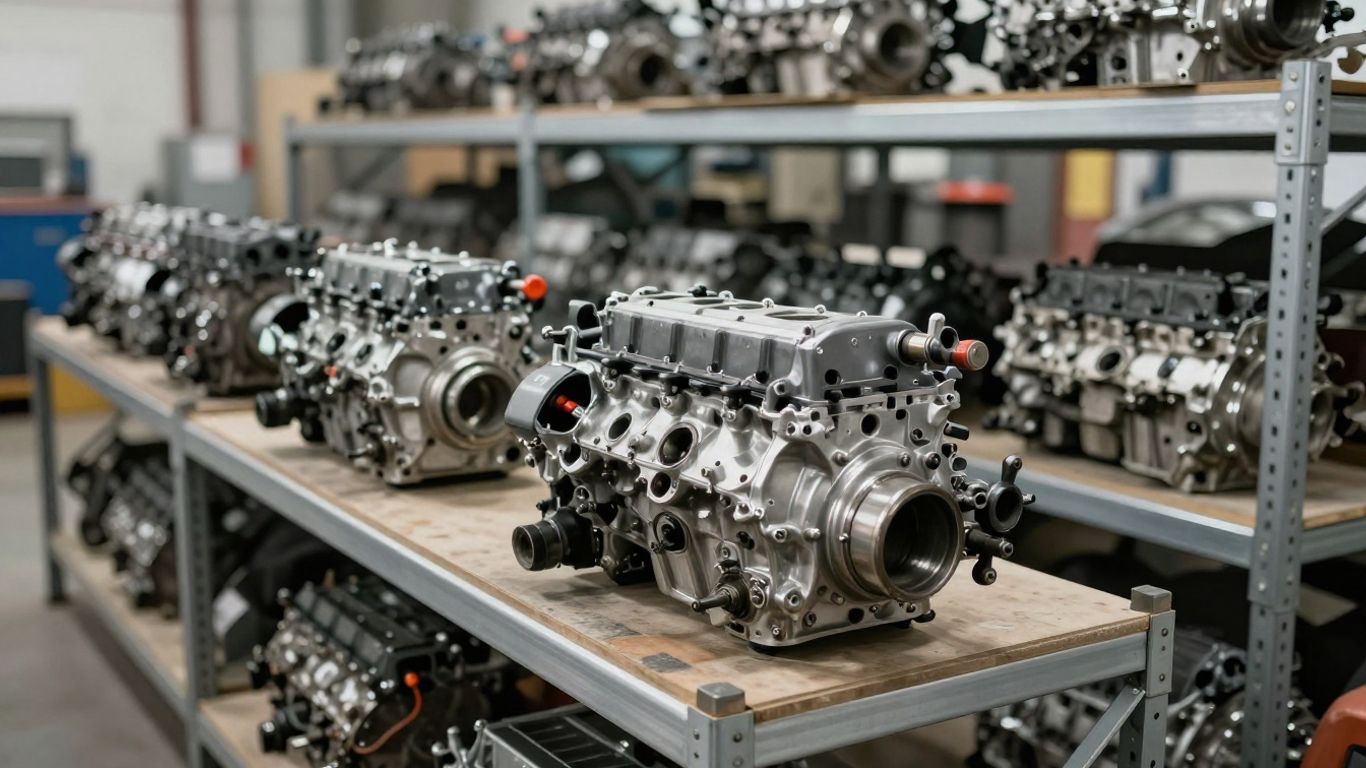
Sourcing an engine requires diligence to ensure you receive a functional unit rather than a paperweight. You must decide whether you want a salvaged piece, a factory-fresh crate engine, or a professional rebuild.
Buying from reputable salvage yards
Salvage yards are great for budget-conscious builders looking to reuse components from totaled vehicles. You can often find complete assemblies, but you must be prepared to handle the removal and transport. Always inspect the donor vehicle for heavy frontal damage, as this might suggest the engine took a direct impact.
Evaluating custom crate engine manufacturers
For those who want reliability right out of the box, ordering a new assembly is the best approach. BluePrint Engines offers comprehensive options designed for various goals, ranging from daily driving to intense track use. Similarly, you can discover high-performance complete engines from 4 Piston Racing that are engineered with precision for maximum power output. If your build needs something specialized, Mountune USA provides racing crate engines that undergo rigorous testing to meet strict motorsport tolerances.
Benefits of choosing professionally rebuilt engine blocks
Rebuilt blocks provide a middle ground between new crate engines and scavenged junker motors. Professional builders take existing cores, machine the surfaces to factory specifications, and replace all wear components like bearings and seals. This process ensures the engine performs like new while utilizing a recycled base. Some builders also offer warranty coverage on these units, which is a major benefit for those without deep engine-building experience.
Navigating online automotive marketplaces safely
Online marketplaces allow you to search through vast inventories, but they also expose you to potential fraud. It is essential to look for sellers with consistent, positive reviews and clear photos of the engine block date codes. Never finalize a transaction without verifying the seller’s identity and confirming the shipping process includes insurance.
Factors to consider before purchasing
Before spending your money, you must align the engine’s specifications with your project goals. A mismatched engine can lead to months of frustration and blown budgets.
Understanding engine mileage and maintenance history
Mileage is often cited first, yet it is a poor indicator of true engine life. An engine with 150,000 miles that received timely synthetic oil changes will likely outlast a 50,000-mile engine that was neglected or abused. Always request service logs to confirm the previous owner followed the manufacturer’s suggested interval for fluid flushes.
Checking compatibility with your vehicle chassis
Physical fitment is just as critical as power output. You must account for mounting points, transmission bolt patterns, and external clearance for peripherals like the alternator, power steering pump, and air conditioning compressor. Use technical manuals to compare dimensions of the donor engine with your specific engine bay measurements.
Verifying stock horsepower and torque ratings
Every engine comes with a factory torque curve that tells you where it produces the most usable power. Comparing these statistics helps you choose an engine that meets your performance needs without forcing you to modify internal components unnecessarily. The following table provides a quick reference for common power delivery characteristics:
| Engine Type | Power Character | Typical Use Case |
|---|---|---|
| High-Revving NA | Peak HP at high RPM | Track/Club Racing |
| Turbocharged | Mid-range torque | Street Performance |
| Low-Displacement | High fuel efficiency | Daily commuting |
Selecting the right engine for the wrong application is a common pitfall that often leads to disappointment. If you plan to haul heavy loads or prioritize efficiency, your metric for "best" will shift drastically compared to a recreational drag racer.
Assessing the importance of included accessories
When you purchase a complete assembly, check what parts come with the block. Buying an engine "long block" usually means it lacks the intake, exhaust, sensors, and wiring, while a "drop-in" setup includes everything needed to run. Comparing the total cost including needed accessories often makes a more expensive drop-in engine cheaper overall.
Inspecting an engine before purchase
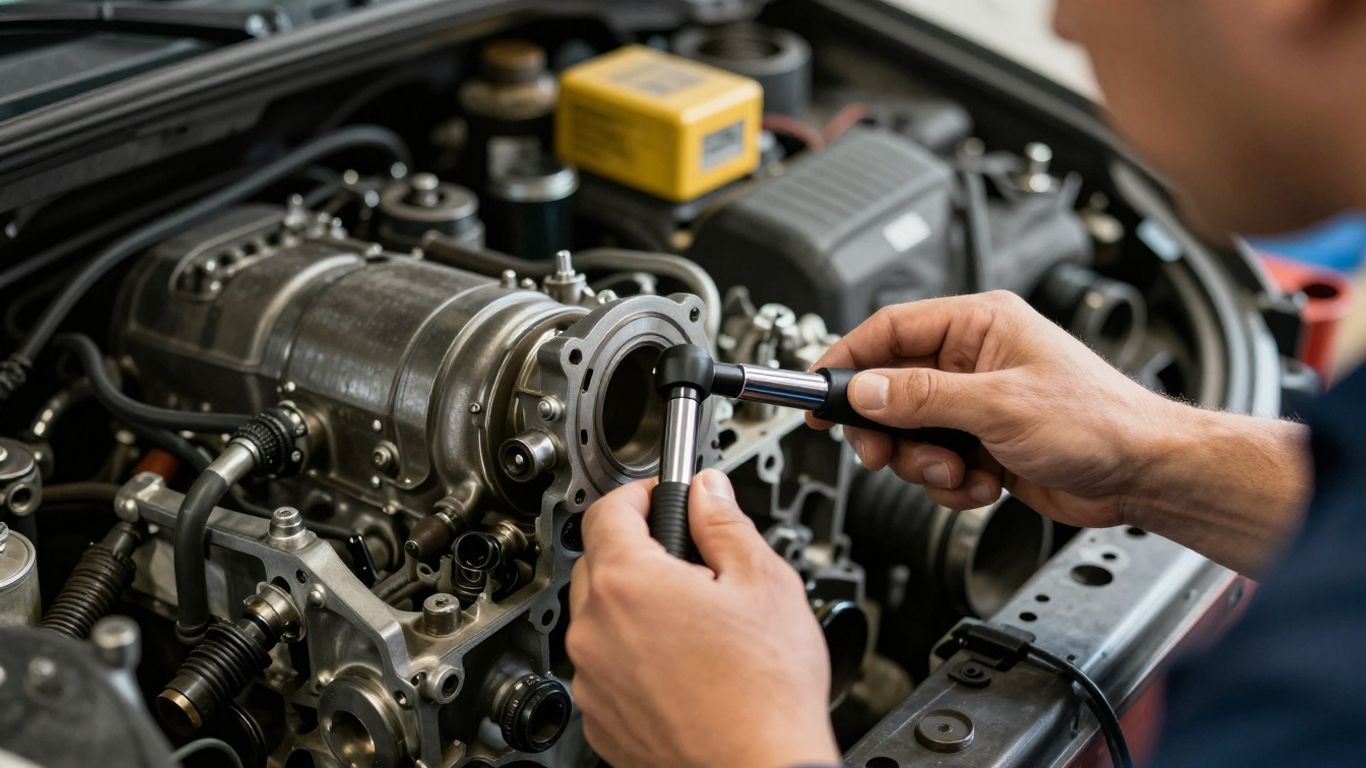
Thorough hands-on inspection is the only way to minimize the risks associated with buying used parts. If a seller refuses a pre-purchase inspection, walk away immediately.
Identifying signs of internal coolant leaks
Coolant contamination is a major red flag for engine longevity. You should check the underside of the oil cap for milky, white residue, which usually signifies a blown head gasket or cracked block. It is also wise to smell the oil for a sweet, syrup-like scent that indicates coolant is mixing into the lubrication system.
Evaluating piston and cylinder wall health via borescope
A small, inexpensive borescope can save you thousands by revealing the condition inside the cylinders without tear-down. Look for significant scoring, deep gouges, or excessive carbon buildup on the piston crowns. This simple tool provides the most accurate view of how the engine was treated throughout its operating life.
Testing compression and leak-down stability
Compression tests measure the engine’s ability to hold air under pressure in each cylinder. A leaking valve, worn piston ring, or gasket failure will cause a noticeable drop in pressure compared to the other cylinders. Following this with a leak-down test will pinpoint exactly where the air is escaping, helping you decide if the engine is worth the repair.
Checking the condition of wiring harnesses and connectors
Electrical gremlins are incredibly difficult to diagnose after the engine is mounted. Inspect connectors for corrosion, heat damage, or brittle insulation that flakes away when touched. A clean, intact harness can represent a massive labor savings during the integration phase of your build.
Common modifications for performance builds
Once you have a healthy base, modest improvements can unlock untapped potential. Performance building is an iterative process that relies on careful component selection.
Improving airflow with high-performance intakes
Engine performance is primarily an exercise in air movement. High-performance intakes provide a shorter, less restrictive path for air to reach the throttle body, which improves throttle response at higher RPM ranges. Combined with this,
Engine tuning is always a balancing act between power, reliability, and fuel consumption that requires deep research before making changes.
Carefully choosing your intake setup allows the motor to breathe deeper. You should also ensure the rest of the intake tract is properly sealed against dirt and hot air to protect the internal components.
Upgrading internal rotating assemblies
High-RPM builds often benefit from lightweight, forged internals that offer better strength and balance than stock cast pieces. Upgrading the connecting rods and pistons will allow you to run higher boost pressures safely. This is the foundation of any build intended for serious competition or high-horsepower street driving.
Tuning engine control units for power gains
Modern engines are managed by sophisticated software that controls air-fuel ratios and ignition timing. Adjusting these parameters via specialized hardware or reflashes allows you to maximize power while maintaining safe operating parameters. Professional tuning is highly recommended to avoid catastrophic failure under load.
Choosing the right exhaust manifold and piping
Exhaust flow is equally important to intake efficiency. A properly designed manifold and header system scavenges exhaust gases rapidly, reducing backpressure and heat. Consider these points when upgrading exhaust components:
- Pipe diameter should match your target power output level.
- Mandrel-bent piping minimizes air turbulence versus crush-bent versions.
- High-flow catalytic converters meet emissions while reducing flow resistance.
- Ensure all welded junctions are smooth internally to optimize velocity.
Choosing the correct diameter ensures your engine maintains torque at low speeds while breathing freely at max RPM. The flow dynamics here are critical to final performance numbers.
Understanding warranty options for used engines
Warranty coverage is rarely guaranteed with used engines, but it serves as a sign of seller confidence. Always review the contract terms before making a commitment.
Distinguishing between parts-only and labor warranties
Most second-hand engine warranties are limited to parts-only, meaning if the unit fails, the seller provides a replacement block but not the money to install it. Labor warranties are rarer and often require proof of professional installation by a certified shop. Understanding which type you have is essential for budgeting your total project risk.
Documenting professional installation requirements
Some manufacturers and scrapyards void warranties unless the engine is installed by a licensed technician. Keep all receipts and invoices from your mechanic, as these serve as your primary evidence if you ever need to file a claim. If you perform a self-installation, be aware that you may forfeit most standard consumer protections.
Recognizing common exclusions in used engine contracts
Most contracts expressly exclude damage caused by overheating, low oil pressure, or improper break-in procedures. Additionally, many vendors will not cover the engine if it is modified or raced prior to a test period. Read the fine print to know what behaviors might void your coverage immediately.
Tips for organizing purchase and maintenance records
Maintain a digital folder or binder containing every transaction detail and document related to your engine. Include the bill of sale, all receipts for new gaskets or fluids used during install, and dates of your initial test runs. Organized records demonstrate responsible ownership and simplify any necessary communication with the seller.
Conclusion
Securing a reliable engine is the most significant step toward successful automotive project builds. By focusing on detailed inspections, choosing reputable suppliers, and understanding your specific performance needs, you avoid common pitfalls that hinder many enthusiasts. With the right foundation and proper maintenance, your engine will provide dependable power for years to come.
Frequently Asked Questions
What are the main signs of a bad cylinder head gasket?
Major signs include persistent overheating, white thick smoke from the exhaust, and bubbles forming in the radiator while the engine runs due to exhaust gases entering the coolant.
Can I swap a different engine type into my vehicle chassis?
Yes, engine swaps are a popular method to gain performance, though they usually require custom fabrication of motor mounts, updated wiring, and modifications to the transmission and cooling systems.
How often should I change my oil in a modified engine?
Modified engines typically operate at higher temperatures and pressures, so reducing the interval to every 3,000 miles is standard practice for most high-performance builders.
What do I do if an engine I bought exhibits low compression in one cylinder?
Perform a leak-down test to determine if the pressure loss is through the intake, exhaust, or rings; if the issue is internal damage, you should consider contacting the seller for a replacement or a return.
Are high-mileage engines always bad for performance builds?
Not necessarily, as many high-mileage blocks are still structurally sound; however, they require a full inspection of bearings, rings, and seals to ensure reliability before you add additional power.
Is it safe to drive with the check engine light on after an engine swap?
It is generally not safe, as the light often indicates an improperly connected sensor or improper fueling that could lead to engine damage if ignored.
How do I know if an intake modification requires a tune?
Any modification that significantly changes the airflow through the engine, such as a cold air intake, requires an updated software tune to prevent the engine from running too lean or too rich.