
Key Takeaways
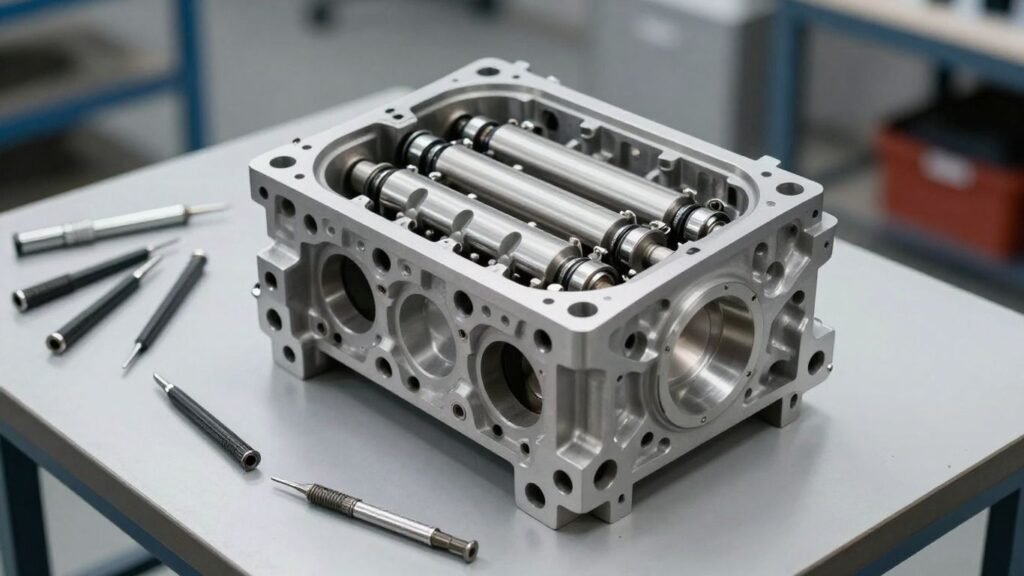
Selecting proper components for an engine requires deep technical foresight. Bare cylinder heads provide a foundation for custom high-performance builds, offering specific advantages over off-the-shelf alternatives when configured correctly.
- Precise component matching determines overall cylinder efficiency.
- Material choice directly impacts thermal dissipation and durability.
- Inspection and machining are non-negotiable for lasting seals.
- Proper valve train geometry prevents premature component failure.
- System compatibility requires integration testing for every build.
Understanding bare cylinder heads versus complete assemblies
Pros and cons of buying bare versus assembled
Choosing bare heads allows engine builders to curate high-end valvetrain parts, ensuring every piece matches the strict tolerances required for extreme heat and pressure. While assembled units offer a convenient, bolt-on solution with guaranteed compatibility out of the box, they often prioritize broader, general-purpose applications over specialized race performance. A custom build centered on bare cylinder heads often yields superior throttle response once the components are perfectly matched to the specific cams and intake profiles.
Identifying the target use case for custom engine builds
Every performance engine build hinges on identifying the primary usage scenario, whether track-only competition or aggressive street driving. Builders who rely on high-quality components from Enginetech often find that starting with a blank canvas gives them more control over compression and flow benchmarks. Proper planning accounts for fuel type, intended peak RPM, and cooling capacity before ordering a single part.
When to choose custom component matching over complete heads
When your power goals exceed standardized catalog specs, choosing custom component matching acts as a vital architectural strategy. Builders often look for modern housing construction parallels, where customizing each layer leads to a more robust final structure, rather than relying on one-size-fits-all kits. This approach is beneficial when upgrading to high-lift cams or custom rocker arrangements that require specific valve spring heights that pre-assembled kits simply cannot provide.
Essential material and design considerations
Aluminum versus cast iron metallurgy for thermal management
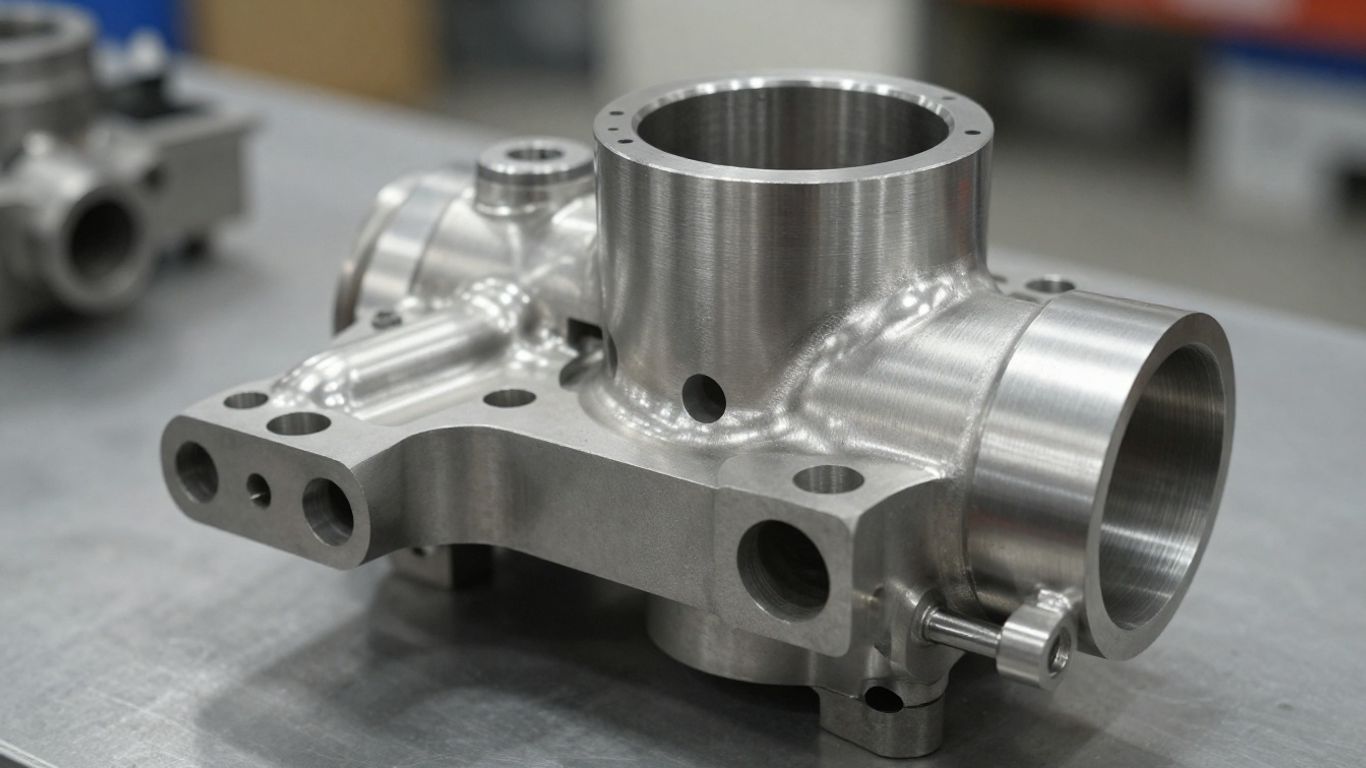
Aluminum serves as the standard for thermal efficiency in high-output engines, providing rapid heat dissipation compared to traditional cast iron. This weight reduction assists in front-end vehicle balance, though it requires careful management of fastener torque. For extreme durability in forced induction applications, some builders still prefer the density of iron, despite its added thermal mass.
Analyzing port design and flow characteristics for your power goals
Port design governs the velocity and volume of the intake charge entering the cylinder, which remains the single most important factor for maximizing horsepower. Many engineers rely on Speedmaster cylinder heads to achieve targeted flow values, as their proprietary port shapes are optimized for high-velocity air delivery at high RPM. A clean, smooth surface finish inside the runner prevents turbulence, ensuring consistent flow across the entire operating range.
Valve angle and combustion chamber volume impact on compression
The geometry of the valve angle dictates how efficiently the combustion gases swirl, directly affecting how much power you can extract from the chamber. Adjusting chamber volume is the primary method for dialing in static compression ratios, which must be carefully balanced with your fuel delivery and tuning strategy. We see a significant shift in performance once the setup moves toward highly efficient combustion chamber designs during the development phase.
Necessary components for a complete build
Valve train geometry and spring selection requirements
Proper valve train geometry ensures that the rocker arm maintains an ideal sweep across the valve tip, minimizing side-loading on the guides. Selecting the correct spring rate is a delicate balance between controlling the valve at high RPM and avoiding unnecessary friction that can compromise the camshaft life.
Determining valve sizes and material needs
Maximizing the throat area requires careful selection of valve size to avoid shrouding, which can choke air flow if the valve is too close to the combustion wall. Many professional engine shops recommend Air Flow Research components because the quality control on their seat angles and valve finishes exceeds typical factory specifications.
Selecting retainers, locks, and stem seals for high-RPM operation
For high-RPM stability, titanium retainers offer the best mass-reduction benefits, keeping valvetrain components lightweight to prevent floating. The selection of valve seals and locks must also match the engine operating environment, particularly when dealing with the high heat levels observed in turbocharged or supercharged setups. A common list of internal valve gear components includes:
- Hardened steel intake valves
- Inconel exhaust valves
- Titanium intake and exhaust retainers
- Chrome-moly valve locks
- Viton high-temperature stem seals
Careful installation of these small parts is as critical as the machining of the head casting itself.
Machining and preparation steps
Checking for deck flatness and proper surface finish
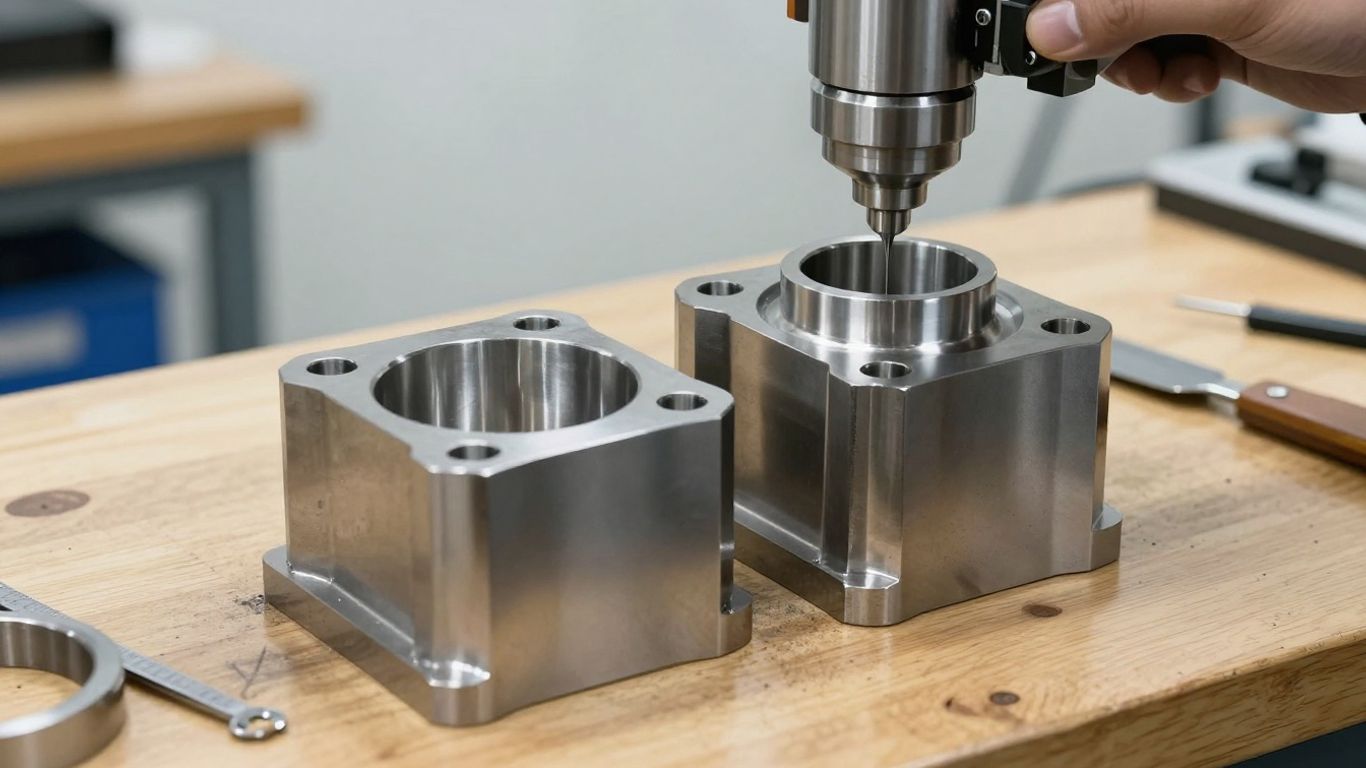
Before final assembly begins, the deck surface of the cylinder head must be checked for absolute flatness to ensure a perfect seal against the head gasket. Even slight anomalies, acting like non-surgical calcification solutions, can create long-term structural failures if not properly addressed through precision resurfacing.
Valve seat machining and multi-angle grind requirements
A multi-angle valve seat grind is essential for maximizing airflow efficiency, creating a streamlined transition from the port into the chamber. This process optimizes the valve seating velocity and ensures a vacuum-tight seal throughout the power stroke. To understand the impact of these machining steps, consider the following performance metrics observed during baseline tests:
| Process Step | Importance Rating | Resulting Gain |
|---|---|---|
| Deck Resurfacing | Critical | Superior Seal |
| 3-Angle Valve Grind | High | Improved Flow |
| Port Matching | Moderate | Throttle Response |
These metrics illustrate how meticulous machine shop work translates into better performance at the track.
Cleaning and deburring cooling passages for longevity
Casting flash inside water jackets can restrict coolant flow and create localized hot spots, which leads to premature head gasket failure. Thoroughly cleaning and smoothing these passages ensures an even thermal load across the cylinder head, extending the life of the entire engine block.
Assembly techniques and best practices
Installing valves and ensuring tight seal performance
Valve installation requires specialized tools to prevent damage to the delicate valve stem seals, which must be seated squarely against the guide. A light coat of lubrication is necessary during assembly to help the valve ride smoothly and to protect the guides from scoring upon initial start.
Precise measurement of valve spring installed height
Installed height is the distance from the seat to the retainer at rest, and checking this for every individual spring is the only way to ensure uniform valve pressure. Using a micrometer during this stage prevents the error-prone guesswork that often leads to inconsistent power output across different cylinders.
Verifying proper component clearance during final assembly
Final assembly involves checking for component interference at full lift, ensuring that retainers do not bottom out against the seals and rockers move freely. Builders also look for secure fastening methods similar to those used when installing a mortise lock to verify that the valvetrain architecture remains stable under extreme vibration.
Compatibility and engine integration factors
Matching cylinder heads to specific camshaft profiles
Your cylinder head’s flow capacity must align with the lift and duration of the cam, or the engine will fail to realize its potential. When the camshaft holds the valves open for longer durations, the intake ports must have the capacity to keep up with the increased displacement demands of the cylinder at high speeds.
Checking critical piston-to-valve clearance metrics
Measuring piston-to-valve clearance using modeling clay or specialized gauges is required whenever changing head thickness or cam timing. Even a minor oversight here can result in catastrophic engine damage, making this check the most important step in the entire assembly protocol.
Ensuring intake manifold and header port alignment
Misalignment between the head port and the intake or header flange creates turbulence that hampers flow and induces reversion. Confirming proper gasket alignment and port matching at the interface points allows the head to operate as part of a seamless intake and exhaust system.
Conclusion
Assembling high-performance bare cylinder heads requires patience, strict attention to component tolerances, and an unwavering commitment to testing and verification. By controlling every variable from the valve seat grind to the final spring installed height, you ensure that the engine achieves its theoretical peak performance. While the process is time-intensive, building your own valvetrain provides a level of satisfaction that is unattainable with off-the-shelf components.
Frequently Asked Questions
What are the main benefits of aluminum over cast iron?
Aluminum is preferred for its superior heat dissipation and weight reduction, allowing engines to run cooler and maintain better balance compared to the heavier, denser traditional cast iron options.
Do I need special tools to assemble bare cylinder heads?
Yes, assembling these components requires specific valve spring compressors, height micrometers, and seal installation pilots to ensure that everything is positioned and measured with extreme precision.
How long should I expect the assembly process to take?
Assembly time depends on your experience level and the amount of preparation work required, but a careful, professional assembly often takes several days to ensure every clearance and contact point is correct.
What happens if the deck surface is not perfectly flat?
Any unevenness on the deck surface complicates the sealing process, increasing the likelihood of head gasket failure, coolant leaks, or compression loss under high cylinder pressures.
Is a multi-angle valve job always necessary?
While not strictly mandatory for mild builds, a multi-angle valve seat provides significant improvements to air flow characteristics and sealing consistency, making it a standard practice for performance-oriented engines.
Can I mix and match different valve train brands?
Technically yes, but it is discouraged because mixing brands may lead to inconsistent tolerances, geometry mismatches, and difficulty in finding replacement parts that share the exact required specifications.
What is the most critical measurement during final assembly?
Piston-to-valve clearance is the most critical check, as insufficient clearance can cause the valves to strike the piston heads, leading to immediate and severe mechanical failure.