Key Takeaways
Buying parts for engine builds requires careful planning and deep technical knowledge of metallurgy and compatibility. These five points highlight the critical path to success for your next engine project.
- Always prioritize the structural integrity of the casting over cosmetic condition or price.
- Thoroughly inspect cylinder walls and deck surfaces before committing to any machine shop work.
- Verify all factory casting numbers to ensure consistent performance results for the intended application.
- Consult professional databases or enthusiast records to match block compatibility across multiple manufacturing generations.
- Assess the total project cost by factoring in potential salvage acquisition versus total restoration expenses.
Understanding the importance of engine block integrity
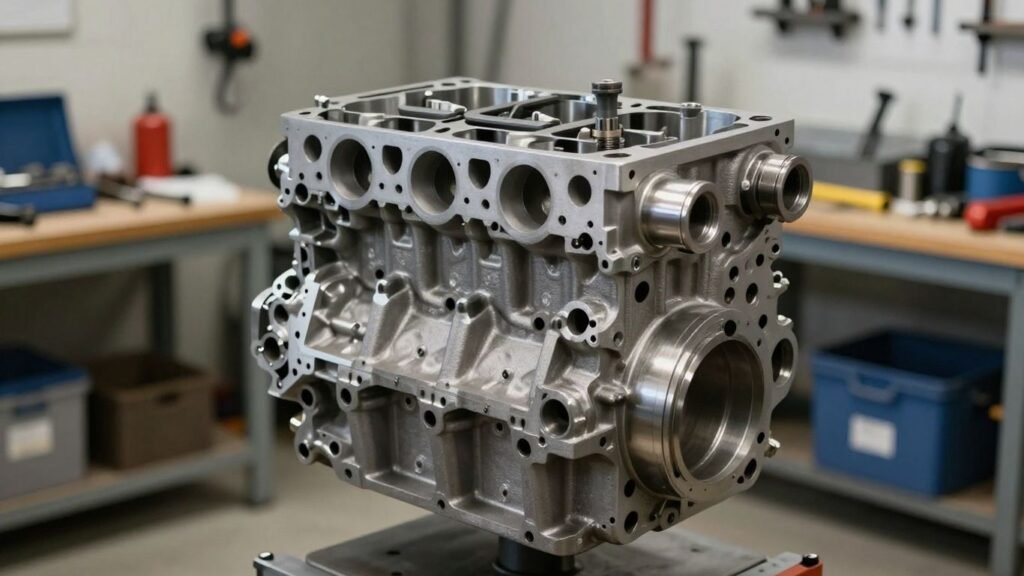
The engine block serves as the massive, load-bearing backbone of the entire internal combustion system. It must withstand intense thermal expansion and mechanical pressure while housing delicate internal components like the rotating assembly. Selecting the right foundation dictates the longevity and reliability of your build, making it the most important component to verify at the very start of your project.
The role of the block in overall engine performance
The engine block functions as a complex housing unit that manages coolant flow, oil pressure, and combustion containment. Its ability to maintain rigid geometry during high-load operations ensures that internal tolerances remain stable throughout the operating cycle.
Identifying factory casting numbers and build stamps
Every block carries unique identifiers that reveal its factory genealogy and metallurgical composition. These details help builders understand the metallurgical limits and original engineering specifications intended by the manufacturer.
Distinguishing between bare blocks and short block assemblies
Choosing between building from a foundation to a complete unit defines your budget and technical requirements. Builders should consider the Scoggin Dickey Parts Center when looking for high-quality bare blocks that provide a clean, reliable, and solid starting point for custom performance builds.
Where to source reliable used engine blocks
Securing a quality piece of hardware often involves scouring various mechanical inventories to find parts that haven’t been subjected to excessive stress or neglect. Finding a donor often requires balancing local logistics with the reputation of the seller.
Benefits of purchasing from specialized automotive salvage yards
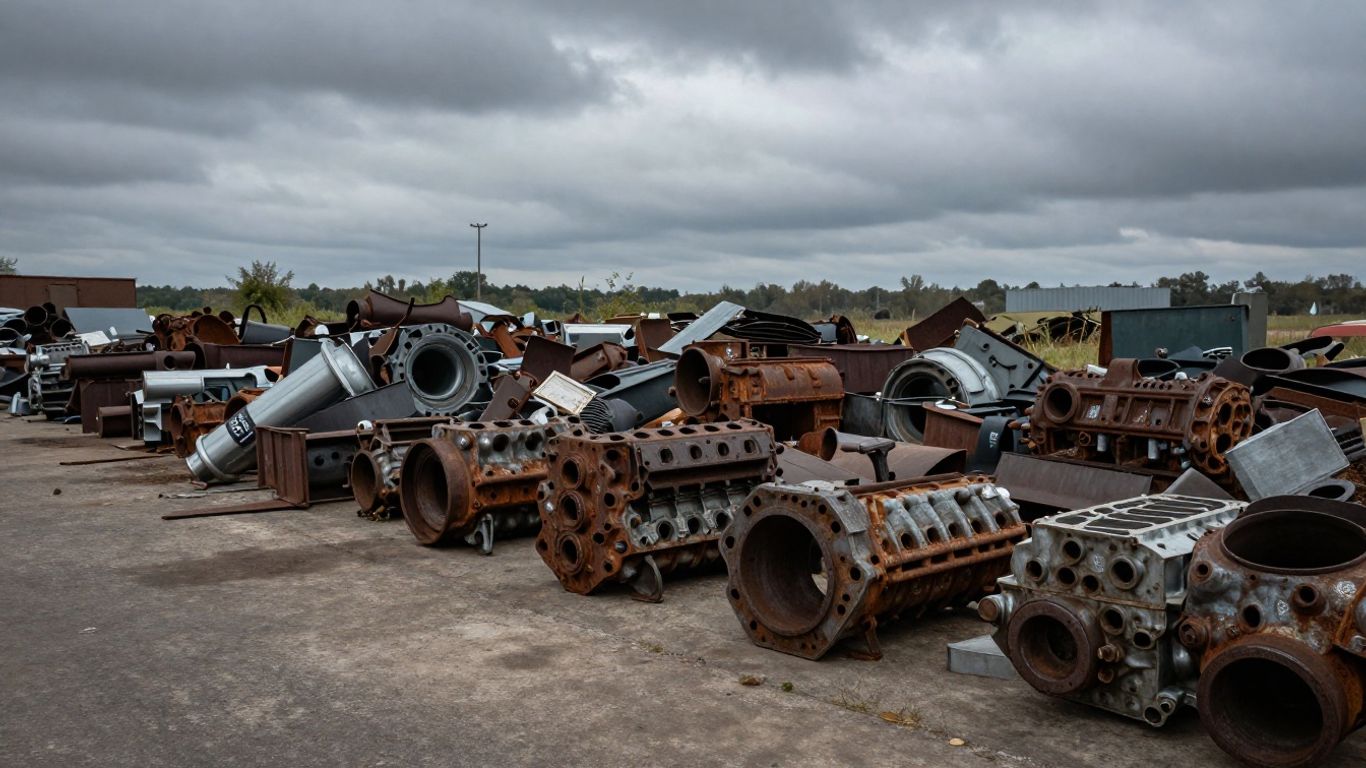
Salvage yards allow for physical inspection before payment, which is often crucial for identifying long-term storage damage. For those seeking niche parts, Walt’s Tractor Parts offers a selection of specific engine blocks for agricultural applications that are vetted for fundamental baseline compatibility.
Finding reputable online marketplaces and enthusiast communities
Online platforms provide broader geographic reach, connecting builders with specific hard-to-find casting numbers. You can often find a wide variety of RacingJunk listings that facilitate the search for units in varying states of assembly to accommodate diverse build requirements.
Evaluating the risks of purchasing from private party sellers
Private transactions carry inherent volatility, as personal history records regarding the part are rarely documented. Buyers should be extremely wary of components with unknown usage cycles or those stored in environments prone to corrosion.
Essential inspection steps before you buy
Visual assessment is only the first step in determining whether a block is salvageable or destined for the scrapyard. A structured approach to appraisal helps avoid expensive mistakes that become apparent only after machining has begun.
Checking for structural cracks that are invisible to the naked eye
Cracks in high-stress areas like the main bearing webs or cylinder skirts can remain hidden beneath grime or surface oxidation. Utilizing penetrating dyes or dry-particle testing helps reveal structural failure points that typically lead to catastrophic engine failure under load.
Verifying cylinder wall condition and maximum bore limits
Excessive material removal from previous overbores can leave cylinder walls dangerously thin and prone to splitting. Careful measurement of the bore diameter and ultrasonic testing for wall thickness are essential steps for any builder expecting modern performance levels.
Observing physical signs of previous overheating or metallurgical trauma
Discoloration or warped mating surfaces often provide clues about the life an engine lived before being pulled from service. Hardened deposits, cracked bolt holes, or evidence of excessive torch heating indicate that the casting may have lost its temper or heat treatment.
Decoding engine block codes and specifications
Manufacturing codes tell the story of a block’s intended use, date of origin, and engineering revision level. Accurate documentation ensures that the block behaves as expected when integrated into a modern vehicle system.
Reading manufacture date codes for historical or project accuracy
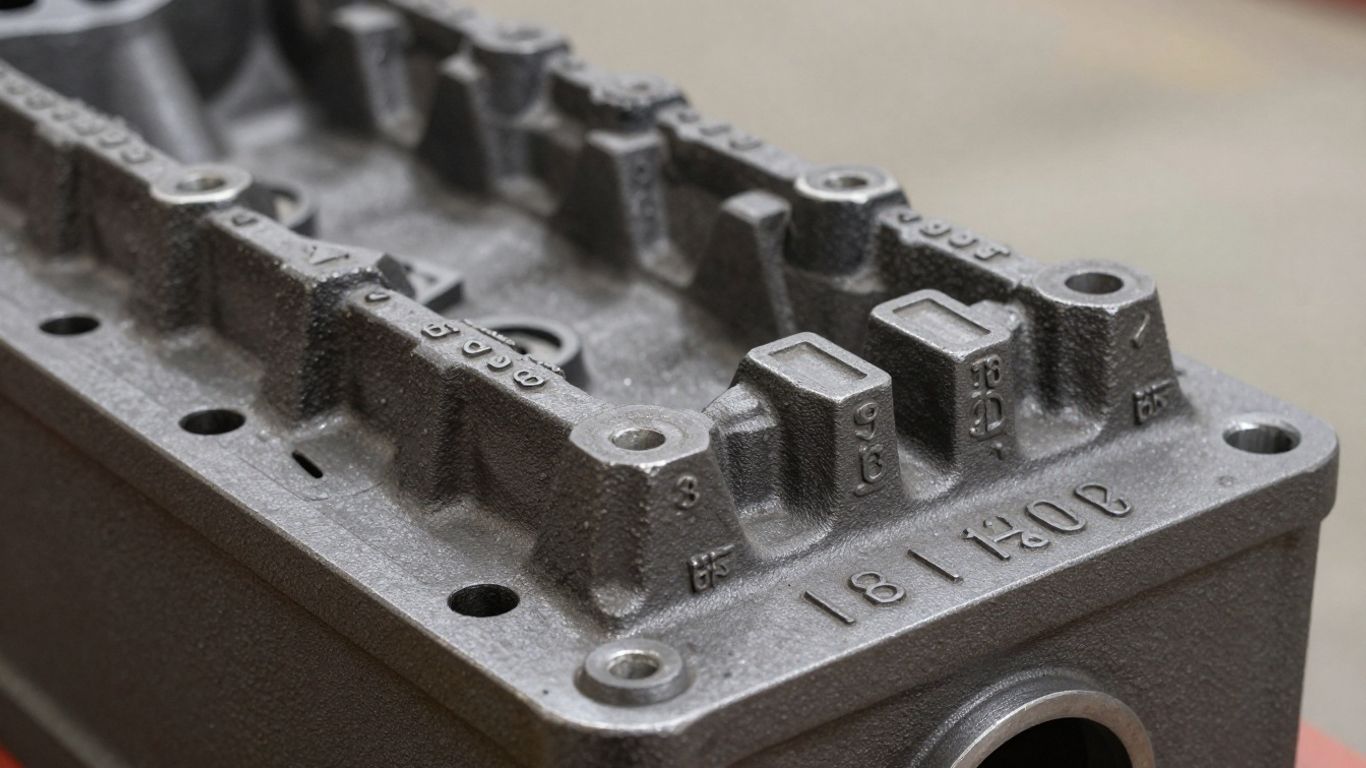
Engineers used specific character stamps to track metallurgy changes and production batches throughout the assembly process. Understanding these codes is critical for period-correct restorations or meeting specific class requirements in racing.
Using suffix codes to identify original vehicle applications
Suffix tags on the engine pad often match the intended vehicle’s VIN or option list during the assembly line stage. Matching these codes prevents major headaches when installing accessories or routing cooling lines in classic chassis designs.
Assessing the compatibility of varying block generations for performance builds
Engineering revisions often change mounting patterns or flow characteristics even if the exterior shape looks identical. Builders must carefully cross-reference these variations to avoid irreversible modification errors during final assembly.
Factors influencing the market price of engine blocks
Market valuation involves a blend of scarcity, engineering quality, and the prevailing demand for specific performance platforms. Understanding why prices vary helps you negotiate fairly.
How rarity and vintage status impact current market valuation
Blocks that were produced in low numbers for performance-only street legal vehicles often command a significant premium. Collector interest typically elevates prices for these specific date-coded components regardless of their condition.
Evaluating the anticipated cost of machine work versus acquisition price
The actual cost of a project includes the block plus the professional services required to prepare it for modern precision components. High-precision machining is often the most significant portion of the total budget.
Understanding how individual core value differs from ready-to-run value
Consider the table below to distinguish how core value changes based on the level of preparation required before the unit can be put into service.
| Value Category | Typical Condition | Machine Requirements |
|---|---|---|
| Raw Core | Uncleaned, As-removed | Full tank, bore, deck |
| Machined Block | Cleaned, Decked, Bored | Hone, cam bearings |
| Ready-to-Run | Precision Toleranced | Final assembly |
You should always calculate the total cost, including these variable machine shop expenses, to avoid overspending on a block that requires extensive remedial labor.
Troubleshooting common defects in used blocks
Common issues typically revolve around the toll that heat and heavy use take on cast metal over decades of operation. Recognizing these patterns allows you to make an informed decision about proceeding with a repair or looking for another core.
Dealing with deck surface warping and deck height inconsistencies
Deck warping is a common byproduct of long-term head gasket failures and excessive heat cycles. Addressing this requires precision milling to flatten the surface, which must be carefully balanced against list items like the following to ensure long-term stability:
- Checking if milling will negatively impact compression ratios
- Verifying the need for offset head alignment pins
- Ensuring oil galley alignment is maintained after resurfacing
- Calculating material removal to determine deck height tolerance
Identifying spun main bearings or mismatched main caps
Mismatched components often indicate that the bottom end has been tampered with or rebuilt incorrectly in the past. Main caps are typically line-bored with the block, and removing them from their factory position can ruin the crank tunnel alignment.
Addressing long-term evidence of internal oil galley sludge or coolant corrosion
Internal buildup is often hidden deep within the block’s restricted passages, potentially starving critical parts of lubrication.
These areas require professional hot tank cleaning to effectively dissolve years of debris that simply cannot be scrubbed away by hand during a standard refresh.
Conclusion
Successfully navigating the purchase and inspection process for an engine block requires patience, attention to detail, and a commitment to verifying every critical specification. By vetting your source, performing rigorous structural inspections, and understanding the nuances of casting numbers and machining requirements, you protect your budget and ensure the foundation of your engine build remains solid and reliable for years of service.
Frequently Asked Questions
How often should I perform ultrasonic testing on a block?
Ultrasonic testing is generally considered a one-time essential procedure before you bore the cylinder walls to ensure there is enough material to maintain strength.
Can I repair a crack found in the cylinder water jacket?
Minor cracks may be repaired using high-end pinning or specialized welding techniques, but structural fractures in the main webs are usually considered terminal for high-performance use.
What do main cap alignment issues mean for the block?
If main caps are loose or mismatched, the crank tunnel may be compromised, often requiring expensive line honing or custom engineering to restore proper geometry.
Should I avoid blocks that have been stored outdoors?
Outdoor storage often leads to deep internal corrosion in the oil and water galleys that can be nearly impossible to remove entirely, risking future debris circulation.
Is it safer to buy a machined block over a raw core?
Buying a pre-machined block provides more certainty regarding tolerances, but it costs significantly more and removes the ability to customize machining specs to your own preferences.
How do I recognize if a block was originally a high-performance part?
High-performance parts usually carry distinct casting codes like ‘4-bolt main’ indicators or specific high-nickel content logos that differentiate them from standard passenger vehicle iron castings.
How can I tell if a block deck has been milled previously?
Look for lowered deck heights compared to factory specifications and check the quality of the finish on the deck surface, which can often look different from factory machine markings.