

Key Takeaways
Understanding the dynamics of the modern automotive industry requires a close look at how individual preferences and global strategies converge. The landscape continues to shift as manufacturers balance legacy engineering with cutting-edge electric technology.
- Consumer preferences prioritize reliable transportation in the current market.
- Electric vehicle integration is reshaping long-term brand competitiveness.
- Maintenance costs remain a vital factor in ownership satisfaction.
- Segment-specific demands, particularly for SUVs and light trucks, drive sales.
- Legacy brands undergo transitions to maintain relevance against newer challengers.
Market share and industry trends
The automotive landscape reflects a intense competition where historical legacy meets modern innovation. For many drivers, navigating the Popular Vehicle Makes involves evaluating factors such as manufacturing origin, drivetrain types, and overall brand history. Tracking sales data helps observers understand which companies command road presence and consumer loyalty in various global territories.
Analyzing global sales volume metrics
Market data reveals that large-scale manufacturers continue to secure significant portions of the global pie through diverse product lines. Sales metrics often show a clear preference for established entities that maintain a massive supply chain to keep up with demand. Researching global car brands provides a deeper look into the historical context and reach of manufacturers that have operated for nearly a century.
The impact of electrification on brand status
Electrification has changed how consumers perceive innovation and forward-thinking engineering. Brands that prioritize modular EV platforms often gain a reputation for modernity, while those maintaining gas engine lines must work harder to stay competitive. This transition affects the brand status of everyone from established behemoths to smaller niche manufacturers.
Regional preferences in the North American market
Regional market data highlights the American tendency to value size, utility, and power. The recent best-selling vehicle models list confirms that pickup trucks and high-riding utility vehicles consistently outperform smaller sedans in this specific region. Preferences vary wildly by state and climate, impacting inventory availability for local dealerships.
Evaluating reliability and ownership costs
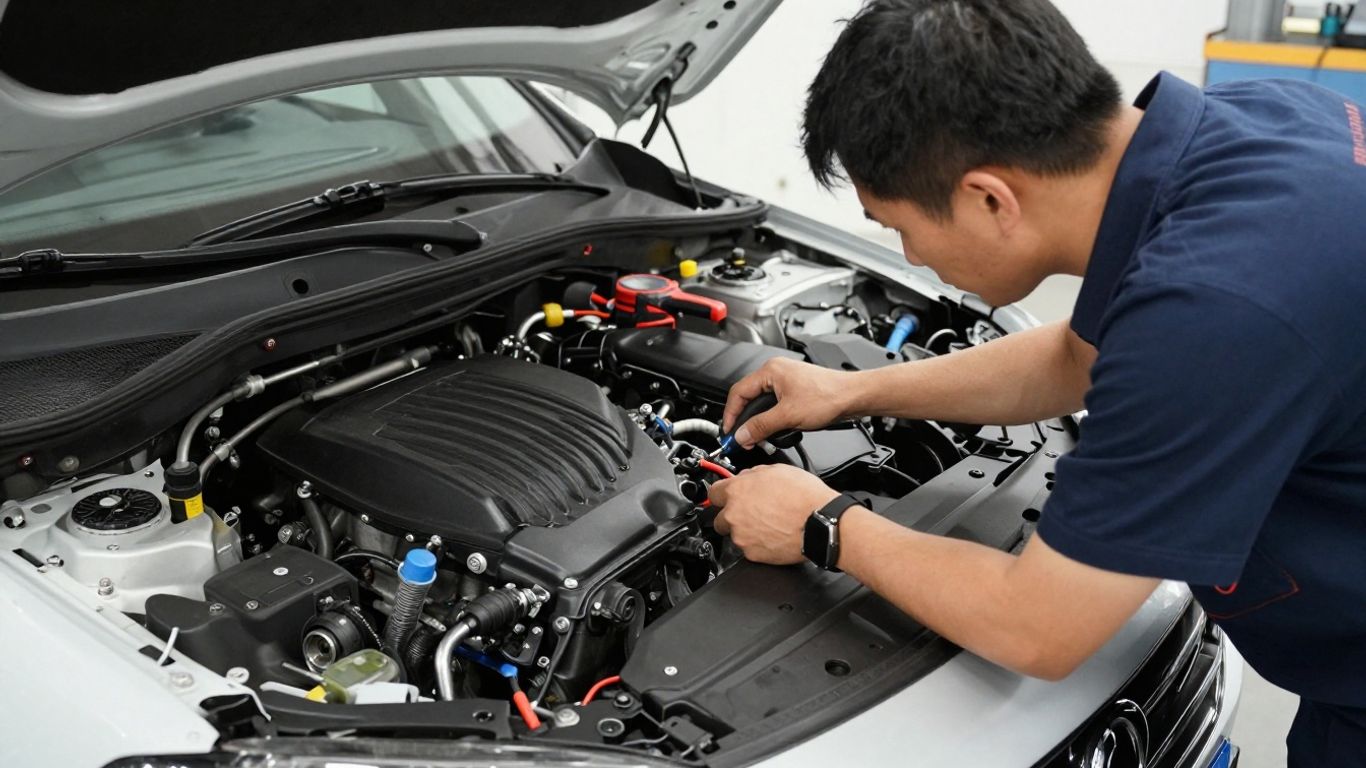
Vehicle ownership involves more than the initial purchase price, as the lifetime costs depend heavily on manufacturer build quality. Many owners look for manufacturers known for producing durable, reliable and fuel-efficient rides that stand the test of time under heavy daily use. Assessing these factors proactively can prevent unexpected financial strain after the warranty period expires.
Long-term maintenance expense by manufacturer
Routine servicing costs often fluctuate based on the complexity of the drivetrain and the availability of replacement parts. Owners who prioritize simple mechanical designs often enjoy lower repair bills compared to those with complex, luxury-oriented electronic systems.
| Manufacturer | Avg Yearly Maintenance | Reliability Rank |
|---|---|---|
| Economy Brand A | $450 | High |
| Performance Brand B | $900 | Moderate |
| Luxury Brand C | $1,200 | Average |
Selecting a brand with accessible parts and a long history of standard engine designs often keeps the overall cost of vehicle ownership manageable for the average household.
Frequency of common mechanical requirements
Mechanics frequently observe that certain models require higher attention to suspension components and sensor calibration. Understanding these tendencies helps buyers plan for future maintenance before committing to a purchase.
- Regular oil changes are essential for engine longevity.
- Brake pads typically need inspection every 30,000 miles.
- Suspension bushings require evaluation after five years of use.
- Tire rotation scheduled alongside oil changes improves wear patterns.
These simple steps ensure that your vehicle stays road-ready while reducing the risk of catastrophic failure during high-mileage commuting.
Resale value trends for flagship models
Flagship models that retain value over time are often those with iconic designs and high demand in the used vehicle market. A vehicle that stays relevant for a decade or more is rarely a depreciating asset in the same way as less popular alternatives.
Historical trends suggest that vehicles with widespread market appeal typically experience a slower rate of depreciation compared to limited-production novelty models.
When choosing a primary vehicle, evaluating resale trends provides a cushion for future upgrades when it is time to move on to a newer model year.
Innovation and technological advancement
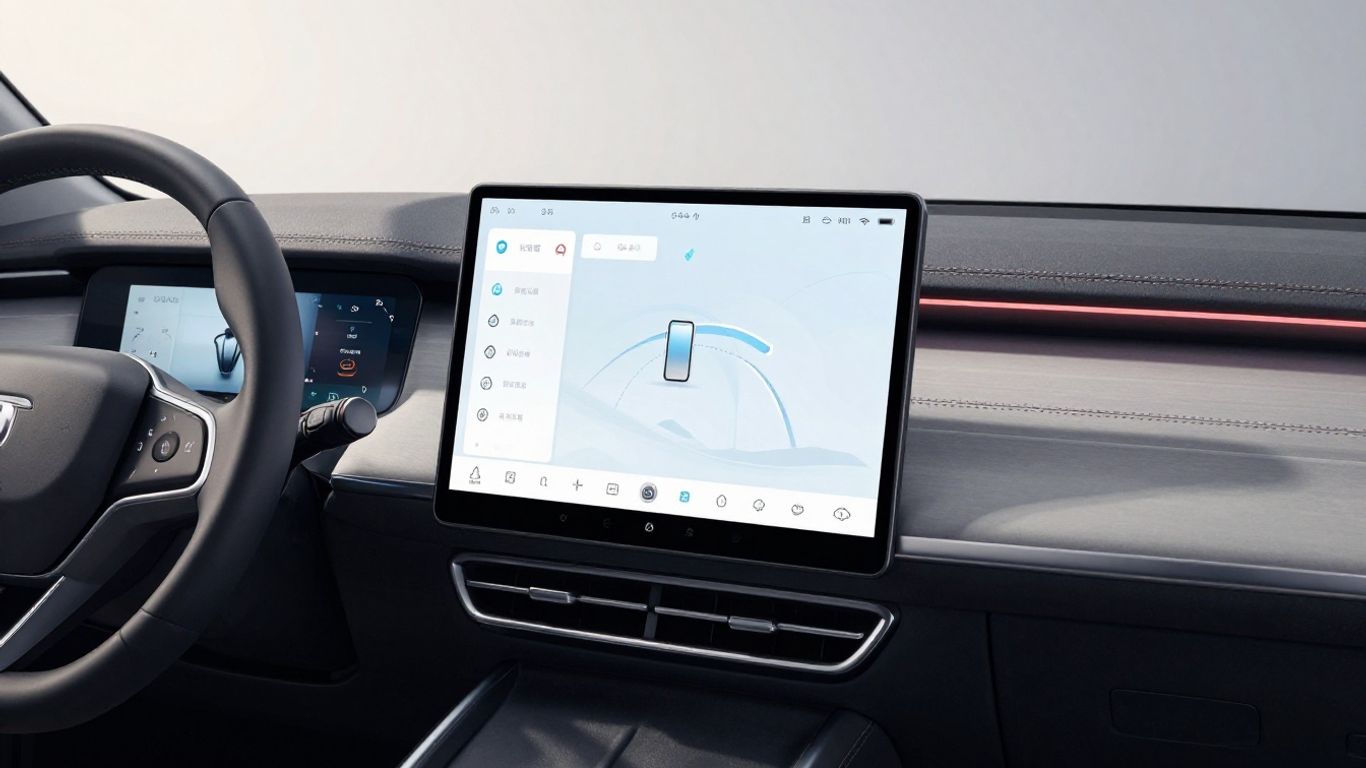
Technological progress in the automotive space manifests through better safety systems and intuitive user interfaces. Manufacturers now allocate substantial budgets to ensuring that their tech stacks remain both useful and distraction-free for drivers.
Integration of advanced driver assistance systems
Driver assistance tools have transformed highway safety by providing automated emergency braking and adaptive cruise control. These features rely on sophisticated cameras and radar to maintain safe following distances.
Infotainment interface design and usability
Modern interfaces act as the primary window into vehicle settings and entertainment. Users increasingly demand seamless connectivity and responsive touchscreens that mimic the speed of modern mobile devices.
Progress in sustainable manufacturing practices
Sustainable practices now influence how raw materials are sourced and assembled into final products. This includes reducing waste at assembly plants and utilizing recycled composites in cabin interiors to lower the vehicle’s carbon footprint.
Assessing segment-specific strengths
Segmenting the market allows consumers to focus on vehicles tailored for specific tasks, whether it is hauling cargo or commuting across city centers. Different brands often leverage specific engineering philosophies to capture interest in these distinct categories.
Performance and handling in automotive design
Performance is defined by the responsiveness of the steering and the balance of the chassis during cornering. A well-designed vehicle communicates the road surface clearly, providing a sense of confidence during high-speed maneuvers.
Utility and towing capacity in truck tiers
Trucks must excel at heavy-duty work where raw power meets structural endurance. Manufacturers often highlight towing specifications as the primary metric for buyers who need a reliable workhorse for towing trailers or hauling heavy equipment.
Efficiency and passenger comfort in SUVs
SUVs today are expected to provide both interior comfort and impressive fuel economy, a difficult balance that influences current engineering. Improving aerodynamic profiles helps reach this target while preserving the space families require for long trips.
Future projections for legacy and challenger brands
Future market directions will hinge on how brands handle the shift away from fossil fuels. The competition involves legacy companies pivoting their massive infrastructures while startups focus heavily on specialized battery integration.
Adaptive strategies for combustion engine manufacturers
Traditional brands are investing in hybrid systems to bridge the gap while they scale their electric divisions. This strategy allows the manufacturer to maintain sales volume while slowly updating their manufacturing lines for cleaner energy requirements.
The disruptive role of EV-only startups
Startups have injected competitive pressure by introducing radical changes to how vehicles are sold and serviced. By removing dealership reliance in some markets, these players change the customer experience dynamic significantly.
Identifying shifting consumer demographics and preferences
Younger buyers prioritize digital integration and environmental impact over raw horsepower. This shift requires every major player to reconsider their feature sets and even their core marketing message to avoid losing footing in the coming decade.
Conclusion
Navigating the current vehicle market involves balancing the need for reliable transport with the rapid pace of technological change. As legacy and challenger brands continue to innovate, buyers gain access to more options than ever before, making it essential to remain informed on maintenance, safety, and long-term value before committing to a purchase.
Frequently Asked Questions
What should drivers consider when researching vehicle reliability?
Drivers should look for mechanical simplicity and review historical data regarding common wear items to predict long-term repair costs.
Why do pickup trucks maintain high sales numbers in the US?
Pickup trucks offer versatile utility for both work and personal use, meeting needs that include towing, loading, and off-road driving.
How does infotainment design impact my daily drive?
Good infotainment interfaces reduce distraction by allowing for quick access to navigation, audio controls, and phone connectivity features.
Are EV-only start-ups reliable compared to established brands?
While startups often lack a long production history, many use simpler electronic designs that can minimize conventional mechanical failure points.
How do I estimate the resale value of a specific model?
Researching depreciation curves and checking used-market availability for older vehicle generations reveals how well a model holds its value over time.
Does sustainable manufacturing affect vehicle performance?
Sustainable practices focus on materials and energy usage, which generally improves efficiency without compromising the core performance of the powertrain.
What are the main advantages of advanced driver assistance systems?
These systems help prevent collisions by automating braking and maintaining safe distances, which significantly enhances safety during standard highway driving.
insurance credentialing guide
landscape lighting guide
home swapping guide
Google ads guide
custom window shades
Wikipedia list of car brands