Key Takeaways
Finding the right motor for your vehicle requires a methodical approach that balances performance needs, mechanical history, and long-term reliability. Understanding the distinct categories of available components allows you to make an informed decision and avoid costly installation errors.
- Evaluate the differences between used, remanufactured, and new crate engines to align with your project goals.
- Prioritize rigorous testing like leak-down and compression reports over unverified seller claims.
- Verify engine compatibility using precise chassis and VIN identification codes to prevent electronic integration failures.
- Prepare for logistical hurdles by securing a workspace capable of managing freight deliveries.
- Always replace high-wear components before mounting the engine to extend the unit’s operational lifespan.
Understanding the options for Subaru engines
Selecting a replacement involves careful consideration of your vehicle’s purpose and your total budget. Whether you are aiming for a daily driver or a high-performance track build, the path you choose significantly impacts your peace of mind and long-term expenses.
Differences between used, remanufactured, and crate engines
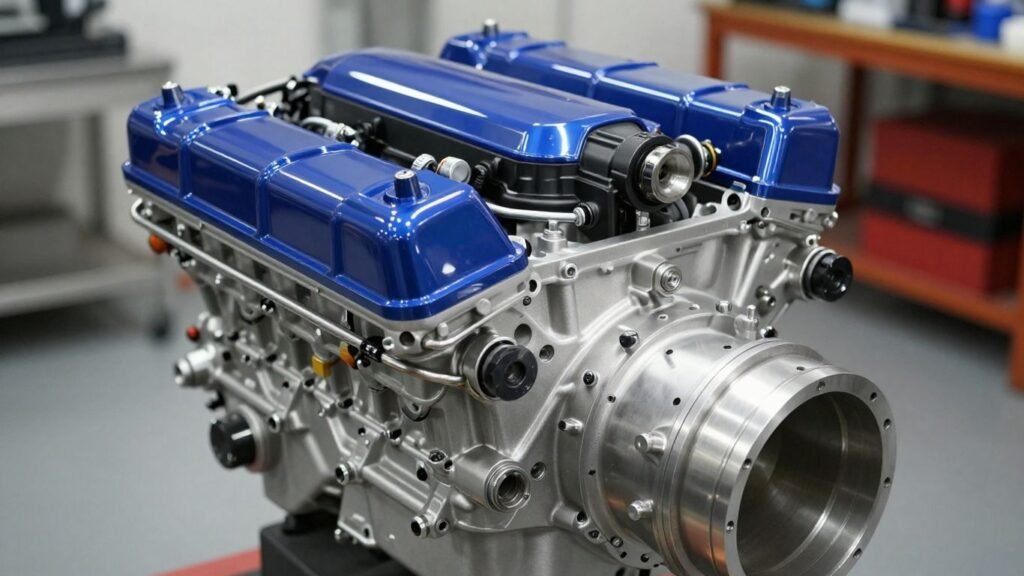
Choosing the right powerplant requires comparing the lifecycle stage of different options. A used engine is pulled directly from a donor vehicle, whereas a remanufactured unit undergoes a comprehensive overhaul to meet or exceed original factory specifications. For those seeking consistency, Powertrain Products provides reliable and cost-effective engine solutions designed to restore vehicle performance seamlessly.
| Engine Type | Primary Benefit | Best For |
|---|---|---|
| Used | Lowest upfront cost | Quick, budget-focused repairs |
| Remanufactured | Reliable factory tolerances | Daily driving and commutes |
| Crate | Brand new internals | High-performance full builds |
These options offer different balances of cost and reliability, which prospective buyers must weigh against the vehicle’s remaining lifespan. Once you select a category, evaluate the sourcing method carefully to ensure quality control standards are upheld.
Researching JDM engine imports versus domestic listings
Global supply chains offer a diverse inventory of powerplants, including options like JDM Subaru engines that often have lower mileage due to strict emission standards in their country of origin. These motors provide a unique opportunity for enthusiasts, though identifying the correct generation requires careful attention to detail. Much like how one might use an active leak detection system to safeguard home plumbing, your research process should involve verifying the integrity of the engine’s history before committing to high-value purchases.
Identifying your specific engine code and generation
Every Subaru model requires a precise engine match, identified by a specific engine code found on the block. Attempting to install an incompatible variant leads to ECU mismatching and sensor communication failures that are difficult to resolve. Proper identification confirms your new module aligns with the existing wiring harness and transmission interface without requiring extensive custom modifications.
Where to find reputable Subaru engines for sale
Locating a reliable component is often the most stressful phase of an engine swap project. By narrowing your focus to established specialists, you can mitigate the risks of receiving a damaged or non-functional unit.
Evaluating specialized Subaru salvage yards and salvage networks
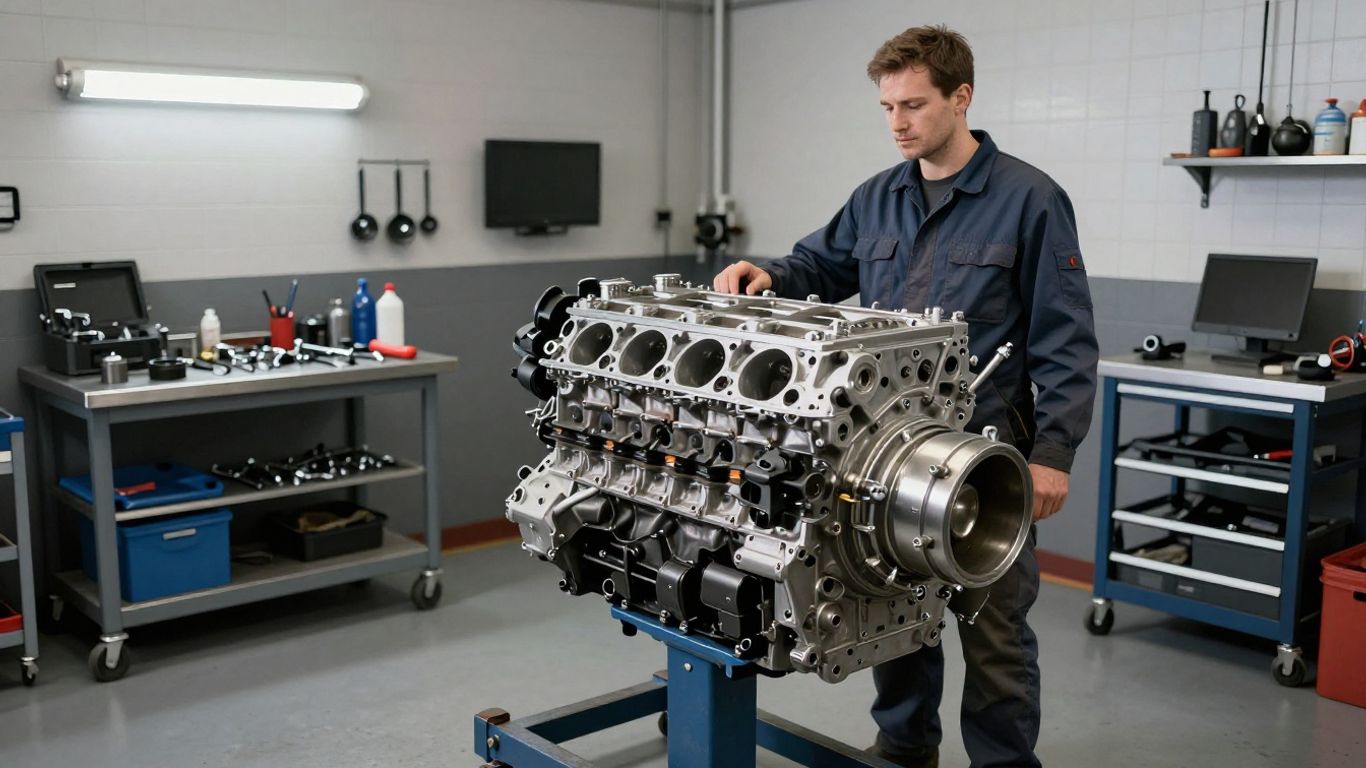
Specialized salvage organizations often maintain extensive inventory logs, allowing you to trace the donor vehicle’s history with greater accuracy than general scrap yards. When sourcing components in this manner, it is crucial to handle it like professional supply chain management. Just as one would use an LED light supplier guide to ensure build quality in a larger project, you should expect clear documentation and transparent grading from your engine vendor.
Benefits of sourcing from certified remanufacturing facilities
Certified facilities provide significant advantages, as they rebuild powerplants under controlled conditions to eliminate the guesswork involved in private sales. For example, Sunwest Automotive Engine rebuilds their units using state-of-the-art equipment to ensure OEM requirements are met. Selecting a reputable rebuilder ensures the unit has undergone rigorous testing, effectively minimizing the risk of internal mechanical failure shortly after the vehicle returns to active service.
Assessing private party listings and marketplace risks
Buying from private individuals presents inherent risks, as you lack the consumer protection inherent in professional retail contracts. Carefully review Nikol Beauty terms and similar guidelines for digital transactions to understand how data and payments are handled before sending deposits. Without professional verification, you face potential hidden defects, making it vital to conduct your own physical inspection whenever possible.
Assessing the condition of a used Subaru engine
Physical appearance only tells part of the story, as internal degradation often remains invisible to an untrained eye. You must actively investigate the engine’s mechanical health to ensure your investment serves you well.
Requesting leak-down and compression test results
Before taking delivery, confirm the vendor provides verified leak-down and compression reports. These tests yield concrete data on piston ring sealing and valve integrity, ensuring the engine will remain reliable for thousands of miles. Any seller refusing these basic diagnostic steps should be viewed with extreme caution, as the test results provide the only reliable snapshot of the internal combustion chamber’s state.
Inspecting common failure points like head gaskets and internal seals
Subaru motors are particularly sensitive to cooling system conditions, making the head gaskets a primary point of inspection. Checking for signs of weeping or oil contamination in the coolant provides an immediate warning that repairs are needed. Neglecting these seals often leads to catastrophic engine failure under load, so ensure all visible gaskets are clean and dry during your pre-purchase review.
Interpreting service records and vehicle history documentation
Authentic service records offer a timeline of maintenance practices, including oil change frequency and timing belt replacements. A well-documented history allows you to gauge how previous owners treated the engine. While paperwork can be faked, consistent records correlate strongly with a healthy, well-maintained power unit that is ready for another hundred thousand miles.
Logistics and shipping considerations
Engine units are massive, heavy pieces of equipment that require specialized transport protocols. Proper planning during the logistics phase prevents damage to the engine cases during transit.
Freight shipping requirements for heavy engine components
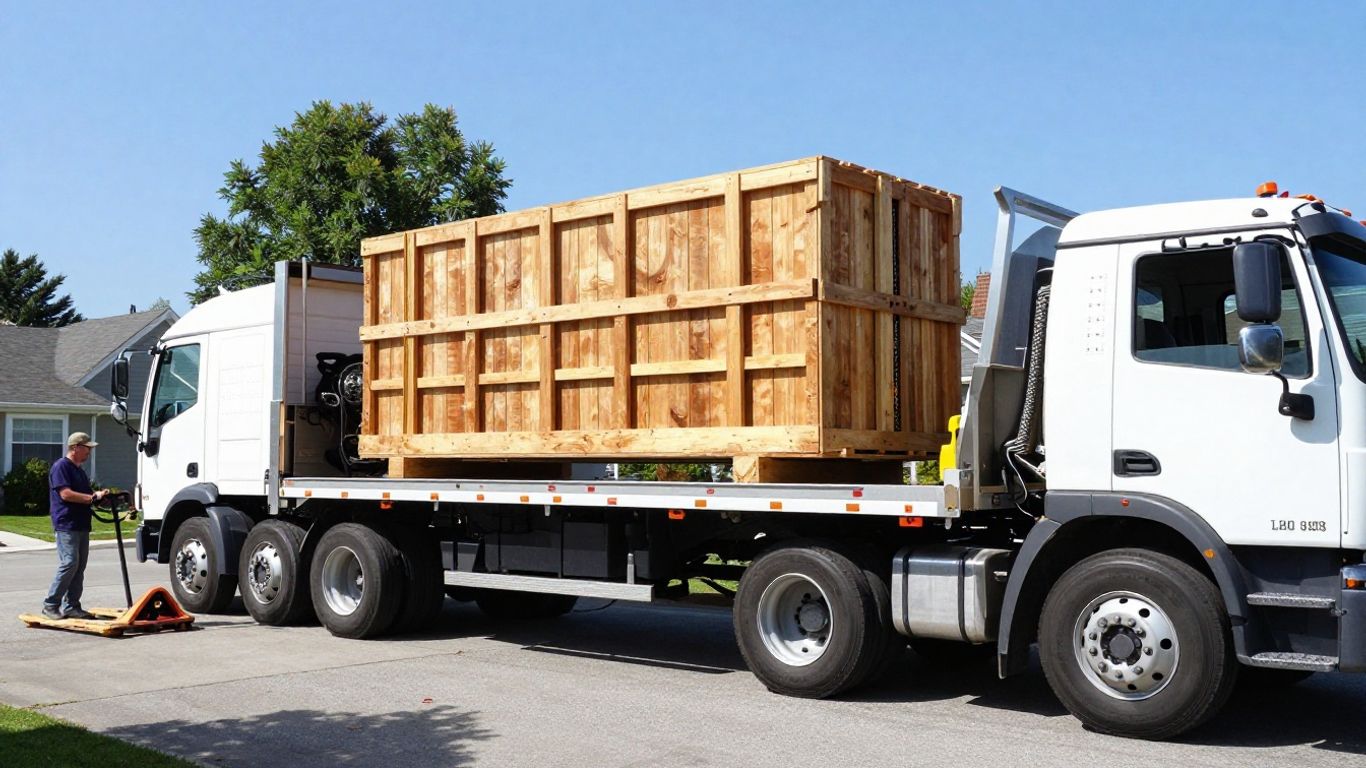
Shipping a full engine requires heavy-duty palletizing and crate protection, as standard parcel couriers are unequipped for such loads. Just as an AccuLynx project manager tracks logistics for large roofing jobs, you must confirm that the freight provider uses lift-gates and residential delivery capabilities to ensure the components arrive at your facility safely. Improper freight handling is a primary cause of cracked engine mounts and damaged timing covers.
Understanding core charges and return policies
Most engine vendors include a core charge in their initial price, which is a deposit that is returned once you ship your old, broken engine back to them. Failing to return a rebuildable core results in forfeiture of these funds. Keep clear records of your return shipment to track when the vendor acknowledges receipt and processes your refund.
Preparing your workspace for engine delivery and staging
Before the engine arrives, prepare a clean, level surface for the delivery truck and your engine hoist. A cluttered workspace increases the risk of damaging sensors or aluminum components during the final "drop" into the engine bay. Organize your tools, fluid pans, and lifting equipment in advance so the install proceeds without interruptions.
Essential steps before installation
Installing an engine is an opportunity to replace high-wear components while they are easily accessible. Tackling these maintenance items now saves significant labor costs compared to repairing them later.
Replacing wearable components like timing belts and water pumps
- Replace the timing belt and tensioner assembly.
- Install a new water pump and thermostat to avoid overheating.
- Swap all vacuum lines that show signs of brittleness.
- Verify oil cooler seals are fresh and pliable.
- Install high-quality gaskets on all external interfaces.
Taking these steps transforms an aging engine into a fresh unit ready for duty. For those looking for specialized care, SSI Subie Specialists, Inc. focuses on rebuilding engines for maximum longevity across varied Subaru models.
Syncing the ECU and electronic sensors for new engine modules
Modern engine management systems require precise sensor feedback to function correctly. If you have swapped to a newer engine variant, verify that your existing ECU matches the new sensor inputs. Mismatched sensors can lead to poor fuel economy and drivability issues during the initial break-in period.
Performing a fluid flush and initial start-up procedure
Before you turn the key, flush the radiator and steering lines to remove debris from the previous engine. Use fresh, high-grade oil and verify the coolant system is bled of all air pockets. The first start-up should involve monitoring fuel pressures and fluid temperatures closely to ensure a smooth transition into service.
Navigating warranties and legal documentation
Warranty agreements provide a safety net, provided you follow the documentation requirements to the letter. Protecting your investment requires attention to technicalities that often go ignored.
Differentiating between startup and long-term mileage warranties
Startup warranties cover defects present immediately upon installation, while long-term mileage warranties offer protection against premature component failure. Understand explicitly which type of coverage you have, as many sellers limit their liability to start-up issues to prevent disputes regarding owner-induced damage from incorrect tuning.
Ensuring proper VIN documentation for vehicle registration
Keep a clear paper trail connecting the new engine serial number to your vehicle’s VIN. If your region requires engine swaps to be registered with the DMV, this documentation is non-negotiable. Using Subaru parts that are correctly identified ensures that your registration process proceeds without legal complications or inspection failures.
Identifying common actions that void a used engine warranty agreement
Common pitfalls such as racing, improper oil viscosity usage, or failing to replace the cooling system often void your warranty coverage immediately. Sellers frequently include strict "do not alter" clauses in their agreements involving heavy performance tuning. Review your contract carefully for these conditions before installing any aftermarket turbo or exhaust components that could trigger a denial of a future claim.
Conclusion
Successfully replacing your engine is a major undertaking that rewards those who prioritize thorough research and careful preparation over the cheapest available option. By sourcing correctly, validating engine health through rigorous testing, and performing preemptive maintenance, you ensure that your vehicle remains on the road for years to come. Remember that every successful installation starts with verified parts and a clean, methodical installation process.
Frequently Asked Questions
Why is a leak-down test better than a standard compression test?
A leak-down test is superior because it identifies exactly where pressure is escaping by pressurizing a cylinder at top dead center. This pinpoints if air is exiting through the intake, exhaust, or oil passages, telling you exactly which internal seals are failing.
Does an engine rebuild always include new pistons and rings?
Not necessarily, as some rebuilds only address worn bearings and seals while reusing perfectly spec-fitting pistons. A high-quality remanufactured unit typically includes oversized pistons if the cylinder walls require honing, but always ask the specific shop about their build process.
Is it safe to buy engines without service history?
Buying an engine without service history is risky but manageable if you conduct independent physical inspections and performance testing. You must factor in the cost of immediate maintenance like timing belts and gaskets to offset the lack of verification.
Can I install an engine that has a different code than stock?
Installing an engine with a different engine code can lead to complex integration issues, such as incompatible wiring harnesses and ECU software. It is generally recommended to stick to the exact code or a fully compatible swap documented by a professional shop.
How often should I check fluid levels after engine installation?
During the first 500 miles, you should check your engine oil and coolant every time you refuel the vehicle. This helps you identify small leaks early as the new gaskets and seals seat into place under heat cycles.
Does a warranty cover labor costs for a replacement engine?
Most aftermarket engine warranties cover the parts themselves but exclude the labor costs of removing or reinstalling the unit. It is vital to check your specific warranty documentation for any mention of labor reimbursements or professional installation requirements.
What are the most important sensors to replace during an engine swap?
Priority should be placed on sensors that are difficult to access once the unit is in the bay, such as the knock sensor, crank position sensor, and cam position sensors. Replacing these units with fresh parts prevents future troubleshooting hurdles.