
Key Takeaways
Opting for pre-owned engine parts requires a keen eye for technical detail and an understanding of the trade-offs involved in component sourcing. By following a structured approach, you can balance cost savings with long-term vehicle performance.
- Inspect rotating assemblies for excessive movement to identify potential bearing failure.
- Match OEM part numbers strictly to ensure fitment without vehicle sensor errors.
- Prioritize established auto dismantlers that offer documented inspection and warranty support.
- Clean oil lubrication paths thoroughly to prevent blockage and premature bearing wear.
- Monitor boost levels closely during your first month of operation after installation.
Understanding the risks and benefits
Deciding to purchase second hand turbochargers often boils down to a calculation between immediate financial savings and the inherent uncertainty of used mechanical hardware. While the lower initial price is attractive, prospective buyers must weigh these benefits against the potential for unforeseen failure caused by previous operating conditions. Successfully navigating this process depends on your ability to evaluate component history and internal integrity before installation.
Cost savings versus long-term reliability
Choosing a pre-owned unit can save a substantial amount of money compared to purchasing factory-new alternatives, which are often costly to replace. However, the trade-off is often a shorter remaining service life if the unit has already experienced several thousand cycles. Relying on quality pre-owned turbos requires you to accept that you are purchasing a component with an unknown history of oil maintenance or heat cycling.
Identifying the potential for hidden internal damage
Physical inspection is the only way to gauge whether a unit has endured abuse like over-boosting or oil starvation. You must look past the exterior housing to determine if the internal components show signs of heat stress or metal fatigue. Sellers such as BR Turbo often provide insights into unit condition, but you should always perform a secondary assessment of any hardware received to avoid premature failure.
When a used unit is a cost-effective choice for your vehicle
If you are restoring an older vehicle where a new unit is no longer available or is cost-prohibitive, selecting a verified used component is a logical path. This approach is common for enthusiasts preserving classic platforms or daily drivers nearing the end of their design life. It becomes a rational financial decision when the total cost of the component plus professional installation remains well below the market value of the vehicle itself.
Managing expectations regarding unit lifespan
Unlike new parts that come with a clear service interval, a second-hand unit is essentially a gamble that you can manage through careful selection. You should assume that the component will not provide the same longevity as a new one and plan your long-term maintenance budget accordingly. Keeping a contingency fund for potential future repairs or replacements is simply part of being a responsible vehicle owner.
Assessing build quality and mechanical condition
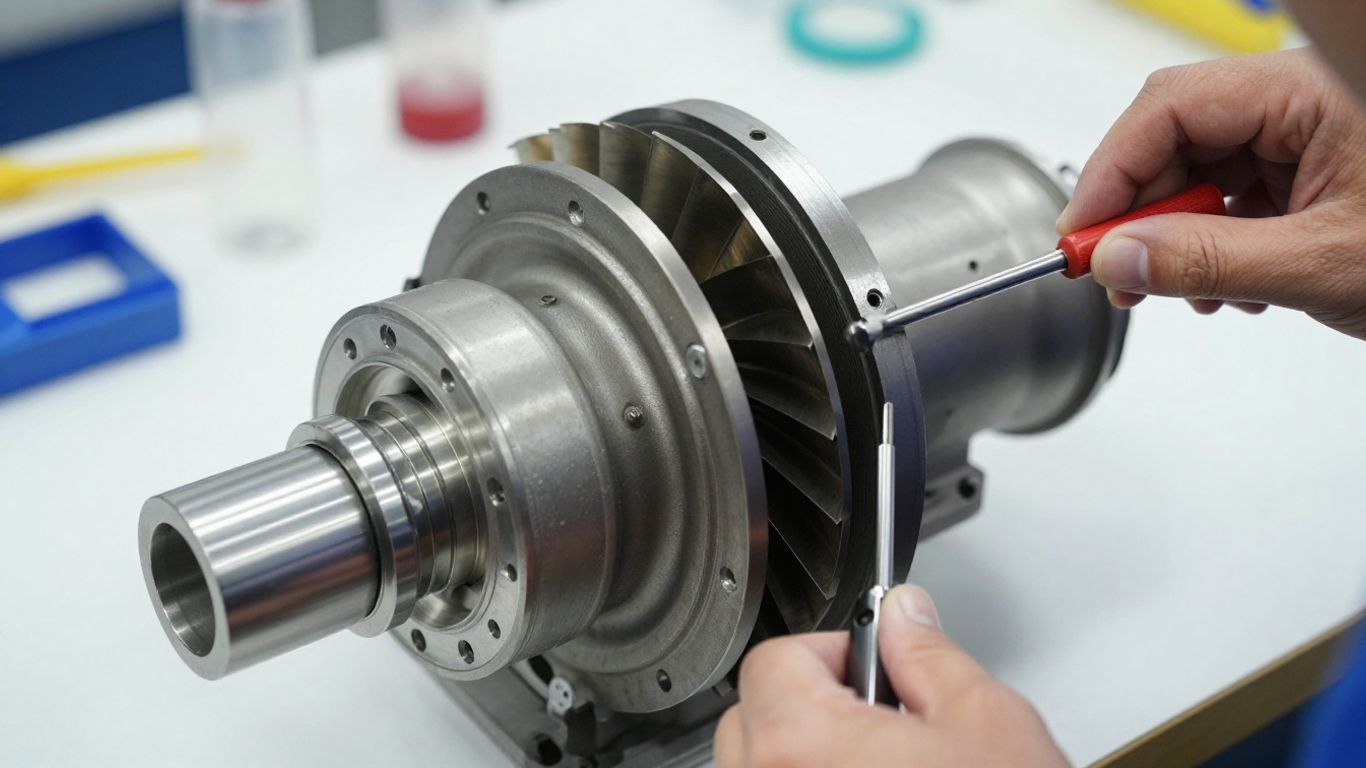
Evaluating the physical state of a turbocharger ensures that you are not installing a ticking time bomb into your engine bay. This stage requires patience and basic mechanical intuition, as the exterior appearance can sometimes be deceptive. Proper inspection prevents the risk of metal fragments entering your engine during the initial test drive.
Detecting excessive axial and radial shaft play
Shaft play is the most common indicator of bearing wear and internal structural fatigue. By gently moving the compressor wheel, you can determine if the shaft bushings are still holding firm or if they have developed excessive clearance. A small amount of movement is expected for many designs, but any contact between the wheel fins and the housing indicates critical failure.
Inspecting turbine and compressor wheel blades for damage
Foreign object damage often leaves distinct marks on the leading edges of the compressor wheel blades, known as chipping or bending. These imperfections disrupt airflow and cause significant vibrations at high RPMs, leading to housing erosion over time. Even microscopic damage can lead to catastrophic failure if it triggers severe out-of-balance forces in the rotating assembly.
Checking for signs of oil leakage or housing cracks
Oil residue inside the compressor or turbine housing provides a clear snapshot of the internal seal integrity. If you notice pooling oil, it suggests the labyrinth seals are worn or the crankcase ventilation system has been under excess pressure. Additionally, you should inspect the exhaust flange areas for hairline fissures that expand significantly once the metal reaches operating temperature, as shown in our comparison table below.
| Component Condition | Inspection Criteria | Risk Level |
|---|---|---|
| Shaft Bearing | Check axial/radial play | Medium to High |
| Turbine Blades | Look for chips/bends | Critical |
| Oil Seals | Examine housing leakage | High |
Addressing these specific points during your evaluation helps you distinguish a viable replacement from a unit fit only for repair shops or scrap piles.
Verifying the functionality of the variable geometry actuator
Many modern units employ variable geometry technology to optimize power across the rev range, which relies on a vacuum or electric actuator. You must ensure that the vane mechanism moves freely without binding or inconsistent resistance throughout its full range of operation. A seized actuator will lead to significant performance lag and potential "limp mode" triggers on your vehicle’s engine control unit.
Ensuring compatibility and part numbers
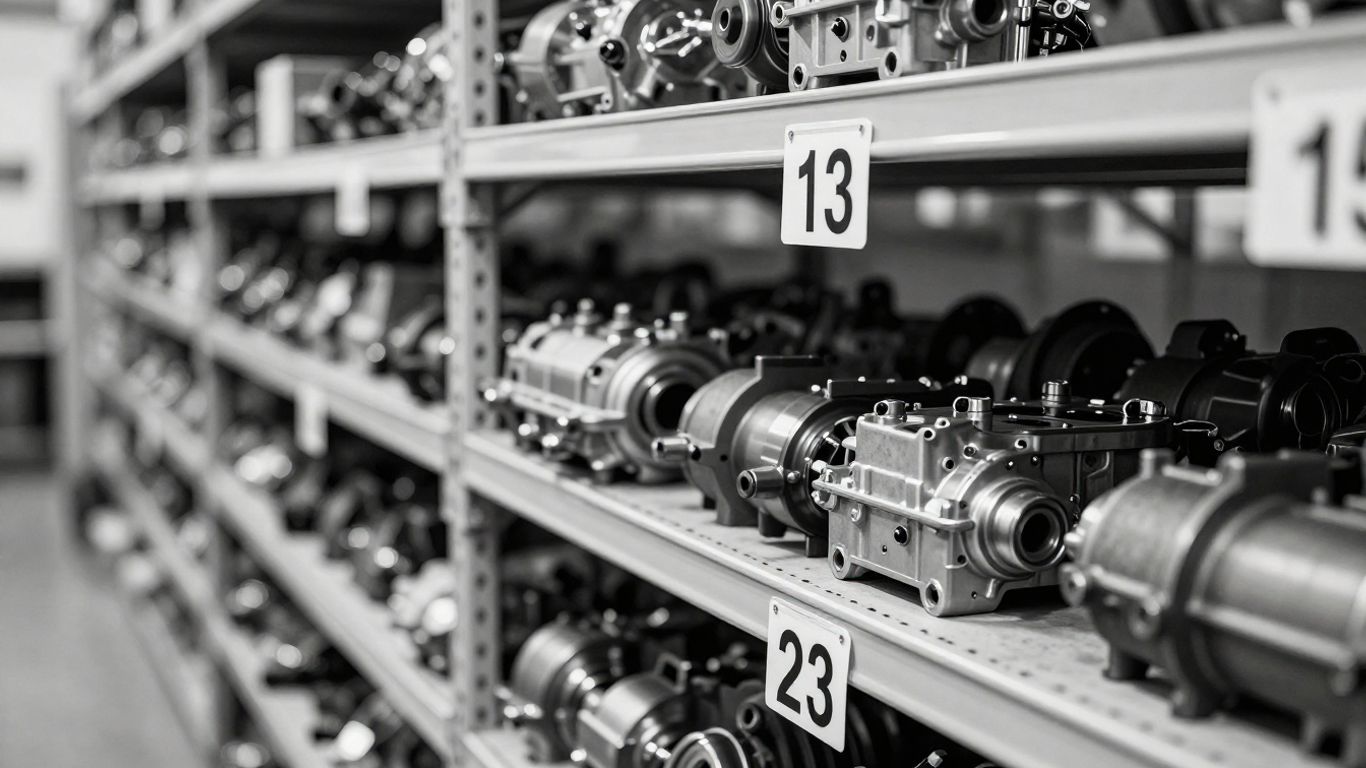
Finding the right part is about more than just looking at the shape of the unit; exact part numbers are essential for seamless integration. Manufacturers often make minute changes between production years that can prevent a swap from working as intended. Always cross-reference the manufacturer’s technical documentation against the physical tag on the replacement unit.
Decoding manufacturer serial numbers for exact matches
Every turbocharger carries a specific part number that identifies its flow characteristics and internal specifications. Using trusted UK breakers or other established databases can help you verify that the serial number on your prospective purchase matches the OEM requirements for your engine. Do not assume that units from similar-looking vehicles are interchangeable, as internal turbine sizing often varies.
Matching specific engine codes and vehicle variants
Vehicle manufacturers often use the same physical housing for different engine calibrations, which can be confusing for home mechanics. Always prioritize matching your vehicle’s engine code to the turbocharger listing to ensure that the boost maps communicate properly with your computer. This level of precision is common when optimizing energy consumption or ensuring engine safety.
Avoiding non-compatible aftermarket modifications or hybrid units
Hybrid units can offer performance gains, but they often require auxiliary modifications to fueling and mapping that you may not be prepared to implement. If your goal is a standard repair, steer clear of heavily modified units that haven’t been professionally balanced for your stock intake system. Sticking to OEM specifications for your specific vehicle variant minimizes the complexity of the installation process.
Confirming the mounting bracket and flange orientation
Even if the internal mechanics match, a rotated oil inlet or an off-angle exhaust flange will make installation impossible without extensive plumbing work. Always review the physical orientation of the oil feed/drain and the mounting studs before finalizing any transaction. Discrepancies in these areas often force owners to abandon the project because the custom lines required for fitment can double the cost of the repair.
Sourcing from reputable breakers and sellers
Knowing where your parts come from provides a layer of protection that private party sales rarely afford. Established vendors have standards to maintain, whereas anonymous listings on marketplaces may lack these oversight mechanisms. By sticking to verified platforms, you reduce the likelihood of encountering parts that have been misrepresented.
Red flags to watch for with private online sellers
High-resolution imagery should show every angle of the unit, including the blades and inlet areas. If an image uses generic stock photos or hides the turbine wheel integrity, consider that a major warning sign. Always maintain caution if the seller cannot answer specific technical questions about the part’s donor engine or the mileage it covered before removal.
Benefits of buying from certified automotive dismantlers
Certified businesses like Fairfield Auto Parts bring professional oversight to the recycling of high-performance components. These entities adhere to specific inspection standards that significantly lower the risk of purchasing defective or stolen merchandise. Utilizing their expertise gives you access to a wider inventory and more reliable logistics than decentralized options.
The importance of verified warranty and return policies
- Confirm the duration and coverage of the provided guarantee.
- Inquire about the return shipping process in case of defect.
- Request proof of bench test or inspection records if available.
- Keep all digital receipts for your financial tracking records.
Following these steps ensures that your purchase is protected by a documented framework, which is vital if the part fails shortly after initial operation.
Evaluating seller reputation through historical customer feedback
Reviewing how a seller handled past disputes or technical questions can reveal a lot about their commitment to customer service. Positive history from other automotive enthusiasts is a strong indicator of reliability, especially regarding items as complex as forced induction hardware. If in doubt, don’t be afraid to reach out to the seller directly to gauge their technical knowledge base.
Installation best practices for used turbos
Installing your pre-owned unit requires meticulous attention to the supporting systems that contribute to turbocharger health. A clean environment and fresh fluids are the best insurance against early failure when dealing with older hardware. Do not skip these steps, as even the best second-hand turbocharger will fail if forced to run in a contaminated oiling system.
Cleaning and flushing the oil supply and feed lines
Internal sludge in your existing feed lines can easily cause an immediate bearing failure by blocking the fine mesh filter screens. Always replace or deeply clean your oil feed hardware to ensure that the new unit receives a steady, uninterrupted flow of oil. Contamination from the previous component can linger in these lines like sand, quickly grinding through your replacement’s bearings.
Pre-lubrication procedures for the initial start-up
Never start the engine without first priming the turbocharger with fresh oil that meets your manufacturer’s viscosity grades. Injecting a small amount of oil into the feed housing before tightening the lines ensures that the bearings are not running dry during the first few seconds of engine rotation. This simple act of pre-lubricating the rotating assembly drastically improves your success rate and helps maintain pressure stability.
Ensuring a seal-tight fitment with new gaskets
Never reuse old gaskets on the exhaust or oil return surfaces, as they are likely compressed or heat-cycled beyond their elastic limit. Using fresh gaskets is the only way to prevent exhaust gas leaks, which disrupt backpressure readings and can cause the engine to misfire. Treat these consumable items as an essential part of the installation kit rather than an optional expense.
Monitoring performance parameters during the break-in period
For the first hundred miles, keep your driving patterns moderate to allow the seals to seat correctly. Monitor the boost gauge for any sudden fluctuations or unusual high-pitched whining noises that persist after the engine has reached normal operating temperatures. If you follow this disciplined approach, you should find that even pre-owned components perform admirably for years to come.
Conclusion
Acquiring and installing used turbocharger components is a rewarding process for the patient enthusiast who takes the time to verify mechanical integrity and compatibility. While it requires a more cautious strategy than purchasing brand-new parts, the potential for significant savings makes this route highly effective when you prioritize quality, precise fitment, and proper maintenance hygiene during installation. By staying focused on these variables, you can return your engine to its full potential while keeping your budget firmly under control.
Frequently Asked Questions
How long should a used turbocharger last?
Lifespan depends heavily on the previous owner’s maintenance, particularly oil change intervals and cool-down procedures, but a healthy used unit can often function reliably for many years if treated well post-installation.
Is it safe to drive with a slightly noisy turbocharger?
Noisy operation is often an indicator of internal damage, such as bearing wear or contact with housings, and driving with an audible failure can lead to catastrophic damage to the rest of the engine.
Should I always replace peripheral components during installation?
Yes, items like gaskets, oil feed lines, and air filters should be replaced to ensure the new-to-you component does not suffer from issues related to legacy buildup or aging seals.
How can I distinguish between a bad turbo and a bad engine?
White or blue smoke from the tailpipe is typical for turbo failure, whereas low compression or knocking sounds originating deep within the engine block usually indicate internal motor issues unrelated to forced induction.
Does high mileage always mean the turbo is finished?
While high mileage increases wear, some highway-driven engines with consistent oil changes preserve their forced induction systems far better than lower-mileage vehicles exposed only to short, stop-and-go city trips.
What happens if I install an incompatible part number?
Installing the wrong part can lead to incorrect boost pressure levels, engine computer errors, decreased performance, or even mechanical damage if the physical mounting points or flow rates don’t match your car’s requirements.
Can I repair a damaged turbo instead of buying a new one?
Repairing a unit is possible in some cases, but it usually requires precision balancing equipment to ensure the rotating assembly remains stable at high speeds, which is often more expensive than finding a quality working unit.