
Key Takeaways
Reconditioned cylinder heads offer a reliable and cost-effective solution for restoring engine performance, provided they meet rigorous quality and safety standards. Selecting the right component requires verifying testing procedures such as pressure and vacuum tests to ensure the unit is free from structural defects.
- Perform thorough checks for warping and crack detection before finalizing any purchase.
- Always replace head bolts and gaskets according to the manufacturer’s torque specifications.
- Verify that the supplier offers a comprehensive warranty to protect against potential early failure.
- Monitor your coolant and oil chemistry regularly to prevent accelerated wear or overheating.
- Seek immediate professional help if you notice unexplained power loss or persistent engine misfires.
Understanding reconditioned cylinder heads
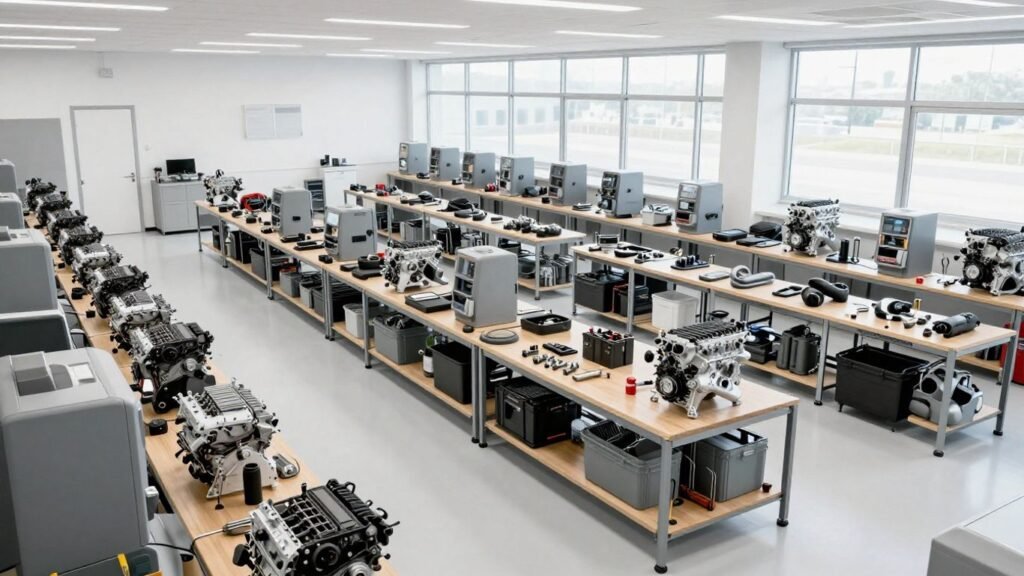
Engine maintenance often reaches a stage where the upper component, the cylinder head, requires significant attention to restore lost performance. Whether due to long-term wear or sudden failure, choosing reconditioned units provides a practical balance between cost and functional reliability. These components undergo a restorative process designed to bring them back within factory tolerance levels.
Definition and process of reconditioning
The reconditioning process transforms a worn component into a functional unit through several technical phases. Specialists perform a detailed cleaning to remove carbon buildup, followed by inspecting the metal for structural integrity and geometric accuracy. By following the thorough remanufacturing process, technicians ensure every part meets demanding operational standards while maintaining efficiency.
Reconditioned versus remanufactured versus used parts
Navigating the differences between various part categories is essential for long-term engine health. While used parts offer lower upfront costs, they arrive without any verified restoration, whereas remanufactured options are typically brought back to original equipment standards through more intensive oversight. For those weighing their choices, comparing these options helps clarify when to choose rebuilding versus remanufacturing based on vehicle age and expected mileage.
Benefits of choosing reconditioned components
Opting for a restored head offers significant financial advantages over a brand-new factory unit without sacrificing meaningful quality. Because these parts are rigorously tested, they provide a reliable way for owners to keep vehicles running despite aging engines. Many enthusiasts trust practitioners like Cylinder Heads International to deliver these components with consistent precision and expertise.
Signs that your cylinder head needs replacement
Detecting failures early can prevent catastrophic internal engine damage that often stems from a cracked or warped head. Monitoring subtle changes in your daily driver helps pinpoint issues before they become terminal problems.
Common symptoms of cylinder head failure
Common signs often include unexplained loss of coolant, thick white smoke from the exhaust, and recurring overheating warnings. A drop in power while idling or accelerating under load frequently points to compression losses within the combustion chamber. When these issues appear, quick verification is critical to prevent complete systemic failure.
Diagnosing cracks and leaks through inspections
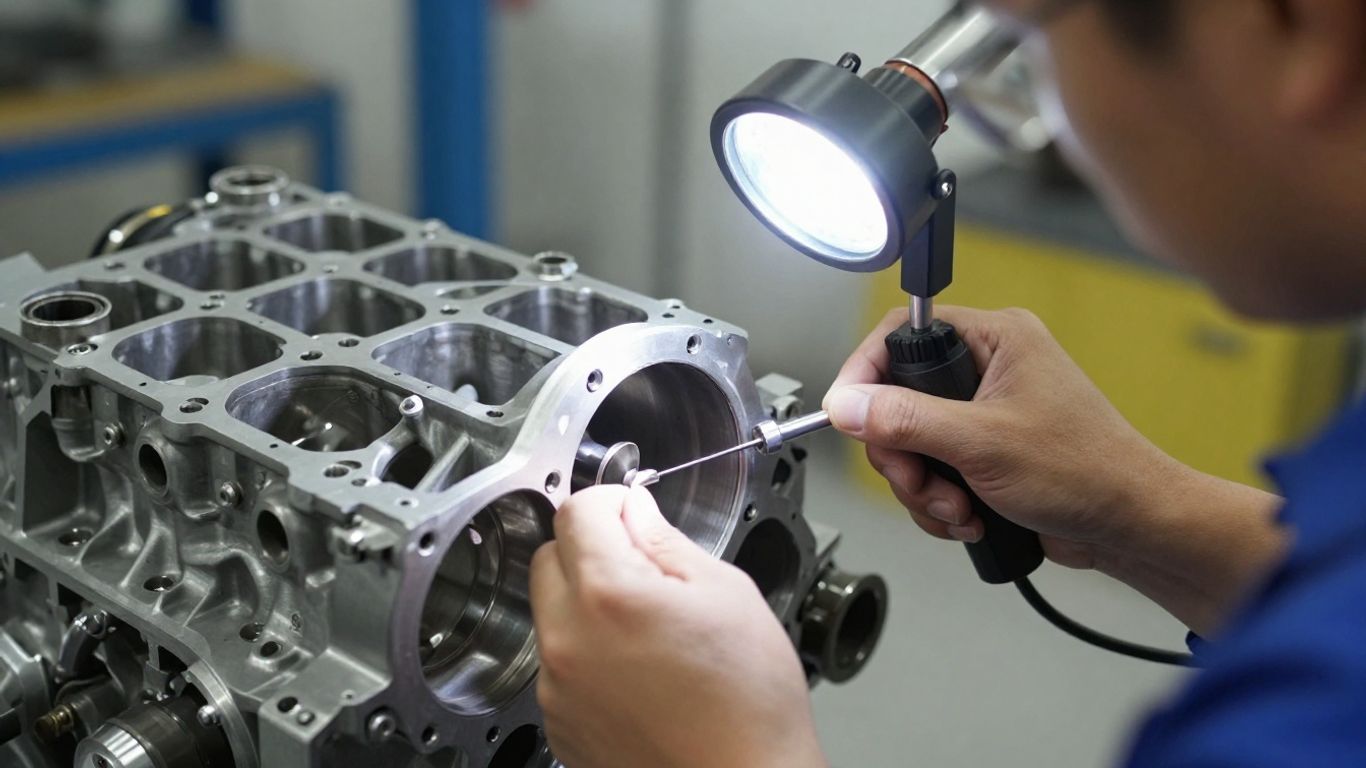
Physical inspections focus on identifying hairline fractures that may open up only when the engine reaches operational temperature. Technicians may use specialized dyes or visual magnification to inspect high-stress areas near the valve seats and water jackets. Resolving these leaks promptly preserves the internal block from contamination and fluid loss.
Identifying signs of overheating and metal warping
Metal warping results from uneven thermal expansion, usually triggered by cooling system neglect. When the mating surfaces are no longer perfectly flat, the head gasket cannot maintain a proper seal, leading to inter-chamber leakage. It is vital to recognize these clear warning signs of failure early to avoid further distortion of critical metal components.
Factors to consider when buying reconditioned cylinder heads
Choosing a reputable supplier ensures you receive a head that has undergone proper scrutiny rather than simple cosmetic cleaning. High-quality parts often come from established entities like Alliedmotorparts, which utilize modern techniques to ensure dependability.
Checking for industry machining standards
Professional machining ensures that all surfaces meet exact flatness requirements required for a airtight seal. The table below illustrates the standard check points during the selection process for any reconditioned unit.
| Quality Check | Inspection Method | Expected Outcome |
|---|---|---|
| Surface Flatness | Precision Straight Edge | Under 0.002 inch variance |
| Valve Leakage | Vacuum Test | Holding 22 inches Hg |
| Casting Integrity | Fluorescent Dye | No visible cracks found |
Maintaining these strict standards allows an engine to operate smoothly without the risk of early gasket failure or pressure inconsistency.
Importance of pressure testing and vacuum tests
Pressure testing serves as the ultimate validation that coolant passages remain intact and leak-free. Vacuum tests meanwhile confirm that valves seat correctly, ensuring no combustion pressure escapes during the compression stroke. These tests are non-negotiable stages for any technician verifying the quality of a restored part.
Evaluating the quality of replacement valves and valve springs
Valves and springs handle constant high-speed movement, making their quality vital for preventing dropped valves or timing issues. Ensure the supplier uses high-grade steel that matches the heat tolerance of your original hardware. Inferior materials may fail under high-load conditions, undoing the work of the entire reconstruction process.
Verifying supplier warranty and return policies
A strong warranty reflects the manufacturer’s confidence in their own engineering and machining quality. Always review the return process to ensure shipping and core exchange protocols are clearly defined. Understanding these policies helps you manage the logistics of getting your vehicle back on the road without unexpected delays.
Essential steps for installation
Installation requires clean environments and adherence to precise mechanical protocols to ensure the longevity of the repair. Even the best parts will fail prematurely if improperly seated or secured to the engine block.
Preparing the engine block surface and mating faces
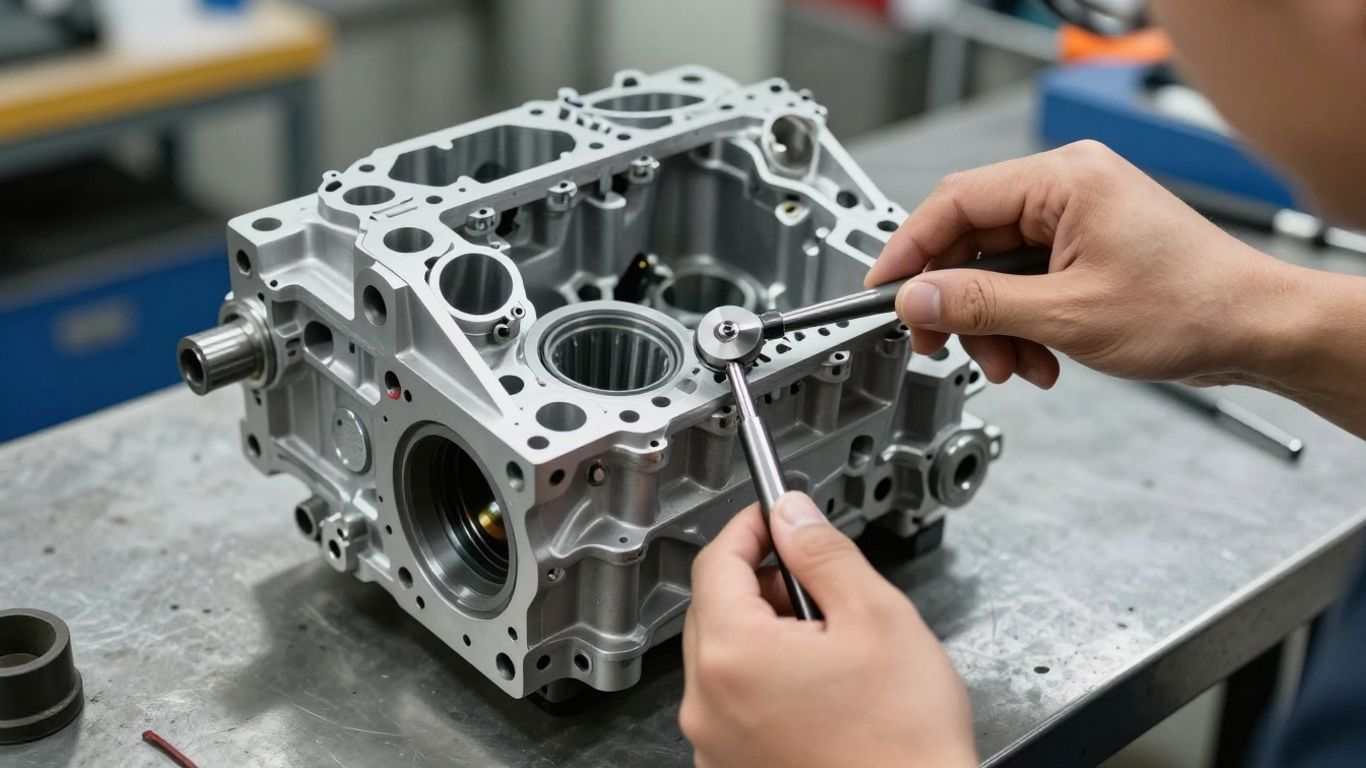
Before mounting, the mating surface must be absolute clean of all old gasket material and debris. Using the right chemical cleaners and non-abrasive scrapers prevents surface scarring which could create new leak paths. A pristine environment remains the foundation for a successful, leak-proof seal.
Understanding torque specifications and tightening sequences
Engineers design specific tightening patterns to ensure the head clamps perfectly evenly against the block. Following the manufacturer sequence, often working from the center outward, is crucial to prevent internal stresses. We recommend following these core protocols for every installation project:
- Thoroughly clean all threads in the engine block.
- Apply recommended lubricant to bolt threads and washer seats.
- Observe the multiple-stage torque process to reach final seating pressure.
- Re-check all torque values after the first successful heat cycle.
Choosing the correct head bolts or performance studs
Head bolts are generally designed for single use because they stretch upon reaching their final torque value. Using new, high-quality hardware ensures that the clamping force remains constant over thousands of miles. Never attempt to reuse old bolts, as their fatigued metal cannot hold the necessary tension required for current heavy-duty operation.
Addressing cooling system requirements after installation
Post-installation cooling checks are necessary to remove air pockets that lead to localized hot spots. Bleeding the cooling system thoroughly ensures that fluid circulates properly throughout the new head. This proactive approach prevents thermal shock and helps maintain a stable engine temperature from day one.
Common maintenance tips for engine longevity
Engine health relies on preventative care that mitigates the effects of extreme temperatures and fluid degradation. Consistent attention to these factors significantly extends the life of your reconditioned cylinder heads.
Monitoring oil and coolant chemical health
Contaminated oil or acidic coolant can quickly degrade head gaskets and delicate passages. Regularly testing these fluids for particulate matter or pH shifts allows you to address problems before they cause block or head erosion. Keeping a log of your fluid changes is a smart habit for any high-mileage vehicle owner.
Managing engine temperature effectively to prevent warping
Thermostats and water pumps regulate the thermal load, and these components must function perfectly to protect the head. If an engine consistently runs near the top of its temperature range, investigate the radiator fan and cooling circuits. Preventing thermal spikes remains the most effective strategy for ensuring the metal head maintains its factory shape.
Establishing regular inspection schedules for high-mileage engines
High-mileage engines benefit from periodic diagnostic scans and visual checks of external gasket lines. Inspecting for slow seeps of oil or coolant can provide early warning that seals are reaching their limit. Staying on top of these small visual clues prevents them from ballooning into large, expensive engine repairs.
Troubleshooting post-installation issues
Even with careful installation, external factors or minor setup errors may lead to post-startup performance concerns. Tracking these symptoms systematically helps identify the root cause quickly and efficiently.
Identifying vacuum or coolant leaks post-startup
If you notice fluid puddling near the head or a persistent smell of coolant, inspect the torque patterns on your head bolts. A common cause of early leaks after assembly is improper initial tightening or a failure to let the gasket seat properly. Re-verifying your connections might solve the issue without needing to lift the head again.
Managing engine compression concerns and misfires
Engine misfires often result from improper valve timing or compression leakage if a valve did not seal properly during the installation. Running a compression test can define which cylinder is underperforming, narrowing down your search significantly. Ensure that your sensors and ignition components are also functioning correctly to rule them out of the diagnostic equation.
When to seek professional diagnostic support
There are moments when internal complexity necessitates expert equipment like electronic diagnostic scanners or specialized pressure testing tools. If your own troubleshooting fails to resolve the symptom, it is time to turn to a mechanic who specializes in your engine type. Relying on professional insights prevents long-term stress on your engine and saves you from the frustration of ineffective quick fixes.
Conclusion
Investing in a high-quality reconditioned cylinder head involves balancing mechanical specs with careful installation habits, but it ultimately provides a sustainable way to rejuvenate your vehicle engine. By prioritizing proper testing, following torque protocols, and maintaining your fluids, you ensure that these critical components will provide reliable performance for years to come.
Frequently Asked Questions
Can a reconditioned cylinder head last as long as a brand new one?
Yes, when reconditioned properly with factory-standard machining and high-quality replacement parts, these heads are designed to perform reliably for a long lifespan comparable to new OEM castings.
What are the main benefits of using reconditioned parts?
Choosing these parts is a cost-effective way to restore an engine, as they offer recycled value that prevents unnecessary waste while delivering quality functionality that matches or exceeds original design requirements.
Is it possible to install a cylinder head without professional help?
Installation is possible for experienced home mechanics who have the proper tools, including accurate torque wrenches and detailed shop manuals, but extreme caution is required to avoid damaging engine internals.
How do I know if I have purchased a high-quality product?
You should verify that the supplier provides results from pressure tests and vacuum tests and offers a documented warranty policy, which shows they stand behind their technical work.
Can I reuse old head bolts during assembly?
No, you should never reuse old head bolts because they are typically torque-to-yield fasteners that become permanently stretched after their initial installation, failing to hold sufficient clamping load.
What is a core charge, and why does it exist?
A core charge is a refundable deposit that the supplier holds to ensure you return your old or damaged cylinder head, which is then sent back to their facility to be reclaimed and reconditioned for future use.
What are the most common signs of a dying cylinder head?
Common warning signs include persistent engine overheating, unexplainable loss of coolant even without visible leaks, milky-colored engine oil, and consistent engine misfires due to a loss of compression.