Key Takeaways
Identifying a reliable motor requires a blend of physical inspection and historical verification to ensure long-term performance. These central priorities guide the search for high-quality components:
- Inspecting oil quality helps identify long-term engine wear.
- Compression testing remains the gold standard for verifying internal mechanical health.
- Software diagnostics provide a digital footprint of an engine’s past stressors.
- Purchasing from reputable importers often secures a more reliable track record.
- Proper fluid maintenance after installation ensures longevity for second-hand units.
Understanding 6-cylinder engine configurations
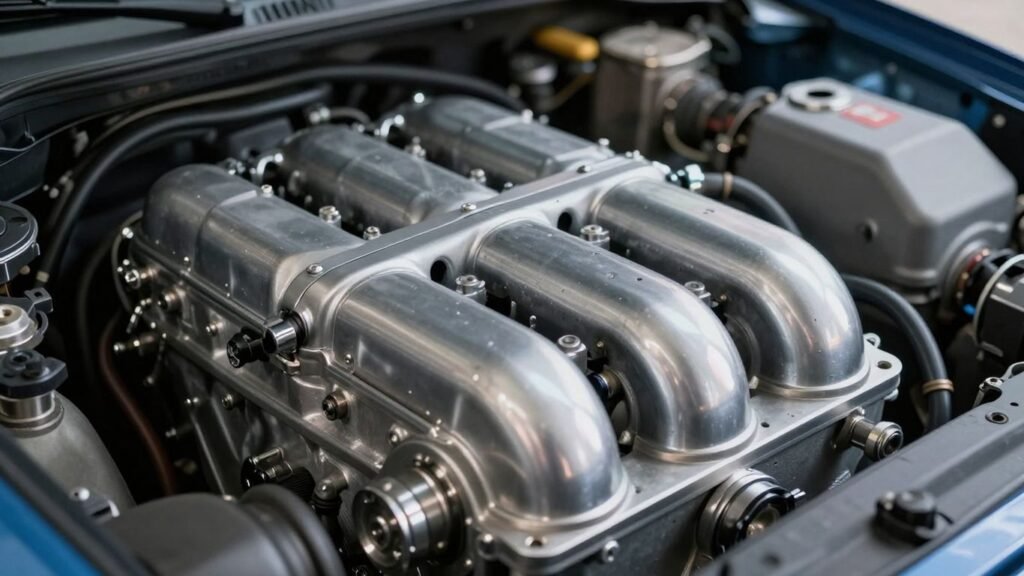
The landscape of six-cylinder powerplants is divided primarily by physical layout, which dictates both the size of the unit and the smoothness of its operation. Understanding these mechanical variations is crucial for anyone navigating the market for 6 cylinder second hand motors. Mechanics rely on these structural insights to predict how a unit will perform within a specific engine bay.
Inline-6 vs. V6 layout differences
Inline-six engines feature a single bank of cylinders arranged in a straight line, which is widely celebrated for its inherent primary balance. This configuration requires a longer engine bay compared to the compact V6 design, where cylinders are split into two banks angled toward a common crankshaft. Learn more about the V6 engine and its specific spatial advantages versus its straight-six counterparts.
Performance benefits of 6-cylinder engines
Selecting the right configuration impacts torque delivery and throttle response, making these engines highly adaptable for different driving styles. Various models, such as the Alfa Romeo 156 GTA, demonstrate how these motors can power everything from daily commuters to performance-oriented machines. Consider these factors when evaluating power output performance:
- High torque availability at lower RPM ranges.
- Smoother power delivery compared to 4-cylinder alternatives.
- Better weight distribution in front-wheel drive platforms.
- Increased durability during long-distance or heavy-load operation.
Common reliability patterns across brands
Reliability often stems from how well the manufacturer balanced efficiency with cooling capacity. While some engines are prone to specific overheating issues or internal wear, standardized testing protocols can reveal these predispositions. The following table provides a breakdown of common inspection criteria for these units:
| Inspection Point | Expected Status | Risk Indicator |
|---|---|---|
| Valve Cover Gaskets | Dry and clean | Visible wet oil seepage |
| Oil Filter Housing | Structural integrity | Excessive brittle plastic |
| Coolant Hoses | Flexible and supple | Hardened or cracked texture |
Conducting a thorough check using these benchmarks allows the buyer to avoid units that exhibit classic signs of neglect, ensuring the engine’s mechanical health hinges on documented care rather than guesswork.
Where to source high-quality used engines
Finding a reliable motor requires navigating a professional network of sellers rather than relying solely on luck in local advertisements. Dealers and importers provide documentation that private sellers often lack, which significantly minimizes the risk of acquiring a lemon. You should always prioritize transparency when searching for high-quality inventory.
Evaluating professional salvage yards
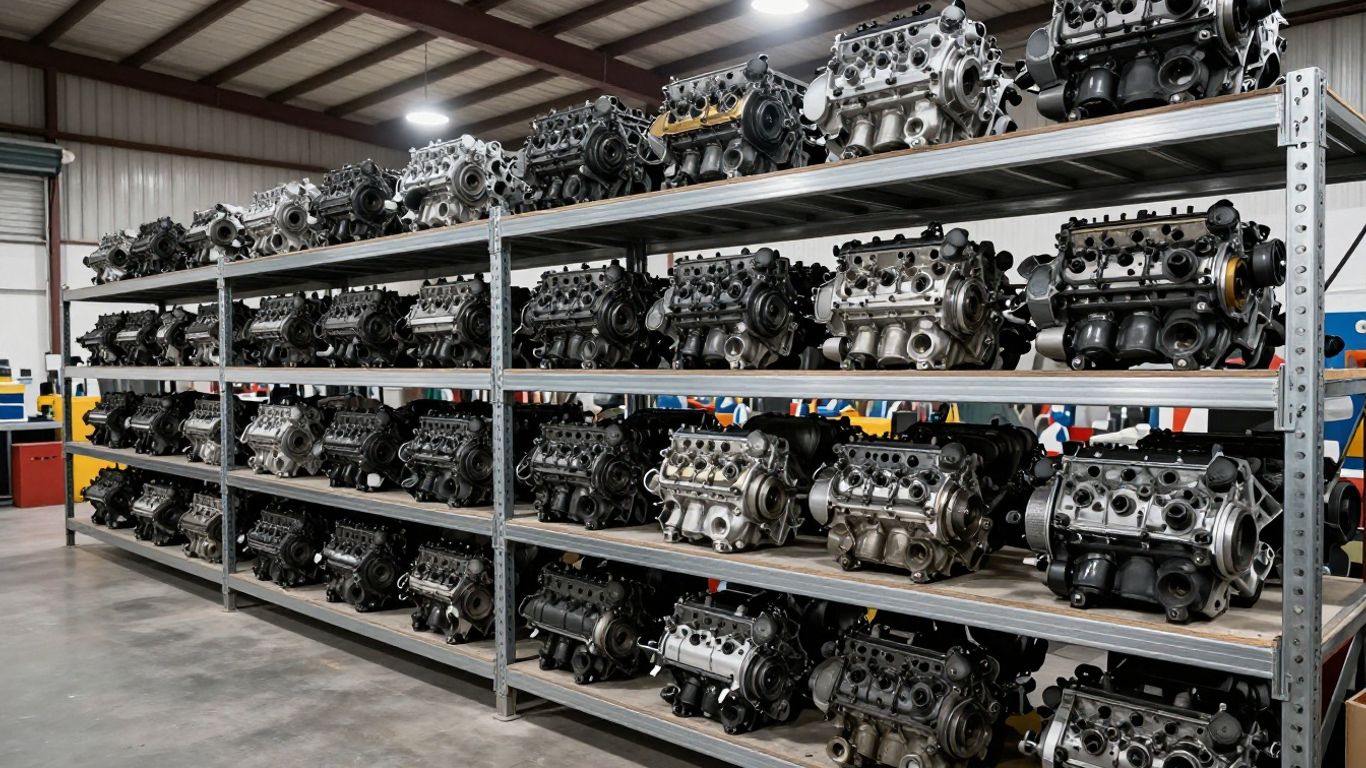
Professional yards often process vehicles systematically, cataloging important build data before extraction. These operations represent a reliable middle ground for finding original equipment manufacturer parts at a fraction of the cost of new replacements. Buying through established networks often provides insight into a vehicle’s final functioning state before it was parted out.
Benefits of buying from engine importers
Engine importers bring specialized units from international markets, which often have lower mileage and strictly enforced service intervals. These providers have a commercial incentive to filter out poor performers, as their business depends on repeat professional clients. It is worth browsing used V6 cars if you are still undecided whether to buy the whole vehicle or just the heart of the machine.
Risks and rewards of private party sales
Private sales offer the lowest entry price but demand the most technical scrutiny from the buyer. Without a corporate or professional warranty to fall back on, you are responsible for validating the unit’s history. Utilize a CARFAX report to cross-examine claims made by sellers about the history of the donor vehicle.
Initial physical inspection of the motor
Once the engine is in your sight, the physical assessment serves as the first filter for quality control. You need to look past the superficial cleanliness of the valve covers and examine the areas where oil and coolant are under extreme pressure. Never skip this manual evaluation phase as it precedes any sophisticated software tests.
Checking for oil sludge and leaks
Oil sludge indicates that the previous owner neglected regular change intervals, potentially damaging internal bearings. Inspecting beneath the valve cover or inside the oil fill cap provides an immediate snapshot of the engine’s internal cleanliness. Any presence of dark, gummy residue should be treated as a warning sign of potential oil cavitation or restricted lubrication channels.
Examining the serpentine belt and pulleys
Serpentine belts should be free of cracks, fraying, or glazing on the underside. When a belt has hardened, it suggests the engine has suffered through extreme heat cycles that likely impacted other rubber seals. Wiggle the pulleys to ensure there is no lateral play, which indicates a failing accessory bearing that could seize during high-speed operation.
Analyzing the coolant system condition
Coolant ports and radiator connections are common failure points that suggest how well the engine was maintained. Examine the coolant temperature sensor ports and connections for signs of heavy corrosion or white, chalky residue. This is a critical indicator of whether the motor was run with proper antifreeze mixtures or if plain tap water caused internal scaling.
Essential software diagnostics for used engines
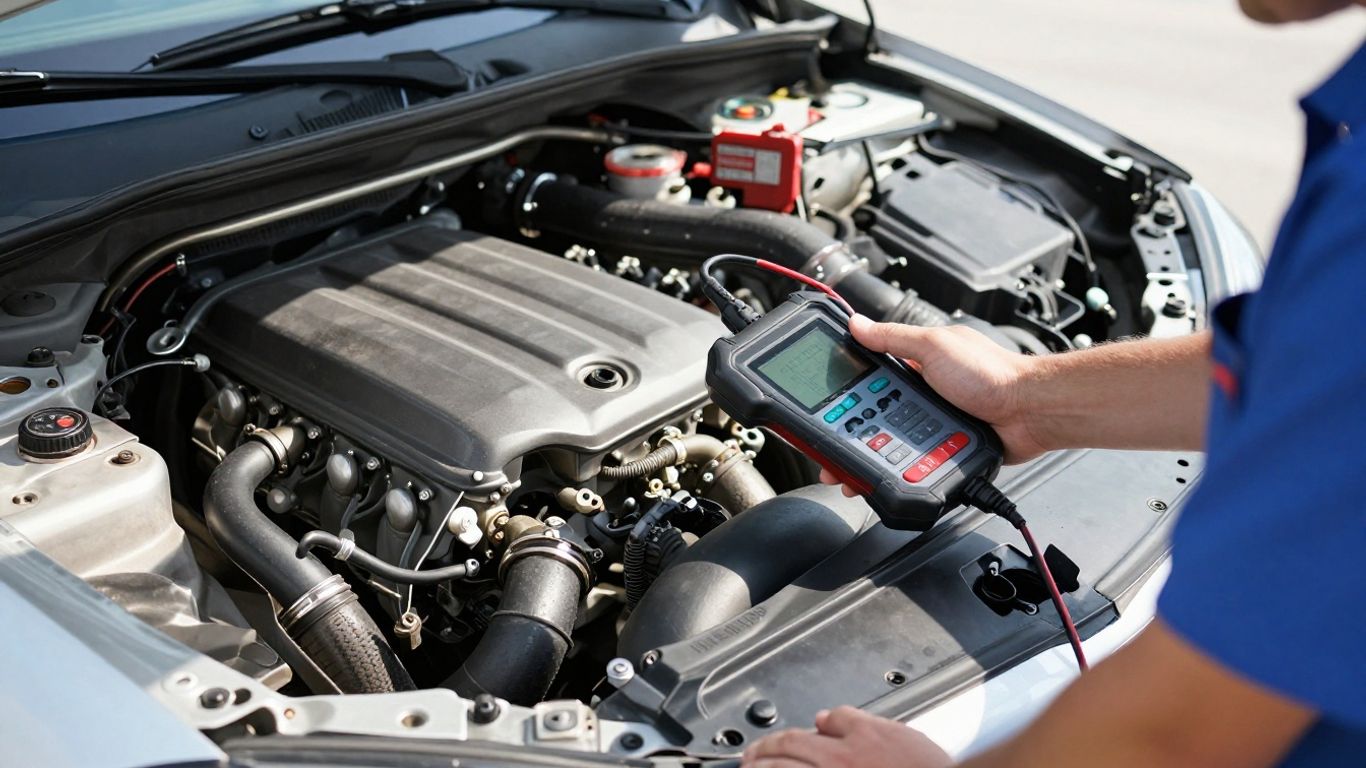
Digital diagnostics identify issues that remains hidden during a visual-only inspection. Modern engines store an array of data, and tapping into this can reveal a treasure trove of information about how the motor was operated. Use a dedicated scanner to verify if the logic within the electronic control unit matches the physical appearance of the engine block.
Reading stored ECM codes
Stored diagnostic trouble codes provide a timeline of historical failures that the seller may not have disclosed. Even if the current engine is cleared, history codes can highlight previous electrical gremlins or intermittent sensor malfunctions. Knowing these codes ensures you are not buying an unit with a chronic, unidentified issue.
Testing compression across all cylinders
Compression testing is the most reliable method for uncovering worn piston rings or damaged head gaskets. A consistent reading across all cylinders indicates an even wear pattern, whereas significant variance points to a compromised block. This technical verification ensures the core of the engine is sound enough to warrant the cost of installation.
Monitoring fuel trim and system data
Fuel trim data reflects how well the engine calculates its mixture to achieve efficiency under load. Unusually high or low trim values suggest vacuum leaks, faulty fuel injectors, or sensor drift that may complicate the initial start-up calibration. This diagnostic step is vital for ensuring the engine will idle smoothly upon installation.
Legal and logistical considerations
Handling the legal transfer of a motor requires attention to documentation that ensures the component is legally owned and suitable for your specific chassis. Missteps during this phase can lead to title issues when registering the vehicle later down the road. Always ensure documentation is clear before the item enters the shipping process.
Verifying the engine’s VIN history
Cross-referencing the VIN from the donor vehicle with national databases prevents the purchase of stolen components. This step is a standard safeguard in professional trade and validates the legitimacy of the engine’s origin. Ensure that the VIN matches the chassis and original title to maintain clear records for future inspections.
Understanding warranty terms for used parts
Used parts are rarely guaranteed for life, but reputable sellers provide a short-term functioning warranty. Understand exactly what this covers—typically parts-only replacements—and the limitations on installation requirements. Keeping documentation of these terms is essential for resolving any issues detected during the first week of operation.
Preparing for shipping and core charges
Shipping a large, heavy item requires specific packaging to prevent damage to delicate sensors and housings. Factor in crate costs and delivery logistics to avoid unexpected site fees upon arrival. Additionally, be aware of core charge structures where you pay a deposit upfront that is later returned once the old engine is turned in.
Installation and break-in best practices
Installing a used engine is a significant project that demands methodical attention to detail to ensure long-term reliability. Replace all wearable components before the engine is lowered into the bay to avoid repeating the work later. A organized approach here pays off for thousands of miles of driving.
Necessary gaskets and seals to replace first
Even if the engine looks clean, replace the rear main seal and water pump gasket immediately, as they are nearly impossible to reach later. Taking these precautions eliminates the risk of minor leaks turning into major maintenance operations shortly after installation. These components are cheap compared to the labor required to pull the engine again.
Flushing fluids and filter systems
Flushing the oil and coolant systems removes any debris that may have migrated during transport or storage. Use fresh, high-quality fluids to ensure the engine starts under optimal lubrication conditions. This refresh serves as a clean slate for the engine and protects critical internals during the critical first turn-over.
Proper break-in procedures for long-term health
Once the engine is installed, a gentle break-in period allows all moving parts to seat together correctly. Avoid sustained high-RPM operation for the first hundred miles and check fluid levels daily. Monitoring temperatures closely during this time ensures that any minor cooling or oiling issues are caught before they create permanent damage.
Conclusion
Securing a high-quality six-cylinder engine is a rewarding endeavor that relies heavily on your diligence during the inspection and procurement process. By focusing on physical condition, verifying documentation, and following disciplined installation steps, you can breathe new life into your vehicle with confidence and technical assurance.
Frequently Asked Questions
How many miles is too many for a used 6-cylinder engine?
High mileage is secondary to how well the engine was maintained throughout its life. An engine with 150,000 documented miles and perfect maintenance records can often be a better investment than one with 80,000 miles and no oil change history.
Can I install a V6 engine where an inline-six was originally placed?
Changing the engine configuration is rarely a simple swap due to differences in length, mounting points, and engine management wiring. Attempting this usually requires extensive custom fabrication and a completely new set of computers and sensors to make the system function correctly.
Is it safer to buy from a local wrecker than an online importer?
A local wrecker allows you to physically inspect the engine before purchase, which is a major advantage. However, online importers often specialize in specific import makes and provide much better documentation regarding mileage and service history.
What does engine compression variance mean for long-term life?
Variance suggests that one or more cylinders are losing pressure due to worn rings or leaking valves. While the engine may still run, a significant difference indicates that it will be prone to misfires, reduced power, and decreased longevity under heavy load.
Do I need to replace all gaskets before installing a used engine?
Replacing critical seals like the rear main, valve cover, and oil pan gaskets before installation is highly recommended. It is a proactive measure that saves hours of labor later if a minor leak develops once the engine is seated.
What is a core charge, and why does it exist?
A core charge is a refundable deposit paid to ensure the seller receives your old, broken engine back. It helps the industry recycle rare or valuable parts and keeps the overall cost of buying used components lower for everyone.
How long should the break-in period last for a used unit?
Most technicians recommend at least 500 miles of consistent, moderate driving behavior following a new installation. Avoiding redlines and heavy towing during this window allows all new seals and mating surfaces to settle and seal under thermal stress.