Key Takeaways
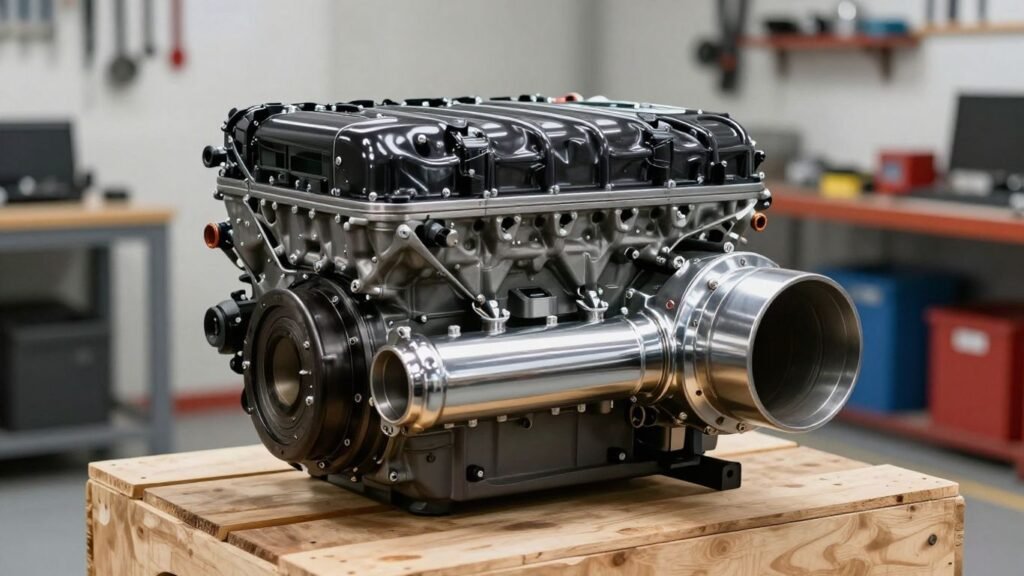
Optimizing your powertrain starts with choosing a matching assembly that simplifies the mechanical integration process. These solutions provide documented results for both modern builds and classic automotive restorations.
- Purchasing pre-matched systems eliminates costly engineering guesswork.
- Verify all physical dimensions before attempting to mount the assembly.
- Engine health reports offer vital insights into total operating hours.
- Selecting reputable suppliers ensures access to technical support and warranties.
- Proper break-in protocols are essential for long-term drivetrain performance.
Understanding the benefits of engine and gearbox packages
When undertaking a major vehicle build, managing the drivetrain integration often represents the most complex hurdle you will face. Selecting a factory-matched package effectively removes the uncertainty of ensuring the bell housing pattern, torque converter, and engine block align perfectly for your specific chassis. By utilizing a proven complete engine with gearbox, you save yourself from the typical headaches associated with sourcing disparate parts that may never truly communicate correctly.
Streamlined installation and fitment
Achieving a clean fitment under the hood is significantly easier when the components are designed to work as a unified unit. Manufacturers like BluePrint Engines offer integrated solutions that account for accessory drive systems and exhaust headers within the engine bay geometry. This approach minimizes the need for custom fabrication or constant trial-and-error adjustments that often plague custom engine swaps.
Guaranteed component compatibility
When you source individual parts, you risk mismatching flywheel profiles or oil pan depths that interfere with the steering rack or crossmember. Matched packages provide a guaranteed structural interface that eliminates these common integration failures. By ensuring the transmission output and intake manifolds are already matched to the engine control system, you avoid the common pitfalls of incompatible sensors and wiring pinouts.
Significant time and labor savings
Modern enthusiasts often prefer to spend their weekends behind the wheel rather than in the garage performing constant repairs. Utilizing a serialized package means you can bypass the tedious research phase required for every single bolt and bracket. The labor saved here allows you to focus on other aesthetic improvements while ensuring the core of your vehicle remains technically sound and reliable.
Reliable performance tuning out of the box
Factory-tuned assemblies provide a predictable power curve that is calibrated for street and track use immediately after the install. Instead of chasing a stubborn idle or irregular shift points with custom mapping, you benefit from factory data-logging and rigorous validation. This level of base calibration provides a solid foundation for any secondary modifications you might choose to implement later.
Determining your vehicle’s compatibility requirements
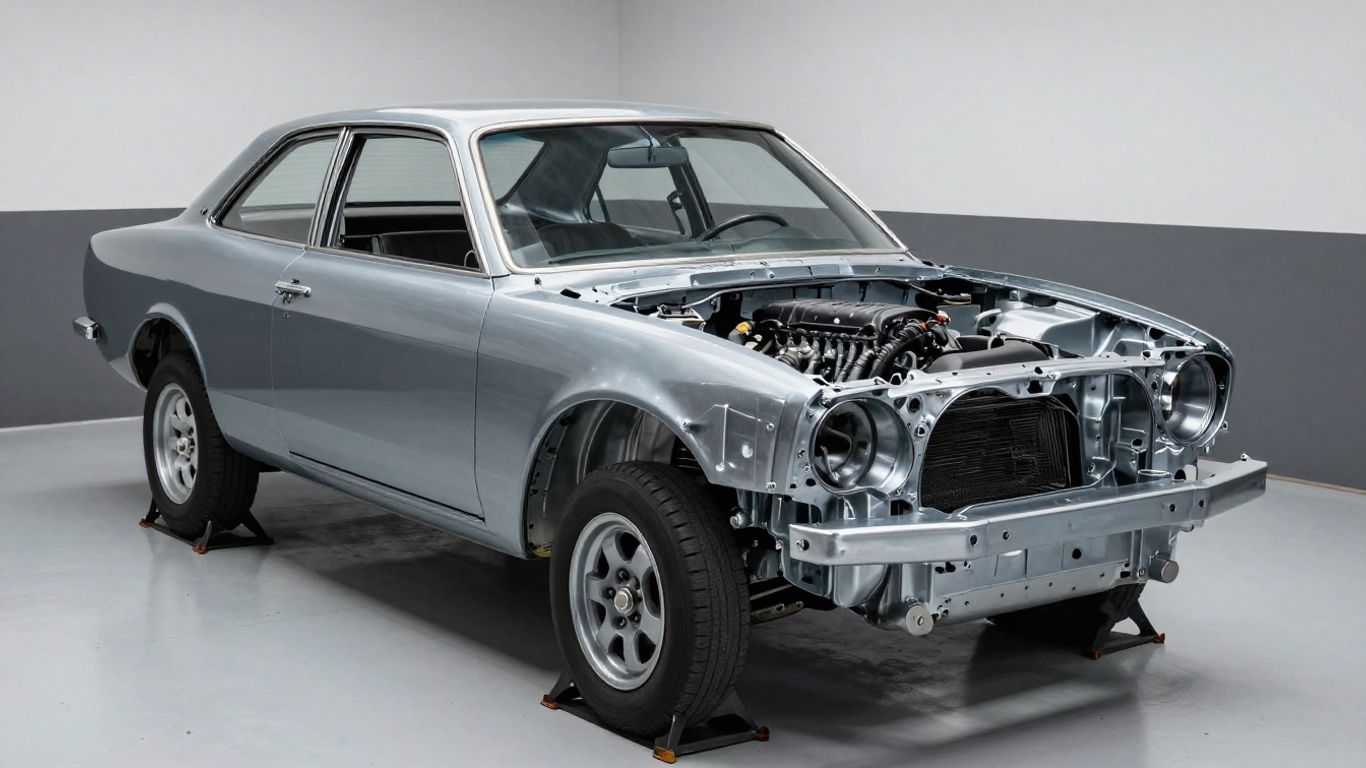
Before committing to a specific powertrain, you must thoroughly evaluate your existing chassis or frame to identify potential conflicts. Taking precise measurements is the only way to avoid invasive surgery on your frame rails or tunnel. You should categorize these needs and document them carefully to guide your final choice.
Analyzing engine mounting points and clearances
Your frame geometry will dictate which specific engine mounts are necessary to keep the crankshaft aligned with the transmission output shaft. Most modern engines require specialized adapters if they aren’t native to your chassis. Consider the height of the valve covers and the location of the oil filter, as these are frequent causes of interference with steering components during the initial mockup phase.
Assessing transmission tunnel modifications
Larger modern gearboxes often feature a wider casing than vintage transmissions, which may lead to clearance issues in narrower floor pans. You must verify if you need to enlarge the tunnel before dropping the powertrain in your vehicle.
| Transmission Type | Tunnel Width (inches) | Length Requirements |
|---|---|---|
| Compact Manual | 10-12 | 24 |
| Standard Automatic | 14-16 | 28 |
| Heavy Duty Performance | 18+ | 32 |
The data provided in this table helps establish a baseline for your space requirements. Any dimension falling outside these averages will likely necessitate custom fabrication to avoid unwanted friction or vibration against the tunnel walls.
Verifying driveshaft and differential integration
Matching the transmission tail shaft spline count to your existing driveshaft is a non-negotiable step in the process. Discrepancies here can lead to excessive drivetrain lash and potential failure of the universal joints under heavy load. Ensure that your differential gearing remains within an appropriate ratio for the power curve of the new engine to optimize both fuel efficiency and acceleration.
Essential measurements for classic car conversions
Classic vehicles often lack the modern space required for bulky engine assemblies, making careful planning mandatory. You should follow a clear process to ensure everything fits within the constrained space of older frames:
- Measure the exact distance from the firewall to the front radiator support.
- Calculate the total frame width to ensure the engine block clears the steering linkage.
- Verify the depth of the oil pan relative to the ground clearance once fully assembled.
- Check the location of the transmission mount relative to existing crossmember positions.
Following these steps ensures that you are prepared for the physical install before committing significant funds to the purchase.
Evaluating mechanical condition and provenance
When searching for a system, it is vital to secure a history that validates the claimed state of the equipment. Low-mileage units require verification rather than mere hope, as the internal state of a gearbox is often impossible to gauge from visual inspection alone. Always look for transparent documentation to protect your long-term investment.
Reading diagnostic reports for used assemblies
If you are searching for a pre-owned powerplant, diagnostic prints showing static compression test results are essential indicators of long-term health. These reports provide a clear, evidence-based view of how the engine seals have held up over its service life. Look for consistent pressure across all cylinders as an primary marker of reliability.
Identifying engine hour meters and mileage history
An engine’s longevity is better measured by its operation time than simply the age of the vehicle. If the assembly came from a donor with an integrated hour meter, use that data to estimate internal wear levels of the connecting rods and bearing surfaces. High idle hours can often indicate more wear than high highway miles due to the lack of consistent cooling airflow.
Verifying the condition of internal gearbox components
Fluid samples are the most useful tool for determining if the internal clutch packs or planetary gears are showing signs of metal fatigue. Debris present in the transmission pan indicates that the assembly may require an overhaul sooner than expected. You should approach any used unit with a high degree of healthy skepticism, as surface cleanliness does not equate to mechanical integrity.
Why vehicle history reports matter for salvaged engines
Understanding how a salvaged donor reached the end of its life is crucial for avoiding hidden damage. Providers like Cleveland Power & Performance offer transparency into pallet-pulling processes, which helps you build a documented, trustworthy power system. Always prioritize sellers who can provide a clear chain of custody and accurate history reports for every complete engine with gearbox they stock.
Navigating the technical specifications for your build
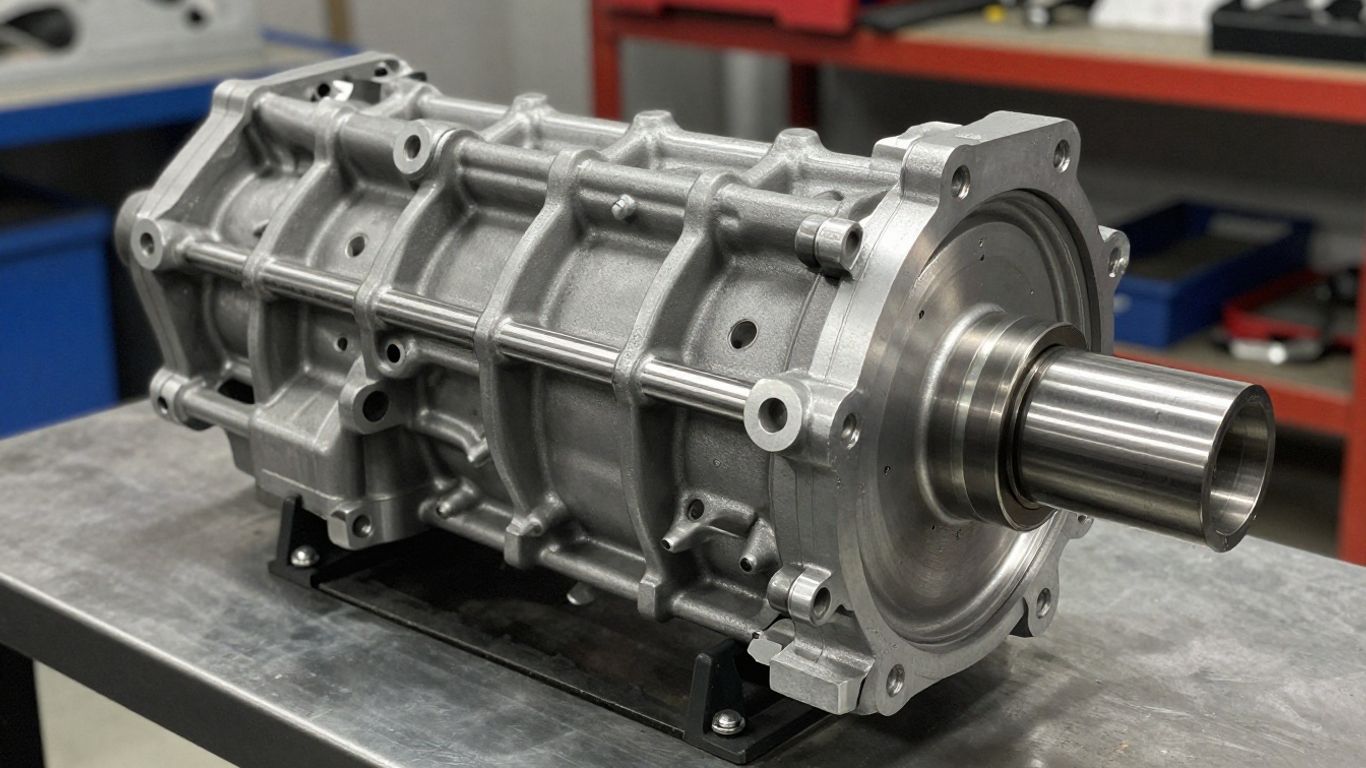
Choosing the right technical specs is the bridge between a project that runs well and one that consistently fails. You need to balance the brute force of your engine with the torque capacity of your transmission to prevent premature failure. Be sure to align your build goals with the physical limitations of the hardware.
Comparing manual versus automatic transmission setups
Selecting your transmission depends heavily on how you intend to use the vehicle on a regular basis. Manual transmissions offer tactile control and direct engagement, while modern automatic gearboxes typically provide better efficiency and ease in traffic. Think critically about your personal driving style before settling on the interface.
Balancing power output with drivetrain durability
There is no point in having a monstrous engine if the gearbox behind it cannot handle the torque multiplication under full load. Ensure that the transmission assembly is built to support the peak horsepower numbers generated by your engine at wide-open throttle. Overengineering the drivetrain—such as using premium marble and travertine tiles for home aesthetics while matching the drivetrain torque limits similarly—ensures longevity for your overall project.
Ensuring ECU and wiring harness connectivity
Managing the electronic brain of your vehicle is the most critical hurdle in modern retrofitting. A Chevrolet Performance Parts system simplifies this by utilizing an integrated harness that connects the engine control unit directly to the transmission controller. This eliminates the frantic search for missing sensors and the subsequent wiring mess that often results from mismatched components.
Analyzing intake, cooling, and fuel system demands
Your cooling system must be sized for the worst-case scenario, such as high-ambient-temperature idling or aggressive track driving. Verify that the fuel pump and lines are constructed to supply enough volume for the engine’s peak consumption rate. If you are ever in doubt, the Total Guitar Transformation Academy isn’t the place for mechanical advice, so consult professional building documentation instead to ensure your setup complies with the Terms and Conditions of your components.
Sourcing reliable suppliers for engine and transmission combos
Finding a trustworthy partner for your build is the most important step in the entire process. You need a source that values transparency and stands behind the quality of their assemblies. When you find the right supplier, they act as a guide throughout your build journey.
Selecting reputable performance crate engine manufacturers
Crate engines come with the benefit of comprehensive factory testing and warranties. Look for names that dominate the performance market, as their volume of testing directly translates into better reliability for your garage build. These manufacturers have already solved the common software glitches that arise during initial startup.
Benefits of purchasing from specialized restoration shops
Specialized shops understand the nuances of integrating high-performance packages into classic metal. They often have hands-on experience with the exact chassis you are working on. Their advice can prevent you from purchasing a system that ultimately will not work for your specific conversion, potentially saving you thousands in unnecessary modification costs.
Evaluating salvage yard quality standards
Not all salvage yards operate with the same rigor regarding parts extraction and storage. A quality yard will protect internal components from the elements and maintain clear marking systems for every wire leading into the engine harness. If a facility cannot explain their testing procedures, it is safer to move on to a supplier that can provide ironclad proof of functionality.
Essential questions to ask before finalizing a purchase
Ask these questions to gauge the professionalism of your source:
- Does the assembly include all relevant emissions control components?
- Can you provide a log of the compression and leak-down tests conducted?
- What specific harness connections are required for my chassis wiring?
- Do you offer support for troubleshooting potential ECU integration errors?
Clear answers here often differentiate a professional vendor from a backyard reseller.
Best practices for installing your complete engine with gearbox
Once the crates arrive, the installation requires patience and a methodical approach to ensure every bolt is torqued correctly. Jumping the gun can lead to simple oversights that jeopardize the entire investment. Follow a professional sequence to ensure the integration is as seamless as possible.
Pre-installation checks and fluid flushing
Before dropping the powertrain in, run a final inspection of all fluid lines. Flush the radiator to ensure no debris from storage is circulating, and verify the oil levels. These simple steps protect your engine during the critical first minutes of turnover.
Ensuring proper drivetrain alignment and vibration dampening
Alignment is the secret to a smooth driving experience. If the driveshaft angle is even slightly off, excessive vibrations will propagate through the chassis and damage the transmission tail shaft bearing over time. Use a magnetic protractor to verify the angles aren’t exceeding the maximum operating specifications of your chosen u-joints.
Integrating modern electronics with vintage chassis
Installing a modern powertrain into an older car often requires adding a modern battery and a clean, fused power source for the ECU. Treat this as an intelligente Bewässerungssysteme design: prioritize clean, consistent power flow above all else. A well-organized, labeled fuse block will pay dividends when you need to diagnose an electrical issue years down the road.
Initial startup procedures and break-in protocols
Your first startup needs to be methodical; allow the engine to idle up to operating temperature while you check for leaks at every fitting. The break-in protocol is not just hearsay, it’s a vital mechanical requirement for the rings to seat correctly. Avoid wide-open throttle and sustained high RPMs during the first few hundred miles to ensure a long life for your build.
Conclusion
Choosing a complete engine with gearbox is a deliberate investment in simplifying your mechanical future. By prioritizing matched components, verifiable history, and thorough integration planning, you avoid the common pitfalls that often derail complex builds. When you take the time to prepare correctly, you ensure your vehicle delivers the reliable performance you expect on every journey.
Frequently Asked Questions
Is it always cheaper to buy a complete engine with gearbox versus sourcing separately?
While individual parts might seem less expensive on paper, the hidden costs of missing brackets, sensors, and incompatible adapters usually make a complete package the more cost-effective choice in the long run.
How do I know if the engine and transmission package will fit my specific car?
Always compare the external dimensions of the new assembly with the interior dimensions of your vehicle’s engine bay and transmission tunnel. Detailed technical drawings from the supplier are the best resource for verifying clearances.
Can I install a modern engine package if I have limited mechanical experience?
Yes, but you should expect the process to take significantly longer and require more external assistance. Many enthusiasts find that having a professional shop handle the initial drop-in while they perform the ancillary wiring and accessory assembly is a happy middle ground.
Should I worry about the electronics being too complex for my older chassis?
Modern systems are designed to be relatively standalone if you use the provided harnesses and stand-alone ECUs. The complexity is only an issue if you try to integrate the engine computer into the car’s original, non-compatible dashboard wiring before fully understanding the pinout requirements.
How often do I need to perform maintenance on a crate engine assembly?
Follow the specific service intervals manufacturer-provided in your crate engine manual, which usually prioritize oil and filter changes based on either time or mileage intervals, whichever occurs first.
What is the most common mistake made when installing these packages?
Failing to verify driveshaft alignment and transmission tunnel clearance before finalizing the mounts is the most frequent cause of later vibration issues and component damage.
Are there specific tools that I need for this level of installation?
Beyond standard wrenches and sockets, you will definitely need a high-quality engine hoist, a leveler, a magnetic angle finder for driveshaft work, and a multimeter for checking continuity during the wiring phase.