Key Takeaways
Finding a suitable engine requires balancing cost, performance expectations, and documentation to ensure long-term vehicle reliability. Understanding the source of the engine and confirming its specific compatibility are critical steps before committing to a purchase.
- JDM imports often provide lower mileage but require careful shipping and logistics.
- Salvage yard motors offer price advantages but carry inherent risks regarding maintenance history.
- Professional compression testing identifies potential internal damage before the unit is finalized.
- Checking engine code sequences against the VIN ensures the hardware fits the transmission and chassis.
- Warranty coverage details specifically whether labor costs are included or if protection is restricted to parts only.
Understanding the different types of Toyota used motors
Selecting the right heart for your vehicle significantly impacts how much mechanical work you need to perform after the swap. You should weigh the history of the donor vehicle against your budget to avoid unexpected rebuild costs later. Whether you opt for a high-performance import or a domestic salvage find, understanding the common condition profiles is a vital first step in managing your project.
Low-mileage JDM import engines
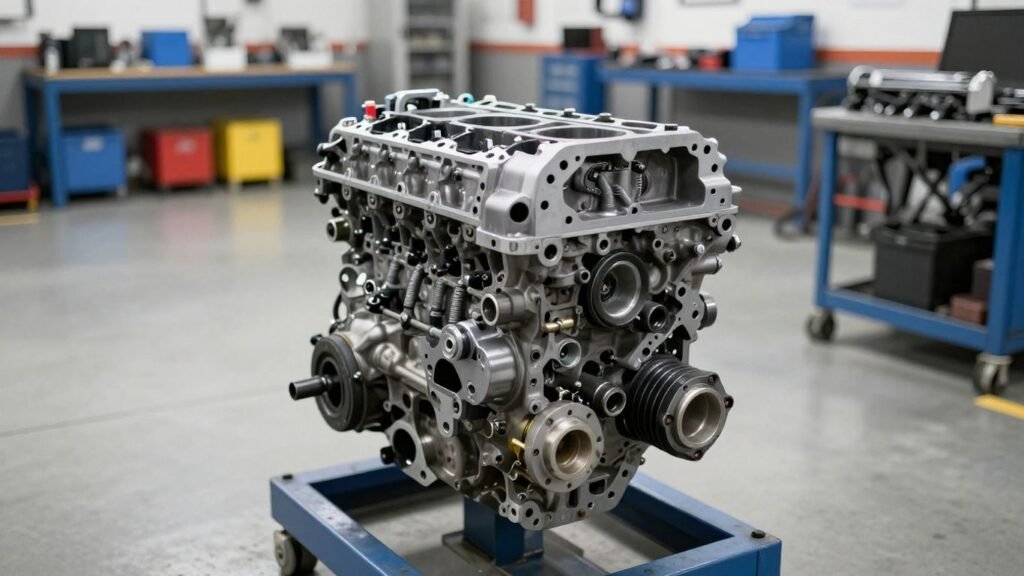
Many enthusiasts prioritize these units because they come from markets with strict vehicle inspection regulations, which often leads owners to retire cars at lower odometer readings. These engines frequently arrive with various ancillaries still attached, simplifying the overall conversion. When browsing, you might find a wide selection of Toyota engines through specialized outlets that focus on these high-quality imports.
Standard salvage yard replacement motors
Local salvage yards serve as a practical choice for those who need an immediate and affordable solution for a daily driver. These motors come from various sources and typically lack the pristine maintenance history seen in imported variants. Buyers must remain cautious of long-term environmental exposure if the donor vehicle spent extended time sitting in an open yard.
Remanufactured versus used engine options
Remanufactured engines undergo a complete teardown and rebuild process that restores factory-level tolerances to internal components. While these are more expensive than raw used units, they offer a predictable lifespan that helps avoid the uncertainty of unknown usage. Many professionals argue that while organizations often focus on organizational grievances as a culture problem, individual automotive repair choices remain grounded in technical, measurable outcomes.
Sourcing high-quality Toyota used motors
Finding reliable hardware requires looking beyond basic advertisements to evaluate the seller’s transparency regarding maintenance data. Reputable sellers provide detailed history reports that reduce the mystery surrounding the engine’s operational life. Taking the time to build a relationship with a supplier often proves more beneficial than simply chasing the absolute lowest entry price.
Working with reputable engine importers
Specialized importers manage complex logistics, ensuring that mechanical units reach your shop while maintaining their integrity during transit. They frequently offer test video footage or internal inspections of their stock, providing confidence before you commit to the purchase. This transparency helps you verify the health of the block before it ever arrives at your garage door.
Navigating online classifieds and salvage databases
Online platforms act as giant inventory boards, but you must apply critical scrutiny to every listing to separate excellent deals from neglected parts. If you are specifically searching for regional inventory that is easy to transport, you might explore various quality used cars that share engine components with popular truck and SUV models. These databases usually require consistent monitoring to capture inventory as soon as it hits the yard.
Benefits of buying through a certified dealership network
Dealership networks provide a standardized purchasing path that minimizes the risks associated with private party acquisition. You can locate quality pre-owned vehicles or pull salvaged original equipment that adheres to strict manufacturer guidelines for safety and performance. This route ensures that you receive documented hardware which aligns perfectly with modern diagnostic requirements.
Performing a physical inspection before purchase
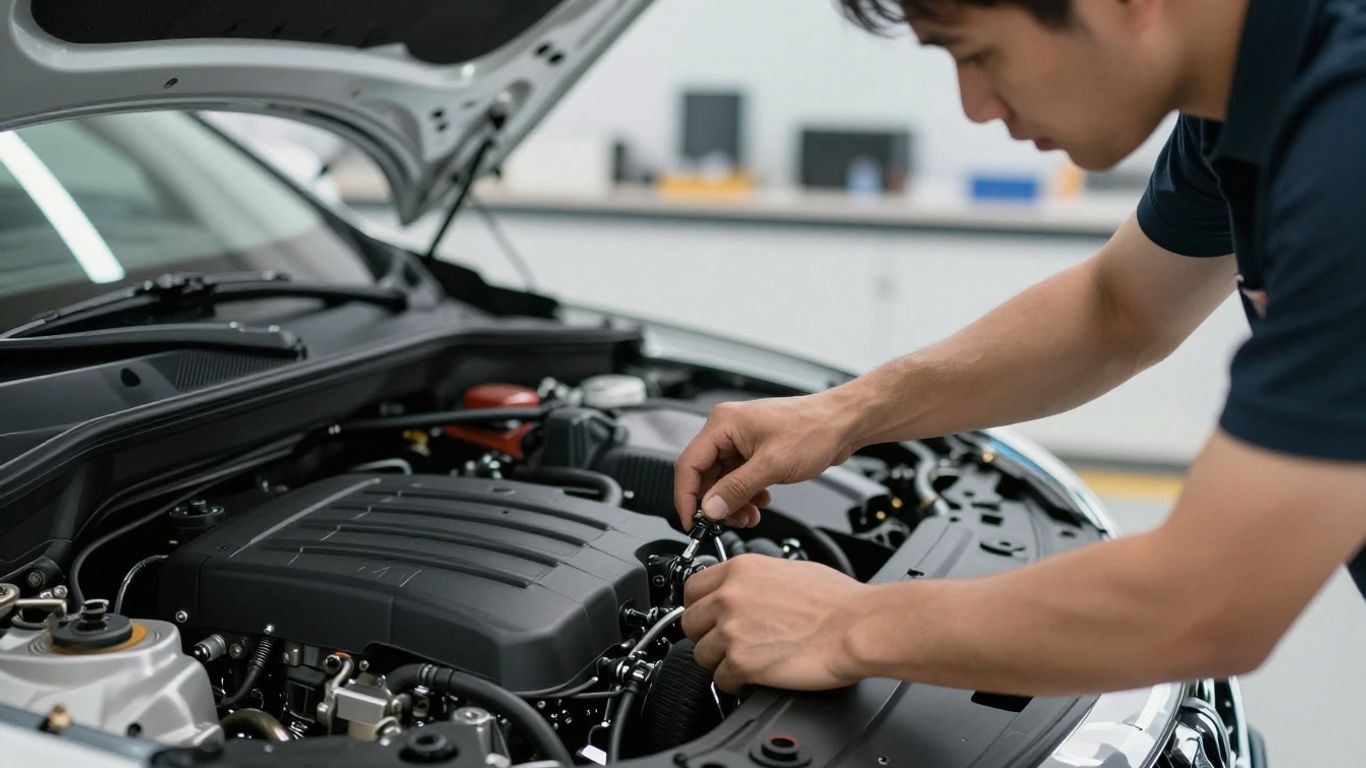
Assessing an engine before installation reveals red flags that might otherwise remain hidden until the unit is under load. Visual cues often tell a story about how well the previous owner maintained the oil change intervals and general cleanliness. A thorough inspection process protects your investment when browsing for Toyota used motors.
Checking for oil sludge and internal debris
Sludge accumulation inside the valve cover indicates poor lubrication habits that eventually clog oil pickups and damage bearing surfaces. You should examine the following common points of internal wear before final payment.
| Component | Area to Examine | Potential Risk Factor |
|---|---|---|
| Oil Pan | Magnetic drain plug | Metal shavings present |
| Valve Cover | Internal baffle area | Thick sludge buildup |
| Timing Cover | Tensioner assembly | Excessive chain slack |
These areas act as early warning systems for how the vehicle was treated throughout its lifespan.
Assessing the condition of external components
External sensors, pulleys, and hoses provide insight into the engine’s environmental history and exposure to heat. If the plastic connectors are brittle or the hoses are severely cracked, the entire harness system may require a significant amount of work. Replacing these items adds to your total project cost and should be factored into your decision.
Analyzing compression test results
Compression testing provides a snapshot of the engine’s cylinder health by measuring the pressure held within the combustion chamber. A significant variance across different cylinders suggests internal issues like worn piston rings or damaged valves that require a full rebuild. Aim for consistent readings across all chambers to ensure the block is ready for daily operation.
Inspecting spark plugs and port conditions
Spark plugs serve as a diagnostic tool that reveals combustion patterns and potential oil consumption trends. Pulling these plugs allows you to peek into the combustion chamber to see if anything looks charred or unusually wet. Clean, light-colored tips indicate a healthy engine that burns fuel efficiently without leaking excessive fluids into the cylinders.
Verifying compatibility for your specific chassis
Even engines that look identical on the surface can harbor critical architectural differences depending on their specific manufacturing run. Mismatched components lead to installation delays and frustrating wiring issues that complicate your swap. Always cross-reference your specific chassis specifications with the donor engine’s production year to avoid compatibility roadblocks.
Using the VIN to match engine codes
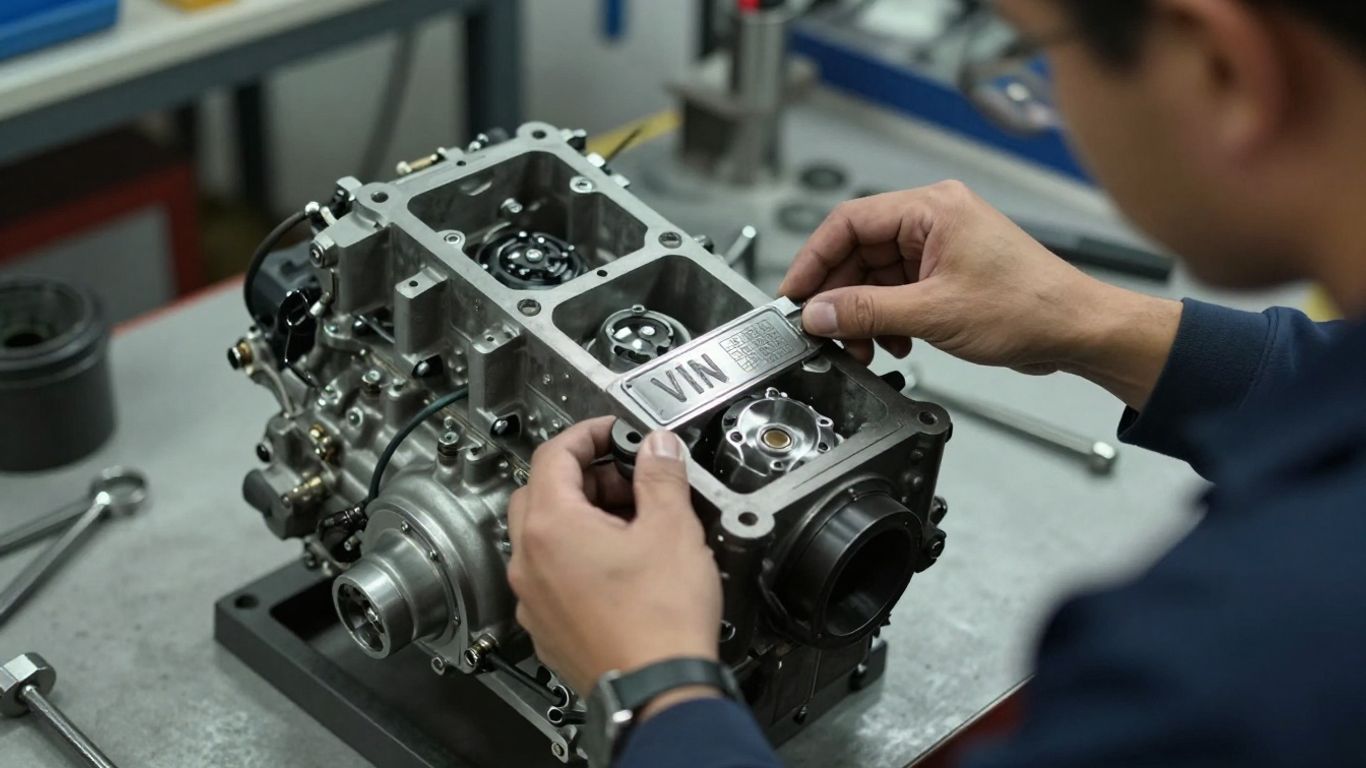
Every vehicle chassis is tied to unique engine code profiles that dictate specific mounting points and sensor locations. By checking the donor vehicle’s VIN, you can confirm whether the emission controls are compatible with your current engine management software. This step remains the most reliable way to ensure you are buying the correct block configuration.
Identifying differences between model years
Toyota engineers frequently introduced iterative changes to components like intake manifolds and oil filter housings that aren’t immediately obvious. These minor evolutions can mean the difference between a bolt-on process and one requiring custom fabrication work. Checking technical manuals for year-to-year shifts prevents errors when sourcing parts for mid-generation model run changes.
Accounting for transmission and wiring harness variations
Transmission bell house configurations vary between drivetrain generations, sometimes requiring extra adapters for a proper fit. Furthermore, modern electronic fuel injection systems depend on custom wiring harnesses that might have different plug shapes or pin counts. Assessing the integration of these electrical and mechanical systems determines the success of the swap process.
Navigating warranty and return policies
Warranty documents explain the boundaries of your protection and often dictate which specific failures are covered after installation. You must understand the fine print before accepting delivery, especially concerning how the engine is transported and initially tested. Read each policy until you are comfortable with the obligations each party assumes during the installation project.
Distinguishing between parts-only and labor warranties
Most sellers offer a parts-only warranty, meaning they cover the hardware if it fails but leave you responsible for the mechanics’ time. Labor warranties are rarer and typically require installation by a professional shop to be honored. Clarifying this distinction early helps you set realistic expectations for the financial risks you might bear.
Documentation required for valid warranty claims
Successful claims usually rely on detailed receipts that show the professional installation steps taken, from initial fluid flushes to electrical verification. Keep records of your specific purchase date and the installation timestamps to create a credible chain of custody. Without organized evidence of correct installation, many providers will automatically reject claims related to overheating or improper lubrication.
Understanding time-limited return windows
Returns are generally governed by strict windows that begin as soon as the unit leaves the supplier’s inventory. Check whether the window starts upon shipping or upon delivery, as transit times can eat into your testing period significantly. Ensure the engine stays in the warehouse or garage and documented prior to any field testing to avoid violation of return terms.
Best practices for engine installation
Applying standardized mechanical procedures ensures that your new motor runs smoothly from the moment you turn the key. Taking the time to address minor items like seals and gaskets prevents future leaks that are much harder to reach once the engine is mounted. Proper preparation today saves countless hours of troubleshooting once the vehicle is back on the road.
Essential cooling system and seal replacements
Before sliding the engine into the bay, verify that all rubber components like main seals and valve cover gaskets are intact. Cooling issues frequently arise from old radiators failing to handle the heat profile of a newer motor. Replace these items now so the engine remains cool during its vital initial runs.
Preparing the engine bay for a seamless swap
Clear the workspace of old debris and residue so that you can inspect mounting points and electrical pass-throughs easily. A clean engine bay allows you to spot leaks instantly during the initial test-fire phase. Organizing your tools and hardware by component section will help you move through the process in a logical order.
Procedures for an initial engine break-in period
Following the manufacturer’s logic for early operation helps internal parts seat correctly and prevents premature wear. You should follow a standard checklist to ensure the motor settles in without mechanical stress.
- Use a high-quality break-in oil specifically formulated for initial startup cycles.
- Monitor oil pressure and coolant temperatures through every stage of the first hour.
- Avoid high engine speeds and abrupt acceleration during the first hundred miles.
- Change the primary oil filter and fluid after initial heat cycles to remove any metal particles.
Following these steps provides a safety buffer that contributes to a long-lasting and reliable drivetrain.
Conclusion
Acquiring a reliable motor for your vehicle demands a mix of careful technical research, thorough physical inspection, and clear expectations regarding the warranty and installation journey. By prioritizing compatibility and working with transparent suppliers, you minimize the common pitfalls of engine replacement projects. Keeping a methodical approach ensures that your final build delivers the performance and reliability you require for the life of your vehicle.
Frequently Asked Questions
What signifies a high-quality Toyota used motor?
Reliable motors typically show clean internal oil channels, consistent compression figures across cylinders, and clear maintenance records from prior ownership.
Should I prioritize low mileage or a full service history?
A documented service history is often more valuable than low mileage because it ensures critical oil changes caught problems before they escalated.
How does a compression test help my purchase?
A compression test confirms that the combustion chambers seal properly, which acts as a primary indicator of internal health and piston ring condition.
Why check engine codes against my vehicle VIN?
Verification prevents incompatibility issues between sensor systems and transmission bell housings that are specific to certain chassis production runs.
Can I install a used motor by myself?
While an experienced DIY enthusiast can manage the labor, professional installation often validates warranty claims that required mechanical sign-offs for protection.
What are the main risks with salvage yard engines?
Salvage units lack verified maintenance windows and may suffer from environmental exposure if they sit in open lots for extended durations.
What should I check during the engine break-in?
Focus on monitoring oil pressure, watching for coolant temperature spikes, and replacing the break-in fluids early to cleanse the system of any debris.