
Key Takeaways
Investing in pre-owned diesel power requires a rigorous approach to verification to ensure long-term reliability. By following a structured inspection process, you can avoid costly mistakes and secure a dependable powerplant.
- Perform physical inspections of the turbocharger and intake components.
- Prioritize documented service history over simple odometer readings.
- Complete a cold-start diagnostic routine to identify hidden mechanical flags.
- Budget for peripheral maintenance parts to ensure a seamless installation.
- Confirm the compatibility of serial numbers before committing to a purchase.
Understanding the life cycle of turbo diesel engines
The longevity of a diesel unit is dictated by its operating environment and the rigor of its service schedule. While modern powerplants are built for endurance, the integration of forced induction changes the stress profile significantly, making it necessary to distinguish between high-use industrial units and lightly driven passenger vehicles.
The impact of boost pressure on internal wear
Internal wear in a turbo diesel is often linked to the duration of sustained boost pressure. While turbo-diesel engines are designed to output significant torque, consistent over-boost conditions or excessive heat build-up can accelerate ring wear and piston degradation. Identifying whether an engine was used in high-load commercial applications or standard commuting helps predict how much internal stress the block has absorbed over its lifetime.
Identifying engine hour indicators versus vehicle mileage
Mileage often fails to capture the true life of an engine, especially in vocational vehicles that spend long periods idling. Checking engine hours provides a more accurate picture of the total cycles the internal assemblies have endured. A low-mileage engine with thousands of idle hours might exhibit more wear on the valvetrain and peripheral seals than a truck with higher highway mileage but fewer total run-time hours.
Why maintenance history is more critical than age
A well-documented service record remains the single best indicator of a used engine’s internal health. Clean oil changes and adherence to cooling system flushes significantly mitigate the risk of premature component failure later in the service life. Always treat diesel engine maintenance records as the primary filter during your search, as they often reveal hidden habits that simple visual inspections will miss.
Common points of failure in high-mileage blocks
As blocks accumulate mileage, specific areas become prone to stress-related degradation. The following table summarizes the most critical wear points to look for during a physical assessment:
| Component | Common Failure Sign | Inspection Requirement |
|---|---|---|
| Turbo Bearings | Excessive shaft play | Physical hand check |
| Exhaust Manifold | Hairline thermal cracks | Visual inspection |
| Main Seals | Oil weeping at joints | Clean surface check |
It is often the case that mechanical failure symptoms appear in these specific trouble spots well before total engine death, allowing for informed purchasing decisions.
Key components to inspect when buying used
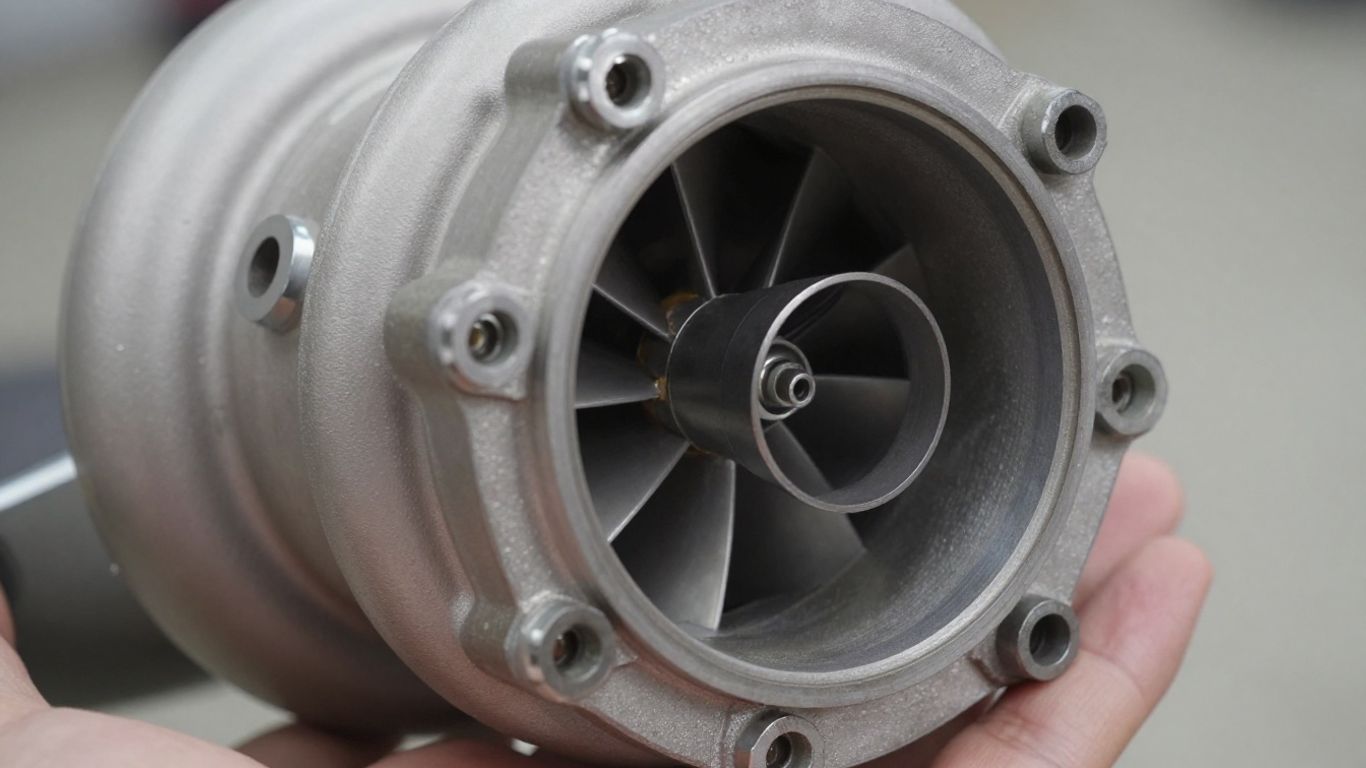
Conducting a thorough physical inspection allows you to uncover hidden damage that might not appear in digital records. Focus on the interfaces where major systems connect, as these are frequently where neglect becomes visible to the trained eye.
Checking for turbocharger shaft play and housing damage
Rotate the compressor wheel by hand, ensuring there is radial movement, but zero contact with the housing wall. Any signs of scarring on the blades or significant oil residue in the cold side intake tract are red flags. A compromised turbocharger is a leading indicator of poor oil change practices and potential internal metal contamination.
Examining the intake system for oil blow-by and sludge
Removing the intake hose reveals the condition of the breather assembly and the cleanliness of the intake manifold. Moderate oil mist is normal, but heavy sludge buildup suggests excessive blow-by caused by failing piston rings or a worn crankcase ventilation filter. This buildup will eventually restrict airflow and negatively affect engine efficiency.
Evaluating the high-pressure fuel pump and injector condition
Modern fuel systems are remarkably sensitive to debris and moisture. Inspect the high-pressure pump for traces of metal filing or external leaks, as these are difficult to repair affordably. Units like those found at Benz Injection require careful handling of the injection system, so verify if the seller has any records of fuel system flushes or filter replacements.
Assessing the state of the cooling system and head gaskets
Cooling system integrity is verified by inspecting the radiator hoses for stiffness and checking the coolant color for signs of oil or combustion byproduct contamination. Bubbles in the coolant reservoir during operation, or milky oil found on the dipstick, indicate a failed head gasket. If you are specifically looking for a 7.3L Powerstroke, you should prioritize inspecting these seals, as these engines are known for their specific cooling requirements.
Performing a cold start and diagnostic run
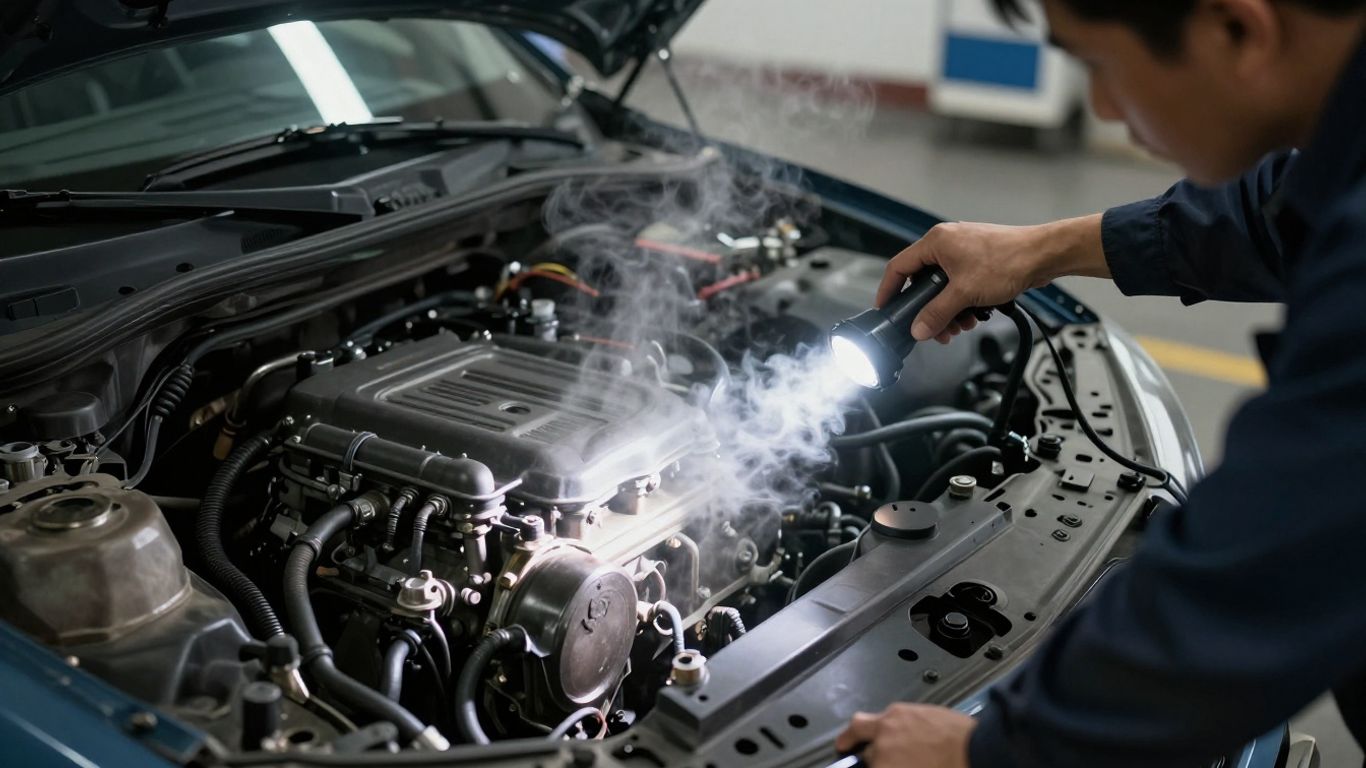
There is no substitute for hearing an engine come to life from a truly cold state. This process reveals how the cold-start enrichment and fuel delivery systems behave under pressure when components are at their most vulnerable.
Observing startup exhaust smoke colors and their meanings
Observe the exhaust during the first thirty seconds of operation. Blue smoke typically indicates oil consumption, white smoke often points to coolant ingress or unburned fuel due to poor compression, and heavy black smoke suggests incorrect air-fuel ratios or faulty injectors. Each color provides direct feedback on specific internal subsystems that may require immediate attention.
Listening for abnormal knocking or valve train noise
Listen intently to the top end and the bottom end of the block. Sharp, rhythmic knocking that disappears or settles after the engine warms up might suggest excessive piston slap or rod bearing tolerance issues. Valve train noise should be consistent; any irregular clatter indicates a need for adjustment or potential hydraulic lifter fatigue.
Testing oil pressure stability at idle and under load
Monitor the oil pressure closely once the engine settles into an idle. Persistent flickering of the pressure gauge or failure to reach peak pressure under load is a serious defect indicative of worn journal bearings or a failing oil pump. Integrating a physical gauge during the run provides the most accurate reading versus the vehicle’s dashboard cluster.
Checking for active fault codes using an OBD-II scanner
Use a scan tool to interrogate the engine control module for stored or pending codes. Even if the check engine light is off, deep-dive diagnostics can reveal intermittent sensor issues or historical faults that provide a window into the engine’s reliability.
Sourcing reputable used diesel engines
Evaluating the source of your engine is as important as evaluating the engine itself. Whether you are dealing with a salvage yard or a specialist wholesaler, understanding their grading criteria is essential to your financial safety.
Evaluating salvaged units from professional dismantlers
Professional dismantlers often offer run-tested units that have been pulled from vehicles involved in non-mechanical accidents. Ask about their testing protocol and if they can provide a video of the engine running before it was removed. Inventory giants like Adelman’s Truck Parts generally provide detailed specifications regarding the engine condition, which simplifies the verification process.
Differences between refurbished, remanufactured, and pulled engines
Distinguishing between terminology ensures you are paying for the correct level of work. A pulled engine is simply removed from a donor vehicle, a refurbished unit has had minor wear items replaced, and a remanufactured engine has been machined and rebuilt to meet original factory tolerances. Understand these labels clearly before negotiating the final price of the unit.
How to verify component serial numbers and compatibility
Verify every serial number etched into the block against the manufacturer’s database to avoid compatibility nightmares. Minor variations in build dates can lead to significant differences in sensor plugs, alternator mounting points, or exhaust flange geometry.
Assessing warranty coverage options for used engine purchases
Warranty coverage on used units typically varies from a simple startup guarantee to extended parts-only protection. Evaluate the terms carefully, specifically looking for exclusions regarding shipping costs or labor charges in the event of an early failure. Always document these terms in writing before the financial transaction is finalized if you want to avoid future disputes.
Assessing the financial investment of used engines
Budgeting for a used engine involves more than just the purchase price of the block itself. Often, the hidden costs are what turn a seemingly bargain unit into a major financial burden.
Calculating the cost of peripheral parts and professional installation
Plan for the replacement of wearable items such as gaskets, water pumps, hoses, and belt tensioners while the engine is out of the vehicle. These components are inexpensive compared to the labor required to replace them once the engine is mounted back in the chassis.
Budgeting for preemptive maintenance before final engine mounting
Take the time to perform a full system refresh while you have easy access to the engine bays and hard-to-reach service points. The following list of preemptive steps is recommended:
- Replace the primary and secondary fuel filters.
- Install a new high-quality oil filter and synthetic fluid.
- Verify the condition of glow plugs or intake heaters.
- Clean and inspect the electrical harness connectors.
Completing these tasks before installation ensures all known variables are controlled for from the start.
Comparing the value of used engines against total vehicle replacement
Determine if the repair cost realistically aligns with the vehicle’s residual market value. While some engines are worth rebuilding due to their legendary status or scarcity, others may not be worth the investment if the chassis itself is nearing the end of its functional life.
Identifying hidden costs including freight shipping and core charges
Freight shipping for a heavy diesel block can be substantial, often running into several hundred dollars depending on your location. Furthermore, clarify whether the quoted price includes a core charge; failing to return your old block can result in significant late fees or the forfeiture of your deposit.
Conclusion
Finding a dependable engine is a process of careful vetting and strategic budgeting. By inspecting every component and validating the history of your purchase, you turn a complex project into a manageable path toward extending your vehicle’s service life.
Frequently Asked Questions
Can I use a high-mileage engine for a daily driver?
Yes, provided the engine has been properly maintained and passes a thorough inspection, high-mileage units can offer many years of reliable service in daily driving conditions.
Is it safer to buy a crate engine or a used one?
Crate engines provide the highest level of guarantee and factory support, while used engines offer substantial cost savings if you have the mechanical expertise to verify their condition.
What do I do if the engine arrives with damaged sensors?
Sensor damage is common during shipping, and you should immediately document the breakage with photos and contact the seller to request replacements or a partial refund.
Why do some sellers charge a core fee?
Core charges are used by suppliers to ensure the return of reclaimable metal, which is then recycled or rebuilt to keep global inventory levels stable.
How long should a well-maintained turbo diesel last?
With proper care, including regular oil changes and cool-down periods after towing, many modern turbo diesel engines can easily exceed 300,000 miles before needing a major overhaul.
Should I always replace internal gaskets during a swap?
Replacing easily accessible gaskets like the oil pan, valve cover, and rear main seal is highly recommended during a swap to prevent future minor leaks from becoming major repair jobs.
Where can I check the compatibility of my ECU with a specific engine year?
Vehicle owner forums and manufacturer technical manuals are the best sources for cross-referencing ECU part numbers with specific engine calibration years for your platform.