
Finding a good engine supplier that also handles shipping can be a real headache. It’s not just about getting the engine itself, but making sure it gets to you in one piece and without costing an arm and a leg. You need someone who knows engines and knows how to move them. Let’s talk about how to find that reliable engine supplier with freight solutions, so you don’t end up with more problems than you started with.
Key Takeaways
- When looking for a reliable engine supplier with freight, check if they have a solid history of delivering engines safely and on time.
- Understand what kind of shipping your engine needs – is it standard freight, or does it need special care? Make sure the supplier can handle it.
- Compare different shipping costs. Sometimes the cheapest option isn’t the best if it means a damaged engine or long delays.
- Look for suppliers who offer clear tracking and good customer support. Knowing where your engine is and having someone to call if there’s an issue is important.
- Don’t forget about insurance. A good supplier will have options to cover your engine in case something unexpected happens during shipping.
Finding A Reliable Engine Supplier With Freight
Understanding Your Engine Shipping Needs
So, you’ve found a great engine supplier, that’s awesome! But now comes the next big step: getting that engine from point A to point B. It’s not like shipping a t-shirt, right? Engines are heavy, bulky, and frankly, pretty important. You need to figure out exactly what you’re dealing with. How big is this engine? How much does it weigh? Does it need special handling, like being kept upright or protected from the elements? Thinking about these details upfront is super important. It helps you avoid surprises later on, like finding out your chosen shipping method can’t actually handle the size of your engine or that it’ll cost way more than you expected.
Here are a few things to jot down:
- Engine Dimensions: Length, width, and height. Measure it carefully!
- Engine Weight: Get an accurate number. This is a big factor in shipping costs.
- Special Requirements: Does it need to be crated? Palletized? Are there any hazardous materials involved (like residual fluids)?
- Pickup and Delivery Locations: Are these commercial addresses with loading docks, or residential areas that might need special equipment?
Figuring out the specifics of your engine shipment is the first real step to finding the right freight solution. Don’t skip this part; it saves a lot of headaches down the road.
Key Considerations for Engine Freight Solutions
Once you know what you’re shipping, you can start looking at how to ship it. This isn’t just about picking the cheapest option, though that’s definitely a part of it. You’ve got to think about reliability. Who’s going to be handling your engine? Do they have a good track record? You want a shipping partner who treats your engine like it’s their own.
Think about the type of service you need. Is it a standard shipment that can take a few days, or do you need it there in a hurry? Different carriers offer different speeds and levels of service. Also, consider insurance. What happens if something goes wrong during transit? A good freight provider will have clear insurance options to protect your investment. It’s also worth asking about their network. Do they work with a variety of carriers, or are they limited to just a few? A wider network usually means more options and potentially better pricing for you.
Partnering With Expert Engine Shipping Services
When you’re looking to move an engine, it’s not like shipping a box of books. These things are heavy, often valuable, and can be pretty delicate. That’s why you really want to work with people who know what they’re doing when it comes to freight. Think of it like this: you wouldn’t ask a baker to fix your car’s engine, right? Same idea here. You need a shipping service that specializes in this kind of heavy-duty, specialized transport.
Leveraging Carrier Networks for Engine Transport
Finding the right carrier can feel like searching for a needle in a haystack. But the good news is, many freight providers have already done the hard work for you. They’ve built up relationships with a whole bunch of different trucking companies, both big national ones and smaller regional players. This means they can tap into a huge network.
- Access to More Options: Instead of you calling up ten different companies, your freight partner already knows who has the right trucks, the right routes, and the right availability for your specific engine.
- Better Rates: Because they ship so much volume, they often get better prices from carriers than you could on your own. It’s like buying in bulk – you get a discount.
- Specialized Equipment: They know which carriers have the flatbeds, the liftgates, or the specialized cradles needed to safely load and secure your engine.
Ensuring Safe and Timely Engine Delivery
Safety and getting your engine there when you need it are probably top of your list. Expert shipping services focus on this. They have systems in place to make sure your engine isn’t just thrown on any old truck.
They understand that an engine isn’t just a piece of metal; it’s a critical component that keeps a business running or a project moving forward. Mishandling or delays can mean significant downtime and lost revenue for the recipient.
Here’s what they do:
- Vetting Carriers: They don’t just work with anyone. They check out carriers to make sure they have good safety records, reliable equipment, and a history of actually showing up on time.
- Tracking: Most services offer some form of tracking, so you can see where your engine is. It’s not always real-time GPS like your phone, but it gives you a good idea of its progress.
- Contingency Planning: What happens if a truck breaks down? Good providers have backup plans or can quickly find an alternative carrier to keep things moving.
Specialized Handling for Engine Shipments
Engines aren’t uniform. Some are small car engines, others are massive industrial powerhouses. They might be brand new, rebuilt, or used. Each type can have different needs.
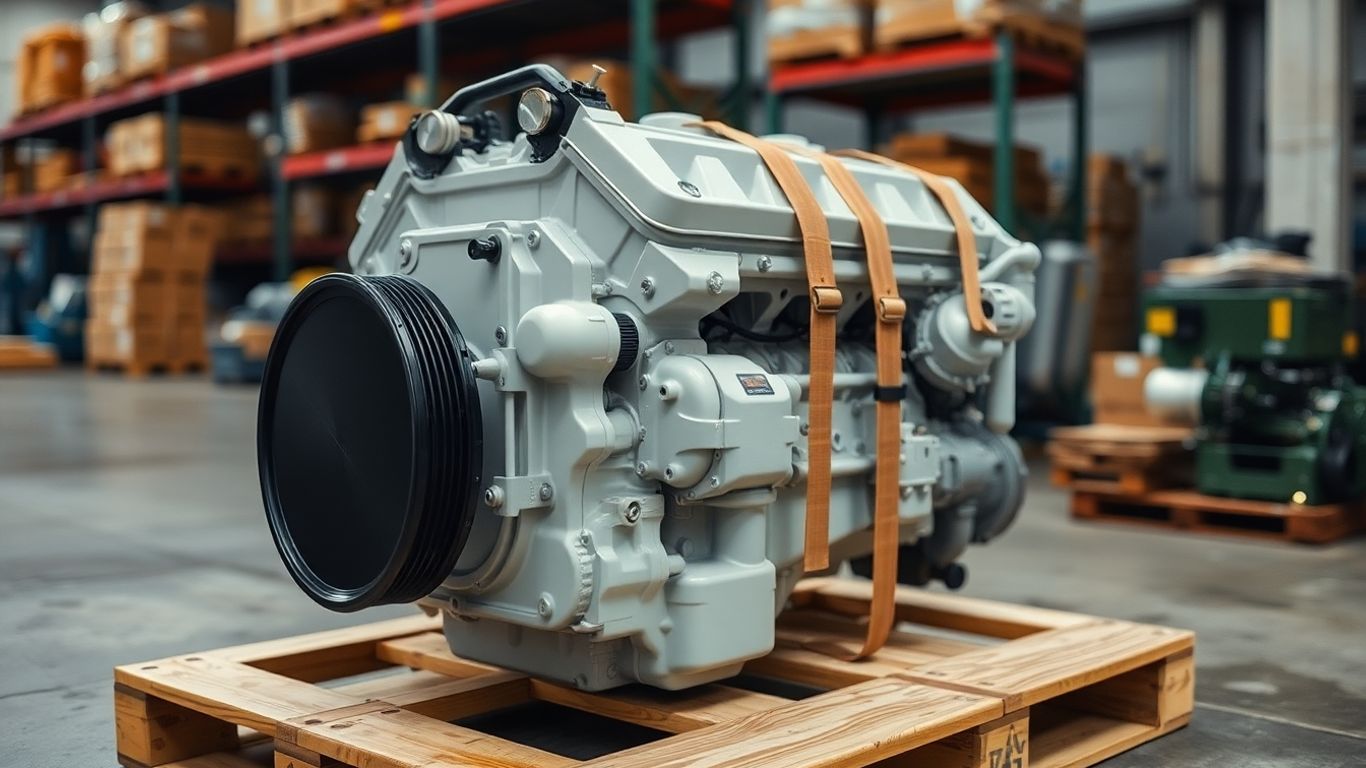
- Crating and Palletizing: Often, engines need to be secured to a sturdy pallet or even crated to prevent damage during transit. Expert services know the right way to do this.
- Weight and Size: They have carriers equipped to handle the sheer weight and awkward dimensions of many engines, using specialized lifting equipment.
- Fluid Drainage: Depending on regulations and the type of engine, fluids might need to be drained before shipping. The experts know these rules.
- Documentation: Proper paperwork is key. This includes bills of lading that accurately describe the engine and any special conditions, which helps avoid issues at pickup or delivery.
Navigating Engine Shipping Options and Costs
So, you’ve found a great engine supplier, but now comes the part where you actually get that engine from point A to point B. This can feel like a maze, especially when you’re trying to figure out the best way to ship it without breaking the bank. Let’s break down how to look at the different shipping choices and what you can expect to pay.
Comparing Freight Rates for Engine Transport
Getting a handle on shipping costs starts with comparing quotes. It’s not just about the cheapest price you see first; it’s about finding the best value for your specific needs. Think of it like shopping around for anything else – you want to see what different places offer.
Here’s a quick look at how rates can stack up:
- Less-Than-Truckload (LTL): This is often the go-to for shipping single engines. You’re essentially sharing space on a truck with other shipments. It’s usually more budget-friendly because the costs are spread out. Expect prices to start around $100 for smaller engines, but this can go up.
- Full Truckload (FTL): If you’re shipping a lot of engines or something really large that needs its own truck, FTL might be an option. However, for just one engine, this is usually way more expensive because you pay for the whole truck, even if it’s not full.
- Partial Truckload: This is a bit of a middle ground. You get a dedicated truck, but it’s not necessarily full. It can be faster than LTL but might cost more. Scheduling can sometimes be tricky.
The best way to compare is to get multiple quotes from different carriers. Don’t just settle for the first one you see.
Understanding Factors Affecting Shipping Costs
Why do shipping prices vary so much? A few things play a big role. It’s not just the engine itself, but also where it’s going and how it gets there.
- Weight and Size: Heavier and larger engines naturally cost more to move. This is a pretty straightforward one.
- Distance: Shipping an engine across the country will cost more than shipping it to a neighboring state. The miles add up.
- Speed: Need it there yesterday? Expedited shipping comes with a premium price tag. Standard shipping is usually the most cost-effective.
- Accessorial Services: These are the extras. Things like liftgate service (if you don’t have a forklift at the destination), residential delivery, or inside pickup can add to the bill. Be sure to ask about these upfront.
- Packaging: How the engine is prepared for shipping matters. Is it on a pallet? Is it crated? This can affect its freight class, which influences the price. An engine on a pallet might be class 85, while a crated one could be class 70. Generally, a lower class means a lower cost, but crating takes more effort.
When you’re getting quotes, make sure you’re comparing apples to apples. Ask if all potential extra fees are included. Sometimes a lower base rate hides a lot of extra charges later on.
Cost-Effective Solutions for Engine Shipments
Saving money on engine shipping isn’t just about finding the lowest rate; it’s about smart planning. Here are a few ways to keep costs down:
- Utilize Freight Terminals: Instead of paying for direct door-to-door delivery, consider picking up your engine from a carrier’s terminal. This can cut down on fees, especially residential delivery charges. You’ll need to coordinate with the carrier to find the nearest terminal and arrange pickup.
- Proper Packaging: While crating might seem like more work, it can sometimes lead to a lower freight class and potentially a better rate. Make sure your engine is secured to a pallet or crated properly, as it will likely be moved with forklifts or pallet jacks at terminals.
- Drain Fluids: This is a big one. Carriers won’t accept engines with fluids still in them due to safety risks. Draining all fluids is a requirement and avoids potential issues or refusal of the shipment.
- Accurate Information: Provide precise dimensions, weight, and any special needs when getting quotes. Inaccurate information can lead to unexpected charges after the shipment is in transit.
By understanding these factors and planning ahead, you can find a shipping solution that works for your budget and gets your engine where it needs to go safely.
Benefits of Using A Dedicated Freight Provider
Access to Comprehensive Insurance Coverage
When you’re shipping something as important as an engine, the peace of mind that comes with good insurance is huge. A dedicated freight provider usually has access to better insurance plans than you might find on your own. This means your engine is protected against unexpected damage or loss during transit. It’s not just about getting your money back if something goes wrong; it’s about knowing your investment is safeguarded throughout the entire shipping process. They understand the risks involved with heavy equipment and have policies in place to cover them.
Streamlined Booking and Tracking Processes
Forget the headache of juggling multiple calls and emails to book a shipment. Dedicated providers offer user-friendly online platforms that simplify everything. You can get quotes, book your shipment, and track its progress all in one place. This makes managing your engine transport way easier. You get real-time updates, so you always know where your engine is and when to expect its arrival. It’s like having a control center for your shipment right at your fingertips.
Expert Guidance Through Shipping Complexities
Shipping engines isn’t like sending a small package. There are specific regulations, documentation requirements, and handling procedures to consider. A dedicated freight provider acts as your guide. They have the know-how to handle all the paperwork and ensure your engine meets all transport requirements. This expertise saves you time and prevents costly mistakes. They can help you figure out the best way to pack, load, and secure your engine for its journey, making sure it gets there in one piece. It’s good to have someone in your corner who knows the ins and outs of shipping heavy equipment, especially when you’re dealing with specialized freight services.
Working with a specialized provider means you’re not just getting a truck; you’re getting a logistics partner who understands the nuances of engine transport. They handle the details so you can focus on your core business operations.
Here are some key advantages:
- Reduced Risk: Proper insurance and experienced handling minimize the chances of damage or loss.
- Time Savings: Simplified booking and tracking free up your valuable time.
- Cost Efficiency: Access to better rates and avoidance of costly shipping errors.
- Compliance: Assurance that all shipping regulations and documentation are handled correctly.
Choosing The Right Engine Freight Carrier
So, you’ve got an engine that needs to get from point A to point B. It’s not like shipping a box of books, right? This is heavy, valuable equipment. Picking the right company to haul it is a big deal. You don’t want to end up with a damaged engine or a bill that’s way higher than you expected. Let’s break down how to find a carrier that actually knows what they’re doing.
Vetting Carriers for Reliability and Professionalism
When you’re looking at potential carriers, think of it like hiring someone for a really important job. You wouldn’t just pick the first name you see, would you? You want to know they’re dependable and that they treat their customers right. This means looking beyond just the price tag.
- Check Reviews and Ask Around: See what other people are saying online. Are there a lot of complaints about late deliveries or damaged goods? Ask other businesses in your industry if they have any recommendations. Word-of-mouth can be pretty telling.
- Look at Their Track Record: How long have they been in business? A company that’s been around for a while often means they’ve figured out how to handle things smoothly.
- Communication is Key: Try calling them. How quickly do they respond? Do they seem knowledgeable and willing to answer your questions? If they’re hard to get a hold of now, imagine trying to sort out a problem later.
Don’t just assume everyone can handle an engine. It’s a specialized job that requires specific equipment and know-how. A carrier that’s great at shipping furniture might be completely out of their depth with a heavy industrial engine.
Selecting Carriers with Proven Engine Shipping Experience
This is where things get specific. Not all freight carriers are created equal, especially when it comes to something as unique as shipping an engine. You need a company that has actually done this before, and done it well.
- Ask About Their Engine Experience: Directly ask them about their experience shipping engines. What types of engines have they moved? What challenges have they overcome?
- Specialized Equipment: Do they have the right trucks, liftgates, and securing equipment needed for engines? Engines are heavy and awkward; they need more than just a standard flatbed and some straps.
- Training and Procedures: Do their drivers and staff have specific training for handling heavy machinery like engines? What are their procedures for loading, unloading, and securing the cargo?
The Importance of Documentation in Freight Shipping
Paperwork might seem like a hassle, but it’s your best friend in freight shipping. It protects you and makes sure everyone’s on the same page. Messy documentation can lead to all sorts of headaches, like unexpected charges or disputes if something goes wrong.
- Bill of Lading (BOL): This is the contract for your shipment. Make sure every detail is correct: the engine’s weight, dimensions, condition before shipping, pickup and delivery addresses, and any special instructions. Double-check it before signing.
- Quotes and Agreements: Keep copies of all quotes you receive. Compare them carefully, not just on price, but on what’s included. Make sure any agreed-upon services, like liftgate assistance or inside delivery, are clearly written down.
- Insurance Paperwork: Understand what insurance coverage is provided. If you need additional coverage, make sure that’s documented too. Knowing exactly what’s covered and what’s not is vital.
Wrapping It Up
So, finding the right place to ship your engine doesn’t have to be a headache. We’ve talked about how important it is to find a supplier that knows their stuff, especially when it comes to getting that engine from point A to point B without any drama. Using a service that compares rates and works with good carriers makes a big difference. It means you’re more likely to get your engine there safely and without spending a fortune. Don’t just pick the first option you see; take a little time to compare and find a shipping partner that fits what you need. It’ll save you trouble down the road.
Frequently Asked Questions
What is the best way to ship an engine?
For most engine shipments, Less-Than-Truckload (LTL) shipping is a great choice. It’s good for smaller loads because you share space on a truck with other shipments, which lowers the cost. LTL carriers are used to handling engines and know how to do it safely. Other options like Full Truckload (FTL) or Partial Truckload exist, but they can be more expensive or harder to schedule for just one engine.
How much does it cost to ship an engine?
The price to ship an engine can change a lot. It usually costs between $120 and $380. Things like how big and heavy the engine is, how far it needs to go, and how it’s packed all affect the final price. Using LTL shipping can help keep costs down, especially for smaller engines.
What should I look for in an engine shipping company?
When picking a company to ship your engine, make sure they are experienced with engines. They should have a good track record, be professional, and offer good communication. It’s also important they have access to a wide range of carriers and can offer insurance to protect your engine during its journey.
Do I need special packing for an engine shipment?
Yes, proper packing is really important for engine shipments. Engines need to be secured properly to prevent damage during transit. This often involves crating or palletizing the engine and making sure all fluids are drained. A good shipping company can guide you on the best way to pack your specific engine.
What is LTL shipping?
LTL stands for Less-Than-Truckload. It means your shipment shares space on a truck with other people’s shipments. This is a cost-effective method for smaller items like engines because you only pay for the space you use, not the whole truck. It’s a common and reliable way to ship engines.
How can I get the best price for shipping an engine?
To get the best price, compare quotes from different shipping providers. Companies like FreightCenter can compare rates from many carriers for you, helping you find a good deal. Providing accurate details about your engine, like its size and weight, will also help you get the most precise and affordable quote.