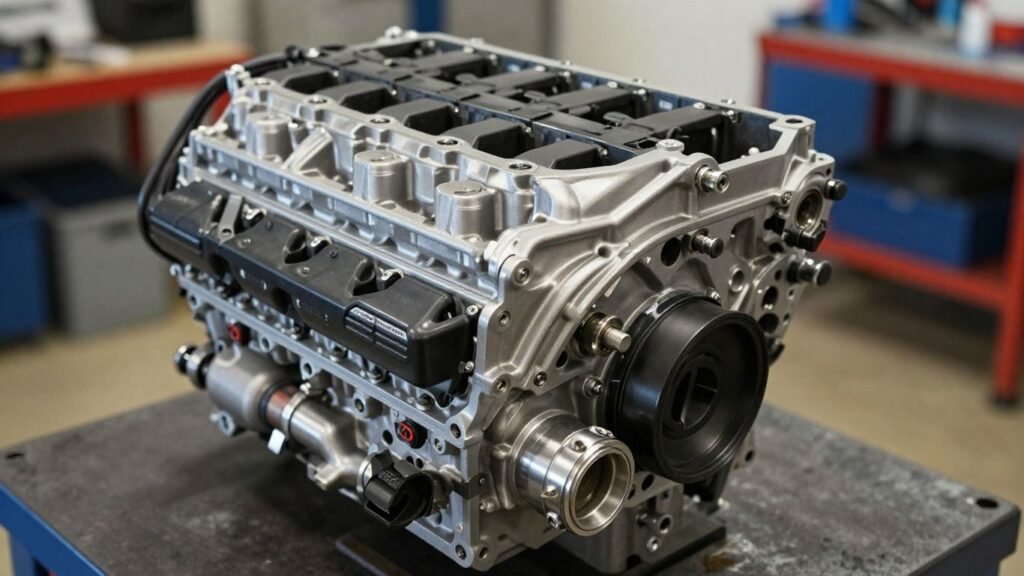
So, your 2017 BMW 520d on the Gold Coast needs a new diesel engine. It happens. Finding a replacement, especially a used one, can feel like a real puzzle. You want to make sure you get a good engine without any hidden problems, and you want it to fit your car just right. This guide is here to help you figure out where to look, what to check, and how to get it installed without too much hassle. Let’s get your BMW back on the road.
Key Takeaways
- When looking for a used diesel engine for your 2017 BMW 520d on the Gold Coast, always confirm compatibility with your specific car model and year.
- Check reputable sources like specialist BMW parts suppliers, local Gold Coast wreckers, and online marketplaces for a used diesel engine for BMW 520d 2017 Gold Coast.
- Thoroughly inspect any used engine for visible damage, leaks, and signs of wear. Always ask for the engine’s mileage and service history.
- Understand engine codes and specifications, and consider a compression test to gauge the engine’s internal condition before buying.
- Negotiate the price, inquire about any warranty offered, and arrange for safe transportation and proper documentation for your purchased engine.
Locating A Used Diesel Engine For Your BMW 520d 2017 Gold Coast
Understanding Engine Compatibility
Finding the right engine for your 2017 BMW 520d isn’t as simple as just grabbing any diesel motor. BMW uses specific engine codes, and even within the same model year, there can be variations. For your 2017 520d, you’re likely looking for an engine from the B47 family, specifically the B47D20. It’s super important to confirm the exact engine code before you start hunting. This code is usually found on a sticker in the engine bay or on the engine block itself. Getting this wrong means it won’t fit, or worse, it could cause serious issues down the line. You’ll want to match the engine code precisely to avoid compatibility headaches.
Key Considerations When Buying Used
When you’re on the hunt for a used diesel engine, there are a few things you really need to think about. First off, mileage. A lower mileage engine is generally better, but don’t discount a higher mileage one if it has a solid service history. Speaking of history, that’s your next big point. Ask for all the service records you can get. This tells you how well the engine was looked after. Also, think about the source. Where is this engine coming from? Was it pulled from a car that was in an accident, or was it a premature failure? This can give you clues about potential hidden problems.
Here’s a quick rundown:
- Mileage: Aim for lower if possible, but history matters more.
- Service History: Look for regular maintenance records.
- Source: Was it a clean pull or from a damaged vehicle?
- Warranty: Does the seller offer any kind of guarantee?
Importance Of Vehicle Identification Numbers
Your car’s VIN, or Vehicle Identification Number, is like its fingerprint. It’s a unique 17-character code that tells you everything about your specific BMW, including its original engine type. When you’re looking for a replacement engine, using your VIN is the most reliable way to ensure you’re getting a compatible part. You can often find your VIN on your car’s registration papers, insurance documents, or a small plate on the dashboard near the windshield. Always double-check this number against any engine you’re considering. It’s the best way to avoid costly mistakes and ensure a proper fit for your 2017 520d.
Always cross-reference the engine code and any part numbers with your car’s VIN. This is the most foolproof way to guarantee compatibility and avoid buying something that simply won’t work.
Where To Find A Used Diesel Engine For Your BMW 520d On The Gold Coast
Okay, so you need a new diesel engine for your 2017 BMW 520d and you’re on the Gold Coast. Finding the right part can feel like a treasure hunt, but it’s totally doable. You’ve got a few main avenues to explore, and each has its own pros and cons.
Specialist BMW Parts Suppliers
These guys are your go-to for anything BMW. They often have a good stock of used engines, sometimes even from newer models that have been written off but had perfectly good engines. They know their stuff, so you’re more likely to get an engine that’s been checked over and is compatible. It might cost a bit more, but the peace of mind can be worth it.
- Genuine Parts: They usually stock original BMW parts, which is always a plus for compatibility and quality.
- Expert Advice: Staff are typically knowledgeable about BMW engines and can help you confirm you’re getting the right one.
- Warranty Options: Many specialist suppliers offer some form of warranty on their used engines, giving you a safety net.
Reputable Gold Coast Wreckers
This is where you can often find a good deal. Gold Coast wrecking yards have a constant stream of vehicles coming through, and if you’re lucky, a 520d might be on the lot. It’s a good idea to call ahead and see what they have or if they can source one for you. Don’t be afraid to ask about the vehicle’s history if possible.
- Price: Generally, wreckers offer more competitive pricing compared to specialist dealers.
- Variety: They might have engines from various model years, giving you options.
- Inspection: You can often physically inspect the engine before buying, which is a big advantage.
Online Marketplaces For Used Parts
Websites like Gumtree, Facebook Marketplace, and dedicated auto parts sites are goldmines for used parts. You’ll find everything from private sellers to small businesses listing engines. It requires a bit more digging and due diligence on your part, but the selection can be huge.
- Wide Reach: Access to sellers not just on the Gold Coast but potentially across Queensland.
- Price Comparison: Easy to compare prices from different sellers.
- Direct Communication: You can often chat directly with the seller to ask questions.
When looking online, always be wary of listings with very little information or suspiciously low prices. It’s better to pay a little more for a part from a seller with good reviews and clear details about the engine’s condition and history. Always ask for the engine code and mileage if it’s not listed.
Inspecting A Used Diesel Engine For Your BMW 520d
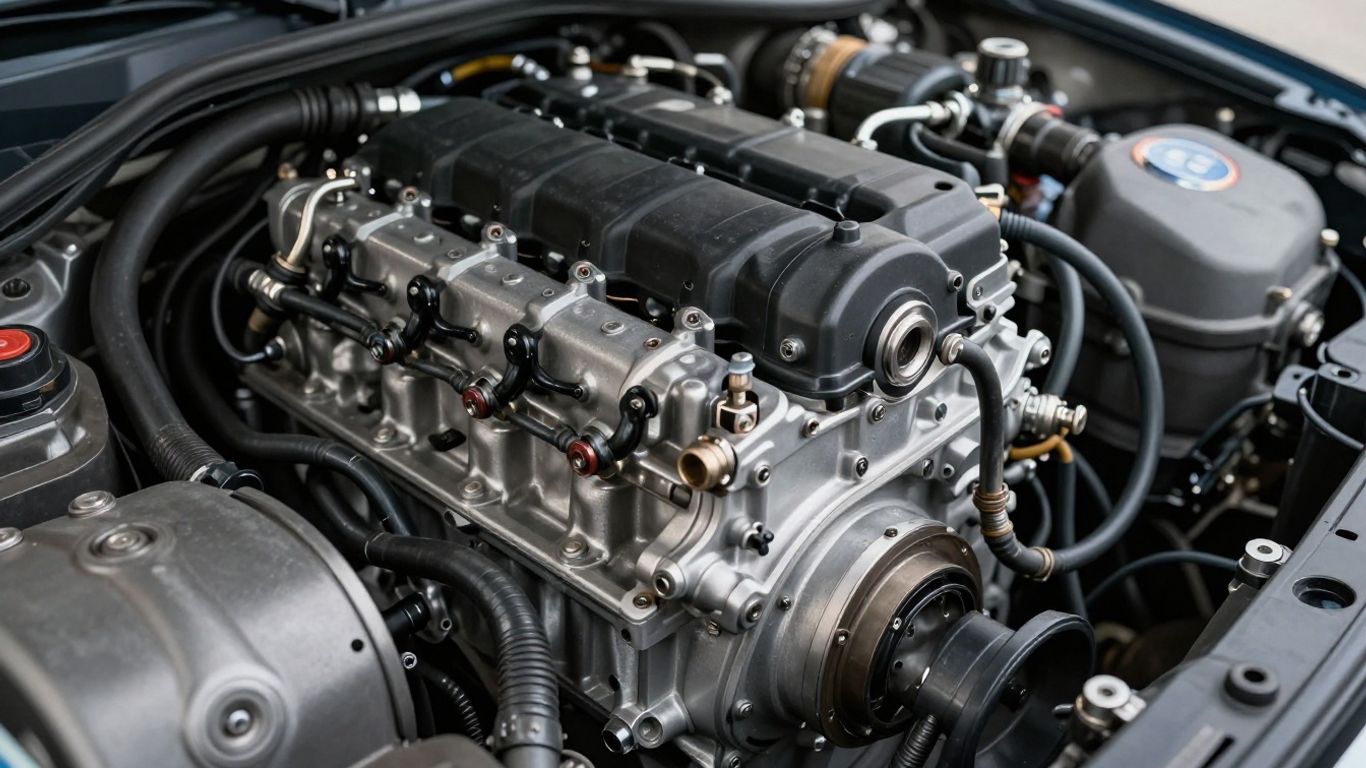
So, you’ve found a potential used diesel engine for your 2017 BMW 520d, maybe from a local Gold Coast wrecker or an online listing. That’s great! But before you hand over any cash, a thorough inspection is super important. It’s like checking out a house before you buy it – you wouldn’t just look at the paint, right? You’d check the foundation, the plumbing, all that stuff. Same goes for an engine.
Visual Inspection Checklist
When you first lay eyes on the engine, take a good, long look. Don’t rush this part. You’re looking for anything that seems out of place or just plain wrong. Here’s a quick rundown of what to check:
- Block and Head: Look for cracks, especially around the cylinder head and the main engine block. Even small cracks can turn into big problems.
- Oil Pan: Check for dents or signs of impact. A severely damaged oil pan can lead to oil leaks.
- Exhaust Manifold: Inspect for cracks or signs of extreme heat discoloration, which could indicate overheating.
- Turbocharger: If it has one (and your 520d does), check the housing for any visible damage or oil leaks around the seals.
- Wiring Harness: Make sure the wiring looks intact, not frayed, cut, or melted. Damaged wiring is a pain to fix.
- Belts and Hoses: Look for any signs of wear, cracking, or bulging on the belts and hoses. Replace them if they look old.
Checking For Leaks And Damage
Leaks are a big red flag. Diesel engines are pretty robust, but leaks mean something isn’t sealed up right. Pay close attention to:
- Oil Leaks: Check all around the engine, especially where parts join together like the valve cover gasket, oil pan gasket, and crankshaft seals. Are there fresh oil stains or old, caked-on grime that suggests a long-term leak?
- Coolant Leaks: Look for green, orange, or pinkish residue around the water pump, thermostat housing, and radiator hoses. A white, chalky substance can also indicate dried coolant.
- Fuel Leaks: This is serious. Sniff around for any strong diesel smell. Check fuel lines, injectors, and the fuel filter housing for any wet spots or drips.
- Physical Damage: Beyond cracks, look for bent components, missing bolts, or signs that the engine was dropped or mishandled during removal. A bent dipstick tube or a damaged oil filter housing are examples.
Assessing Mileage And Service History
Knowing how many kilometres the engine has done and how it was looked after is key. The odometer reading on the donor vehicle is your best clue to the engine’s likely lifespan.
- Kilometre Reading: While you might not always get a precise reading for the engine itself (especially if it’s been removed), try to find out the mileage of the vehicle it came from. Lower kilometres generally mean less wear.
- Service Records: If the seller has service logs or invoices, that’s a huge bonus. It shows the engine was maintained. Look for regular oil changes and filter replacements.
- Donor Vehicle Condition: Ask about the condition of the car the engine was removed from. Was it in an accident? Did it have a known mechanical issue that wasn’t related to the engine itself? This context can be helpful.
Remember, a visually clean engine isn’t always a healthy one. Sometimes, a fresh coat of paint can hide a multitude of sins. Always trust your eyes, but also listen to your gut feeling. If something feels off, it probably is.
Here’s a quick table to help you keep track:
| Component | Condition (Good/Fair/Poor) | Notes |
|---|---|---|
| Engine Block | Cracks? Dents? | |
| Cylinder Head | Cracks? Warping? | |
| Oil Pan | Dents? Leaks? | |
| Turbocharger | Oil leaks? Damage? | |
| Wiring Harness | Frayed? Melted? | |
| Belts & Hoses | Cracked? Bulging? | |
| Oil Leaks | Location? Severity? | |
| Coolant Leaks | Location? Residue? | |
| Fuel Leaks | Smell? Wet spots? | |
| Donor Vehicle KMs | ||
| Service History | Complete? Missing? |
Evaluating The Condition Of A Used Diesel Engine
Signs Of Wear And Tear
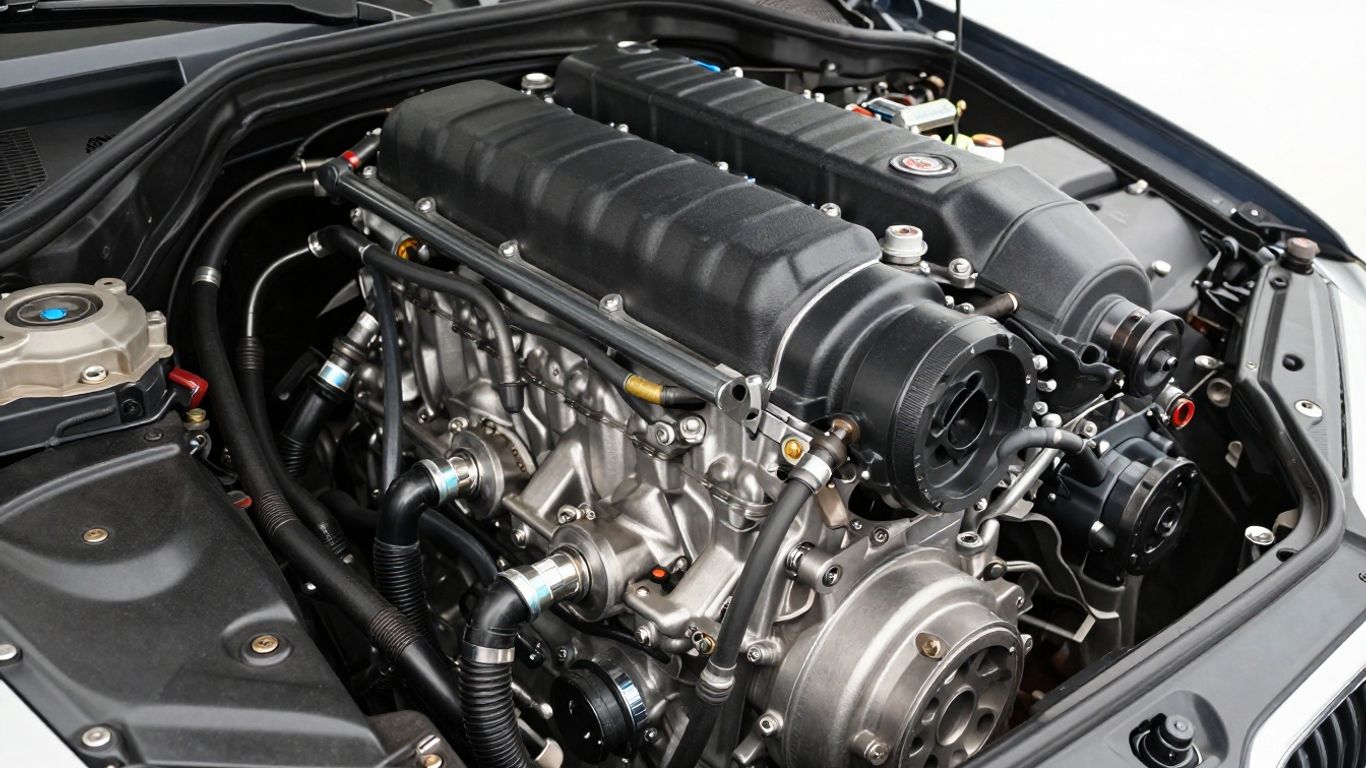
So, you’ve found a potential engine. Now what? It’s time to really look it over. Don’t just take someone’s word for it; do your own inspection. Look for obvious signs that the engine has been through a lot. Things like rust on the block, especially around seals, can be a bad sign. Check the exhaust manifold for cracks – those can be expensive to fix. Also, give the oil pan a good look. Is it dented or leaking? That could mean it’s hit something, or the seals are shot.
Understanding Engine Codes And Specifications
Every engine has a code, like a serial number for its type. For your 2017 BMW 520d, you’re likely looking for an engine with a specific code, probably something like a B47 or an N47, depending on the exact build. Knowing this code is super important because it tells you exactly what you’re getting. It confirms the engine’s displacement (like 2.0L for your 520d), whether it’s turbocharged, and its emissions standards. You can usually find this code stamped on the engine block itself, or sometimes on a sticker under the hood. Double-checking this against the seller’s description is a must.
Here’s a quick look at some common BMW diesel engine codes:
| Engine Code | Type | Displacement | Notes |
|---|---|---|---|
| B47 | Diesel | 2.0L | Common in 20d models, modern |
| N47 | Diesel | 2.0L | Older generation, also in 20d models |
| N57 | Diesel | 3.0L | Found in 30d and 40d models |
The Role Of Compression Testing
This is where things get a bit more technical, but it’s really worth it. A compression test tells you how well the engine’s cylinders are sealing. Basically, it measures the pressure built up in each cylinder when the piston moves up. Low compression in one or more cylinders can mean worn piston rings, bad valves, or a blown head gasket. You’ll need a compression tester tool for this, and it’s usually best to have a mechanic do it if you’re not comfortable. They’ll remove the glow plugs, screw in the tester, and crank the engine a few times for each cylinder. The readings should be pretty close to each other and within the manufacturer’s specs.
If the seller won’t let you perform a compression test, or if they seem hesitant, that’s a big red flag. A good seller will be confident in their engine’s condition and allow for this kind of check.
Here’s a general idea of what to look for:
- Consistent Readings: All cylinders should have similar compression numbers. A difference of more than 10-15% between cylinders is usually a problem.
- Manufacturer Specs: Compare your readings to the BMW specifications for your engine. You can often find these online or in a service manual.
- Dry vs. Wet Test: Sometimes a mechanic will do a ‘wet’ test (adding a little oil to the cylinder) after a ‘dry’ test. If compression improves significantly with oil, it points more towards worn piston rings.
Purchasing And Transporting Your Used Diesel Engine
So, you’ve found the right engine for your 2017 BMW 520d. That’s a big step! Now comes the part where you actually get it and bring it home. It’s not just about handing over cash; there’s a bit more to it.
Negotiating Price And Warranty
When you’re looking at a used engine, the price is usually negotiable, especially if you’re buying from a smaller yard or directly from a seller. Don’t be afraid to make a reasonable offer. Always ask about any warranty or guarantee that comes with the engine. Even a short one, like 30 or 90 days, can give you some peace of mind. It means the seller stands behind the part, at least a little bit.
Here’s a quick look at what you might expect:
| Engine Type | Typical Mileage | Price Range (AUD) |
|---|---|---|
| 2.0L Diesel (e.g., B47) | 50,000 – 120,000 km | $5,000 – $7,000 |
| 3.0L Diesel (e.g., N57) | 60,000 – 120,000 km | $6,000 – $10,000 |
Note: These are estimates and can vary widely based on condition, seller, and specific engine code.
Arranging Secure Transportation
Getting a heavy engine from the seller to your mechanic or garage needs careful planning. You can’t just toss it in the back of your hatchback.
- Professional Shipping: Many parts suppliers and larger wreckers offer delivery services. This is often the safest bet, as they know how to handle engines properly. Get a quote for this service.
- Rent a Truck/Van: If you’re on a tighter budget, you might consider renting a small truck or a van with a liftgate. You’ll need to make sure it’s secured properly inside to prevent any movement during transit.
- Tow Truck Service: For very heavy or awkward engines, a local tow truck company might be able to help. They have the equipment to lift and transport it safely.
Make sure the engine is properly secured, ideally on a pallet, and protected from the elements if you’re transporting it yourself.
Ensuring Proper Documentation
Before you pay and take the engine, make sure you have all the necessary paperwork. This usually includes:
- A detailed invoice or receipt showing the engine’s description, price, and seller’s details.
- Any warranty information provided.
- If possible, a printout of the engine’s specifications and mileage from the seller’s listing.
This documentation is important for your records and can be helpful if any issues arise later.
Buying a used engine is a bit like adopting a pet from a shelter. You want to know its history, make sure it’s healthy, and have a plan for its care. Taking the time to sort out the purchase and transport properly means you’re setting yourself up for a much smoother installation process down the line.
Professional Installation Of Your Used Diesel Engine
Finding A Qualified Mechanic
So, you’ve tracked down the perfect used diesel engine for your 2017 BMW 520d right here on the Gold Coast. That’s a big win! But now comes the part that really matters: getting it installed correctly. This isn’t a job for just anyone with a wrench. You need someone who knows their way around a BMW, especially a diesel model. Look for mechanics who specialize in European cars or specifically BMWs. Check online reviews, ask for recommendations from other BMW owners, or even see if the parts supplier you bought the engine from has a list of trusted installers. A good mechanic will have the right tools and the know-how to handle the complexities of your specific engine and vehicle.
The Installation Process Overview
Getting a new (to you) engine into your car is a pretty involved process. It’s not just a simple swap. Here’s a general idea of what to expect:
- Preparation: The old engine needs to be carefully removed. This involves disconnecting all the hoses, wires, and mounts. It’s a messy job, and the old fluids will need to be drained.
- Engine Swap: The new used engine is then carefully lowered into place. This requires precision to align all the mounting points and connect everything up.
- Connections: All the systems – fuel, cooling, electrical, exhaust – need to be reconnected to the new engine. This is where a mechanic’s attention to detail really shines.
- Fluid Fill & Initial Start: Once everything is connected, the engine will be filled with fresh fluids (oil, coolant, etc.), and then it’s time for the moment of truth – the first start.
Post-Installation Checks And Testing
After the engine is in and running, the job isn’t quite done. A good mechanic will perform a series of checks to make sure everything is working as it should. This usually includes:
- Leak Checks: They’ll look for any oil, coolant, or fuel leaks that might have developed during the installation.
- Diagnostic Scan: Plugging in a diagnostic tool to check for any error codes that might have popped up.
- Test Drive: A thorough test drive is essential to assess performance, listen for any unusual noises, and check how the engine behaves under different driving conditions.
Don’t underestimate the importance of a professional installation. A poorly fitted engine can lead to more problems down the line, costing you more time and money. It’s worth investing in a qualified mechanic to get it right the first time.
Wrapping It Up
So, finding a used diesel engine for your 2017 BMW 520d on the Gold Coast might take a bit of looking around, but it’s definitely doable. Keep an eye on local dealerships and online listings, and don’t be afraid to ask questions. Getting a solid engine is key to keeping that Beemer running smoothly for years to come. Good luck with your search!
Frequently Asked Questions
Can I use a diesel engine from a different BMW model in my 2017 520d?
It’s best to stick with engines made for the 520d. Different BMW models might have engines that look similar but have different parts or computer systems. Using the wrong engine could cause big problems and cost a lot to fix.
What’s the most important thing to check when buying a used engine?
You’ll want to make sure the engine hasn’t been run too hard or had major issues. Look for signs of leaks, listen for strange noises, and ask about its history. A good seller will have records showing how well it was cared for.
How do I know if a used engine will fit my car?
Always check the engine’s Vehicle Identification Number (VIN) and compare it to your car’s VIN. This number is like a fingerprint for the engine and tells you exactly what it is. Make sure it matches your 2017 BMW 520d’s specs.
Where on the Gold Coast can I find a used diesel engine for my BMW?
You can check with specialized BMW parts shops, local car wreckers who deal with European cars, and online websites that sell used car parts. Some places might even have engines specifically for your 520d model.
Is it okay if the used engine has high mileage?
High mileage means the engine has been used a lot, which can mean more wear and tear. While some high-mileage engines are still good, it’s riskier. Engines with lower mileage are usually a safer bet, especially if they’ve been well-maintained.
What should I do after I buy the used engine?
Once you have the engine, it’s crucial to have it installed by a mechanic who knows BMWs well. They’ll make sure it’s put in correctly and test everything to ensure your car runs smoothly and safely.