Finding the right motor for any machine can feel like a puzzle. Whether you’re working on a big industrial setup or a smaller project, knowing what you need is half the battle. This guide is here to help you figure out the best motors for all makes and models, making sure you get the power and performance you’re looking for without the usual headaches. We’ll break down what to look for, different types of motors, and how to find exactly what you need.
Key Takeaways
- Figure out what your project actually needs before you start shopping for a motor. Think about how much power, what speed, and what kind of environment it will be in.
- There are different kinds of motors out there, like AC and DC, and some special ones too. Knowing the difference helps you pick the one that works best for your job.
- Motors that use less energy and are built tough can save you money and last a lot longer. Look for good ratings and strong construction.
- Online tools can make finding motors much easier. You can compare old motors to new ones, look through big catalogs, and even find local places to buy them.
- Don’t mix up engines and motors. Engines usually run on fuel, while motors run on electricity. They do similar jobs but work in different ways.
Understanding Your Motor Needs
Assess Application Requirements
Before you even start looking at motors, you really need to figure out what the motor actually has to do. Think about the job it’s going to perform. What kind of power does it need? Is it running a conveyor belt that needs to move heavy stuff slowly, or a fan that needs to spin fast? Knowing this upfront saves a ton of headaches later. You’ll want to jot down the required horsepower or kilowatt rating, and also think about the power source you have available. It’s like planning a trip – you wouldn’t just start driving without knowing where you’re going or how much gas you’ll need.
Determine Power and Speed Specifications
This is where you get into the nitty-gritty numbers. How fast does this thing need to spin? And what kind of turning force, or torque, does it need to have? These two things are super important for making sure the motor does its job right without struggling. If you get the speed or torque wrong, the motor might overheat, wear out too fast, or just not have enough oomph to get the job done. It’s a balancing act, really. You don’t want a motor that’s way overpowered and wasting energy, but you definitely don’t want one that’s too weak.
Consider Operating Conditions and Duty Cycle
Now, think about where this motor is going to live and how it’s going to be used. Is it going to be in a hot factory, a dusty workshop, or maybe somewhere damp? These environmental factors matter a lot. You might need a special kind of enclosure to protect it from dust or moisture. Also, how long will it be running? Is it going to be on 24/7, or just for short bursts here and there? This is called the duty cycle. A motor that runs all the time needs to be built tougher than one that only kicks in now and then.
The environment a motor operates in and how often it’s used directly impacts its lifespan and the type of protection it needs. Ignoring these details can lead to premature failure and costly repairs.
Evaluate Mounting and Space Constraints
Finally, where is this motor actually going to fit? You’ve got to measure the space you have available. Some motors are big and bulky, while others are more compact. You also need to think about how it’s going to be attached. Does it need to sit flat on a base, or be mounted on a wall? Getting the mounting right is key for stability and proper operation. It’s no good if the motor is wobbly or doesn’t fit where you planned.
Exploring Different Motor Types
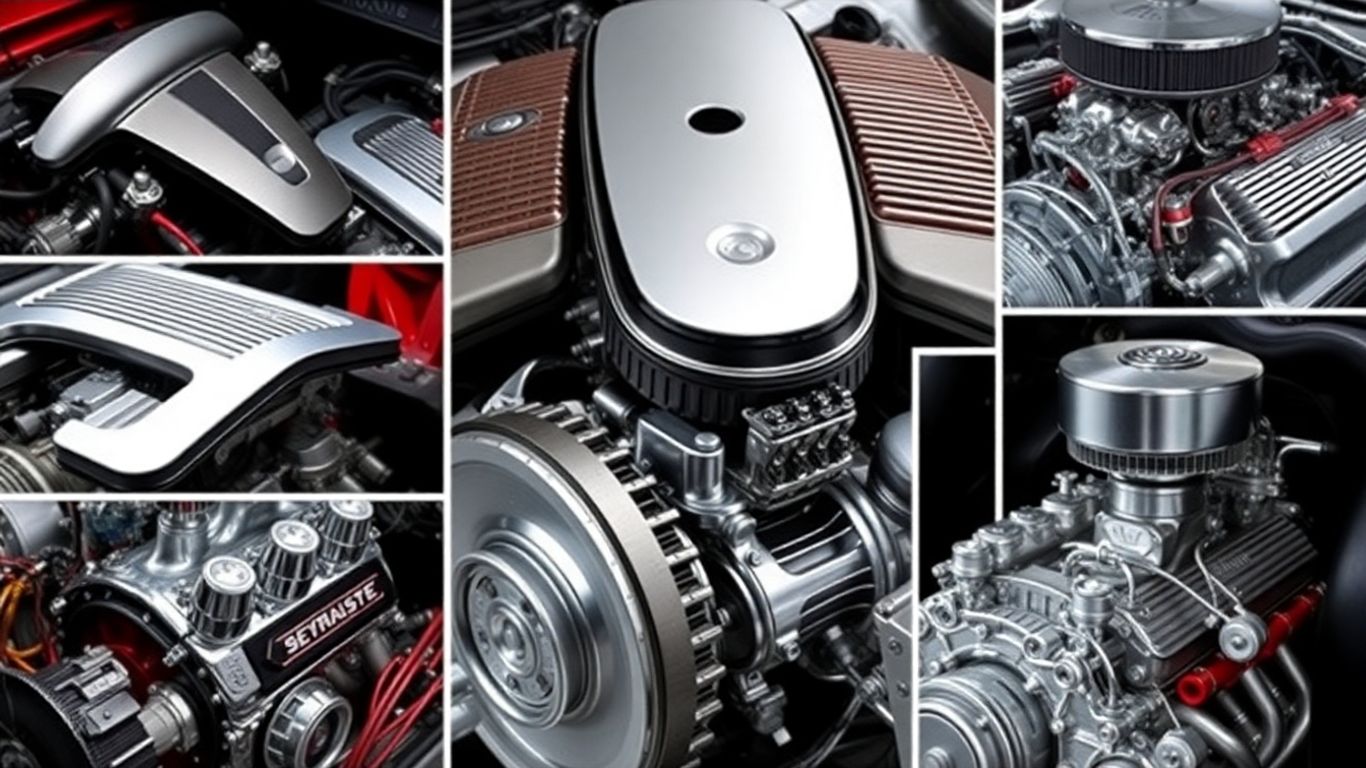
When you’re looking for a motor, it’s not a one-size-fits-all situation. Different jobs need different kinds of power. Think of it like tools in a toolbox; you wouldn’t use a hammer to screw in a bolt, right? Motors are similar. We’ve got the main players: AC and DC motors, and then some specialized ones for when things get a bit more specific.
AC Motors for Industrial Applications
AC (Alternating Current) motors are the workhorses for a lot of industrial stuff. They’re pretty robust and don’t need a lot of fuss. You’ll find them running pumps, fans, conveyors, and all sorts of machinery that needs to keep going without a lot of fiddling. They’re great because they can be pretty powerful and are generally reliable for continuous operation. There are a couple of main types within AC motors:
- Induction Motors: These are super common. They work by using a rotating magnetic field to create torque. They’re tough, relatively inexpensive, and don’t have brushes that wear out, which means less maintenance.
- Synchronous Motors: These motors spin at a speed that’s directly tied to the frequency of the AC power supply. They’re good when you need a very consistent speed, no matter how much load you put on them. They can also help improve the power factor of your electrical system.
DC Motors for Precise Control
DC (Direct Current) motors are your go-to when you need really fine control over speed and torque. They’re often used in things where you need to adjust how fast something spins or how much force it applies, like in robotics, electric vehicles, or even in some power tools. They can offer a lot of starting torque, which is handy for getting heavy loads moving.
- Brushed DC Motors: These are the traditional type. They use brushes to switch the direction of current in the motor’s coils, which creates rotation. They’re simple and can be inexpensive, but those brushes do wear out over time.
- Brushless DC (BLDC) Motors: These are more modern and don’t have brushes. They use electronics to switch the current, which makes them more efficient, last longer, and require less maintenance. They’re also quieter and can be controlled more precisely.
Specialty Motors for Specific Needs
Sometimes, the standard AC or DC motors just won’t cut it. That’s where specialty motors come in. These are designed for very particular jobs.
- Stepper Motors: If you need to move something in very precise, small steps, like positioning a print head or a robotic arm, a stepper motor is the way to go. They move in discrete increments, giving you exact positioning.
- Servo Motors: These are used when you need both precise control and high performance, often in applications that require feedback. They’re common in automation and robotics where accuracy and speed are both important.
- Linear Motors: Instead of rotating, these motors create motion in a straight line. They’re used in things like high-speed trains or precision manufacturing equipment where linear movement is needed directly.
Choosing the right motor type is all about matching its strengths to what your application actually needs. Don’t just grab the first one you see; take a moment to think about whether you need raw power, precise control, or something else entirely. It makes a big difference down the line.
Here’s a quick look at where you might find these types:
| Motor Type | Common Applications |
|---|---|
| AC Induction | Pumps, fans, conveyors, general industrial machinery |
| AC Synchronous | Constant speed drives, power factor correction |
| Brushed DC | Older electric vehicles, simple automation |
| Brushless DC (BLDC) | Electric vehicles, drones, modern appliances |
| Stepper | 3D printers, CNC machines, robotics |
| Servo | Industrial robots, automated manufacturing |
| Linear | Maglev trains, high-precision assembly lines |
Prioritizing Motor Efficiency and Reliability
When you’re picking out a motor, it’s not just about getting something that spins. You really want it to last and not eat up all your electricity, right? Thinking about efficiency and reliability from the start saves you headaches and money down the road. It’s like buying a good tool – it costs a bit more upfront, but it works better and doesn’t break when you need it most.
Achieving Energy Savings with Efficient Motors
An efficient motor uses less power to do the same amount of work. This means lower electricity bills, which adds up fast, especially if the motor runs a lot. You’ll see ratings like IE4 or IE5 on some motors; these are super-efficient. For example, premium-grade motors can hit over 95% efficiency, way better than the standard ones that might be in the 85% to 93% range. Think about applications like HVAC systems or pumps that run constantly – even a small efficiency boost makes a big difference. Choosing a motor with a higher efficiency rating is a smart move for your budget and the environment.
Ensuring Durability with Robust Construction
Reliability means the motor won’t quit on you unexpectedly. This often comes down to how it’s built. Look for motors made with good materials and solid construction. Things like quality bearings and strong casings help a motor stand up to tough conditions, whether that’s heat, dust, or constant vibration. A well-built motor means less downtime for repairs and fewer unexpected costs. It’s about getting a motor that’s tough enough for the job it needs to do.
Leveraging Advanced Motor Features
Beyond the basics, some motors come with extra features that boost their performance and lifespan. Things like better insulation can handle higher temperatures, and integrated controls can make them easier to manage. Some motors even have variable speed capabilities, which can save energy when full power isn’t needed. These advanced bits might seem small, but they can really make a motor work better and last longer in your specific setup. It’s worth checking out what extras are available to see if they fit your needs.
Picking a motor that’s both efficient and reliable isn’t just about the numbers on a spec sheet. It’s about making a practical choice that benefits your operation over the long haul. Consider the total cost of ownership, not just the initial price tag. A slightly more expensive, but more efficient and durable motor, will almost always pay for itself.
Here are some points to keep in mind:
- Check efficiency ratings: Look for NEMA Premium® or IE3 standards, and even higher if possible.
- Consider the operating environment: Will it be hot, dusty, or wet? Choose a motor built for those conditions.
- Think about the duty cycle: Does it need to run all day, every day, or just now and then?
- Research the manufacturer: Stick with brands known for quality and good support. You can often find great options from companies that specialize in electric motors.
Navigating Online Tools for Motor Selection
Finding the right motor can feel like searching for a needle in a haystack sometimes, right? Luckily, manufacturers have put some pretty helpful tools online to make this whole process way less painful. You don’t need to be a tech wizard to use them, either.
Utilizing Motor Cross-Reference Tools
Ever found yourself with a motor that’s on its last legs and wondering what you can replace it with? That’s where cross-reference tools come in handy. You can punch in the details of your old motor, or even a competitor’s part number, and the tool will show you equivalent options from the manufacturer’s own lineup. This is a lifesaver for avoiding compatibility headaches and ensuring a smooth swap. It means you can keep your equipment running without a lot of guesswork.
Browsing the Extensive Product Catalog
Most manufacturers have a massive online catalog. Think of it like a digital library for all their motors. You can usually filter by all sorts of specs – like horsepower, RPM, voltage, and even frame size. If you’ve done your homework on what your application actually needs, you can narrow down the choices pretty quickly. It’s way better than flipping through a giant paper catalog, that’s for sure.
Leveraging Global Search Capabilities
Beyond just searching for specific motor models, these online platforms often have powerful search functions. You can look for part numbers, brand names, or even articles related to motor selection. This means if you’re not exactly sure what you’re looking for, but you have a general idea or a problem you’re trying to solve, the search can often point you in the right direction. It’s like having a knowledgeable assistant at your fingertips.
Finding Local Distributors
Once you’ve zeroed in on the motor you need, the next step is actually getting your hands on it. Most sites have a "Where to Buy" or "Find a Distributor" section. You just pop in your location, and it’ll show you the closest places that stock the motors you’re interested in. This saves you from ordering online and waiting ages, especially if you need it ASAP.
Choosing the right motor is a big deal for keeping things running smoothly. These online tools are there to simplify that decision. They help you match up what you need with what’s available, saving you time and potential headaches down the road. Don’t skip over them; they’re genuinely useful.
Distinguishing Engines from Motors
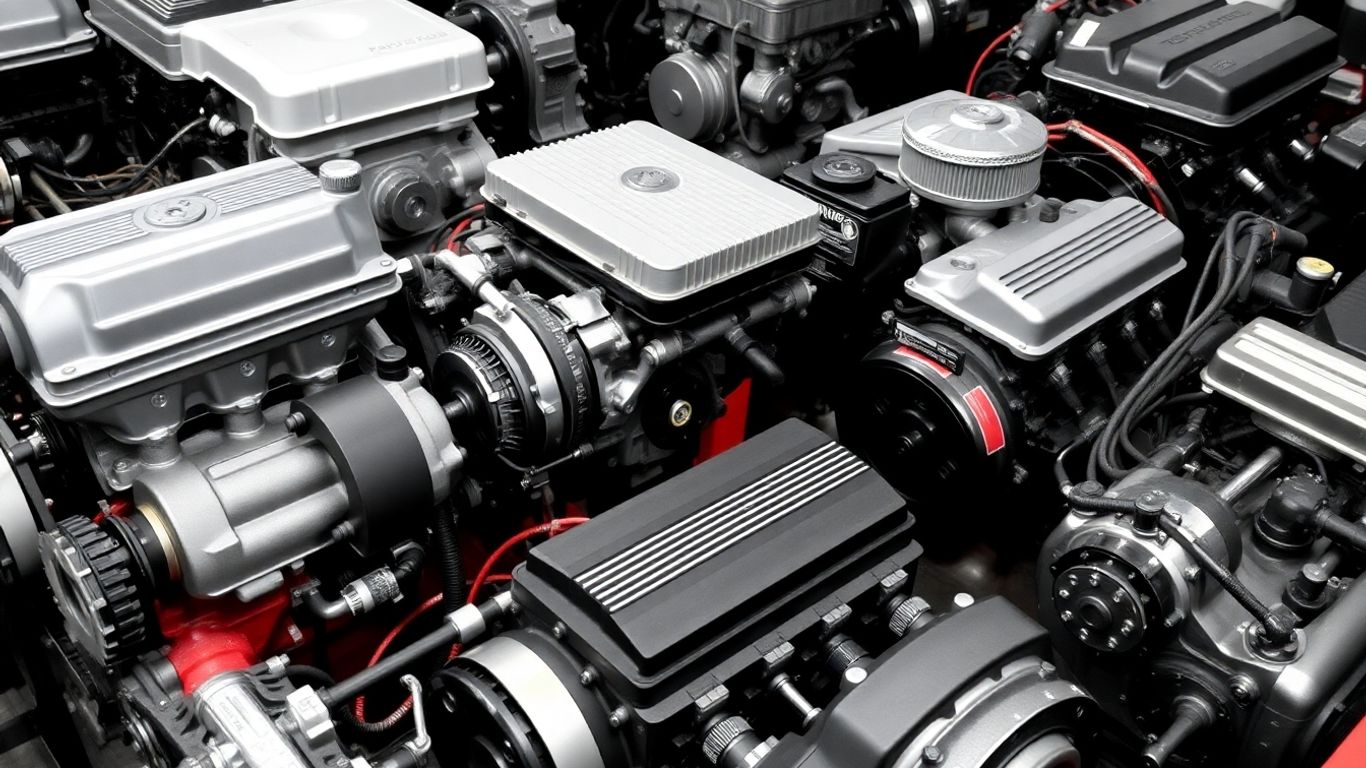
It’s pretty common to hear people use the words "engine" and "motor" interchangeably, and honestly, I get it. Both are designed to make things move, right? But if you look a little closer, there’s a pretty big difference in how they get their power. It’s not just a fancy technicality; it actually changes how they work and where you’d find them.
Understanding Engine Power Sources
Engines, the kind you find in most cars and trucks, are basically self-contained powerhouses. They create their own energy by burning fuel, usually gasoline or diesel. Think of it like a tiny, controlled explosion happening over and over inside the engine. This process, called combustion, turns the chemical energy from the fuel into mechanical energy that makes the vehicle go. It’s a whole system with pistons, cylinders, and spark plugs all working together. This internal combustion is what gives engines their distinct character and power source.
Understanding Motor Power Sources
Motors, on the other hand, are a bit different. They don’t generate their own power from burning fuel. Instead, they need an outside source of electricity to do their job. This electricity can come from a wall outlet, a battery pack in an electric car, or even a generator. The motor then takes that electrical energy and converts it into the motion we need. It’s a more direct conversion of energy, relying on electrical principles rather than combustion. This reliance on an external power source is the key differentiator for motors.
Key Differences in Operation
So, what’s the big takeaway? Engines make their own power using fuel, while motors need electricity from somewhere else. This fundamental difference affects everything from their design to their applications.
Here’s a quick rundown:
- Power Generation: Engines use internal combustion (burning fuel). Motors use external electrical power.
- Complexity: Engines often have more moving parts related to combustion. Motors can be simpler in design, focusing on electromagnetic principles.
- Applications: You’ll find engines in vehicles that need to travel long distances without refueling stops, like gasoline cars. Motors are everywhere, from your blender and power tools to electric vehicles and industrial machinery where precise control or a clean power source is needed.
| Feature | Engine | Motor |
|---|---|---|
| Primary Power | Internal combustion (fuel burning) | External electricity |
| Energy Source | Gasoline, diesel, etc. | Battery, grid power, generator |
| Operation | Creates own power through combustion | Converts electrical energy to motion |
It’s easy to get confused because both engines and motors achieve the same end goal: producing motion. However, the method they use to get there is quite distinct. Understanding this difference helps when you’re looking at different types of machinery or vehicles and trying to figure out exactly what makes them tick. It’s not just about the output, but the entire process behind it.
For instance, if you’re looking for a component that can operate independently for extended periods without needing to plug in, an engine might be your choice. But if you need something that offers quiet operation, precise speed control, and can be powered by renewable energy sources, a motor is likely the way to go. Choosing the right one really depends on what you need it to do. You can find a wide variety of electric motors designed for many different tasks on sites that specialize in industrial components.
Wrapping It Up
So, finding the right motor doesn’t have to be a headache. Whether you’re dealing with a specific application or just need a replacement, knowing what to look for makes all the difference. We’ve talked about understanding your needs, like power and operating conditions, and how different motor types fit into the picture. Plus, we showed you how tools like cross-reference guides and online catalogs can really speed things up. Don’t forget to check out efficiency ratings and construction quality – those things matter for the long haul. With a little bit of know-how and the right resources, you can confidently pick out the perfect motor for pretty much any make or model out there. Happy motoring!
Frequently Asked Questions
What’s the main difference between an engine and a motor?
Think of it this way: engines use fuel, like gas, to create power through burning. Motors, on the other hand, use electricity, usually from a battery or outlet, to make things move. Both get things going, but they get their power from different places.
Why is it important to know my application’s needs before picking a motor?
Just like picking the right tool for a job, choosing the correct motor makes a big difference. Knowing what your machine needs to do—like how much power it needs, how fast it should spin, or how long it needs to run—helps you find a motor that works best and lasts longer. It’s about getting the job done right and efficiently.
What does ‘duty cycle’ mean for a motor?
Duty cycle tells you how long a motor is designed to run without overheating. Some motors can run all day, every day (continuous duty), while others are only meant for short bursts (intermittent or short-term duty). Picking the right duty cycle prevents your motor from getting too hot and breaking down.
How can choosing an efficient motor save me money?
Efficient motors use less electricity to do the same amount of work. This means lower electricity bills over time. It’s like getting better gas mileage in a car – you spend less on fuel for the same trip. Plus, efficient motors often run cooler, which can help them last longer.
What are AC and DC motors, and when would I use each?
AC (Alternating Current) motors are common in big machines and factories because they’re strong and good for constant jobs. DC (Direct Current) motors are great when you need to control the speed very precisely, like in smaller devices or robotic arms. They offer more fine-tuned control.
Are there online tools that can help me find the right motor?
Absolutely! Many companies offer helpful online tools. You can often use a ‘cross-reference tool’ to find a replacement for an old motor, browse through big catalogs with detailed specs, or use search functions to narrow down your options based on what you need. There are also tools to help you find local stores that sell motors.