
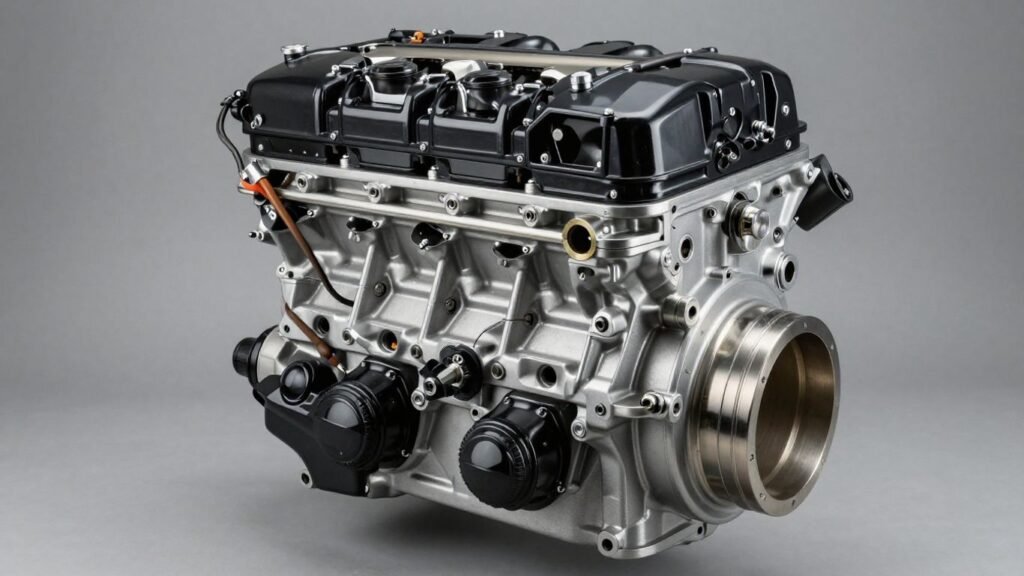
When you need a new engine, a rebuilt one can be a smart choice. Here are the main things to remember when looking for rebuilt engines for sale:
Key Takeaways
- Remanufactured engines are rebuilt to be like-new, often better than the original, unlike simple rebuilt engines.
- Always check the warranty – a good one is a sign of a reliable engine.
- Ask about the parts used; all wear-and-tear parts should be new, and critical parts checked or replaced.
- Reputable sellers have certifications, test their engines thoroughly, and have good customer feedback.
- Make sure the engine fits your vehicle perfectly and compare prices to get the best value.
Understanding Remanufactured Engines for Sale
So, you’re in the market for a new engine, huh? It can feel like a big decision, and honestly, a brand-new engine isn’t always the best route to go. That’s where remanufactured engines come into play. They’re a solid option that often gets overlooked, but they can be a real lifesaver for your wallet and your vehicle’s performance.
What Is A Remanufactured Engine?
Think of a remanufactured engine as an engine that’s been completely taken apart, cleaned up, and then put back together with new or reconditioned parts. It’s not just a quick fix; it’s a thorough overhaul. Unlike a basic rebuilt engine, which might just swap out the broken bits, a remanufactured one aims to meet or even beat the original factory specs. Every single part gets checked out, and anything that doesn’t meet the standard gets replaced. It’s a pretty involved process, and it means you’re getting something that’s pretty much like new, but without the brand-new price tag. This process is designed to restore the engine to its original performance standards, and sometimes even improve upon them.
Benefits of Choosing Remanufactured Engines
Why go remanufactured? Well, for starters, the cost savings can be pretty significant. You’re looking at potentially saving a good chunk of change compared to buying a brand-new engine. Plus, it’s a greener choice. By reusing existing engine cores and components, you’re cutting down on waste and the need for new raw materials. That’s a win for the environment. And when it comes to performance, a properly remanufactured engine can be just as reliable, if not more so, than a new one. They often come with better warranties, too, which gives you some peace of mind.
Here are some of the main perks:
- Cost Savings: Significantly cheaper than a new engine.
- Environmental Friendliness: Reduces waste and conserves resources.
- Reliability: Restored to high standards, often exceeding original specs.
- Warranty: Typically comes with a solid warranty for added security.
The remanufacturing process involves more than just replacing worn parts; it’s about restoring the engine to its original specifications using precise machining and quality control measures. This attention to detail is what sets it apart.
Remanufactured vs. Rebuilt vs. New Engines
It’s easy to get these terms mixed up, but there are some key differences. A new engine is, well, brand new, straight from the manufacturer. It’s the most expensive option, obviously. A rebuilt engine usually means the engine was taken apart, cleaned, and any obviously bad parts were replaced. It’s a bit of a gamble, as the quality can vary wildly depending on who did the rebuilding and what parts they used. A remanufactured engine, on the other hand, goes through a much more rigorous process. We’re talking about complete disassembly, cleaning, inspection, and then rebuilding to meet or exceed OEM standards. All critical wear parts are replaced with new or re-qualified components. It’s a much more controlled and standardized process, aiming for a like-new condition. You can find some great remanufactured engines for sale that offer a balance of quality and value.
| Engine Type | Process | Cost | Reliability |
|---|---|---|---|
| New | Factory-built with all-new components. | Highest | Highest |
| Remanufactured | Disassembled, cleaned, inspected, rebuilt to OEM specs with new parts. | Mid-High | High, often better than original |
| Rebuilt | Disassembled, cleaned, faulty parts replaced. Quality varies greatly. | Mid-Low | Variable, depends heavily on the rebuilder |
| Used | Pulled from another vehicle, sold as-is. | Lowest | Lowest, highest risk |
Choosing a remanufactured engine is often the sweet spot, offering reliable performance at a price that makes sense.
Key Factors When Buying Rebuilt Engines for Sale
So, you’re looking for a replacement engine and considering a remanufactured one. Smart move, they can be a great way to save some cash while still getting something solid. But not all remanufactured engines are created equal, you know? It’s like buying a used car – you gotta know what to look for. Let’s break down the important stuff.
Warranty Coverage and Reliability
This is a big one. A good warranty is your best friend when buying a remanufactured engine. It’s basically the seller’s promise that they stand behind their work. If something goes wrong shortly after you get it, a solid warranty means you won’t be left high and dry. Look for warranties that cover a decent amount of time, like a year or more, and also consider mileage or operating hours. If a seller is hesitant to offer a warranty, or if it’s super vague, that’s a definite red flag. You want to feel confident that the engine is going to keep running.
Quality of Parts Used in the Rebuild
This is where the real quality difference comes in. A top-notch remanufacturer will replace all the small, wear-and-tear parts – think gaskets, seals, and bearings – with brand new ones. They’ll also machine or replace the big stuff like cylinder heads and crankshafts if they aren’t up to snuff. Don’t be afraid to ask them directly: "Did you replace all the wearable parts?" and "Were the critical components machined or replaced with new ones?" Using parts that are OEM (Original Equipment Manufacturer) or even better is a good sign. It shows they’re not cutting corners.
Engine Compatibility and Specifications
This might sound obvious, but you’d be surprised how many people overlook it. You need to make sure the engine you’re buying is actually the right fit for your vehicle or equipment. This means checking the engine’s specifications – things like displacement, horsepower, and any specific mounting or sensor requirements. Getting this wrong can lead to a whole lot of headaches and extra costs trying to make it fit. It’s always a good idea to have your vehicle’s VIN handy and double-check the engine’s serial number if possible. If you’re unsure, asking a professional or the supplier for help is way better than guessing. Finding the right engine for your vehicle is key to a smooth replacement.
When you’re looking at engines, especially if it’s for an older car, try to find out when the engine was last replaced and who did the work. Any paperwork or warranty information from that time can be super helpful in figuring out how reliable it might be. It’s a bit like checking the history of a house before you buy it.
Here’s a quick checklist to keep in mind:
- Warranty: Is it clear, comprehensive, and for a reasonable duration?
- Parts: Were all wearable parts replaced? Are critical components in good shape or new?
- Testing: Was the engine performance tested after the rebuild?
- Compatibility: Does it match your vehicle’s exact make, model, and year requirements?
- Supplier Reputation: What do other customers say? Do they have good reviews?
Evaluating Remanufacturer Reputation
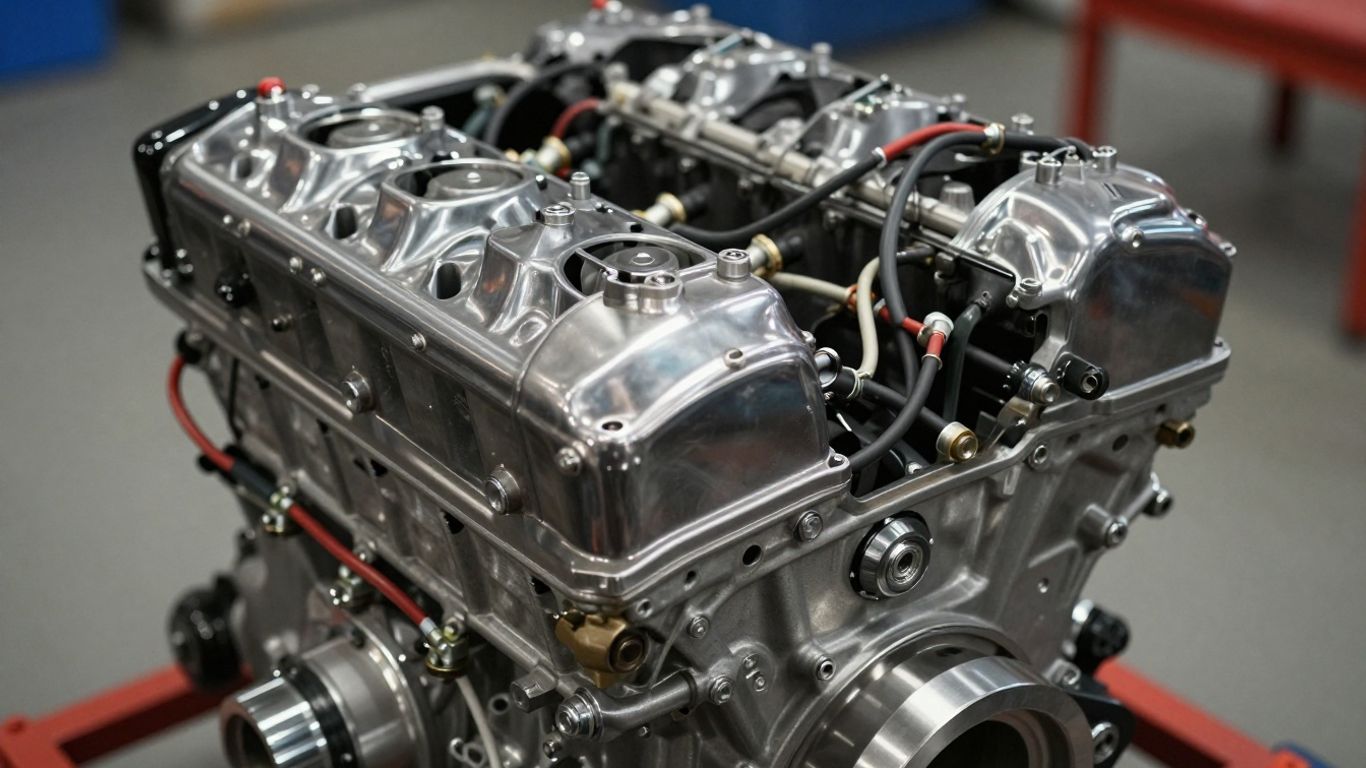
When you’re looking for a replacement engine, it’s not just about the engine itself, but also who you’re buying it from. A good remanufacturer makes all the difference between a smooth ride and a headache. You want to be sure the company you choose has a solid track record and knows what they’re doing.
Industry Certifications and Standards
One of the first things to check is if the remanufacturer follows any industry standards or has certifications. While not every shop will have them, recognized certifications can be a good sign they’re serious about quality. It shows they’re willing to go through the extra steps to prove their processes meet certain benchmarks. Think of it like a seal of approval.
Rigorous Testing and Quality Control
A truly top-notch remanufacturer will have detailed testing procedures in place before an engine ever leaves their facility. This isn’t just a quick once-over. It means they’re checking everything from compression and oil pressure to leaks and overall performance. They should be able to tell you exactly what tests they perform and what results they look for. This kind of attention to detail is what separates a reliable engine from one that might give you trouble down the road. It’s also worth asking about their quality control steps throughout the entire rebuilding process, not just at the end.
Customer Reviews and Support
What are other people saying? Checking customer reviews can give you a real-world look at a company’s performance. Look for patterns in feedback – are people consistently happy with the engines they receive? Are there a lot of complaints about early failures or poor customer service? Websites that aggregate reviews can be helpful here, like Reman-Engine.com. Also, consider how the company handles questions and support. Do they seem knowledgeable and willing to help you find the right engine? Good post-purchase support is also a big plus if any questions pop up after installation.
Finding Quality Remanufactured Engines for Sale
So, you need a new engine, huh? It’s a big deal, and honestly, it can feel a bit overwhelming trying to figure out where to even start. You want something reliable, something that won’t leave you stranded on the side of the road next month, but you also don’t want to break the bank. That’s where a good remanufactured engine comes in. But not all of them are created equal, that’s for sure. It’s super important to know what to look for so you don’t end up with a lemon.
Identifying Reputable Suppliers
When you’re shopping around, you’ll see a lot of companies claiming they have the best engines. It’s a bit of a jungle out there. A good sign is a supplier that’s upfront about their process. Do they use new parts where it counts? Do they test their engines thoroughly before they ship them out? Look for companies that have been around for a while and have a solid reputation. For instance, places like Patriot Engines often highlight their rigorous testing and quality control, which is a good indicator.
Understanding the Remanufacturing Process
What exactly happens when an engine is "remanufactured"? It’s not just a quick clean-up. A proper remanufacturing process involves completely taking the engine apart, cleaning every single piece, and then inspecting it. Anything that doesn’t meet original equipment manufacturer (OEM) standards gets replaced or machined back to spec. They often upgrade parts that were known to fail in the original design, too. It’s basically taking an old engine core and making it as good as, or even better than, new.
Here’s a quick rundown of what a quality remanufacturing process should include:
- Complete Disassembly: The engine is taken down to its bare components.
- Thorough Cleaning: All parts are cleaned to remove all oil, grime, and carbon.
- Rigorous Inspection: Each component is checked for wear, cracks, or any damage.
- Precision Machining: Worn parts are machined to exact tolerances.
- Replacement of Worn Parts: All seals, gaskets, bearings, and often pistons and rings are replaced.
- Upgraded Components: Sometimes, parts known for failure are replaced with improved designs.
- Final Assembly: The engine is put back together by skilled technicians.
- Dynamic Testing: The finished engine is run on a dynamometer to check performance and identify any issues.
You’re looking for a supplier that treats this process like a science, not just a quick fix. They should be able to explain their steps and why they do them. It shows they care about the final product.
Comparing Cost-Effectiveness
Remanufactured engines are usually a lot cheaper than brand-new crate engines, and that’s a big draw. You’re saving money because the company isn’t starting from scratch with raw materials. They’re using a good quality used engine core and rebuilding it. But don’t just go for the absolute cheapest option you find. Sometimes, a slightly higher price tag means better quality parts, more thorough testing, or a better warranty. Think about the long run – a cheap engine that fails quickly will cost you more in the end. It’s about finding that sweet spot between price and peace of mind. You might even find some suppliers offering custom builds for specific needs, which could be a great option if you’re looking for something beyond a standard replacement, like custom engine builds.
Specialized Remanufactured Engine Applications
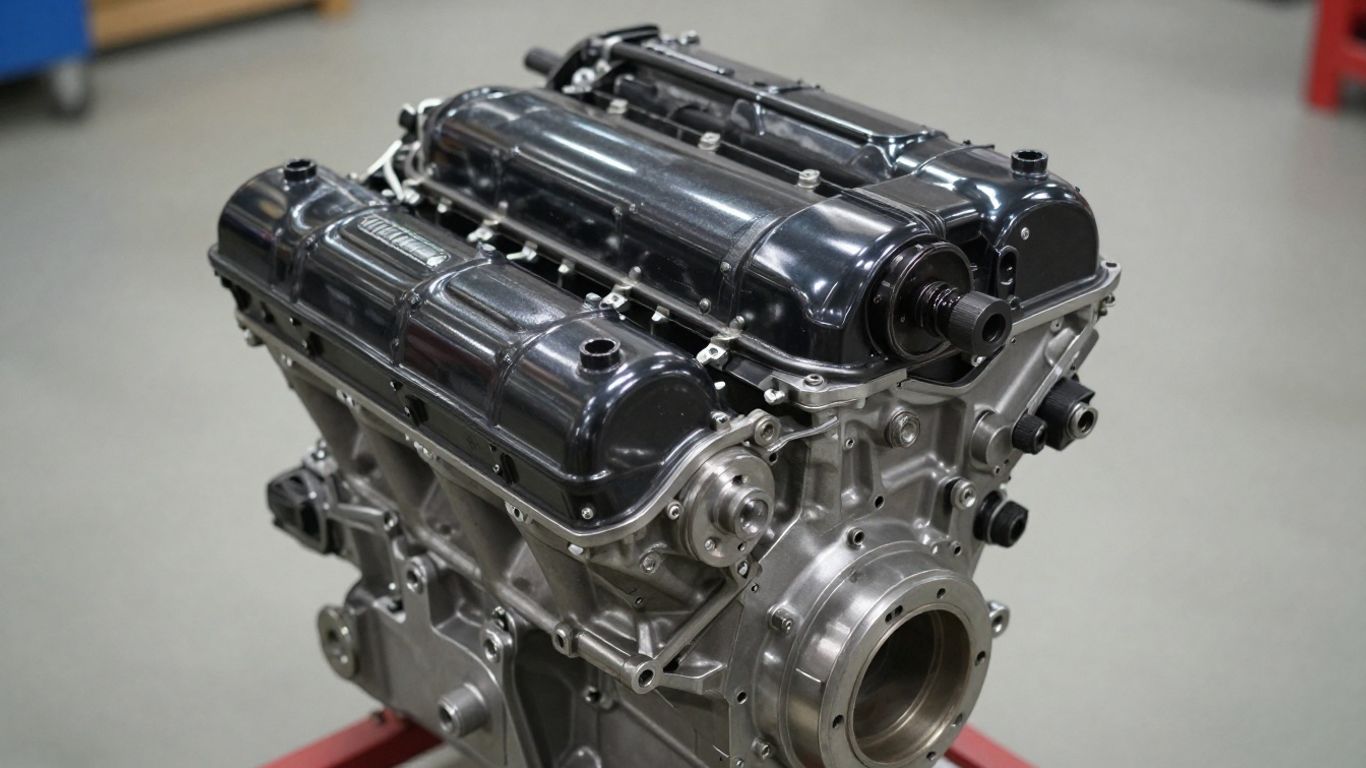
Heavy-Duty Industrial Use
When you need an engine for tough jobs, like in construction equipment or agricultural machinery, you can’t just grab any old replacement. These engines have to handle a lot more stress and run for long hours in less-than-ideal conditions. That’s where specialized remanufactured engines really shine. Companies that focus on industrial applications, like Memorial Machine, understand that durability and meeting original equipment manufacturer (OEM) standards are super important. They make sure these engines can take a beating and keep on going, which is vital for keeping your business running smoothly. They often use tougher parts and build them to last, so you’re not stuck with downtime.
Diesel vs. Gas Engine Considerations
Choosing between a diesel and a gasoline remanufactured engine often comes down to what you’re using it for. Diesels are workhorses, known for being fuel-efficient and lasting a long time, which is why you see them a lot in big trucks and industrial settings. Gas engines are more common in smaller commercial vehicles or for applications where you might need quicker acceleration. When you’re looking for a replacement, knowing whether you need the torque and longevity of a diesel or the typical performance of a gas engine is a big first step. It affects everything from fuel costs to the engine’s overall capability for your specific task.
Customization for Performance Needs
Sometimes, a standard remanufactured engine just won’t cut it. Maybe you’re building a custom vehicle, or you need your work truck to have a bit more power, or perhaps you’re trying to squeeze out better fuel economy. That’s where custom remanufacturing comes in. Some suppliers can tweak the engine build to meet specific goals. This could mean adjusting it for higher horsepower, better efficiency, or even meeting certain emissions rules. It’s like getting a tailor-made suit for your engine, ensuring it performs exactly how you need it to. You can often find these specialized services by looking at suppliers who focus on performance builds or offer custom solutions for unique projects. It’s a great way to get the most out of your vehicle or equipment, and you can often find the right specs by consulting detailed guides.
When looking at specialized applications, remember that the remanufacturing process itself can sometimes improve upon the original design. Engineers might incorporate newer technologies or stronger materials to address known weak points in the original engine, potentially making the remanufactured version even more reliable than when it was new.
Conclusion
Finding the right rebuilt engine for sale doesn’t have to be a headache. By understanding what makes a remanufactured engine a great choice, knowing what to look for in a supplier, and asking the right questions, you can secure a reliable and cost-effective replacement. Don’t settle for less; a quality rebuilt engine can give your vehicle many more miles of dependable service.
Frequently Asked Questions
What’s the difference between a rebuilt and a remanufactured engine?
Think of a remanufactured engine like a brand-new one, but built from used parts. It’s taken apart, cleaned, inspected, and rebuilt with new or improved parts to meet or beat the original factory standards. A ‘rebuilt’ engine might just have the broken bits fixed or replaced, without the full teardown and rebuild process.
Are remanufactured engines as good as new ones?
Often, yes! Remanufactured engines are restored to high standards, and sometimes they even have upgraded parts that make them more durable than the original. They go through strict testing, so they can be just as reliable, if not more so, than a brand-new engine.
How long can I expect a remanufactured engine to last?
That really depends on who rebuilt it and how well they did the job. A quality remanufactured engine from a good company, with a solid warranty, can last for many years and miles, similar to a new engine. It’s all about the quality of the rebuild and the parts used.
What should I look for when buying rebuilt engines for sale?
First, check the warranty – a longer one is better. Ask if they use new parts for everything that wears out, like gaskets and seals. Also, find out if they test the engine after rebuilding it. Good customer reviews are a big plus, too.
Is it cheaper to buy a remanufactured engine or a used one?
Generally, a remanufactured engine costs more upfront than a used engine. However, it’s usually much cheaper than a brand-new engine. You’re paying for the quality, testing, and warranty that comes with a remanufactured engine, which often makes it a better long-term value than a gamble on a used one.
Do I need to worry about compatibility when buying a remanufactured engine?
Absolutely! You need to make sure the engine is a perfect match for your car or truck. Always give the seller your vehicle’s make, model, year, and VIN number. This helps them find an engine with the right specifications so it will fit and work correctly.