So, your car’s engine decided to call it quits. Bummer, right? Replacing an engine can sound like a huge deal, and honestly, it can be. But before you start thinking about buying a whole new car, consider this: there are plenty of good used engines out there for sale online. It’s often way cheaper than getting a new car, and it can give your current ride a whole new life. We’re going to look at how to find these second hand engines for sale online and what to watch out for.
Key Takeaways
- Buying a used engine online can save you a lot of money compared to buying a new car or even a brand-new engine.
- Always buy from dealers who have a good reputation. They usually check their engines and offer some kind of guarantee.
- Check the engine’s specs, like the number of cylinders and ignition type, to make sure it fits your car.
- You might need a used engine if your current one has a cracked block, too many miles, or was damaged in an accident.
- Look for warranties and ask about the dealer’s inspection process to be sure you’re getting a reliable used engine.
Finding Quality Second Hand Engines for Sale Online
The Benefits of Buying Used Engines Online
So, your car’s engine is making some unhappy noises, or maybe it’s just seen better days. Replacing an engine can sound like a huge deal, and honestly, it can be. But before you start looking at new car dealerships, think about going the used engine route. It’s often way cheaper than buying a whole new vehicle, and it can give your current car a whole new lease on life. Think of it like this: a brand-new engine might get you around 100,000 miles, but a good quality used one, depending on its history, could easily add another 100,000 miles to your car’s odometer. That’s a lot of driving for a lot less cash.
Why Choose Reputable Dealers for Used Engines
When you’re hunting for a used engine, it’s super important to buy from someone you can trust. You don’t want to end up with a lemon, right? Reputable dealers usually have a process for checking out their engines. They’ll often run tests, like compression tests, to make sure the engine is in decent shape before they sell it. Plus, they’re more likely to offer some kind of warranty, which is a big deal when you’re spending a chunk of change on something as vital as an engine. It just gives you that extra bit of confidence that you’re not getting ripped off.
Understanding Engine Warranties and Quality Assurance
Okay, so you’ve found a dealer you think you can trust. What about the nitty-gritty? Warranties are your best friend here. They can range from a short 30-day coverage to a more generous 6-month or even year-long plan. Always ask what the warranty covers – is it just the engine block, or does it include labor if something goes wrong? Reputable sellers will also be upfront about how they ensure quality. This might include:
- Running the engine: They’ll actually start it up to check for leaks or strange noises.
- Compression testing: This checks how well the cylinders are sealing, a key indicator of engine health.
- Visual inspection: Looking for obvious damage or missing parts.
Buying a used engine means you’re getting a component that’s already been through its initial break-in period. If it was going to have a major manufacturing defect, it likely would have shown up by now. This can sometimes mean a more stable, reliable engine than a brand-new one that’s still settling in.
Here’s a quick look at what to expect:
| Warranty Type | Typical Duration | What it Might Cover |
|---|---|---|
| Basic Limited | 30-90 Days | Engine block, cylinder heads |
| Extended Limited | 6 Months – 1 Year | Engine block, heads, internal components |
| Parts & Labor | Varies | Engine, labor costs for installation/repair |
Navigating the Online Marketplace for Used Engines
So, you’ve decided a used engine is the way to go. Awesome! Now comes the part where you actually find one. The internet is a huge place, and sifting through all the options can feel a bit overwhelming, but with a few pointers, you can make it way easier.
Searching for Specific Makes and Models
This is where you get down to business. You know what car you have, so you need to find an engine that fits. Most online sellers have search bars where you can type in the year, make, and model of your vehicle. It’s like a direct line to finding what you need. Don’t just guess, though; double-check the exact specs. Sometimes a car from the same year but a different trim level might have a different engine. It’s worth taking an extra minute to be sure.
Utilizing Auto Parts Finder Tools
Many online stores have these handy tools. You usually input your car’s details – year, make, model, and sometimes even the engine size or VIN. The tool then spits out a list of compatible engines. It’s a real time-saver and helps cut down on the chance of ordering the wrong part. Think of it as your personal assistant for engine hunting.
Understanding Engine Specifications
This is super important. You’ll see terms like displacement (often in liters or cubic inches), horsepower, torque, and cylinder count. You need to know what your current engine has or what you’re looking for. For example, a V6 engine is different from an inline-4. You’ll also want to pay attention to things like:
- Cylinder Count: Usually 4, 6, or 8, but can vary.
- Fuel Type: Gasoline, diesel, etc.
- Aspiration: Naturally aspirated or turbocharged/supercharged.
- Emissions Standards: Especially if you’re in a state with strict rules.
Don’t be afraid to ask questions if something isn’t clear. The seller should be able to explain the specs or point you to where you can find them. It’s better to ask now than to get an engine that doesn’t fit or work right.
Here’s a quick look at common engine configurations:
| Engine Type | Typical Cylinder Count | Common Uses |
|---|---|---|
| Inline-4 | 4 | Economy cars, smaller sedans |
| V6 | 6 | Sedans, SUVs, some trucks |
| V8 | 8 | Trucks, muscle cars, larger SUVs |
| Flat-4 | 4 | Subaru, Porsche |
Knowing these basics will make your online search much smoother and help you avoid costly mistakes.
Key Considerations When Buying Used Engines
So, you’ve decided a used engine is the way to go. Smart move, especially if you’re looking to save some cash. But before you hit that ‘buy now’ button, there are a few things you really need to think about to make sure you’re not getting a lemon. It’s not just about finding one that fits your car; it’s about finding one that’s actually good.
Inspecting Engine Components and Condition
When you’re looking at an engine, whether it’s online or in person, give it a good once-over. You want to see that all the main parts are there and look like they’re in decent shape. Check for obvious signs of damage, like cracks or heavy rust. Look at the seals and gaskets – are they dried out or leaking? It’s also a good idea to ask if the engine has been run recently and if there were any issues when it was. Sometimes, sellers will have videos of the engine running, which can be super helpful.
Verifying Engine Compatibility and Cylinder Count
This is a big one. You can’t just slap any engine into your car. You need to make sure it’s compatible with your vehicle’s make, model, and year. Beyond that, pay attention to the cylinder count. Most cars use 4, 6, or 8 cylinders, but there are others out there. Putting an engine with the wrong number of cylinders in your car just won’t work, and it can cause a lot of headaches and extra costs to fix.
Asking About Ignition Types and Dealer Guarantees
Engines use different ignition systems, mainly spark ignition (like in most gasoline cars) or compression ignition (common in diesel engines). Make sure you know which type your car needs. Also, don’t be shy about asking the seller about their guarantees. Do they offer a warranty? What exactly does it cover, and for how long? Reputable dealers, like those who source and inspect their engines carefully, will be upfront about this. Some places, like Automotix, don’t even require you to send back your old engine, which can simplify things a lot.
Buying a used engine can feel a bit like a gamble, but doing your homework makes it a much safer bet. Knowing what to look for and asking the right questions can save you a ton of trouble down the road. It’s all about being informed and not rushing the process.
Here’s a quick checklist to keep in mind:
- Check for physical damage: Look for cracks, rust, or leaks.
- Confirm compatibility: Ensure it matches your car’s make, model, and year.
- Verify cylinder count: Make sure it has the correct number of cylinders.
- Inquire about ignition type: Spark or compression – know what you need.
- Ask about warranties: Understand the coverage and duration.
- Request dealer guarantees: What assurances do they provide?
Taking these steps will help you find a reliable used engine that won’t leave you stranded.
Reasons You Might Need A Used Engine
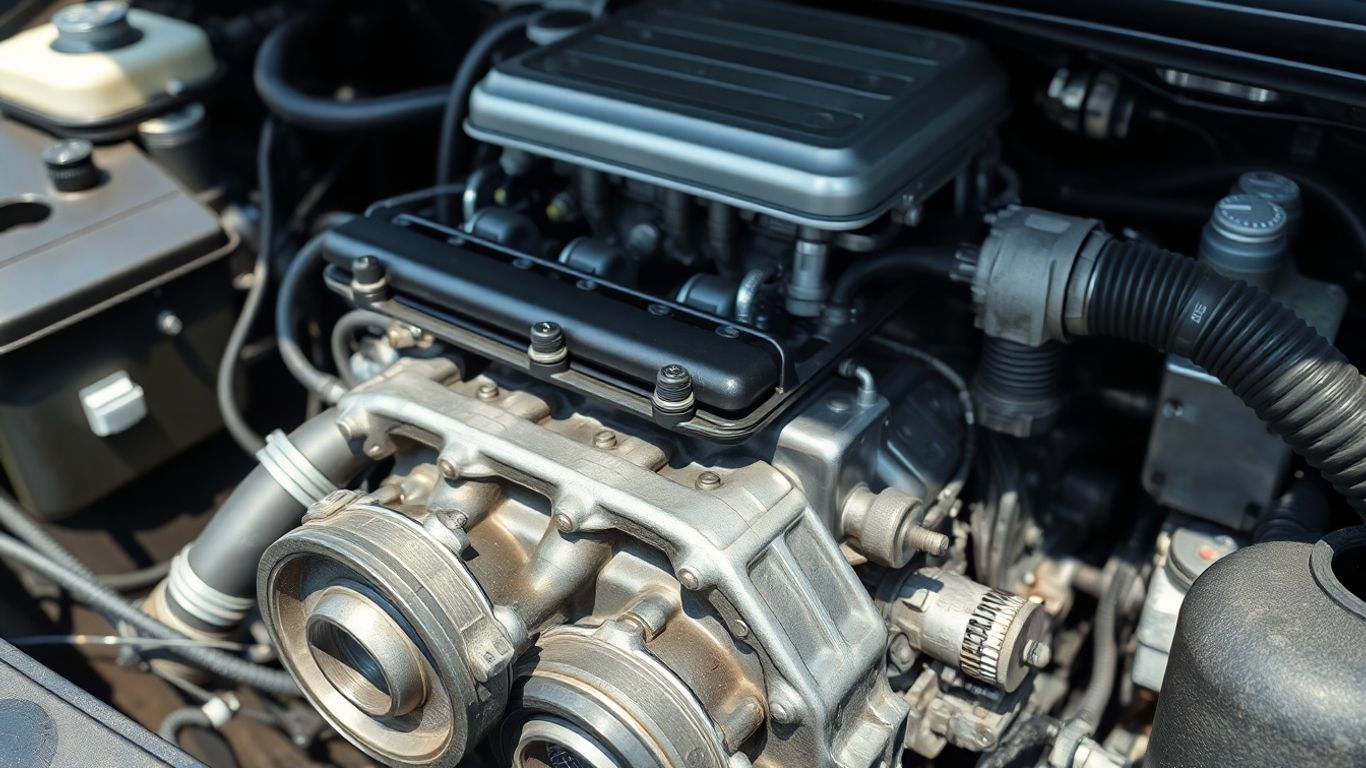
Sometimes, your car’s heart just gives out. It’s a bummer, for sure, but it doesn’t always mean you have to say goodbye to your whole ride. Often, a good used engine can get you back on the road without breaking the bank. Let’s look at a few common scenarios where a replacement engine makes a lot of sense.
Addressing Cracked Engine Blocks
This is a pretty serious one. If your engine block cracks, it’s usually game over for that particular engine. The most common culprit behind a cracked block is overheating. When an engine gets way too hot, the metal can expand and then contract too quickly, leading to cracks. This usually means a loss of power and, unfortunately, no easy fix. A used engine becomes the most practical solution.
Managing High Mileage and Wear and Tear
Cars rack up miles, and with those miles comes wear. Think of it like your own body – the more you use it, the more it shows. Over time, internal parts like piston rings can wear down. This can lead to oil leaks, reduced performance, and eventually, blown gaskets. When an engine reaches this point, it’s often more cost-effective to replace it with a used one rather than trying to rebuild the old one from scratch.
Replacing Engines After Collisions
Car accidents happen, and sometimes the engine takes a big hit, especially in front-end collisions. If the damage is significant, insurance might cover a replacement engine. In these cases, a quality used engine is frequently the go-to option. It’s a way to get the car repaired and running again without the cost of a brand-new engine, which can be incredibly expensive.
Here’s a quick look at common engine issues:
- Overheating: Leads to cracked blocks.
- Wear and Tear: Affects internal components like piston rings and gaskets.
- Impact Damage: From collisions, can compromise engine integrity.
When your engine is beyond repair, opting for a used one is a smart move. It’s often significantly cheaper than buying new and can give your vehicle many more years of service. Just make sure you’re getting it from a reliable source.
Ensuring the Integrity of Your Used Engine Purchase
The Importance of Sourcing and Inspection
When you’re looking for a used engine, the biggest worry is usually what kind of life it’s had before. It’s a big purchase, and you want to know it’s going to work right. That’s why where you get it from matters a lot. We make sure to get our engines from places we trust, and then we check every single one out. It’s not just about slapping a sticker on it and hoping for the best; it’s about making sure it’s ready for your car.
Understanding Compression Tests
A compression test is a pretty straightforward way to get a good idea of an engine’s health. Basically, it checks how well the engine can hold pressure in its cylinders. Low pressure can mean worn-out parts inside, like piston rings or valves. We run these tests on our engines before we sell them. It’s a quick way to spot potential problems and give you a better idea of what you’re buying.
Here’s a general idea of what good compression looks like:
| Cylinder | Compression Reading (PSI) |
|---|---|
| 1 | 150-180 |
| 2 | 150-180 |
| 3 | 150-180 |
| 4 | 150-180 |
Note: These are general figures. Always check the manufacturer’s specifications for your specific engine model.
The Value of a Used Engine Warranty
Even with all the checks and tests, things can sometimes go wrong. That’s where a warranty comes in. It’s like an extra layer of protection for your purchase. If something unexpected happens shortly after you get the engine, a warranty can cover repairs or replacement. It shows that the seller stands behind their product and gives you more confidence when you hand over your money.
Buying a used engine doesn’t have to be a gamble. By focusing on where you buy from and what checks have been done, you can find a solid replacement that will keep your car running for a long time. A good warranty just adds that extra bit of peace of mind.
Making an Affordable and Reliable Used Engine Choice
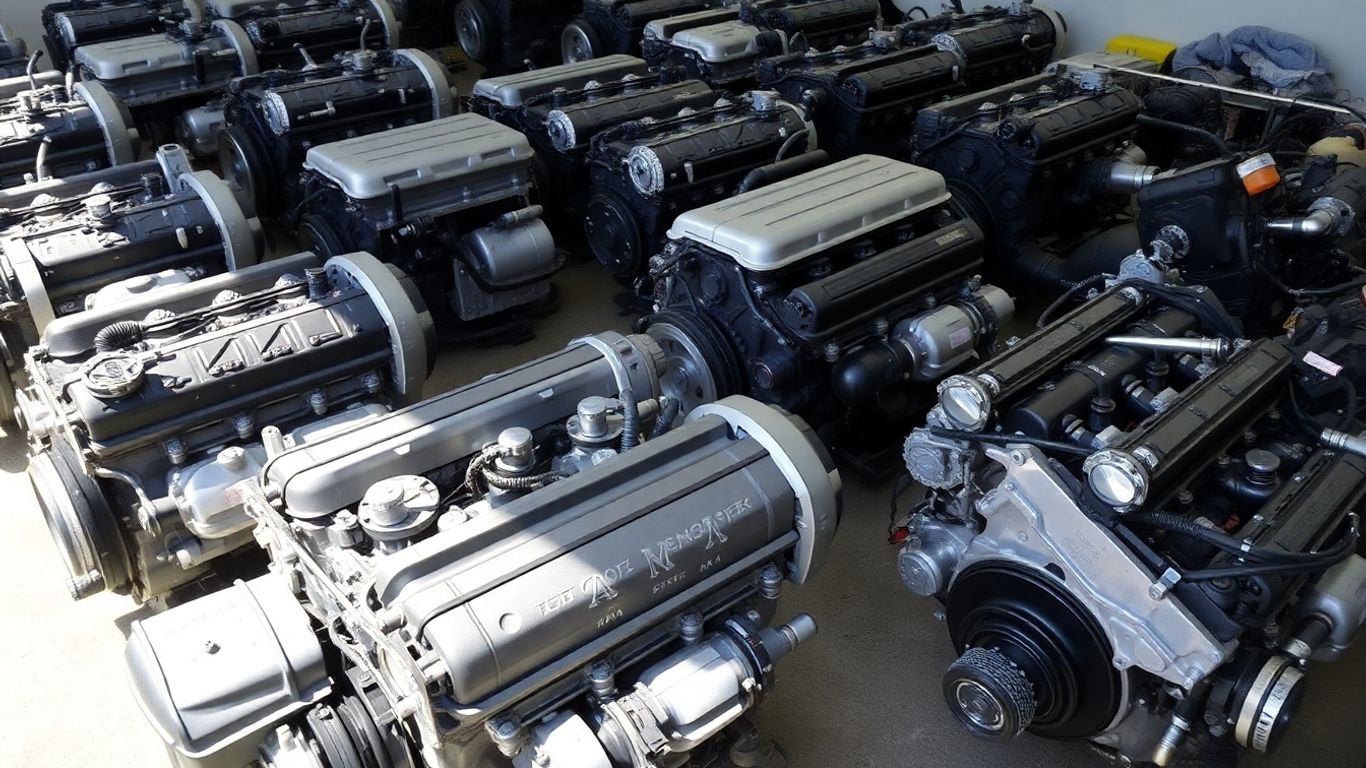
So, your car’s engine has seen better days, and you’re weighing your options. It often comes down to two main paths: rebuilding the old one or swapping it out for a used engine. While rebuilding can sometimes be cheaper, it really depends on what’s wrong with the original engine and how much labor is involved. A used engine, on the other hand, can offer a fresh start, especially if you find a good quality one from a dealer you trust.
Comparing Rebuilding vs. Replacing Costs
When you’re looking at the numbers, it’s not always a clear-cut decision. Rebuilding an engine means taking it apart, fixing or replacing worn-out parts, and putting it all back together. This can get pricey fast if there are major issues like a damaged block or worn-out internals. Replacing it with a used engine might have a higher upfront cost for the engine itself, but it can sometimes be less labor-intensive overall, especially if the used engine is already tested and ready to go.
Here’s a quick look at what to think about:
- Rebuilding:
- Can be cost-effective for minor repairs.
- You know exactly what parts are new.
- Labor costs can add up quickly.
- Replacing with Used:
- Often a faster solution.
- Upfront cost for the engine.
- Reliability depends heavily on the source.
Finding Top Brands at Competitive Prices
Don’t just grab the first used engine you see. Many reputable dealers carry engines from well-known manufacturers. You might be surprised at how affordable these can be when bought second-hand. Looking for a specific brand can give you more confidence in the engine’s original quality and expected lifespan. It’s worth shopping around to compare prices from different sellers for the same make and model.
The Environmental Benefits of Used Engines
Choosing a used engine isn’t just good for your wallet; it’s a smart move for the planet too. Manufacturing a new engine takes a lot of energy and resources. By giving a perfectly good used engine a second life, you’re reducing waste and cutting down on the environmental impact associated with producing brand-new parts. It’s a win-win situation.
When you’re in the market for a replacement, remember that a used engine can extend your current vehicle’s life significantly. It’s a practical choice that saves money and helps reduce manufacturing demand.
Wrapping It Up
So, if your car’s engine is giving you trouble, don’t panic. Buying a used engine online can be a smart move. It saves you money compared to a whole new car, and with a little research, you can find a quality replacement. Just remember to check out the seller, ask about warranties, and make sure it’s the right fit for your vehicle. You can get your car back on the road without breaking the bank. Happy hunting!
Frequently Asked Questions
Are used engines any good?
The quality of a used engine really depends on a few things, like how old it is, how many miles it’s been driven, and its overall condition. Reputable sellers will check each engine to make sure you’re getting the best possible one.
How long can a used engine last?
It really depends on the engine’s condition when you buy it. A good used engine can often give your car another 100,000 miles or more, especially if you take good care of it.
Is it cheaper to fix an engine or replace it?
Usually, fixing an engine (rebuilding it) costs less than buying a completely new one. But, you should always check the prices for both parts and labor with your mechanic to see what makes the most sense for your situation.
Why would a car need a new engine?
There are several reasons a car might need a new engine. This could be because the engine block has a crack, the engine has been driven for too many miles and is worn out, or it was damaged in a car accident.
Does putting in a new engine change the car’s mileage?
Typically, replacing an engine doesn’t change the number on the odometer. In many places, it’s actually against the law to change it! It’s a good idea to write down the mileage when you get a new engine so you know how much you’ve driven on it.
Does a new engine lower a car’s value?
Putting a new engine in a car usually doesn’t affect its value, unless it’s a special car like a classic or collector’s item. In those cases, it might even lower the value. But for most cars, a new engine just gives it a new lease on life!