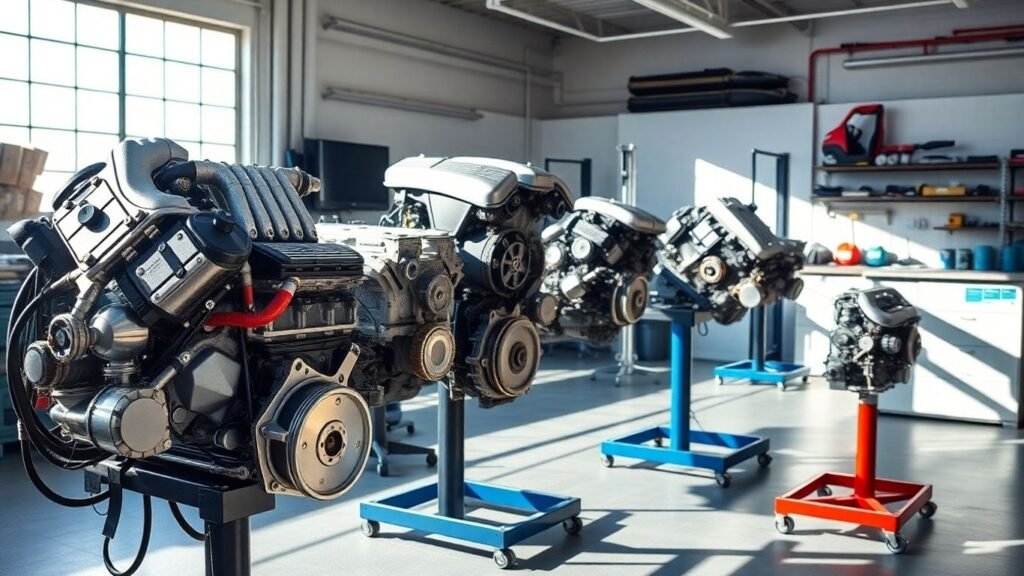
Looking for used engines for sale in Australia? Finding a reliable engine for your vehicle can feel like a big task, especially when you’re trying to save some money. You want something that’s going to last without costing an arm and a leg. This guide is here to help you sort through the options, understand what you’re getting, and find some great deals on used engines across Australia. We’ll cover different types of engines and parts, and give you an idea of what to expect when shopping around.
Key Takeaways
- When looking for used engines for sale in Australia, focus on suppliers who test their engines and offer warranties for peace of mind.
- Many suppliers offer nationwide shipping, making it easier to get the engine you need regardless of your location in Australia.
- Consider the type of engine you need (diesel, complete, short block, long block) to match your repair or replacement requirements.
- Reputable dealers often have a wide stock of engines from major brands and can help source specific models if they don’t have them on hand.
- While used engines are a more affordable option, compare prices and check the condition and mileage to ensure you’re getting good value.
1. Quality Used Engines
Finding a good used engine can feel like searching for a needle in a haystack sometimes, right? You want something reliable without emptying your wallet. The key is to find a reputable seller who actually tests their engines before they sell them. It’s not just about getting a cheaper part; it’s about getting a part that’s going to keep your car running smoothly for a good while.
When you’re looking for a used engine, think about what’s most important to you. Is it low mileage? A specific brand? Or maybe just the best price you can find? Different suppliers focus on different things. Some might have a huge stock of common makes like Toyota and Holden, while others might specialize in something more niche.
Here’s a quick rundown of what to look for:
- Inspection Reports: Ask if the engine has been tested. A good seller will have documentation or at least be able to tell you about the tests performed.
- Warranty: Even used engines should come with some kind of warranty. It might not be as long as a new engine’s warranty, but it offers peace of mind.
- Seller Reputation: Check reviews or ask around. A seller with a good track record is usually a safe bet.
- Mileage: While not the only factor, lower mileage generally means less wear and tear.
Buying a used engine doesn’t have to be a gamble. With a bit of research and by choosing the right supplier, you can find a solid engine that offers great value. It’s about being smart with your purchase and knowing what questions to ask.
Many places offer Australia-wide shipping, which is a huge help if you’re not located near a major supplier. Just be sure to factor in shipping costs when comparing prices. Some companies, like Quality Auto Parts Exports, have a wide range of components, so it’s worth checking out their stock if you’re unsure where to start.
2. Diesel Engines
When you’re on the hunt for a replacement engine, diesel options often come up. They’re known for being tough and lasting a long time, especially in trucks and heavy machinery. Finding a good used diesel engine in Australia isn’t too hard, but you want to make sure you’re getting something solid.
Many people choose diesel engines because of their fuel efficiency and the sheer power they can put out. They’re built to handle a lot of work, which is why you see them in everything from farm equipment to big rigs. If your current diesel is on its last legs, getting a quality used one can save you a ton of cash compared to buying new.
Here’s a quick rundown of what to look for:
- Brand Reputation: Stick with well-known brands like Caterpillar, Cummins, Volvo, or Detroit Diesel. These companies have a long history of making reliable diesel powerplants.
- Engine Type: Are you looking for a specific series? For example, Cummins has popular lines like the 5.9L, 6.7L, and the ISB series, while Caterpillar offers the C7, C9, and C15, among others.
- Mileage/Hours: Just like cars, diesel engines have a lifespan. While exact kilometers can be tricky to pin down for used engines, especially those imported from places like Japan, look for sellers who can give you a good estimate or have records.
- Inspection and Testing: A reputable seller will have their used diesel engines inspected by qualified mechanics. Ideally, they’ll even have dyno test results to show how the engine performs under load.
Sourcing a used diesel engine means you’re often getting a unit that’s already proven itself. The key is finding a supplier who stands behind their product, offering warranties and clear information about the engine’s history and condition. Don’t be afraid to ask questions – a good dealer will be happy to explain everything.
Some common diesel engines you might find include:
- Cummins: 4B, 6B, 5.9L, 6.7L, 8.3L, ISB, ISC, ISL, ISM, M11, N14
- Caterpillar: 3116, 3126, 3306, 3406, C7, C9, C15, C18
- Detroit Diesel: 6V53, 6V71, 8V71, 6V92, 8V92
- Volvo: D11, D12, D13
- Scania: DC9, DC11, DC13 Series
Remember, the stock changes constantly, so if you don’t see exactly what you need, reach out to the supplier. They might have it in their warehouse or know where to source it for you.
3. Engine Parts
Beyond just complete engines, you can also find a huge variety of individual engine parts to keep your vehicle running smoothly. Whether you’re a mechanic looking for specific components or a DIYer tackling a repair, having access to quality parts is key. Think about things like pistons, crankshafts, cylinder heads, fuel injectors, and gaskets.
Finding the right part can sometimes feel like searching for a needle in a haystack, but many suppliers have extensive inventories. They often stock both new and used parts, including OEM (Original Equipment Manufacturer) and non-OEM options, giving you flexibility based on your budget and needs. Some places even offer rebuild kits if you’re planning a more involved engine overhaul.
Here’s a quick look at some common parts you might need:
- Engine Block: The foundation of your engine.
- Cylinder Heads: Houses valves and combustion chambers.
- Pistons & Rings: Crucial for compression and power.
- Crankshaft & Camshaft: Convert linear motion to rotational motion.
- Fuel System Components: Injectors, pumps, filters.
- Gaskets & Seals: Prevent leaks between engine parts.
When you’re looking for parts, it’s always a good idea to have your engine’s make, model, and serial number handy. This helps suppliers pinpoint exactly what you need. Some places even have online catalogs or allow you to upload a picture of the part you’re looking for, which can be a real time-saver.
Sourcing the correct engine parts is just as important as finding a good used engine. The quality and compatibility of these components directly impact the overall performance and longevity of your engine. Don’t compromise on quality when it comes to the smaller, yet vital, pieces that make your engine tick.
Many suppliers also offer Australia-wide delivery, so even if you’re not in a major city, you can still get the parts you need delivered right to your door. Some even offer warranties on their parts, giving you that extra bit of confidence in your purchase.
4. Reconditioned Engines
When your current engine has seen better days, a reconditioned engine can be a really smart move. Think of it as a used engine that’s been given a serious makeover. It’s not just a quick clean-up; these engines have been taken apart, inspected, and had worn-out parts replaced with new ones. Then, they’re put back together and tested to make sure they’re running right.
This process brings an older engine back to life, often performing much like a new one but at a lower cost. It’s a great way to get reliable performance without the brand-new price tag. Many suppliers offer warranties on reconditioned engines, which is a big plus. It shows they stand behind the work they’ve done.
Here’s what usually happens during the reconditioning process:
- Disassembly: The engine is completely taken apart.
- Inspection: Every single part is checked for wear or damage.
- Machining: Parts like the crankshaft, cylinder head, and block are cleaned, measured, and machined to factory specs if needed.
- Replacement: Any parts that don’t meet the standards are replaced with new ones.
- Assembly: The engine is put back together using new gaskets, seals, and often other new components.
- Testing: The reconditioned engine is run and tested to confirm it operates correctly.
When you’re looking for a reconditioned engine in Australia, it’s a good idea to ask about the warranty details. Some might cover parts and labour for a certain period, while others might be more limited. Also, check if they provide any documentation about the work done. It gives you peace of mind knowing what you’re getting.
Choosing a reconditioned engine means you’re opting for a balance between cost and reliability. It’s a solid option for many vehicle owners who need a dependable replacement without the expense of a completely new unit. The key is finding a reputable supplier who does thorough work and backs it up.
5. Complete Engines
When you’re looking for a replacement engine, a complete engine is often the most straightforward option. This means you’re getting the entire unit, pretty much ready to drop in and connect up. Think of it as getting the whole package – the block, the head, all the internal bits like pistons and crankshafts, and often the ancillaries too, like the intake and exhaust manifolds, sometimes even the turbocharger or fuel system components.
This type of engine is ideal when you need a quick and comprehensive solution for your vehicle’s power plant. It saves you the hassle of sourcing individual parts and assembling them yourself, which can be time-consuming and requires a good deal of mechanical know-how. Most of the complete engines you’ll find for sale in Australia are used, often imported from Japan where vehicles are regularly replaced due to strict inspection laws. These engines typically have lower mileage compared to engines that have been used extensively within Australia.
Here’s what you can generally expect with a complete used engine:
- Engine Block and Cylinder Head: The core of the engine, including all internal components.
- Ancillary Components: Often includes items like the intake manifold, exhaust manifold, fuel injectors, and sometimes even the turbocharger or water pump.
- Lower Mileage: Many are sourced from vehicles with under 200,000 km, and often significantly less.
- Testing and Inspection: Reputable sellers will have tested these engines to ensure they are in good working order.
When shopping around, it’s always a good idea to ask about the specifics of what’s included. Some sellers might list an engine as ‘complete’ but have removed certain external parts. Understanding exactly what you’re buying upfront can prevent surprises down the line. You can find a wide range of complete engines from leading brands like Cat, Cummins, and John Deere, often available through specialized dealers who can help you find the right engine.
The process of sourcing and installing a complete engine can significantly reduce downtime for your vehicle. It offers a more integrated solution compared to buying separate components, allowing for a faster return to operation. Always confirm the warranty and return policy before making a purchase.
While many suppliers offer Australia-wide shipping, it’s worth checking the details. Engines are usually securely strapped and wrapped onto pallets for transport, but you’ll want to know if delivery is included or an extra cost. Registration requirements also vary by state, so it’s a good idea to check with your local transport department about the process for fitting a replacement engine.
6. Short Motors
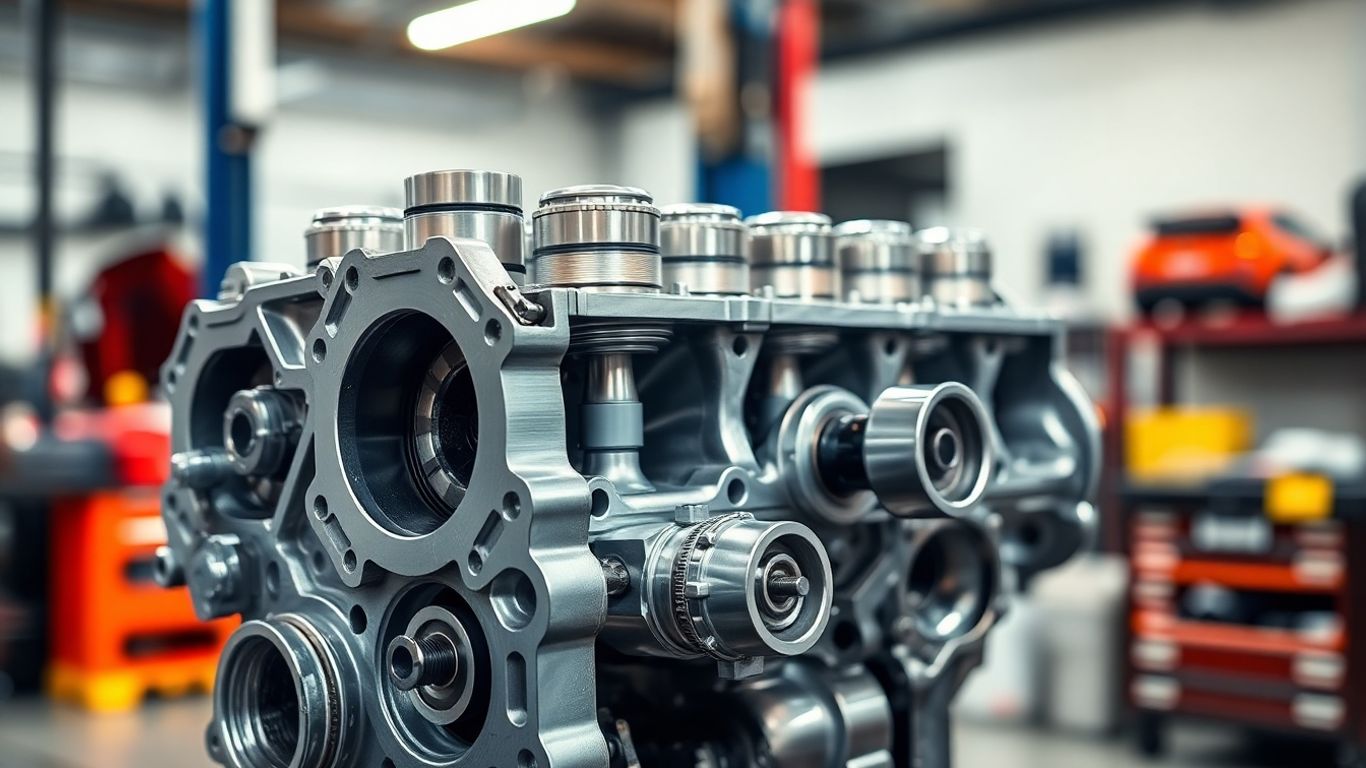
When you’re looking for a replacement engine, you might come across the term ‘short motor’. Basically, a short motor is the core of an engine. Think of it as the engine’s block, crankshaft, connecting rods, and pistons – the main moving parts that make it all go. It doesn’t include the cylinder head, camshafts, or other external components.
This makes a short motor a good option if the main block of your existing engine is damaged but the top-end components are still in good shape. It’s a more cost-effective solution than buying a complete engine if you can reuse parts from your old one. It’s like getting the heart of the engine without all the extra bits you might not need.
Here’s what you typically get with a short motor:
- Engine block
- Crankshaft
- Pistons
- Connecting rods
- Main bearings and rod bearings
When you’re shopping around for a short motor in Australia, keep these things in mind:
- Compatibility: Make sure the short motor you’re looking at is compatible with your vehicle’s make and model. Engine codes and specifications are important here.
- Condition: Even though it’s a ‘short’ motor, its condition still matters. Ask about its history, mileage (if available), and any testing that’s been done.
- What’s Included: Double-check exactly what parts are included. Sometimes, suppliers might include a few extra bits, but don’t assume.
Buying a short motor can be a smart move to save money, but it requires a bit more knowledge about your existing engine. You’ll need to be confident that the parts you plan to transfer are still in good working order. If you’re unsure, it might be better to talk to a mechanic or a supplier who can guide you.
Shipping is usually available Australia-wide for these components, just like other engine types. They’re typically well-packaged to prevent damage during transit. Always confirm shipping costs and delivery times with the seller.
7. Long Motors
So, you’re looking for a long motor. What exactly is that? Think of it as a nearly complete engine, but without some of the bolt-on bits like the turbo, manifolds, or maybe the water pump. It’s basically the core of the engine – the block, the cylinder head, the crankshaft, pistons, and connecting rods, all put together and ready to go.
These are a solid choice when you need the main guts of an engine but plan to reuse some of your old accessories or want to upgrade certain components. It saves you money compared to a full, ready-to-install engine, but still gives you a strong foundation to work with.
When you’re shopping for a long motor, here’s what you’re generally getting:
- Engine Block: The main structure of the engine.
- Cylinder Head(s): Houses the valves and combustion chambers.
- Crankshaft: Converts the up-and-down motion of the pistons into rotation.
- Pistons and Connecting Rods: The moving parts within the cylinders.
- Camshaft: Controls the opening and closing of the valves.
It’s important to know what’s included and what’s not. Sometimes, the oil pan might be attached, sometimes not. Always double-check the specifics with the seller to avoid surprises.
Buying a long motor means you’re getting a substantial part of the engine’s heart. It’s a good middle ground between a bare block and a fully dressed engine. You get the essential internal components already assembled, which can be a real time-saver and cost-effective if you’ve got specific plans for the external parts or already have them on hand. Just be sure to clarify exactly what comes in the package before you commit to the purchase.
8. Powerpacks
Powerpacks are essentially self-contained engine and hydraulic pump units. Think of them as a ready-to-go power source for various machinery. They’re super handy because they bundle the engine, the pump, and often the reservoir and controls all into one neat package. This makes them ideal for applications where you need reliable hydraulic power but don’t want to integrate a separate engine and pump system.
These units are commonly found in construction equipment, agricultural machinery, and industrial applications where hydraulic functions are key.
When you’re looking for a powerpack, consider these points:
- Engine Type: What kind of engine is powering it? Diesel is common for heavy-duty work, but petrol might be used for lighter tasks.
- Pump Capacity: How much hydraulic flow and pressure can it deliver? This needs to match your machinery’s requirements.
- Tank Size: The hydraulic fluid reservoir size affects how long the system can run before needing a top-up or cooling down.
- Mounting and Size: Will it physically fit where you need it, and how is it mounted? Some are skid-mounted for easy transport.
Finding the right powerpack means matching its specifications to the job it needs to do. It’s not just about getting an engine; it’s about getting a complete, integrated power solution.
Powerpacks simplify hydraulic system design and installation. By combining the engine and hydraulic components into a single unit, they reduce the complexity of setup and maintenance. This integrated approach often leads to more efficient operation and easier troubleshooting compared to separate engine and pump setups.
9. Generators
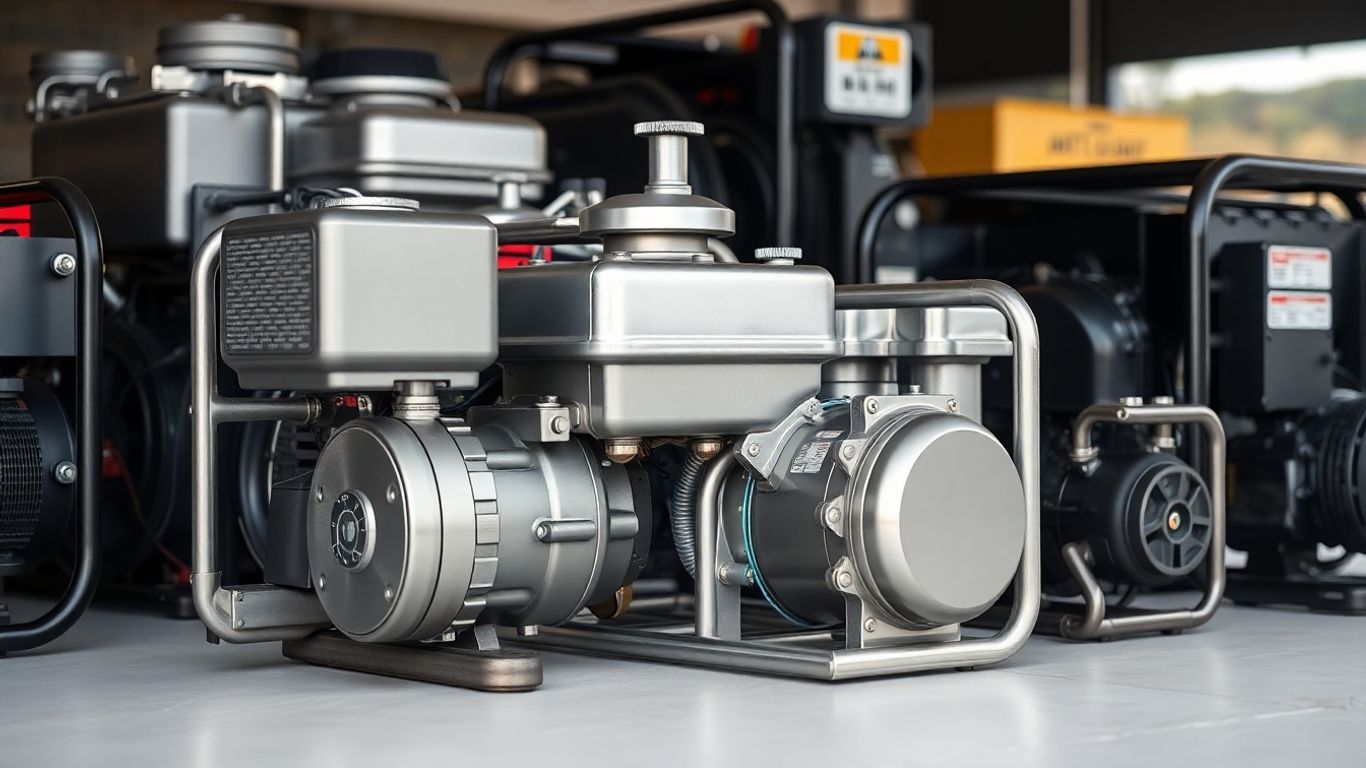
When you’re looking for a generator engine, it’s a bit different than just a car engine. These powerhouses are built for sustained output, often in demanding conditions. You’ll find a wide variety of used generator engines available across Australia, from smaller units for backup power at home to massive industrial generators that keep businesses running.
Finding the right used generator engine means considering its intended use and power output.
Here’s a quick rundown of what to think about:
- Engine Type: Most generators use diesel engines because they’re known for their durability and fuel efficiency, which is a big deal when you need power for a long time. You might also find some petrol or gas-powered options, but diesel is king for serious generator work.
- Power Rating (kW/kVA): This tells you how much electricity the generator can produce. Make sure it matches your needs – you don’t want an engine that’s too small and struggles, or one that’s way overkill and wastes fuel.
- Hours of Use: Just like with other used engines, the number of hours the generator engine has run is a good indicator of its remaining lifespan. Lower hours generally mean less wear and tear.
- Brand and Model: Popular brands like Caterpillar, Cummins, and Perkins are common in the generator world. Knowing the brand can give you an idea of reliability and parts availability.
Sourcing a used generator engine often involves looking at industrial suppliers or specialized equipment dealers. These engines are typically built to run for thousands of hours under load, so a well-maintained used unit can still have a lot of life left in it. It’s always a good idea to ask about the engine’s service history if possible.
Shipping these larger engines across Australia is definitely doable. Most suppliers will have them secured on a pallet or skid for safe transport, whether you arrange your own freight or use theirs. Just be sure to get a clear quote for delivery to your location.
10. Engine Transmissions
When you’re looking for a used engine, it’s super common to also need a transmission to go with it. Think of them as a team; one can’t really do its job without the other, right? Lots of places that sell engines also have transmissions available, often from the same vehicles the engines came from. This is a big plus because it means you’re more likely to get a matched set that’s known to work well together.
Finding a compatible transmission alongside your engine can save you a lot of hassle and potential compatibility headaches down the road.
Here’s what you should know when shopping for both:
- Automatic vs. Manual: This is the big one. Make sure you know whether your vehicle uses an automatic or a manual transmission. They aren’t interchangeable, so getting the wrong type means it won’t fit or work.
- Make and Model: Just like engines, transmissions are specific to car makes, models, and even specific years. A transmission from a 2010 Toyota Camry won’t fit a 2015 Ford Focus, for example.
- Condition and Mileage: Ask about the transmission’s condition and mileage, just like you would for an engine. Some sellers will provide this information, especially if it came from a vehicle with a known history.
- Shipping: If you’re getting an engine shipped, it’s often cost-effective to have the transmission shipped at the same time. Many suppliers will strap them together on a pallet.
Many suppliers in Australia offer both used engines and transmissions. It’s a good idea to inquire about both at the same time. This can streamline the process and potentially lead to better pricing or combined shipping deals. Don’t forget to ask about any warranty that might cover the transmission as well.
When you contact a seller, be ready with your vehicle’s exact year, make, and model, and specify whether you need an automatic or manual transmission. This will help them quickly find what you’re looking for.
Wrapping It Up
So, finding a good used engine in Australia doesn’t have to be a huge headache. We’ve seen that there are plenty of places out there, from Sydney to Perth and everywhere in between, that have quality engines ready to go. Remember to check if they test their engines and what kind of warranty they offer – that’s usually a good sign of a reputable seller. Don’t forget to ask about shipping options too, as most places can get an engine to you no matter where you are in the country. Give them a call, get a quote, and get your vehicle back on the road without emptying your wallet.
Frequently Asked Questions
Are the engines you sell complete units?
Yes, most of the engines we offer are sold as complete packages. This means they come with all the necessary parts to get them running, saving you the hassle of sourcing individual components.
Do you ship engines to anywhere in Australia?
Absolutely! We provide delivery services all across Australia. Whether you’re in Sydney, Melbourne, Brisbane, Perth, Adelaide, or anywhere in between, we can arrange for your engine to be delivered right to your door.
How can I find out how many kilometers an engine has?
It’s tough to give an exact number for every engine. Our suppliers in Japan try their best to find engines with fewer than 200,000 kilometers. Many of the engines we have will have even less mileage than that.
What makes buying a used engine a good idea?
Buying a used engine can be a really smart choice. They are often much cheaper than brand-new ones, and if you buy from a reputable seller, you can still get a high-quality engine that performs well and lasts for a long time.
How do I know if the used engine I buy is good quality?
We make sure to test all our engines thoroughly. Mechanics check them to ensure they are in great working condition. Plus, many of our engines come with a warranty for your peace of mind, so you can be confident in your purchase.
What if you don’t have the exact engine I need in stock?
Don’t worry if you don’t see exactly what you’re looking for! We have a huge network and our team is skilled at finding specific parts. Just let us know what you need, and we’ll do our best to locate it for you quickly.