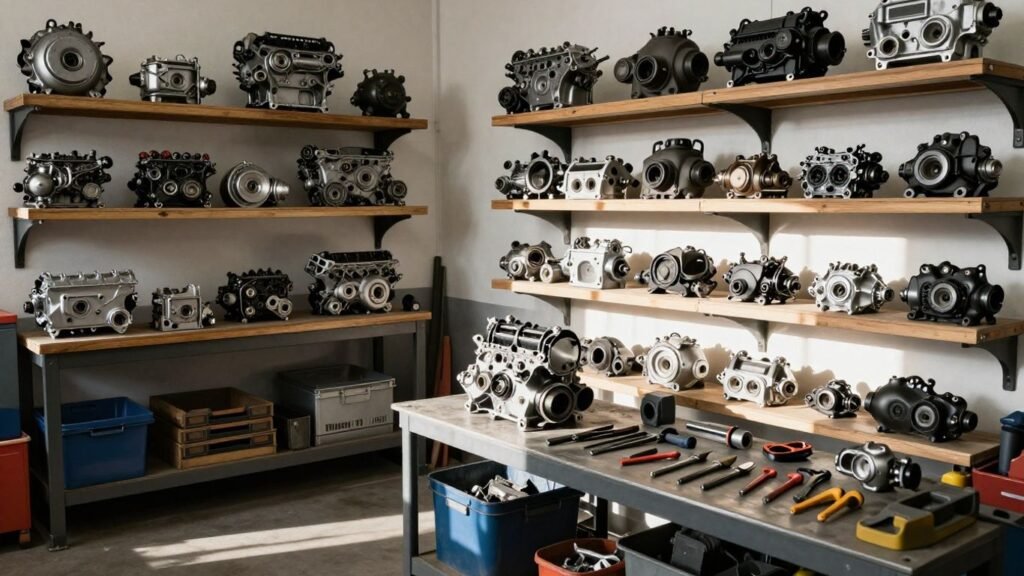
Here are the main things to remember when looking for used motors for sale in Australia. Keep these points in mind to make a smart choice.
Key Takeaways
- Figure out what kind of car fits your life before you start looking.
- Check out popular models known for being reliable in Australia.
- Always get a pre-purchase inspection from a trusted mechanic.
- Understand the difference between buying from dealers, private sellers, and auctions.
- Be aware of common scams and how to protect yourself.
Navigating the Australian Used Motors Market
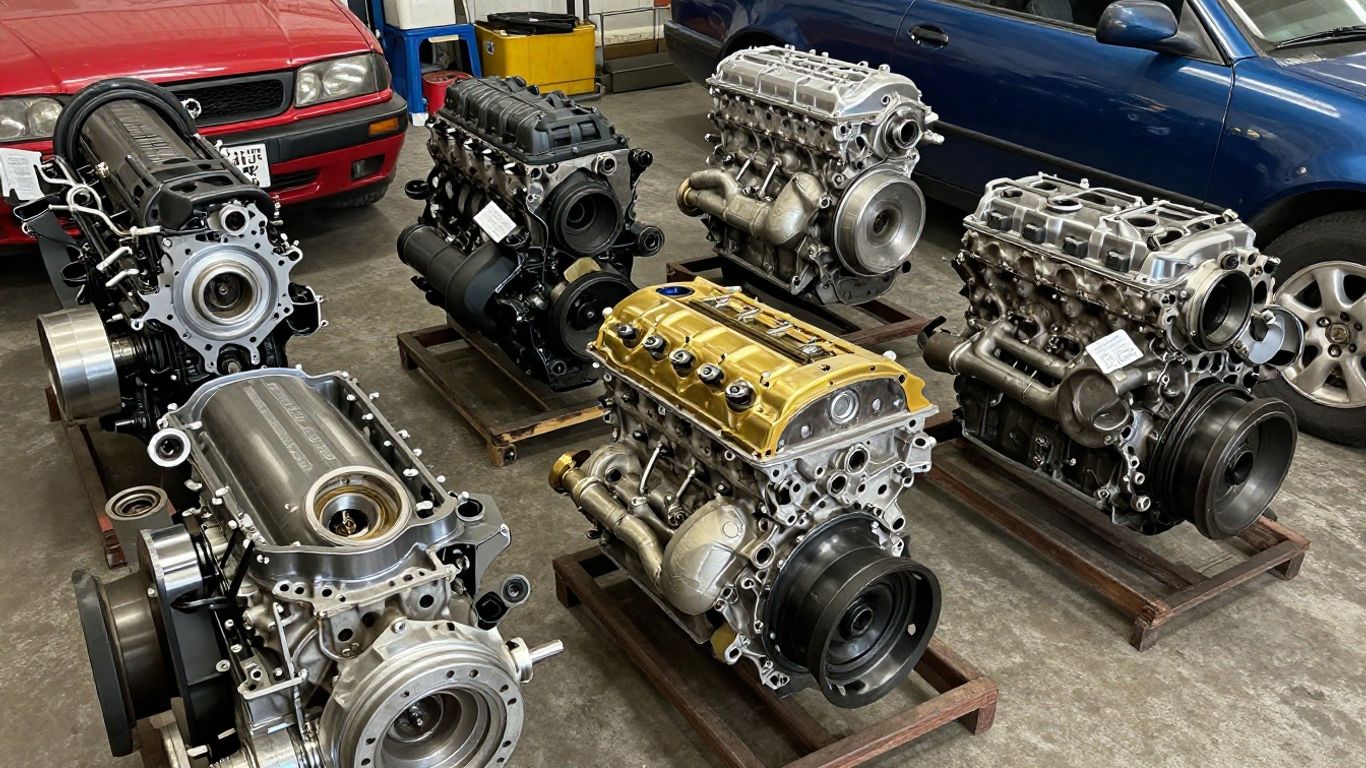
So, you’re looking for a used car in Australia. It’s a big decision, and honestly, it can feel a bit overwhelming with all the options out there. But don’t worry, we’re going to break it down. Getting the right car means thinking about what you actually need it for.
Understanding Your Needs: What Type of Car Suits You?
Before you even start looking, take a moment to figure out what you’ll be using the car for. Is it just for zipping around town for errands, or do you have a long commute? Do you need space for a growing family, or is it just for you? Thinking about things like fuel economy, how much space you need, and whether you’ll be sticking to city roads or venturing off-road will really help narrow down your choices. It’s like planning a trip – you wouldn’t pack for a beach holiday if you’re going skiing, right?
Popular Used Car Models in Australia
Australia has some favourite models that tend to hold their value and are known for being pretty reliable. You’ll often see cars like the Toyota Corolla, Mazda 3, and the Ford Ranger popping up. These are popular for a reason – they generally don’t break down too often and parts are usually easy to find. If you’re looking for something dependable, these are good places to start your search. You can often find a good selection of these on sites like Carsales.
Checking the Car’s Reputation and Reliability
Once you’ve got a few models in mind, it’s time to dig a bit deeper. You don’t want to buy a car that’s got a hidden past.
- Vehicle History Reports: These are super important. They can tell you if the car has been in a major accident, if it’s been written off, or if there’s any outstanding finance on it. It’s a small cost for a lot of peace of mind.
- Online Reviews and Forums: See what other owners say about the specific model and year you’re looking at. Are there common problems people complain about?
- Ask Around: Talk to friends or family who might know about cars. Sometimes a personal recommendation or warning is worth its weight in gold.
Don’t get too caught up in just the looks or the price. A car that looks great but has a history of problems will cost you more in the long run.
Remember, taking the time to understand your needs and research the cars available will make the whole process much smoother. It’s about finding a car that fits your life, not just one that looks good on paper.
Where to Find Quality Used Motors for Sale Australia
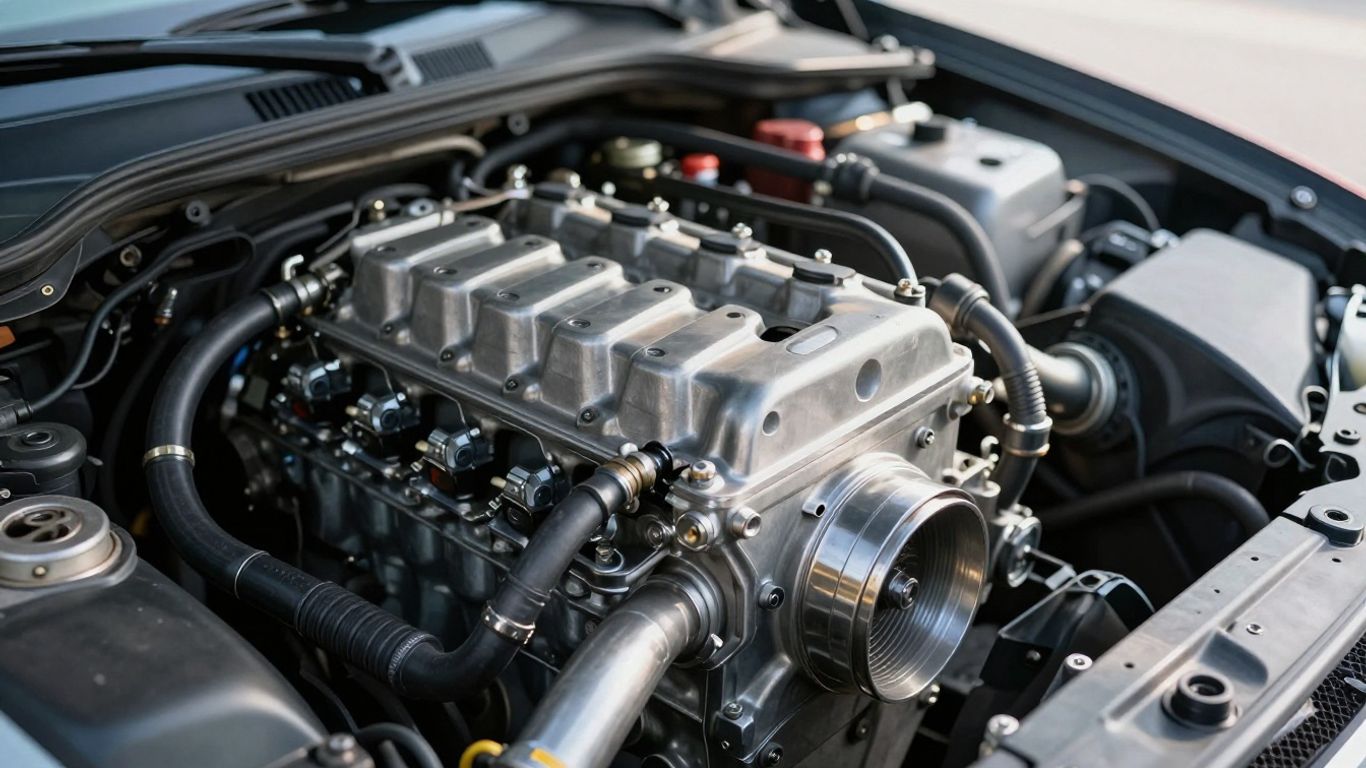
Alright, so you’ve figured out what kind of car you actually need. That’s a big step! Now comes the fun part: actually finding the thing. Australia’s a pretty big place, and there are a few different ways you can go about hunting for your next set of wheels.
Dealerships vs Private Sellers: Pros and Cons
This is probably the first big decision you’ll make. Buying from a dealership often feels safer. They usually have a bit more structure, maybe offer a warranty, and sometimes even help with financing. It’s like buying from a shop – you generally have some recourse if something goes wrong right away. On the flip side, this convenience usually comes with a higher price tag. You’re paying for that peace of mind, I guess.
Then you’ve got private sellers. This is where you can sometimes snag a real bargain. People selling their own cars are often more flexible on price because they don’t have the overheads of a dealership. The downside? It’s usually a case of ‘as is’. You’re buying it straight from the owner, and if it breaks down the next day, well, that’s on you. You really need to be on your game with inspections when buying privately. Some places, like Luke Family Motors, offer services that bridge this gap, providing quality used cars and even pre-purchase inspections.
Online Marketplaces: Top Sites for Finding Used Cars
Man, the internet has changed everything, hasn’t it? Online marketplaces are huge now for used cars. Websites like Carsales, Gumtree, and even Facebook Marketplace are packed with listings. You can filter by pretty much anything – make, model, year, price, how many kilometres it’s done, where it is. It’s a great way to get a feel for what’s out there and what people are asking for. You’ll find both dealers and private sellers on these sites, so you get a bit of both worlds. It’s a good starting point to see what’s available before you even leave the house. You can even find importers specializing in specific types of vehicles, like UKA Japan Motors for Japanese imports.
Buying at an Auction: What You Need to Know
Auctions can be a bit of a wild west, but they can also be where you find some serious deals. The catch is, you usually can’t test drive the cars, and they’re often sold without any guarantees. You really need to know what you’re looking at, or bring someone who does. Inspecting the car beforehand is key, and you absolutely have to set a firm budget and stick to it. It’s easy to get caught up in the bidding and end up paying more than you intended. Auctions are probably best for people who are pretty confident in their car knowledge or are looking for a project car.
When you’re looking at cars, especially online or at auction, always remember that the cheapest option isn’t always the best. Sometimes a slightly more expensive car that’s been well-maintained and comes with a good history report is a much smarter buy in the long run. Don’t let a low price blind you to potential problems.
So, whether you’re a fan of the traditional dealership experience, prefer haggling with a private seller, or enjoy the thrill of an online search or auction, there’s a way to find a quality used motor in Australia that fits your needs and budget.
Essential Checks Before Buying Used Motors
So, you’ve found a car that looks good on paper, maybe even in photos. But before you hand over your hard-earned cash, there are some really important things you need to check. Skipping these steps is like buying a house without looking inside – a recipe for disaster.
How to Get a Pre-Purchase Inspection: Finding a Reliable Mechanic
This is probably the most important step. You don’t want to just trust the seller’s word or your own quick look-over. A pre-purchase inspection (PPI) is where a qualified mechanic, who you choose (not the seller’s buddy), gives the car a thorough once-over. They’ll spot things you’d never see, like hidden rust, worn-out parts, or engine issues that are just starting to show up. It’s worth the money, trust me. You can usually find a good mechanic through local recommendations or by checking online reviews. Don’t be afraid to ask them what their PPI includes.
Understanding Roadworthy Certificates: Why They Matter
In Australia, a roadworthy certificate (RWC), sometimes called a safety certificate, is a document that shows the vehicle meets certain safety standards. It’s usually required when you buy a car from a private seller, or when you re-register a vehicle. A valid RWC means the car is generally safe to drive, but it’s not a guarantee that everything is perfect. It mainly covers major safety items. Think of it as a basic health check, not a full medical exam. Always ask for it and check its expiry date.
Safety Features to Check: Ensuring a Safe Drive
When you’re looking at a car, don’t forget to check the safety stuff. This includes things like:
- Airbags: Make sure they’re present and that there are no warning lights on the dashboard related to them.
- Seatbelts: Check that all seatbelts work properly and retract smoothly.
- Brakes: During your test drive, pay close attention to how the brakes feel. Do they stop the car smoothly and without pulling to one side? You can also check the brake fluid level under the hood.
- Tires: Look for even wear on all tires. Uneven wear can indicate alignment problems. Also, check the tread depth – in Australia, the legal minimum is 1.5mm, but more is always better for grip.
- Lights and Wipers: Test all the lights (headlights, taillights, indicators, brake lights) and the windscreen wipers and washers. These are simple checks but vital for visibility.
A thorough inspection covers more than just the obvious. It’s about looking for signs of neglect or hidden problems that could cost you a lot down the track. Don’t rush this part; it’s your best chance to avoid buying a lemon.
Remember, a little bit of effort now can save you a lot of headaches later. For a more detailed checklist, you might find resources like this used car inspection checklist helpful.
Financing and Legalities for Used Motors
So, you’ve found the perfect used car. Awesome! But before you hand over the keys, let’s talk about the money side of things and all the official paperwork. It’s not the most exciting part, I know, but getting it right means you won’t have headaches later.
How to Get the Best Interest Rates: What to Consider
When you’re looking at financing, the interest rate is a big deal. It affects how much you’ll pay back in total. Generally, a lower interest rate is better. Lenders look at a few things when deciding your rate. Your credit history is a major factor; a good credit score usually gets you better rates. Also, the loan term matters – shorter terms often have lower rates but higher monthly payments, while longer terms mean lower monthly payments but more interest paid overall. Shopping around is key here. Don’t just go with the first offer you get. Compare rates from different banks, credit unions, and even online lenders. Sometimes, dealerships can offer competitive rates too, but it’s always good to have a benchmark.
The Pros and Cons of Dealer Financing
Dealer financing can be super convenient. You sort out the loan right there at the dealership while you’re buying the car. It simplifies the process, and sometimes dealers have special promotions or deals that can save you money. Plus, they might be more willing to work with buyers who have less-than-perfect credit. However, dealer financing isn’t always the cheapest option. They might mark up the interest rate to make a profit. It’s important to read the fine print carefully and understand all the terms before signing. Always compare the dealer’s offer with what you can get from other lenders. Remember, dealers must follow the Australian Consumer Law, so they can’t mislead you about the terms.
Registration Requirements in Australia: What You Need to Know
Once you’ve bought your car and sorted out the financing, you’ll need to get it registered. This is a legal requirement in Australia. The process varies a bit from state to state, but generally, you’ll need to visit your local transport authority. You’ll typically need proof of identity, proof of ownership (like a sales contract), and often a roadworthy certificate. There are fees involved, including stamp duty and registration fees, which depend on the vehicle and where you live. It’s a good idea to budget for these costs upfront. If you’re financing the car, make sure you understand how the loan agreement affects your responsibilities, especially if the loan isn’t in your name.
Buying a used car involves more than just picking one off the lot. You need to consider how you’ll pay for it and all the legal steps to make it yours. Taking the time to understand financing options and registration rules will save you a lot of hassle down the road.
Protecting Your Investment in Used Motors
Buying a used car is a big step, and you want to make sure you’re not getting a lemon. It’s all about being smart and knowing what to look out for. The goal is to drive away happy, not with buyer’s remorse.
Recognizing Common Scams: Red Flags to Watch For
Scammers are out there, and they’re always looking for their next target. You’ve got to keep your eyes peeled. Some common tricks include sellers who are too eager to sell, often citing urgent financial needs or a sudden move overseas. They might pressure you to pay a deposit before you’ve even seen the car properly or insist on unusual payment methods like wire transfers or gift cards. Always be wary of listings with very little detail or stock photos. If a deal seems too good to be true, it probably is.
Here are some common red flags:
- Vague descriptions or poor-quality photos: A legitimate seller will provide clear details and good pictures.
- Pressure to act fast: Scammers want to rush you into a decision.
- Requests for unusual payment methods: Stick to secure, traceable transactions.
- Seller unwilling to meet in person or allow an inspection: This is a huge warning sign.
Always trust your gut. If something feels off about the seller or the deal, it’s better to walk away and find another car. There are plenty of honest sellers out there.
How to Verify the Seller’s Legitimacy
Before you hand over any cash, do your homework on the seller. If you’re buying from a private individual, try to find some online presence or ask for references if possible. For dealerships, check their reviews and their business registration. A quick search can often reveal if a business has a history of complaints. It’s also a good idea to meet the seller in a public place, especially for initial meetings. If you’re buying a car that’s being sold under warranty, you might want to look into providers like Integrity for extended coverage options.
What to Do If You’ve Been Scammed: Legal Steps to Take
If the worst happens and you suspect you’ve been scammed, don’t just let it go. Your first step should be to report the incident to the police. Gather every piece of evidence you have – emails, text messages, receipts, and any other communication with the seller. You should also contact your local consumer protection agency. They can offer advice and may be able to help mediate or take further action. Depending on the situation, you might need to consult with a legal professional to understand your options for recovering your money or the vehicle.
Post-Purchase Care for Your Used Motors
So, you’ve found the perfect used car and signed on the dotted line. Awesome! But the journey doesn’t end there. Taking care of your new-to-you vehicle is super important to keep it running well and avoid headaches down the road. It’s not just about driving it; it’s about looking after it.
How to Transfer Ownership and Register Your Vehicle
First things first, you need to make sure the car is officially yours. This means sorting out the ownership transfer and registration. The exact steps can differ a bit depending on which Australian state or territory you’re in, but generally, you’ll need to head to your local transport authority. You’ll likely need the signed transfer papers from the seller, proof of your identity, and maybe a roadworthy certificate if it wasn’t already provided. Don’t forget to update your car insurance to reflect your new vehicle too. Getting this done promptly is key, as driving an unregistered vehicle can land you in hot water.
Essential Maintenance Tasks for Your Used Car
Once the paperwork is sorted, it’s time to get hands-on with maintenance. Think of it as a fresh start for your car. A good initial service is a smart move. This usually includes:
- Oil and Filter Change: This is probably the most basic but vital task. Fresh oil keeps the engine parts lubricated and clean.
- Fluid Check: Top up or replace brake fluid, coolant, power steering fluid, and windshield washer fluid. Make sure they’re at the correct levels and look clean.
- Brake Inspection: Check the brake pads and rotors for wear. It’s better to catch issues early before they become a bigger problem.
- Tire Check: Look at the tire pressure and tread depth. Ensure they’re wearing evenly. If not, it could indicate an alignment issue.
Following the manufacturer’s recommended service schedule from here on out is a good plan. You can usually find this in the owner’s manual. If you don’t have one, a quick search online for your car’s make and model should help you find it. For a car that’s new to you, it’s a good idea to get a mechanic to give it a once-over, even if it passed a roadworthy check. They might spot things you or the previous owner missed. Remember, consumer guarantee rights might apply if you bought from a licensed dealer.
How to Keep Your Used Car Running Smoothly: Long-Term Tips
Keeping your car in tip-top shape over the long haul is all about consistent care and smart habits. It’s not rocket science, just a bit of attention.
- Regular Cleaning: Washing and waxing your car not only makes it look good but also protects the paint from rust and sun damage. Don’t forget to clean the interior too; a tidy cabin makes driving more pleasant.
- Mindful Driving: Avoid harsh acceleration and braking whenever possible. Smooth driving puts less stress on the engine, transmission, and brakes, potentially saving you money on repairs.
- Listen to Your Car: Pay attention to any strange noises, vibrations, or warning lights. Addressing small issues quickly can prevent them from turning into major, expensive repairs. A little squeak now could be a big problem later if ignored.
- Fuel Quality: Using good quality fuel can make a difference in how your engine performs and lasts.
Taking proactive steps with maintenance and driving habits can significantly extend the life of your used car and keep it reliable for years to come. It’s an investment in your peace of mind and your wallet.
Also, keep an eye on any statutory warranty that might still be active, especially if you bought from a dealer. It’s there for a reason!
Conclusion
Buying a used car in Australia can be a good experience if you know what you’re doing. This guide covered how to figure out what car you need, where to look, and what to check before you buy. We also talked about money stuff and what to do after you get the car. Taking your time and doing your homework means you can find a great used car that works for you and your budget. Happy driving!
Frequently Asked Questions
What’s the best way to find used motors for sale in Australia?
You can find used cars in a few places. Dealerships often have more options and might offer warranties, but they can be pricier. Private sellers might have lower prices, but you usually buy the car as-is. Online sites like Carsales and Gumtree are good for seeing lots of cars at once. Auctions can have deals, but you need to be careful because cars are often sold without checks.
How do I know if a used car is a good buy?
It’s super important to check the car over. Look for any damage, check the engine, and test drive it. Getting a mechanic to do a pre-purchase inspection is the best idea. They can spot problems you might miss. Also, get a vehicle history report to see if it’s had accidents or has money owed on it.
What is a roadworthy certificate?
A roadworthy certificate, or RWC, means the car has passed a safety check. It shows the car meets basic safety rules. You usually need one to register the car in your name. Always ask for one when buying, or make sure you know if you’ll have to get it yourself.
Should I buy from a dealer or a private seller?
Buying from a dealer can feel safer because they might give you a warranty and help with finance. But, cars from dealers usually cost more. Private sellers might offer a lower price, but you have less protection if something goes wrong after you buy it. Think about what’s more important to you: price or peace of mind.
What are some common scams to watch out for?
Be careful if a deal seems too good to be true. Scammers might try to rush you, ask for money upfront before you see the car, or use fake stories. Always meet the seller in person, check their ID, and make sure the car’s paperwork is real. If something feels off, walk away.
What do I need to do after I buy a used car?
After you buy the car, you need to transfer the ownership and register it in your name with the transport authority in your state. You’ll also need to sort out car insurance. After that, it’s a good idea to get an oil change and check the basics like tires and brakes to make sure everything is running well.