
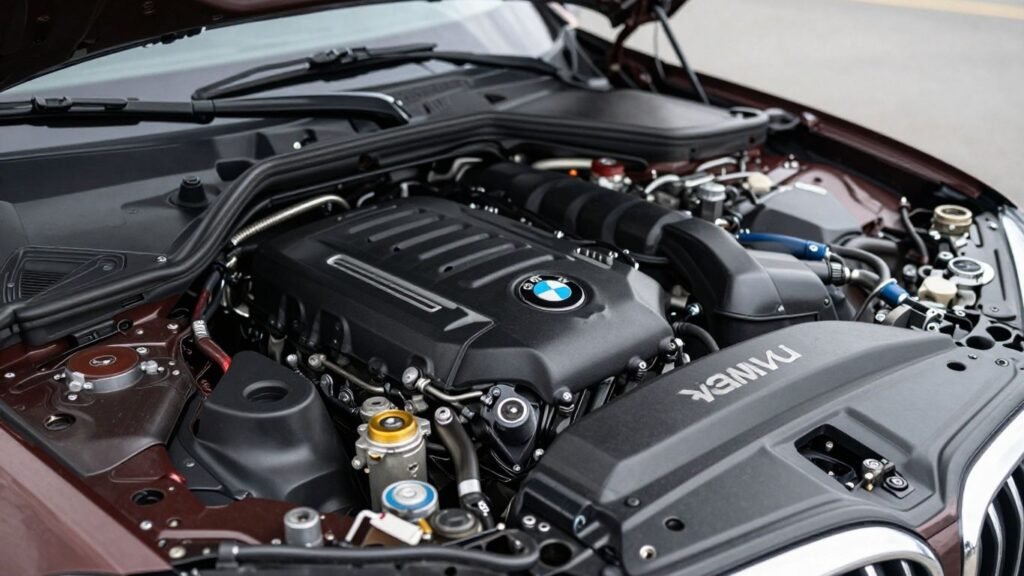
Looking to replace the engine in your BMW X5 diesel from the 2017-2019 model years? Finding the right used engine in Perth can feel like a bit of a treasure hunt. This guide is here to help you sort through the options, understand what you’re looking for, and point you in the right direction to get your X5 back on the road without too much hassle. We’ll cover the basics of these engines and where you might find them around Perth.
Key Takeaways
- The 2017-2019 BMW X5 diesel models (often referred to by chassis codes like F15) typically came with the N57 diesel engine. Specific variants like the xDrive35d used the N57D30 engine.
- When searching for a replacement, look for engines with the correct engine code (e.g., N57D30OL or similar variants) to ensure compatibility with your specific X5 model and year.
- Perth has specialist BMW parts suppliers, general used engine wholesalers, and independent mechanics who might have or be able to source these diesel engines.
- Always check the engine’s history, condition (look for signs of wear or damage), and ask about any available warranty before making a purchase.
- Consider the total cost, including the engine itself, potential shipping, and professional installation, which is highly recommended for complex components like diesel engines.
Locating Used BMW X5 Diesel Engines in Perth
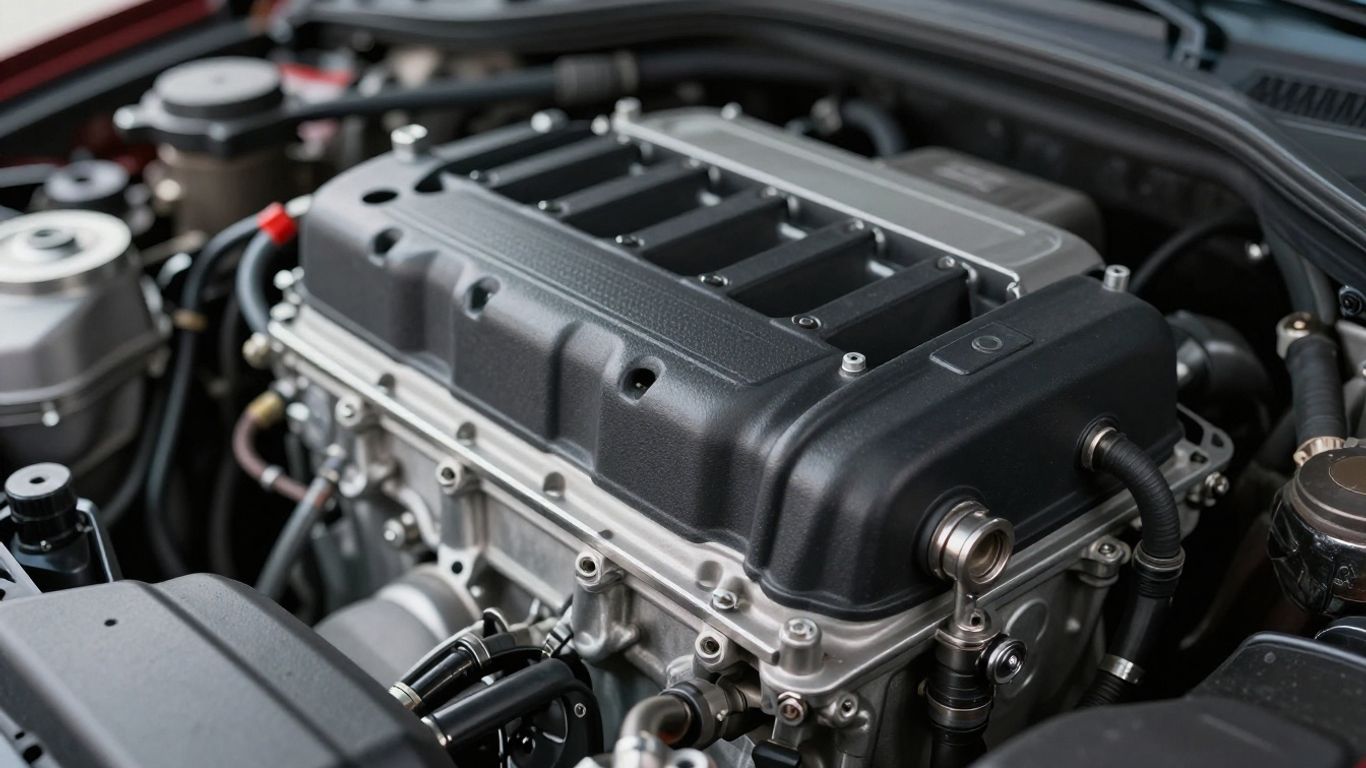
So, you’re looking to get your hands on a used diesel engine for a BMW X5, specifically from the 2017-2019 model years, and you’re based in Perth. That’s a smart move, these engines are known for their durability and efficiency. Finding the right one might seem a bit daunting at first, but with a bit of know-how, you’ll be back on the road in no time.
Understanding the 2017-2019 BMW X5 Diesel Engine
This generation of the X5, often referred to by its chassis code F15, featured some really solid diesel powerplants. The most common diesel engine you’ll find for these years is the 3.0-litre inline-six, known by its BMW engine code N57D30O1. This engine is a workhorse, offering a great blend of power and fuel economy. It’s a twin-scroll turbocharged engine, which means it’s pretty responsive.
It’s important to know that BMW uses specific codes to identify their engines, and matching these codes to your vehicle is key. For the 2017-2019 X5 diesel models, you’re primarily looking at variants of the N57 engine. For instance, the xDrive35d model typically uses the N57D30O1. These engines are known for their robust construction and ability to handle high mileage when properly maintained.
Key Engine Specifications for Perth Buyers
When you’re shopping around Perth, keep these specs in mind for the N57D30O1 engine:
- Displacement: 2993 cc (3.0 litres)
- Configuration: Inline 6-cylinder
- Aspiration: Twin-scroll Turbocharger
- Fuel System: Common Rail Direct Injection
- Power Output: Typically around 255-258 horsepower (varies slightly by exact model year and tune)
- Torque: Around 413-425 lb-ft
These figures mean the engine has plenty of grunt for the X5, making it great for both city driving and longer trips. You’ll notice a good amount of pulling power, especially when you’re towing or carrying a full load.
Why Choose a Used Diesel Engine for Your X5
Opting for a used diesel engine can be a really cost-effective solution. New engines are, as you’d expect, quite expensive. A good quality used engine can save you a significant amount of money, allowing you to keep your X5 running without breaking the bank. Plus, these diesel engines are built to last, so a well-maintained used unit can still offer many years of reliable service. It’s a practical choice for many BMW owners.
When looking for a replacement engine, always try to get as much information as possible about its history. Knowing where it came from and how it was treated can save you a lot of headaches down the line. It’s like buying a used tool; you want to know if it’s been dropped or used for heavy-duty tasks it wasn’t designed for.
If you’re exploring options for used BMWs in the area, checking out local listings can give you an idea of what’s available. You might find a complete vehicle with a blown engine that could be a donor, or perhaps a specialist dealer has engines ready to go. You can find a wide range of used cars in Perth to get a feel for the market here.
Here are a few things to consider when you start your search:
- Mileage: Lower mileage is generally better, but condition and maintenance history are more important than just the number on the odometer.
- Source: Buying from a reputable dealer or specialist is usually safer than a private sale.
- Compatibility: Double-check that the engine code and specifications match your exact X5 model and year.
Identifying the Right Engine for Your BMW X5
So, you’re looking for a replacement diesel engine for your 2017-2019 BMW X5. That’s a smart move, especially if you want to keep that great diesel performance. But with different engine codes and variants out there, how do you make sure you get the right one? Let’s break it down.
BMW X5 Diesel Engine Codes (2017-2019)
BMW uses specific codes to identify its engines, and knowing these is key. For the 2017-2019 X5 diesel models, you’ll primarily be looking at engines from the N57 family. These codes aren’t just random letters and numbers; they tell a story about the engine’s design and capabilities. For instance, the ‘N’ series engines are known for their advanced technology. Getting the exact engine code right is super important for compatibility.
Here’s a general idea of what you might find:
- N57D30O1: This is a common code for the 3.0-liter, 6-cylinder diesel engine found in many X5 models of this era. It’s known for its balance of power and efficiency.
- N57D30T1: This might refer to a slightly different variant or a later version within the same generation, often with tweaks for performance or emissions.
It’s always best to check your vehicle’s VIN or consult a BMW parts specialist to confirm the precise engine code for your specific X5. You can often find this information on a sticker under the hood or in your owner’s manual.
Engine Variants Available in Perth
When you’re shopping around Perth, you’ll likely encounter a few variations of the X5 diesel engine. The main difference usually comes down to the specific model year and trim level. For example, the X5 xDrive35d is a popular choice and typically uses a version of the N57 engine. These engines are known for their robust build and impressive torque, making them great for the X5’s size and capabilities.
Remember, even within the same engine family, there can be subtle differences. Some might have different turbocharger setups or emissions control systems depending on the exact model year and market it was originally intended for. This is where checking compatibility becomes really important.
Matching Engine Codes to Your X5 Model
Finding the correct engine means matching the code on the replacement unit to what your X5 originally came with. This isn’t just about making it fit; it’s about ensuring all the electronic systems, mounts, and ancillaries will work correctly. BMW has a pretty detailed system for its engine codes, and while they can seem a bit confusing at first, they are designed to be informative. For example, the ’30’ in many codes refers to the approximate engine displacement (3.0 liters).
Always double-check the engine code against your vehicle’s specifications. A mismatch can lead to significant compatibility issues and costly repairs down the line. If you’re unsure, don’t guess – ask a professional.
Here’s a quick way to think about it:
- Identify your current engine code: Look for it on the engine itself, in your service records, or by running your VIN through a BMW decoder. The F15 chassis (2014-2018) and G05 chassis (2019 onwards) are the relevant ones for your search.
- Research available engines: Use the codes you find (like N57D30O1) to search for compatible replacements.
- Consult a specialist: If you’re still not 100% sure, a good mechanic or a BMW parts dealer can help you confirm the exact match. They often have access to databases that cross-reference engine codes with specific vehicle models and years. You might find that a specific engine code, like the N57, was used across several BMW models, but you need the one specifically designed for the X5 of your generation. This ensures the power-to-weight ratio is appropriate for your vehicle.
By taking these steps, you can be much more confident that you’re selecting the right diesel engine for your BMW X5.
Where to Find Used BMW X5 Diesel Engines
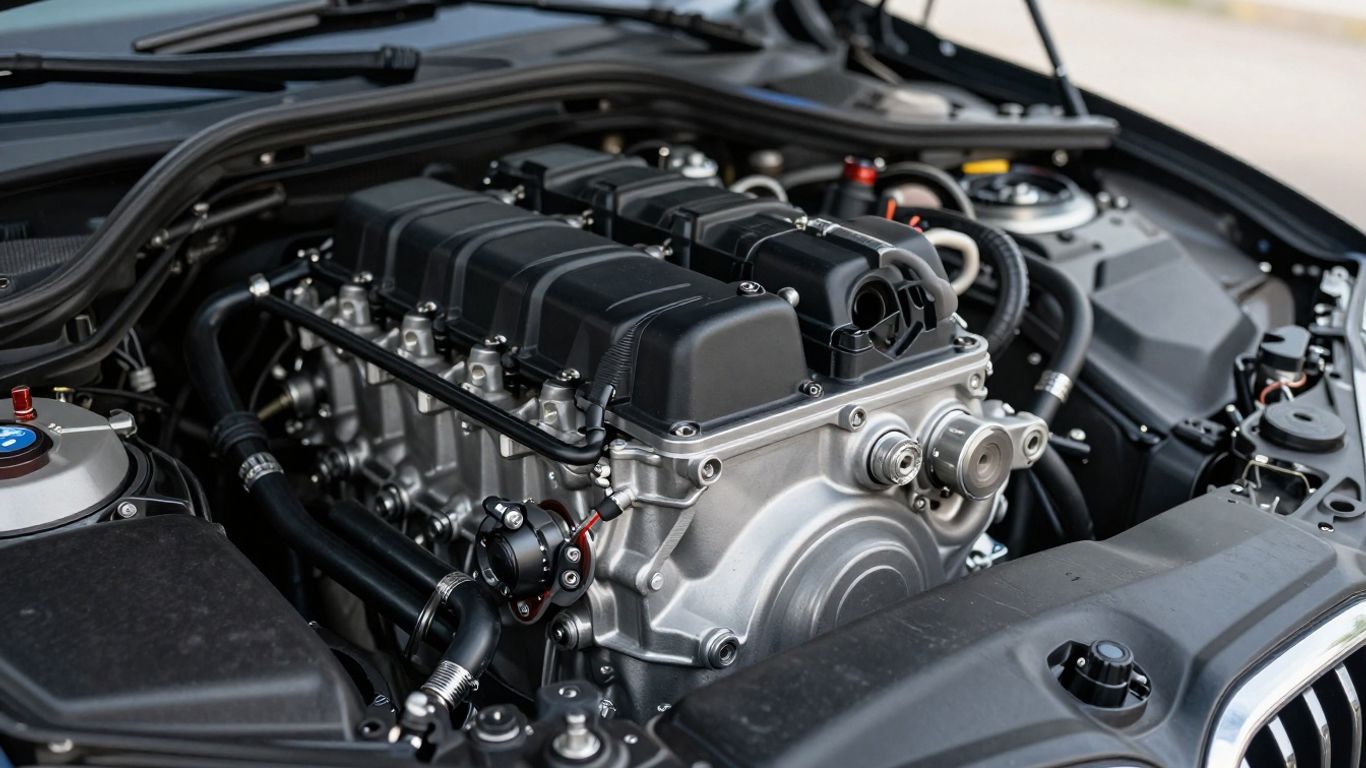
So, you’re on the hunt for a used diesel engine for your BMW X5, specifically for those 2017-2019 models, and you’re based in Perth. Finding the right engine can feel like searching for a needle in a haystack sometimes, but don’t worry, there are a few solid avenues to explore.
Specialist BMW Parts Suppliers in Perth
Your first stop should definitely be the specialists. These guys live and breathe BMWs, and they often have a good stock of used engines, or at least know where to get them. They understand the nuances of different BMW models and engine codes, which is super helpful.
- European auto wreckers: Look for businesses that specifically deal with European car parts. They’re more likely to have a selection of BMW engines.
- BMW-specific recyclers: Some places focus solely on BMWs. They might have a dedicated section for engines and transmissions.
- Performance tuning shops: While they might not stock engines themselves, they often have connections with suppliers who do, especially if they work on performance BMWs.
Online Marketplaces for Used Engines
The internet has opened up a world of possibilities, and Perth is no exception. You can find a surprising number of used engines listed online. Just be sure to do your homework on the seller and the engine’s history.
- Gumtree/Facebook Marketplace: These local classifieds can be goldmines. You’ll find private sellers and smaller businesses listing engines. Keep an eye out for listings specifically mentioning "BMW X5 diesel engine" and the relevant years.
- Dedicated auto parts websites: There are websites that aggregate listings from various wreckers and suppliers across Australia. Searching these can broaden your reach beyond just Perth.
- eBay: Always a popular option, eBay has a vast selection of used car parts, including engines. Look for sellers with good feedback and detailed descriptions.
Independent Mechanics and Workshops
Don’t underestimate the power of a good relationship with a local mechanic. Independent workshops, especially those that specialize in European cars or BMWs, often have engines on hand or can source one for you.
- Ask your mechanic: If you have a trusted mechanic, ask them if they know of any available engines or if they can help you source one. They might have a network of suppliers they use.
- Workshops that do engine swaps: Mechanics who regularly perform engine replacements are prime candidates for knowing where to find good used engines.
When you’re looking for a used engine, always try to get as much information as possible. Ask about the mileage, the reason for removal, and if there’s any service history available. A little bit of digging upfront can save you a lot of headaches down the road.
Remember, getting a written record of the engine’s condition and any warranty offered is super important before you hand over any cash. It gives you some peace of mind.
Evaluating Engine Condition and History
So, you’ve found a used diesel engine for your BMW X5 from the 2017-2019 range. That’s great! But before you hand over your cash, you really need to check it out. It’s not just about the price; you want to make sure you’re not buying someone else’s headache. A little bit of detective work now can save you a lot of trouble down the road.
Signs of a Healthy Used Engine
When you’re looking at an engine, there are a few things to keep an eye out for. First off, give it a good once-over. Look for any obvious signs of damage, like cracks in the block or head, or any leaks around the seals and gaskets. If you can, try to start it up. Listen for any weird noises – knocking, ticking, or grinding sounds are usually bad news. It should start relatively smoothly and idle without too much shaking. Also, check the exhaust smoke. A little bit of white smoke on startup can be normal, but if it’s constantly puffing out blue or black smoke, that’s a sign of bigger problems like worn piston rings or fuel injection issues.
Importance of Service Records
This is a big one. A well-documented service history is your best friend when buying a used engine. Ask the seller if they have any records of maintenance. Things like oil changes, filter replacements, and any major repairs are super important. If the engine has been regularly serviced, it’s a good sign that it’s been looked after. No records? That’s a bit of a red flag. It doesn’t automatically mean the engine is bad, but it does mean you need to be extra careful with your inspection.
Checking for Common Diesel Issues
Diesel engines, especially those in performance vehicles like the X5, can have their own set of quirks. For the 2017-2019 models, you might want to ask about:
- Turbocharger health: These engines rely heavily on their turbochargers. Listen for any whining or whistling sounds that aren’t normal, and check for oil leaks around the turbo unit.
- Fuel Injector performance: Diesel injectors are vital. If they’re clogged or failing, you’ll notice rough idling, loss of power, or increased exhaust smoke.
- DPF (Diesel Particulate Filter) status: These filters can get clogged over time. While harder to check without specialized tools, a seller might know if it’s been recently cleaned or replaced, or if there have been any DPF warning lights.
- Glow Plug System: Ensure the glow plugs are functioning correctly, especially for cold starts. A faulty glow plug can make starting difficult in cooler weather.
Remember, a used engine is just that – used. It’s not going to be perfect. But by being thorough and asking the right questions, you can significantly increase your chances of finding a solid replacement that will serve you well for a long time. Don’t rush the process; take your time and inspect everything you can.
Purchasing and Installation Considerations
So, you’ve found a used diesel engine for your 2017-2019 BMW X5 in Perth. That’s great! But before you hand over your cash and get it fitted, there are a few things to think about. It’s not just about the sticker price; you’ve got to consider the whole picture.
Cost of Used BMW X5 Diesel Engines
The price for a used diesel engine can really vary. You’ll see everything from a few thousand dollars to upwards of ten thousand, depending on the seller, the engine’s condition, and how many kilometers it’s done. Keep an eye out for deals, but don’t just go for the cheapest option without checking it out properly. Sometimes, paying a bit more upfront for a better-quality engine saves you a lot of headaches down the road.
Here’s a rough idea of what you might see, but remember these are just estimates:
| Engine Type | Typical Price Range (AUD) |
|---|---|
| Used Diesel Engine (2017-2019 X5) | $4,000 – $12,000+ |
Warranty Options for Used Engines
This is a big one. A good warranty can be your best friend when buying a used engine. Some sellers, especially reputable parts suppliers, might offer a limited warranty – maybe 30, 60, or even 90 days. This usually covers major internal components against defects. Others might sell engines ‘as is,’ meaning you’re taking on all the risk. Always ask about the warranty details before you buy. If there’s no warranty, make sure you’re extra thorough in checking the engine’s condition.
Professional Installation Services in Perth
Unless you’re a seasoned mechanic yourself, getting a professional to install the engine is the way to go. In Perth, you’ve got a few options:
- Specialist BMW Workshops: These guys know BMWs inside and out. They’ll have the right tools and knowledge to fit your replacement engine correctly, making sure all the electronics and systems are hooked up properly.
- Independent European Car Specialists: Many independent mechanics focus on European brands like BMW. They can often do the job just as well as a dealership, sometimes at a lower cost.
- General Mechanics with Engine Swap Experience: Some general workshops are experienced in engine replacements. It’s worth asking if they’ve worked on BMW diesels before.
Getting it installed professionally means you’re more likely to have a smooth transition and a reliable engine. Plus, a good workshop will often stand behind their work, giving you some peace of mind.
When you’re looking at a used engine, think about the seller’s reputation. Are they a well-known parts recycler, or just someone selling off an old motor? Check reviews if you can. Also, consider the shipping costs if you’re not picking it up yourself. Sometimes, the cost of getting the engine to your mechanic can add up.
Benefits of Diesel Engines in the BMW X5
So, why would someone opt for a diesel engine in their BMW X5, especially for models from 2017 to 2019? It really comes down to a few key advantages that these engines bring to the table. They’re not just about getting from point A to point B; they offer a different kind of driving experience and ownership proposition.
Fuel Efficiency and Torque
One of the biggest draws of a diesel engine is its impressive fuel economy. Diesels are inherently more efficient than their gasoline counterparts, meaning you can go further on a single tank. This is particularly noticeable on longer journeys or when you’re doing a lot of highway driving. Plus, diesel engines are known for their substantial torque. Torque is that pulling power, the grunt you feel when you accelerate. For an SUV like the X5, this means it can handle heavy loads with ease and offers a responsive feel when you need to overtake. It’s a practical benefit that translates directly into a more capable and economical drive.
Longevity of Diesel Powertrains
Diesel engines are built tough. They’re designed to withstand higher compression ratios, which is part of what makes them so efficient. This robust construction often translates into a longer lifespan compared to gasoline engines. Many diesel owners report getting hundreds of thousands of kilometers out of their engines with proper maintenance. If you’re looking for an engine that’s going to last and potentially serve you well for many years, a diesel option is definitely worth considering. It’s an investment in durability.
Performance Characteristics
While sometimes people think of diesels as slow or noisy, modern diesel engines, especially those found in BMWs, are quite refined. The torque we talked about earlier really contributes to a feeling of effortless acceleration. You get that strong push from a standstill and when cruising. The 2017-2019 X5 diesel models, often featuring engines like the 3.0-liter inline-six (like the N57D30 engine code), provide a great balance of power and efficiency. They offer a driving dynamic that many find very satisfying, blending the practicality of an SUV with a surprisingly engaging performance feel. It’s a different kind of performance, one that’s more about sustained pulling power than high-revving excitement, but it suits the X5’s character really well. You can find a wide selection of used BMW cars, including diesel options, at places like John Clark Stirling.
When you’re looking at a used diesel engine, it’s important to remember that while they are built for longevity, they still require specific maintenance. Regular oil changes with the correct type of oil and filter, along with attention to the fuel system, are key to keeping these engines running smoothly for a long time. It’s not complicated, but it is important.
Here’s a quick look at what you might expect:
- Strong Low-End Torque: Great for towing and acceleration.
- Superior Fuel Economy: More miles per gallon, especially on highways.
- Engine Durability: Often designed for higher mileage.
- Refined Performance: Modern diesels offer a smooth and responsive drive.
Wrapping Up Your Search
So, if you’re in Perth and looking for a used BMW X5 diesel engine from the 2017-2019 model years, you’ve got options. These engines, often the 3.0-liter inline-six found in models like the xDrive35d (F15 chassis), are known for their solid performance and decent fuel economy. While finding a specific engine might take a bit of digging, checking out local Perth wreckers, specialized BMW parts suppliers, or even online marketplaces dedicated to used car parts is your best bet. Remember to get the engine code and any specific details you can from the seller to make sure it’s the right fit for your X5. Happy hunting!
Frequently Asked Questions
What are the common engine codes for the 2017-2019 BMW X5 diesel models?
For the 2017-2019 BMW X5 diesel models, you’ll often find engines with codes like the B57 or N57. For example, the xDrive35d typically uses an engine from the N57 family, like the N57D30O1. Always double-check the specific code with the seller to ensure it matches your X5.
Where can I find used diesel engines for a BMW X5 in Perth?
You can look for used diesel engines at specialized BMW parts dealers in Perth, check online marketplaces that list auto parts, or ask independent mechanics and workshops. Sometimes, these places have engines from vehicles that have been taken off the road or salvaged.
What should I look for when checking the condition of a used diesel engine?
When checking an engine, look for any signs of leaks, rust, or damage. It’s also important to ask about its history, like how many miles it has and if it has been regularly maintained. Hearing it run, if possible, is a great way to spot any weird noises.
Are used diesel engines for the BMW X5 expensive?
The price can vary a lot depending on the engine’s condition, mileage, and where you buy it from. Generally, a used diesel engine for a BMW X5 from these years might cost anywhere from a few thousand dollars upwards. It’s good to compare prices from different sellers.
Is it better to buy a used diesel engine with a warranty?
Yes, getting a used engine with some kind of warranty is a much safer bet. It means the seller has some confidence in the engine’s quality and offers you protection if something goes wrong shortly after you buy it.
Why are diesel engines good for the BMW X5?
Diesel engines are known for being really good on gas, meaning you can drive further on less fuel. They also have a lot of pulling power (torque), which is great for an SUV like the X5. Plus, diesel engines are built tough and can last a really long time if they’re taken care of.