
When your car’s engine gives out, it’s a real headache. You need a replacement, and buying a used engine online can be a smart move, but you’ve got to be careful. It’s not like picking up a part at the local store. You need to know what you’re looking for and where to find it. This guide helps you find used engines with daily freight options, making the whole process smoother and getting you back on the road faster.
Key Takeaways
- Gather your vehicle’s year, make, model, and VIN, along with engine specifics like cylinder count and fuel type, before you start shopping.
- Buy directly from a supplier who stocks their own inventory rather than using online brokers who add extra costs.
- Look for sellers offering extended warranties (6 months or more) for peace of mind and check if engine sensors are included.
- Daily freight options mean faster shipping and less hassle dealing with large, heavy parts yourself.
- Be wary of listings with generic images and mileage that doesn’t seem to change; these could be signs of misleading information.
Finding Quality Used Engines Online
Essential Vehicle and Engine Information
So, your engine decided to call it quits. Bummer. Before you even start looking for a replacement, you gotta have some info ready. It’s like going to the doctor – they need to know your symptoms before they can help, right? Same deal here. You need to know what you’re looking for. Having the right details upfront saves you a ton of headaches later.
Here’s what you’ll need to dig up:
- Your Car’s Basics: Year, make, model, and the specific trim level. Don’t forget the VIN – that’s your car’s social security number, basically. It’s usually on the driver’s side of the dashboard near the windshield, or on the sticker inside the driver’s door jamb.
- Engine Specifics: How many cylinders does it have? What’s the engine displacement (like 2.0L or 3.5L)? Is it naturally aspirated, or does it have a turbo or supercharger? What kind of fuel does it run on?
- Body Style: How many doors? Is it a sedan, coupe, or hatchback?
- Drivetrain: Is your car front-wheel drive (FWD), all-wheel drive (AWD), four-wheel drive (4WD), or rear-wheel drive (RWD)?
The VIN is your best friend here. Plug it into one of those free VIN decoder websites online, and it’ll spit out most of this info for you. It’s way faster than trying to remember it all or hunting down old paperwork.
Understanding Engine Specifications
Okay, so you’ve got the basic car info. Now let’s talk engine specs. This is where things can get a little technical, but it’s important. Think of it like buying a used phone – you wouldn’t just buy any old phone; you’d want to know the storage, the camera quality, and if it’s unlocked, right? Same idea with engines.
- Cylinders: This is pretty straightforward. Most cars have 4, 6, or 8 cylinders. More cylinders usually mean more power, but also more fuel consumption.
- Displacement (Liters or Cubic Inches): This measures the engine’s size – how much air and fuel it can burn. A larger displacement generally means more power.
- Aspiration: Is it naturally aspirated (just sucks in air normally) or does it have forced induction (turbocharged or supercharged)? Turbos and superchargers force more air into the engine, giving it a power boost. This is a big difference!
- Fuel Type: Is it designed for gasoline, diesel, or maybe flex-fuel?
Knowing these details helps you find an engine that will actually fit and work correctly in your vehicle. Buying the wrong spec is just throwing money away.
Locating Your Vehicle Identification Number (VIN)
I mentioned the VIN earlier, but it’s worth repeating because it’s so useful. Seriously, this 17-character code is like a master key for your car’s identity. It tells you everything from where it was made to what features it came with from the factory.
Where to find it:
- Windshield: Look at the bottom corner on the driver’s side. You can usually see it from outside the car.
- Driver’s Doorjamb: Open the driver’s door and check the sticker on the frame. It’s often there too.
- Vehicle Registration/Insurance: It’s always listed on your car’s paperwork.
Once you have that VIN, you can use online decoders to get a detailed report about your car. This report will include all those engine specs we just talked about, plus other useful info. It makes gathering the necessary details for buying a used engine way less of a chore. It’s a real time-saver, trust me.
Choosing a Reputable Used Engine Seller
So, you need a used engine. It happens. Maybe your old one just gave up the ghost, or perhaps you’re building something special. Whatever the reason, buying a used engine online can feel a bit like a gamble. You want to get a good deal, sure, but you really don’t want to end up with a dud. That’s why picking the right seller is super important. It’s not just about finding the cheapest option; it’s about finding someone you can trust.
Why Buying Direct is Better Than Brokers
Look, there are a lot of websites out there that act like middlemen, or brokers. They don’t actually have the engines themselves. They just connect you to a salvage yard or another seller, slap on their own markup, and call it a day. This means you’re paying more for the same engine, and the broker doesn’t really have a vested interest in the quality of what you’re getting. They just want to make a sale. When you buy directly from a place that actually stocks and inspects the engines, you cut out that extra cost and get a more direct line of communication if any issues pop up. It’s just simpler and usually cheaper.
Key Features of Trustworthy Sellers
How do you spot a good seller from a sketchy one? It’s not always obvious, but there are definitely some signs to look for. A seller that’s on the up-and-up will usually have a few things in common:
- Clear Inventory: They should have actual photos of the engines they have in stock, not just generic pictures. If you see the same engine listed multiple times with different mileages, that’s a red flag.
- Detailed Information: They’ll provide specifics about the engine, like its mileage, condition, and what it came out of. They should also be able to tell you if it includes things like sensors or accessories.
- Accreditation: Reputable sellers might be part of industry groups, like automotive recycling associations. This shows they adhere to certain standards.
- Good Communication: They should be easy to reach and willing to answer your questions honestly.
A seller that’s upfront about the engine’s history and offers solid support is worth their weight in gold. Don’t be afraid to ask questions – a good seller will be happy to answer them.
Importance of Extended Warranties
This is a big one. A short warranty, like 30 or 60 days, just isn’t enough for a used engine. Things can go wrong weeks or even months down the line. You want a seller who stands behind their product with a decent warranty, ideally six months or longer. This gives you some peace of mind knowing that if something unexpected happens shortly after installation, you’re not completely out of luck. It shows the seller has confidence in the quality of the engines they’re selling.
Navigating Online Engine Marketplaces
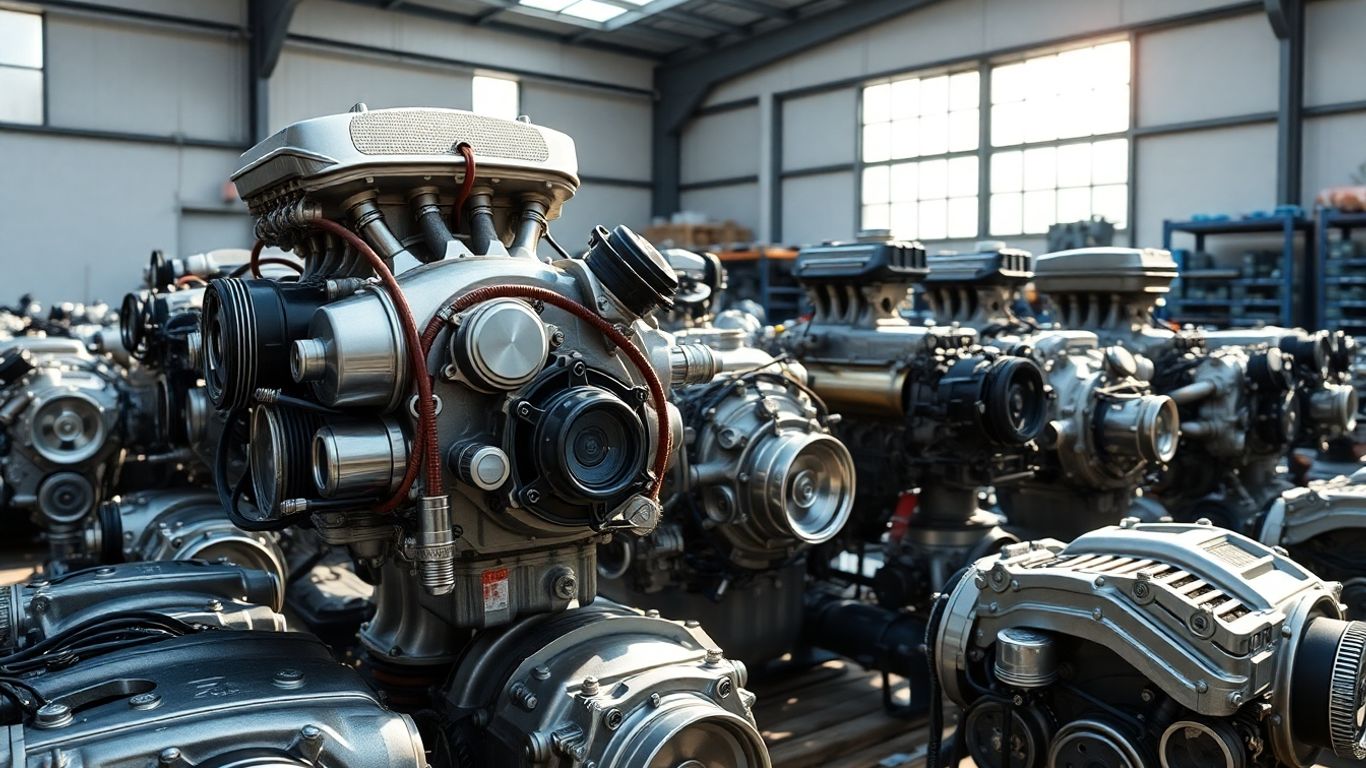
Buying a used engine online can feel like a bit of a gamble sometimes. You see all these listings, and it’s hard to know if you’re getting a good deal or just a pile of junk. It’s definitely not like picking up a part at your local auto shop where you can kick the tires, so to speak. You really have to do your homework to avoid getting ripped off.
Identifying Genuine Inventory
One of the biggest headaches is figuring out if the engine you’re looking at is actually available and if the details are legit. Some sites just list whatever they can find, and you end up waiting around while they source an engine from somewhere else, often with a markup. It’s like ordering a specific pizza, and they call you later to say they’re out of pepperoni, so here’s a plain cheese.
- Look for sellers who actually stock their inventory. This means they have the engine on hand and can ship it out quickly. If a seller has a huge catalog but no real details about where the engine is, be wary.
- Check if the photos look original. Are they using the same generic pictures across multiple listings? That’s a red flag. Real sellers usually have unique photos of the actual engine they’re selling.
- Ask questions. Don’t be afraid to ask for specific details about the engine’s condition, its history, or even more photos if you need them.
Avoiding Scams and Misleading Listings
Scammers love online marketplaces. They know people are looking for deals, and they prey on that. You’ll see listings with unbelievably low prices or claims that seem too good to be true. Sometimes, these are just bait to get you to click, and then they try to upsell you or send you something completely different.
Be extra careful with listings that use stock photos or have vague descriptions. If a seller can’t provide a VIN for the specific engine or details about its mileage, it’s a sign they might not be on the up and up.
Understanding Mileage Accuracy
This is a big one. The mileage on a used engine is super important for its remaining lifespan. The problem is, many online sellers, especially third-party brokers, aren’t always upfront about this. They might list an engine with a certain mileage, but the one you actually receive could have significantly more miles on it. This happens because they often don’t have the engine in stock when you order; they just find one that matches your request after you’ve paid.
- Prioritize sellers who can verify mileage. Some reputable dealers have systems to check and confirm the actual miles on an engine.
- Be suspicious of identical listings. If you see the same engine with the same mileage listed repeatedly over weeks or months, it’s likely not a real, available unit.
- Consider the source. Buying directly from a large auto recycler that pulls and inspects engines themselves is often safer than going through a broker who just connects you to a salvage yard.
The Benefits of Daily Freight Options
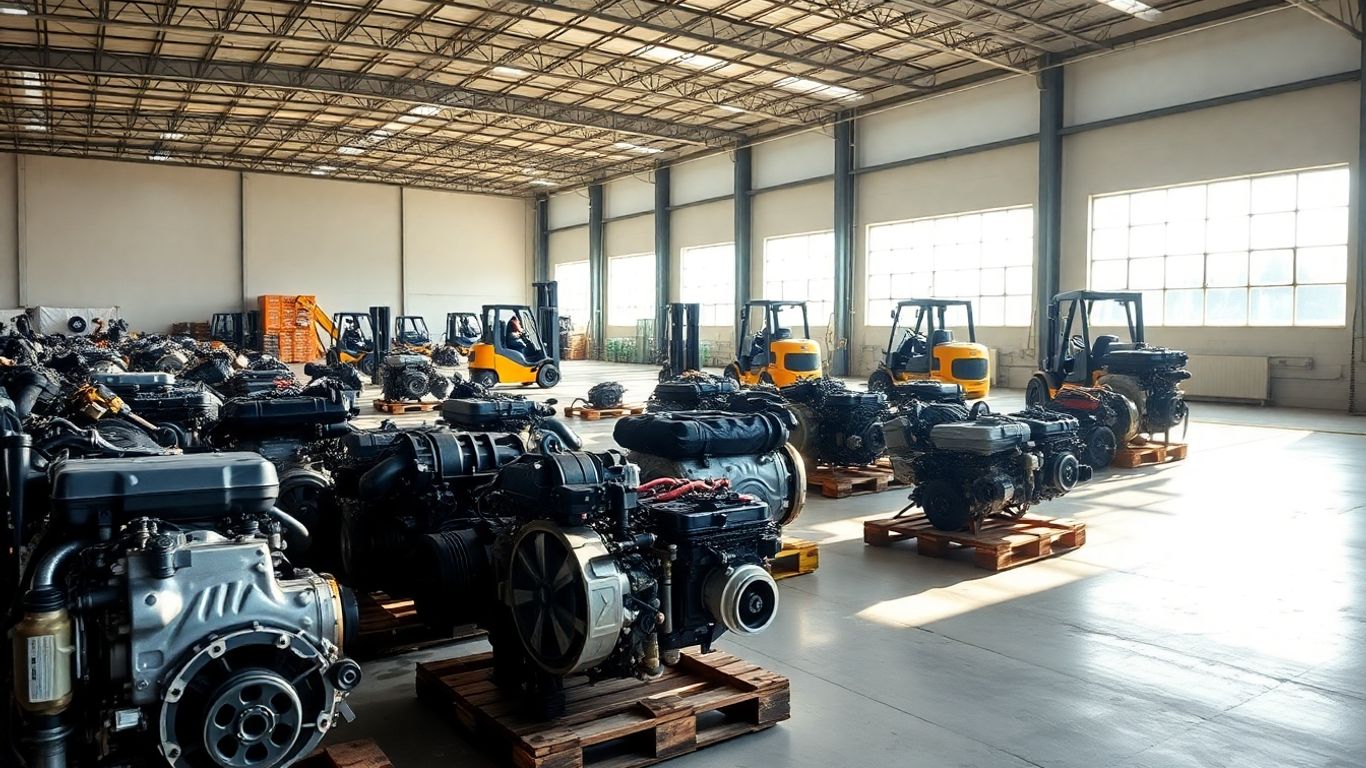
When you’re hunting for a used engine, getting it to your garage quickly can make a big difference. That’s where daily freight options come into play. It’s not just about speed, though. Think about it: engines are heavy, bulky items. Getting them shipped efficiently means less hassle for you and your mechanic.
Convenience of Fast Shipping
Waiting around for a part can really put your project on hold. Daily freight means your engine could be on its way the very next day, or even the same day in some cases. This speed helps keep your repair timeline on track, whether you’re a DIYer or a shop owner. You can get back to what matters – getting that vehicle running again.
Handling Large and Heavy Parts
Let’s be real, engines aren’t small. They need special handling and transport. Companies that offer daily freight often have the right equipment and logistics set up to move these big parts safely. This means less risk of damage during transit. They know how to secure an engine so it arrives in the condition it left.
Ensuring Timely Project Completion
A reliable shipping schedule is key to finishing your project on time. If you’ve got a customer waiting or you’re trying to get your own car back on the road, delays are a pain. Daily freight options minimize those waiting periods. You can plan your repair work more effectively when you know your engine is arriving soon.
Here’s a quick look at what to expect:
- Speed: Parts shipped out daily, often with next-day or two-day delivery options.
- Care: Specialized handling for heavy and delicate engine components.
- Planning: Predictable delivery windows to help schedule your work.
Getting the right engine delivered promptly can turn a stressful repair into a manageable task. It’s about having confidence that the part will arrive when you need it, without a lot of fuss.
What to Expect from Used Engine Providers
So, you’ve decided to go the used engine route. Smart move for saving some cash. But what should you actually get from the company you buy from? It’s not just about getting an engine dropped off at your door. There’s a whole process, and good providers make it pretty straightforward.
Quality Assurance Processes
When you’re buying a used engine, you want to know it’s not just some random piece of metal pulled from a junker. Reputable places have a system. They usually check things over before they even list the engine. This might involve a quick visual inspection, checking for obvious damage, or even running some basic tests if they can. They should be able to tell you how they checked the engine and what they looked for. It’s like buying a refurbished phone; you want to know it’s been tested.
Here’s a general idea of what a good quality check might look like:
- Initial Inspection: Looking for cracks, leaks, or worn-out parts.
- Compression Test: Checking if the cylinders are holding pressure, which is a big deal for engine health.
- Leak-Down Test: A more detailed check of how well the engine seals.
- Visual Check of Components: Making sure things like the oil pan and valve covers are intact.
Don’t be afraid to ask about their testing procedures. A seller who can explain their process clearly is usually a good sign. They’re not just guessing; they have a method.
Warranty and Return Policies
This is a big one. You’re buying something used, so there’s always a chance something might not be perfect. A good provider will stand behind their product. This means a decent warranty. We’re not just talking about a 30-day thing that barely gives you time to install it. Look for at least a 6-month warranty, maybe even longer. It shows they have confidence in the engines they sell.
What to look for in a warranty:
- Duration: How long does it last? Aim for 6 months or more.
- Coverage: What exactly does it cover? Usually, it’s the internal parts of the engine itself.
- Process: How do you make a claim if something goes wrong? Is it easy, or a huge hassle?
And what about returns? If the engine arrives damaged or just doesn’t work, you need to be able to send it back without losing your shirt. A clear, fair return policy is just as important as the warranty.
Customer Service Support
Buying an engine isn’t like picking up a t-shirt online. You might have questions before you buy, or run into issues after. Good customer service means you can actually talk to a real person who knows about engines. They should be able to help you figure out if you’re ordering the right part, explain the warranty, or help you out if there’s a problem with your order. It’s that human touch that makes a big difference when you’re dealing with something as important as your car’s engine.
Types of Used Engine Offerings
So, you’re in the market for a used engine. That’s a smart move to save some cash, but you’ve probably noticed there are different ways these engines are sold. It’s not just a grab-and-go situation; understanding the types can really help you pick the right one for your needs and budget. Let’s break down what you’ll typically find.
Short Blocks vs. Long Blocks
When you’re looking at used engines, you’ll often see them categorized as either short blocks or long blocks. This is a pretty big distinction, and it affects what you get and what you’ll need to do.
- Short Block: Think of this as the core of the engine. It usually includes the engine block itself, the crankshaft, pistons, and connecting rods. It’s basically the bottom half. You’ll need to add the cylinder heads, intake and exhaust manifolds, and all the other bits and pieces to make it run. This is a good option if your current engine’s heads are still in good shape or if you want to customize the top end.
- Long Block: This is a more complete package. It includes everything in a short block, plus the cylinder heads and the valvetrain (like camshafts and lifters). It’s a much more substantial unit and gets you closer to a running engine. You’ll still need to bolt on things like the intake manifold, exhaust system, fuel system, and accessories, but the main internal components are already assembled and ready to go.
Fully Dressed Engines
A fully dressed engine is pretty much what it sounds like – it’s an engine that comes with most of the parts you need to get it installed and running. This is often a long block that has been further assembled with additional components.
What’s usually included:
- Intake and exhaust manifolds
- Fuel injectors or carburetor
- Water pump
- Alternator
- Starter motor
- Ignition system components (like spark plugs and wires)
- Sometimes even the power steering pump and AC compressor, though this can vary.
Buying a fully dressed engine can save you a lot of time and hassle because many of the tricky connections and installations are already done. It’s a great choice if you want a more plug-and-play solution, though it will typically cost more than a long block or short block.
Crate Engines for Projects
Crate engines are a bit different. While they can be new or remanufactured, you can also find used crate engines. These are engines that are typically sold as a complete unit, often in a crate (hence the name), and are designed for specific applications, especially performance upgrades or custom builds. They are usually built with performance in mind, sometimes with upgraded parts over stock engines.
When considering a used crate engine, it’s super important to know its history. Was it used in a race car? A daily driver? What kind of maintenance did it receive? The seller should be able to provide details about its performance and any modifications. This type of engine is often chosen for its potential and specific build characteristics, so understanding its past use is key to a successful project.
These engines are often chosen by enthusiasts who are building a project car or looking to significantly upgrade their vehicle’s power. They offer a way to get a specialized engine without having to build it entirely from scratch yourself, but you still need to be sure it fits your project’s goals and that the used one has been well-maintained.
Getting Your Vehicle Back on the Road
So, if your car’s engine has given up the ghost, don’t panic. Buying a used engine can be a smart move, especially when you know where to look. Remember to get all your vehicle’s info ready, like the year, make, and model. And always try to buy directly from a reputable source that offers good warranties and shipping. This way, you can get your car running again without too much hassle or breaking the bank. It’s all about doing a little homework to find the right part from the right place.
Frequently Asked Questions
What information do I need to buy a used engine?
To find the right used engine, you’ll need some key details about your vehicle. This includes the year, make, model, and trim. It’s also super helpful to have your Vehicle Identification Number (VIN). For the engine itself, knowing the number of cylinders, its size (displacement), and what kind of fuel it uses (like gas or diesel) is important. If you’re unsure, your VIN can often unlock this information through online tools.
Where is the best place to buy a used engine online?
It’s best to buy directly from a reputable source rather than through a middleman or broker. Websites that directly stock and ship their own engines, like MyAutoStore.com, are a good bet. This way, you know exactly where the engine is coming from and can often get better warranties and customer support.
How can I tell if an online seller is trustworthy?
Look for sellers who offer free shipping, as this shows they can handle large items and have good logistics. A solid warranty is also a big sign of trust – aim for at least six months. Be wary of listings with generic photos that seem to be used over and over, and check if the advertised mileage seems realistic and consistent.
What’s the difference between a short block, long block, and fully dressed engine?
A short block is the basic engine with the crankshaft, pistons, and cylinder walls. A long block usually adds cylinder heads and a camshaft. A fully dressed engine is the most complete, including most parts needed to run, often just missing external accessories like the alternator. Always check what’s included with each type.
Why are daily freight options important for engine delivery?
Daily freight options mean faster shipping, which is great for getting your project back on the road quickly. It also means the company is equipped to handle the large and heavy nature of engines, ensuring they arrive safely and on time. This convenience saves you the hassle of arranging your own transport for such a big part.
What should I do if I suspect a scam when buying a used engine online?
If you see the same engine listed with the same mileage multiple times, or if the seller is hesitant to provide details or a warranty, be cautious. Always try to buy from sellers who have a clear return policy and offer a decent warranty. If something feels off, it’s better to walk away and find a more reliable source.