

Thinking about getting a 2017 BMW X3 in Parramatta? That’s a solid choice. These SUVs are pretty popular, and for good reason. But with a few different engine options available for that year, how do you pick the right one for you? We’ll break down what you need to know about the 2017 BMW X3 engines Parramatta 2017 buyers should consider, so you can drive away happy.
Key Takeaways
- The 2017 BMW X3 came with a few engine choices, mainly differing in power and fuel use.
- Think about how you drive – do you need speed or just good gas mileage?
- Transmission types and whether you want all-wheel drive matter for how the car feels.
- Check local dealerships and other sellers in Parramatta for available 2017 BMW X3 engines.
- Consider your daily driving, weekend trips, and family needs when picking an engine.
Exploring The 2017 BMW X3 Engine Options
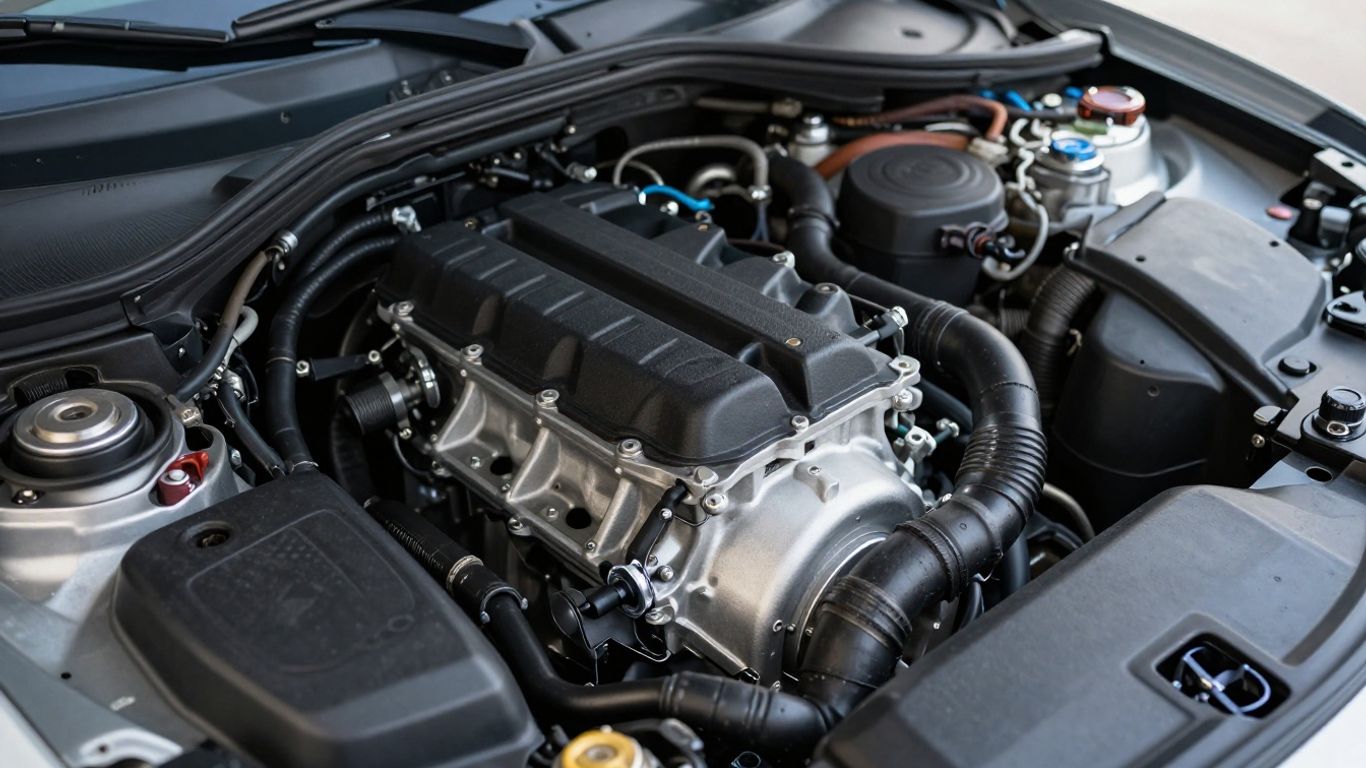
When you’re looking at a 2017 BMW X3, the engine is a big part of what makes it tick. BMW usually offers a few different choices, and for the 2017 model year, they were pretty solid. Understanding these core engine choices is the first step to finding the right X3 for you. It’s not just about horsepower numbers; it’s about how the engine fits with how you drive and what you need the car to do.
Understanding The Core Engine Choices
For the 2017 X3, BMW primarily focused on a couple of main engine types. You’d typically find a turbocharged four-cylinder and a more powerful turbocharged six-cylinder. The four-cylinder is often the standard, offering a good balance for everyday driving. It’s designed to be efficient without feeling sluggish. Then there’s the six-cylinder, which gives you that extra kick when you want it, making highway passing or merging a breeze. It’s a bit thirstier, sure, but the power difference is noticeable.
Performance Versus Efficiency
This is where you really have to think about what matters most. Do you want to save a bit more at the pump, or do you crave that extra bit of acceleration? The four-cylinder engines, like the 2.0L TwinPower Turbo, are generally more fuel-efficient. They’re great for city driving and long commutes where you’re not constantly pushing the limits. On the other hand, the six-cylinder engines, often found in the higher trim levels, offer more spirited performance. They’re built for drivers who enjoy a more dynamic driving experience. It’s a trade-off, and BMW does a good job of making both options appealing in their own way. For example, the 2.0L BMW TwinPower Turbo Inline 4-Cylinder engine is known for its precision AWD [8297].
Transmission And Drivetrain Considerations
Beyond the engine itself, the transmission and drivetrain play a huge role. Most 2017 BMW X3 models came with an automatic transmission, usually an 8-speed Steptronic. This transmission is known for its smooth shifts and quick responses, which helps both performance and fuel economy. You’ll also find BMW’s xDrive all-wheel-drive system available on most, if not all, models. xDrive is designed to improve traction and stability in various road conditions, making the X3 a capable vehicle year-round. Some models might have offered rear-wheel drive, but xDrive is the more common setup for SUVs like the X3, especially in areas with varied weather.
Choosing the right engine isn’t just about picking the most powerful one. It’s about finding the sweet spot between what you need for daily life and what you want for those moments when you feel like driving a bit more. Think about your typical trips and how often you’ll be carrying passengers or cargo.
Identifying Your Ideal 2017 BMW X3 Engine
So, you’ve got your eye on a 2017 BMW X3, which is a solid choice. But with a few engine options available, how do you pick the one that’s actually right for you? It’s not just about picking the most powerful one; it’s about matching the car’s heart to your own driving habits and needs. Let’s break it down.
Matching Engine To Driving Style
Think about how you actually use your car day-to-day. Are you mostly cruising around town, stuck in traffic on the commute, or do you enjoy hitting the open road for weekend getaways? If your driving is mostly city-based with occasional highway stretches, a more fuel-efficient engine might be the way to go. For those who love a bit of spirited driving or frequently take longer trips, you’ll want an engine that offers a bit more punch and responsiveness. The 2017 X3 had a couple of main engine types, and understanding their character is key. For instance, the turbocharged 4-cylinder engines, like the one found in the xDrive30i, offer a good balance. They provide enough power for most situations without guzzling gas. If you’re looking for something with a bit more grunt for towing or just that extra surge of acceleration, you might consider looking at the models that offered the inline-six, though these were less common in the 2017 lineup for the X3. The goal is to find an engine that feels natural and satisfying when you’re behind the wheel, not one that makes you wish you had something else.
Fuel Economy Expectations
Fuel economy is a big one for most people, and it’s smart to consider it when picking your X3. The different engines will have different thirsts for fuel. Generally, the smaller, less powerful engines will get better mileage. For example, the 2.0-liter turbocharged four-cylinder engine is designed with efficiency in mind. You can expect decent MPG figures, especially if you do a lot of highway driving. The more powerful engines, while offering more performance, will naturally use more fuel. It’s a trade-off, for sure. You’ll want to look at the official EPA estimates for the specific models you’re considering. Remember, these are just estimates, and your actual mileage will depend on your driving habits, road conditions, and how well you maintain the vehicle. A well-maintained engine, regardless of type, will always perform better fuel-wise.
Considering Long-Term Maintenance
When you’re buying a used car like a 2017 BMW X3, thinking about long-term maintenance is super important. Some engines might be more complex than others, potentially leading to higher repair bills down the line. BMWs are known for their engineering, but parts and labor can be pricey. Generally, simpler engines with fewer moving parts tend to be a bit more straightforward to maintain. However, with the X3, you’re looking at turbocharged engines, which are pretty standard across the board for this model year. It’s a good idea to research common issues for the specific engine you’re interested in. Checking service records is also a must. A car that’s been regularly serviced by a qualified mechanic will likely give you fewer headaches than one that hasn’t. If you’re not mechanically inclined, finding a reliable independent mechanic who specializes in BMWs can save you a lot of stress and money over the years. It’s worth looking into the cost of ownership for the different engine variants before you commit.
Picking the right engine isn’t just about the numbers on paper; it’s about how it fits into your life. Think about your daily drive, your weekend plans, and what you can realistically afford for fuel and upkeep. The best engine is the one that makes driving your X3 a pleasure, not a chore.
Key Features Of 2017 BMW X3 Engines
When you’re looking at a 2017 BMW X3, the engine is really where the magic happens. BMW put some neat tech into these vehicles to make them run well. Let’s break down what makes these engines tick.
Turbocharged Powerplants
Most of the 2017 X3 models come with turbocharged engines. This means they use a turbocharger to force more air into the engine’s cylinders. More air means more fuel can be burned, which translates to more power. It’s a smart way to get good performance from a smaller engine. This technology helps the X3 feel zippy, even when you’re just cruising around town. For example, the xDrive28i uses a 2.0-liter turbocharged four-cylinder that’s pretty peppy.
Advanced Fuel Injection Systems
These engines also feature advanced fuel injection. Instead of older methods, they use direct injection. This system sprays fuel right into the combustion chamber, giving the engine more precise control over how much fuel is used and when. This helps with both power and fuel efficiency. It’s a big reason why modern engines can be both strong and relatively good on gas. You’ll find this system across the different engine options available for the 2017 X3.
Engine Responsiveness And Torque
One thing BMW is known for is how responsive their engines feel. The 2017 X3 is no different. You get a good amount of torque, which is that pulling power you feel when you accelerate. This is especially noticeable with the turbocharged engines. They tend to deliver their torque lower in the RPM range, meaning you don’t have to rev the engine super high to get moving. This makes driving feel more effortless, whether you’re merging onto the highway or just pulling away from a stop sign. The availability of an M TwinPower Turbo engine, for instance, can give you up to 393 horsepower, making for quick acceleration 0-60 mph in just 4.4 seconds.
The engineering behind these engines focuses on a balance. They aim to provide the kind of spirited driving BMW is famous for, while also being practical for everyday use. This means you get a car that’s fun to drive but won’t break the bank at the pump, thanks to smart design choices like turbocharging and direct injection.
Here’s a quick look at some common engine specs for the 2017 X3:
| Engine Type | Displacement | Horsepower (approx.) | Torque (approx.) |
|---|---|---|---|
| 2.0L Turbo I4 | 2.0 Liters | 240 hp | 255 lb-ft |
| 3.0L Turbo I6 | 3.0 Liters | 300 hp | 300 lb-ft |
Keep in mind that specific configurations and performance figures can vary based on the exact model and any optional packages. For those interested in diesel options, some models like the xDrive28d utilized a four-cylinder engine shared with European models.
Finding 2017 BMW X3 Engines In Parramatta
So, you’ve decided a 2017 BMW X3 is the way to go, and now you’re looking right here in Parramatta. That’s a smart move, especially if you want to see and feel the car before you buy. Finding the right engine means looking in a few different places. Your best bet is often a mix of checking out what the main dealerships have, but don’t forget the smaller guys and even private sellers.
Local Dealership Inventory
When you think BMW X3, you probably think of the big dealerships. They usually have a decent selection of used models, including the 2017 X3. You can walk in, talk to a salesperson, and often get a test drive on the spot. They’ll have paperwork sorted and usually offer some kind of warranty, which is nice for peace of mind. It’s worth checking their websites first to see what they’ve got listed. Sometimes they have specific models with the engine you’re after, like a well-maintained one-owner BMW X3M that’s been looked after.
Independent Specialist Dealers
Don’t overlook the independent dealers around Parramatta. These guys often specialize in European cars, and BMW is a big one. They might have slightly older stock or models that didn’t sell at the main dealerships. The advantage here can be price, and sometimes they have a more personal touch. They know their cars well, and if you’re lucky, you might find a gem. It’s a good idea to see if they handle car repair services in Parramatta too, as that could be handy down the line.
Private Sales Opportunities
This is where you can sometimes find the best deals, but it also comes with more risk. Private sellers are just regular people selling their cars. You’ll need to be more careful. Always arrange to see the car in a safe, public place. Bring a friend if you can. You’ll want to check the car’s history thoroughly and ideally have a mechanic give it a once-over before you hand over any cash. It takes more effort, but the savings can be significant.
When looking at private sales, remember that you’re buying the car ‘as is’. There’s no dealer warranty or cooling-off period. So, do your homework, ask lots of questions, and trust your gut feeling about the seller and the car.
Evaluating Engine Performance For Your Needs

So, you’re looking at a 2017 BMW X3 and wondering which engine will actually feel right when you’re out there driving? It’s not just about numbers on a spec sheet, is it? It’s about how the car feels when you press the gas, how it handles a quick merge onto the highway, or even just how smoothly it idles in traffic. Let’s break down what those engine specs really mean for your day-to-day driving.
Horsepower And Acceleration
When people talk about engine power, they usually mean horsepower. More horsepower generally means quicker acceleration. For the 2017 X3, you’ll typically see a few different engine options, each with its own horsepower rating. The base models might have enough pep for most folks, but if you enjoy that feeling of being pushed back in your seat when you hit the gas, you’ll want to look at the higher horsepower variants. Think about those times you need to overtake a slower vehicle or get up to speed quickly; a bit more horsepower makes a big difference. It’s like watching a great game; you want that exciting play to happen like in this NFL classic.
Here’s a quick look at typical figures you might find:
| Engine Variant | Horsepower (approx.) | 0-60 mph (approx.) |
|---|---|---|
| xDrive28i | 240 hp | 6.2 seconds |
| xDrive35i | 300 hp | 5.3 seconds |
Towing And Hauling Capabilities
Now, maybe you’re not just driving around town. Do you need to tow a small trailer, a jet ski, or maybe haul some gear for a weekend project? The engine choice plays a big role here too. While the X3 isn’t exactly a heavy-duty truck, some engines are better equipped for towing than others. You’ll want to check the specific towing capacity for the engine you’re considering. Generally, engines with more torque (that’s the pulling power) will handle these tasks more easily. Don’t just assume any X3 can do it; check the manual or ask the dealer about the rated towing limits.
Handling Characteristics With Different Engines
It’s interesting how the engine can affect how the car feels overall, not just in a straight line. A heavier, more powerful engine might change the weight distribution of the car, which can subtly influence its handling, especially around corners. For instance, the more potent engines might give the X3 a sportier feel, making it feel more planted on the road. Conversely, a lighter engine might make the car feel a bit more nimble. If you’re someone who enjoys a spirited drive, paying attention to how the engine choice impacts the car’s balance and responsiveness is worthwhile. It’s all part of the BMW driving experience.
When you’re test driving, really pay attention to how the engine responds to your inputs. Does it feel immediate, or is there a delay? Does it sound strained when you ask for more power, or does it purr along? These subjective feelings are just as important as the objective numbers when it comes to finding an engine that fits you.
Ensuring The Right Fit For Your Lifestyle
Daily Commute Engine Requirements
When you’re just heading to work and back, you probably don’t need a powerhouse engine. What you really want is something that’s good on gas and smooth on the road. Think about the 2017 BMW X3 xDrive28i. It’s got enough pep for city driving and highway merging, but it’s not going to guzzle fuel like a thirsty beast. The goal here is to save money at the pump and have a relaxed drive. You’re not trying to win any races on your way to the office, right? So, a balanced engine that offers decent power without being over the top makes a lot of sense. It’s about practicality for those everyday miles. You might also want to look into the fuel economy figures for different models; sometimes a small difference can add up over a year. For instance, some drivers find that sticking to a consistent speed on the highway really helps with MPG. It’s a simple change that can make a difference, especially if you’re covering a lot of ground daily. We’ve seen reports about how small changes can lead to big participation increases in programs, and the same applies to your driving habits participation increases.
Weekend Adventure Engine Needs
Now, if your weekends involve more than just grocery runs, you might need something a bit more robust. Maybe you like heading out of town, exploring some less-traveled roads, or even towing a small trailer. For these kinds of activities, you’ll want an engine with more torque and horsepower. The 2017 BMW X3 xDrive35i, for example, offers a significant boost in power. This means better acceleration when you need to overtake, and more capability if you’re carrying extra gear or passengers. It handles hills with more ease and generally feels more capable when you push it a bit. Think about what you’ll be doing. Are you planning on hitting the trails? Do you need to pull a small boat? If so, that extra grunt from a more powerful engine is definitely worth considering. It’s not just about raw speed; it’s about having the confidence that your X3 can handle whatever you throw at it.
Family Use And Practicality
For families, the engine choice often comes down to a mix of efficiency, safety, and just general usability. You want an engine that’s reliable, provides a comfortable ride for everyone, and doesn’t cost a fortune to run. The standard engines in the 2017 X3 lineup are generally well-suited for family duties. They offer a good balance of performance for everyday driving and reasonable fuel economy. You don’t want an engine that struggles when the car is loaded with kids and their stuff. Likewise, you don’t want one that’s so powerful it becomes difficult to manage in stop-and-go traffic. It’s about finding that sweet spot. Consider the total cost of ownership, too. This includes not just fuel but also potential maintenance down the line. A simpler, less highly-strung engine might have lower long-term repair bills. It’s a practical consideration for any family budget.
Choosing the right engine isn’t just about numbers on a spec sheet; it’s about how that engine fits into your daily life and your plans. Think about your typical week, your weekend hobbies, and how you use your vehicle most often. The best engine is the one that makes your life easier and more enjoyable, not one that creates extra hassle or expense.
Wrapping It Up
So, finding the right engine for your 2017 BMW X3 in Parramatta might seem like a lot, but it’s totally doable. Whether you’re after that sporty feel or something a bit more about saving on gas, there’s an option out there for you. Take your time, check out what’s available locally, and don’t be afraid to ask questions. Getting the right engine means you’ll enjoy your X3 even more on those drives around town or out of the city. Happy hunting!
Frequently Asked Questions
What are the main engine choices for a 2017 BMW X3?
For the 2017 BMW X3, you’ll mostly find two main engine types. There’s a zippy four-cylinder engine that’s great for saving gas, and a more powerful six-cylinder engine for when you want extra speed and oomph. Both are designed to be smooth and reliable.
Which engine is better for city driving versus highway trips?
If you do a lot of driving in the city, the four-cylinder engine is probably your best bet. It’s more fuel-efficient, meaning you’ll stop at the gas station less often. For long highway drives or if you enjoy a spirited ride, the six-cylinder offers more power for passing and merging with ease.
Does the transmission affect how the engine performs?
Yes, it does! Most 2017 X3 models come with an automatic transmission that shifts gears smoothly. This helps the engine work efficiently and makes driving feel effortless. Some models might also offer all-wheel drive, which gives you better grip on the road, especially in tricky weather.
How important is fuel economy when picking an engine?
Fuel economy is pretty important, especially if you drive a lot. The four-cylinder engines generally get better gas mileage, saving you money over time. The six-cylinder engines use more fuel but give you more power in return. It’s a trade-off between saving money and having more performance.
What should I look for when checking out a used 2017 BMW X3 engine?
When looking at a used X3, listen for any strange noises when the engine is running. Check for any leaks under the car. It’s also a good idea to see if the engine runs smoothly without shaking too much. If possible, have a mechanic check it out to make sure everything is in good shape.
Are the 2017 BMW X3 engines known for being reliable?
Generally, BMW engines are built for performance and durability. The engines in the 2017 X3 are known for being pretty reliable if they’ve been taken care of properly. Regular oil changes and following the recommended maintenance schedule are key to keeping them running well for a long time.