When looking for used car parts in Australia, especially motors, having a warranty is super important. It means you’re protected if something goes wrong. Here are the main things to remember:
Key Takeaways
- Australian Consumer Law gives you rights that can’t be ignored, even with used parts.
- Always check what the warranty covers and what it doesn’t before buying.
- Reputable wreckers and part suppliers are your best bet for quality used motors with warranty.
- Thoroughly inspect the part yourself, even if it has a warranty.
- A warranty on a used motor offers financial protection and peace of mind.
Understanding Warranties for Used Motors in Australia
When you’re looking for used car parts, especially a motor, in Australia, the idea of a warranty can feel a bit like a lottery. But it doesn’t have to be. Knowing the ins and outs of warranties will save you a lot of headaches down the track. It’s all about understanding your rights and what different suppliers offer.
Australian Consumer Law Guarantees
First off, you’ve got the Australian Consumer Law (ACL). This is your safety net, and it applies no matter where you buy your parts from, as long as the seller is a business. The ACL says that goods you buy must be of acceptable quality, fit for purpose, and match their description. If a motor you buy fails to meet these standards, you’re entitled to a remedy. This could be a repair, a replacement, or even a refund, depending on how big the problem is.
- Major Failure: If the motor has a significant issue that can’t be fixed or would have put you off buying it if you’d known, you can choose a refund or a replacement.
- Minor Failure: For smaller problems, the supplier can choose to repair the motor, replace it, or offer a refund.
It’s important to remember that these guarantees are in place regardless of any other warranty offered by the seller. You can find more details about your consumer rights on the Australian Competition and Consumer Commission (ACCC) website.
Manufacturer vs. Dealer Warranty Responsibilities
When you buy a used motor, it might come with a warranty from the original manufacturer or one offered by the dealer or supplier you’re buying from. These can be a bit different. Manufacturer warranties are usually tied to the vehicle’s original sale and might have specific conditions about where repairs can be done. Dealer warranties, on the other hand, are offered by the place selling you the part. It’s not uncommon for dealers to contribute significantly to warranty work, sometimes more than the manufacturer expects. This can sometimes lead to friction if you bought the part from a dealer far from where you need repairs.
Sometimes, a dealer might seem hesitant to honour a warranty if you didn’t buy the vehicle or part from them directly. However, under Australian Consumer Law, they generally can’t refuse a warranty claim just because the item was purchased elsewhere, especially if they are the ones offering the warranty.
Navigating Warranty Exclusions and Limitations
No warranty is completely foolproof. Most will have exclusions and limitations you need to be aware of. Things like damage from accidents, improper installation, or using the motor for purposes it wasn’t designed for are often not covered. It’s really important to read the fine print. Check what the warranty does cover and, just as importantly, what it doesn’t. For example, some warranties might only cover the motor itself and not any associated labour costs for removal or installation. Always ask for clarification if anything is unclear before you hand over your cash. This is especially true for parts that have seen a lot of use, like a used engine that might have a limited warranty period.
Finding Reputable Suppliers of Used Motors with Warranty Australia
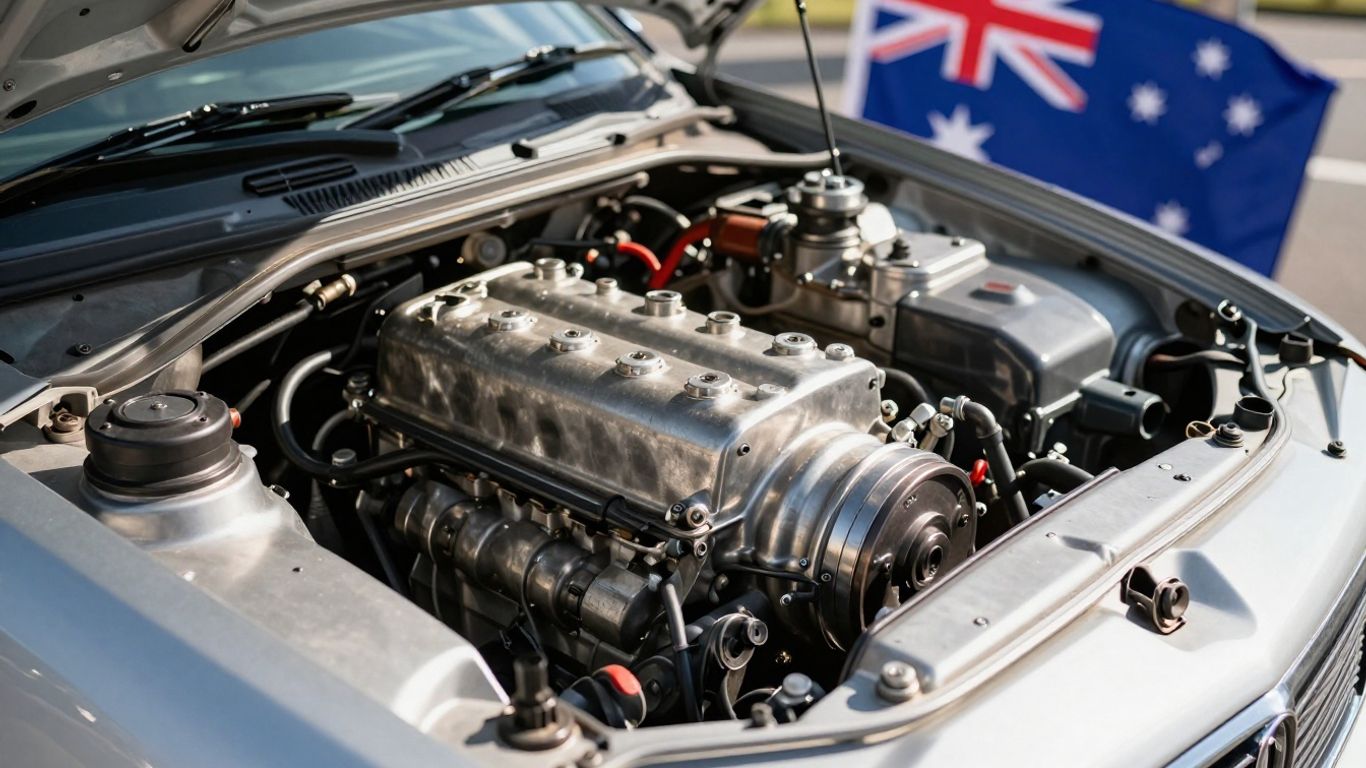
So, you need a replacement motor for your car, and you’re looking for one with a warranty. That’s a smart move. Buying used parts can save you a ton of cash, but you don’t want to end up with a dud. The trick is finding suppliers who stand behind their products. It’s not just about getting a part; it’s about getting a part that’s going to keep your car running without causing more headaches.
Specialized Wreckers and Part Suppliers
When you’re on the hunt for used motors, hitting up specialized wreckers and part suppliers is usually your best bet. These places often focus on specific makes or models, meaning they know their stuff. For instance, if you’ve got a Mitsubishi, finding a wrecker that specializes in them can be a goldmine. They’ll have a better understanding of common issues and which parts are likely to be in good condition. They often test their parts before selling them, which is a big plus. It’s worth asking about their specialization – do they handle a lot of 4WD components, or are they more focused on passenger cars? This can give you a clue about their stock and knowledge base.
Importance of Thorough Part Inspection
Even with a warranty, you don’t want to skip the inspection. When you’re looking at a used motor, give it a good once-over. Look for obvious signs of damage, like cracks or leaks. If it’s an engine, check the oil for any milky appearance, which could signal a blown head gasket. For electrical components, ask if they were bench-tested. A good supplier will be happy to let you inspect the part and will have records of any testing they’ve done. Don’t be shy about asking questions; it’s your money and your car’s reliability on the line. Remember, the Australian Consumer Law provides guarantees for goods, and this applies to second-hand items too, especially when bought from a licensed dealer [eb48].
Benefits of Buying from Experienced Suppliers
Buying from suppliers who have been around for a while and have a solid reputation can make a world of difference. They usually have a better grasp of what makes a part reliable and what kind of warranty is fair. An experienced supplier might also offer reconditioned parts, which can be a great middle ground between brand new and used. These are often rebuilt with new components and come with their own warranty, giving you extra confidence. Plus, they often have a wider network for sourcing hard-to-find parts, which can save you a lot of time and frustration. Some companies even offer extended warranties on vehicles and parts, providing that extra layer of security [fd56].
When you’re looking for used parts, especially something as critical as a motor, it’s easy to get overwhelmed. But focusing on suppliers who specialize, test their inventory, and offer clear warranty terms will make the process much smoother. It’s about finding that balance between cost savings and the assurance that you’re getting a part that will last.
Key Considerations When Purchasing Used Motors with Warranty
So, you’ve decided to go the used motor route to save some cash. Smart move, but before you hand over your hard-earned money, there are a few things you really need to think about, especially when a warranty is involved. It’s not just about finding a part that fits; it’s about making sure that part is going to keep your car running without causing you more headaches.
Assessing the Condition of Used Parts
This is where you can’t afford to be shy. When you’re looking at a used motor, give it a good once-over. Look for obvious signs of damage, like cracks, leaks, or excessive wear on moving parts. If it’s an engine, check the oil for any milky or sludgy appearance, which could mean coolant is getting in or it hasn’t been maintained. For electrical components, ask if they’ve been tested. A visual inspection is just the first step; understanding its history and any testing done is vital. Don’t be afraid to ask questions about how the part was removed and stored. Reputable suppliers will be happy to show you what they can.
Understanding Warranty Coverage Details
This is probably the most important part. Warranties can sound great, but the fine print is where the real story is. What exactly does the warranty cover? Is it just the main component, or does it include labour if something goes wrong? How long does it last – is it a set time, or is it tied to mileage? Some warranties might only cover specific types of failures, excluding things like wear and tear or damage from improper installation. Always get the warranty details in writing. For example, a statutory warranty for used cars typically lasts for 3 months or 5,000 kilometres, whichever comes first, but dealer-specific warranties can vary wildly. It’s worth checking out Central Coast Auto Parts to see how they structure their warranties.
The Role of Reconditioned and Aftermarket Options
Sometimes, a straight used part isn’t the best option. Reconditioned parts, like gearboxes or engines, have been taken apart, cleaned, inspected, and rebuilt with new or refurbished components. These often come with a solid warranty and can be a great middle ground between new and used. Aftermarket parts are made by companies other than the original car manufacturer. They can sometimes be cheaper and just as good, but quality can vary. It’s a good idea to weigh up whether a reconditioned or aftermarket option might offer better long-term value and a more robust warranty for your specific needs. You might find that a reconditioned engine offers a better peace of mind than a standard used one.
Making a Warranty Claim for Used Motors in Australia
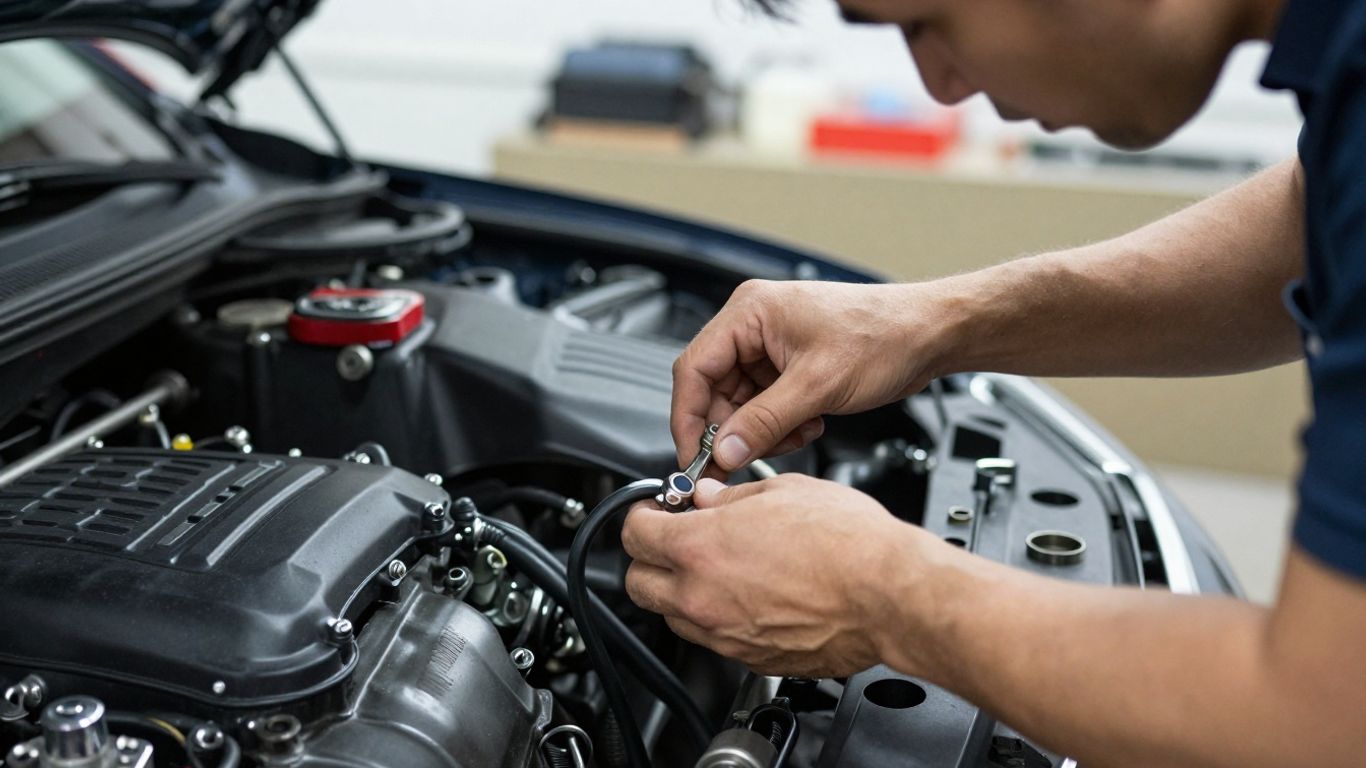
So, you’ve bought a used motor, it’s got a warranty, and now something’s gone wrong. Don’t panic! Making a warranty claim might seem like a hassle, but it’s usually pretty straightforward if you know what to do. The key is to act promptly and have all your ducks in a row.
Steps for Initiating a Warranty Claim
When a part fails, your first move should be to contact the supplier you bought it from. They’re the ones who sold you the warranty, after all. They’ll guide you through their specific process, but generally, it involves these steps:
- Notify the Supplier: Get in touch as soon as you notice the issue. Don’t wait around, as delays can sometimes complicate things.
- Provide Details: Be ready to explain what happened, when it happened, and what symptoms the motor is showing.
- Return the Part (if required): The supplier might ask you to bring the faulty motor back to them for inspection. This is common, especially for smaller parts.
- Assessment: They’ll check if the failure is covered by the warranty terms. This might involve their own mechanics or sending it to a specialist.
- Resolution: If the claim is approved, they’ll typically offer a repair, replacement, or refund, depending on the warranty agreement and the nature of the fault.
Documentation Required for Claims
Having the right paperwork makes the whole process smoother. You’ll want to have these handy:
- Proof of Purchase: This is your receipt or invoice showing you bought the motor and the warranty.
- Warranty Document: The actual warranty certificate or agreement outlining the terms and conditions.
- Photos/Videos: If possible, take pictures or short videos of the fault or the motor installed in your vehicle. This can help show the problem.
- Mechanic’s Report (if applicable): If a mechanic diagnosed the issue, a written report can be very helpful.
Resolving Disputes with Suppliers
Most of the time, warranty claims go off without a hitch. But sometimes, you might disagree with the supplier’s decision. If that happens, don’t just give up. First, try to have a calm conversation with the supplier to understand their reasoning. If you still can’t reach an agreement, you might need to look at other options. This could involve seeking advice from consumer protection agencies or looking into alternative dispute resolution services. Remember, you have rights under Australian Consumer Law, which can offer a safety net even if the supplier’s warranty terms seem restrictive. For specific vehicle types, understanding truck warranties in Australia can be particularly helpful.
When dealing with a warranty claim, always keep a clear and polite tone. While it’s frustrating when something goes wrong, being aggressive rarely helps. Stick to the facts, present your evidence, and refer back to the warranty terms. If you’ve purchased an extended warranty, providers like Integrity often have clear procedures for handling disagreements.
The Value of Peace of Mind with Used Motors
Saving Money Without Sacrificing Reliability
Look, nobody wants to spend more than they have to on car repairs, right? That’s where used motors and parts really shine. You can often snag a perfectly good engine or transmission for a fraction of the cost of a new one. The trick is finding a supplier who stands behind their products. It’s not just about getting a cheaper part; it’s about getting a part that’s been checked out and comes with some sort of guarantee. This way, you’re not just saving cash upfront, you’re also avoiding that sinking feeling when a cheap part fails a week later. It’s a smart way to keep your car running without emptying your wallet.
Ensuring Your Vehicle is Back on the Road
When your car breaks down, you just want it fixed, pronto. Buying a used motor with a warranty gives you that confidence. You know that if something goes wrong with the part you bought, the supplier has your back. This means less stress and less time spent worrying about unexpected repair bills. It’s about getting your vehicle back to its reliable self quickly and without a whole lot of drama. Think about it: a reliable used part means fewer headaches for you.
Building Trust with Quality Used Parts
Finding a good supplier for used car parts can feel like a treasure hunt sometimes. But when you find one that offers quality parts and backs them up with a warranty, it’s a game-changer. You start to build a relationship with them, knowing you can count on them for future needs. This trust is built on consistent quality and good service. It makes the whole process of maintaining your car much smoother.
- Thorough Inspection: Reputable suppliers will have a process for checking parts before selling them.
- Warranty Coverage: Always ask about the specifics of the warranty – what’s covered and for how long.
- Supplier Reputation: Look for suppliers with good reviews and a history of customer satisfaction.
Buying used doesn’t have to mean taking a gamble. With the right supplier and a solid warranty, you can get reliable parts that save you money and give you confidence on the road.
Sometimes, you might wonder if a used part is the right choice. It’s worth looking into extended warranty options if you’re particularly concerned about potential future issues, though a good warranty on the used part itself often suffices. Always ask specific warranty questions before you buy.
Conclusion
Getting used motors with a warranty in Australia is a smart way to save money on car repairs. By understanding your consumer rights, choosing reputable suppliers, and knowing the details of your warranty, you can get reliable parts without the worry. This approach helps keep your vehicle running smoothly and your wallet happy, offering peace of mind that you’ve made a sound choice for your car.
Frequently Asked Questions
What is the Australian Consumer Law, and how does it help me with used parts?
Think of the Australian Consumer Law as a set of rules that protect buyers. For used parts, it means they still have to be good quality and do what they’re supposed to. If a part is a major dud, you might be able to get a refund or a replacement, even if the seller didn’t offer a specific warranty.
Do all used motors in Australia come with a warranty?
Not automatically, no. Some sellers might offer a warranty, but it’s not a given for every single used part out there. You really need to ask about it and check the terms. Some places, like specialized wreckers, are known for providing warranties on their parts.
What’s the difference between a manufacturer’s warranty and a dealer’s warranty on used parts?
A manufacturer’s warranty usually comes from the car company itself, often on newer used cars. A dealer’s warranty is typically offered by the place selling you the used part, like a mechanic or a wrecker. They’re different promises from different people.
How do I know if a used motor is good before I buy it, even with a warranty?
Even with a warranty, it’s smart to look the part over. Check for obvious damage, rust, or signs of wear. If you can, ask the seller if it’s been tested. A good supplier will be happy to show you or explain how they check their parts.
What should I do if the used motor I bought stops working and is under warranty?
First, don’t panic! Gather all your paperwork – the receipt, the warranty details, and anything that shows the problem. Then, contact the seller you bought it from. They should guide you through their process for making a claim or getting a replacement.
Are reconditioned motors a good option when looking for used parts?
Yes, reconditioned motors can be a great choice! They’ve been taken apart, fixed up with new bits where needed, and put back together. They often come with a warranty too, similar to a used part, but they might be in better shape because they’ve been rebuilt.