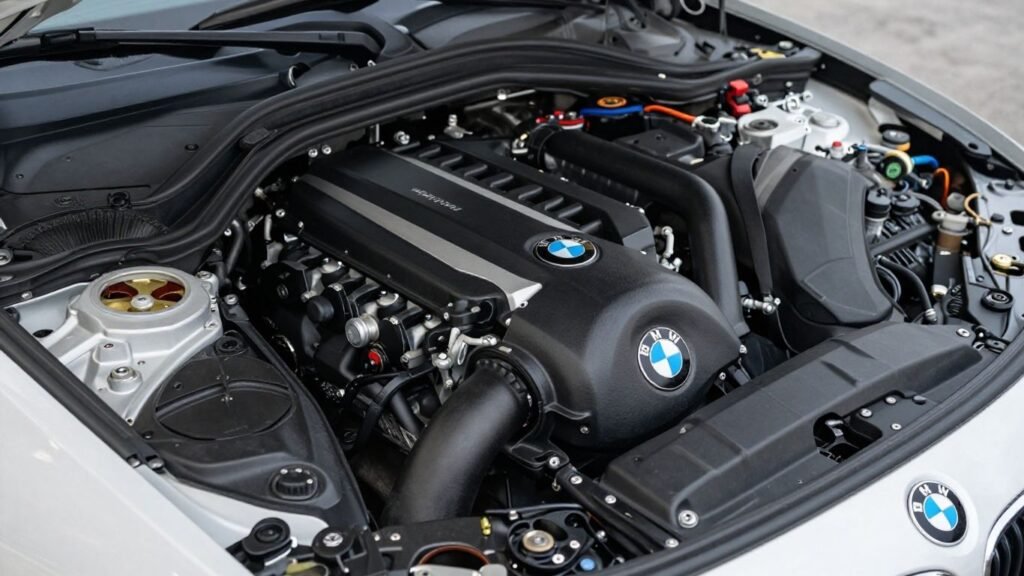
So, your BMW 1 Series from 2015-2018 needs a new heart? It happens. Finding a replacement engine can feel like a big task, especially if you’re not exactly a gearhead. You want something reliable without emptying your wallet. This guide is here to help you sort through the options for Geelong – BMW 1 series engines second hand 2015-2018, making the process a bit less stressful. We’ll cover where to look, what to check, and how to make sure you get a good deal.
Key Takeaways
- When looking for a used engine for your BMW 1 Series (2015-2018) in Geelong, check local dealerships, specialist parts yards, and online sellers.
- Always inspect the engine’s condition, check its service history, and note the mileage before buying.
- Make sure the engine code and model year match your car to avoid compatibility issues.
- Compare prices from different suppliers to get the best value for your money.
- Ask about any warranty available for the used engine and plan for professional installation.
Sourcing Geelong – BMW 1 Series Engines Second Hand 2015-2018
So, your BMW 1 Series from the 2015-2018 range needs a new heart? It happens. Finding a quality used engine can feel like a treasure hunt, especially when you’re looking locally in Geelong. But don’t sweat it, we’ll break down how to approach this.
Navigating Local Dealerships for Engine Replacements
Your first thought might be the official BMW dealership. They’re a good place to start for information, and sometimes they have certified pre-owned engines or can point you in the right direction. However, dealership prices can be on the higher side. It’s worth a call to see what they offer, but be prepared for potentially higher costs compared to other options.
Understanding Engine Availability in Geelong
Geelong has a decent automotive scene, but specific parts like a used BMW 1 Series engine from a particular year range (2015-2018) might not be sitting on every corner. Availability can fluctuate. You might find a few options at general used car yards, but specialist wreckers or parts suppliers are often your best bet for specific makes like BMW. It’s a good idea to call ahead and check stock before making a trip.
Key Considerations When Buying Used BMW Engines
When you’re looking for a used engine, there are a few things to keep in mind. The condition and history of the engine are paramount. You don’t want to swap one problem for another. Always ask about:
- Mileage: Lower mileage generally means less wear and tear.
- Service History: Was it well-maintained? Records are gold.
- Reason for Removal: Why was the engine taken out of the donor car?
Buying a used engine requires a bit of detective work. You’re essentially buying a major component that’s already lived a life. Knowing its past helps predict its future performance.
Here’s a quick look at what you might expect price-wise, though this can vary wildly:
| Engine Type | Estimated Price Range (AUD) |
|---|---|
| Used BMW 1 Series | $1,500 – $4,000+ |
Remember, this is just a rough guide. The actual cost depends heavily on the supplier, the engine’s condition, and how many kilometers it has on it. You might also want to look into Apple CarPlay head units if you’re upgrading other parts of your car at the same time.
Evaluating Engine Condition and History
When you’re looking at a used BMW 1 Series engine, especially one from a 2015-2018 model, checking its condition and history is super important. You don’t want to end up with a lemon, right? It’s like buying a used phone – you gotta make sure it works before you hand over your cash.
Importance of Service Records for BMW Engines
Service records are your best friend here. They tell a story about how the engine has been treated. A car that’s had regular oil changes and maintenance is way more likely to have a healthy engine than one that’s been neglected. Look for records that show consistent care. If the seller can’t provide any service history, that’s a big red flag. It might mean the engine hasn’t been looked after properly, and that could lead to future problems. You can sometimes get a vehicle history report, which might show some maintenance, but personal service records are usually more detailed.
Assessing Mileage and Wear on Second Hand Engines
Mileage is a big factor, obviously. A lower mileage engine generally means less wear and tear. But don’t just look at the number on the odometer; consider the type of driving the car did. Lots of highway miles are usually easier on an engine than constant stop-and-go city driving. Also, check for signs of physical wear. Are there any oil leaks around the engine? Is the paint on the engine block discolored from overheating? These little things can tell you a lot about the engine’s past life. For example, a car that was used for heavy towing or racing will likely show more wear than a commuter car.
Signs of a Healthy BMW 1 Series Engine
So, what does a healthy engine actually look and sound like? When you check it out, listen for any strange noises. Knocking, ticking, or grinding sounds are definitely not good signs. The engine should start up smoothly without too much cranking. Once it’s running, it should idle steadily. Check the exhaust smoke – it should be clear or a light grey. Blue smoke usually means it’s burning oil, and black smoke can indicate a fuel mixture problem. Also, look at the fluids. The oil should be clean, not milky or sludgy, and the coolant should be bright, not rusty or oily. A well-maintained engine will run quietly and smoothly, without any obvious leaks or smoke.
Here are a few things to look out for:
- Noises: Listen for any unusual sounds like knocking, tapping, or whining.
- Leaks: Check for any signs of oil or coolant leaks around the engine block, hoses, and seals.
- Smoke: Observe the exhaust. Blue or black smoke is a bad sign.
- Fluid Condition: Examine the oil and coolant for clarity and consistency.
When inspecting a used engine, it’s always a good idea to bring a trusted mechanic along if you can. They have a trained eye and ear for spotting potential issues that you might miss. Their professional opinion can save you a lot of headaches down the road.
Finding Reliable Suppliers for BMW 1 Series Engines
Reputable Used Car Yards in Geelong
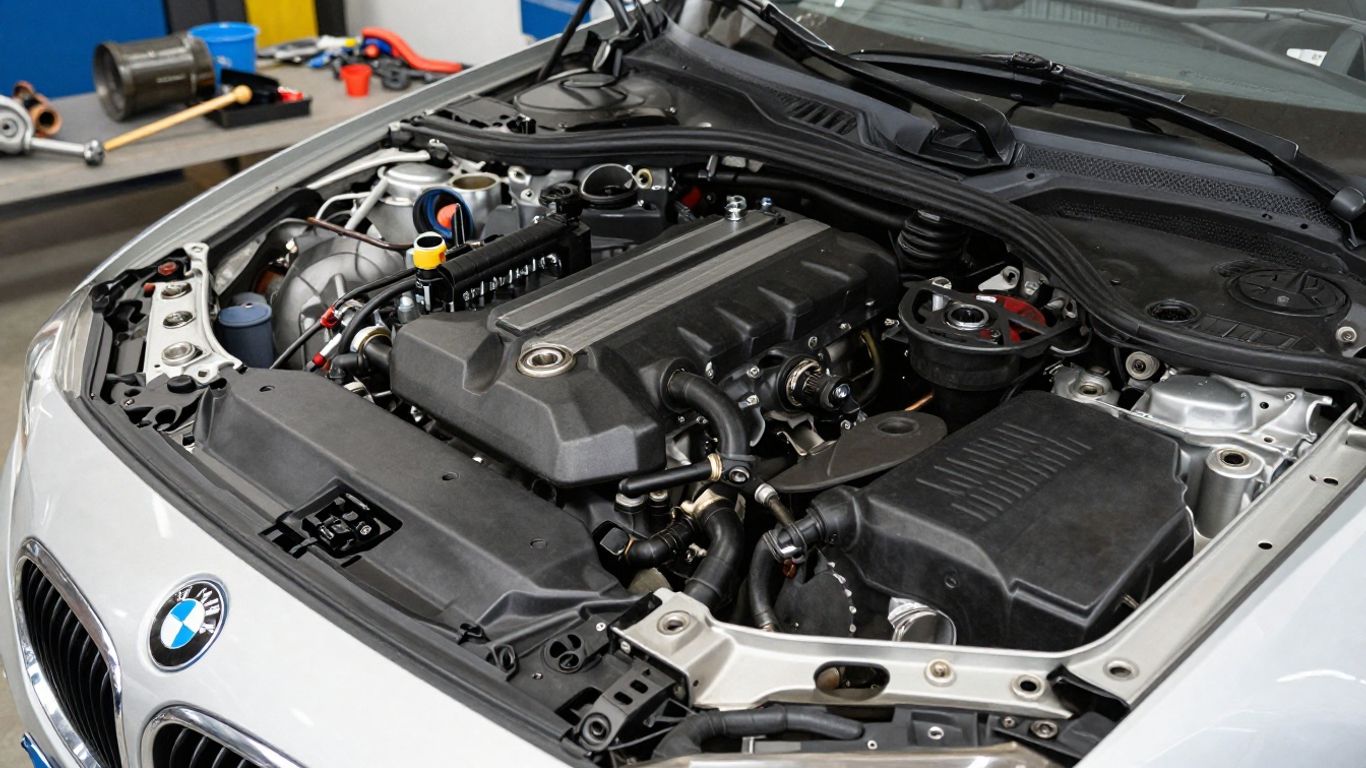
When you’re on the hunt for a second-hand BMW 1 Series engine in Geelong, checking out local used car yards is a solid starting point. Many of these businesses deal with a variety of vehicles and often have engines from cars that have been written off or are being dismantled for parts. It’s worth visiting a few places in person if you can. You might find a gem tucked away, and you can often get a feel for the business by talking to the staff. Always ask about the engine’s history and if there’s any sort of guarantee, even a short one.
Specialist BMW Parts Suppliers
For a more focused approach, consider seeking out businesses that specialize in BMW parts. These places usually have a better understanding of BMW engines and might have a more curated selection of what you’re looking for. They often have mechanics on staff or work closely with them, so they can sometimes offer advice on compatibility or common issues. Finding these specialists might take a bit more digging, perhaps through online searches or asking around at BMW enthusiast forums. They can be a great resource for finding a quality engine for your specific model year.
Online Marketplaces for Engine Components
Don’t discount the power of the internet. Online marketplaces are huge these days, and you can find engines listed from all over. Websites like Gumtree or dedicated auto parts sites often have listings from private sellers and smaller wreckers. It’s a good way to compare prices and see what’s available without leaving your house. Just be extra careful when buying online. Always try to get as much information as possible about the engine, like its mileage and service history. If possible, arrange to inspect it before handing over any cash, or look for sellers who offer some form of buyer protection. You might even find a good deal on Apple CarPlay head units while you’re browsing, though that’s a different kind of car part!
Here are some things to keep in mind when looking online:
- Seller Reputation: Check reviews or feedback if available.
- Detailed Descriptions: Look for listings with lots of photos and clear information.
- Communication: Don’t hesitate to ask the seller lots of questions.
Buying a used engine is a big decision. Taking the time to find a reputable supplier can save you a lot of headaches down the road. It’s better to spend a little more time searching than to end up with a faulty engine that costs more to fix than you saved.
Cost-Effective Engine Replacement Options
Replacing a BMW 1 Series engine doesn’t have to break the bank. When you’re looking at a 2015-2018 model, going for a second-hand engine is often the smartest financial move. It’s all about finding that sweet spot between price and reliability. Getting a good deal means doing your homework, but the savings can be significant.
Budgeting for a Second Hand BMW Engine
First things first, you need a realistic budget. The cost of a used engine can vary a lot. Factors like the engine’s mileage, its condition, and where you buy it from all play a role. Don’t forget to factor in the cost of installation, any necessary parts (like fluids or filters), and potential diagnostic fees. It’s wise to add a little buffer to your budget for unexpected issues. A good rule of thumb is to set aside about 10-15% extra for those "just in case" moments.
Comparing Prices Across Suppliers
Once you have a ballpark figure, start shopping around. Don’t just go with the first place you find. Check out different types of suppliers:
- Local Used Car Yards: These can be convenient, and sometimes you can even see the engine before you buy it. Just be sure they have a good reputation.
- Specialist BMW Parts Suppliers: These guys usually know their stuff when it comes to BMWs. They might have a more curated selection and better knowledge of specific engine codes.
- Online Marketplaces: Websites can offer a huge range of options, often with competitive pricing. However, you need to be extra careful about verifying the seller and the engine’s history.
It’s worth creating a simple spreadsheet to track prices, mileage, warranty details, and seller information. This makes comparing apples to apples much easier.
Factors Influencing Used Engine Costs
So, why do some engines cost more than others? Several things affect the price:
- Mileage: Lower mileage engines generally command higher prices because they’ve seen less wear and tear.
- Engine Code/Variant: Some engine variants are rarer or more in-demand than others, which can drive up the cost.
- Condition and Testing: Engines that have been professionally tested and come with a detailed report will usually cost more than those sold as-is.
- Warranty: A longer or more comprehensive warranty will add to the price, but it offers peace of mind.
- Source: Buying directly from a reputable dealer or specialist is often more expensive than buying from a general salvage yard, but it can reduce risk.
When you’re looking at used engines, especially for a premium brand like BMW, remember that the cheapest option isn’t always the best. Sometimes paying a little more upfront for a tested engine with a warranty can save you a lot of headaches and money down the line. Think about the long-term value, not just the initial price tag.
Consider looking into Apple CarPlay head units if you’re upgrading other parts of your car’s tech while the engine is out. It might be a good time to bundle services or parts if your mechanic offers them.
Ensuring Compatibility and Fitment
So, you’ve found a promising used BMW 1 Series engine for your 2015-2018 model. That’s great! But before you hand over any cash, we absolutely need to talk about making sure it’s the right one. Putting the wrong engine in your car is a recipe for a massive headache and a lot of wasted money. It’s not like swapping out a car stereo, where you might get away with a few minor adjustments. This is the heart of your car, and it needs to be a perfect match.
Identifying the Correct Engine Code
BMW engines have specific codes that tell you exactly what they are. Think of it like a car’s VIN, but just for the engine. You’ll find this code stamped onto the engine block itself, or sometimes on a sticker. For the 1 Series models between 2015 and 2018, you’re likely looking at engines like the B38 (petrol) or B47 (diesel) families, but there are variations within those. For example, a 118i will have a different specific code than a 120i, even if they seem similar. Always double-check this code against your car’s original engine code. You can usually find your car’s engine code in the owner’s manual or on a sticker in the engine bay.
Verifying Engine Model Year Compatibility
Even if the engine code is correct, you need to be sure it’s compatible with your car’s specific model year. Manufacturers sometimes make small changes to engines or their associated electronics from one year to the next. While the 2015-2018 range is relatively consistent for the F20/F21 1 Series, there can be subtle differences, especially with wiring harnesses or sensor locations. A supplier should be able to tell you definitively if an engine is a direct fit for your exact year and model. Don’t be afraid to ask for proof or documentation.
Consulting with Mechanics for Fitment Advice
If you’re not a car whiz yourself, this is where a trusted mechanic comes in. Before you even commit to buying, take the details of the engine you’re considering to your mechanic. They can help you decipher the engine codes, understand potential compatibility issues, and even advise on whether the engine looks like a good prospect based on its description or photos. They might also know of reliable local suppliers or have experience fitting used engines themselves. Getting a professional opinion upfront can save you a lot of trouble down the line. You can also ask them about Apple CarPlay head units if you’re thinking about other upgrades while the car is in the shop.
Here’s a quick checklist to run through:
- Engine Code Match: Does the code on the used engine exactly match your car’s original code?
- Model Year: Is the engine from a vehicle within the same generation and ideally the same model year range?
- Vehicle Specifics: Does the seller confirm it came from a 1 Series BMW of the correct type (e.g., hatchback, coupe)?
- Visual Inspection (if possible): Do the mounting points, exhaust manifold, and intake look similar to your current engine?
Getting the compatibility right from the start is way more important than saving a few bucks on a slightly cheaper, but incorrect, engine. It’s the difference between a smooth repair and a costly mistake that could leave your car undrivable for weeks.
Post-Purchase Considerations for Your Engine
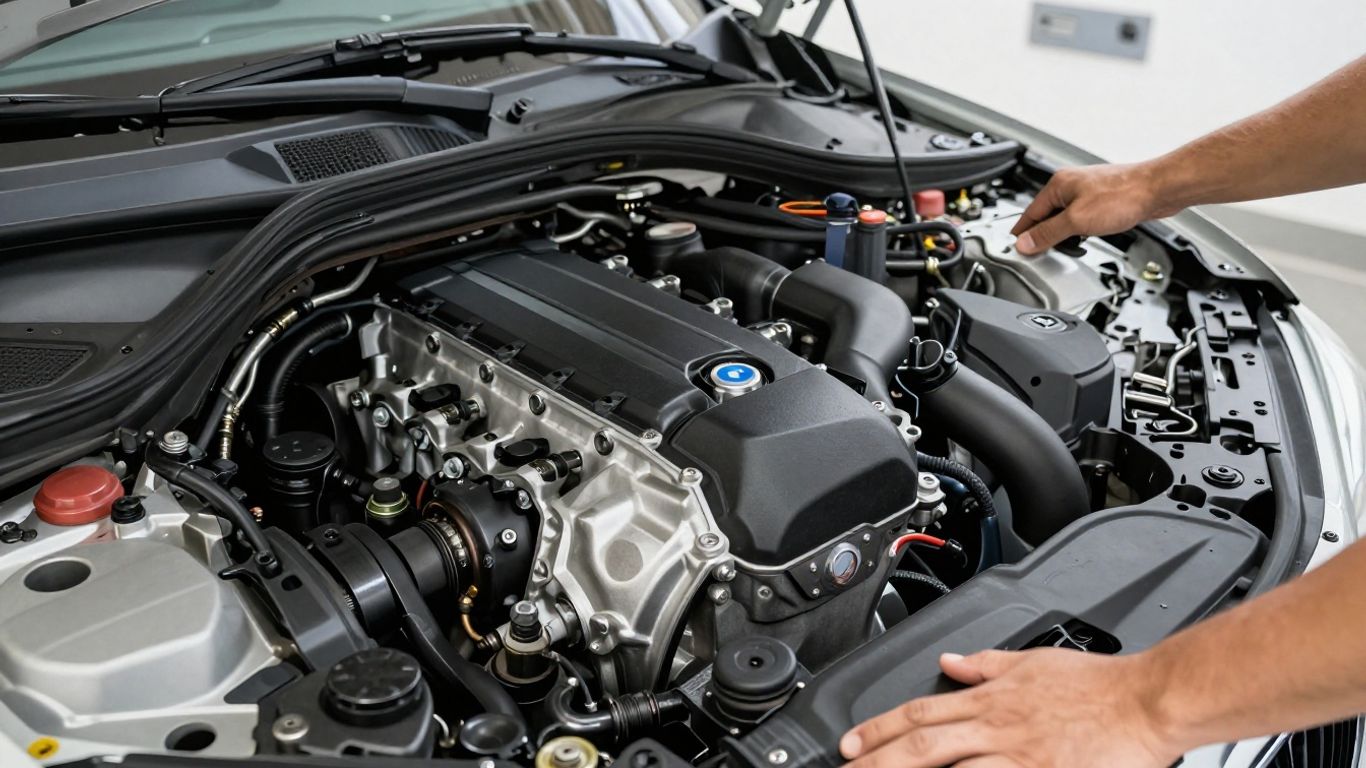
So, you’ve found a replacement engine for your BMW 1 Series, likely a 2015-2018 model, and it’s sitting in your garage or workshop. That’s a big step! But the job isn’t quite done yet. There are a few important things to think about before you fire it up and hit the road.
Warranty Options for Used Engines
First off, let’s talk about warranties. When you buy a used engine, the warranty situation can vary a lot. Some suppliers might offer a short, basic warranty, maybe 30 to 90 days, just to cover immediate issues. Others might not offer anything at all. It’s really important to get the details of any warranty in writing before you hand over your cash. This could save you a massive headache down the line if something goes wrong shortly after installation.
- Basic Warranty: Covers major component failure within a short period.
- Extended Warranty: Some specialist suppliers might offer longer coverage for an extra cost.
- No Warranty: Be prepared for this possibility, especially with private sales.
Installation and Testing Procedures
Getting the engine installed is obviously a big job. If you’re not a seasoned mechanic, it’s probably best to have a professional do it. They’ll know the ins and outs of fitting it correctly and hooking up all the necessary systems. After installation, proper testing is key. This isn’t just about starting it up and driving off. It involves checking fluid levels, monitoring for leaks, and listening for any unusual noises. A good mechanic will perform a series of checks to make sure everything is running smoothly and safely. You might want to look into performance upgrades for your BMW 1-Series once the new engine is settled in, but focus on getting it running right first.
Maintaining Your Replacement BMW Engine
Once your BMW 1 Series is back on the road with its new heart, you’ll want to keep it running well. Regular maintenance is just as important, if not more so, for a used engine. Stick to the recommended service intervals for oil changes, filter replacements, and coolant flushes. Keep an eye on your dashboard for any warning lights. Paying attention to these things can help you catch potential problems early, before they turn into expensive repairs. It’s also a good idea to keep records of all maintenance performed on the replacement engine, just like you would for any vehicle. This can be helpful for future reference and might even add value if you decide to sell the car later. Remember, even a great used engine needs proper care to last. If you’re still in the market for a used 1 Series, checking its history is a good idea, as outlined in this guide to buying a used BMW 1 Series.
Taking the time to understand your warranty, ensuring a professional installation, and committing to a regular maintenance schedule are the best ways to get the most out of your second-hand engine purchase.
Wrapping It Up
So, if you’re in Geelong and need a replacement engine for your BMW 1 Series from the 2015-2018 range, don’t stress too much. It might take a bit of looking around, but there are definitely options out there. Checking with local mechanics or specialized BMW parts suppliers is a good start. Sometimes, you might find a decent used engine from a wrecking yard or a private seller, but always make sure you get as much info as possible about its history. Getting a warranty, even a short one, is always a smart move if you can. It’s not always easy finding the exact part you need, but with a little persistence, you can get your BMW back on the road without completely emptying your wallet.
Frequently Asked Questions
Where can I find a used BMW 1 Series engine in Geelong?
You can look for used BMW 1 Series engines at local car wreckers, specialized BMW parts dealers, or online marketplaces. Sometimes, regular used car dealerships might also have engines available if they’ve taken in a car for parts.
What should I check before buying a second-hand BMW engine?
It’s super important to check the engine’s history, like its mileage and any past repairs. Ask for service records if possible. Also, look for any obvious signs of damage or leaks.
How do I know if a used engine will fit my BMW 1 Series?
You’ll need to find the exact engine code for your car. This code tells you the specific type of engine. Always double-check that the engine you’re buying matches this code and is from a similar model year.
Is it cheaper to buy a used engine than a new one?
Generally, yes. Buying a used engine is usually much more affordable than getting a brand-new one. However, the price can change depending on the engine’s condition, mileage, and where you buy it from.
Can I get a warranty on a used BMW engine?
Many sellers offer some kind of warranty on used engines, but the length and coverage can vary a lot. Always ask about the warranty details before you buy to understand what’s covered if something goes wrong.
What’s the best way to make sure the used engine is in good shape?
Ask for proof of its condition, like service history or a recent inspection report. If possible, have a trusted mechanic check it out before you purchase it. They can spot potential problems you might miss.