
Getting a new engine for your boat doesn’t have to cost a fortune. We know that finding cheap engines delivered Australia-wide is a big deal for a lot of folks. Whether you’re looking for an outboard to get out on the water or a sturdy stationary engine for a project, there are plenty of smart ways to get good value. This guide is all about helping you figure out what really matters when you’re shopping for an affordable motor, so you can spend less time worrying about the price tag and more time enjoying your boat or getting your work done.
Key Takeaways
- Focus on total motor value, not just the initial price. Consider running costs and long-term reliability.
- Match engine horsepower and shaft length to your specific boat and planned use to avoid overspending or underperforming.
- Newer, affordable brands like Hidea Outboards offer great value by using proven designs and efficient manufacturing.
- Regular DIY maintenance, like freshwater flushing and checking the propeller and fuel lines, is key to engine longevity.
- Confirm warranty details, service network availability, and spare parts accessibility in Australia before buying any engine.
Understanding Value In Affordable Engines
When you’re looking for a new engine, especially for your boat, it’s easy to get caught up in just the price tag. But honestly, the cheapest option upfront isn’t always the best deal in the long run. We need to think about what ‘value’ really means. It’s not just about how much you pay today; it’s about what you get for your money over the entire time you own the engine.
Defining Total Motor Value
So, what makes an engine a good buy? It really comes down to a few key things working together. You’ve got the initial cost, of course, but then you also have to consider how much it costs to run and how long it’s going to last without causing you headaches. A motor that’s cheap to buy but guzzles fuel or breaks down all the time? That’s not good value at all. It’s about finding that sweet spot where all these parts balance out.
Here’s a simple way to look at it:
- Purchase Price: What you pay when you first buy it.
- Running Costs: Things like fuel consumption, oil, and regular servicing.
- Reliability & Longevity: How often it needs repairs and how many years it’s expected to perform well.
Balancing Purchase Price and Running Costs
Think about it like buying a car. You might find a super cheap car, but if it costs a fortune in petrol and needs new parts every few months, you’ll end up spending more than if you’d bought a slightly more expensive, more fuel-efficient model to begin with. The same applies to boat engines. An engine that uses less fuel will save you money every time you head out on the water. And if it’s built well, you won’t be spending your weekends at the mechanic’s shop.
The real affordability of an engine isn’t just in its sticker price. It’s a combination of what you pay initially, what you spend keeping it running, and how dependable it is over the years. A smart buyer looks at the whole picture, not just the first number they see.
The Importance of Reliability Over Time
This is a big one, especially here in Australia where we love getting out on the water. Nobody wants their engine to conk out when they’re miles from shore. An engine that’s known for being reliable means less stress and more time actually enjoying your boat. Brands that focus on solid engineering, even at a lower price point, often end up being the most cost-effective choice because they just keep going. You’re investing in peace of mind and uninterrupted adventures.
Choosing The Right Engine For Your Needs
So, you’re in the market for a new outboard motor, huh? It can feel a bit overwhelming with all the different specs and options out there, especially when you’re trying to keep costs down. But honestly, it’s not that complicated once you break it down. Think of it like picking out a tool for a specific job – you wouldn’t use a tiny screwdriver to hammer a nail, right? Your boat and how you plan to use it are the main things to consider. A little dinghy for calm lakes needs a totally different kind of power than a boat you’ll take out on the open sea.
Matching Horsepower To Your Boat
Horsepower, or HP, is probably the first thing people look at. It’s basically a measure of how much grunt the engine has. More HP usually means more speed and the ability to carry heavier loads. But here’s the thing: bigger isn’t always better, and it’s definitely not always necessary. Every boat has a maximum HP rating, usually found on a sticker or plate on the transom. You absolutely must not go over this limit. It’s there for safety reasons, plain and simple. Putting too much power on a small boat can make it unstable and dangerous to handle.
Understanding Shaft Length Requirements
This is one of those specs that people often overlook, but it’s super important for how your boat performs. Shaft length is the distance from where the motor clamps onto the boat down to the anti-ventilation plate, which is that flat bit just above the propeller. Getting this right is key.
Here’s a quick rundown:
- Short Shaft (around 15 inches): Best for smaller boats with low transoms, like inflatable tenders or small aluminum boats.
- Long Shaft (around 20 inches): This is the most common size and works well for many standard-sized boats with higher transoms.
- Extra Long Shaft (around 25 inches): Typically used for larger offshore boats or specialized vessels that sit higher in the water.
If your shaft is too short, the propeller can suck in air, causing it to lose grip and your boat to lose power. If it’s too long, it just creates extra drag in the water, slowing you down and making your engine work harder, which wastes fuel.
Two-Stroke Versus Four-Stroke Considerations
This is a classic debate in the outboard world. Both two-stroke and four-stroke engines have their place, especially when you’re looking at affordable options.
| Feature | Two-Stroke Motor | Four-Stroke Motor |
|---|---|---|
| Simplicity & Weight | Lighter, fewer parts, often easier to fix. | Heavier, more complex, like a car engine. |
| Acceleration | Quick, punchy acceleration from a standstill. | Smoother, more consistent power delivery. |
| Fuel & Oil | You mix oil with the gas. | Separate oil and gas systems, like a car. |
| Noise & Emissions | Louder, more smoke, higher emissions. | Quieter, cleaner, better on fuel. |
| Initial Cost | Often cheaper to buy upfront. | Usually costs more to buy initially. |
For budget-conscious buyers, two-strokes often win on initial price. They’re simpler and lighter, which can be a big plus. However, four-strokes are generally more fuel-efficient, quieter, and produce fewer emissions. If you plan on doing a lot of trolling or running for long periods, a four-stroke might save you money on fuel in the long run. It really comes down to what you value most – upfront savings or long-term running costs and comfort.
Navigating Engine Specifications
Choosing an affordable outboard motor can feel like trying to learn a new language. You’ll hear terms like horsepower, shaft length, and stroke types thrown around, and it’s easy to get lost in the jargon. But once you get the hang of it, you’ll be able to pick the perfect engine for your boat with total confidence. Think of it like matching the right tool to the right job—you wouldn’t use a sledgehammer to hang a picture frame, would you? The motor you need depends entirely on your boat and how you plan to use it. A small inflatable for quiet fishing trips in a calm estuary needs a completely different engine than a larger boat built for family outings on a coastal bay. Getting these key specifications right is the first step to making a smart purchase.
Decoding Horsepower Ratings
Horsepower (HP) is the spec everyone knows. It’s a simple measure of the motor’s raw power, and a higher HP generally means more speed and a greater carrying capacity. But bigger isn’t always better. Your boat has a maximum horsepower rating, which you can find on its compliance plate. You should never, ever exceed this limit for safety reasons. Exceeding the recommended horsepower can lead to dangerous handling characteristics and put undue stress on your boat’s hull. It’s a non-negotiable safety rule that keeps you and your passengers safe on the water. For a deeper dive into engine mechanics, this comprehensive textbook offers in-depth information on the operational theory, diagnosis, repair, and rebuilding of automotive engines [b6eb].
The Crucial Role Of Shaft Length
Shaft length is just as important as horsepower. This is the distance from the motor’s mounting bracket down to the cavitation plate (that flat plate just above the propeller). It’s vital to match this to your boat’s transom height. If the shaft is too short, the propeller might not be fully submerged, leading to cavitation and loss of thrust. Too long, and the engine might sit too low, causing drag and potential water ingestion into the powerhead. Here’s a quick guide:
- Short Shaft: Typically for boats with a transom height of around 15 inches.
- Long Shaft: Usually for transoms around 20 inches.
- Extra Long Shaft: For transoms approximately 25 inches or more.
Always measure your transom height accurately before you buy.
Understanding Engine Stroke Types
Outboard motors come in two main types: two-stroke and four-stroke. Each has its own set of advantages and disadvantages, especially when considering affordability and maintenance.
- Two-Stroke: These engines are generally lighter, simpler in design, and often less expensive to purchase upfront. They mix oil with the fuel, which means they burn oil during operation. While they offer good power for their weight, they can be less fuel-efficient and produce more emissions than four-strokes. They’re often found on smaller, older, or more basic engine models.
- Four-Stroke: These engines operate more like a car engine, with separate oil for lubrication. They are typically more fuel-efficient, quieter, and produce fewer emissions. While they might have a higher initial cost and be heavier, they often offer smoother operation and better long-term running economy. Many modern affordable outboards are now four-stroke.
The choice between two-stroke and four-stroke often comes down to your budget, how you plan to use the boat, and your priorities regarding fuel economy and environmental impact. For many users, the benefits of a four-stroke engine, like quieter operation and better fuel use, outweigh the slightly higher purchase price, especially when considering the total cost of ownership over several years.
Exploring Your Engine Options
So, you’re on the hunt for a new outboard, and the price tag on some of those big names makes your eyes water. Totally get it. But here’s the thing: you don’t always need to break the bank to get a solid engine that’ll get you where you want to go. There are some seriously good options out there that offer a lot of bang for your buck.
New Affordable Motors Versus Used Premium Brands
When you’re looking at engines, it often comes down to a choice: go for a brand-new motor from a more budget-friendly manufacturer, or try your luck with a used engine from a well-known, premium brand. Both have their upsides and downsides, and what’s right for you really depends on your situation and how much risk you’re willing to take.
- New Affordable Brands: These motors are built with value in mind. They might not have all the bells and whistles of a top-tier engine, but they’re designed to be reliable for everyday use. Plus, you get that peace of mind that comes with a new product and a fresh warranty. Think of brands that have really stepped up their game in recent years, offering dependable performance without the hefty price tag.
- Used Premium Brands: Buying a used engine from a big name can seem like a smart move. You’re getting the reputation and engineering of a trusted brand. However, with used engines, you’re also buying someone else’s history. You need to be extra careful about how it was maintained, how many hours it’s got on the clock, and what condition it’s really in. A good deal can quickly turn sour if you end up with a lemon.
The Rise Of High-Value Challenger Brands
It’s not just about the old guard anymore. A bunch of newer brands have popped up, and they’re really shaking things up. These companies are focused on giving boaters a great alternative – engines that perform well and last, but at a price that makes sense. They’ve figured out how to build good quality without all the overheads that drive up costs for the established players. These challenger brands are often the sweet spot for value-conscious buyers. They’re worth a serious look.
Comparing Top Affordable Outboard Brands
When you’re comparing, it’s not just about the sticker price. You’ve got to look at what you’re actually getting. Here’s a quick rundown of what to consider:
| Feature | Brand A (Affordable) | Brand B (Challenger) | Brand C (Used Premium) |
|---|---|---|---|
| Initial Cost | Low | Medium | Variable (Potentially High) |
| Warranty | Standard | Competitive | Often Limited/None |
| Parts Availability | Good (Australia) | Improving (Australia) | Can be Difficult |
| Known Reliability | Good | Very Good | Varies Greatly |
| Latest Tech | Basic | Modern | Can be Outdated |
Remember, a good warranty and easy access to spare parts in Australia can save you a lot of headaches and money down the line. Don’t overlook these factors when you’re making your choice. It’s all about finding that engine that fits your budget and your boating style.
Ensuring Long-Term Engine Performance
So you’ve snagged a great deal on an engine, awesome! But how do you keep that affordable power running strong for years to come? It really boils down to a few simple habits. Think of it like taking care of a trusty tool; a little attention means it won’t let you down when you need it most. It’s not about fancy mechanics, just being a bit mindful after you’ve used it.
Essential DIY Maintenance Tasks
Getting into a routine with a few basic checks after each use is key. These aren’t complicated jobs, just things you can do yourself without needing a special workshop. It’s about being proactive, catching little things before they turn into big headaches.
- Freshwater Flush: This is a big one, especially if you’re using your engine in saltwater. Always run fresh water through the cooling system after every trip. Salt is nasty stuff and will eat away at your engine if you let it sit.
- Propeller Check: Before you even think about heading out, give the propeller a quick look. See any nicks, bends, or fishing line wrapped around it? These can mess with performance and even cause damage.
- Fuel Line Inspection: Take a peek at your fuel lines. Are they looking cracked or stiff? A bad fuel line can cause all sorts of problems, from poor running to a dangerous leak.
A little bit of regular care can save you a lot of money and hassle down the track. It’s way better to spend a few minutes cleaning and checking than to be stuck on the water waiting for a tow.
The Benefits Of Freshwater Flushing
Seriously, don’t skip this step. Flushing your engine with fresh water after every saltwater outing is probably the single most important thing you can do. Saltwater is corrosive. If it dries inside your engine’s cooling passages, it leaves behind salt deposits that can clog things up and lead to overheating. Fresh water washes all that out, keeping the cooling system clear and working like it should. It’s a simple step that dramatically extends the life of your engine.
Regular Propeller And Fuel System Checks
Your propeller is what actually pushes you through the water, so it needs to be in good shape. A damaged prop can make your engine work harder than it needs to, wasting fuel and potentially causing vibrations that can harm other parts. Keep an eye out for anything that looks out of the ordinary. Similarly, your fuel system needs to be clean and leak-free. Old fuel can gum up the works, and leaky lines are a safety hazard. Making sure your fuel lines are supple and not cracked, and that your fuel is fresh, keeps everything running smoothly and safely.
Making Your Purchase Confident
Alright, so you’ve found an engine that looks like a good deal. Awesome! But before you hand over your hard-earned cash, let’s talk about making sure you’re not going to regret it later. Buying anything, especially something as important as an engine, can feel a bit like a gamble if you’re not careful. We want to turn that gamble into a sure thing.
Key Questions For Any Seller
No matter if you’re buying from a big dealer or a private seller online, having a list of questions ready is your best friend. It helps you cut through the fluff and get to what really matters. A good seller will be happy to answer these, no problem.
- What’s the warranty situation? Get the full details in writing. For affordable brands, a solid manufacturer’s warranty is a big deal. Know exactly what’s covered and for how long.
- Where can I get it serviced? This is a big one. Find out where the nearest authorized service centers are. You don’t want to be driving for hours just for a basic check-up.
- Are spare parts easy to get here in Australia? A great price means nothing if you’re stuck waiting weeks for a simple part to arrive from overseas. Confirm local availability.
Warranty Confirmation And Service Networks
When you’re looking at an engine, especially one that’s new but from a less common brand, the warranty is super important. It’s basically the seller’s promise that the engine is built well. Don’t just take their word for it; ask for the warranty papers. Also, think about the future. If something does go wrong, where are you going to take it? A wide service network means you’re not stranded if you need a fix.
Buying an engine isn’t just about the initial price tag. You’ve got to consider the long game. What happens if it breaks down? How easy is it to find someone who can fix it, and can they even get the parts? Thinking about these things now saves a massive headache down the road.
Spare Parts Availability In Australia
This is something people often forget until it’s too late. Imagine your engine needs a new impeller, and you find out the only place to get one is a special order from halfway around the world. That’s not ideal. Always check if the common wear-and-tear parts, like filters, spark plugs, and water pump parts, are readily stocked by sellers or distributors right here in Australia. This makes routine maintenance and unexpected repairs so much simpler and quicker.
Reliable Stationary Engines For Australian Needs
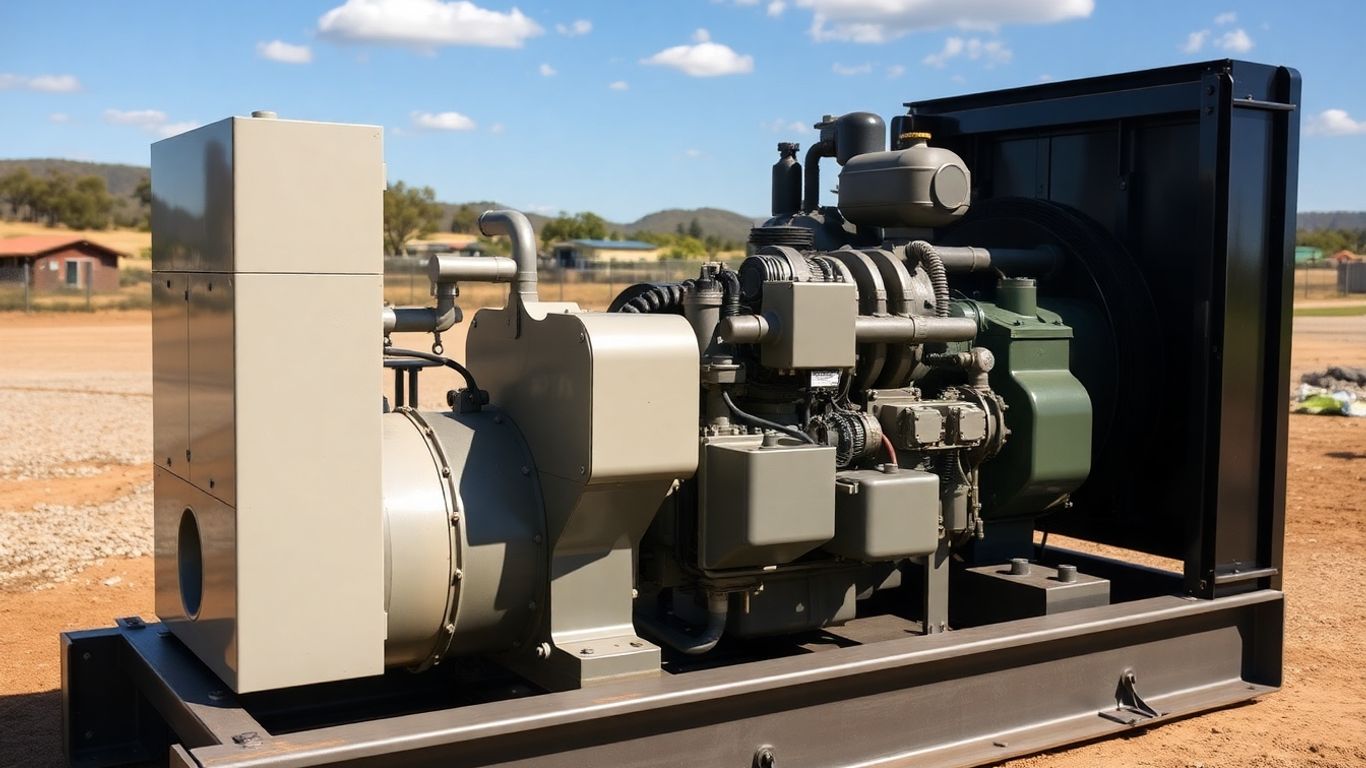
When you’re looking for an engine that’s built to stay put and do a job, stationary engines are the way to go. These aren’t the motors you’ll find on a boat or a car; they’re designed to power equipment that stays in one place. Think about water pumps for your farm, generators that keep the lights on during a blackout, or even equipment used in construction and agriculture. They’re the workhorses of fixed machinery.
Versatile Applications For Stationary Power
Stationary engines are incredibly adaptable. You can find them powering:
- Agricultural equipment: Like water pumps, feed mixers, or even old-school sawmills.
- Generators: Providing backup power or primary electricity in remote locations.
- Industrial machinery: Driving compressors, conveyors, or other factory equipment.
- Domestic tools: Powering things like pressure washers or larger garden equipment.
Basically, if you have a piece of machinery that needs consistent power and doesn’t move, a stationary engine is likely involved.
Understanding What A Stationary Engine Is
A stationary engine is, quite simply, an engine that’s bolted down. It’s not designed for mobility itself. Instead, its purpose is to provide rotational power to another piece of equipment. This could be anything from a small pump to a large industrial fan. They come in various sizes and power outputs, so picking the right one depends entirely on what you need it to do. You’ll often see them running on petrol or diesel, and they can be quite robust.
The key difference between a stationary engine and, say, an outboard motor is its intended use. One is fixed in place to power machinery, while the other is designed to propel a vessel through water. This fundamental difference dictates their design, features, and how you’ll use them.
Sourcing Engines With Australian Warranty
Buying any engine, especially one you’re relying on for work or essential power, means you want peace of mind. That’s where an Australian warranty comes in. It means if something goes wrong, you’ve got local support. When looking for stationary engines, check that the supplier offers a solid warranty and has a good reputation for after-sales service. It’s also handy if they can ship parts across the country, because getting your hands on engine and motor parts delivered reliably is important when you need to get things running again quickly. Many suppliers offer engines with a 12-month warranty, which is a good starting point for most applications.
Wrapping It Up
So, getting a new engine delivered across Australia doesn’t have to be a headache or break the bank. We’ve looked at how to figure out what you really need, whether it’s for a boat or something stationary, and how brands are making good quality power more accessible. Remember to think about the total value, not just the price tag, and keep up with simple maintenance. With a bit of smart shopping and a little care, you’ll have reliable power running for years to come. Happy boating, or whatever project you’re powering up!
Frequently Asked Questions
What does ‘total motor value’ mean when buying a cheap engine?
Total motor value isn’t just about the price tag. It’s about balancing how much you pay upfront with how much it costs to run (like fuel and upkeep) and how long it lasts without breaking down. A cheap engine that uses a lot of fuel or needs constant repairs isn’t good value in the long run.
Do I really need a powerful engine for my small boat?
Probably not! Just like you wouldn’t use a race car for a trip to the shops, you don’t need a super-powerful engine for a small boat. Always check your boat’s ‘compliance plate’ to see the maximum horsepower it can handle safely. For most small boats, a smaller engine is enough and saves you fuel.
Are newer, cheaper outboard motor brands like Hidea reliable?
Yes, they really are! Brands like Hidea use proven designs and make their engines efficiently, which helps keep costs down. When bought from an official seller in Australia, they come with warranties and support, making them a dependable choice for many boaters.
Is it better to buy a new affordable engine or a used engine from a fancy brand?
For most people, a new affordable engine is a safer bet. It comes with a full warranty, so you know exactly what you’re getting. A used engine, even from a top brand, has a history you don’t know and might need expensive repairs soon after you buy it.
What’s the most important maintenance I can do myself?
The most important thing is to flush your engine with fresh water after every use in saltwater. Salt can cause serious damage over time if it’s left inside the engine’s cooling system. Also, give your propeller a quick look for any damage before you go out.
What should I ask a seller before buying an engine?
You should ask about the warranty details – what’s covered and for how long. Also, find out where you can get it serviced nearby and if spare parts are easy to get here in Australia. This ensures you’ll get help if you need it.