
Key Takeaways
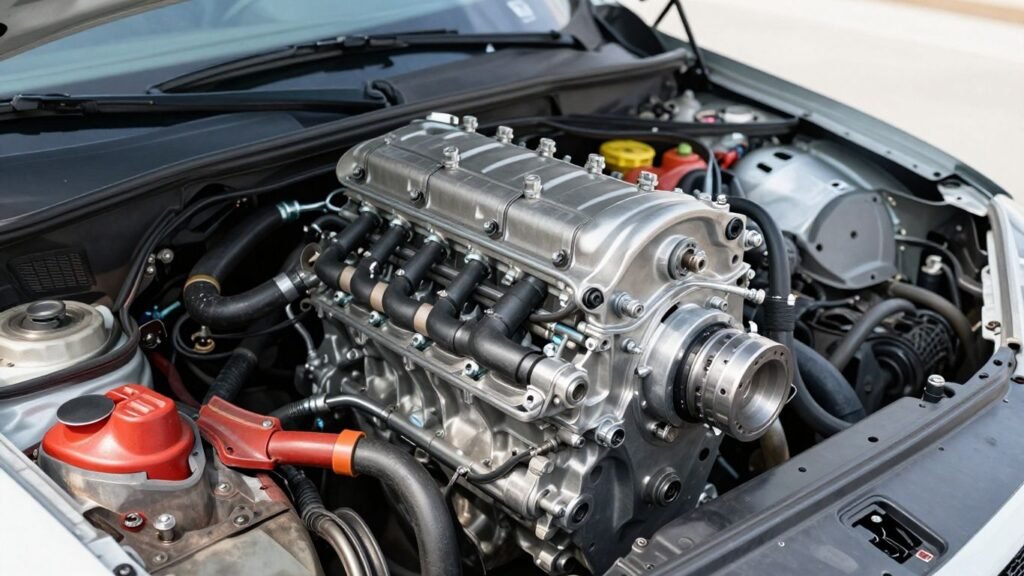
Finding the right heart for your car is a process that requires patience and precision. Here are the most essential things to remember when replacing an engine.
- Always verify your VIN and engine code before committing to a purchase.
- Compression tests act as the gold standard for verifying internal health.
- Professional recyclers often provide significantly better documentation than casual salvage yards.
- Expecting to pay for professional installation is safer than assuming a DIY success story.
- Thoroughly review warranty terms to ensure you understand coverage limitations for labor.
Determining your specific engine needs
Finding the correct power plant for your vehicle requires a methodical approach that prioritizes compatibility over price. Rushing into a purchase without verifying the technical specifics often leads to expensive headaches during the swap process. By focusing on the unique identifiers of your chassis, you can narrow down the search to components that are truly compatible with your existing systems.
Identifying your vehicle identification number (VIN)
Your VIN is essentially an encyclopedia for your vehicle’s architecture, providing the precise specs needed for a match. When you strip away the trim and cosmetic extras, the engine remains tied to a specific build sequence. A quick lookup of your VIN ensures you avoid buying a unit that lacks the correct wiring harness or emission sensors. You will find that Monster Junkyard provides a vast range of options that support various model years, which can be helpful if you are working with an older, discontinued series.
Matching engine codes to your specific chassis
Engine codes aren’t just strings of letters and numbers; they are the definitive key to internal timing and intake manifold differences. Even within the same model year, one engine might feature minor sensor updates that prevent it from communicating correctly with your current ECU. Always compare the engine code stamped on the block with the one currently in your vehicle to ensure the electrical systems remain functional.
Distinguishing between long block and short block configurations
Deciding between buying a long block or a short block depends heavily on the state of your original engine’s accessories. A long block typically includes the cylinder heads and valvetrain, whereas a short block leaves the heads and timing components out, requiring you to transfer them yourself. Keep in mind that for specific diesel applications, Adelman’s provides engines that are often sold complete, skipping the need for an exchange and minimizing the rebuild work required in your shop.
Assessing the condition of used Mercedes engines
Making a safe purchase relies entirely on your ability to read the signs of wear left by previous owners. It is crucial to be skeptical of any unit that lacks documentation or clear evidence of its operating environment, as the risk of catastrophic failure increases with age. Take your time to request proof of past performance before moving forward with any high-stakes mechanical decision.
Checking for cylinder compression and oil pressure
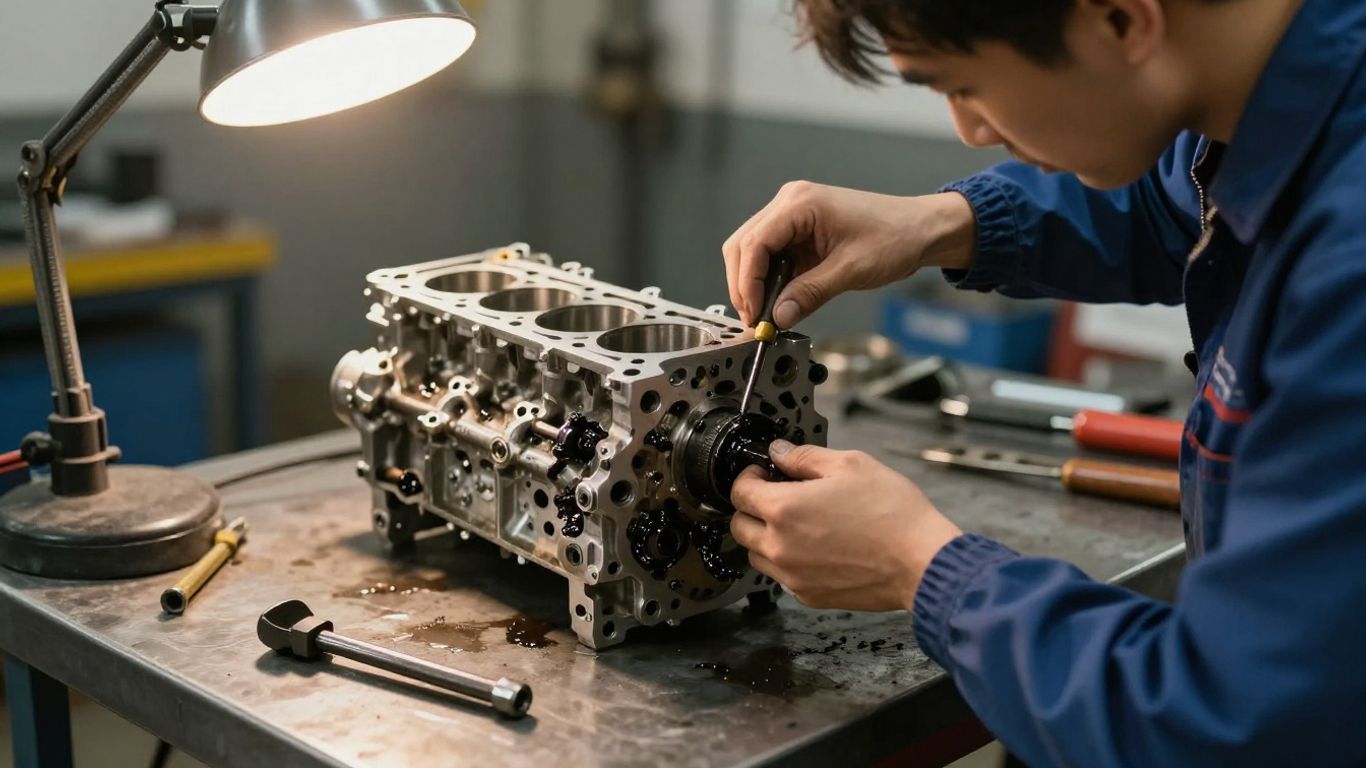
Internal pressure readings provide the most transparent window into an engine’s mechanical longevity. If an engine fails to maintain compression across every cylinder, it indicates a high probability of ring wear or exhaust valve failure. A steady oil pressure gauge is equally vital, as it confirms that the oil pump is circulating fluid effectively without starving the crank bearings.
Analyzing the engine’s service and maintenance history
Detailed service records allow you to gauge if the vehicle was treated as a tool or a luxury asset. Ask for documentation regarding oil change intervals, as neglect here often results in thick sludge buildup that is difficult to clear internally. Reliable sellers will often have records of the engine’s last scheduled service, confirming it was still operating correctly before the vehicle was decommissioned.
Inspecting for external signs of leaks or corrosion
Look for staining around the head gaskets, valve covers, and oil pans, as these tell you where the oil has been forced out under pressure. While minor cosmetic corrosion is common in winter states, deep pitting on transmission mating surfaces or engine mounts should be considered a massive red flag. Focusing on these areas will save you precious time and unexpected repair costs later down the line.
Evaluating the impact of mileage versus engine age
High mileage is not always the enemy, especially if the engine has been running continuously without long periods of inactivity. An older, low-mileage engine can sometimes suffer more from dried-out rubber seals and brittle plastic connections compared to a well-maintained, high-mileage unit. Always prioritize a well-documented service cycle over a lower number on the odometer.
Sourcing reliable supply chains
Finding a trustworthy vendor is perhaps the most difficult part of buying Mercedes used engines because of the complexity involved in modern automotive logistics. You want to work with partners who view their inventory as a engineered asset rather than just scrap metal. Using established distributors often provides more transparency regarding the history and current state of the components you are buying.
Benefits of professional auto recyclers versus salvage yards
Recyclers tend to catalog parts with much higher detail than typical local salvage yards. They often provide real-time testing results and have systems in place to audit the quality of their stock.
| Source Type | Testing Frequency | Documentation Level | Typical Reliability |
|---|---|---|---|
| Professional Recycler | Always | High | Excellent |
| Standard Salvage Yard | Rare | Low | Questionable |
| Private Online Sale | Occasional | Variable | Risky |
The table above highlights the shift in reliability you should expect between organized industry leaders and random secondary market sources. Relying on professional recyclers significantly reduces the odds of being left with a non-functional unit.
Risks and rewards of purchasing from private sellers
Private sellers might offer a lower price, but you lose the layers of security and warranty support provided by bigger companies. Often, a private purchase is sold as-is, meaning once it arrives at your shop, any mechanical issues discovered later are yours alone to settle. This creates an environment where you are truly on your own if the engine fails during the first startup.
Vetting suppliers through industry certifications
Look for sellers that operate with certified quality management standards, as these organizations typically follow strict testing protocols for their inventory. These certifications prove that the distributor cares about the specific operational outcomes of the parts they sell. You can often see a commitment to quality in the after-sales support provided, which is essential if you hit a snag during the installation phase.
Locating reputable nationwide engine distributors
Distributors who specialize in European import engines know the nuances that generalist yards often miss. When you work with Mercedes-Benz Used Parts & Services, you can leverage ongoing engine campaigns that make high-quality replacement parts much more accessible. These resources often provide codes that help balance the cost of parts and freight, ensuring that you get a reliable engine without wrecking your budget.
Navigating warranties and return policies
Reading the fine print is a non-negotiable step before confirming any transaction, regardless of how reputable the supplier appears to be. A good warranty covers more than just the cost of the hardware; it should ideally cover some portion of the labor or at least provide an easy replacement process if the engine is found to be defective shortly after installation.

Understanding parts-only versus labor-included warranty coverage
Many vendors offer "parts-only" agreements, which mean if the engine fails, they will send a new one, but you are still responsible for the cost of paying a shop to swap it again. A labor-included policy is much more valuable when the installation itself is a complex, time-consuming job. Never assume labor is covered unless it is explicitly stated in the contract.
Common limitations and exclusions in used engine agreements
Most used engine agreements come with a list of conditions you must satisfy to keep the warranty active. Falling short of these specific, non-negotiable requirements can void your protection immediately. Be aware that the following variables often void your coverage:
- Installation by an unlicensed or non-certified technician.
- Failure to replace external sensors mentioned in the manual.
- Using aftermarket cooling fluids that do not meet OEM specs.
- Running the engine without proof of a new timing component set.
These limitations exist because the seller needs to verify the engine was handled correctly from the moment it arrived. Ignoring these steps gives the supplier valid grounds to reject your claim.
Essential documentation required to uphold your warranty status
Keep a physical copy of every invoice, technician report, and fluid receipt you generate during the installation process. Should you need to file a claim, this paper trail is the only way to demonstrate that the installation met the required technical standards. Digital photos of the engine bay before and after the swap can also serve as powerful evidence of your due diligence should a dispute arise.
Logistics of shipping and delivery
Moving a multi-hundred-pound engine requires more planning than ordering a set of brakes or a new exhaust tip. Freight companies often treat large engines as industrial cargo, and without the right equipment, getting that unit off the truck can be a logistical nightmare. Properly preparing your delivery area ensures the engine does not suffer damage before it even enters your garage.
Preparing your workshop for heavy freight arrival
Commercial freight delivery usually requires you to have a loading dock or at least a fork lift available on-site. If you are operating from a residential garage, you must inform the supplier, as they may need to arrange for a truck with a liftgate. Failing to disclose your site’s limitations can lead to the freight company charging you large extra fees just to get the engine off the vehicle safely.
Comparing the costs of professional freight versus local pickup
Sometimes, picking up the engine in person is significantly cheaper and safer than paying for industrial freight. If you have access to a heavy-duty trailer and a safe way to secure the engine, this prevents the risk of the unit being dropped or mishandled during intermediate sorting in a freight warehouse. However, if you are looking to simplify your life, paying for a professional delivery service is often the best choice.
Proper storage techniques to prevent degradation before installation
If the engine is destined for a project that will take weeks or months, you have to store it properly to prevent internal oxidation. Keep it covered in a cool, dry environment, preferably on a sturdy metal stand that keeps the oil pan off the cooling concrete floor. It is often wise to keep all intake and exhaust openings sealed with heavy-duty tape or plastic covers to stop moisture and dust from settling into the cylinder bores.
Technical considerations for installation
Technically speaking, this stage is where the success of your purchase is truly tested. It is not just about mounting the engine, but about integrating it into your existing chassis with the precision the manufacturer intended. If you are struggling with the process, having a solid Brisbane MSP on standby for IT-related diagnostic tools can make troubleshooting electrical issues much easier.
Comparing professional shop installation versus DIY projects
Installing an engine in a driveway is a serious undertaking that involves more than just a ratchet set and a dream. Professional shops have the right diagnostic interfaces and lift equipment to ensure the job is done by the manual, which is crucial for retaining your warranty. If you decide to go the DIY route, realize that a bathroom remodel-like level of planning—carefully assessing your budget and defining your remodel process—will be entirely necessary to succeed.
Necessary peripheral components to transfer from your old engine
Often, the engine you receive is a "long block," meaning it might lack peripherals like the alternator, power steering pump, or specific vacuum lines. Make sure your original unit is stripped cleanly and that you inspect every transfer component for potential signs of hidden failure before bolting it to the new engine. Using old, faulty sensors will only result in an error light that frustrates your first drive.
Initial diagnostic and testing procedures post-installation
Once the engine is mounted, your first goal should be to cycle the fuel pump and verify oil pressure without starting the system. Performing a compression test after a few hundred miles of usage helps identify any irregularities that might have emerged during the bedding-in period. If everything looks good, you should feel a profound sense of relief as the car moves under its own power again.
Conclusion
Replacing a broken heart in your vehicle with one of the many available Mercedes used engines is an endeavor that demands a high degree of technical scrutiny and preparation. By carefully verifying your VIN, vetting your suppliers, and documenting every step of the installation process, you turn a high-risk gamble into a reliable path toward restoring your vehicle’s performance. Focus on the quality of documentation and the precision of your installation to ensure your project delivers the longevity and reliability you need for the miles ahead.
Frequently Asked Questions
Is it worth buying an engine with high mileage?
Buying an engine with high mileage can be a cost-effective choice if that unit has a solid, documented history of regular service, as proper maintenance often outweighs the total number of miles. Ensure the engine has been tested for compression and oil pressure to verify it remains in good operational health.
Should I always use a professional installer?
Using a professional technician is generally recommended for engine replacements, as they possess the specific diagnostic tools and manual-specified knowledge required to satisfy most warranty agreements. DIY installations can void your support, so only go that route if you have deep mechanical experience and proper shop equipment.
How can I verify the engine matches my vehicle?
Always use your Vehicle Identification Number (VIN) to check against the specific engine code listed by the recycler, as this verifies compatibility with your chassis and ECU. Never rely solely on the engine’s model or year, as small variations in sensor architecture may occur between production runs.
What do I do if my engine arrives damaged?
If you discover shipping damage upon delivery, document the state of the crate and the engine with clear photographs before signing any paperwork from the freight carrier. Contact your supplier immediately to report the discrepancy and provide them with your evidence to initiate a claim or a replacement request.
Can I install an engine that has higher horsepower than my original?
Swapping to a higher horsepower engine often requires additional upgrades to your car’s transmission, brakes, and emission systems to handle the increased load. You must ensure that your current vehicle’s electronic infrastructure is capable of communicating with the new unit’s power management system.
What is a core charge?
A core charge is a refundable deposit placed on the seller’s original engine block or parts, which is returned to you once you successfully send back your old, broken component. It ensures that businesses have a steady supply of parts to rebuild for future clients.
How often should I perform diagnostic tests after the install?
After a successful installation, conduct a diagnostic health check immediately after the first long drive and again after approximately 500 miles to ensure all systems are communicating correctly. Regular checks in the first few months help you catch minor sensor calibration issues before they turn into mechanical faults.