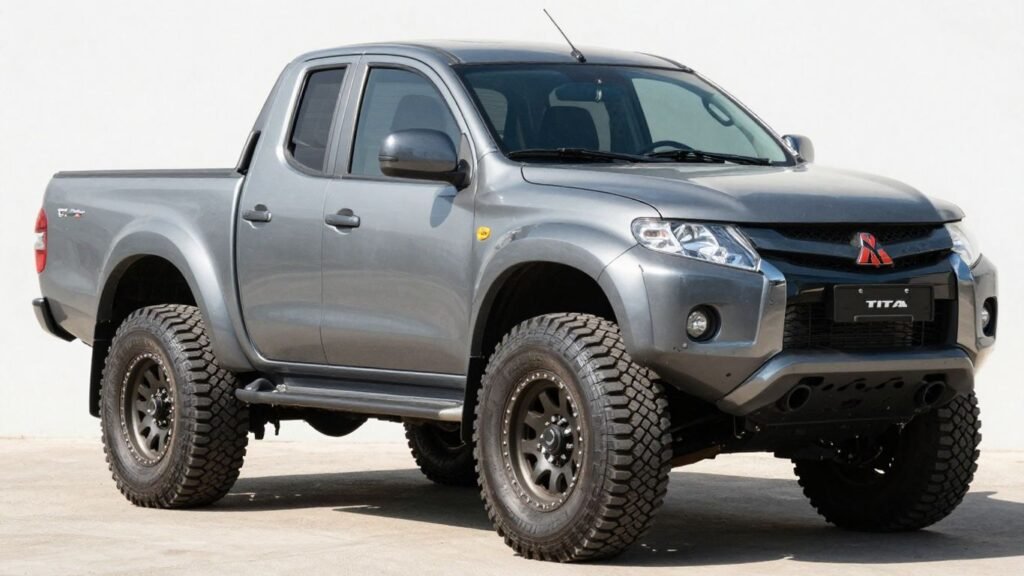
Thinking about buying a 2018 Mitsubishi Triton with the 2.4 diesel engine in Perth? It’s a solid choice for a lot of people, whether you’re heading off-road, hauling gear for work, or just need a reliable family car. But before you sign on the dotted line, there are a few things worth knowing about this particular ute. We’ll break down what makes the Mitsubishi Triton 2.4 diesel engine Perth 2018 tick, what issues you might run into, and how it stacks up against the competition.
Key Takeaways
- The 2018 Mitsubishi Triton 2.4 diesel engine offers decent power and torque for its class, making it capable for both daily driving and moderate towing.
- While generally reliable, some owners have reported issues with the Diesel Particulate Filter (DPF) and potential wear on injectors and clutches, especially with heavy use.
- The Triton’s Super Select 4WD system is a strong point, providing flexibility for various driving conditions from highways to off-road trails.
- Interior comfort and technology in the 2018 model are functional but may feel a bit dated compared to newer competitors.
- The Triton generally presents good value for money in the Perth market, with reasonable running costs and good parts availability, making it a practical option for tradies and families.
Understanding The Mitsubishi Triton 2.4 Diesel Engine Perth 2018
When you’re looking at a 2018 Mitsubishi Triton in Perth, the 2.4-litre diesel engine is a big part of what makes it tick. This engine, often referred to by its 4N15 code, was a pretty significant update for the fifth-generation Triton. It’s a four-cylinder turbo diesel that aimed to balance power with decent fuel use. For many buyers, this engine represented a solid step up in refinement and capability compared to older models.
Engine Specifications and Performance
The 2018 Triton typically came with a 2.4-litre MIVEC turbodiesel engine. Early models produced around 133kW of power and 430Nm of torque. Later in the fifth generation, this was bumped up to 148kW and 470Nm, so if you’re looking at a later 2018 model or one that’s had an update, you might see those higher figures. It’s not the most powerful ute engine out there on paper, but Mitsubishi did a good job of making sure the power delivery felt pretty usable, especially in everyday driving.
Here’s a quick look at the typical specs:
| Specification | Value |
|---|---|
| Engine Type | 2.4L MIVEC Turbodiesel |
| Power (Early) | 133kW |
| Torque (Early) | 430Nm |
| Power (Late) | 148kW |
| Torque (Late) | 470Nm |
Key Drivetrain Features
This engine was usually paired with either a 6-speed manual gearbox or a 5-speed automatic transmission. The automatic, while functional, was often noted as being a bit behind competitors who were moving to more gears. Still, it got the job done. For those heading off-road or needing serious traction, the Triton’s Super Select 4WD-II system was a standout feature. It allowed drivers to switch between different modes, including 2H, 4H, 4HLC (locked centre), and 4LLc (low range locked), giving you flexibility for various conditions. This system was a big part of the Triton’s appeal for those who actually used their ute for more than just commuting. You can read more about the fifth generation Triton’s reputation for reliability.
Fuel Efficiency Considerations
Fuel economy is always a big question with diesel engines. For the 2018 Triton, you could expect combined cycle figures to hover around the 8.0-8.5L/100km mark, depending on the specific model and how it was driven. However, like many diesels of this era, short trips could sometimes cause issues with the Diesel Particulate Filter (DPF) not getting hot enough to perform its regeneration cycle. This meant that regular longer drives, especially on the highway, were beneficial for keeping the DPF clear and the engine running smoothly. It’s something to keep in mind if you mostly do short city runs.
The 2.4-litre diesel engine in the 2018 Triton was designed to offer a good mix of grunt for work and play, without completely draining your wallet at the pump. While it might not have the highest horsepower figures in its class, its real-world performance and the flexibility of the drivetrain, especially the 4WD system, made it a popular choice for many Australians.
When considering a used Triton, it’s always a good idea to check its service history, particularly noting how it’s been used. A vehicle that’s spent a lot of time doing highway miles will likely have had an easier life for its DPF than one that’s only ever done short city trips. The engine and drivetrain details are worth a closer look.
Fifth Generation Triton Powertrain Details
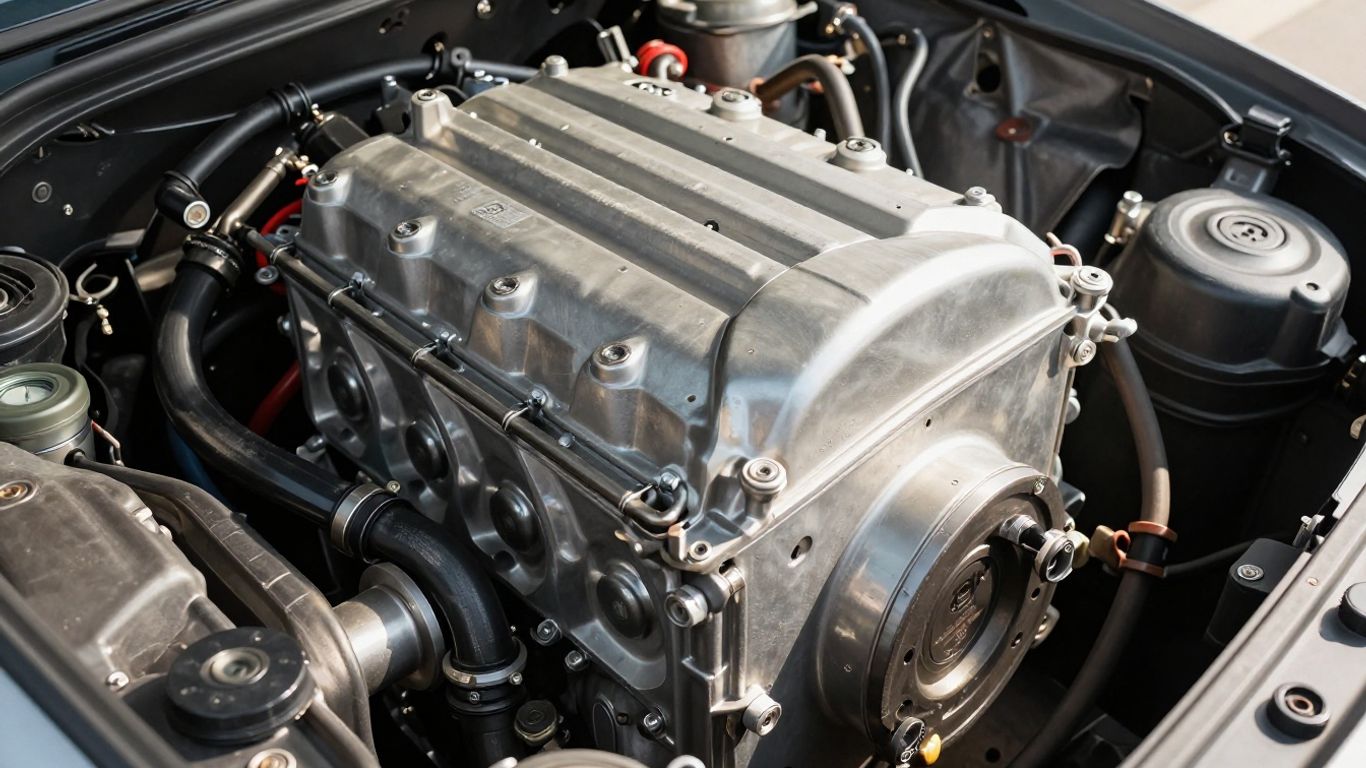
When you’re looking at the 2018 Mitsubishi Triton, understanding what’s under the hood is pretty important. This generation mostly stuck with a solid 2.4-litre MIVEC turbodiesel engine. It’s a pretty capable unit, designed to handle a good mix of daily driving and tougher jobs.
Engine Power and Torque Outputs
The heart of the 2018 Triton is its 4N15 engine code. Early models typically put out around 133kW of power and 430Nm of torque. However, Mitsubishi did update some of these models, and you might find later 2018 or 2019 versions pushing out a bit more, closer to 148kW and 470Nm. This engine is known for being durable, though like many diesels of its era, it had its quirks.
The key takeaway is that this engine provides a good balance of grunt for towing and daily driving without guzzling too much fuel.
Transmission Options and Performance
For the 2018 Triton, you generally had two transmission choices: a 6-speed manual or a 5-speed automatic. The manual is straightforward, but the 5-speed automatic was a bit of a sticking point for some owners. Compared to rivals that were starting to offer more gears, the Triton’s auto could feel a bit dated, with wider gaps between ratios. This meant it sometimes struggled to keep the engine in its sweet spot, especially when towing or under heavy load. Still, for everyday driving, it got the job done.
Comparison to Competitors
Back in 2018, the Triton’s 2.4-litre diesel engine was competitive, but not always the class leader in terms of raw power figures. Competitors like the Ford Ranger and Toyota Hilux often had slightly more powerful options or more advanced transmissions. However, the Triton often made up for this with its Super Select 4WD system and a generally lower price point, making it a strong contender for those who valued capability and affordability.
While the engine itself was reliable, the 5-speed automatic transmission was often seen as a compromise compared to the more advanced gearboxes found in some rivals. This was a common point of discussion among owners and reviewers at the time.
Common Issues and Reliability
Diesel Particulate Filter (DPF) Concerns
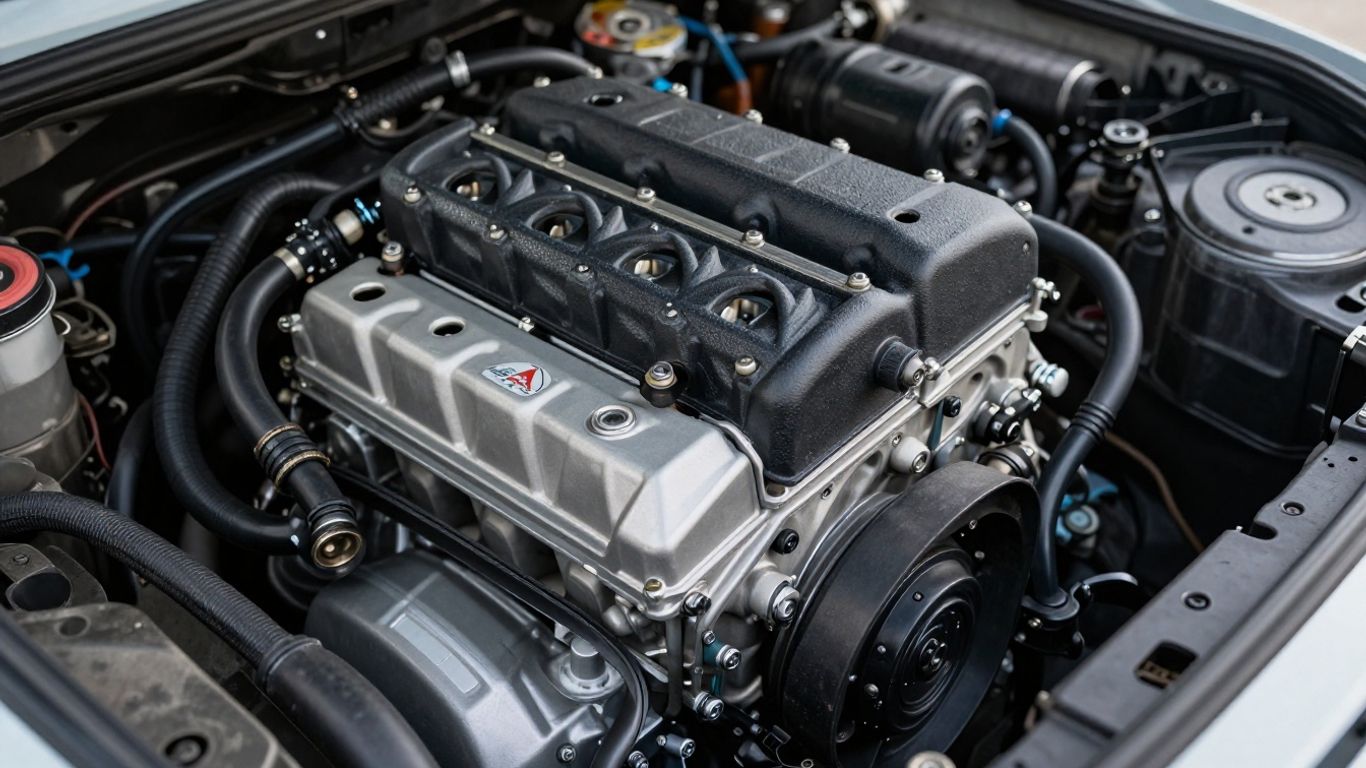
Like many modern diesel engines, the 2018 Triton’s 2.4-liter unit can sometimes run into issues with its Diesel Particulate Filter (DPF). This system is designed to trap soot, but it needs regular high-temperature exhaust cycles to burn it off. If the ute is mostly used for short trips around town, the DPF might not get hot enough to regenerate properly. This can lead to a clogged filter, which can cause a loss of power and trigger warning lights. The fix often involves taking the vehicle for a longer drive at highway speeds to allow for a proper regeneration cycle. If that doesn’t work, a manual regeneration might be needed, or in more severe cases, cleaning or even replacement of the DPF could be on the cards. Keeping up with regular maintenance and ensuring the vehicle gets a good run on the open road can help prevent these headaches.
Injector and Clutch Wear
Fuel quality can play a big role in the longevity of diesel injectors. Using lower-quality diesel fuel can lead to premature wear or even failure of the injectors. While newer models might have these covered under warranty, it’s still something to be aware of. For manual transmission models, clutch wear is a pretty standard concern, especially if the Triton has been used for heavy towing or frequent off-road adventures. It’s just a wear-and-tear item, so expect that it might need replacing at some point, depending on how it’s been used. For those with automatic transmissions, some owners have noted that the older 5-speed design, while generally reliable, can benefit from regular servicing and occasional software updates to keep it running smoothly. Some reports mention a gear selector problem that can worsen over time [da69].
Automatic Transmission Performance
While the automatic transmission in the 2018 Triton is generally considered dependable, it’s worth noting that it’s a 5-speed unit. Compared to some competitors that might offer more gears, it can sometimes feel a bit less refined, especially during acceleration or when towing heavy loads. Regular transmission fluid changes and ensuring the software is up-to-date are good practices to keep it performing at its best. Some owners have reported that the gear selector mechanism can develop issues with wear over time, so keeping an eye on that is a good idea.
It’s always a good idea to check the vehicle’s service history, especially for any diesel-specific maintenance. This can give you a good indication of how well the previous owner has looked after the engine and its associated systems. Regular servicing is key to a long and happy life for any diesel vehicle [720f].
Here’s a quick rundown of potential issues:
- DPF Clogging: Primarily from short trips; requires highway driving for regeneration.
- Injector Issues: Can be linked to fuel quality or age; check service history.
- Clutch Wear (Manual): Expected with heavy use or towing; a normal wear item.
- Automatic Transmission: Generally solid, but benefits from regular servicing and potential software updates.
Triton’s Off-Road and Towing Capabilities
When you’re looking at a ute like the 2018 Mitsubishi Triton, you’re probably thinking about what it can handle when the pavement ends, or what you can hitch to the back. This Triton has some pretty decent gear for those situations.
Super Select 4WD System Explained
Mitsubishi’s Super Select II 4WD system is a big deal for this ute. It’s not just your standard part-time 4×4. This system lets you use four-wheel drive on regular roads, not just when things get slippery. That’s because it has a centre differential, similar to what you find in SUVs. So, if you hit a patch of wet tarmac or gravel, you can switch to 4H without worrying about damaging the drivetrain. It splits power between the front and rear axles, making it safer for towing and carrying loads when grip isn’t perfect. You also get a centre diff lock and, on some models, a rear diff lock for when the going gets really tough. It’s all controlled by a simple rotary dial, making it easy to pick the right mode for the conditions.
- 4H Mode: This is your go-to for general 4WD driving on mixed surfaces. It sends power to all four wheels, with a default split that can adjust as needed.
- 4HLC (Locked): Engages the centre differential lock for maximum traction in slippery conditions.
- 4LLC (Locked Low Range): For serious off-roading, this mode provides maximum torque and control at low speeds.
While the Super Select II system is quite capable, it’s worth noting that the Triton’s overall off-road prowess can be limited by its suspension travel and traction control system’s effectiveness out of the box. For serious off-road enthusiasts, some aftermarket modifications might be considered.
Towing Capacity and Load Handling
For 2018, the Triton boasts a braked towing capacity of up to 3.5 tonnes. That’s a pretty solid number for this class of vehicle, meaning it can handle a decent-sized caravan or a heavy-duty trailer. The Gross Combination Mass (GCM) is also respectable, allowing you to combine the ute’s weight with a trailer’s weight without exceeding limits. However, it’s important to be realistic about what you’re towing. While it can tow 3.5 tonnes, towing at the upper limit puts a lot of strain on any vehicle, especially one that weighs around 2.2 tonnes. Mitsubishi has worked on the geometry and suspension to improve stability when towing, which is a definite plus over older models. Still, for routine towing of very heavy loads, a larger, heavier vehicle might be a better choice for peace of mind. The payload capacity is also important, and while it’s decent, it’s not class-leading. Always check your specific model’s GVM and payload figures to avoid overloading.
| Feature | Specification (Approx.) | Notes |
|---|---|---|
| Braked Towing Capacity | 3,500 kg | Check specific model for exact rating |
| Towball Download Limit | 350 kg | Recommended limit |
| Gross Vehicle Mass (GVM) | ~3,200 kg | Varies by trim |
| Kerb Weight | ~2,115 kg | Varies by trim |
| Gross Combination Mass | ~6,250 kg | Total weight of vehicle and trailer |
Beach Driving and Wading Depth
Taking your Triton to the beach? The Super Select II system is a real asset here. Being able to engage 4WD on the sand without having to stop and fiddle with levers makes life much easier. The ability to lock the centre differential is also beneficial for maintaining momentum on softer sand. However, one area where the Triton might not shine as brightly is its wading depth. While it’s generally adequate for most situations, it’s not the deepest in its class. This means you need to be a bit more cautious when crossing deeper water crossings or streams. Always check the depth before you commit, and if you’re planning on frequent deep water crossings, a snorkel might be a worthwhile addition to help protect the engine. The Triton’s relatively compact size, however, can be an advantage in tighter beach tracks.
Interior Comfort and Technology
Cabin Refinement and Space
The 2018 Mitsubishi Triton offers a cabin that balances practicality with a decent level of comfort for its class. While it’s not a luxury sedan, the interior space is generally good, especially in the dual-cab models, making it suitable for both work crews and families. You’ll find durable materials throughout, which is a smart choice for a vehicle likely to see some rough use. The seats are supportive enough for longer drives, and the overall layout feels straightforward. Mitsubishi wisely kept many physical buttons and knobs for essential functions like climate control, which is a big win for ease of use while driving. No more fumbling through touchscreens for basic adjustments.
Infotainment and Connectivity
When it comes to staying connected, the Triton comes equipped with a 9-inch touchscreen that supports Apple CarPlay and Android Auto. This means you can easily access your phone’s apps, navigation, and music. For charging, you’ll find a mix of USB-A and USB-C ports up front, and some higher trims even offer wireless charging for compatible phones. While the system is functional, it’s worth noting that the placement of the start button near the USB ports can be a bit awkward, and sometimes you might accidentally bump it when plugging in your phone. It’s a small quirk, but something to get used to.
Driver Assistance Features
The 2018 Triton includes a few modern driver assistance features to help out on the road. Adaptive cruise control is a notable addition, helping to maintain a set distance from the vehicle ahead on highways. You’ll also find parking sensors front and rear, along with cross-traffic alerts, which are handy in busy car parks. However, some of the technology, like the driver monitoring system, has received mixed reviews. While designed to meet safety standards, some drivers find it can be overly sensitive or distracting. It’s a system that requires some adaptation to its alerts and operation.
The interior design prioritizes function over flash, with a layout that’s easy to understand. While some button placements might feel a bit unusual at first, the inclusion of physical controls for key features is a definite plus for everyday usability.
Market Position and Value Proposition
Triton’s Competitive Pricing
When you’re looking at utes, especially in Perth, price is usually a big deal. Mitsubishi has always played the value game with the Triton, and the 2018 model is no different. It generally comes in a few thousand dollars cheaper than its main rivals like the Ford Ranger or Toyota Hilux. This makes it a really attractive option if you want a capable ute without breaking the bank. You get a lot of truck for your money, which is a big plus for anyone running a business or just needing a tough vehicle for weekend adventures. It’s about getting that Ranger-equivalent feel for a lot less cash.
Spare Parts and Warranty
One thing that gives people peace of mind is knowing that parts are easy to get and that the warranty is solid. Mitsubishi offers a pretty good warranty, especially if you keep up with your dealer servicing. They’ve got a 10-year warranty deal if you service it with them, which shows they stand by their product. This is great because buying a ute is a big investment, and you want to know you’re covered for the long haul. Plus, Mitsubishi generally has a good reputation for customer support, which is always a good thing when you’re spending serious money on a vehicle you plan to keep for years.
Suitability for Tradies and Families
The Triton really hits a sweet spot between being a workhorse and a family vehicle. For tradies, the tray is usually wide enough for most jobs, and it’s tough enough to handle daily work. It’s got the grunt for towing trailers or carrying tools and materials. For families, the dual-cab versions offer decent space for passengers, and the ride quality has improved over the years, making it more comfortable for longer trips. It’s a ute that can get you to the job site during the week and then take the family on a camping trip on the weekend. It’s a practical choice that doesn’t demand a premium price tag, making it a smart buy for a lot of people.
The Triton is designed to be a no-nonsense vehicle. It’s not trying to be the flashiest ute on the block, but it gets the job done reliably. Whether you’re hauling gear for work, heading off-road, or just need a dependable family car, it offers a solid package that’s hard to beat on price and capability. It’s a vehicle that’s built for purpose.
Here’s a quick look at how it stacks up:
- Affordability: Significantly cheaper than key competitors.
- Warranty: Up to 10 years with dealer servicing.
- Versatility: Suitable for both work and family use.
- Capability: Strong towing and off-road performance for its class.
If you’re in the market for a new ute, it’s worth checking out what the Triton brings to the table. You might find it’s exactly what you need without all the extra cost. You can find a good range of used cars for sale in Perth if you’re looking for a pre-owned option.
So, Should You Buy a 2018 Mitsubishi Triton 2.4 Diesel in Perth?
Alright, so we’ve looked at the 2018 Mitsubishi Triton with the 2.4 diesel engine. It seems like a pretty solid ute, especially if you’re in Perth and looking for something that can handle a bit of everything. It’s known for being a good value, and parts are easy to find, which is always a plus. While it might not have all the fancy bells and whistles of some newer, pricier trucks, it gets the job done for work, family trips, or even heading off the beaten path. Just remember those potential DPF issues on earlier models and keep up with maintenance. Overall, if you find a well-maintained 2018 Triton, it could definitely be a smart buy for your needs.
Frequently Asked Questions
What kind of engine does the 2018 Mitsubishi Triton have?
The 2018 Mitsubishi Triton in Perth is equipped with a 2.4-liter MIVEC diesel engine. Early models put out 133kW of power and 430Nm of torque, while later 2019 models saw an increase to 148kW and 470Nm. This engine is known for being pretty tough and reliable for everyday use and work.
How fuel-efficient is the 2.4 diesel engine in the 2018 Triton?
While official figures vary, the 2.4-liter diesel engine in the 2018 Triton is generally considered quite good on fuel. Owners often report highway fuel consumption around 7.0-7.5L/100km and a combined average of about 8.0-8.5L/100km, especially with the newer engine upgrades. The 75-liter fuel tank gives it a decent driving range.
Are there any common problems with the 2018 Mitsubishi Triton diesel engine?
Some 2018 Tritons might experience Diesel Particulate Filter (DPF) issues, especially if they do a lot of short trips. This is common for many diesel engines. Injector problems can also pop up due to fuel quality or age, but newer models often have these covered under warranty. Regular maintenance is key!
What’s the towing capacity of the 2018 Mitsubishi Triton?
The 2018 Mitsubishi Triton is rated to tow up to 3,500kg (braked trailer). While it can handle most caravans and trailers, some drivers find it works a bit harder than rivals like the Ranger or HiLux when pulling very heavy loads. Still, it’s a capable tower for most needs.
How good is the 4WD system in the 2018 Triton for off-roading?
The Triton features Mitsubishi’s Super Select 4WD system, which is highly regarded. It allows you to switch between 2WD and 4WD modes easily, even on the move. It also has locked center and low-range gears for serious off-road situations, making it quite capable for tackling tough terrain, beach driving, and even shallow water crossings (up to 600mm).
What are the main differences between the 5th gen Triton and newer models?
The 2018 Triton is part of the fifth generation (MQ). Compared to newer models (like the 6th gen launched in 2024), the 2018 model has a slightly less powerful engine (though still capable), a 5-speed automatic transmission (newer ones have a 6-speed), and a less advanced interior with fewer tech features. However, the 2018 Triton offered great value and strong off-road ability for its price point.