

Key Takeaways
Wrecking services can help after a collision, during a breakdown, or when a vehicle has reached the end of its useful life. A little preparation makes it easier to compare providers and arrange a safe, clear pickup.
- Confirm the service covers your location, vehicle type, and situation.
- Describe the vehicle’s condition and access details before accepting a quote.
- Ask what the price includes, including towing, salvage, and disposal.
- Gather ownership documents, remove personal items, and report any hazards.
- Keep written records of collection and any ownership transfer.
What Newcastle wrecking services include
The phrase “wrecking services” can describe several kinds of help, from moving a damaged car to collecting an unwanted vehicle. The right service depends on whether the vehicle needs urgent recovery, planned removal, or roadside assistance. Before arranging a callout, make sure the provider understands what has happened and what outcome you need.
Vehicle recovery and towing after a collision
After a crash, a wrecking service may be able to recover a vehicle that cannot be driven safely. Tell the dispatcher where the vehicle is, whether it is blocking traffic, and whether it has visible damage that could affect loading. If the collision also raises legal questions, Contant Law, P.C. discusses car accident claims in Massachusetts; its information is specific to that state, so seek guidance relevant to your own location.
Recovery and legal support are separate matters. A tow operator can explain the vehicle’s destination and any charges for transport or storage, while questions about claims and insurance may need to go to an appropriate professional. Keep those conversations distinct, and retain any paperwork you receive.
End-of-life vehicle removal and salvage
When a vehicle is no longer worth repairing, a provider may arrange its removal and assess whether any parts or materials can be recovered. Ask what happens after collection rather than assuming every vehicle follows the same path. The answer may depend on its condition, the provider’s handling process, and local requirements.
A clear description of the vehicle helps set expectations. Mention whether it is complete, damaged, missing major components, or unable to roll, since those details may affect the collection plan. If you are also comparing part options, remember that a separate guide to dice sets and towers covers an entirely different kind of product comparison; it is not information about vehicle salvage.
Roadside assistance and emergency callouts
Some providers handle urgent situations such as a breakdown or a vehicle that needs to be moved from an unsafe spot. Ask whether the service can assist with your particular problem or whether it only transports vehicles. One Newcastle-area listing describes 24-hour towing and roadside help, but availability and response times should always be confirmed directly with the provider you contact (Newcastle towing availability).
When you call, prioritize safety: move away from traffic if you can do so safely, use hazard lights where appropriate, and follow the instructions of emergency personnel. Clear location details can help the dispatcher understand where to send assistance. The video placeholder below is a general visual aid, not a substitute for advice at the scene.
How the wrecking process works
A collection usually begins with a conversation about the vehicle, its location, and what kind of help is needed. The provider can then explain whether it can handle the job, what arrangements are required, and how the vehicle will be moved. Confirm the essential details before the truck is dispatched so there is less chance of delay or confusion.
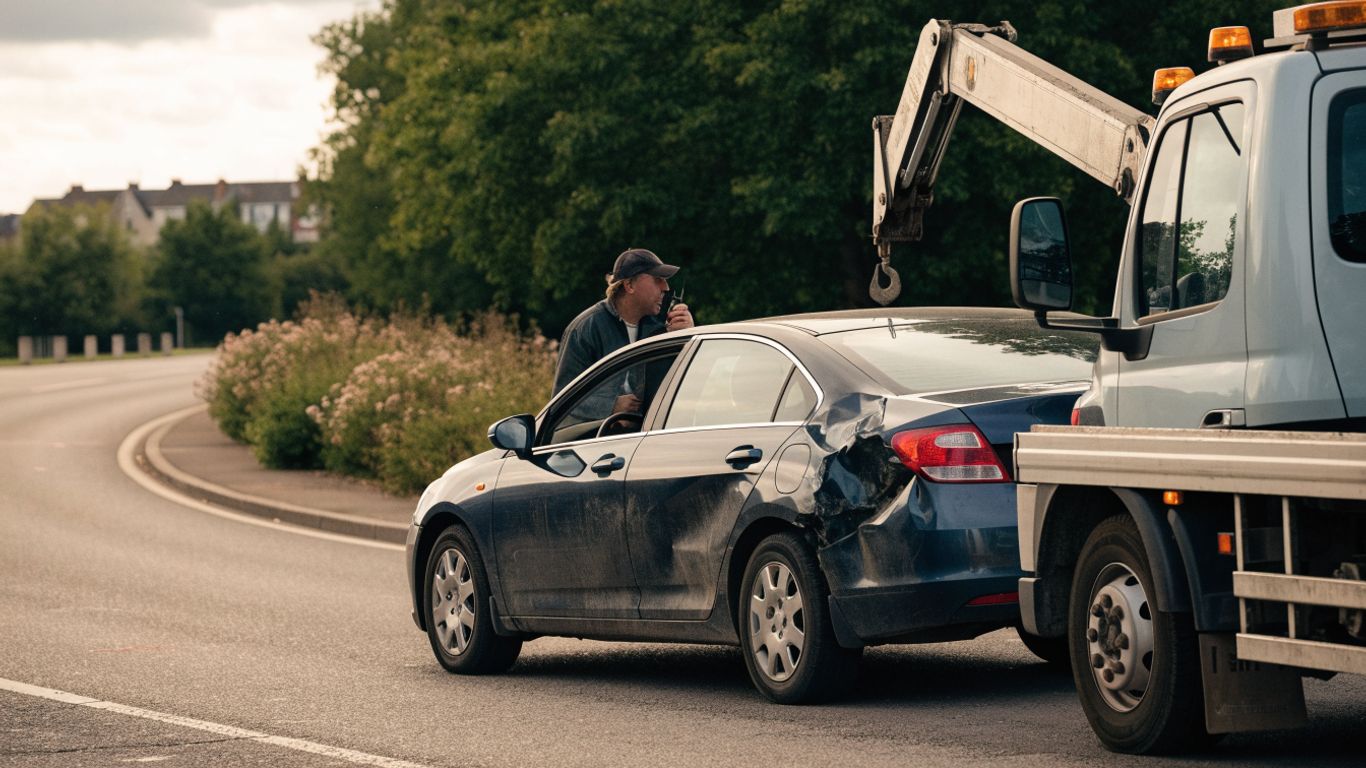
Sharing your location and vehicle details
Give the provider a precise location, including nearby cross streets, a landmark, or the entrance to a private property. Explain the make and model if known, whether the vehicle starts or rolls, and what damage or obstructions might affect loading. If you are unsure of a detail, say so rather than guessing; a few accurate facts are more useful than a confident but incorrect description.
A provider may ask for photographs to understand the vehicle’s condition or access. If you send them, include the whole vehicle and the surrounding space, not just close-ups of damage. Be careful not to step into traffic or another unsafe area to take a picture.
Arranging pickup and confirming access
Once the provider understands the job, confirm the pickup window, destination, and any charge that applies if access is delayed. Think about gates, parking restrictions, low clearances, steep driveways, and whether the truck can safely reach the vehicle. If another person must unlock a site or release the car, agree on who will be there and when.
A written confirmation can make the arrangement easier to follow. Check that it identifies the vehicle, collection point, agreed timing, and any quoted fees. If plans change, contact the provider promptly rather than assuming the truck can find a new location on arrival.
What happens to the vehicle after collection
Before the vehicle leaves, ask where it is going and what paperwork you will receive. Depending on the service and the vehicle’s condition, it may be transported for assessment, salvage, storage, or disposal. The provider should explain what it can confirm at the time of collection and what will be decided later.
Do not assume that collection itself completes every administrative step. You may still need to notify a relevant authority, insurer, or registration agency, depending on local rules and the circumstances. Keep the collection receipt and any follow-up documents together until the process is settled.
How to choose a wrecking service
A useful choice is not necessarily the first provider that answers or the lowest price mentioned over the phone. Look for a service that can handle your specific vehicle and explain its arrangements in plain language. A few direct questions can reveal whether the provider’s availability, terms, and approach suit your situation.
Check coverage, availability, and response times
Ask whether the provider covers the exact pickup location and whether it can attend at the time you need. A business may offer emergency callouts, scheduled collections, or both, but those options can vary by area and vehicle type. Request an estimated arrival window and ask how you will be updated if the schedule changes.
Do not treat a published response time as a guarantee for your particular callout. Traffic, weather, distance, and other active jobs can affect arrival. If the vehicle is in a dangerous position, explain that clearly so the dispatcher can assess the urgency.
Ask about licensing, insurance, and vehicle handling
Ask what qualifications, permissions, or insurance are relevant to the work in your area. Requirements differ, so avoid relying on a general answer that does not explain the provider’s role in the collection. It is also reasonable to ask how the vehicle will be secured and where it will be taken.
If the car contains valuable parts or has special handling needs, mention them before booking. A provider should be able to tell you whether the requested handling is within its service or whether you need another arrangement. For a separate example of how information can be adapted for different audiences, see this guide to repurposing content; it does not address vehicle recovery.
Compare quotes and clarify included services
Quotes are easier to compare when each provider is pricing the same job. Ask whether the amount includes callout, loading, transport, storage, and any disposal-related charges, and whether additional costs could apply if the vehicle is inaccessible. The table below gives a simple way to organize the answers rather than relying on memory.
| Question to compare | Provider A | Provider B |
|---|---|---|
| Is the pickup location covered? | Confirm area | Confirm area |
| What does the quoted price include? | List included work | List included work |
| Could access or recovery needs add charges? | Ask for conditions | Ask for conditions |
| Where will the vehicle be taken? | Confirm destination | Confirm destination |
A lower initial figure may not be the better value if key services are excluded. Compare the written terms, and ask for clarification before agreeing to the collection. Keep the quote and final invoice so you can check that the charges match what was discussed.
What affects the cost of wrecking services
There is no single price that applies to every wrecking job. The vehicle’s condition, its location, the equipment needed, and the value of any recoverable material can all affect the quote. Share the details you know and ask the provider to explain any assumptions behind its estimate.
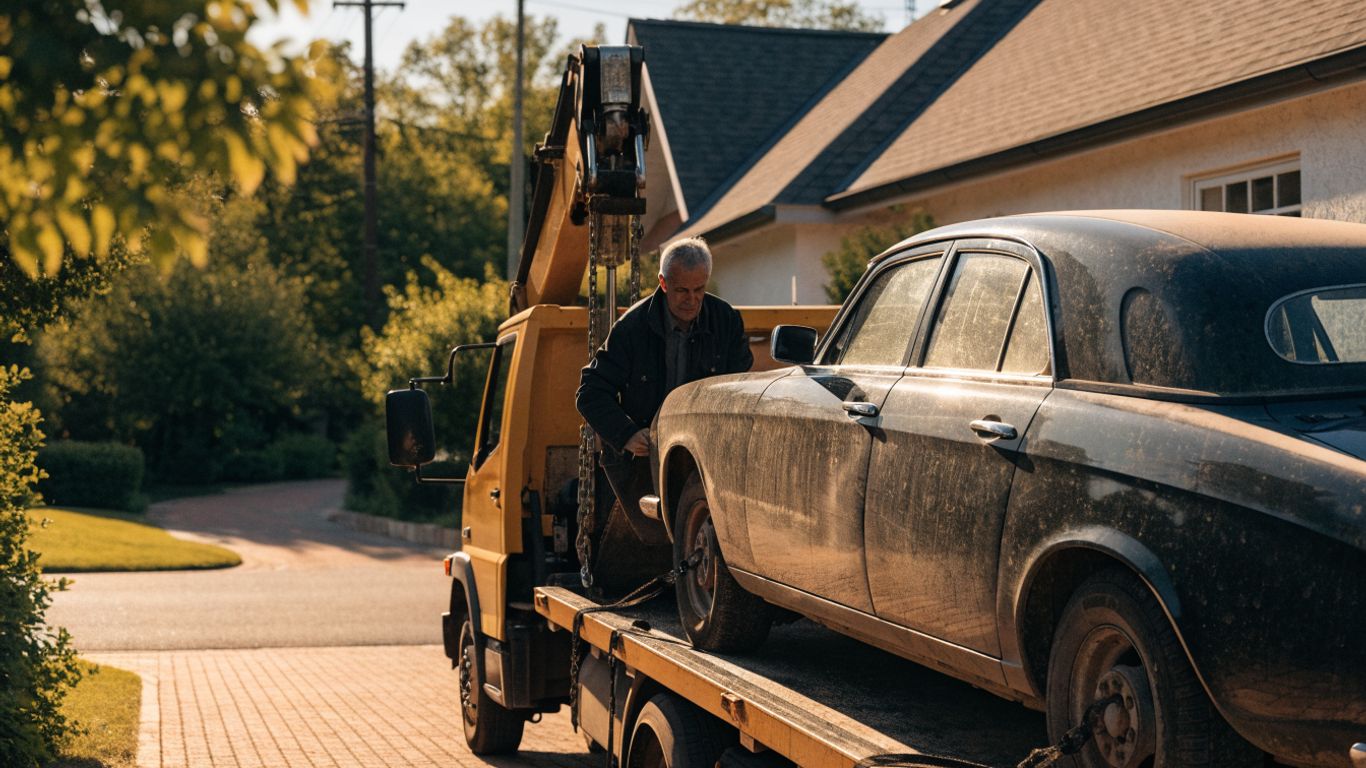
Vehicle condition and location
A vehicle that rolls and can be reached easily may require a different collection plan from one with severe damage or missing wheels. Its location matters, too: a roadside pickup, a tight parking structure, and a remote property can involve different access constraints. Describe what you can see, especially if the car is partly blocked or unsafe to approach.
If the provider cannot assess the vehicle in person before quoting, ask whether the estimate could change after arrival. Photos may help, but they do not always show everything that affects loading. A clear explanation now can reduce the chance of an unexpected adjustment later.
Distance, access, and recovery equipment
The distance to the agreed destination may be part of the price, as can the time and equipment needed to reach and load the vehicle. A narrow entrance, steep slope, low ceiling, or limited turning space can affect what equipment is suitable. Tell the provider about these conditions before booking rather than waiting until the truck arrives.
It may help to ask how the provider has calculated the quote. Confirm whether it is based on a standard pickup or includes the extra access or recovery needs you described. When the price is conditional, ask what circumstance would trigger a change.
Salvage value and disposal fees
Some providers may take the vehicle’s salvage value into account, while others may charge for collection or disposal. The result depends on the vehicle’s condition, what can be recovered, and the provider’s terms. Ask whether the quote is a payment, a free collection, or a charge, and request the details in writing.
Do not assume that a vehicle’s age or appearance alone determines its value. Missing components, damage, and local handling costs can matter. If the provider mentions a deduction or fee, ask what it covers so you can compare offers on the same basis.
How to prepare your vehicle for pickup
Preparation is mostly about making the handoff clear and safe. You do not need to repair the vehicle before collection, but the provider should know about anything that could affect loading or access. Confirm the pickup time and what you need to have ready before the truck arrives.
Gather registration and ownership documents
Ask which documents the provider needs to confirm that you can authorize the collection. Depending on local rules and the situation, this could include proof of ownership or registration details. If a lender, insurer, or another person has an interest in the vehicle, clarify who must approve its removal before the appointment.
A separate article explains that mortgage approval can sometimes be reviewed before a home purchase closes; it is a different transaction, but the practical point is to contact your mortgage professional about lender questions rather than assume paperwork is final. For a vehicle pickup, follow the instructions of the relevant authority or provider instead.
Remove personal belongings and plates
Check the cabin, trunk, glove compartment, and any storage compartments for personal items. Remove valuables, documents, garage remotes, and anything else you want to keep. Ask the provider or local authority what to do with license plates, since the right steps depend on local requirements.
A quick final check can prevent a frustrating discovery after the car is gone. If you cannot access a compartment or remove an item safely, tell the provider before pickup. Do not leave personal information in the vehicle unless you have been advised that it is necessary.
Tell the provider about hazards or access issues
Give the dispatcher a straightforward account of hazards and obstacles. This may include leaking fluids, a damaged battery, broken glass, a blocked driveway, a locked gate, or a vehicle in a confined space. The provider can then say whether it can handle the situation and what precautions or access arrangements are needed.
Before the appointment, use a short readiness check to catch details that are easy to miss:
- Confirm the address, pickup window, and contact person.
- Move other vehicles or obstacles if it is safe and permitted.
- Make sure gates or access codes are arranged in advance.
- Keep your documents and the provider’s confirmation nearby.
Once these points are settled, let the provider know if anything changes. A new obstruction or a change in the vehicle’s condition could affect the pickup plan.
Environmental and legal considerations
Vehicle removal is not only a transport question: ownership, records, and handling of materials can matter as well. Requirements vary by jurisdiction, so confirm the steps that apply where the vehicle is registered and collected. A provider can explain its own process, but official requirements should be checked with the relevant authority.
Ask how reusable parts and materials are handled
If reuse or recycling matters to you, ask what the provider does with reusable parts and materials after collection. Request a clear explanation of the next step rather than assuming that every item will be recovered or recycled. The answer may vary according to the vehicle’s condition and the provider’s process.
You can also ask whether fluids or other materials require special handling and who is responsible for that work. Avoid relying on broad environmental claims without asking what they mean in practice. A specific answer about the vehicle being collected is more useful than a general promise.
Confirm requirements for transferring ownership
Before handing over the vehicle, confirm whether a transfer form, notice, or other action is required in your jurisdiction. Ask who is responsible for completing each step and when it must be done. If you have questions about a product unrelated to vehicle ownership, the Prime Performance Stack™ is described as a supplement for men 30+; it is not a source of vehicle-registration guidance.
If there is more than one registered owner or another party has a legal interest in the vehicle, resolve the authorization question before pickup. Do not rely on a verbal assumption where a formal record is required. Keep copies of the completed documents for your files.
Keep records of collection and disposal
Save the quote, collection confirmation, receipt, and any transfer or disposal paperwork. These records can help resolve questions about timing, charges, or responsibility after the vehicle has left your property. Note the date and the name of the provider or person who handled the handoff.
Check that the documents identify the vehicle accurately and reflect what was agreed. If you are waiting for a final certificate or other record, ask when and how it will be sent. Storing the paperwork together makes it easier to respond if an authority or insurer later asks for it.
Conclusion
Choosing Newcastle wrecking services is easier when you explain the vehicle’s condition, confirm access and pricing, and understand what will happen after collection. Take time to check the provider’s terms and your local paperwork requirements, then keep a record of the handoff. A few clear questions before pickup can prevent avoidable surprises.
Frequently Asked Questions
What do Newcastle wrecking services usually include?
Services may include towing after a collision, removal of an end-of-life vehicle, salvage assessment, or some forms of roadside help. Confirm which tasks a particular provider handles before booking.
Can a wrecking service collect a vehicle that will not start?
Many providers handle vehicles that cannot be driven, but the method and price depend on the vehicle’s condition and location. Explain whether it rolls, where it is parked, and any access limits when requesting a quote.
What information should I provide when booking a pickup?
Share the vehicle’s location, make and model if known, condition, access details, and the reason for collection. Mention hazards or damage that could affect loading.
Should I get a quote in writing?
Yes. A written quote can clarify the included services, possible extra charges, collection arrangements, and destination. Ask the provider to explain any terms you do not understand before confirming.
Do I need to remove my license plates before collection?
Plate requirements vary by jurisdiction. Ask the provider or check with the relevant local authority before pickup, and follow the applicable rules for removal or return.
What happens to a vehicle after it is collected?
Depending on its condition and the provider’s process, it may be taken for assessment, salvage, storage, or disposal. Ask where it is going and what records you will receive.
What paperwork should I keep after pickup?
Keep the quote, receipt, collection confirmation, ownership-transfer documents, and any disposal records. These can help verify the handoff, charges, and any required follow-up steps.