

Key Takeaways
A guarantee can make a second-hand purchase less risky, but its value depends on the seller, the written terms, and local rules. A little checking before payment can prevent a lot of confusion later.
- A guarantee is not the same as a warranty or a general return policy.
- Coverage may be limited to faults that were present when the item was sold.
- The seller type and sales channel can affect the protections available.
- Inspect, test, and document the item before agreeing to buy it.
- Keep the listing, proof of purchase, and any messages about promised coverage.
What a quality guarantee means for second-hand purchases
A quality guarantee for a second-hand purchase is a promise about the condition or performance of a used item, but the promise can mean very different things from one seller to another. It might be a written commitment to repair a fault, or simply a limited store policy. Read the actual terms rather than relying on the word “guarantee” alone. That distinction matters whether you are buying a phone, a piece of furniture, or a used vehicle part.
How guarantees differ from warranties and return policies
A guarantee is generally a seller’s or maker’s promise about what they will do if a stated problem occurs. A warranty is often a more formal written agreement with defined coverage and claim steps, while a return policy may allow a return for reasons that have nothing to do with a defect. Sellers sometimes use these terms loosely, so the label is less useful than the details. Check who is responsible, what remedy is offered, and what conditions apply.
What “as is” means when buying used goods
“As is” usually signals that the buyer accepts the item in its current condition, often with visible wear and known faults taken into account. It does not automatically answer every legal question or erase every obligation a seller may have; rules differ by location and transaction type. Ask the seller to describe any problem plainly and make sure the written listing matches what you were told. For a used car part, for example, confirm the precise condition and fitment details before paying rather than assuming that “as is” means suitable for your vehicle.
Why coverage can depend on the seller and location
A purchase from a business may be treated differently from a sale between two private individuals, and a marketplace can add its own process without replacing local law. The buyer’s location and the seller’s location may also matter, especially for online or cross-border transactions. When the applicable rules are unclear, focus first on the written promise and seller identity, then check an official consumer source for your jurisdiction. A quality guarantee second hand purchase is only as clear as the terms and rules that actually apply.
What a guarantee may cover
A guarantee does not necessarily promise that a used item will work like new. It may address a specific fault, offer a limited remedy, or exclude problems that were disclosed before the sale. Ask for the scope in writing, including what the seller considers ordinary wear. This makes it easier to compare a promise with the item’s age, condition, and price.
Defects that existed when the item was sold
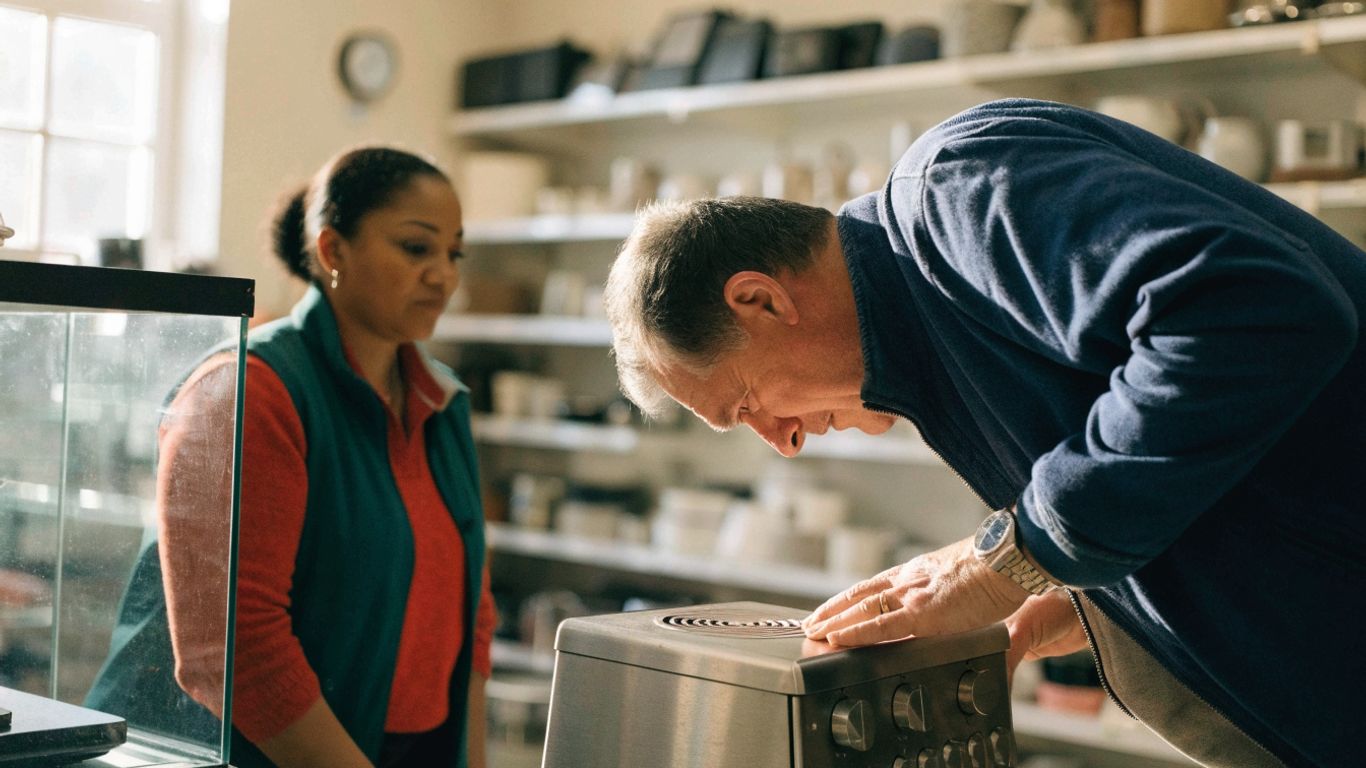
Some guarantees are intended to cover a fault that was already present at the time of sale but was not disclosed or reasonably apparent. The wording may define covered defects narrowly, and the buyer may need to show that the issue was not caused by later use or damage. If you are looking at a used electrical installation as part of a property purchase, an electrical inspection checklist can help organize questions about panels, wiring, outlets, grounding, and safety devices. That kind of inspection resource is separate from a seller’s guarantee, but it can help you notice issues before committing.
Repair, replacement, refund, or store credit
The remedy is worth checking as carefully as the defect definition. A seller might offer repair first, provide a replacement if one is available, or issue a refund or store credit under stated conditions. The written terms should say whether the buyer must return the item, who pays shipping, and whether a repair affects the remaining coverage period. For broader background on how a warranty or guarantee claim may work, see this guide to making a claim; its examples do not replace the terms for your own purchase.
Common exclusions, such as wear and accidental damage
Used goods have histories, so exclusions may cover gradual wear, consumable parts, cosmetic marks, misuse, or accidental damage. A second-hand item may also have a shortened coverage period or require servicing by an approved repairer. The table below shows why a term that sounds reassuring can still leave important gaps.
| Term to check | What it may mean | Buyer question |
|---|---|---|
| Wear and tear | Gradual deterioration may be excluded | Which parts are treated as wear items? |
| Accidental damage | Drops, spills, or impact may not be covered | What evidence distinguishes damage from a fault? |
| Repair process | The seller may require an inspection first | Where must I take or send the item? |
| Remedy limits | A repair or credit may be the only option | Is a refund available if repair is not practical? |
Read the exclusions beside the coverage period, not in isolation. For a used vehicle, an extended service contract is a separate decision from a basic seller promise; this used-car warranty overview explains considerations to review before signing one. The specific contract still controls what is covered.
How protections vary by seller and sales channel
The route through which you buy can shape both the promise you receive and the practical steps for getting help. A business, an individual seller, and an online marketplace may have different responsibilities and complaint processes. Keep the seller’s identity visible in your records, even when a platform handles payment or messaging. A platform’s policies can be useful, but they are not necessarily the same thing as a legal guarantee.
Buying from a business versus a private seller
A business may provide written terms and a formal process for reporting faults, while a private seller may offer no additional guarantee beyond what they explicitly agree to. That does not mean every sale by a business carries identical protection; location and item type can affect the rules. Before paying, ask whether the seller is acting as a business or as a private individual and keep the answer. Buyers in Ireland, for example, can consult this overview of second-hand buying rights for information relevant to purchases there.
Marketplace policies and seller promises
A marketplace may set deadlines for complaints, require communication through its messaging system, or limit what evidence it accepts. Those rules can help with a dispute, but a seller’s own promise should still be saved separately and read carefully. For a used computer, clarify whether any assurance covers the hardware, accessories, or only a particular function; a page about Hermes Agent describes local AI setup and hardware assessment, not a guarantee on a second-hand PC. Treat technical information and seller coverage as separate questions.
State laws and other rules that may apply
Consumer protections vary across states and countries, so avoid assuming that another jurisdiction’s rules apply to your transaction. When buying across borders, check official guidance for both the seller’s location and your own; the EU guide to faulty goods, for instance, describes rules in that region and should not be treated as a statement of U.S. law. A seller may also offer a commercial guarantee on top of any rights provided by applicable law. If the transaction is significant or the terms are disputed, an appropriate local consumer agency can point you toward the relevant rules.
How to assess an item before buying
A guarantee is easier to evaluate when you know what condition the item is actually in. Start with the listing, then inspect or test the item wherever practical, and ask direct questions about anything unclear. For parts, make sure you have the exact make, model, year, and compatibility details needed; Australia’s trusted car parts supplier connects buyers with quality used, genuine, and aftermarket parts through a network serving Melbourne, Sydney, Brisbane, and nationwide. That describes a way to find parts, not a promise that every used part carries the same guarantee.
Check condition descriptions and photos
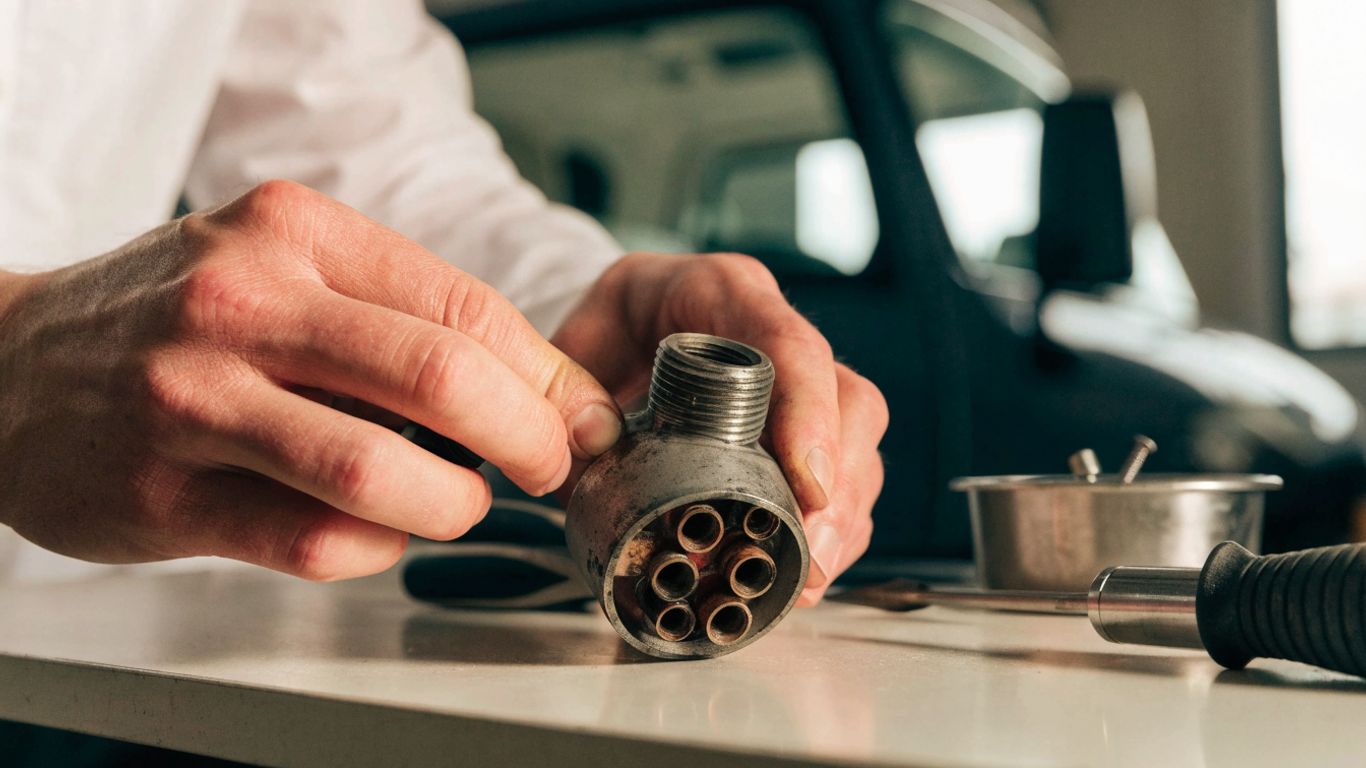
Look for close, well-lit images of the actual item rather than only stock pictures. Compare the photographs with the written condition grade and note marks, missing pieces, corrosion, repairs, or damage that could affect use. If the description is vague, ask for more images before agreeing to buy. For a used property fixture, questions about water systems can be organized with a plumbing inspection checklist, which covers pipes, fixtures, drains, water heaters, and exterior drainage.
Test key features and ask about known defects
A quick test can reveal problems that photographs do not show, but only if it focuses on the functions you need. Ask the seller to demonstrate essential features and state whether anything is unreliable, intermittent, or in need of repair. Before inspecting, it helps to bring a short set of practical checks:
- Confirm the item powers on or performs its basic function.
- Try the controls, connections, or moving parts you expect to use.
- Ask about repairs, faults, and any recent changes in performance.
- Compare the item’s identifiers with the listing and your compatibility needs.
Write down the answers, especially if the seller makes a specific assurance. For used lighting equipment, check that the unit can be safely tested and that the included components match the listing; this LED retail lighting guide discusses lighting in a business setting, not the condition of any particular used fixture. If you are buying commercial equipment, the warehouse planning guide may help with space and workflow questions, but it does not assess a second-hand item’s quality.
Review the item’s history, accessories, and documentation
Ask whether the item has been repaired, modified, recalled, or stored under conditions that could affect it. Check that important accessories, keys, chargers, manuals, or mounting pieces are included, and confirm that serial or part numbers match what the seller advertised. Receipts, service records, and original packaging can help establish provenance, though none guarantees future performance. If you are buying a vehicle part, Australia’s car parts network offers access to used, genuine, and aftermarket parts; verify the item’s fit and condition with the seller for the specific purchase.
How to check guarantee terms before you pay
A verbal assurance can be hard to rely on later if the seller and buyer remember it differently. Before payment, get the coverage and claim process in writing, ideally on the listing, invoice, or a message you can save. Read the terms as if you might need to use them: identify the covered issue, the deadline, and the person or business that must respond. A few minutes spent clarifying details can make the difference between a usable promise and an ambiguous one.
Confirm the coverage period and start date
Ask when coverage begins: at purchase, delivery, installation, or another stated event. Confirm how long it lasts and whether the clock changes if the item is repaired or replaced. Do not assume that a short commercial guarantee is the only protection that may apply; legal rights can differ by location and type of sale. Record the dates clearly so you can tell whether a later problem falls within the stated period.
Identify claim requirements and possible costs
Check whether the seller requires prompt notice, inspection, proof of purchase, or use of a particular repair service. Ask who pays for return postage, diagnostics, labour, and replacement parts, and whether a deductible or other charge applies. The word “free” may refer only to the repair itself, not the transport or assessment needed to obtain it. If a requirement is unclear, ask for an explanation before committing rather than trying to interpret it after a fault appears.
Save the listing, receipt, and seller communications
Keep a copy of the item description and photos as they appeared when you bought it, plus the receipt and any messages about condition or coverage. Digital listings can change or disappear, so save a screenshot or download when possible. Store the records together with the item’s identifying details, such as a serial number or vehicle part number. If there is later a disagreement, a clear record helps establish what was offered and when.
What to do if a used item has a problem
A fault does not automatically mean the seller must provide a particular remedy, but acting promptly and keeping useful evidence can make the situation easier to resolve. Stop using the item if continued use could worsen the damage or create a safety risk. Then compare the problem with the written guarantee and any applicable local protections. Stay factual and keep communications in one place.
Document the defect and when it appeared
Write down when you first noticed the issue, what the item was doing, and whether anything happened just before the fault appeared. Take dated photographs or a short video if that can be done safely, and keep any inspection report or repair estimate. Avoid dismantling or attempting a repair before checking whether the guarantee requires the seller to inspect it first. A careful record can help distinguish a reported fault from later damage or ordinary wear.
Contact the seller promptly with supporting evidence
Send a concise message that identifies the purchase, explains the problem, and states what outcome you are requesting under the written terms. Attach relevant evidence and ask for the next step, such as an inspection or return instructions. Keep a copy of the message and note when it was sent. A calm, specific request is more useful than a broad accusation, especially when the cause of the fault is not yet clear.
Escalate through the platform or appropriate consumer agency
If the seller does not respond or the proposed outcome conflicts with the written terms, use the marketplace’s complaint process within its deadline. You can also seek guidance from the appropriate consumer agency in your location, particularly where legal rights may apply independently of the seller’s guarantee. Keep records of each contact and avoid sending the item away without tracking or a written agreement about its condition. Escalation is more effective when the timeline and evidence are already organized.
Conclusion
Buying second-hand does not have to mean accepting uncertainty without question. Understand the seller’s promise, inspect the item, and keep a record of the terms before paying; if something goes wrong, use those records to make a timely, specific request. The best protection is a clear understanding of what you are buying and what the seller has actually agreed to do.
Frequently Asked Questions
Is a guarantee on a second-hand item always written?
Not necessarily, but written terms are easier to verify and use. Ask the seller to put any promise about faults, remedies, and deadlines in a message, receipt, or other record.
Does “as is” mean I have no rights?
Not in every situation. The effect of “as is” language depends on the transaction and applicable local rules, so read the wording carefully and check an official source if you are unsure.
What should a second-hand guarantee cover?
There is no single standard. Check whether it covers particular defects, what remedy is offered, how long coverage lasts, and which exclusions or claim steps apply.
Can I return a used item if I change my mind?
That depends on the seller’s return policy and the rules that apply to the transaction. A guarantee against defects is different from a policy that allows returns simply because you changed your mind.
Who pays for shipping when I make a claim?
The written terms may specify who pays for shipping, inspection, or return costs. Confirm these details before purchase, especially if the item is large, heavy, or being shipped across a long distance.
What evidence should I keep if an item fails?
Keep the listing, receipt, seller messages, dated photos or video of the fault, and any inspection or repair documentation. Note when the problem first appeared and how it affects the item.
Should I buy an extended warranty for a used item?
It depends on the price, condition, coverage limits, claim costs, and likely repair expense. Read the contract closely and compare its actual protections with the item’s existing seller promise and any rights that may apply.