
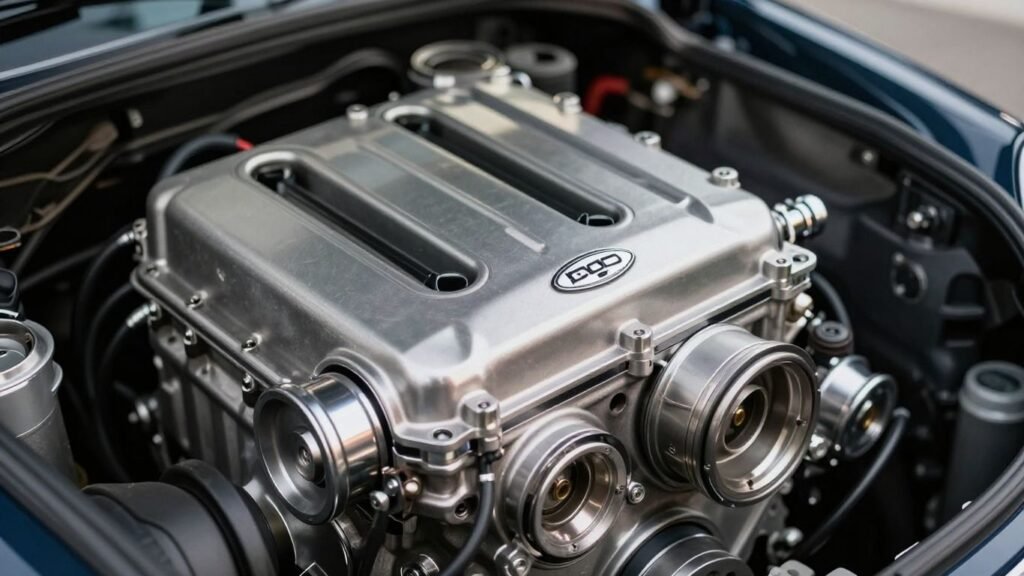
Looking for a turbo for your 2012-2015 Mini Cooper R56? It can be a bit of a hunt, especially if you’re on the Sunshine Coast. These cars have a specific setup, and getting the right turbo is key to keeping that Mini running smoothly. We’ll walk through what you need to know to find the right Sunshine Coast – Mini Cooper R56 turbo engines 2012-2015.
Key Takeaways
- Make sure the turbo you buy fits your Mini Cooper R56 model and year. Not all turbos are the same.
- Check the part numbers. This is the best way to know if it’s the right turbo for your car.
- Understand the turbo’s specs, like the model (K03 is common) and if it’s oil and water-cooled.
- Look for quality parts. Things like billet compressor wheels and strong turbine housing material can make a difference.
- When in doubt, get a pro to install it. They know how to check everything is ready before the new turbo goes in.
Locating Your Mini Cooper R56 Turbo Engine
Finding the right turbocharger for your 2012-2015 Mini Cooper R56 can feel like a treasure hunt, but it’s totally doable. These little engines pack a punch thanks to their turbo, and when it’s time for a replacement, you want to make sure you get the correct part. Let’s break down how to pinpoint the exact turbo you need for your specific R56 model.
Understanding Engine Compatibility
First off, not all turbos are created equal, even within the same Mini Cooper generation. The R56 platform, especially from 2012 to 2015, saw a few variations. It’s super important to know your engine code and the exact model year of your car. This isn’t just about making it fit; it’s about ensuring it works correctly with your car’s computer and fuel system. Sometimes, a turbo might look similar, but the internal wastegate actuator or the oil/water line fittings could be different, causing all sorts of headaches down the line. You’re looking for turbos designed for the N14 or N18 engines, depending on the exact year and trim. For instance, a turbo for a Cooper S will be different from one for a standard Cooper, even if they look alike on the outside. Always double-check the specs against your current setup.
Identifying Specific Model Fitment
Mini Cooper R56 models from 2012-2015 include the Cooper S, Cooper S Clubman, Cooper S Coupe, and Cooper S Roadster. Each of these, while sharing the R56 chassis designation, might have slight variations in their turbocharger requirements. For example, the Cooper S models (like the R55 Clubman, R56 Hatch, R57 Convertible, R58 Coupe, R59 Roadster, R60 Countryman, and R61 Paceman) often use the K03 turbocharger. However, the specific part numbers can differ based on the engine output and year. You’ll want to look for turbos that explicitly state compatibility with your exact model, such as the "Cooper S 1.6L Engine" for 2014-2015 models. If you’re looking for a replacement, checking out listings for premium imported JDM engines and parts might also yield results, as they often detail precise fitment information.
Key Part Numbers for Turbo Identification
This is where things get really specific, and honestly, it’s the most reliable way to get the right part. The original equipment manufacturer (OEM) part numbers are your best friend here. For the R56 Cooper S models from roughly 2007 onwards, you’ll often see part numbers starting with ‘1165’ or ‘7647’. Some common numbers you might encounter include 11657647002, 11657565424, and 11657649496. Aftermarket turbos will often list these OEM numbers as cross-references. You might also see manufacturer-specific numbers like those from BorgWarner, such as 53039880146 or 53039700163.
Here’s a quick look at some common part number ranges:
| Manufacturer | Common Part Number Series |
|---|---|
| OEM Mini | 11657647xxx, 11657565xxx |
| BorgWarner | 53039880xxx, 53039700xxx |
Always confirm your old turbo’s part number before ordering a new one. It’s usually stamped directly onto the turbo housing. If you can’t find it, your car’s VIN can often help a parts supplier identify the correct component.
Remember, getting the right part number is the most direct way to avoid compatibility issues. If you’re unsure, don’t hesitate to ask a specialist or consult your Mini’s service manual. It’s better to be safe than sorry when it comes to engine components.
Turbocharger Specifications for Your Mini Cooper
So, you’re looking to get a better idea of what makes your Mini Cooper’s turbo tick, or maybe you’re shopping for a replacement. It’s not just about slapping on any old turbo; you need to know the details. Understanding these specs helps you find the right fit and know what you’re getting.
Turbo Model and Engine Codes
For the 2012-2015 Mini Cooper R56 generation, the turbochargers are typically based on the K03 model. These are designed to work with specific engine codes, most commonly the EP6DTS or EP6CDTS. These codes tell you a lot about the engine’s design and what kind of performance it’s built for. For instance, the EP6CDTS often pairs with slightly higher horsepower outputs compared to the earlier EP6DTS. Knowing your exact engine code is key to compatibility. Some performance enthusiasts might look at upgraded turbos like the K04, which can push power figures higher, but for a direct replacement, sticking to the K03 family is usually the way to go. You can find more about specific turbo upgrades here.
Cooling and Bearing Systems
Your turbocharger needs to stay cool and keep its parts moving smoothly. The turbos for these Minis are usually oil and water-cooled. This dual system helps dissipate the extreme heat generated during operation, preventing premature wear. The type of bearings used is also important. Most stock turbos feature a journal bearing system. This is a reliable setup, but it’s good to know if you’re looking at a replacement that might have a different bearing type, like a ball bearing, which can offer quicker spool-up. A brand new turbo will often come with a journal bearing and all the necessary bits.
Performance Metrics and Condition
When you’re looking at a turbo, you’ll see figures like horsepower ratings. For the stock R56 Cooper S models from this era, the turbos are generally rated to support up to around 185 horsepower. This is a good baseline. If you see a turbo claiming much higher numbers, it’s likely an aftermarket performance unit. Also, pay attention to the condition. Is it new, rebuilt, or used? A new turbo means no prior wear and tear. A rebuilt one should come with a warranty and have had its critical components replaced. Used turbos are a gamble; you’ll want to inspect them carefully for any signs of damage or excessive play.
When considering a replacement turbo, it’s wise to think about the overall health of your engine. A turbo works hard, and if other parts of your engine aren’t in top shape, the new turbo might not perform as expected or could even be damaged. Things like oil supply, air intake cleanliness, and the crankcase ventilation system all play a role in how long your turbo lasts.
Here’s a quick rundown of what to look for:
- Turbo Model: Usually K03 for stock.
- Engine Codes: EP6DTS, EP6CDTS.
- Cooling: Oil and Water cooled.
- Bearing Type: Typically Journal Bearing.
- Horsepower Support: Up to ~185 HP for stock units.
- Condition: New, Rebuilt, or Used.
Essential Components of a Turbocharger
So, you’re looking to understand what makes a turbocharger tick, especially the one on your 2012-2015 Mini Cooper R56? It’s not just one piece; it’s a system of parts working together. The turbine housing and wheel are where the magic starts, using exhaust gases to spin things up.
Let’s break down the key bits:
- Turbine Housing Durability: This part has to handle some serious heat and pressure from the exhaust. The ones designed for performance, like those often found on Mini Coopers, are usually made from special alloys. Think silicon-molybdenum steel – it’s tough, resists cracking even when it’s super hot, and generally lasts longer. It’s built to keep its shape and strength under stress.
- Advanced Turbine Wheel Materials: Inside that housing is the turbine wheel. For better performance and longevity, these are often made from materials like K419 alloy. This stuff is really good at handling high temperatures. It’s designed to efficiently grab the energy from your exhaust gases and turn it into rotational force without breaking down. This means a more reliable spin and less chance of failure.
- Billet Compressor Wheel Advantages: On the other side of the turbo is the compressor wheel. While some turbos use cast wheels, many performance upgrades, and sometimes even replacements for your R56, feature a ‘billet’ compressor wheel. This means it’s machined from a solid block of aluminum. The big deal here is precision. It’s lighter, responds faster when you hit the gas, and can be designed for better airflow. This often leads to a bit more power and can even help with fuel economy because the engine doesn’t have to work as hard to get the air it needs. Getting the right ECU tuning can really make these wheels sing.
When you’re looking at a replacement turbo, pay attention to the materials. High-temperature alloys for the turbine side and precision-machined billet for the compressor mean a more robust and responsive unit. It’s these details that separate a basic replacement from a component that can handle spirited driving.
It’s also worth noting the oil and water cooling systems that keep everything running smoothly, and the type of bearings used, which affect how quickly the turbo spools up and how long it lasts. If you’re replacing one, make sure you have the service manual for your specific model to get all the details right.
Ensuring Proper Turbo Installation
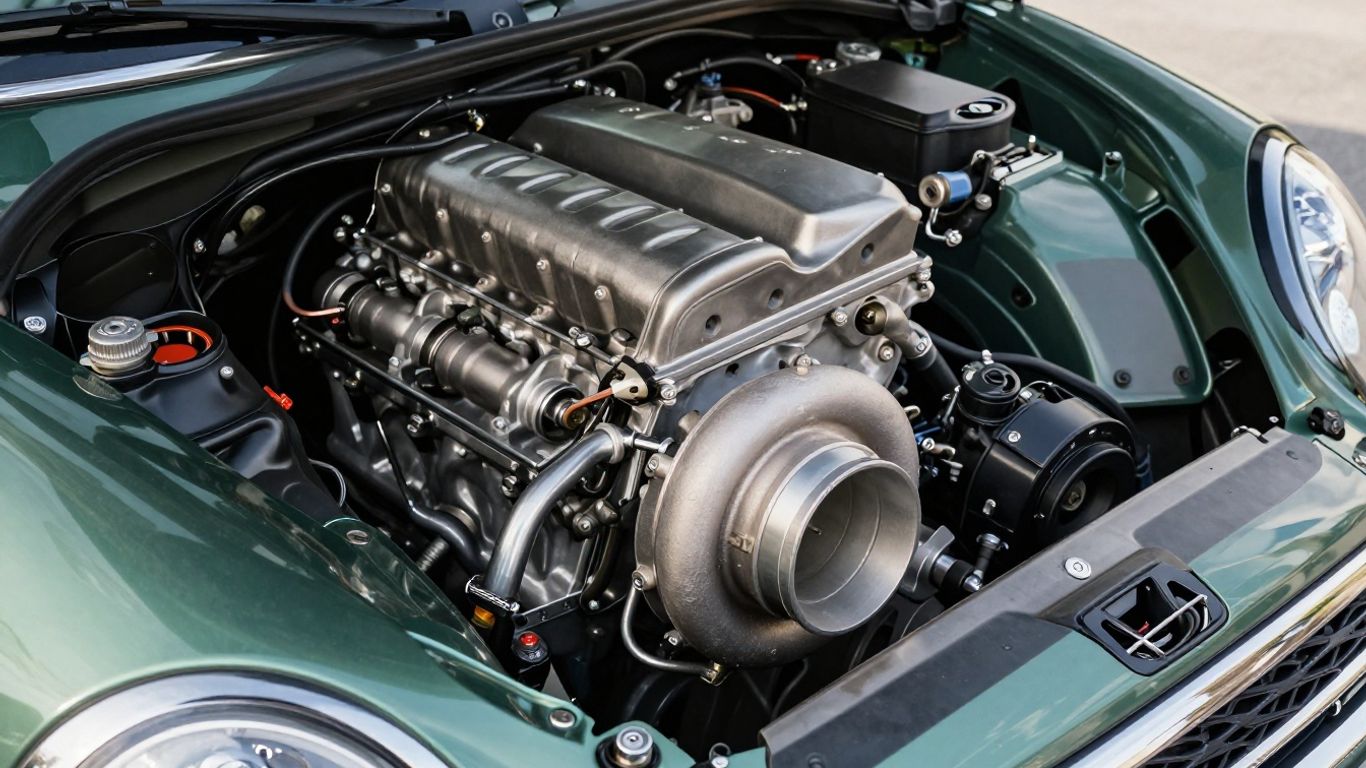
So, you’ve tracked down that perfect turbo for your 2012-2015 Mini Cooper R56. That’s awesome! But before you get too excited, let’s talk about getting it bolted on right. A turbo is a pretty complex piece of kit, and slapping it on without a second thought can lead to more headaches than it’s worth. Getting the installation spot-on is just as important as finding the right part.
Confirming Your Old Turbo Part Number
This might sound obvious, but seriously, double-check the part number on your old turbo. Sometimes, even within the same Mini Cooper R56 generation, there can be slight variations. You don’t want to get halfway through the job and realize the new turbo won’t bolt up correctly. Look for a stamped or stickered number directly on the turbo housing. It’s usually a series of numbers and letters. If you can’t find it, or it’s too worn to read, consult your Mini’s service manual or a trusted mechanic. Having the correct part number is your first line of defense against compatibility issues.
The Importance of Professional Installation
Look, I get it. We all love a good DIY project. But turbos? They’re a different beast. These aren’t your average spark plugs. They spin at insane speeds and rely on precise oil and coolant flow. Mistakes during installation can lead to catastrophic failure, costing you way more in the long run. If you’re not super comfortable with engine work, especially the intricate plumbing and sealing involved with a turbo, it’s probably best to hand it over to a pro. They have the right tools, the experience, and they know the common pitfalls for these specific engines. Finding a good mechanic who knows their way around a Mini Cooper can save you a lot of grief. You can often find local automotive repair shops that specialize in European cars or even dedicated Mini Cooper service centers on the Sunshine Coast.
Pre-Installation System Checks
Before that shiny new turbo even sees your engine bay, you need to check a few things. Think of it as a pre-flight checklist for your turbo. First off, oil. Turbos need clean, pressurized oil to lubricate and cool their bearings. Make sure your oil is fresh, the correct viscosity, and that your oil pump is working well. Also, check the oil feed and return lines for any kinks or blockages. Clogged lines are a turbo killer. Next, coolant. If your turbo is water-cooled, like many R56 models, you need to ensure the cooling system is in good shape. A simple check for pressure drops within the cooling system can tell you a lot. Any leaks or issues here need to be fixed before the new turbo goes on. Finally, inspect the intake and exhaust plumbing. Are there any cracks or leaks that could have caused the old turbo to fail in the first place? Addressing these issues now prevents the same problem from happening all over again.
A common mistake is assuming the old turbo failed solely because it was old. Often, underlying issues like poor oil supply, vacuum leaks, or a malfunctioning crankcase ventilation system are the real culprits. Failing to identify and fix these root causes means your new turbo is likely doomed from the start.
Finding Sunshine Coast Turbo Specialists
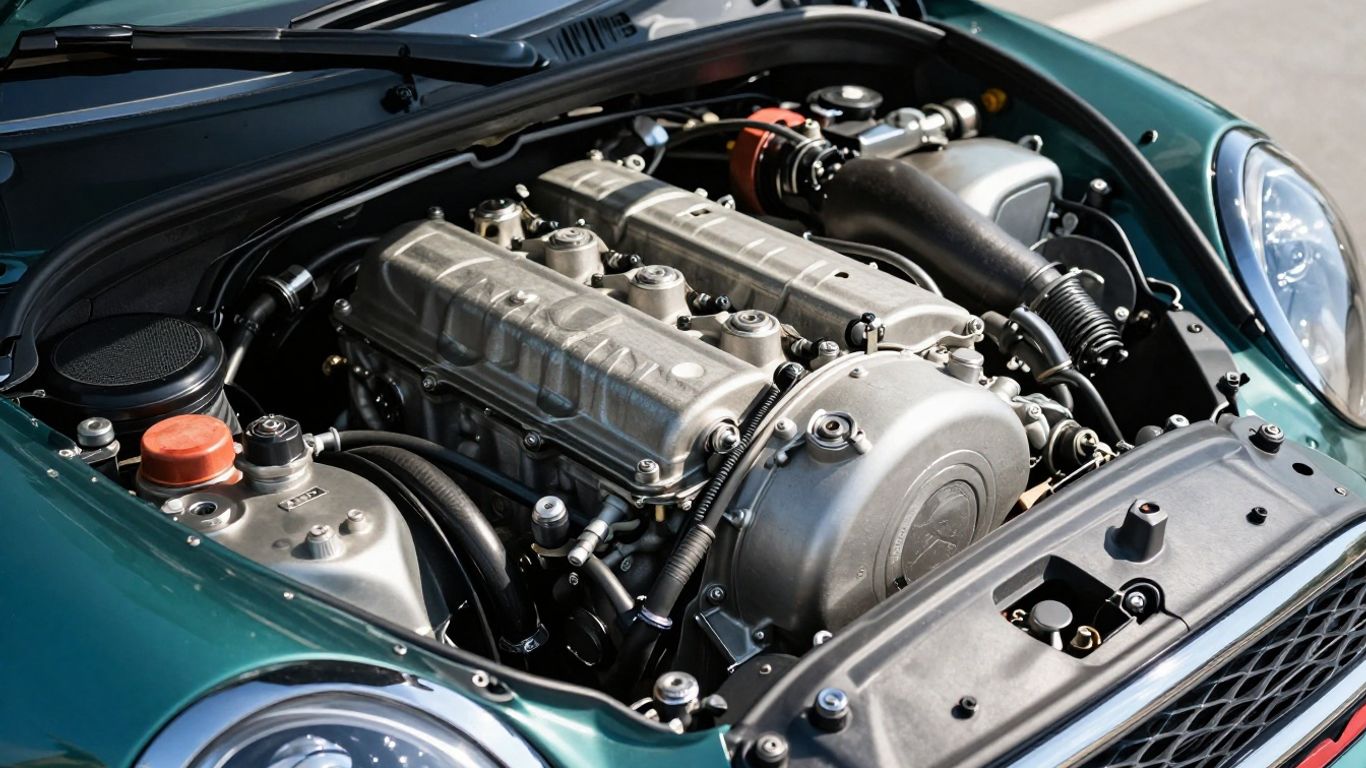
So, you’ve figured out you need a new turbo for your 2012-2015 Mini Cooper R56, and you’re on the hunt for someone who knows their stuff, especially around the Sunshine Coast. It’s not always easy to find the right help, but there are definitely a few avenues to explore.
Local Automotive Repair Shops
Your first stop might be the general auto repair shops dotted around the coast. Many of these places handle a variety of makes and models, and they often have mechanics who are pretty good with engine work. It’s worth giving them a call to see if they have experience with Minis or turbochargers specifically. Sometimes, a good local mechanic can be a real gem. They might not specialize in Minis, but they can often source parts and get the job done. Don’t be afraid to ask about their experience with turbo replacements on European cars.
Specialty Mini Cooper Service Centers
If you want to go straight to the experts, look for shops that focus specifically on Mini Coopers or European performance vehicles. These places usually have technicians who live and breathe Minis. They’ll know the R56 model inside and out, including common turbo issues and the best replacement options. They might also have access to specialized tools or diagnostic equipment that a general shop wouldn’t. Finding a place like Aventura Motor Sales & Service (though not on the Sunshine Coast, it’s an example of the type of specialist you’d look for) can save you a lot of headaches.
Online Parts Retailers Serving the Coast
While you’re looking for a specialist to do the work, you’ll also need to source the actual turbocharger. There are plenty of online retailers that ship directly to the Sunshine Coast. These sites often have a huge selection of parts, including new and sometimes even used turbochargers. You can often find detailed specifications, part numbers, and compatibility information right on their product pages. It’s a good idea to compare prices and read reviews before you buy. Sometimes, you can even find good deals on used parts if you’re on a tighter budget, which can be a smart way to go for older cars, similar to how people look for used Mini Cooper parts in Perth.
When you’re talking to any mechanic or shop, it’s always a good idea to have your current turbo’s part number handy. This helps them pinpoint the exact replacement you need. You can usually find this number on the turbo itself or in your car’s service records. It’s a small detail that can make a big difference in getting the right part the first time around.
Wrapping Up Your Turbo Search
So, if you’re out on the Sunshine Coast and your Mini Cooper R56 needs a new turbo, remember it’s not impossible to find one. We’ve seen that there are options out there, from specific part numbers to upgraded billet versions that fit a range of Mini models, including the S variants from 2007 all the way up to 2016. Just make sure you double-check those part numbers against your old turbo before you buy. Getting the right fit means getting your Mini back on the road, purring like it should. Happy hunting!
Frequently Asked Questions
What years of Mini Cooper R56 turbo engines can I find on the Sunshine Coast?
You’re looking for turbo engines for Mini Cooper R56 models made between 2012 and 2015. These specific years often had the K03 turbocharger, which is what most people are after for this generation.
How do I know if a turbo engine is the right fit for my Mini Cooper?
It’s super important to check the engine codes and part numbers. For your 2012-2015 R56, you’ll likely be looking for engines with codes like EP6DTS or EP6CDTS. Always double-check the part number against your old turbo or the manufacturer’s specs to be sure it’s compatible.
What are the key specs for a Mini Cooper R56 turbo?
The common turbo model for these cars is the K03. It’s usually cooled by both oil and water and has journal bearings. These turbos are designed to handle up to about 185 horsepower and are known for their quick response.
What makes a ‘billet’ compressor wheel special?
A billet compressor wheel is machined from a solid block of aluminum. This makes it stronger and lighter than cast wheels, which means it can spin faster and more efficiently. It helps your engine breathe better and respond quicker.
Is it okay to install the turbo myself, or should I get a professional?
While some folks are handy with car repairs, installing a turbocharger is pretty complex. It’s highly recommended to have a professional mechanic do it. They’ll make sure everything is connected correctly and that your old turbo’s issues are fixed first, preventing damage to the new one.
Where can I find mechanics on the Sunshine Coast who know about Mini Coopers?
On the Sunshine Coast, you can look for local auto repair shops that specialize in European cars or specifically Mini Coopers. There are also online parts suppliers that serve the area and can often point you towards trusted local installers.