

Key Takeaways
A suitable replacement starts with exact compatibility details, then a careful comparison of condition, warranty and total fitted cost. Take time to confirm what you are buying before arranging delivery or installation.
- Match the engine code and vehicle specifications before requesting quotes.
- Compare used and reconditioned options, including what each assembly contains.
- Ask for records, visible-condition details and available test results.
- Read the warranty and return terms before paying.
- Add fitting, delivery, fluids and related repairs to the purchase price.
Identify the right engine for your vehicle
The first task is to identify the engine your vehicle needs, not simply to find one described as suitable for its make. Engine codes, build year, transmission and fuel type can all affect fit. Collect the details from the vehicle documents or ask a mechanic to help verify them before you contact sellers.
Match the engine code, make, and model
Start with the engine code, which is usually more precise than a model name or badge. A single vehicle range can have several engine options, and a similar-looking unit may still differ in important ways. Check the code against the existing engine, service records or vehicle identification details, and confirm the make and model alongside it. An Australia-wide car parts network can connect customers with quality used, genuine and aftermarket parts, but the exact match still needs to be established for your vehicle.
Check compatibility by year and transmission
Model year matters because specifications may change between production runs or variants. Transmission type is another detail to confirm: ask whether the replacement is intended for a vehicle with your gearbox and whether any matching components are included. If you are weighing several choices, focus on the details that decide fit rather than relying on broad labels. The same kind of needs-and-budget comparison appears in guides to Singapore property consultants, though an engine purchase calls for vehicle-specific checks.
Confirm petrol or diesel and other specifications
Confirm whether your vehicle needs a petrol or diesel engine, then check any other specification that could affect compatibility, such as displacement or emissions equipment. Do not assume that an engine from the same model family is interchangeable. When requesting a quote, give the seller the registration or vehicle identification details as well as the engine code, and ask them to confirm the match in writing. That small step can help prevent a costly mismatch.
Compare used engine options in Sydney
Sydney used engines can vary in age, history, completeness and preparation, so a price alone tells you little about value. Ask what condition the engine is in and what work, if any, has been carried out. A seller’s description should make it clear whether you are considering a used unit, a reconditioned one or a different type of assembly.
Understand the difference between used and reconditioned engines
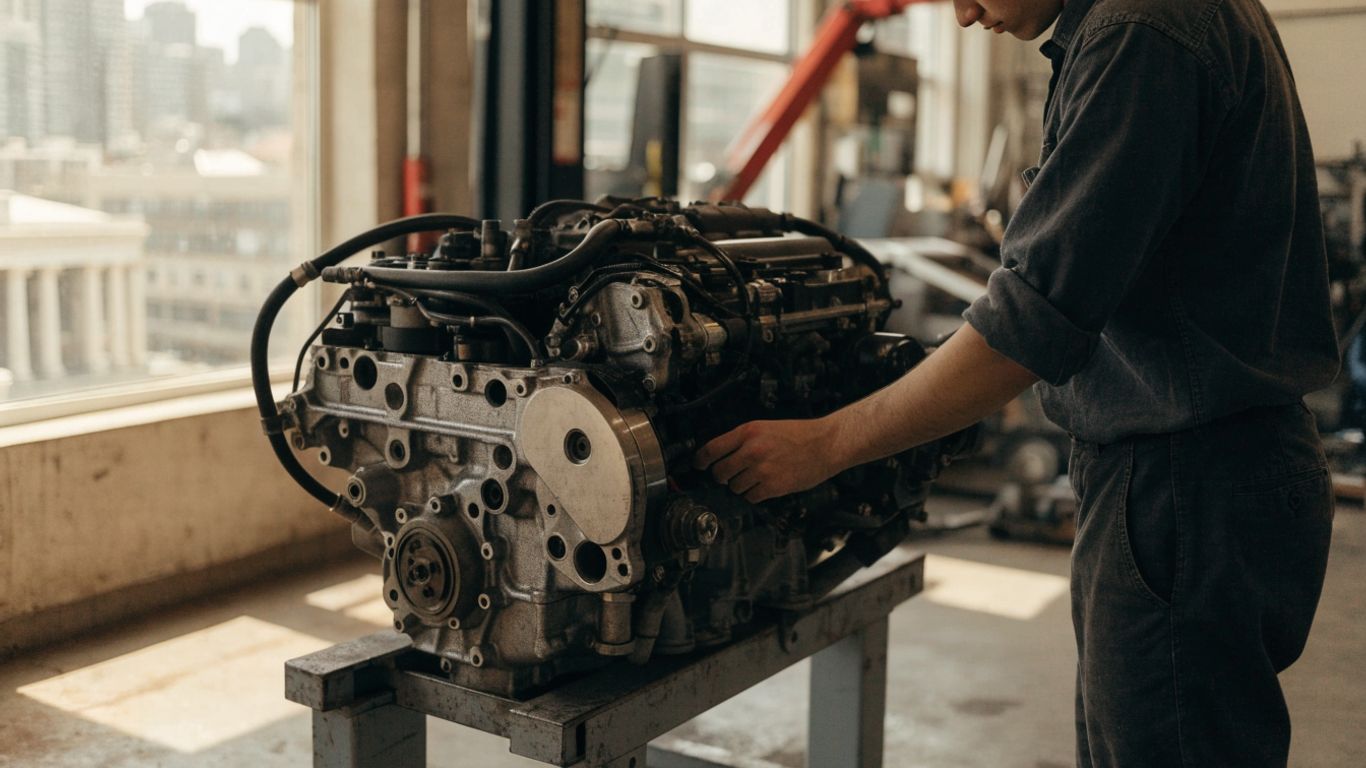
A used engine has previously been fitted to a vehicle; the amount of testing or preparation varies, so ask what was checked. A reconditioned engine has had work carried out, but the term can cover different scopes of work. Request a clear description of the components inspected, repaired or replaced rather than relying on the label alone. A separate supplier’s used petrol and diesel engines listing can illustrate the kinds of options buyers may encounter, but it does not replace checking the terms for the unit you are considering.
A side-by-side comparison helps identify what still needs clarifying before you decide:
| Option | What to clarify | Useful evidence to request |
|---|---|---|
| Used engine | Prior use and checks completed | Donor details and test results, if available |
| Reconditioned engine | Scope of work completed | Written list of inspected or replaced parts |
| Complete engine | Components included in the assembly | Itemised inclusions and exclusions |
| Bare engine | Parts that must be transferred or sourced | Fitting requirements and a parts list |
These labels are only a starting point: the seller’s written description should define the actual engine being offered. Compare the evidence and inclusions alongside the price, rather than assuming that a particular term guarantees a specific level of preparation.
Compare complete engines with bare engines
A complete engine may include more of the attached components, while a bare engine generally requires parts to be transferred or sourced separately. Those descriptions are not always used identically, so ask for an itemised list and photographs of the actual assembly. A lower-priced bare unit can still suit your repair, but its final cost depends on which components your mechanic can reuse. Clarifying that scope before purchase makes quotes easier to compare.
Weigh price against mileage and condition
Mileage can help you assess an engine’s history, but it is only one factor. Consider how the figure is documented, what is known about the donor vehicle and whether the seller can provide test information. Compare similar options using the same questions about condition and inclusions; a price comparison is only meaningful when the products are comparable. That is a more useful approach than treating the lowest quote as the best value.
Inspect an engine before you buy
An engine may be sold remotely, but you can still ask for evidence that helps you judge its condition. Request records and clear photographs, and find out which checks have actually been completed. If anything is unclear, pause before paying and ask the seller or your mechanic to explain what the available information does—and does not—show.
Ask for service and donor-vehicle records
Ask whether the seller has service history, donor-vehicle details or information about how and when the engine was removed. Records can add context to the claimed mileage and help establish what was known about the engine before removal. Not every used unit will have a complete history, so ask the seller to state what is available and what is not. Treat undocumented details as unknown rather than filling gaps with assumptions.
Look for signs of wear, leaks, or damage
Photographs can help you spot visible concerns, though they cannot show every internal condition. Ask for clear images from several angles, including areas around seals, covers, connectors and mounting points, and check whether the engine has visible impact damage or signs of fluid leakage. If you are assessing images yourself, use a consistent short list of questions:
- Are there visible cracks, dents or damaged mounting points?
- Do the photographs show staining or signs of fluid leakage?
- Are connectors and external components present and undamaged?
- Does the seller’s description match the pictured assembly?
Use those observations to ask follow-up questions, not to make a diagnosis from a photograph. A mechanic can advise whether a visible issue is significant and what it might mean for fitting or repair costs.
Request compression or other available test results
Ask whether compression or other test results are available, and request the figures or report rather than a general assurance that the engine was checked. Find out when the test was performed and which unit it applies to, especially if the seller handles several similar engines. Not every seller will have the same tests, and results do not remove the need to check compatibility or warranty terms. Share the information with your mechanic if you need help interpreting it.
Check the seller’s warranty and return terms
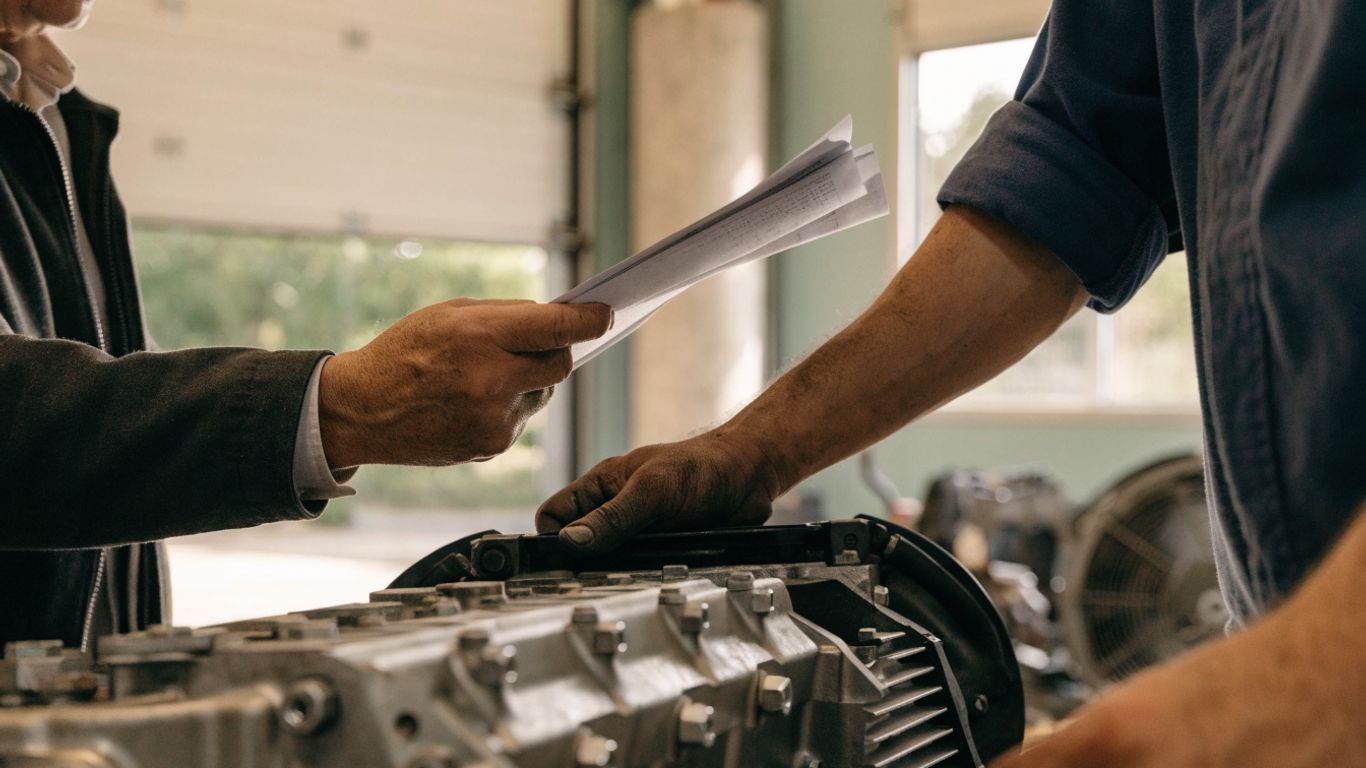
Warranty and return conditions can materially affect the risk of buying a replacement engine. Request the terms in writing before you commit, and read them alongside the engine’s description and the quote. A brief verbal summary may not explain what is covered, what must happen during installation or how a fault should be reported.
Read what the warranty covers
Check which parts and types of faults the warranty covers, and whether any exclusions apply. Ask if coverage applies to the engine alone or also to other components, and whether labour is included; do not assume either point. If the wording is unclear, ask the seller to explain it in writing before purchase. The terms matter more than a general statement that the engine comes with a warranty.
Confirm its duration and any installation conditions
Note the warranty period and any conditions that must be met to keep it valid. For example, the seller may specify how and where the engine is fitted, or what records must be retained; confirm the actual requirements rather than guessing. Ask what fluids, checks or installation documentation are required and keep copies of invoices and communications. Clear conditions help you and the installer plan the work correctly.
Ask how returns and faults are handled
Find out who to contact if the engine arrives damaged, does not match the description or develops a fault. Ask about notification deadlines, inspection steps, return freight and whether the seller requires the engine to remain installed or be removed for assessment. Get the process in writing and retain the quote, invoice and delivery details. Knowing the steps in advance makes it easier to respond calmly if a problem arises.
Plan installation and delivery
A replacement engine is not a simple drop-off purchase: installation, handling and transport all need to be arranged. Confirm the engine’s inclusions before booking workshop time, and coordinate the delivery date with the mechanic. Sydney delivery options and costs may vary with the seller, distance and size of the shipment, so ask for a firm estimate.
Confirm what parts are included
Ask for an itemised list of what comes with the engine and what is not included. Check whether accessories, sensors, manifolds or other related components are part of the quoted assembly, and ask your mechanic which existing parts can be reused. If replacements are needed, clarify whether they are available as quality used, genuine or aftermarket parts through the supplier’s parts network. A written list helps avoid last-minute delays and unexpected purchases.
Arrange fitting with a qualified mechanic
Speak with a qualified mechanic before buying if possible. They can verify compatibility, assess which parts need transferring and estimate labour based on the engine supplied. Share the warranty conditions with the workshop before installation so that any required procedures or records are understood. The right sequence is to confirm the engine, agree on the work and then book the fitting date.
Check delivery options and costs in Sydney
Ask whether delivery is available to your address or workshop, how the engine will be handled and whether someone needs to be present to receive it. Confirm the quoted freight charge, expected timing and what to do if the shipment arrives damaged. As with Singapore travel planning, it helps to check practical logistics ahead of time, although an engine delivery has its own handling and receiving requirements. Make sure the workshop can accept the shipment before dispatch is arranged.
Calculate the full replacement cost
The purchase price is only one part of the replacement bill. Fitting, freight, additional parts and workshop supplies can change the total substantially. Build an estimate from written quotes and confirmed inclusions so that you compare complete repair options, not just headline prices.
Include labour and required parts
Ask the workshop for a labour estimate based on the particular engine and the work required to fit it. Add any parts that the seller has excluded, plus delivery and other handling charges. When comparing suppliers, check that each quote covers the same type of engine and similar inclusions. Matching needs to budget is also a useful way to assess SEO tools, but for this repair the meaningful figures are the engine, parts and fitting costs.
Budget for fluids and related repairs
Set aside room in the estimate for fluids and any related repairs your mechanic identifies during inspection or installation. The exact needs depend on the vehicle and the condition of its surrounding components, so avoid relying on a generic allowance as a final figure. Ask the workshop which items are essential now and which are optional or can be monitored later. Separating those costs makes the decision clearer.
Compare the total cost with other replacement options
Compare the installed cost of each suitable engine with other realistic repair or replacement options for your vehicle. Include warranty terms, expected downtime and the amount of work still required, not just the quoted parts price. A whole-life view is also used in building life cycle assessment, though a vehicle repair estimate should be based on its own costs and requirements. For a second reference point, acrylic shower screen options show how comparing product, installation and maintenance costs can matter in a different purchase; here, keep the comparison anchored to the vehicle and evidence you have gathered.
Conclusion
Finding the right used engine in Sydney comes down to verifying compatibility, understanding condition and inclusions, and checking the seller’s written terms. Ask for the evidence you need, involve a mechanic before committing and calculate the full installed cost. A careful comparison can help you choose a replacement that fits both the vehicle and your budget.
Frequently Asked Questions
How do I find the correct engine for my vehicle?
Check the engine code, make, model, year, transmission and fuel type, then ask the seller to confirm compatibility using your vehicle details. A mechanic can help verify the match if any information is uncertain.
Is a reconditioned engine better than a used engine?
Not automatically. The work covered by “reconditioned” can vary, so compare the written scope of work, available test results, condition and warranty against the specific used engine you are considering.
What should I ask before buying a used engine?
Ask about compatibility, mileage and its documentation, donor-vehicle history, condition, available test results, included parts, warranty terms, returns and delivery. Request important details in writing.
What is the difference between a complete and a bare engine?
A complete engine may include more attached components, while a bare engine may require parts to be transferred or purchased separately. Ask for an itemised list because terminology and inclusions can differ between sellers.
Should I ask for compression test results?
Yes, if results are available. Ask for the actual figures or report, when the test was done and which engine it applies to, then consult a mechanic if you need help interpreting it.
What costs should I include in an engine replacement budget?
Include the engine, delivery, fitting labour, parts not supplied with it, fluids and any related repairs identified by the workshop. Compare written estimates for the same scope of work.
What should I check in an engine warranty?
Confirm what is covered, the duration, exclusions, any installation requirements and how to report a fault. Ask how inspection, returns and freight are handled, and keep the terms and purchase records.