
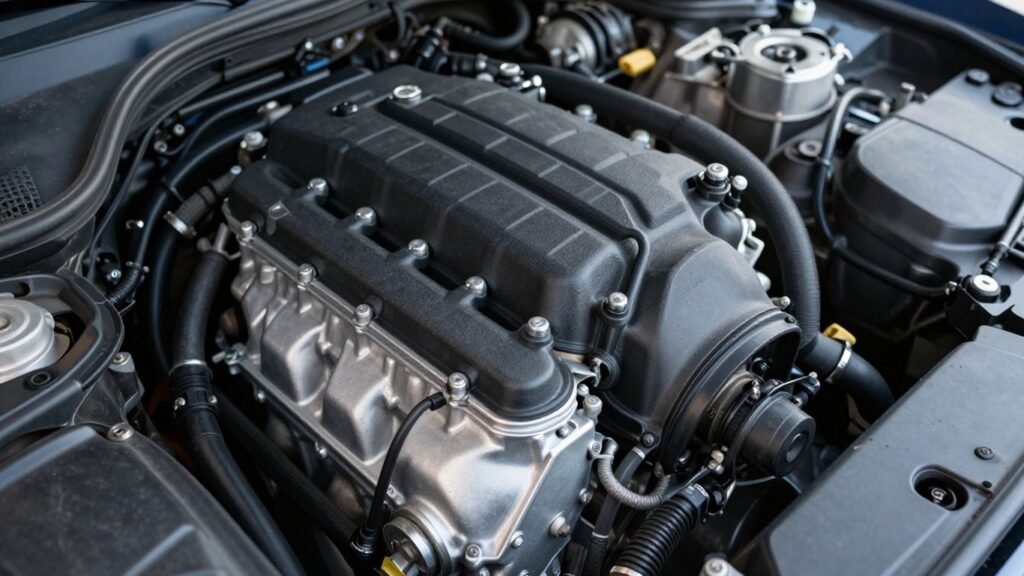
Thinking about getting a BMW X3 30d from the 2016 to 2019 model years, especially around Parramatta? You’re probably wondering how these engines actually perform and if they’re a good bet for the long haul. It’s a solid choice, blending that typical BMW driving feel with the practicality of an SUV. We’ll break down what makes these particular Parramatta – BMW X3 30d engines 2016-2019 tick, what you can expect on the road, and if they’re likely to give you trouble down the line. Plus, we’ll touch on keeping them running smoothly and how they stack up against other options.
Key Takeaways
- The 2016-2019 BMW X3 30d models feature a robust six-cylinder turbocharged diesel engine known for strong performance and decent fuel economy, making them a good fit for varied driving conditions around Parramatta.
- Owners generally report good reliability, but like any car, regular maintenance is key. Keeping up with the recommended service schedule for your Parramatta – BMW X3 30d engines 2016-2019 is important.
- These engines offer a good balance of power for highway cruising and city driving, with adequate torque for towing or carrying loads.
- When looking to buy, consider the vehicle’s service history and overall condition. Finding a well-maintained X3 30d is more likely to lead to fewer issues.
- Servicing at qualified BMW specialists in the Parramatta area can help maintain the engine’s performance and longevity, using genuine parts when possible.
Engine Specifications and Features Overview
Turbocharged Six-Cylinder Diesel Performance
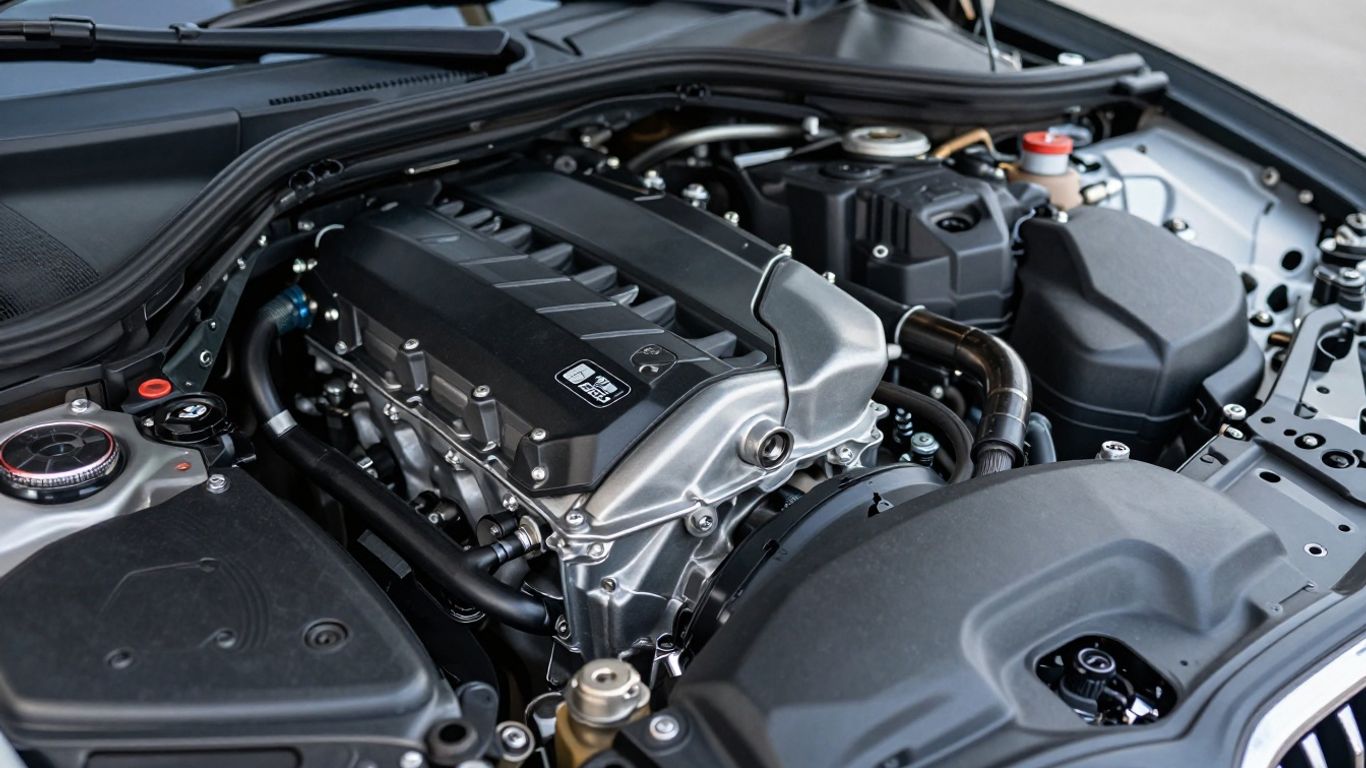
The BMW X3 30d models from 2016 to 2019 are powered by a robust 3.0-litre, inline six-cylinder turbocharged diesel engine. This powerhouse is known for its smooth delivery of torque and impressive acceleration, making it a great choice for both city driving and longer journeys. It produces a healthy 190 kW (255 hp) of power and a substantial 560 Nm of torque, which means you get that satisfying push when you need it, whether you’re merging onto the highway or overtaking.
Here’s a quick look at the key performance figures:
| Metric | Value |
|---|---|
| Engine Type | 3.0L Inline-6 Turbo Diesel |
| Max Power | 190 kW (255 hp) @ 4000 rpm |
| Max Torque | 560 Nm @ 1500-2500 rpm |
| Transmission | 8-speed Steptronic Automatic |
| Drivetrain | xDrive (All-Wheel Drive) |
This engine was designed to offer a good balance between performance and efficiency, a hallmark of BMW’s engineering. It’s a pretty refined unit, too, not sounding like your typical clunky diesel.
Key Engine Technology and Design Elements
BMW packed some smart tech into this engine. It features common rail direct injection, which helps with fuel atomization and combustion efficiency. Variable turbine geometry (VTG) in the turbocharger means it can adjust boost pressure on the fly, giving you better response across the rev range. This helps avoid that annoying turbo lag you might find in older turbocharged engines.
Other notable features include:
- All-aluminium crankcase: This helps keep the engine weight down, which is good for handling and fuel economy.
- Variable valve timing (VANOS): This system optimizes engine breathing for better performance and efficiency.
- Diesel Particulate Filter (DPF): Standard on these models, it helps reduce emissions by trapping soot particles.
- Common Rail Direct Injection: Delivers fuel precisely for optimal combustion.
These elements work together to create an engine that’s both powerful and relatively efficient for its size. It’s part of BMW’s ongoing efforts to improve diesel engine technology, like the newer TU2 engines that came later with even more advanced systems.
Fuel Efficiency Figures and Emissions
While the X3 30d is a capable performer, it’s also designed with fuel economy in mind. BMW claimed impressive figures for its class, though real-world results can vary based on driving style and conditions. For combined driving, you could expect figures in the ballpark of 5.0 to 5.7 litres per 100 kilometres, depending on the specific model year and configuration.
Emissions are managed through the DPF and other systems to meet Euro standards applicable at the time of manufacture. You’re looking at CO2 emissions typically in the range of 131-149 g/km.
It’s worth remembering that these figures are often achieved under ideal test conditions. Driving in Parramatta traffic, with its stop-start nature, will likely see slightly higher fuel consumption. However, the engine’s torque means it doesn’t have to work excessively hard in most situations, which helps keep things reasonable.
Overall, the engine in the 2016-2019 X3 30d offers a compelling blend of strong performance, modern technology, and respectable fuel efficiency, making it a popular choice for many drivers.
Driving Experience on Parramatta Roads
Acceleration and Handling in Urban Conditions
The BMW X3 30d, with its potent six-cylinder diesel engine, offers a surprisingly sprightly feel when you’re zipping around Parramatta’s busy streets. You won’t be left wanting when it’s time to merge onto James Ruse Drive or make a quick getaway from a traffic light. The engine provides ample torque, making those stop-start situations feel effortless. Steering is direct and responsive, which is a big plus when you’re trying to squeeze into tight parking spots or navigate around slower traffic. It feels planted and confident, even when the road surface gets a bit rough, which can happen around some of the older parts of Parramatta.
Highway Cruising and Towing Capabilities
Once you get out onto the M4 or head further afield, the X3 30d really settles into its stride. The engine is quiet at cruising speeds, and there’s plenty of power in reserve for overtaking. It makes long drives feel relaxed. For those who need to tow, whether it’s a trailer for a weekend project or a small caravan, the 30d has the grunt to handle it without feeling strained. You’ll appreciate the stability it offers, especially when carrying a load.
Ride Comfort and Noise Insulation
BMW has done a good job here. The suspension soaks up most of the bumps and imperfections you’ll find on Parramatta’s roads, keeping the cabin comfortable. Even on longer journeys, you won’t feel fatigued. Road noise is generally well managed, though you might hear a bit of tire noise on coarser asphalt surfaces. The engine itself is quite refined for a diesel, so it doesn’t intrude too much into the cabin, allowing for easy conversation or enjoying your music.
The combination of a strong engine, balanced handling, and a comfortable ride makes the X3 30d a very capable all-rounder for daily driving and longer trips around the Sydney region.
Reliability of BMW X3 30d Engines From 2016 to 2019
Common Issues in Australian Climate
When it comes to the BMW X3 30d models from 2016 to 2019, the six-cylinder diesel engine has a pretty solid reputation. Most owners report good experiences, especially with regular upkeep. However, like any car, there are a few things to keep an eye on, particularly in Australia’s varied climate.
One area that can sometimes cause trouble, especially with a lot of stop-start city driving, is the Diesel Particulate Filter (DPF). If the car isn’t driven on longer runs often enough to let the filter self-clean, it can get clogged. This is a common issue for many diesel cars, not just BMWs. Another component that might need attention over time is the Exhaust Gas Recirculation (EGR) system, including the EGR cooler. Issues here can sometimes lead to performance problems or warning lights.
Generally, these engines are built tough, but consistent maintenance is key to avoiding potential headaches.
Maintenance Schedules and Service Tips
Sticking to the recommended service schedule is your best bet for keeping your X3 30d running smoothly. BMW typically suggests servicing every 12 months or 15,000 kilometers, whichever comes first. However, it’s always a good idea to check your specific owner’s manual.
Here are some tips to keep in mind:
- Regular Oil Changes: Use the correct grade of synthetic oil recommended by BMW. This is vital for the longevity of the turbocharger and the engine itself.
- DPF Care: If you do a lot of short trips, try to take the car for a good, long drive at highway speeds at least once a month. This helps the DPF regenerate properly.
- Check Fluids: Keep an eye on coolant and brake fluid levels. Regular checks can prevent bigger issues down the line.
- Air and Fuel Filters: Replacing these at the recommended intervals helps the engine breathe and run efficiently.
Longevity and Durability Insights
With proper care and maintenance, the B57 diesel engine found in the X3 30d (2016-2019) is known for its durability. Many owners have reported reaching well over 200,000 kilometers without major engine trouble. The robust six-cylinder design contributes to its ability to handle significant mileage.
The key to maximizing the lifespan of your X3 30d engine lies in proactive maintenance. Addressing minor issues before they escalate and adhering to service schedules are far more cost-effective than dealing with major component failures later on. This approach helps maintain the vehicle’s performance and value over the long term.
When looking at used models, a detailed service history is a strong indicator of how well the car has been looked after. A well-maintained X3 30d from this period should offer many more years of reliable service. For those considering a used BMW X5 from a similar era, similar principles of diligent maintenance apply to ensure long-term reliability.
Service and Maintenance in Parramatta
Keeping your BMW X3 30d running smoothly around Parramatta means sticking to a good service plan. These engines are pretty solid, but like any car, they need regular check-ups to avoid bigger headaches down the road. Regular maintenance is key to ensuring the longevity and performance of your X3 30d.
Recommended Service Intervals and Costs
BMW typically suggests a service every 15,000 to 20,000 kilometers, or annually, whichever comes first. However, for city driving in Parramatta, with its stop-and-go traffic, you might want to consider checking in a bit sooner. Oil changes, filter replacements, and fluid checks are standard. More in-depth inspections, like checking the brakes, suspension, and exhaust system, usually happen at larger service intervals.
Here’s a general idea of what to expect:
- Minor Service (e.g., every 15,000-20,000 km): Oil and filter change, fluid top-ups, general inspection.
- Major Service (e.g., every 40,000-60,000 km): Includes minor service items plus brake fluid change, air filter replacement, cabin filter replacement, and more detailed checks of various systems.
- Specific Component Checks: Spark plugs (around 100,000 km), transmission fluid (check manual, often around 100,000-120,000 km or as needed).
Costs can vary a lot depending on the service centre and what’s included. A basic oil change might set you back a few hundred dollars, while a major service could be closer to $800-$1500 or more. It’s always a good idea to get a quote beforehand.
Finding Qualified BMW Technicians Locally
When it comes to servicing your X3 30d, you have a few options right here in the Parramatta area.
- Authorised BMW Dealerships: These places have technicians who are specifically trained on BMW vehicles. They use genuine BMW parts and have the latest diagnostic tools. This is often the most expensive option, but you get that peace of mind.
- Independent European Car Specialists: Many independent mechanics in Parramatta specialize in European cars, including BMW. They can often do the same work as a dealership, sometimes at a lower cost, and many have excellent reputations.
- General Mechanics: While some general mechanics are great, it’s best to find one with specific experience working on BMW diesels. Ask around, check online reviews, and see if they have experience with the X3 model.
It’s worth doing a bit of research to find a mechanic you trust. A good relationship with your mechanic can save you a lot of hassle and money in the long run.
Availability of Genuine OEM Parts
Genuine Original Equipment Manufacturer (OEM) parts are made by BMW or their approved suppliers, meaning they’re designed to fit and perform exactly like the original parts in your X3 30d. Using genuine parts is generally recommended, especially for critical components like engine parts, brakes, and suspension.
- Authorised Dealerships: They will always have genuine BMW parts available. This is their primary source.
- Specialist Independent Workshops: Many independent BMW specialists also have access to genuine parts, either directly from BMW or through reputable aftermarket suppliers who meet BMW’s standards.
- Online Retailers: You can find genuine BMW parts online, but be careful to ensure you’re buying from a trusted source to avoid counterfeit or incorrect parts.
While aftermarket parts can sometimes be cheaper, they might not offer the same quality or longevity. For a premium vehicle like the BMW X3 30d, sticking with genuine or high-quality OEM-equivalent parts is usually the best bet for maintaining its performance and reliability.
Keeping up with maintenance isn’t just about fixing things when they break. It’s about preventing problems before they even start. Think of it like going to the doctor for a check-up – it’s better to catch something early than wait until it becomes a serious issue. For your X3 30d, this means following the service schedule and paying attention to any little noises or changes in how the car drives. It’s an investment in keeping your car on the road and running well for years to come.
Comparing the 30d to Other BMW X3 Engine Options

When you’re looking at the BMW X3 30d models from 2016-2019, it’s smart to see how they stack up against other choices BMW offered. The 30d, with its six-cylinder diesel engine, really hit a sweet spot for many drivers, but there were other options that might suit different needs or budgets.
Advantages Over Four-Cylinder Diesel Variants
The X3 range often included four-cylinder diesel engines, typically in models like the 20d. While these are generally more fuel-efficient and might have a lower entry price, the 30d offers a noticeable step up in performance. The extra cylinders and larger displacement mean more power and torque, which translates to a more relaxed driving experience, especially when you need to overtake or carry a load. It’s not just about raw speed; the six-cylinder engine usually runs smoother and quieter, making longer journeys more comfortable.
- Smoother Power Delivery: The inline-six configuration is inherently more balanced than an inline-four.
- Higher Torque Output: Better for towing and effortless acceleration.
- Refined Engine Note: A more pleasing sound, even for a diesel.
Performance Differences with Petrol Engines
BMW also offered petrol engines in the X3 lineup, like the 20i or 30i variants. These petrol engines typically rev higher and can feel more responsive at the top end of their rev range. However, the 30d diesel shines in a different way. Its massive torque, available from very low RPMs, means you get instant pull without needing to rev the engine hard. This makes it feel very strong in everyday driving and particularly useful for towing or climbing hills. Petrol engines might offer a sportier feel for some, but the diesel’s low-end grunt is hard to beat for sheer usability.
For example, a 2016 X3 xDrive30d produces around 190 kW and 630 Nm of torque. Compare that to a petrol equivalent like the X3 xDrive30i (which might have been available in some markets or later models), and you’ll see a significant difference in torque figures, even if horsepower is similar. This is why the 30d is often favoured for its blend of performance and efficiency.
Used Market Value in Parramatta
When you’re looking at used X3 models around Parramatta, the 30d variants tend to hold their value well. They are popular for a reason – that blend of power, efficiency, and the premium BMW experience. You might find that a four-cylinder diesel or a petrol model could be cheaper upfront, but the 30d often represents a strong balance for its capabilities. For instance, a 2016 BMW X5 xDrive30d (a larger sibling, but indicative of the 30d engine’s market position) was listed around $32,999, showing a solid used market presence. The specific value will depend heavily on mileage, condition, and exact model year, but the 30d engine is generally a sought-after option. It’s worth checking local listings to see how prices compare for the X3 30d versus other engine choices in the same age bracket.
The six-cylinder diesel engine in the X3 30d provides a compelling mix of strong performance and reasonable running costs, making it a standout choice in the premium SUV segment for those who value both capability and economy.
Ownership Experience and Resale Trends
Warranty Coverage and Roadside Assistance
When you buy a BMW X3 30d from the 2016-2019 model years, you’re generally looking at a used vehicle. This means the original manufacturer’s warranty has likely expired. However, many dealerships offer their own certified pre-owned programs that come with extended warranties, giving you some peace of mind. It’s always a good idea to check what kind of coverage is included. Roadside assistance is also a common perk, especially if you’re buying from a BMW dealership. This can be a lifesaver if you ever run into trouble on the road, whether you’re just popping to the shops or heading out on a longer trip.
Used Car Prices Across Sydney Region
Prices for the BMW X3 30d can vary quite a bit depending on the specific year, mileage, condition, and where you’re looking in the Sydney region. Generally, you’ll find that models from 2016 tend to be more affordable than the 2019 versions. The M Sport package often commands a higher price too, due to its sportier looks and features. Keep an eye out for deals, as prices can fluctuate. For example, a 2016 BMW X3 xDrive 30d M Sport with 112,000 km might be listed around the $30,000-$40,000 mark, but this is just a rough estimate. It’s worth checking out listings for used BMW X3 M40i cars to get a feel for the broader X3 market, even though it’s a different engine.
Feedback From Local Owners
Most owners seem pretty happy with their X3 30d. The diesel engine is often praised for its blend of power and decent fuel economy, which is great for longer drives or when you need to tow something. Some owners mention that maintenance can be a bit pricey, but that’s pretty standard for premium German cars.
Here’s a quick rundown of what people often say:
- Pros: Strong performance, good for towing, comfortable ride, premium interior feel.
- Cons: Can be expensive to maintain, some find the infotainment system a bit complex at first.
- Overall: A solid choice for those wanting a capable and luxurious SUV.
It’s important to remember that while the 30d engine is generally reliable, any car, especially a used one, can have its quirks. Regular servicing and addressing any minor issues promptly are key to keeping it running smoothly for years to come. Don’t skip those oil changes!
When looking at specific vehicles, check the service history carefully. A well-maintained car is always a safer bet. You might find a 2016 model with lower kilometers than a newer one, which could be a better buy. Always take a thorough test drive and consider getting a pre-purchase inspection from a trusted mechanic, especially if you’re not buying from a BMW dealer. This can help you spot any potential problems before you commit.
Wrapping It Up: Your Parramatta BMW X3 30d
So, we’ve looked at the BMW X3 30d models from 2016 to 2019. These cars generally offer a good mix of power and comfort, which is what you’d expect from a BMW. The diesel engine provides solid performance, especially for highway driving, and they tend to hold up well if they’ve been looked after. Like any car, keeping up with regular maintenance is key to making sure it runs smoothly for years to come. If you’re in the market for a reliable, capable SUV in this range, the X3 30d is definitely worth considering.
Frequently Asked Questions
What kind of engine does the 2016-2019 BMW X3 30d have?
The BMW X3 30d from 2016 to 2019 is powered by a strong six-cylinder diesel engine. It’s turbocharged, meaning it uses a special fan to push more air into the engine, giving it extra power and making it more efficient.
How does the X3 30d perform on the road, especially in places like Parramatta?
This engine offers a great mix of power for quick acceleration when you need it, like merging into traffic on Parramatta roads, and smooth cruising on the highway. It’s also good for pulling things like trailers.
Is the BMW X3 30d engine reliable for daily driving?
Generally, these engines are known for being dependable. Like any car, keeping up with regular maintenance is key. Following the recommended service schedule helps ensure it lasts a long time and runs well, even in Australia’s warmer climate.
What are the typical maintenance needs for this engine?
It’s important to stick to BMW’s suggested service times. This usually involves oil changes, filter replacements, and checks on various engine parts. Doing this regularly helps prevent bigger problems down the road.
How does the 30d diesel engine compare to other X3 options?
The 30d diesel offers more power and torque (pulling force) than the smaller four-cylinder diesel engines. Compared to gasoline (petrol) engines, it’s usually more fuel-efficient, especially on longer drives, while still providing strong performance.
What should I consider when buying a used BMW X3 30d from these years?
When looking at a used X3 30d, check its service history to make sure it’s been well looked after. Also, consider its mileage and overall condition. These models tend to hold their value well in the Parramatta and wider Sydney area.