Key Takeaways
Identifying the correct hardware for a specific application saves time and optimizes long-term system performance. Understanding the interplay between magnetic fields and electrical power forms the basis of all motor functions.
- Electric motors transform electrical energy into mechanical movement using magnetic principles.
- Distinctions between AC and DC power determine the torque and speed control capabilities of a motor.
- Brushless designs offer higher durability and energy efficiency than traditional brushed counterparts by eliminating physical wear points.
- Precision instruments like servos and steppers provide the accuracy required for complex automated tasks in robotics.
- Industrial ratings and duty cycles define the operational limits and environmental resilience of an installed motor unit.
Fundamental classifications of electric motors
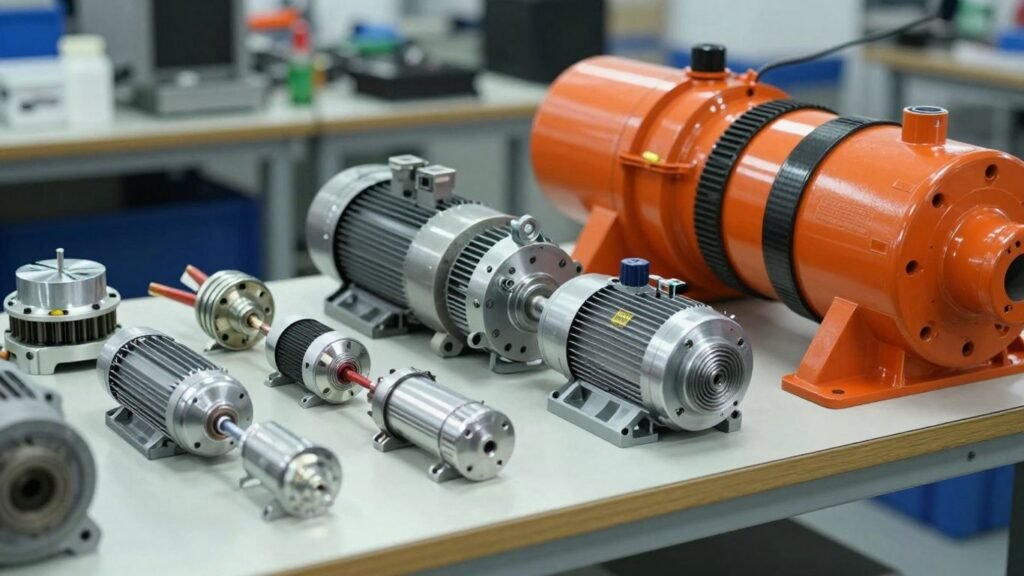
A comprehensive evaluation of Motor Types & Specifications requires a firm grasp of how various systems turn electrical current into mechanical motion. Engineers typically classify these units by their internal power source, the type of motion requested, and the way they manage incoming electrical phases. These distinctions serve as the foundation for choosing any component tasked with driving industrial or household mechanics.
Electromagnetic energy conversion principles
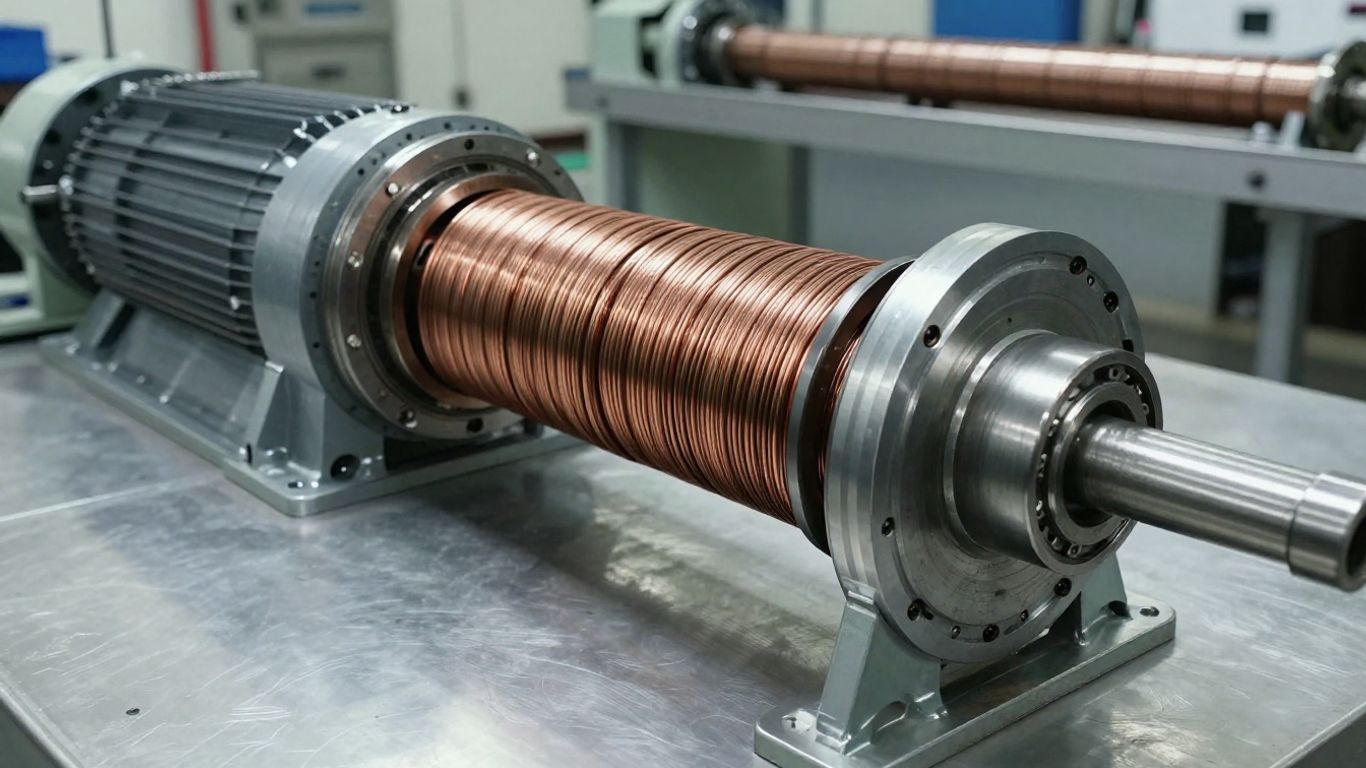
At the most basic level, motors function because of the attractive and repulsive forces between magnetic fields. When electric current flows through a wire coil, it generates a magnetic field that interacts with rotor magnets to produce physical torque. Wikipedia serves as a great resource for exploring how this interaction of currents and fields drives the shaft at different speeds. By controlling the amount of input energy, designers can manipulate the resulting mechanical power output with high reliability.
Rotary versus linear output configurations
Most people imagine rotating shafts when they think of motors, but linear movement is just as critical in modern machinery. Rotary motors provide output in a circular path suitable for fans, pumps, and conveyor chains. Conversely, linear motors generate force in a straight line, which is useful for specialized automation or high-speed manufacturing transport. IQS Directory offers detailed insights into how these output structures influence the integration of motors into various mechanical assemblies.
Single-phase versus polyphase power inputs
Electricity supply dictate the internal complexity of the winding arrays within the motor stator. Single-phase systems are standard for most domestic appliances where low power requirements prevail and simplified wiring is preferred. Polyphase or three-phase systems are typically reserved for large-scale industrial rigs where balance and constant, high-output power are necessary for heavy loads. Proper identification of the facility power available must occur before any equipment is integrated into the factory floor.
Core differences between AC and DC motors
Selecting between alternating and direct current involves looking at the specific control requirements of the intended environment. While both are powerful, they respond to variable loads and starting conditions in distinct ways. Making the right choice ensures the balance between system simplicity and the need for precision control.
Operational characteristics of AC induction motors
AC induction motors function by utilizing the sliding effect between the magnetic field of the stator and the rotor speed. These units are highly favored for their durability and lack of complex speed control circuits in many applications. Their ability to handle standard power grid inputs makes them a foundational element in Mabuchi Motor and related large-scale gear setups where maintenance must be minimal.
Voltage and frequency requirements for DC systems
Direct current motors rely on a steady flow of electrons to maintain consistent magnetic polarities during rotation. The voltage level determines the strength of the torque, which can be modified electronically to raise or lower the output speed. Precise management of these input levels is essential for Monolithic Power Systems architectures that drive sensitive electronic motion components in modern vehicles and consumer products.
Comparing constant speed versus variable speed applications
Constant speed applications require motors that maintain a steady output regardless of minor load fluctuations. Variable speed scenarios necessitate motors that can react quickly to changing conditions, often paired with an inverter or digital drive. Understanding those specific operational needs will guide whether an induction unit or a controllable DC device is better equipped for the workflow.
Understanding brushed versus brushless technologies
Modern engineering has increasingly shifted toward technologies that reduce mechanical friction, directly affecting the longevity of the equipment. Choosing between brushed and brushless variants often comes down to balancing the initial purchase cost against the long-term expense of maintenance. This fundamental choice remains a primary factor in how long a motor will continue to operate under a given duty cycle.
The role of commutators and brushes in traditional design
Traditional brushed motors pass electricity through contact points known as brushes that touch a rotating commutator. These physical connections facilitate the current reversal needed to keep the rotor spinning continuously. While effective for simple electronics, the mechanical rubbing naturally results in eventual wear on the components.
Benefits of electronic commutation in brushless motors
Brushless designs utilize software and small electronic sensors to switch the current direction without physical contact. This removes the electrical noise and physical friction found in older models, allowing for an incredibly compact and efficient footprint. The absence of wearing parts is why many high-intensity professional units utilize this method to maintain consistency over years of operation.
Maintenance and longevity trade-offs
Devices that lack physical brushes require far less downtime for repairs, but they often demand more sophisticated driving hardware. Traditional brushed equipment is cheaper to manufacture and generally easier to repair in basic settings since the components are straightforward. Ultimately, the career path of a motor technician involves mastering the technical elegance of these different designs, much like the Signature Solitaire Collection highlights the importance of meticulous selection and expert maintenance for long-term satisfaction.
Efficiency profiles in modern high-performance devices
Efficiency is the measurement of how much electrical input is successfully translated into mechanical motion without being lost as heat. High-performance brushless units frequently exceed ninety percent efficiency by utilizing magnetic arrangements that minimize eddy currents. This reduction in heat allows for continuous use in tightly packed cabinets where air cooling is restricted.
Specialized precision motors for robotics and automation
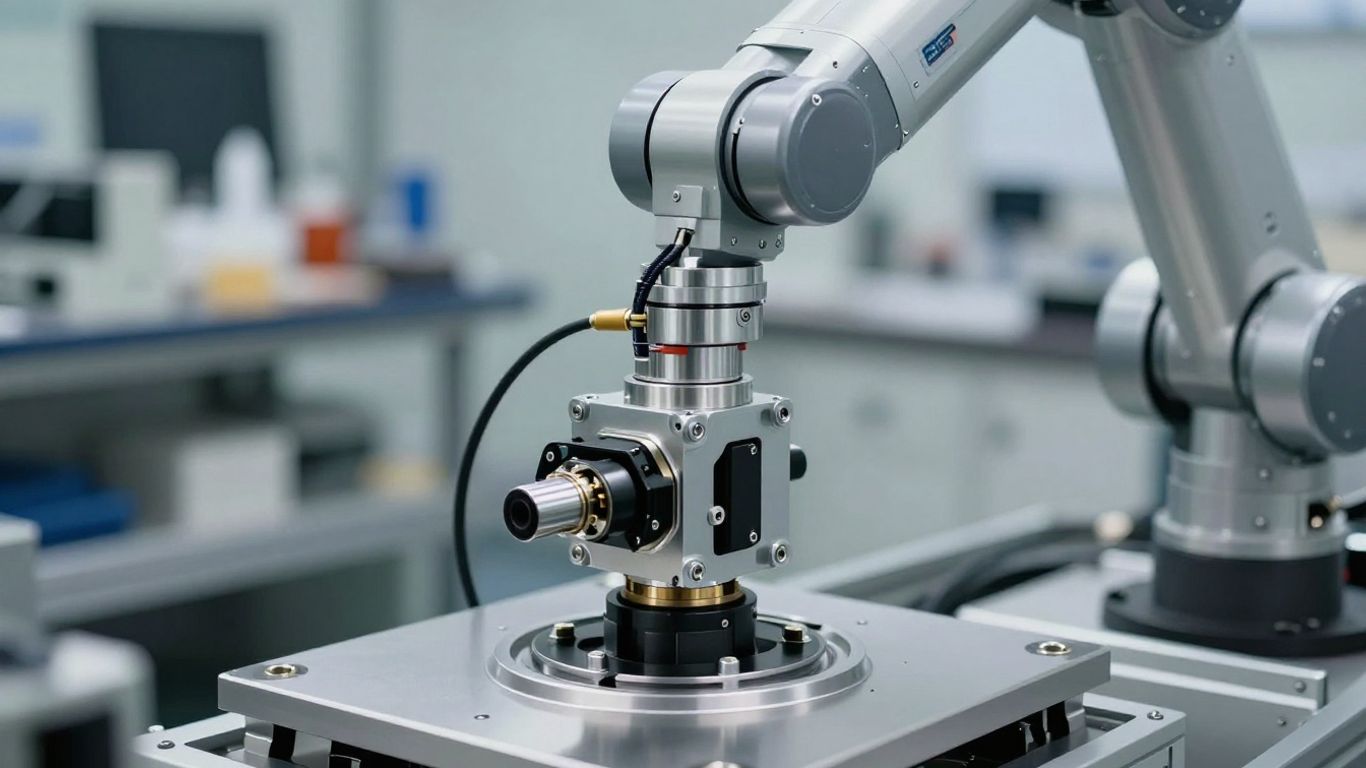
Precision motors facilitate the intricate movements found in sophisticated manufacturing and life-like robotic limbs. These units are not meant for raw power alone but rather for their ability to repeat a set movement with sub-millimeter accuracy. They form the critical junction where movement meets software-controlled intelligence.
Stepper motor mechanics for positioning accuracy
Stepper motors divide a single full rotation into a series of discrete steps, allowing them to stop perfectly at a specific angle. They operate in an open-loop fashion, which means they simply move when commanded without requiring external feedback for confirmation. This behavior makes them excellent for printers and small plotters where position drift is negligible.
Feedback loops in servo motor systems
Servos take the concept of precision further by including a sensor that continuously tells the motor where it is in relation to its target. If the shaft gets pushed out of place, the system detects the discrepancy and pushes back to correct itself instantaneously. This makes them indispensable tools for heavy-duty robotics where the physical load might shift during the process.
Understanding reluctance and hysteresis motor variants
Reluctance motors operate by seeking the path of least magnetic resistance, providing high efficiency in specialized power applications. Hysteresis motors, on the other hand, produce consistent, quiet torque through a material that holds on to its magnetism longer than standard steel would. Engineers utilize these specialized magnetic dynamics when specific noise thresholds or low-vibration performance are required on the factory floor.
Key performance specifications for motor selection
Selecting the correct motor size relies on understanding the environment and the mechanical resistance the motor will encounter during its peak load hours.
Proper motor sizing protects your infrastructure from premature failure and energy waste. A small calculation error early in the design phase can lead to significant bottlenecks regardless of which technology you choose.
Calculating torque and power output requirements
Torque determines the motor’s ability to overcome a start-up load or hold a weight in place against gravity. Motor power, typically measured in horsepower or kilowatts, describes the speed at which that torque is applied during operation. Matching these two values to the physical mass of the moving assembly is the most important step in the sizing process.
Efficiency standards and energy consumption metrics
Energy ratings allow buyers to estimate the cost of running a motor over its intended lifespan. Modern standards require that motors used in continuous services meet high conversion ratios to reduce global power consumption. Oriental Motor often highlights how these classifications impact everything from conveyor belt speeds to the energy bill of a facility.
Inertia, speed, and acceleration parameters
Inertia is the tendency of the load to resist changes in speed, requiring the motor to provide extra power during the acceleration phase. Fast cycles require high-torque motors that can reach top speed quickly without overheating during the transition. Balancing these kinetic parameters ensures that the motor reaches the correct destination without overshooting or vibrating excessively.
Decoding industrial duty cycles and environmental ratings
Defining how a motor works throughout the day is just as important as selecting its peak power capacity. Motors labeled for constant use may fail in seconds if they were only designed for intermittent duty cycles. Understanding these classifications prevents costly overheating and improves the total reliability of the mechanical system.
Defining S1 through S8 duty cycles for thermal equilibrium
Duty cycles tell engineers how long a motor can run at full tilt before it needs to rest to shed heat. S1 is the rating for continuous operation at one constant load, allowing the motor to reach a stable state of heat management. Higher S-ratings indicate more complex intermittent tasks that involve frequent starting and stopping patterns that prevent the motor from ever reaching steady thermal equilibrium.
Cooling methods including air-cooled and liquid-cooled designs
Air-driven cooling uses fans mounted to the shaft to push heat away from the core, which is sufficient for most standard warehouse settings. Liquid-cooled designs circulate coolant through the motor jacket for heavy-duty or sealed applications where dust would clog a standard fan filter. Utilizing liquid cooling dramatically increases the power density because the unit can handle higher current loads without reaching damage thresholds.
Ingress protection and environmental durability specifications
Ingress protection ratings dictate how well the internal motor electronics are shielded from water, dust, and corrosive chemicals. A high protection rating ensures that the unit can be hosed down or used in humid settings without risking a short circuit. Selecting a casing that aligns with the local environmental hazards is the primary way to minimize service calls and extend the interval between maintenance cycles.
Conclusion
Successfully matching an electric motor to its industrial task requires a keen understanding of both electrical input requirements and the mechanical environment of the output. By analyzing duty cycles, efficiency standards, and the specific advantages of AC or DC technologies, operators can ensure a seamless integration that maximizes output while minimizing operational downtime. Investing the time to specify the correct motor today dictates the performance and longevity of the entire automated system for years to come.
Frequently Asked Questions
What is the main difference between an AC and a DC motor?
The primary difference lies in the power source and the internal way they manage magnetic polarity. AC motors run on alternating current and are often used for high-output, constant-speed tasks, while DC motors run on direct current and offer superior control for variable-speed or precision-positioning requirements.
Why are brushless motors considered more efficient?
Because they eliminate the friction caused by physical brushes touching a commutator, brushless motors experience less energy loss through heat and drag. This allows for lighter construction and longer operational life since there are fewer mechanical parts wearing down over time.
How does duty cycle affect motor selection?
A duty cycle identifies the expected on-and-off schedule of a motor. Choosing a motor that isn’t rated for your specific duty cycle can lead to overheating, as an S1 continuous motor will handle a steady load differently than an S3 intermittent motor designed for short bursts.
What does the IP rating on a motor label mean?
The Ingress Protection, or IP, rating describes how well-sealed the motor is against foreign objects like dust and water. A higher rating indicates better protection, which is essential if the motor is operating in a damp, dirty, or outdoor environment.
Do I need a gearbox for every motor application?
Not necessarily, but gearboxes are essential when the required torque exceeds what the motor can provide directly or when the output speed needs to be significantly reduced. Many applications, such as high-speed fans, drive the load directly without any intermediate gearing.
What is the purpose of an encoder in a servo system?
An encoder provides real-time position feedback to the motor controller so it can track its exact location. This allows the system to make micro-adjustments to ensure the physical position perfectly matches the digital command issued by the operator.
Can industrial electric motors be liquid-cooled?
Yes, many high-performance industrial motors are liquid-cooled to manage heat more effectively than air-cooled designs. This method is common in high-density applications where limited airflow prohibits the use of traditional ventilation fans.