Key Takeaways
The landscape of large-capacity engines has shifted significantly, yet these powerplants remain a pillar of automotive passion. This guide explores the essential history, maintenance, and market dynamics surrounding these vehicles.
- The evolution of local manufacturing shaped the domestic motoring identity.
- Iconic models have created a lasting legacy for performance enthusiasts.
- Essential maintenance ensures the longevity of complex high-displacement motors.
- Market trends reflect a changing environment and shifting consumer priorities.
- Future enthusiasts must navigate the transition toward newer technologies carefully.
The history of V8 engines in Australia
For decades, the sound of a roaring eight-cylinder engine has defined the heartbeat of the open road across the continent. Understanding the V8 engine requires a look back at how these powerful configurations established themselves as the preferred choice for those seeking raw output and driving engagement. This history is deeply intertwined with the industrial development and road culture of the region.
The rise of Australian-made V8 performance
The local appetite for high-performance vehicles grew rapidly during the mid-20th century. Designers focused on maximizing displacement to achieve the torque levels that drivers expected when traveling across long, rural distances. This era established a standard where power was directly linked to the physical scale of the engine block.
Influence of local manufacturers like Holden and Ford
Domestic production facilities became the epicenters of engine innovation. By prioritizing local engineering, manufacturers were able to tailor specific power profiles to the unique climate and road conditions. This synergy between engineering teams and local drivers fostered a deep sense of national pride in these vehicles.
Evolution from classic muscle cars to modern engineering
As requirements for fuel efficiency and emissions changed, the design of these engines became more sophisticated. Engineers transitioned from basic carburetors to advanced electronic management systems. This progression allowed for higher efficiency without sacrificing the characteristic delivery that fans appreciate today.
Iconic V8 models found on Australian roads
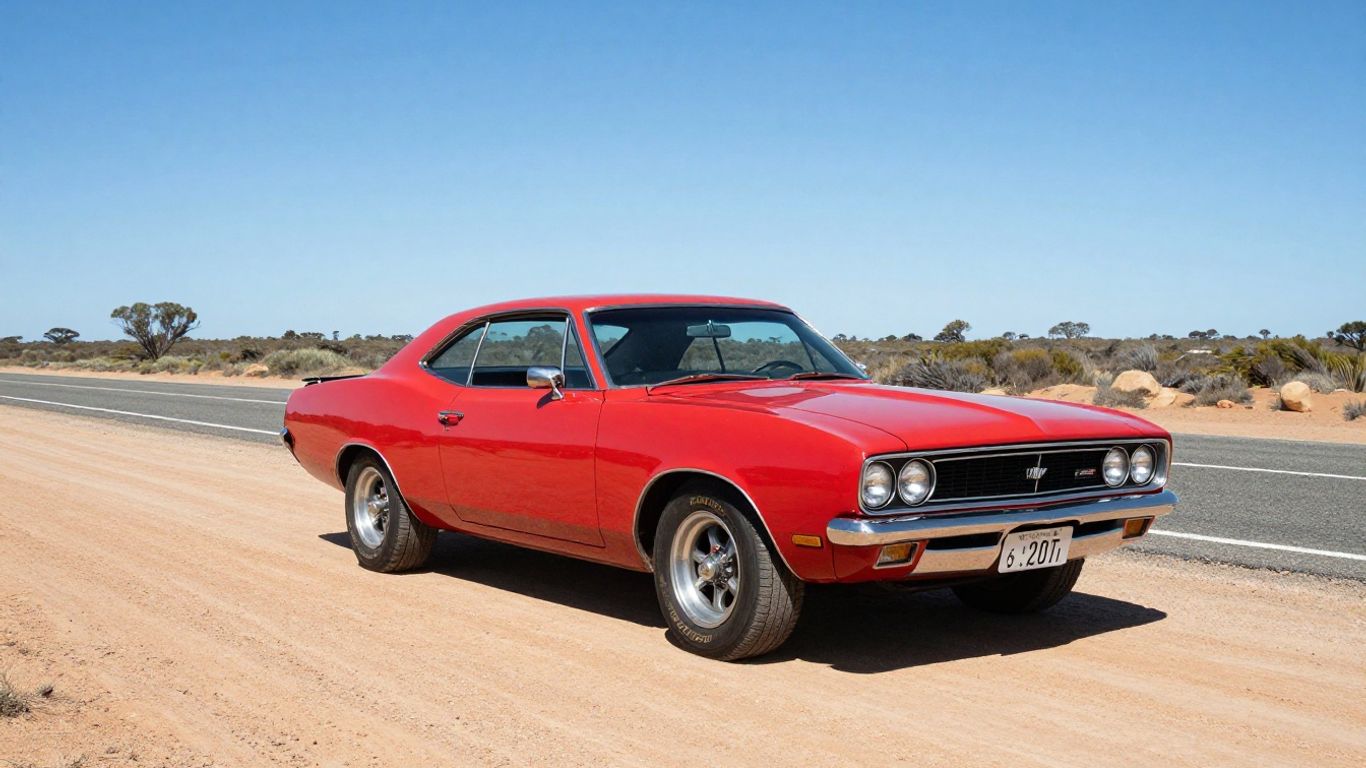
Holden V8 engine models serve as a testament to local manufacturing capabilities and the distinct character of the domestic fleet. These vehicles have moved beyond mere transportation to become icons of a specific era, sought after by collectors and daily drivers alike.
The legacy of Holden’s lion-hearted engines
Many enthusiasts remember these specific powerplants for their reliability and ease of service. The design philosophy emphasized accessibility, ensuring that owners could perform basic repairs themselves. This approach cultivated a loyal following and established a benchmark for how a homegrown engine should perform.
Ford’s performance contributions through the decades
Ford consistently pushed the boundaries of what could be achieved with large-displacement motors. By introducing multiple iterations of their performance platforms, they provided drivers with diverse options that ranged from comfortable cruisers to track-oriented machines. This versatility ensured that their footprint remained significant in the local scene.
Luxury European V8s and their place in the local market
A growing number of drivers in Australia now opt for V8-powered car variants from international brands. These units prioritize refinement, sophisticated power delivery, and advanced thermal management to achieve performance. The following observations compare different engine philosophies:
| Engine Type | Primary Focus | Best Use Case |
|---|---|---|
| Naturally Aspirated | Direct Response | Track Driving |
| Twin-Turbocharged | Low-end Torque | Grand Touring |
| Hybridized V8 | Efficiency | Daily Commuting |
These foreign units contrast sharply with domestic designs, often incorporating more complex architecture that requires specialized service teams.
Maintaining and enhancing V8 performance
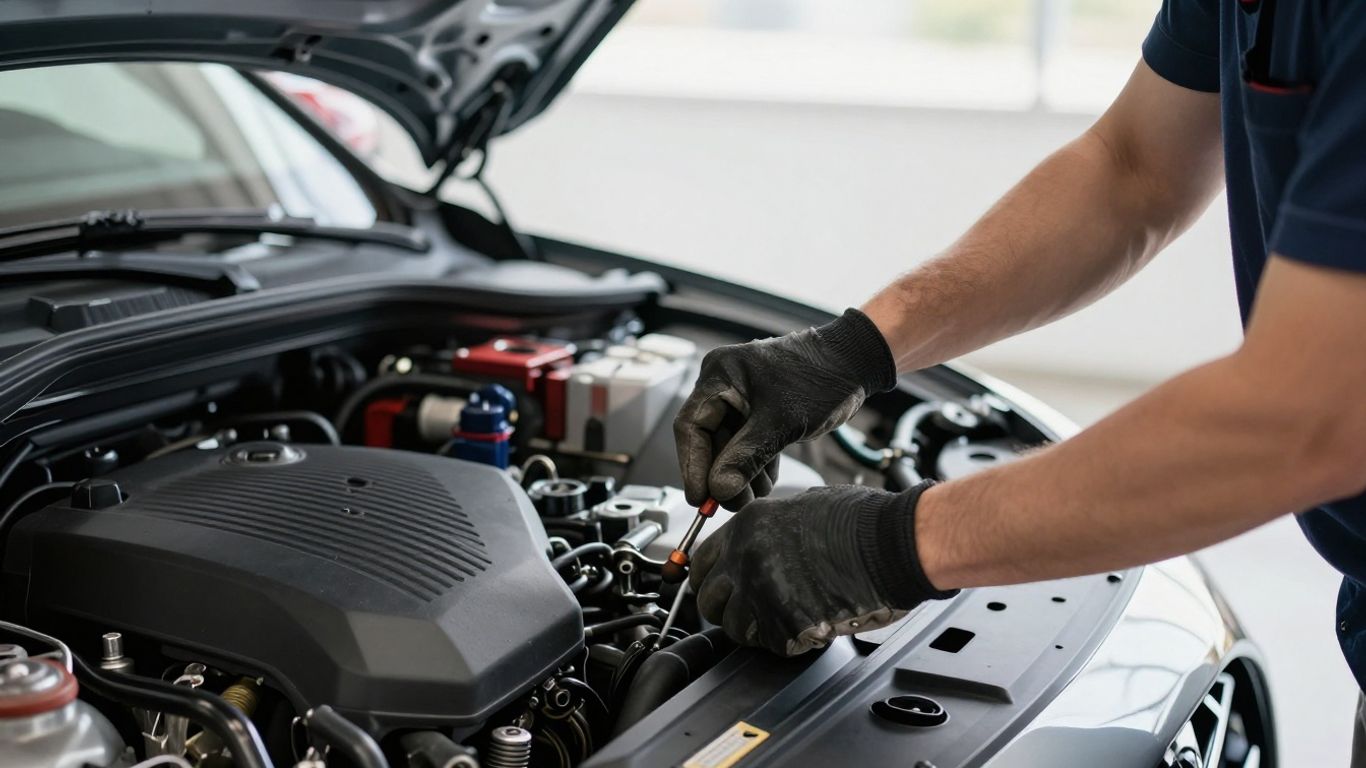
The long-term viability of a high-performance vehicle depends heavily on the owner’s commitment to preventive care. A mechanical health check is the most effective way to ensure that all critical tolerances remain within specified ranges during intensive operation.
Common maintenance schedules for high-displacement motors
High-displacement motors generate significant heat, meaning fluids and seals must be inspected frequently to prevent failure. Cooling systems are particularly critical, as any degradation can lead to rapid overheating under load. Keeping to a strict schedule is never a suggestion; it is a fundamental requirement for these machines.
Navigating Australian roadworthy requirements for modifications
Modifying an engine requires adherence to strict local standards to ensure safety and compliance. Owners often struggle with the regulatory landscape when they seek to increase output or change exhaust characteristics. Consider these critical steps for compliance:
- Review current state-based roadworthiness standards for engine changes.
- Verify that your chosen components are approved for road use.
- Complete the necessary engineering certifications before daily driving.
- Ensure that emissions testing is performed by a licensed shop.
Following these steps helps owners avoid heavy fines or the risk of having their registration suspended during roadside inspections.
Finding specialist mechanics for engine tuning and repairs
Access to V8 engine parts is only one half of the equation; finding a technician who understands the nuances of the configuration is equally vital. Specialist repair shops provide the expertise needed to manage intricate timing and fuel systems, often using proprietary tools to optimize performance beyond factory settings.
Navigating the market for V8 vehicles
Shopping for a large-displacement vehicle requires a cautious approach, especially when purchasing used examples that may have endured heavy service cycles. A systematic inspection ensures that you don’t inherit someone else’s repair bills.
Inspecting potential purchases for mechanical longevity
Pay close attention to engine idle consistency, fluid discoloration, and any evidence of structural stress in the cooling housing. Cold-start behaviors tell the most honest story about the internal health of the block and valvetrain. If a vehicle shows signs of neglect, the cost of bringing it back to power is often unjustifiable.
Understanding the impact of ownership history and logbooks
Documentation is the single most valuable asset a seller can provide. A complete service logbook provides insight into how the vehicle was treated, highlighting whether it underwent frequent oil changes or if it was subjected to prolonged mistreatment. This history allows you to accurately estimate potential risks associated with the purchase.
Trends in resale values for high-performance cars
Values often fluctuate based on the rarity of specific engine configurations and the total production volume of the model. While some mass-produced versions show depreciation, the top-tier editions of late-model performance cars have seen stable, or even rising, resale values as limited supply meets persistent enthusiast demand.
The transition of V8 power in Australia
Industry leaders like General Motors continue to assess their global strategies, weighing the demands of enthusiasts against the pressures of an evolving regulatory landscape. The transition doesn’t necessarily spell the end of the large-bore engine, but it does mean that future versions will likely be fundamentally different in their operation.
Environmental policy shifts impacting large engines
Stricter emissions standards are reshaping the future of motor vehicle design, creating a difficult environment for engines that lack high-efficiency credentials. Policymakers are targeting the highest fuel consumers first, which forces manufacturers to integrate newer technologies that minimize the environmental footprint without abandoning the performance identity of the brand.
Exploring alternatives in the age of hybridization
Hybridization serves as a middle ground for many enthusiasts, allowing the retention of multi-cylinder character while smoothing out the fuel consumption curves. This approach uses electric motors to compensate for the lower efficiency of the base engine at low speeds or during idle, which results in a smoother, more responsive experience.
Preserving the enthusiast culture for future generations
Communities are focused on maintaining the history of their favorite engines through restoration projects and club events. By keeping these classics functional through careful stewardship and expert repairs, current owners are ensuring that the next generation still has the opportunity to experience this unique mechanical art form.
Conclusion
Owning and maintaining a vehicle equipped with a large-bore configuration remains a fulfilling pursuit for those who appreciate the convergence of mechanical engineering and raw performance. Whether you are preserving a local classic or enjoying a modern turbocharged masterpiece, the key revolves around proactive service and an educated approach to ownership. By staying informed on legislative changes and market trends, enthusiasts can continue to navigate this evolving landscape, ensuring that the legacy of these powerful engines thrives well into the future.
Frequently Asked Questions
Why do V8 engines have such a distinct sound?
The unique sound is a byproduct of the firing order and the way the exhaust gas pulses travel through the pipes, which creates a rhythmic note that is different from engines with fewer cylinders.
How often should I change the oil in my V8 engine?
Most high-performance engines require more frequent oil changes than standard family cars, usually every 5,000 to 7,500 kilometers, to manage the increased heat and internal stress.
Are V8 engines generally more expensive to repair?
Yes, due to the increased cylinder count and the higher density of components in the engine bay, accessing specific parts often requires more labor hours, which naturally increases the total bill for maintenance.
Is it legal to swap a larger V8 into a smaller car?
Engine swaps are possible but must be certified by an engineer to meet local safety and emissions standards before the vehicle is legally permitted to operate on public roads.
How has fuel injection changed the efficiency of V8s?
Modern multi-point and direct injection systems allow for precise fuel delivery, which optimizes the combustion cycle and produces significantly more power while consuming less fuel than older carburetor setups.
Should I use premium fuel in an older V8 model?
If the engine has a high compression ratio, premium fuel is often necessary to prevent engine knocking, but you should always follow the specifications provided in the original owner’s manual.
What are the main signs that a V8 head gasket is failing?
A failing head gasket often presents as visible white smoke from the exhaust, loss of coolant with no external leaks, or frothy oil, each of which necessitates immediate professional diagnostic intervention.