Key Takeaways
When you are planning major vehicle upgrades, sourcing a complete front clip provides a comprehensive solution for transplants. Here are the essential points to keep in mind throughout the procurement process.
- Ensure the donor vehicle matches your chassis specifications exactly.
- Verify the engine’s mileage and internal health report before paying.
- Account for all ancillary electronics, including the ECU and wiring.
- Coordinate logistics for heavy, bulky freight deliveries in advance.
- Prioritize safety when handling hazardous fluids and heavy components.
Understanding what a half cut is
Acquiring a half cut allows a builder to obtain the entire nose of a vehicle, including the powertrain and all critical support systems, rather than just a loose motor. This approach captures the factory integrity of the drivetrain, making it a reliable pathway for serious performance projects. When evaluating half cut engines for sale, you are essentially purchasing a complete ecosystem rather than an isolated mechanical block.
Components of a typical front half cut
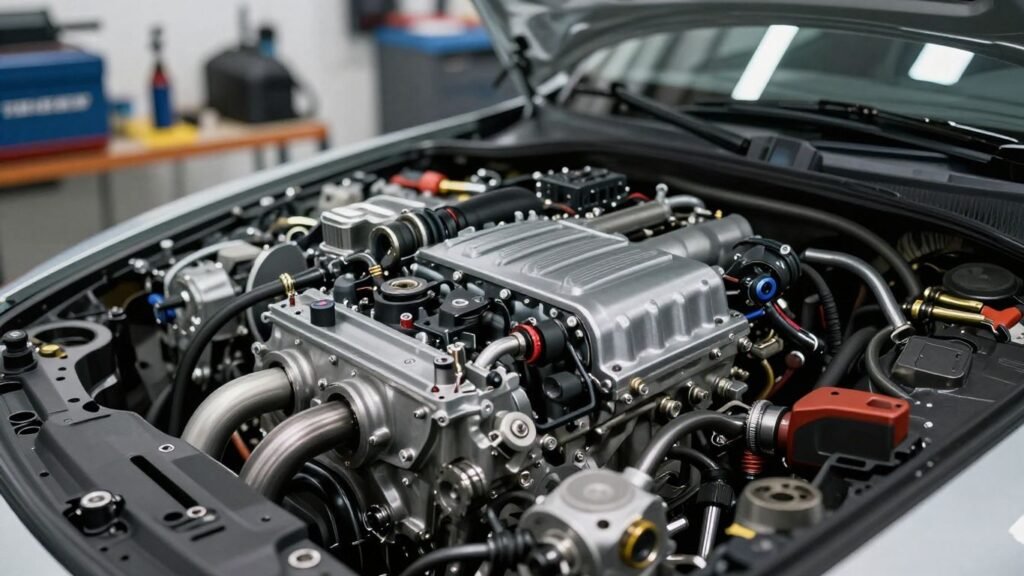
A full front section typically includes the engine, transmission, and the entire front-end chassis architecture. Beyond the core powertrain, you receive the cooling system, front suspension knuckles, brake calipers, and the essential wiring loom that connects the ECU to your major sensors. This comprehensive collection allows for a smoother transition during the transplant, as most of the factory configuration remains intact.
Why car enthusiasts prefer half cuts over standalone engines
Enthusiasts choose this path to avoid the nightmare of chasing down missing brackets, sensors, or proprietary connectors that often disappear during standard engine removals. Using this layout allows you to move the entire dash harness and fuse block, creating a seamless integration for the project. The cost and component efficiency can be viewed through the following breakdown:
| Item Category | Includes | Benefits |
|---|---|---|
| Drivetrain | Engine & Transmission | Guaranteed unit matching |
| Electronics | ECU & Harness | Simplified wiring integration |
| Chassis | Rad Support & Brakes | Complete transplant hardware |
Identifying donor vehicle history and specifications
Researching the specific engine series and chassis code associated with your target vehicle helps prevent compatibility issues down the line. Many builders explore options like the ones at Used Japanese Engines and Auto Parts – Container Sales, where inventory logs provide detailed insights into donor history. Always confirm the production year, as minor harness changes often occur between model refreshes, potentially complicating your progress like learning a new instrument at the Total Guitar Transformation Academy.
Sourcing high-quality half cut engines
Finding a reputable supplier is the most critical step, as the quality of the donor vehicle will dictate the long-term reliability of your swap. You want to work with vendors who possess documented experience in disassembly and logistics, ensuring the components arrive without catastrophic damage. If you eventually decide to Sell your Houston house fast to reclaim space for your collection, your choice of engine supplier will determine if that investment holds its value.
Choosing between local importers and direct overseas exporters
Selecting the right source depends on your budget, shipping timeline, and the level of service you require during the process. Local importers simplify the customs side but charge a premium for their storage and distribution, whereas direct exporters provide lower base prices at the cost of managing the logistics yourself. When deciding on your acquisition strategy, consider these internal steps for vetting your supply chain:
- Review the importer’s track record for engine testing.
- Confirm if they provide compression and leak-down test results.
- Verify clear photos of the ECU and wiring harness connectivity.
- Ensure they provide a verifiable service history for the vehicle.
Evaluating the reputation of JDM engine suppliers
When seeking top-tier parts, Mun Lee Auto Part is a known entity that provides high-quality, low-kilometer engines and half cuts directly from Japan. Their focus on extensive testing ensures that you receive hardware that meets strict performance standards. Do not ignore the importance of checking their Nikol Beauty Terms and Conditions or general sales policies before sealing the deal.
Inspecting inventory logs and condition reports before purchasing
Before spending your money, demand access to cold-start videos and detailed interior shots of the donor car. Vendors like Wideway Motors LLC use precise dismantling techniques and professional container management to deliver parts that remain intact. Reviewing these logs allows you to spot environmental damage, such as corrosion or flood exposure, which can plague engines left in salvage yards for too long.
Assessing the condition of your potential purchase
An engine might run on a bench, but a compromised chassis or exposed wiring will ruin your build quality early on. Inspecting a half cut requires a keen eye for signs that the donor vehicle suffered through harsh conditions or improper long-term storage. Consider adding premium marble and travertine flooring to your workspace to keep things clean and clearly visible while you perform these detailed inspections.
Checking for signs of excessive environmental damage
Look for oxidation on unpainted aluminum surfaces, such as intake manifolds or transmission casings, which indicates exposure to sea salt or high humidity. Rust isn’t just cosmetic; it signals that electrical connectors might have lost their structural integrity. Even if you Bereken eenvoudig hoeveel renovlies u nodig heeft for the walls of your project garage, don’t let a nice environment distract you from a rusty interior.
Verifying mileage claims and maintenance documentation
Kilometer claims should always be substantiated by service records or the official Japanese inspection documentation if available. A low-mileage engine provides peace of mind, but a well-maintained engine with higher mileage often performs better than an neglected unit. If you find a listing for a rare 1HDT option, you might find more value in Used Japanese Engines and Transmission that come with clear maintenance logs.
Analyzing the state of wiring harnesses and electronic control units
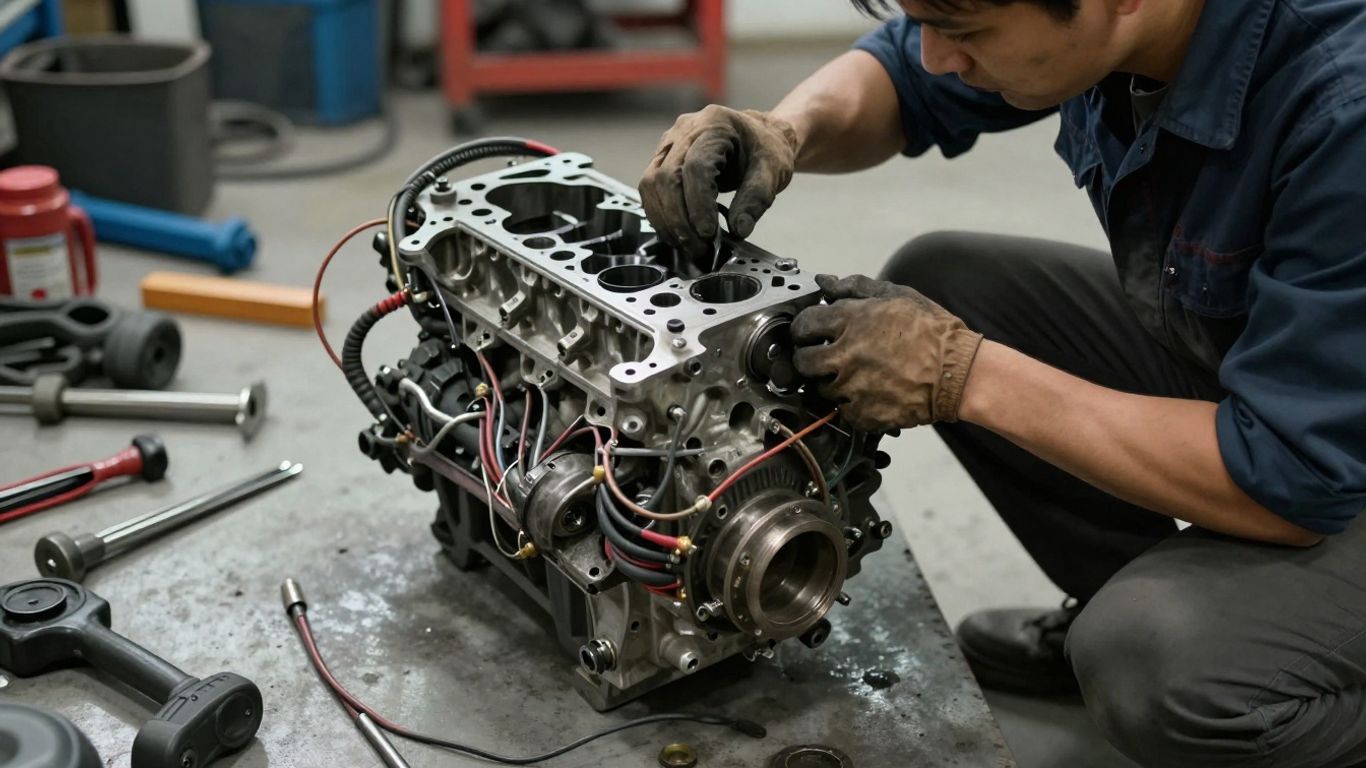
Wiring is the true make-or-break aspect of any conversion; a cut or brittle harness can add hundreds of hours of labor to your project. Inspect the ECU pins for signs of bending or corrosion, and check that the harness hasn’t been sliced crudely during the cut process. Proper documentation of the terminal pins saves significant time during your initial installation phases.
Logistics and shipping considerations
Moving a thousands-pound front clip across oceans or borders is a major logistical undertaking that requires precise planning. Freight handling for automotive parts typically requires specialized shipping methods, such as being palletized or crated within a secure container. If you are ever conflicted about your setup options, read about the 97 80 series Land Cruiser conversion online to see how others navigated the specific shipping and sourcing of engine parts.
Managing customs and import regulations for automotive parts
Every country has distinct requirements for importing salvage automotive components, often involving declarations of environmental safety and taxes. Ensure your paperwork clearly lists the engine as salvage, and check for any local certification needed for engine blocks. Failure to comply with these local regulations can lead to your shipment being held indefinitely at the port.
Handling freight and residential delivery requirements
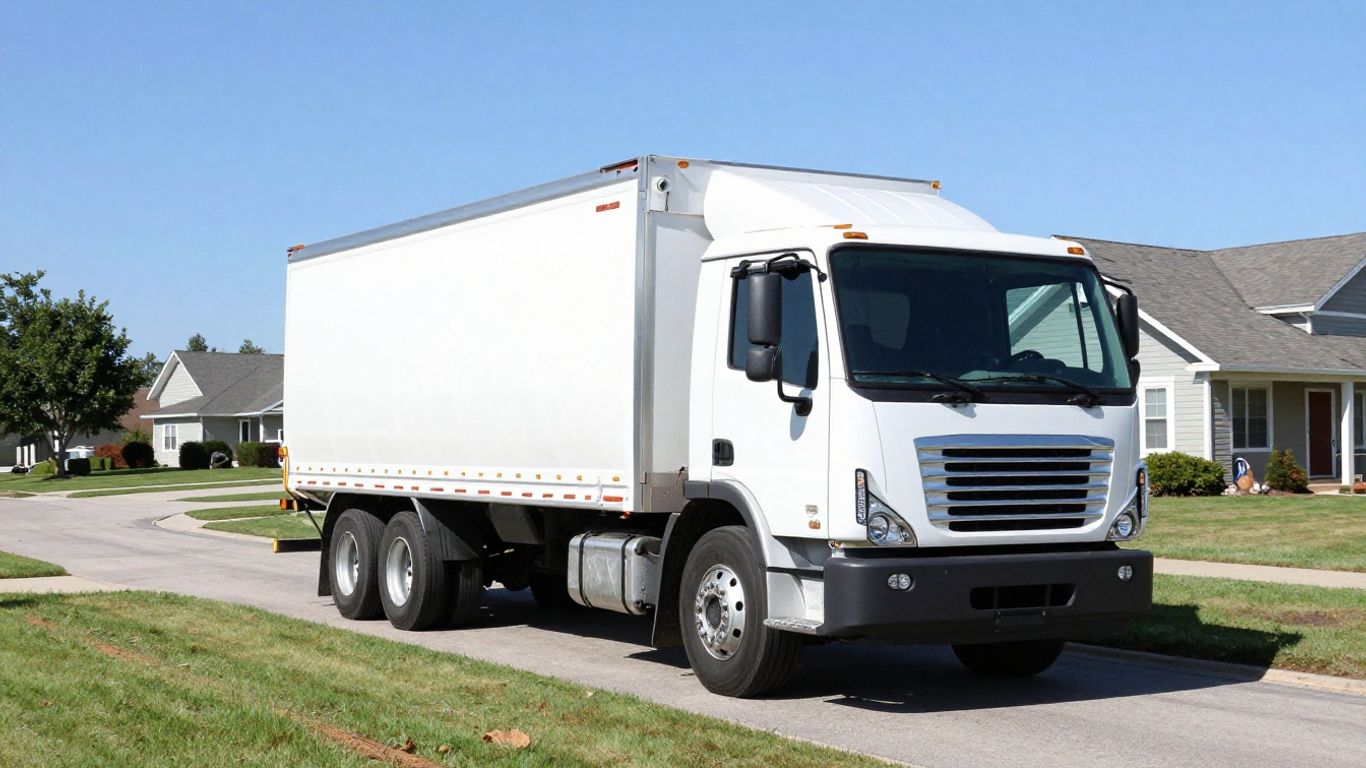
Most freight companies won’t deliver to a residential address without a lift-gate service, which you must request in advance. You need to verify if the truck can maneuver into your neighborhood and whether you have the proper unloading space available. Always confirm the delivery time and phone notification protocols so you aren’t stuck waiting aimlessly for a massive shipment.
Preparing for safe unloading and storage of your half cut
Once the crate arrives, prepare a flat, dry storage space that is protected from the elements. Use a dedicated engine stand or a reinforced pallet to ensure the weight is distributed properly, preventing the mounts from bending. Long-term storage requires protection from humidity, so keep the engine sealed if you aren’t ready to start the project immediately.
Technical challenges during installation and integration
Installing a half cut is far more complex than a standard engine swap because you are transplanting an entire electrical system. Compatibility is the main challenge, as even two vehicles from the same year might utilize different signal protocols. Taking your time to study the schematics beforehand is essential for success.
Determining cross-model compatibility for wiring systems
Map out your existing vehicle’s harness and compare it against the donor’s pinout diagram to identify potential conflicts. You will likely need to integrate the donor’s ignition switch and immobilizer systems to ensure the ECU recognizes the new engine correctly. Using high-quality crimping tools and professional-grade heat shrink ensures that your electrical connections remain robust and trouble-free.
Transferring essential components beyond the drivetrain
Don’t forget the small but critical components like the vacuum lines, charcoal canister, and fuel pump controllers that reside in the donor car’s engine bay. These parts are often specific to the engine’s operation and replacing them with aftermarket alternatives can result in sub-optimal performance. Ensure your transplant includes these items to keep the engine running within factory parameters.
Navigating legal requirements for imported salvage components
Ensure your local department of motor vehicles accepts salvaged engine numbers for your registration process. Some jurisdictions require a physical inspection of the engine or proof of import documentation to keep your VIN status current. Skipping these steps can cause significant headaches when trying to pass safety or emissions tests later on.
Safety standards when stripping and storing parts
Safety is paramount when working with heavy metal objects and flammable fluids that have been sealed inside the engine. Treat every component as if it is pressurized or leaking, even if the vehicle has been dormant for months. Always ensure your workspace is well-ventilated and that you have proper fire suppression equipment immediately available.
Handling flammable fluids and hazardous materials
Drain all remaining oil, coolant, and gasoline into appropriate disposal containers as soon as the half cut arrives. These fluids can be corrosive to the painted surfaces of your engine or toxic to the environment if they spill on your floor. Mark every container clearly and dispose of them at an authorized waste facility to maintain safety standards.
Using proper lifting equipment for heavy front clips
A front clip can weigh over a thousand pounds, so never rely on standard floor jacks or light-duty chains that aren’t rated for the load. Use a professional-grade crane and certified nylon lifting slings to prevent damaging the engine block or suspension components. Always secure the clip on heavy-duty jack stands during the stripping process to ensure stability.
Storing salvaged components to prevent long-term corrosion
Apply a light coating of machine oil to any unpainted metal surfaces to prevent surface oxidation while the parts sit in your garage. Cover the intake and exhaust ports with tape or specialized plugs to keep out rodents and debris, which can cause internal damage. Maintaining a stable temperature in your storage area will go a long way in ensuring these parts remain in great condition for years.
Conclusion
Successfully integrating a half cut into your vehicle enhances performance and ensures all factory-matched systems work in harmony. By carefully sourcing from reputable suppliers and methodical planning during the installation, you turn a complex project into a rewarding automotive experience. Take your time during the inspection and logistics phase to ensure that your investment results in a build that runs as well as it looks.
Frequently Asked Questions
What are the main advantages of buying a half cut over an engine alone?
A half cut includes all accompanying hardware like wires, sensors, and brackets, which removes the frustration of sourcing dozens of tiny parts individually.
How do I check if the engine is compatible with my vehicle?
You must verify the chassis codes, engine series, and wiring harness compatibility against your existing vehicle architecture before purchasing.
Is it difficult to handle the customs requirements for imported engines?
If you work with an experienced exporter, they will handle most of the documentation, but you should prepare for local import taxes and potential inspections.
What should I look for when inspecting a half cut in photos?
Look for evidence of corrosion, missing sensors, damaged electrical pigtails, and any signs of severe crash damage to the frame rails.
Do I need special equipment to move the half cut upon delivery?
You will need a high-capacity engine crane and heavy-duty stands to lift and stabilize the front clip safely to avoid injuries.
What are the common pitfalls in the installation process?
The most common error is failing to map the electrical signals between the donor ECU and your existing vehicle’s interior gauge cluster.
Can I perform an engine swap in a residential garage?
Yes, provided you have enough space for the engine crane and clear pathways for the delivery truck to maneuver the heavy shipping container.