Key Takeaways
Opting for salvaged components offers a practical avenue for maintaining high-end German vehicles while aligning with personal sustainability goals. Understanding the source and condition of these parts ensures a reliable result for automotive enthusiasts and daily drivers alike.
- Engines stripped from accident-damaged vehicles undergo rigorous inspection processes.
- Reusing existing power units significantly lowers the total environmental impact of repairs.
- Professional verification of engine codes is essential to ensure precise vehicle compatibility.
- Proper documentation of every installation step protects future warranty claims and resale value.
- Testing the oil pressure and compression levels verifies internal health before performing a full install.
The basics of BMW recycled motors
Recycled motors represent a practical choice for vehicle owners looking to extend the life of their machines without relying exclusively on brand-new factory-shipped blocks. By breathing new life into these powerplants, owners can manage repair budgets effectively while securing genuine parts designed specifically for their chassis. Many enthusiasts treat these salvaged units as an integral part of the automotive lifecycle, keeping well-maintained vehicles on the road for hundreds of thousands of miles.
What are recycled automotive motors?
Recycled automotive motors are internal combustion engines harvested from vehicles that have reached their end of life, typically via salvage or insurance settlements. These engines undergo a careful removal process where they are separated from the main drivetrain, tested, and cataloged by specialized facilities. By utilizing these parts, mechanics gain access to original equipment components that align precisely with the electrical and mechanical systems of a host vehicle.
Quality standards for BMW salvage parts
High-quality salvage components are verified through consistent performance benchmarks that ensure the unit is operational upon delivery. Reputable dismantlers often perform compression tests and examine the condition of fluids to confirm internal integrity. By maintaining these strict quality benchmarks, the industry ensures that every replacement remains a viable and long-term solution for vehicle restoration and repair.
Distinguishing between remanufactured and used motors
Understanding the difference between these two categories allows owners to make informed purchasing decisions based on their specific needs and budget constraints. While used motors come directly from the source vehicle, remanufactured options undergo a factory-style teardown and replacement of primary wearing components. Consider the specific differences outlined in the table below which highlights the characteristics of both common marketplace options.
| Feature | Used Recycled Motor | Remanufactured Motor |
|---|---|---|
| Core Condition | Original factory state | Inspected and updated |
| Wear Components | Consistent with mileage | Typically replaced/new |
| Price Point | Highly cost-effective | Higher investment cost |
| Labor Required | Direct installation | Direct installation |
Selecting the right path depends on whether you have a specific restoration project in mind or need a quick mechanical fix to restore daily driving functionality.
Environmental and economic advantages
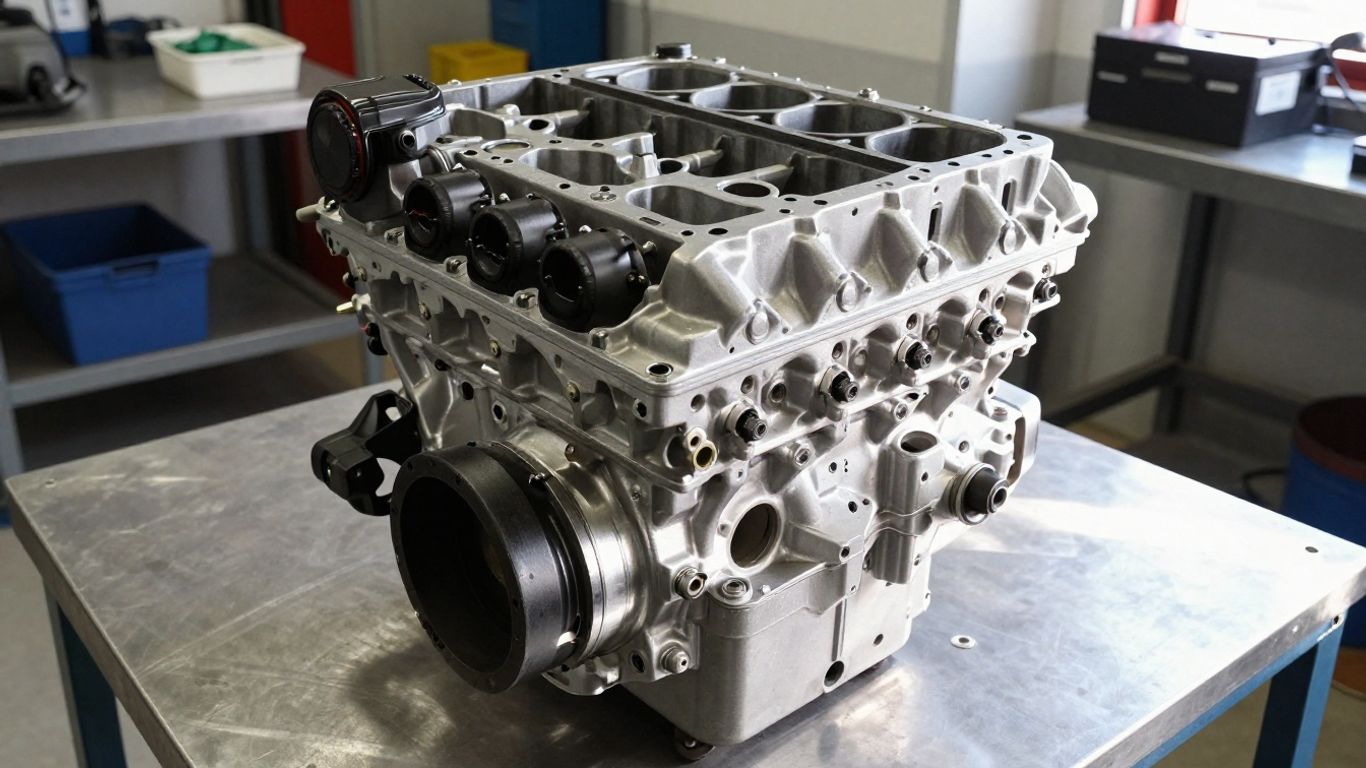
Choosing components saved from end-of-life vehicles directly supports the transition toward a circular economy within the global automotive industry. By extending the operational life of existing machinery, the manufacturing burden on raw material extraction and heavy processing is significantly reduced. This approach helps manufacturers like those involved in the Car2Car project focus on high-quality secondary material streams for future production.
Reducing the carbon footprint of engine repairs
Every time a motor is recycled, the carbon emissions associated with casting metal, transporting parts, and high-energy assembly are avoided entirely. This mitigation strategy proves especially effective as the BMW i4 and other modern electric vehicles highlight the push for lower impact across the entire product lifecycle. Repairing a combustion engine with a salvaged part prevents unnecessary strain on global supply chains that have yet to fully decarbonize.
Conserving raw materials in the automotive industry
Modern manufacturing focuses on heavy investment in recycled raw materials such as steel, plastic, and aluminum to minimize environmental impact. By using previously installed engines, we avoid the need for virgin mining and refining operations that occur far from the assembly line. Consider these core benefits of material conservation:
- Preservation of high-grade fossil fuel reserves used during assembly.
- Avoidance of massive CO2 output from traditional smelting and metal forging.
- Reduction of industrial waste generated by producing specialized internal components.
- Lower logistics costs associated with shipping smaller, regionalized car parts.
These practices mirror innovative production methods seen with the BMW iX3, which incorporates significant amounts of recycled content in its construction, effectively bridging the gap between old technology and new environmental standards.
Cost-effectiveness compared to factory-new blocks
For many owners, the cost of a brand-new factory engine is often prohibitive, sometimes exceeding the residual value of the entire vehicle. Salvaged engines provide a secondary life for these machines at a fraction of the cost, making specialized repairs much more accessible. This economic efficiency allows owners to allocate funds toward other areas of vehicle performance, such as premium tires or essential maintenance tips.
Sourcing high-quality BMW motors from salvage yards
Locating a reliable replacement requires a blend of mechanical knowledge, careful research, and coordination with reputable dismantling centers. Building a database of trusted suppliers ensures your next engine meets necessary performance standards and passes critical initial checks.
Finding reputable BMW dismantlers and salvage centers
Reputable facilities specialize in documenting parts and providing clear histories for the donor vehicle, which is crucial for modern complex engine management systems. You can often start your search by looking for local centers that hold specific certifications for professional dismantling and fluid management. These businesses provide better value than generic yards because they understand the nuances of the German vehicle ecosystem.
Interpreting vehicle identification numbers and engine codes
Matching the correct internal specifications is vital, as engine design revisions within the same model year can create compatibility hurdles during installation. The Vehicle Identification Number (VIN) allows you to decode the exact powertrain configuration, while the manufacturer stamped engine code confirms the physical block specs match your current setup. Confirming these codes before purchase prevents expensive restocking fees and time-consuming return processes.
Inspecting a donor motor before purchase
Before finalizing the exchange, a visual inspection usually tells an important story about the life of that motor. Look for leaks around the valve cover, oil pan, and rear main seal to gauge overall health. While you might seek professional installation services later, performing your own external audit ensures you are bringing a solid foundation to your garage.
Common pitfalls when buying recycled BMW engines
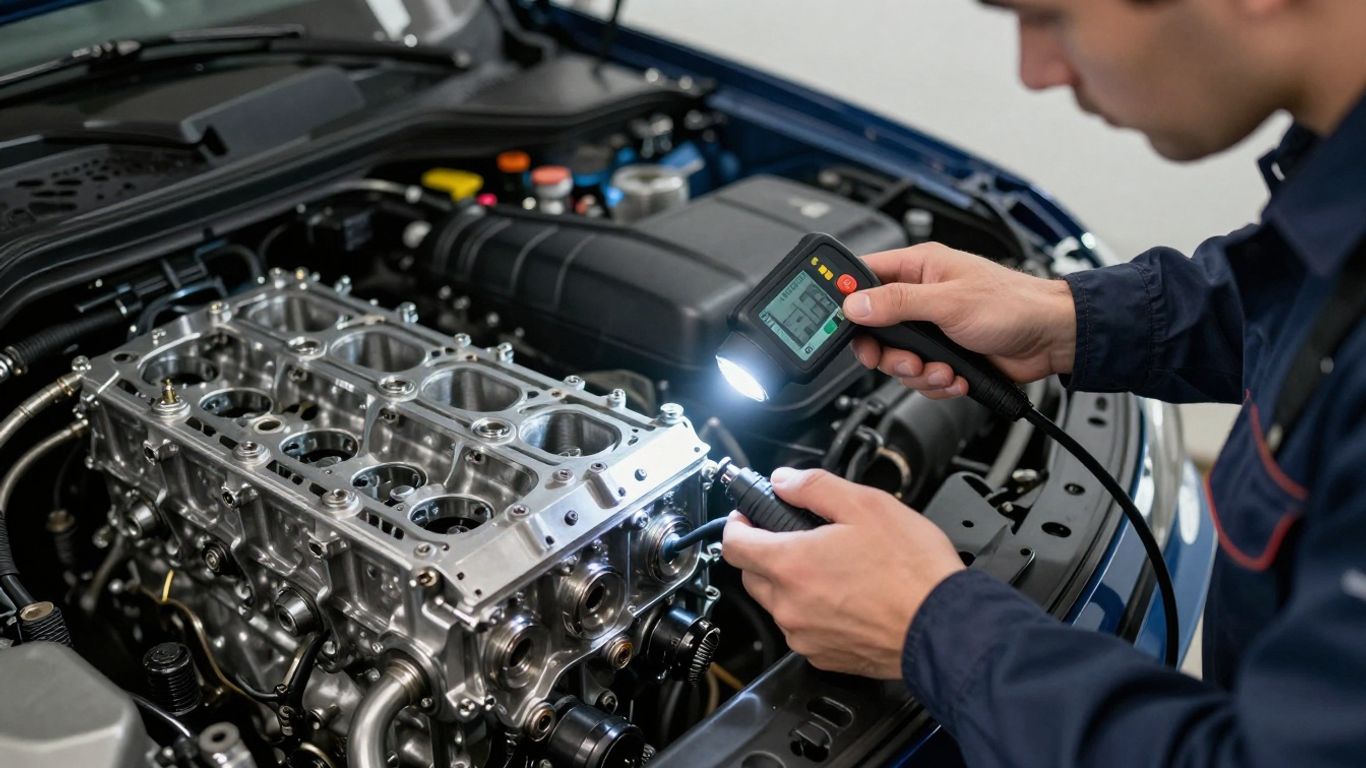
Navigating the secondary parts market involves careful vigilance to ensure you do not inherit problems from a poorly maintained donor vehicle. Understanding what to look for prevents common issues like sludge buildup, cooling system failure, or unexpected electrical shorts that arise from improper storage.
Identifying signs of improper storage or engine wear
Engines that have been sitting uncovered in salvage yards for extended periods often suffer from corrosion or debris accumulation. Always check the intake and exhaust ports for moisture presence, and look for signs of rust on exterior aluminum castings that might indicate exposure to the elements. These warning signs are often indicators that internal components might have suffered from neglect long after the engine was pulled.
Verifying the maintenance history of the donor vehicle
Modern vehicles are sophisticated pieces of machinery, making evidence of regular oil changes and sensor health absolutely vital. If the salvage yard has a VIN, use professional service history databases to cross-reference oil change records, as poor maintenance leads to premature bearing failure and sensor sludge. Skipping this verification step is a common mistake that turns a good deal into a major financial headache.
Warning signs of salvaged parts with hidden defects
Some problems remain invisible until the motor is under load, so it is important to understand the thresholds for failure. For instance, if an engine arrived with a cut engine harness, it might imply that technicians had to force the removal, damaging sensitive pins or internal wiring. Watch for brittle hoses or plastics, which suggest the vehicle was subjected to extreme heat cycles in the past.
Professional installation and best practices
Once the engine is delivered, the transition from paper order to operational machine requires careful precision. Managing the logistics of a professional swap ensures that your investment remains protected and that the engine performs as expected on the road.
Selecting a technician experienced with BMW engines
Modern engine management systems require specialized knowledge to calibrate and prime correctly. Engaging a technician who understands the intricacies of the manufacturer’s specific electrical interfaces and cooling protocols makes a difference in engine longevity. They can offer advice on ESG business challenges and how they impact the reliability of older components, ensuring your repairs are handled with modern sustainability in mind.
Pre-installation checks and necessary service components
Before placing the new motor into the chassis, it is standard practice to replace the primary water pump, belts, and gaskets that are difficult to reach once installed. Treating the engine to new spark plugs and high-quality synthetic oil provides a clean baseline for the break-in period. Taking these small steps during the build helps identify minor issues before you ever turn the key.
Testing and breaking in a recycled motor
After the initial start, monitor all vital signs, including oil pressure, coolant temperatures, and any unusual vibrations during idle. Gradually introducing load during the first five hundred miles helps the rings seal properly and allows internal sensors to calibrate with the existing electronic control unit. Keeping this disciplined schedule pays off in long-term reliability.
Understanding warranties and return policies
Knowing exactly what protection you have gives you immense peace of mind during the installation process. Warranty agreements vary significantly, so read the fine print regarding labor reimbursement and core exchange requirements before buying.
What to look for in a parts warranty agreement
Most quality suppliers offer a limited 30 to 90-day parts-only warranty that covers internal failure. Ensure you understand if the warranty covers shipping in the event of a failure, as this cost can add up if the engine needs to go back to the yard. Finding a company that offers a clear, transparent policy often indicates confidence in the quality of their stock.
Documenting the installation process for warranty claims
Keep a digital folder of every receipt and photograph from the installation process, including proof of new fluids and parts. Most claims are denied because of insufficient evidence that the engine was installed according to professional standards. By maintaining this documentation, you secure your claim if a mechanical problem arises within the warranty period.
Navigating dealer policies when issues arise
In the unfortunate event of a defect, remain calm and communicate clearly with your supplier, providing your documentation immediately. Most salvage businesses want you to have a good experience and are willing to work with you on an exchange if communication remains professional. If you are ever unsure, remember that sustainable home materials or automotive components carry similar ethical and quality risks, and transparency is the best way to resolve conflicts.
Conclusion
Integrating recycled components into your maintenance routine strikes a perfect balance between performance, budget, and environmental responsibility. By following these best practices, you can reliably revitalize your vehicle, proving that sustainable solutions provide genuine value to the modern driver.
Frequently Asked Questions
Will a recycled motor last as long as a new one?
The lifespan of a recycled motor depends heavily on its previous maintenance history and the installation standards applied during the swap. With high-quality salvage and proper service, many recycled engines offer thousands of miles of trouble-free performance.
Is it legal to replace my engine with a recycled one?
Replacing an engine with a compatible used part is generally legal in most jurisdictions, provided the engine meets original emissions compliance standards. It is always wise to inform your local vehicle registration office if your engine swap involves a change in the primary engine identification code.
How many miles is considered safe for a recycled engine?
Engine health is determined more by how well it was maintained rather than just the total mileage shown on the dash. An engine with higher mileage that shows clean internal components and documented oil changes is often a safer bet than a low-mileage unit with poor care.
Can I perform the engine swap by myself?
While experienced hobbyists often perform their own swaps, engines require a significant array of specialized tools and knowledge of computer diagnostics. If you lack the specific equipment for electrical programming, professional assistance is highly recommended to avoid shorting vehicle sensors.
How does the computer system know about the recycled engine?
Some newer vehicles may require reprogramming or "coding" to adapt the ECU to the specific characteristics of the new motor. Modern interfaces can usually be synchronized at a professional workshop, ensuring that fuel delivery and timing remain optimal.
Where can I find the engine code on my block?
The engine code is typically stamped directly onto the engine block, often found near the flange where it meets the transmission. You may need to clean away years of road grime to read the stamp clearly, or look for a small metal tag attached to the side of the head.
Do recycled engines come with all the accessories?
Salvage motors are often sold as "long blocks," which means external accessories like as alternators, power steering pumps, and AC compressors might be removed before shipping. Always confirm the scope of your order to know if you are purchasing a complete assembly or just the core block.